
-
 Analytical & Elemental Instruments
-
Biotechnology Lab Items
-
Cardboard and Box Factory Lab Equipment Solution
-
Cleanroom Solution
-
Consumables & Accessories
-
Dosing Pump for Chemicals
-
Electrochemistry & Titration
-
ETP -Effluent Treatment Plant
-
Feed Quality Laboratory
-
Food & Kitchen Lab Items
-
Hygiene Testing Equipment
-
Lab Furniture



Why a Feed Quality Laboratory Is Essential for Modern Animal Nutrition?
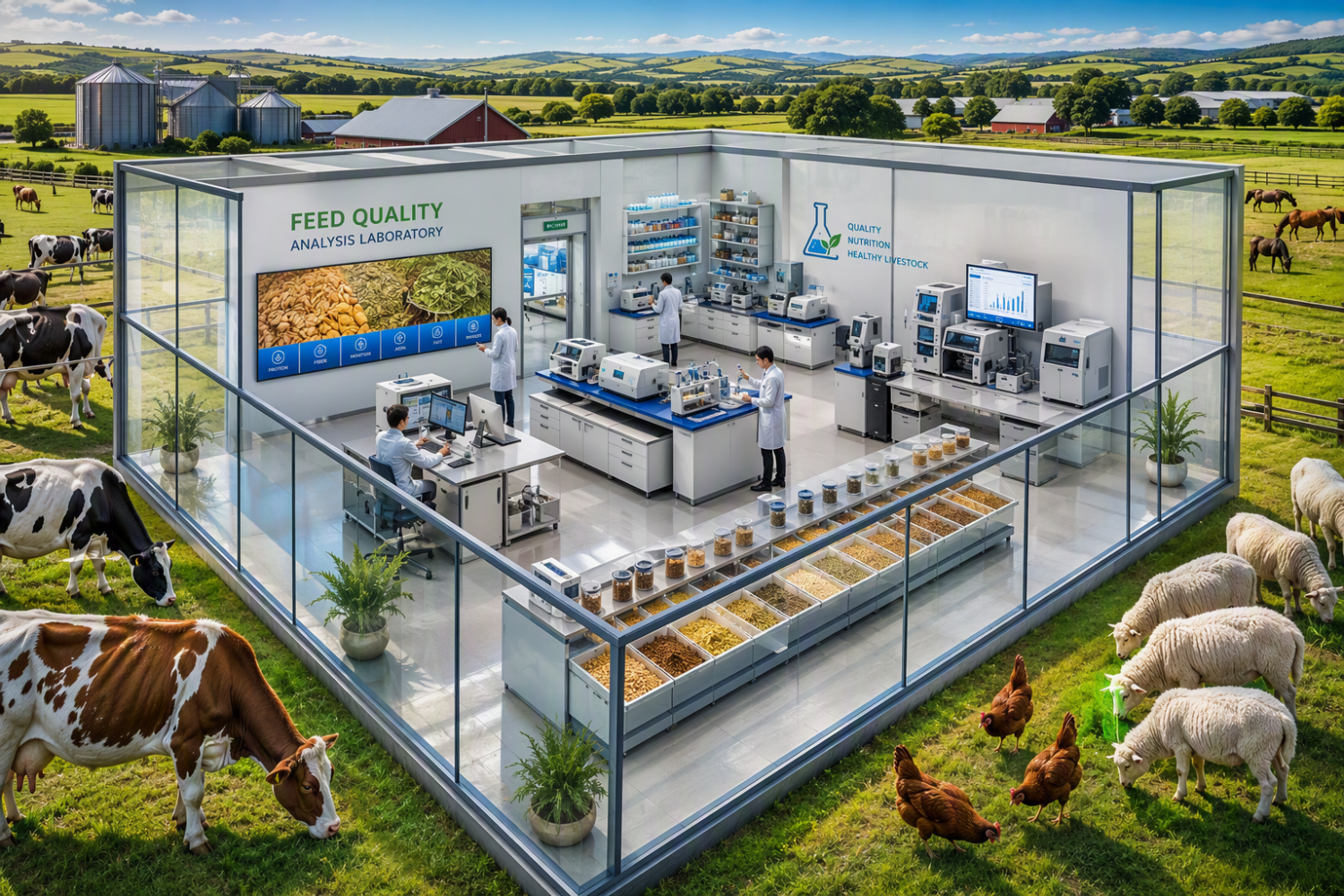
Animal feed does far more than fill a ration. It supports animal nutrition, protects animal health, and affects the safety of meat, dairy, and eggs. That is why feed quality matters at every step, from raw materials to finished product. A feed quality laboratory gives you a clear picture of what is really in feed through dependable feed analysis. With stronger quality control, you can catch risks early, confirm nutritional adequacy, and make better decisions for consistent performance.
Key Highlights
Feed quality shapes animal nutrition, animal health, and product safety across the supply chain.
A feed quality laboratory strengthens quality control through accurate feed analysis and feed testing.
Lab testing confirms crude protein, crude fat, crude fiber, dry matter, and amino acids.
It also screens animal feed for heavy metals, pathogens, and other undesirable substances.
Better feed quality supports animal performance, feed conversion ratios, and economic efficiency.
Strong sampling, quality assurance, and accreditation improve reliable analysis and regulatory compliance.
The Importance of Feed Quality in Modern Animal Nutrition
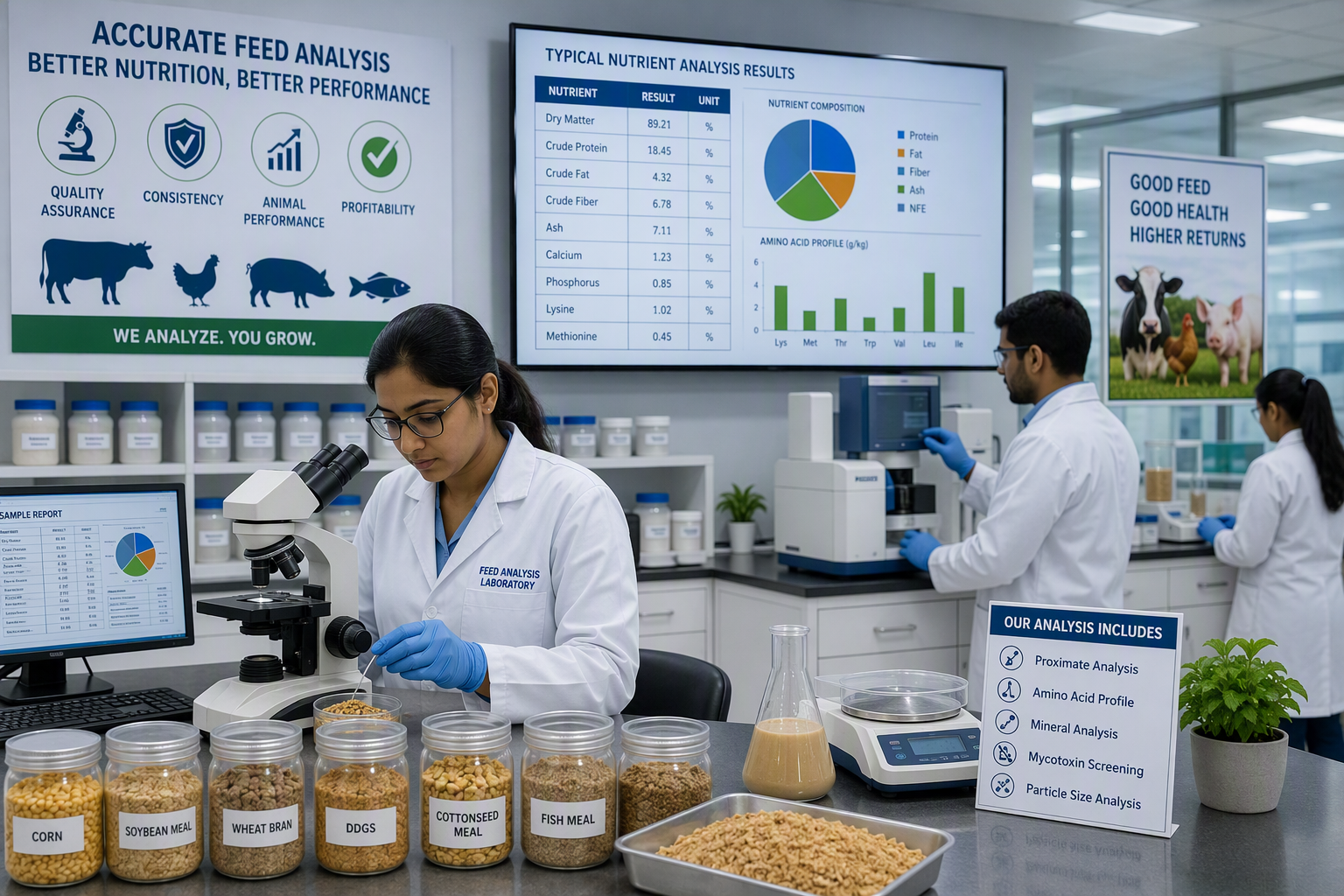
Feed quality is central to modern animal nutrition because it affects animal health, animal welfare, and animal performance. When animal feed has the right crude protein and other nutrients, livestock can grow, produce, and reproduce more effectively. Good feed analysis helps verify that balance.
Poor quality control creates wider problems. Contaminated or imbalanced animal food can raise food safety risks, reduce economic efficiency, and hurt trust across feed industries. A feed quality laboratory helps prevent those outcomes, which is why its impact reaches far beyond the farm.
Impact of Feed Quality on Livestock Health and Productivity
Healthy livestock start with consistent animal feed. Each dietary component influences animal health in a direct way, from growth rate to reproductive function. When feed quality is stable, animals are more likely to receive the nutrients they need every day.
That consistency shows up in animal performance. Balanced rations support better feed conversion ratios, stronger weight gain, and steadier output in systems focused on milk or egg production. When nutrient levels drift or contamination appears, productivity can fall quickly and costs can rise.
There is also a business side to this. Better feed quality improves economic efficiency by reducing waste and helping producers avoid losses linked to poor performance. In simple terms, high-quality feed helps animals do well, and that helps operations stay productive and profitable.
Ensuring Food Safety from Farm to Table
Food safety begins earlier than many people think. It starts with animal feed, because contaminants at the feed stage can move through the supply chain and affect both animal food and human food. A feed quality laboratory helps identify risks before they spread.
Strong feed analysis supports preventive controls by checking for hazards that can trigger disease outbreaks or long-term safety concerns. Common targets include:
Undesirable substances such as mycotoxins and pesticide residues
Heavy metals like lead, arsenic, mercury, and cadmium
Pathogens that can compromise feed hygiene and product safety
Just as important, testing supports regulatory requirements and helps producers prove that feed is safe and nutritionally sound. That makes laboratory oversight a practical defense from farm to table.
The Role of a Feed Quality Laboratory
A feed quality laboratory is the working center for dependable feed analysis and quality control. It checks animal feed for nutrient levels, contaminants, and batch consistency, giving producers clear data instead of guesswork. That supports smarter decisions at each feed stage.
Beyond testing alone, laboratories provide analytical services that improve feed testing speed, accuracy, and traceability. They turn raw numbers into useful animal nutrition analysis, helping producers respond faster to problems and maintain stronger standards. The next sections show how this happens in practice.
Advancing Nutrition Accuracy Through Scientific Testing
Scientific testing improves feed analysis by replacing assumptions with measured results. When laboratories examine feed samples, they can confirm whether a formula truly matches nutrition targets. That matters because small variations in raw materials can change feeding value in a big way.
A modern lab often reviews core nutritional and safety markers in one workflow. Common checks include crude protein, dry matter, amino acids, crude fat, crude fiber, and heavy metals. This gives producers a more accurate picture of both nutrient value and risk.
Test area | What it helps confirm |
|---|---|
Crude protein | Whether protein levels meet formulation goals |
Dry matter | True nutrient concentration after moisture is considered |
Amino acids | Balance of essential building blocks such as lysine and methionine |
Crude fat and crude fiber | Energy value and fiber content |
Heavy metals | Presence of toxic contaminants that threaten safety |
With this structure, quality control becomes more precise and more dependable.
Supporting High-Quality Animal Nutrition Programs
Feed laboratories support animal nutrition programs by showing what ingredients actually provide, not just what a label or supplier target suggests. Animal feed analysis helps nutrition teams compare ingredient quality and adjust formulas based on verified results.
That matters because different animal species have different needs. A ration designed for poultry will not match the feed nutrition needs of dairy cattle or swine. Laboratory data helps confirm nutritional adequacy for each species and life stage, which supports better planning.
Labs also help producers select materials with higher nutritional content when needed and reject lots that fall short. Over time, that creates more stable programs, fewer surprises in the mill, and a stronger connection between feed formulation and on-farm results.
Essential Laboratory Methods for Evaluating Animal Feed
Reliable feed analysis depends on methods that measure nutrients, detect hazards, and support consistent decision-making. In animal feed testing, scientific methods offer more accuracy than visual checks or assumptions based only on ingredient type. That leads to stronger feed quality outcomes.
These methods also improve feed testing workflows and data integrity. With organized animal nutrition analysis, labs can move from sample receipt to results with better traceability and fewer manual errors. The sections below cover the main approaches used in practice.
Nutrient Analysis Techniques Used in Laboratories
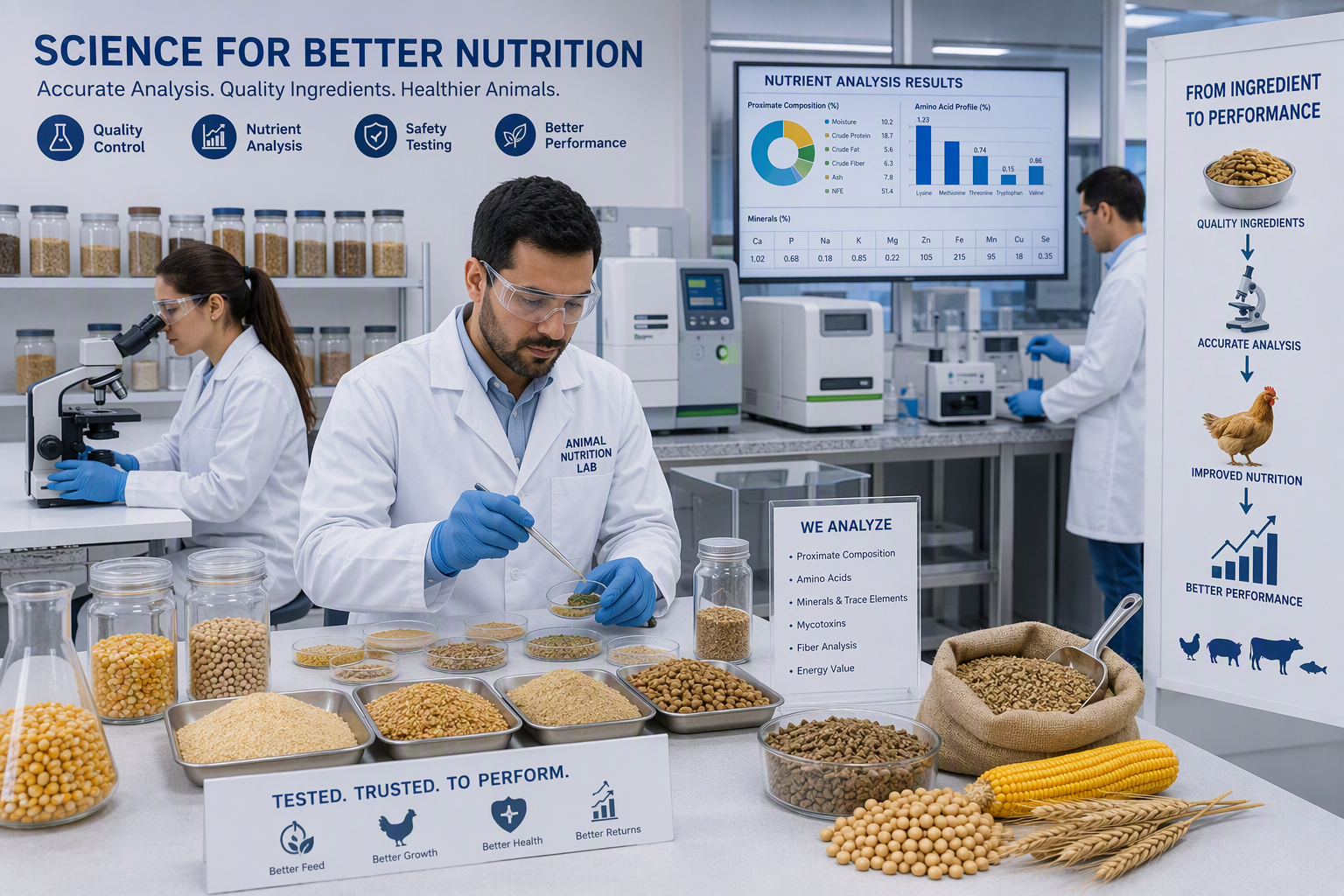
Nutrient analysis is a core part of animal feed testing because it shows whether feed can meet animal nutrition goals. Laboratories often use wet chemistry and other validated analytical services to measure major components and compare them with formulation targets.
These tests commonly focus on:
Crude protein, dry matter, crude fat, and crude fiber
Amino acids that shape protein quality
Fiber measures such as neutral detergent fiber when relevant
This information supports better feed production by showing where ingredients vary and where formulas may need adjustment. It also helps explain differences between lots of raw materials, including common inputs such as corn grain. When producers rely on measured nutrient analysis instead of estimates alone, feed analysis becomes a stronger tool for performance, consistency, and cost control.
Physical and Microbiological Evaluation of Feed
Chemical data tells only part of the story. Physical evaluation adds another layer by checking visible and process-related traits in animal feed that can affect handling, mixing, and uniformity. Particle size is one example, since it can shape feed influence on intake and consistency.
Microbiological testing is just as important for feed quality and feed safety. It helps laboratories look for organisms and contamination patterns that raise hygiene concerns. Common checks may focus on:
Feed hygiene indicators and mold concerns
Pathogens such as Escherichia coli
Physical signs of foreign matter or processing issues
Together, physical evaluation and microbiological testing complement nutrient results. They help laboratories identify undesirable substances, detect hidden risks, and build a fuller picture of whether feed is safe, usable, and suitable for production goals.
Quality Assurance and Accreditation in Feed Laboratories
Good testing needs more than instruments. It needs quality assurance systems that keep methods consistent, staff aligned, and records complete. In feed quality control, a strong quality management system and clear standard operating procedures help laboratories produce reliable analysis day after day.
Accreditation adds another level of confidence. It shows that a laboratory follows recognized requirements for quality control, traceability, and method performance. For producers facing strict regulatory requirements, that structure can make testing results more useful and more trusted.
Reliable Sampling Protocols and Their Significance
Even the best laboratory cannot fix a poor sample. Feed sampling is critical because results only reflect the material that reaches the lab. If feed samples are not collected correctly, feed analysis may miss contamination, nutrient shifts, or batch variation.
Clear sampling protocols support quality assurance by improving consistency from raw materials to finished product. Good programs often include:
Regular sampling schedules for incoming, in-process, and finished feed
Defined handling steps to protect sample condition
Organized records for faster data access and review
Reliable sampling also improves turnaround time because labs spend less effort resolving unclear submissions. Most important, it reduces the chance that feed quality fails will go unnoticed. Better samples lead to better conclusions, and better conclusions support better nutrition decisions.
Advantages of Accredited Laboratories in Animal Feed Testing
Choosing an accredited laboratory gives producers added confidence in feed analysis results. Accreditation supports quality assurance by showing that methods, records, and controls meet recognized standards. That matters when feed quality decisions affect safety, compliance, and business performance.
Accredited labs often provide practical advantages such as:
Better alignment with regulatory requirements and audit needs
Stronger data integrity through controlled workflows and traceability
More consistent monitoring of instruments, calibration, and equipment wear
Many also use digital tools such as electronic laboratory notebooks and connected systems to protect records and speed reporting. In daily feed testing, that means fewer manual errors, clearer audit trails, and more dependable results. For producers, the value is simple: higher trust in the data behind each feed decision.
Conclusion
In summary, a feed quality laboratory plays a vital role in enhancing modern animal nutrition. By ensuring the quality and safety of animal feed, these laboratories contribute significantly to the health and productivity of livestock. With accurate nutrient analysis and rigorous testing methods, farmers can make informed decisions that not only benefit their animals but also ensure food safety for consumers. The insights gained from these laboratories help elevate industry standards and promote sustainable farming practices. If you’re ready to take your animal nutrition program to the next level or have questions about feed quality, don’t hesitate to reach out for a consultation. Your animals deserve the best!
Frequently Asked Questions
What are the key tests performed in a feed quality laboratory for animal nutrition?
Key feed testing includes animal feed analysis for crude protein, dry matter, crude fat, crude fiber, amino acids, and other nutrient analysis markers. Laboratories also screen for heavy metals, pathogens, and mycotoxins. Together, these tests show both nutritional value and potential safety risks in feed.
How does feed quality impact the health and productivity of livestock?
Feed quality directly affects animal health and livestock productivity because animals need balanced animal nutrition for growth, reproduction, and output. If feed contains undesirable substances or poor nutrient levels, performance can drop, disease risk can rise, and feed efficiency may worsen across the production cycle.
What are the benefits of using a feed quality laboratory for farmers and animal producers?
A feed quality laboratory improves feed quality control by confirming nutrient levels, detecting contamination, and supporting quality assurance. For farmers and animal producers, that means safer animal feed, stronger animal nutrition planning, fewer costly surprises, and better product safety from the farm through the wider market.
How can I ensure that my animal feed meets the necessary quality standards?
You can strengthen quality assurance by using regular feed analysis, following clear sampling protocols, and testing raw materials, in-process feed, and finished animal feed. Working with laboratories that support regulatory requirements and consistent methods helps you verify safety, nutritional adequacy, and batch-to-batch quality.
Recent Posts
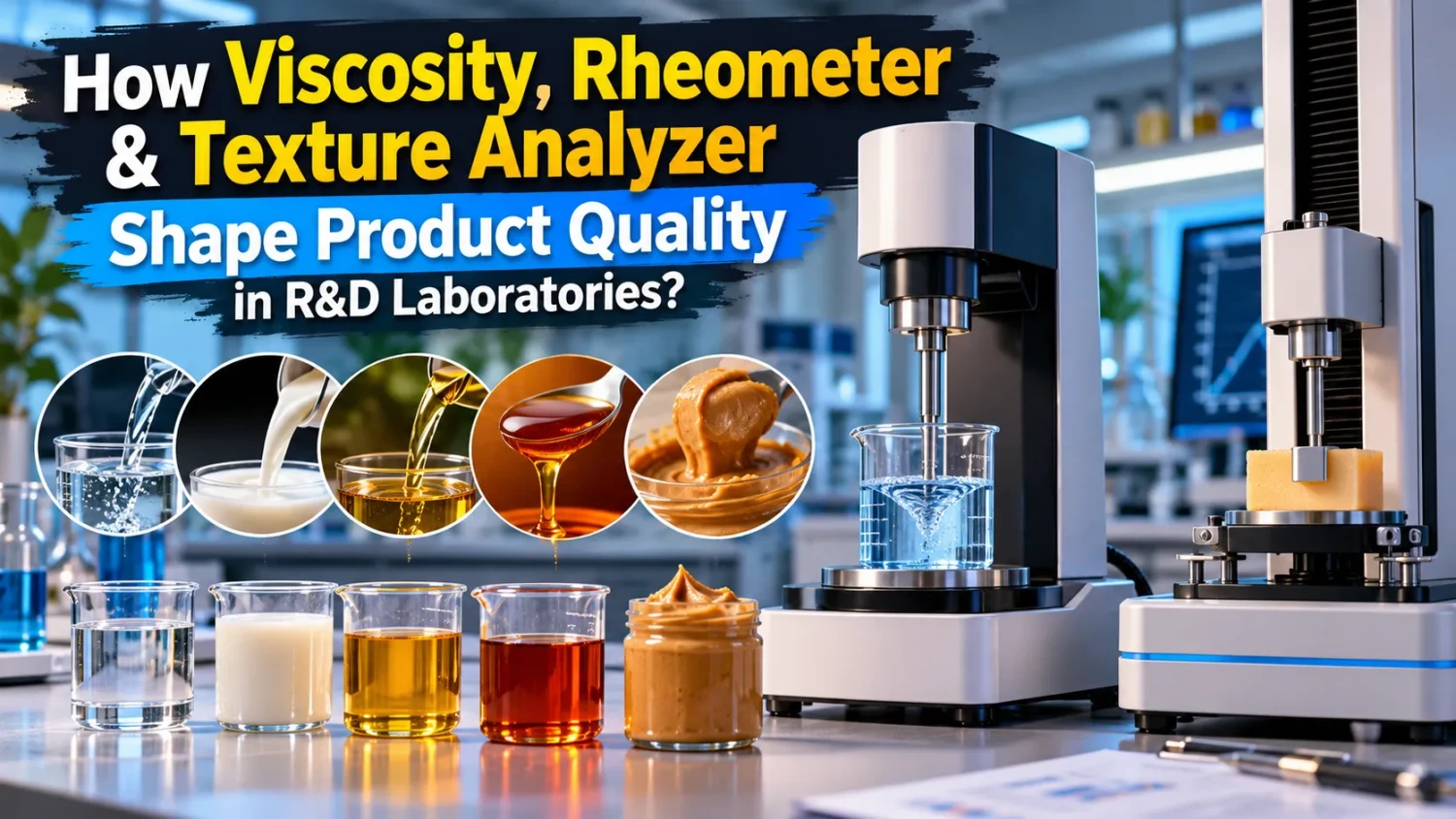
How Viscosity, Rheometer & Texture Analyzer Shape Product Quality in R&D Laboratories?
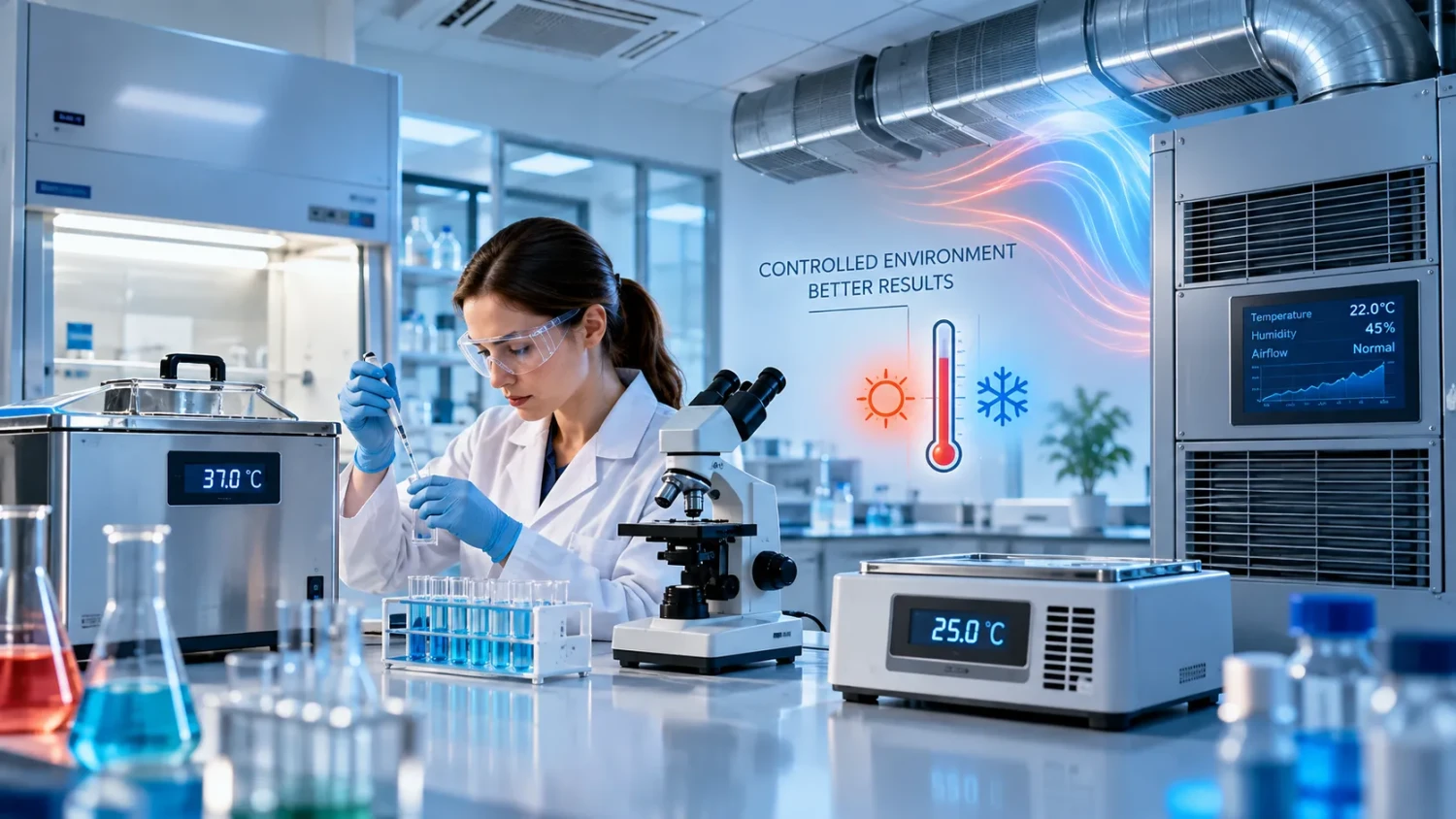
How Laboratory Heating & Cooling Equipment Improves Accuracy and Efficiency in Testing?
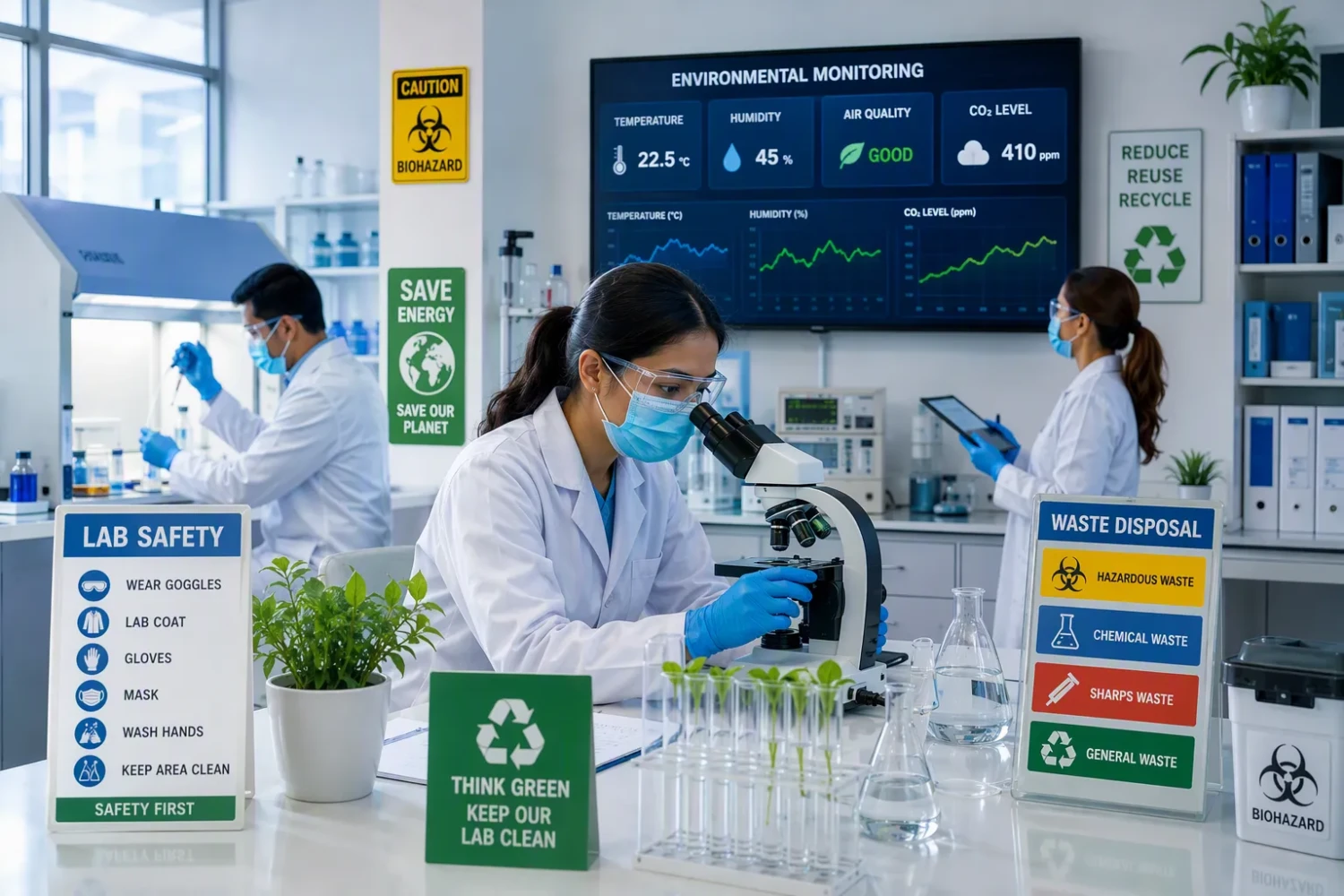
The Role of Laboratory Safety & Environmental Monitoring in Risk Prevention
Health and Hygiene Ware Material Testing: Ensuring Quality, Safety, and Compliance
Advancements in Sample Preparation Equipment for R&D and Quality Control
Essential Biotechnology Lab Items and Their Applications in Modern Research


Understanding ETP – Effluent Treatment Plant and Its Importance in Industry
Optimum Solution– Laboratory & Analytical Instruments Supplier in Bangladesh
Optimum Solution is a leading supplier of laboratory equipment, analytical instruments, and process control solutions in Bangladesh. Since our inception, we have built a strong presence in the industry, serving research labs, universities, pharmaceutical companies, and quality control laboratories nationwide. Through continuous dedication to improving our products and services, Optimum Solution has earned the trust and loyalty of our valued clients.


