
-
 Analytical & Elemental Instruments
-
Biotechnology Lab Items
-
Cardboard and Box Factory Lab Equipment Solution
-
Cleanroom Solution
-
Consumables & Accessories
-
Dosing Pump for Chemicals
-
Electrochemistry & Titration
-
ETP -Effluent Treatment Plant
-
Feed Quality Laboratory
-
Food & Kitchen Lab Items
-
Hygiene Testing Equipment
-
Lab Furniture



How Software & Control Systems Are Transforming Industrial Operations?
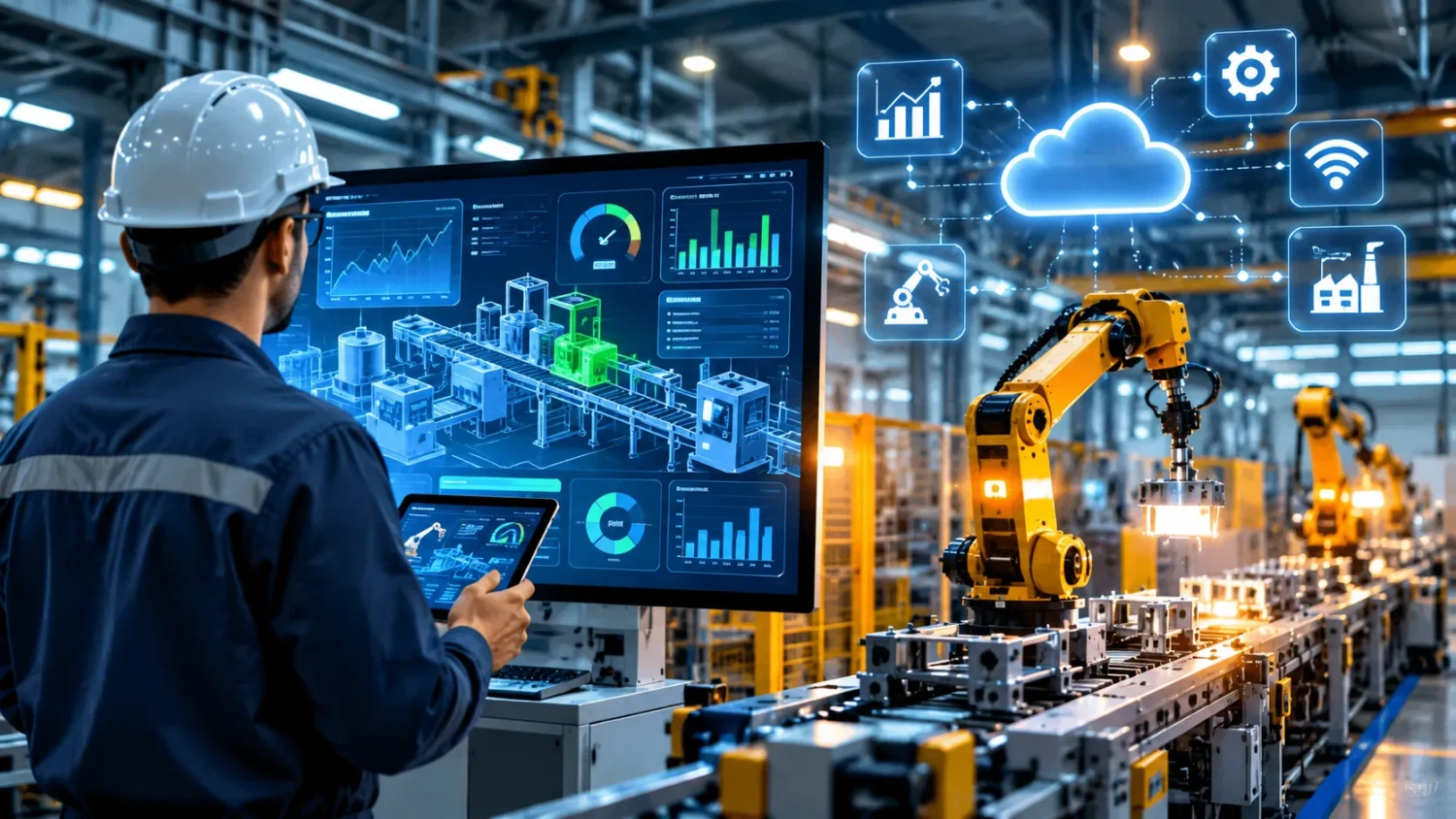
Software is changing industrial operations in ways that are easy to see on the plant floor. Instead of relying only on fixed hardware, many companies now use industrial automation built around flexible software and smarter control systems. That means quicker updates, better data use, and less disruption when production needs change. If you run or support manufacturing, this matters. The shift is helping teams improve efficiency, respond faster, and build operations that can keep up with modern demands.
Key Highlights
Software is shifting industrial control systems away from rigid hardware and toward flexible automation technology.
Modern platforms support faster updates, easier scaling, and better visibility across manufacturing operations.
Edge computing helps teams process plant data in real time, close to equipment.
Predictive maintenance becomes more practical when software and sensors work together.
Open architectures make it easier to connect machine learning, analytics, and enterprise tools.
This transition also changes how teams manage upgrades, security, and daily operations.
The Evolution of Industrial Operations with Software and Control Systems
For years, industrial control depended on fixed equipment and tightly closed architectures. Traditional industrial automation was built for stability, but not for rapid change. Control logic and process control stayed tied to specific devices, which made updates slow and expensive.
Now, advanced software is changing that model. Industrial control systems have evolved from hardware-bound setups to software-centered environments that support open standards, easier integration, and faster improvement. This shift gives manufacturers more room to adapt without replacing entire systems.
From Mechanical Automation to Digital Transformation
Early traditional automation focused on dependable machine behavior. In many facilities, automation systems were designed to repeat the same tasks for years with minimal changes. That worked well when manufacturing processes were stable and product demands changed slowly.
Over time, industrial processes became more connected and more data-driven. Plants needed better visibility, faster updates, and stronger links between operations and software tools. Older systems could still run production, but they often created silos and made changes difficult. Vendor involvement, long procurement cycles, and hardware replacement added friction to improvement efforts.
Today, digital transformation is moving control into software. That lets manufacturers adjust manufacturing processes with less physical disruption. Instead of rebuilding around every new need, teams can update, scale, and optimize through software-driven approaches that support agility and future growth.
How Software-Defined Control Systems Reshaped Industrial Workflows
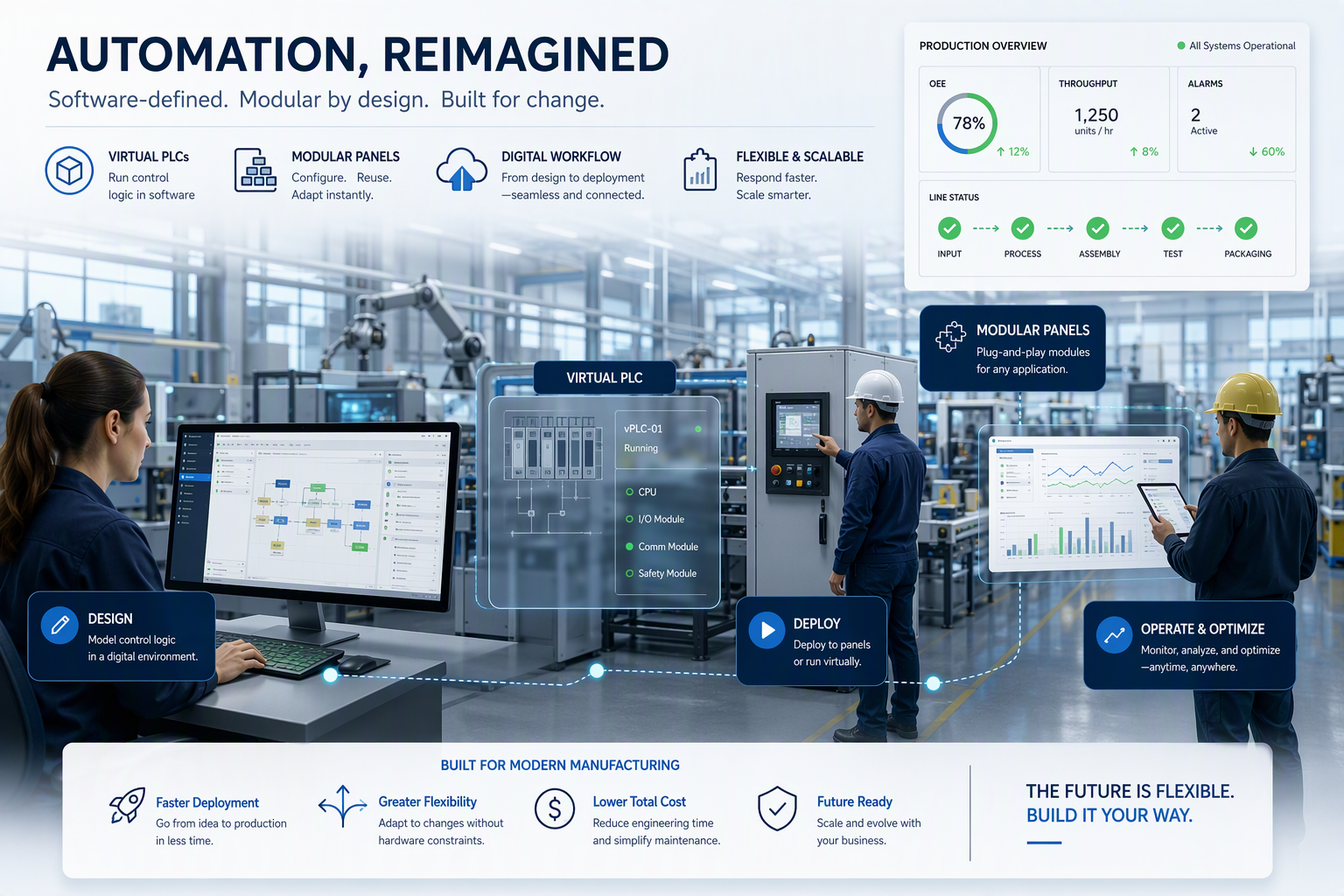
Software-defined control systems change how work moves through a plant. In the past, a programmable logic controller was often tied to dedicated hardware and a specific vendor environment. That made process automation reliable, but it also limited flexibility.
Now, a software platform can run control logic in a more modular way using virtual PLCs, containers, and commercial off-the-shelf hardware. This shift helps automation technology support updates without major hardware swaps. It also reduces the cost and delay that come from replacing fixed devices every time production requirements change.
As a result, industrial workflows become easier to adjust. Teams can deploy improvements faster, connect modern tools more smoothly, and support new use cases with less downtime. That is one of the main reasons software-defined control systems are making industrial automation more efficient.
Key Components of Modern Industrial Control Systems
Modern industrial control systems combine software, hardware, and connectivity in a more coordinated way than older setups. Instead of isolated tools, manufacturers now rely on linked automation systems that support visibility, flexibility, and quicker response across manufacturing operations.
For industrial teams in process industries and discrete production, this transition means learning how core platforms, connected devices, and shared data work together. The next sections break down the pieces that make these systems practical on the plant floor.
Core Software Platforms: PLC, DCS, and SCADA
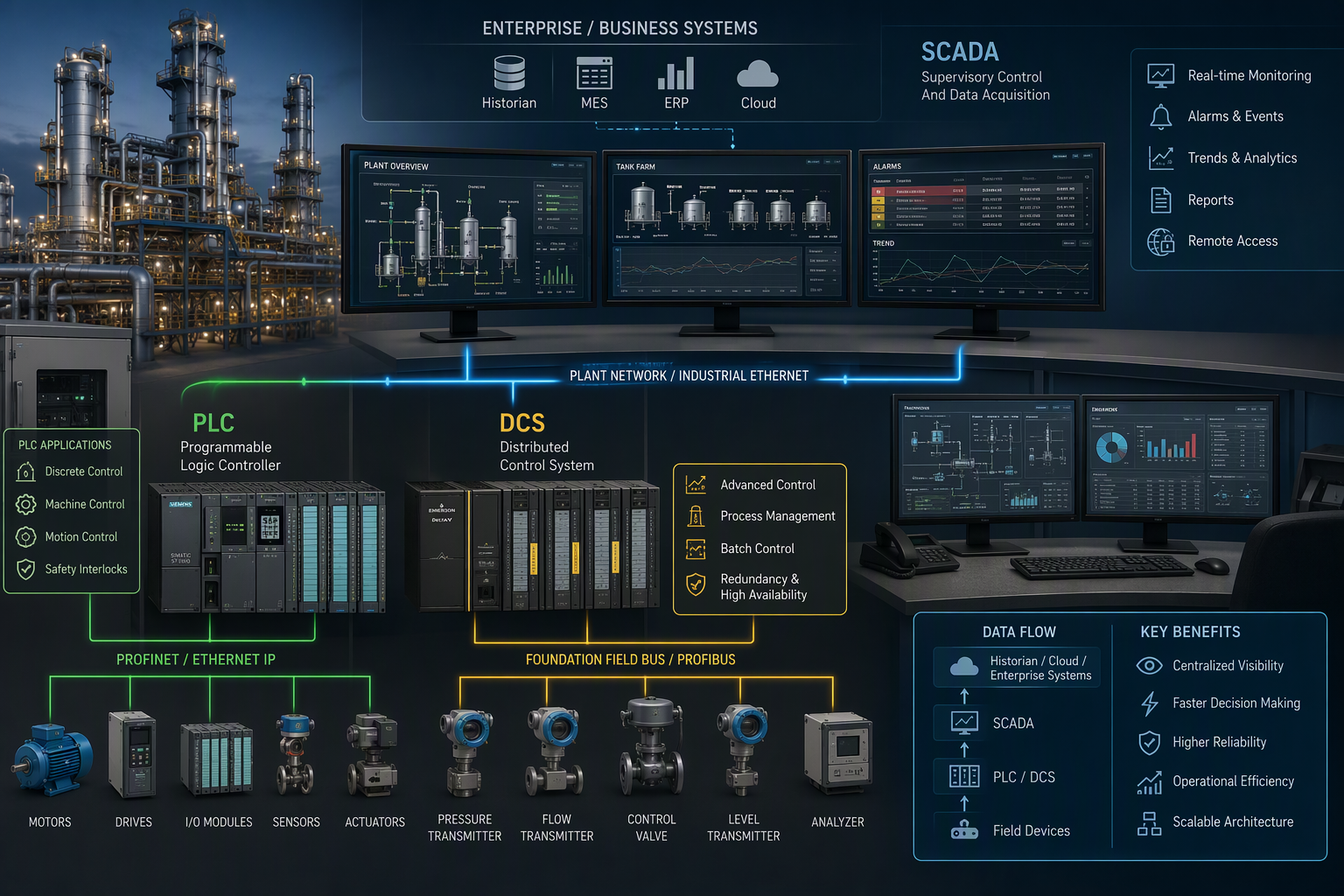
Three platforms still sit at the center of many control environments. A programmable logic controller handles machine-level control tasks. Distributed control systems are often used for broader, continuous processes. SCADA, which stands for supervisory control and data acquisition, helps teams monitor and manage operations across connected assets.
What changes today is not their importance, but how software expands their role. These platforms can work with more open architectures, better industrial networks, and stronger links to analytics and enterprise tools. That improves visibility and makes upgrades less disruptive.
Platform | Primary role | Software-driven advantage |
|---|---|---|
PLC | Fast machine control | Easier deployment through soft PLC and virtualized options |
DCS | Coordinated plant-wide control | Better integration across complex operations |
SCADA | Supervisory control and data acquisition | Broader monitoring, faster insights, and stronger data flow |
Integration of Sensors and IoT Devices in Manufacturing
Connected sensors and IoT devices give software the raw input it needs. They gather data points from machines, lines, and environmental conditions, turning everyday activity into usable operational data. That makes data collection far more consistent than manual checks alone.
When this information is processed close to the source, teams can react faster. Software impacts real-time decision-making by organizing incoming signals, filtering noise, and feeding advanced analytics with better quality data. This supports quicker action on maintenance, quality, and process performance.
Sensors capture continuous data from equipment and production areas.
IoT devices help move operational data to local and central systems.
Better data collection supports quality control and process visibility.
Advanced analytics can turn those inputs into faster, smarter responses.
Advantages of Software Integration in Industrial Settings
When software is tightly connected with automation systems, the factory floor becomes easier to manage and improve. Teams can update processes with less hardware disruption, connect data across systems, and respond to changing demands more quickly.
That directly supports operational efficiency and stronger process control. It also reduces friction between production goals and technical execution. The next two sections look at how this plays out in productivity and decision-making.
Enhanced Efficiency and Productivity
Efficiency improves when systems can be updated without major physical changes. Software-defined control reduces the need for costly hardware replacement and lets teams adjust process automation with less delay. That helps production processes keep moving even as requirements evolve.
Another major gain comes from predictive maintenance. Instead of waiting for failure, edge-based models can detect early signs of equipment degradation and trigger action sooner. This lowers unplanned downtime and keeps assets available for longer periods.
Productivity also rises because software can support real-time quality checks and adaptive adjustments during operation. When issues are spotted mid-process, teams prevent waste and rework before they spread. Taken together, these changes strengthen operational efficiency and help plants produce more with fewer interruptions.
Real-Time Data Processing and Decision-Making
Real-time performance matters most when decisions cannot wait. In modern manufacturing environments, software helps by bringing data processing closer to machines and sensors. That reduces latency and avoids the delays that come from sending every signal to a remote system.
Edge computing makes this possible by handling information locally on the plant floor. Teams can review conditions, detect anomalies, and act in real time without depending on constant cloud connectivity. This improves reliability in fast-moving production settings.
Once the right data is available at the right moment, advanced analytics become more useful. Software can highlight meaningful patterns instead of overwhelming operators with raw inputs. That leads to smarter decisions about maintenance, throughput, and quality, all while keeping production responsive and controlled.
Increasing Flexibility and Agility in Manufacturing
Software is making manufacturing systems far less rigid than before. Plants no longer need to treat every update like a full rebuild. With flexible automation and modular design, industrial automation solutions can adjust to new workflows and product demands more smoothly.
This also brings software development practices into operations. Testing, rollout planning, and controlled updates help teams move faster with less risk. The following sections show how that flexibility works in day-to-day production.
Customizable Operations with Software-Driven Controls
Software-driven controls give teams more ways to match operations to actual production needs. In older setups, changes often meant working around fixed hardware limits. Now, control strategies can be adjusted through software, which cuts down on large physical modifications.
This affects plc programming as well. Instead of being locked into narrow vendor environments, manufacturers can move toward more open and adaptable approaches. That makes automation technology easier to tune when a product mix changes, a line expands, or a new process is introduced.
Agility improves because changes become easier to test, validate, and deploy. Plants can respond to shifting customer requirements without stopping everything for a major rebuild. In practical terms, software integration improves the agility of manufacturing processes by turning updates into manageable steps rather than disruptive projects.
Streamlining Change Management in Production Lines
Change management becomes simpler when updates are handled like software releases instead of hardware events. That matters on production lines where even small delays can affect output, quality, and schedules. Software-centered automation systems support a more controlled way to introduce improvements.
Good practices from software development now matter on the plant floor. Version control, testing plans, and rollback strategies help teams make changes with less uncertainty. This lowers risk while keeping operations adaptable.
Version control helps track what changed and when.
Testing strategies make updates easier to validate before rollout.
Rollback plans reduce disruption if a release causes issues.
Cross-team coordination helps automation systems evolve more smoothly.
Addressing Challenges in Adopting Software-Defined Systems
The move to software-defined automation is promising, but it is not friction-free. Many manufacturers still depend on proprietary systems, legacy systems, and traditional control systems that were built for long life, not easy change.
These older environments can block integration with enterprise systems, analytics tools, and modern workflows. On top of that, teams need new skills and clearer coordination between operations and IT. The next sections cover these challenges more closely.
Overcoming Legacy System Limitations
Legacy systems often remain reliable, but reliability alone is no longer enough. Many were designed around closed architectures, fixed hardware, and vendor-specific tools. That makes change slow and raises costs when plants want to adopt a new software platform or expand capabilities.
A bigger issue is separation between operations and information technology. When data stays trapped inside isolated control environments, teams struggle to use it for analytics, planning, or broader operational improvement. This is why OT convergence has become so important in modern manufacturing.
Overcoming these limits usually starts with phased planning rather than full replacement. Manufacturers can audit current assets, identify end-of-life equipment, and target high-value use cases first. That approach reduces risk while creating a path from rigid legacy systems toward more flexible, connected operations.
Tackling Workforce Training and Skill Gaps
Technology shifts only work when people can use them well. In industrial environments, software-defined control introduces new tools, deployment models, and workflows that may be unfamiliar to operators, engineers, and maintenance teams. That makes workforce training a central part of adoption.
The skill gaps are not only technical. Teams also need a better shared understanding of how software, networking, and operations fit together. Cross-functional learning helps both IT and OT groups support the same goals with fewer misunderstandings.
Train maintenance teams on new tools, update methods, and troubleshooting steps.
Build workforce training around both OT practices and software workflows.
Identify skill gaps early so support plans can be created before rollout.
Encourage shared learning between engineering, operations, and IT staff.
Cybersecurity in Modern Industrial Software
As software takes a larger role in industrial control systems, cybersecurity becomes a daily operational issue, not just an IT concern. Older environments were often built before strong digital protection was a priority, which leaves gaps around access, updates, and connected assets.
Modern plants need security practices that protect operational data and strengthen industrial networks without slowing production. The next two sections look at the threat picture and practical ways to improve protection.
Safeguarding Intelligent Operations Against Threats
Cybersecurity in modern control software starts with recognizing how much more connected the industrial environment has become. As software, sensors, and edge systems expand, more parts of industrial processes depend on digital communication. That increases the value of strong protection.
Operational data and data acquisition systems are especially important because they support visibility, decision-making, and control. If these systems are exposed, teams can lose insight or face disruptions that affect quality, uptime, and safety. Older platforms may be more vulnerable because they were not built with today’s threat landscape in mind.
That is why modernization and security often go together. When manufacturers update architectures, improve visibility, and align IT and OT planning, they can reduce exposure while keeping intelligent operations dependable and easier to manage.
Best Practices for Industrial Network Security
Strong network security depends on planning, not patchwork fixes. Industrial networks connect machines, software, sensors, and edge devices, so weak points can spread risk across operations. The move away from isolated proprietary hardware makes visibility even more important.
Open standards can help when they are paired with clear policies and disciplined management. Teams need to understand what is connected, how updates are handled, and what protections apply across sites. Security works best when it is part of architecture decisions from the start.
Audit connected assets and map traffic across industrial networks.
Align update, testing, and rollback practices with network security goals.
Reduce dependence on aging proprietary hardware where possible.
Use open standards carefully within a clearly managed security framework.
Emerging Trends Shaping the Future of Industrial Operations
The future of industrial operations is being shaped by software that can learn, adapt, and scale more easily than fixed hardware alone. Artificial intelligence, digital twins, and advanced analytics are becoming more practical as plants build open, connected foundations.
At the same time, automation technology is moving closer to edge and cloud models that support distributed management. The next sections highlight two trends that show where this change is heading.
Artificial Intelligence and Machine Learning in Control Systems
Artificial intelligence is becoming useful in industrial settings because software-defined environments can feed it better data and deploy it more flexibly. This is especially true for machine learning models running near equipment where timing matters.
In process control, that means systems can react to live inputs and support more adaptive behavior. Instead of relying only on fixed thresholds, automation technology can use models to detect patterns that point to drift, wear, or quality issues. These capabilities are strongest when data is processed close to the source.
Predictive maintenance is one clear example. Edge AI can identify early signs of equipment degradation and trigger action before a breakdown happens. That reduces downtime and helps teams plan service work more effectively. As software matures, these intelligent uses are likely to spread across more control environments.
Cloud-Based Solutions and Remote Monitoring
Cloud-based solutions are expanding the reach of industrial software, but they work best when paired with edge computing. Plants still need low-latency control close to equipment, while the cloud supports broader visibility, centralized management, and easier scaling across sites.
This balance is also helping remote monitoring become more practical. Teams can oversee distributed operations, review performance, and manage updates without standing beside every machine. Virtual PLCs support this model by shifting control functions into software that can be deployed more flexibly.
Cloud-based solutions improve centralized visibility across multiple facilities.
Remote monitoring helps teams manage distributed manufacturing more efficiently.
Edge computing keeps local response fast and reliable.
Virtual PLCs make control deployment and updates easier to scale.
Conclusion
The integration of software and control systems is revolutionizing industrial operations by enhancing efficiency, flexibility, and real-time decision-making. As industries continue to evolve with digital transformation, embracing these technologies not only streamlines workflows but also addresses challenges such as legacy systems and workforce training. The future of industrial operations looks bright, with emerging trends like AI and cloud-based solutions paving the way for smarter, more secure manufacturing environments. If you're ready to dive deeper into how these innovations can benefit your organization, don’t hesitate to get in touch for a free consultation. Let’s transform your operations together!
Frequently Asked Questions
What are the main benefits of integrating software and control systems in industrial operations?
Integrating software with industrial automation and control systems improves operational efficiency, supports quicker updates, and connects data across manufacturing systems. It also reduces dependence on hardware-heavy changes, helping industrial control environments become more flexible, scalable, and ready for analytics, quality improvement, and better day-to-day decision-making.
How does software enhance real-time decision-making in manufacturing environments?
Software improves real time decisions by moving data processing closer to machines and organizing fast-moving inputs into useful insights. That allows advanced analytics to support manufacturing processes without long delays, helping automation technology respond faster to quality issues, equipment changes, and shifting production conditions.
What challenges do industries face when deploying software-defined control systems?
Common challenges include legacy systems, dependence on proprietary systems, and limited integration between operations and IT. Companies also need workforce training to close skill gaps. For industrial processes, the best industrial automation solutions usually require phased rollout, careful testing, and strong coordination across technical teams.
Recent Posts

How Viscosity, Rheometer & Texture Analyzer Shape Product Quality in R&D Laboratories?

How Laboratory Heating & Cooling Equipment Improves Accuracy and Efficiency in Testing?
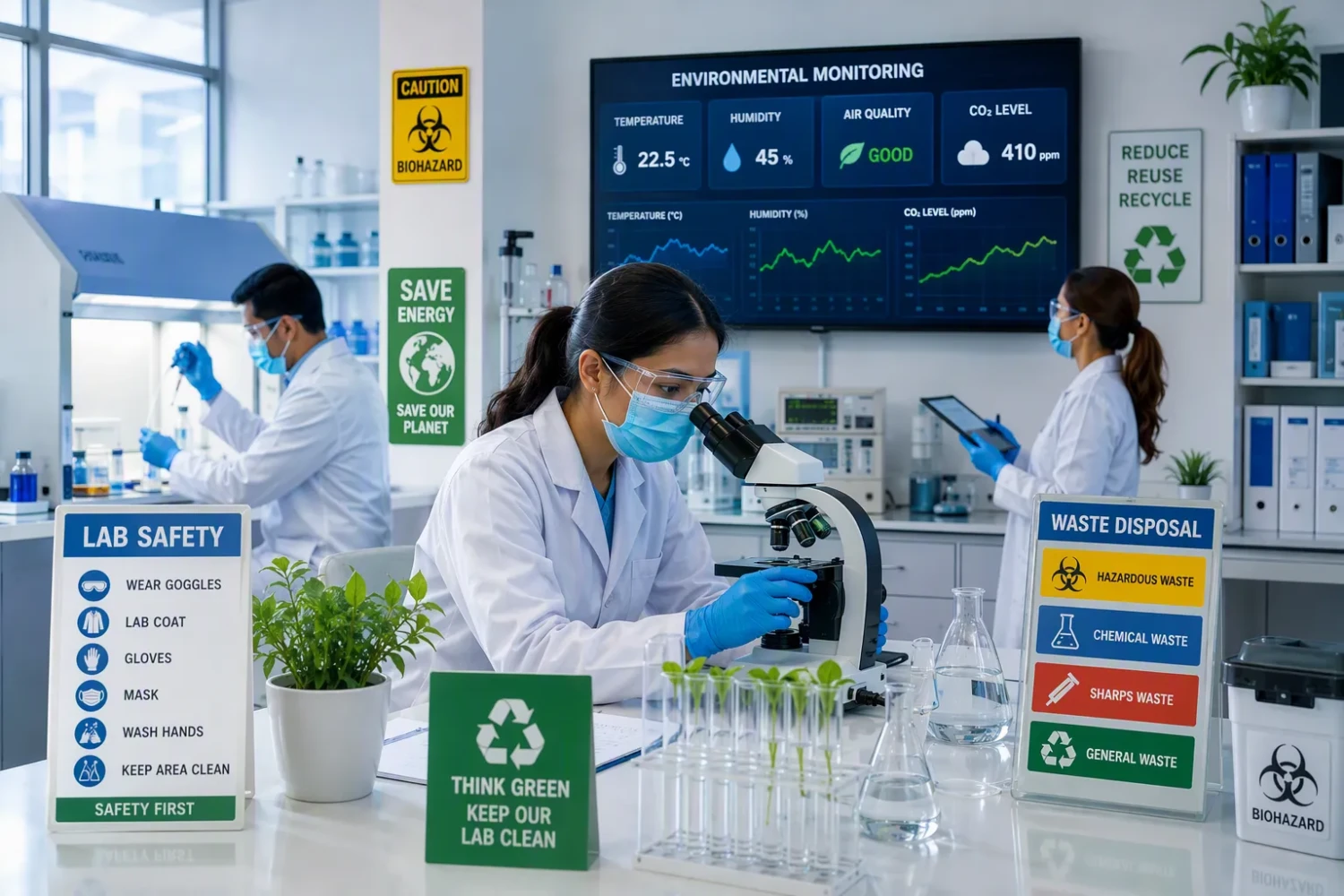
The Role of Laboratory Safety & Environmental Monitoring in Risk Prevention
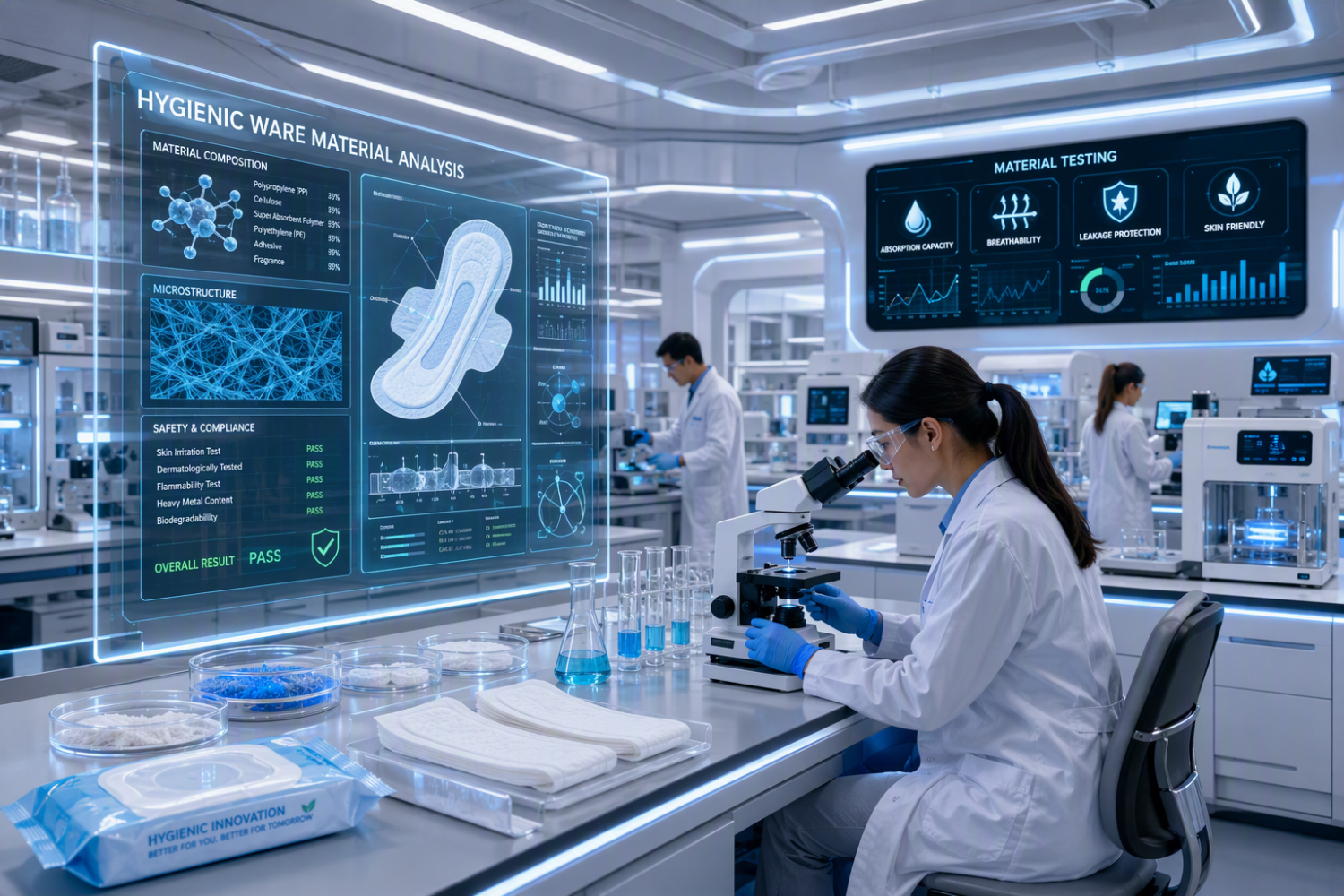
Health and Hygiene Ware Material Testing: Ensuring Quality, Safety, and Compliance
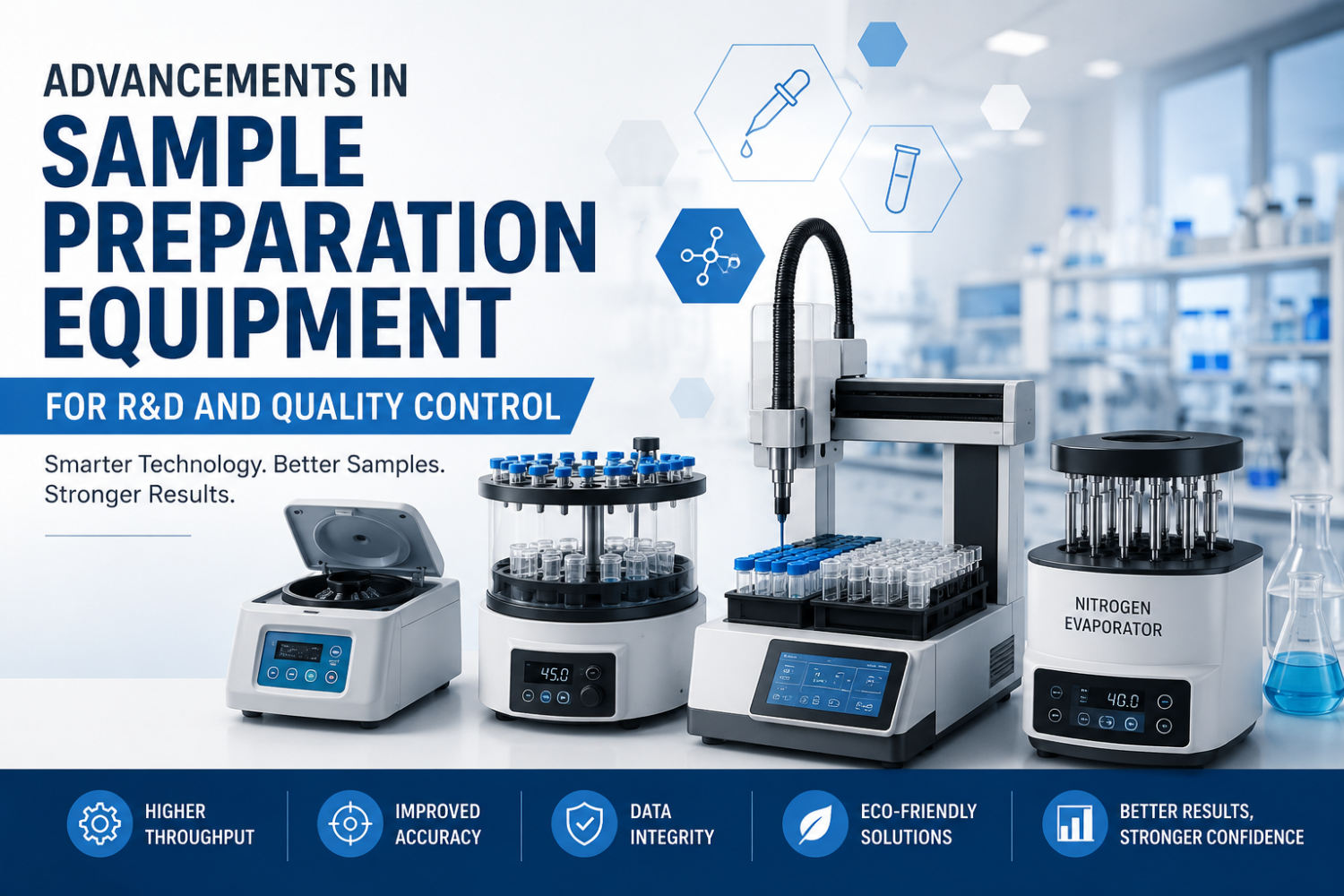
Advancements in Sample Preparation Equipment for R&D and Quality Control
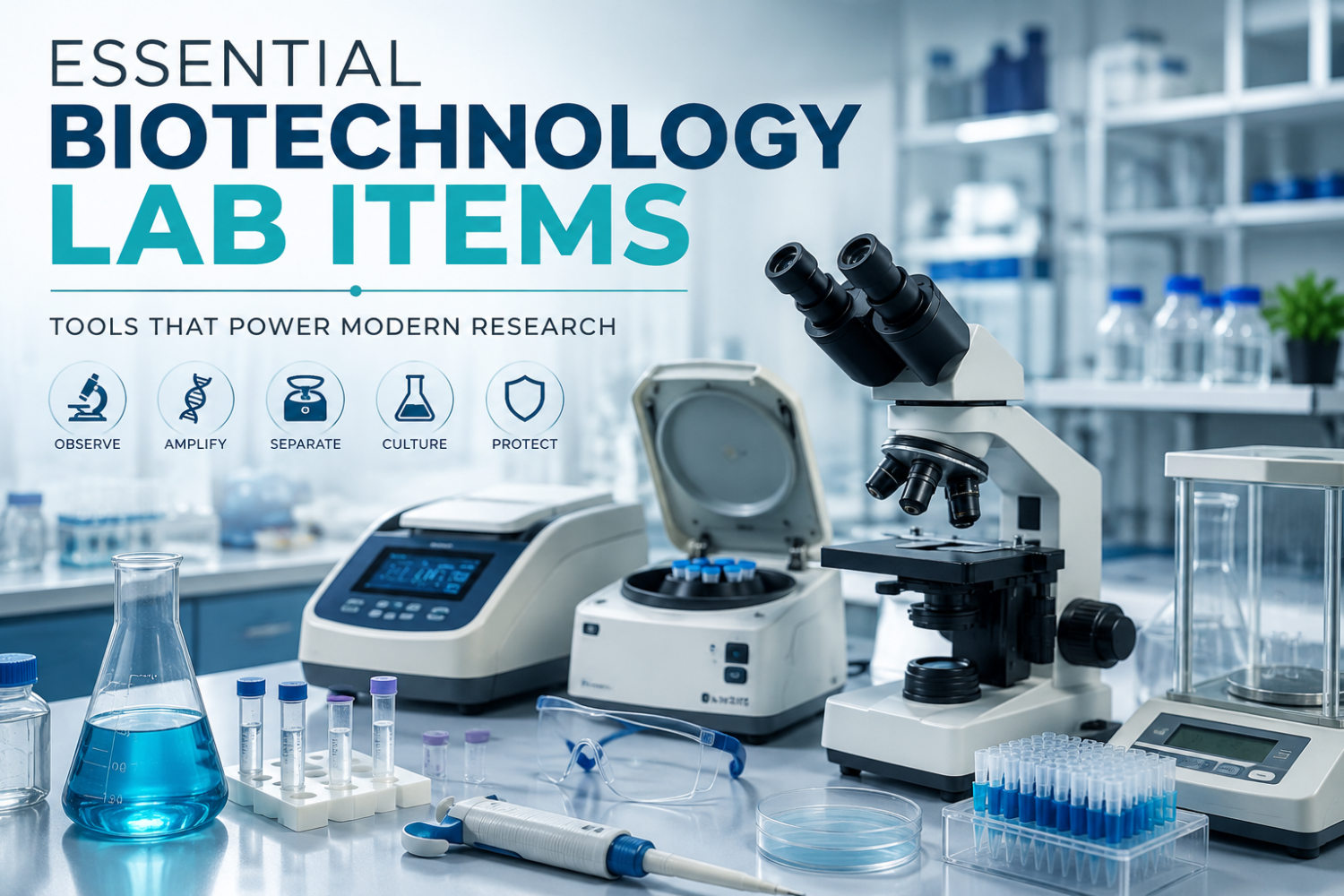
Essential Biotechnology Lab Items and Their Applications in Modern Research
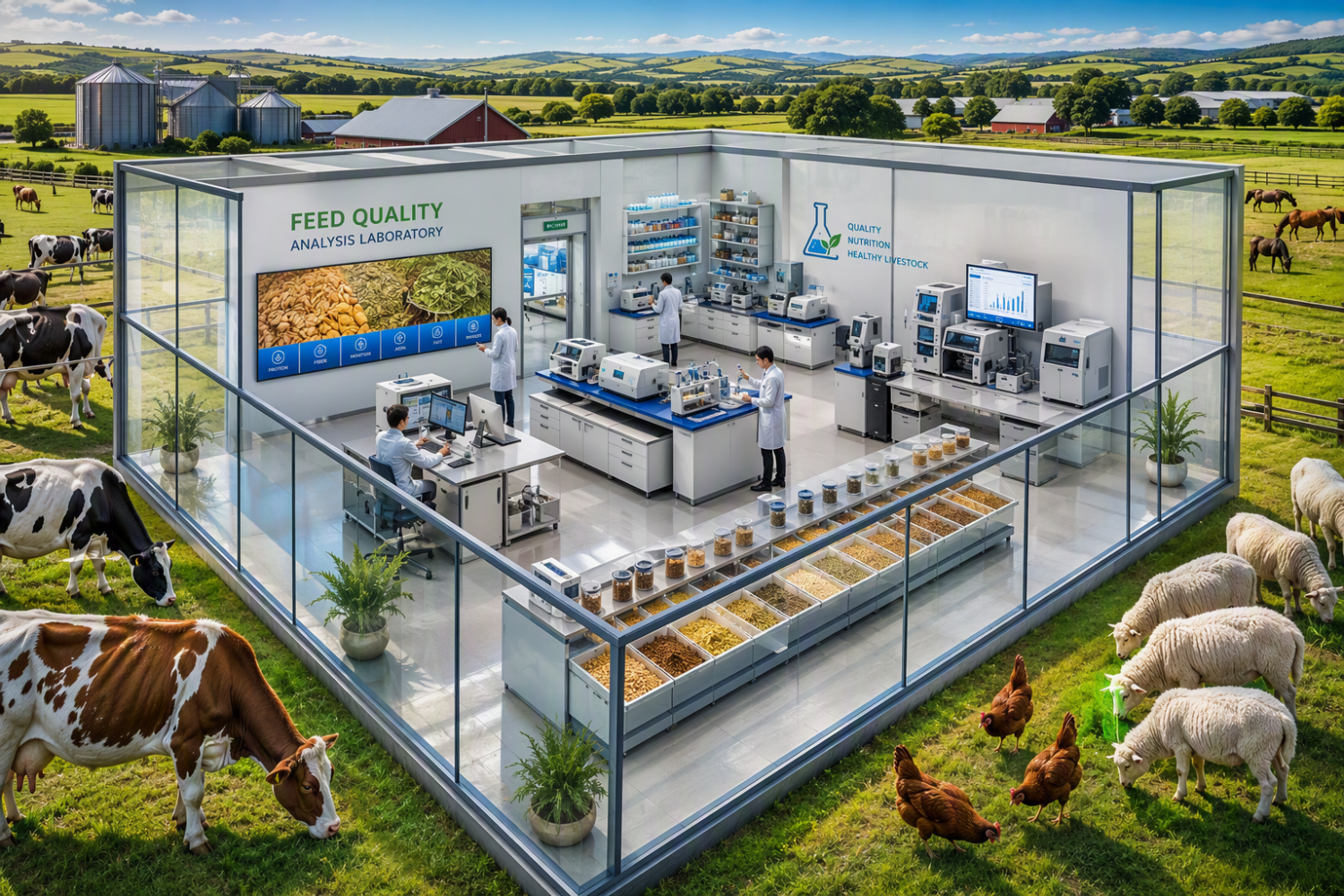
Optimum Solution– Laboratory & Analytical Instruments Supplier in Bangladesh
Optimum Solution is a leading supplier of laboratory equipment, analytical instruments, and process control solutions in Bangladesh. Since our inception, we have built a strong presence in the industry, serving research labs, universities, pharmaceutical companies, and quality control laboratories nationwide. Through continuous dedication to improving our products and services, Optimum Solution has earned the trust and loyalty of our valued clients.


