
-
 Analytical & Elemental Instruments
-
Biotechnology Lab Items
-
Cardboard and Box Factory Lab Equipment Solution
-
Cleanroom Solution
-
Consumables & Accessories
-
Dosing Pump for Chemicals
-
Electrochemistry & Titration
-
ETP -Effluent Treatment Plant
-
Feed Quality Laboratory
-
Food & Kitchen Lab Items
-
Hygiene Testing Equipment
-
Lab Furniture



How to Choose the Right Water Purification System (Type I, Type II, and Type III) for Laboratory Applications
Choosing a water purification system for laboratory applications can feel complicated at first. You need more than just filtered water. You need the right level of purity for the work your lab performs every day. Some procedures need extremely pure water, while others only need consistent water treatment for routine use. Once you understand your source water, contaminant risks, and purity target, the decision gets much easier. This guide will help you compare Type I, Type II, and Type III options with confidence.
Key Highlights
The right water purification system depends on your lab’s required water quality and daily laboratory applications.
Type I, Type II, and Type III systems support different tasks, from highly sensitive analysis to general water filtration needs.
Your incoming water source affects system choice because each filtration system handles contaminants differently.
Testing first helps you identify specific impurities before buying equipment.
Reverse osmosis, ion exchange, carbon filtration, and sediment removal are common treatment methods.
Maintenance, certification, and replacement costs matter just as much as purification performance.
Understanding Laboratory Water Purification Needs
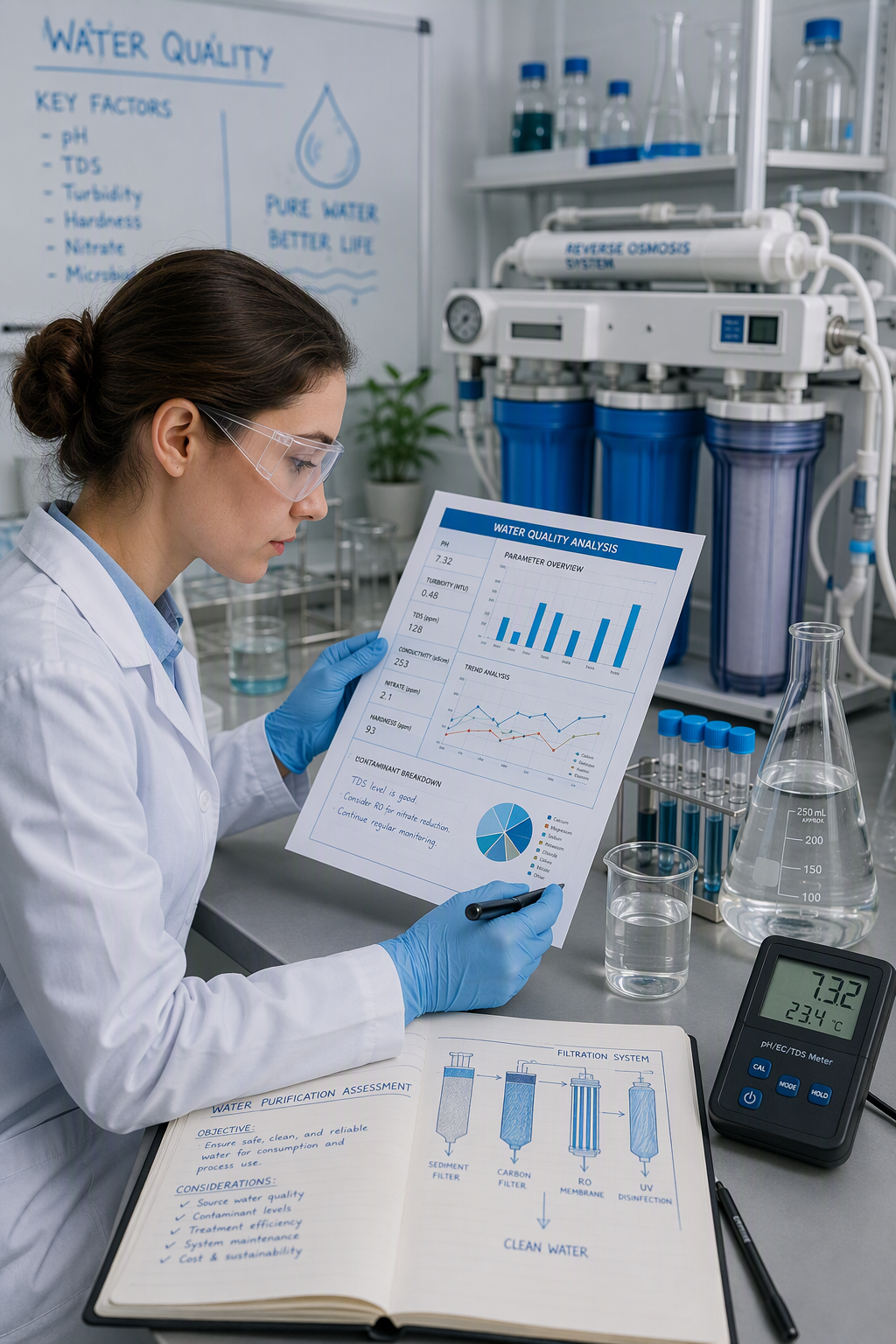
Every lab starts with a basic question: what level of water quality does your work actually require? That answer shapes the kind of filtration system you need, the technologies involved, and the level of maintenance you should expect.
Just as you would assess a home water filter by checking your water source and the range of contaminants present, labs should review source water data before choosing a water treatment system. The next two sections explain why purity matters and what your incoming supply may contain.
Why Pure Water is Essential in Laboratories
Pure water is essential in laboratories because even small impurities can affect results. If your water contains dissolved solids, particles, or chemical residue, tests may become unreliable. That can create wasted samples, repeated work, and questionable data. Good water quality supports consistency, which is what every lab needs.
In many cases, filtered water is not enough unless the purification level matches the application. A basic water filter may improve taste or odor in drinking water, but laboratory tasks often demand tighter control over harmful contaminants. Sensitive instruments, reagent preparation, and analytical procedures can all be affected by poor-quality water.
So how do you know which type of water filter is best for your tap water or feed supply? Start with the use case. Match the purity requirement to the application, then choose a system designed to remove the contaminants most likely to interfere with that work.
Common Contaminants in Laboratory Water Sources
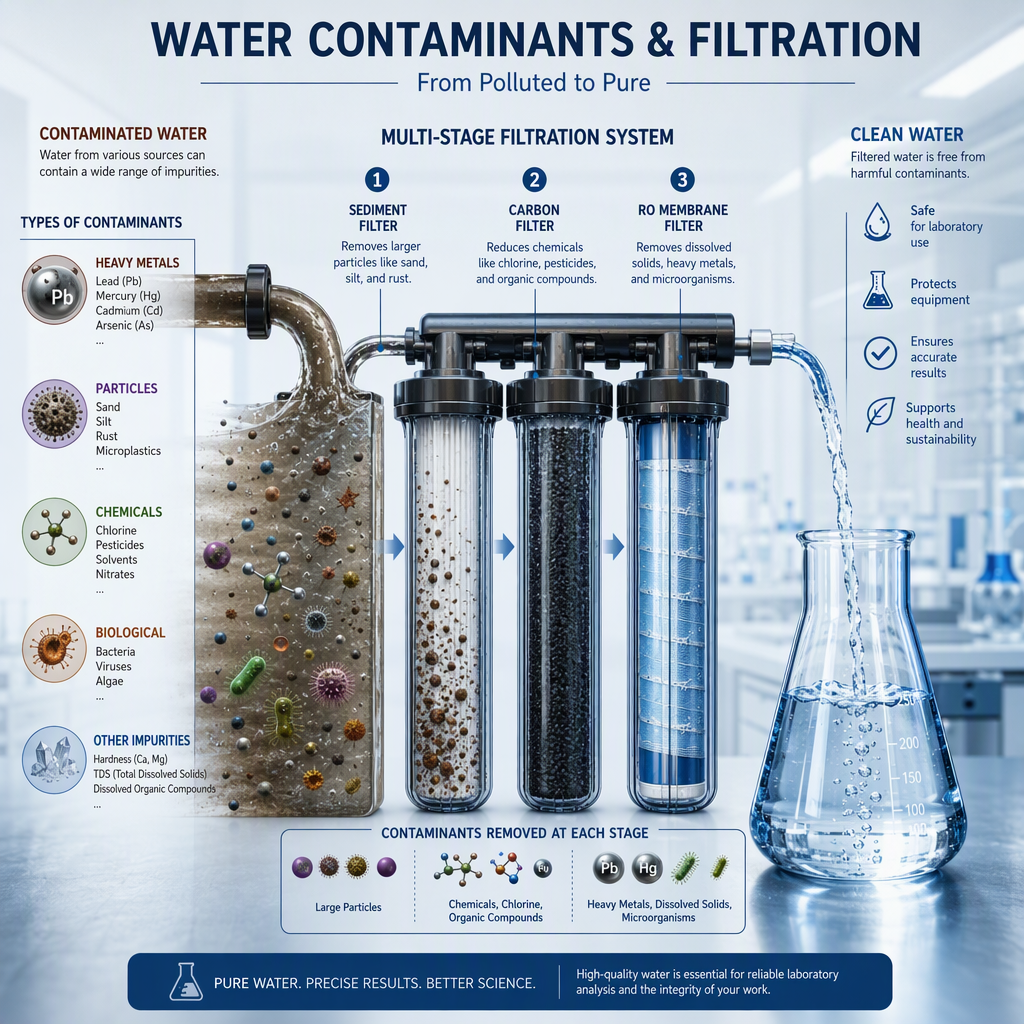
Laboratory water can contain many of the same contaminants found in drinking water supplies. Even when public systems meet standards, water can still pick up unwanted materials from pipes, storage, or local conditions. That is why a water filtration system should be chosen based on actual source quality, not assumptions.
Common specific contaminants may include:
Heavy metals such as lead, arsenic, and mercury
PFAS and other persistent synthetic chemicals
Chlorine and compounds that affect odor or taste
Minerals and dissolved solids
Particles and sediment from older plumbing or source changes
If you are wondering how to determine what contaminants are in your water before buying a filter, start with available reports and lab testing. Community supplies may offer a Consumer Confidence Report, while private sources or high-risk plumbing conditions may require direct testing to identify the contaminants that matter most.
Overview of Water Purification System Types
There are several ways a water purification system can clean incoming supply water, and each method targets different problems. Some designs focus on particles and chlorine, while others remove dissolved solids, chemicals, or ions that can interfere with lab work.
In simple terms, the main difference between the types of filters comes down to purification depth. Systems may use reverse osmosis, ion exchange, carbon media, or a combination of methods. The following sections break down how Type I, Type II, and Type III water are commonly understood in laboratory settings.
What is Type I Water Purification?
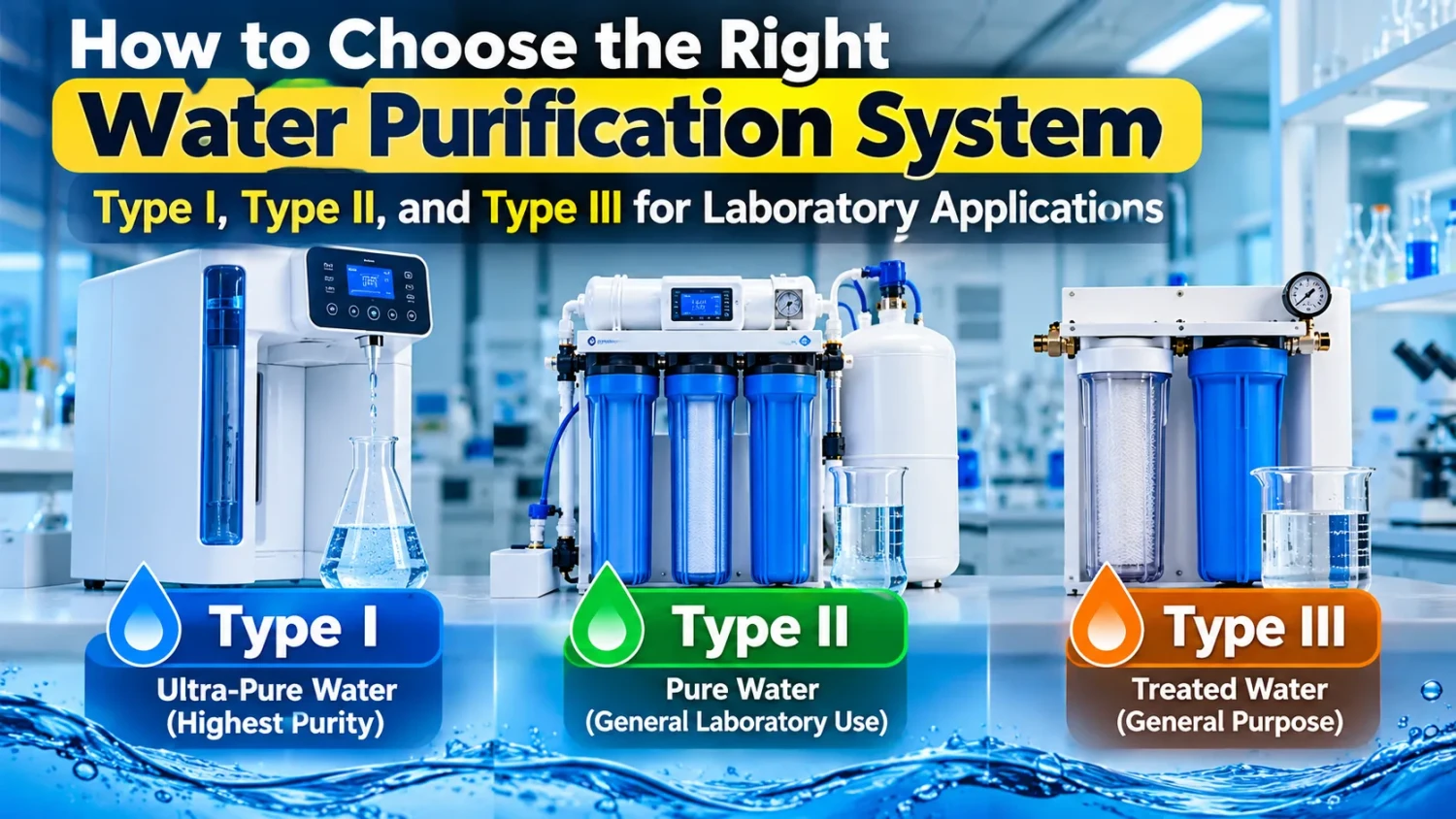
Type I water purification is used when your lab needs the highest purity level. This grade is typically chosen for very sensitive analytical work, where tiny impurities can affect precision. It is usually produced through multistage treatment rather than one simple water filtration step.
A Type I setup may include several technologies working together, such as:
Reverse osmosis to reduce dissolved contaminants
Carbon filtration to lower chlorine, odor-causing compounds, and some organics
Final polishing steps that further improve purity
If you are asking how to know which type of water filter is best for your tap water, the answer depends on what the water will be used for after treatment. For critical lab tasks, Type I systems are selected not because the feed water is bad, but because the finished water must meet the strictest internal standards.
What is Type II Water Purification?
Type II water purification is commonly used for general laboratory applications that still require a strong level of cleanliness but not the highest possible purity. It often supports routine analysis, reagent preparation, and instruments that do not need the tightest water specifications.
The filtration process for Type II water may combine pretreatment with polishing stages. Ion exchange is often part of the system because it helps reduce charged impurities that can affect consistency. Depending on the design, other technologies may also be included to improve overall water purification performance.
Are there specific water purification systems recommended for well water? The compiled guidance suggests starting with water testing first. That matters even more for well-fed systems because private sources are not regulated like public supplies. Once the feed profile is clear, a Type II system can be matched to the actual contaminant load and lab demand.
What is Type III Water Purification?
Type III water purification is generally used as a primary or pretreatment grade. It is suitable for less demanding tasks and often serves as feed water for higher-purity systems. If your lab only needs water for basic rinsing or noncritical work, this level may be enough.
A Type III filtration system often focuses on broader water treatment steps that remove larger or more common impurities. Sediment filters can help catch particles, while carbon filters can reduce chlorine, odor, and some chemical compounds. In many setups, this water becomes the starting point for more advanced purification.
What factors should you consider when choosing a water purification system? Whether for home use or a lab, the key points are source water, contaminant profile, required purity, flow needs, and maintenance. Type III systems work best when those basics align with the intended use.
Key Differences Between Type I, Type II, and Type III Systems
The biggest difference between these different types is the final water quality they are built to deliver. Type I targets the most demanding uses, Type II supports many standard lab needs, and Type III usually handles basic tasks or pretreatment.
Technology also varies across the types of filters. Some systems rely on deeper water filtration and polishing, while others focus on broader contaminant reduction. To make the comparison easier, the next sections look at purity standards, applications, and the technologies commonly linked to each system type.
Purity Standards and Applications for Each Type
Purity standards matter because lab tasks do not all require the same water quality. Choosing the wrong grade can lead to overspending or underperformance. The best system is the one that produces the specific water quality your methods and instruments need every day.
Here is a simple text table to compare common use expectations for laboratory water:
Water Type | Typical Purity Position | Common Applications |
|---|---|---|
Type I | Highest laboratory water quality | Sensitive analytical work and critical procedures |
Type II | Mid-to-high purity | General lab testing, reagent preparation, routine instrument use |
Type III | Basic purified water | Rinsing, washing, and pretreatment feed for higher-grade systems |
If you are unsure which type of water filter is best for your tap water, begin with the end use rather than the source alone. Source quality matters, but the final decision should always be based on the purity standards required by your laboratory application.
Typical Technologies Used for Each Water Type
Different water types are usually produced through different combinations of treatment technologies. No single method handles every issue equally well, so labs often use staged treatment to improve performance and protect downstream components.
Common technologies include:
Reverse osmosis for broad removal of dissolved solids through a semipermeable membrane
Ion exchange for reducing charged impurities and polishing water quality
Carbon filtration and ultraviolet light for lowering certain chemicals and supporting cleaner output
So what is the difference between the main types of water purification systems? In practical terms, it is the depth of treatment and the sequence used. Type III often begins with simpler pretreatment, Type II adds stronger polishing, and Type I builds on multiple technologies to achieve the highest level of consistency.
Factors to Consider When Choosing a Water Purification System
Before you invest in a water filtration system, step back and look at the full picture. Your water source, lab application, required purity, and daily usage all shape the best choice. A system that works well in one setting may be a poor fit in another.
You should also think about maintenance requirements, replacement schedules, and whether the unit is designed to target specific contaminants found in your supply. The next three sections cover how to assess quality needs, analyze source water, and balance cost with long-term value in a water treatment system.
Assessing Laboratory Water Quality Requirements
Start by mapping water quality needs to the tasks performed in your lab. Not every instrument or process requires the same purity. Some procedures can tolerate a broader range of contaminants, while others need tighter control to avoid interference, drift, or failed runs.
Next, review whether your lab uses water for rinsing, preparation, or highly sensitive analysis. That distinction helps you avoid buying too little treatment or paying for more than you need. Water testing can support this step by showing what your incoming supply looks like before treatment begins.
If you are still wondering how to know which type of water filter is best for your tap water, focus on two things: what is entering the system and what must come out of it. The best answer is always the filter or system that reliably bridges that gap for your exact application.
Analyzing Water Source and Contaminant Profile
Your water source affects both system design and operating cost. City water and well water can present different risks, and the route from supply to lab can add new issues through pipes, fittings, or storage. That is why source review should happen before equipment selection.
To identify specific contaminants, use the most direct information available:
Check your local Consumer Confidence Report if your lab uses city water
Arrange direct testing if the building has older plumbing or possible lead concerns
Test well water through a qualified lab because private well owners do not get routine public reporting
Review whether PFAS, heavy metals, chlorine, or dissolved solids are likely concerns
How can you determine what contaminants are in your water before buying a filter? Use reports where available, then confirm with testing when risks are unclear. This approach gives you a real contaminant profile instead of relying on guesswork.
Budget, Maintenance, and System Longevity Considerations
Cost is not just the purchase price. A lower-priced system may have higher ongoing costs if cartridges need frequent replacement or if performance drops quickly. More advanced units often cost more upfront, especially reverse osmosis systems, but they may address a wider contaminant load.
When comparing options, pay close attention to:
Routine filter changes and replacement cartridge pricing
Maintenance requirements such as sanitizing and checking for scale buildup
Design features that support system longevity, like filter-life indicators
Are there cost differences between major systems? Yes. The compiled information shows that replacement parts and installation needs vary widely by filter type. What maintenance is required? That depends on the system, but regular servicing is essential. How long do systems last? The best answer is practical: they last longer when maintained on schedule and operated within the conditions they were designed for.
Beginner’s Guide: How to Select the Right Laboratory Water Purification System
If you are choosing your first laboratory water purification system, keep the process simple. Start with your application, then review source water, contaminant risks, and the purity level needed for daily work. That sequence helps you avoid confusion and narrow the filtration options quickly.
The same logic applies when people choose a system for home use: understand the problem before you try to filter water. The next sections walk through what to gather, how to compare options, and how to match system type to actual laboratory water quality demands.
What You’ll Need to Get Started (Equipment, Testing Kits, Usage Data)
Before comparing equipment, gather a few basics so your decision is based on facts. You do not need a complicated process, but you do need enough information to understand incoming water and expected usage. This makes it easier to compare one water filter or system against another.
Helpful items to collect include:
Current lab equipment requirements or instrument manuals
Water testing results or available quality reports
Testing kits or access to a qualified lab for added analysis
Estimated daily and weekly water usage data
How can you determine what contaminants are in your water before buying a filter? Use available reports first, then confirm with water testing if there is uncertainty. Once you know what enters the system and how much purified water you need, equipment selection becomes much more precise and much less stressful.
Step-by-Step Guide to Choosing Your System
A clear step-by-step approach can make a complex decision feel manageable. Instead of shopping by brand or price first, build your choice around performance needs. That helps you compare each water purification system in a way that actually fits your lab.
Follow this sequence:
Define the lab application and target purity level
Review incoming water quality reports or test results
Identify contaminants the system must remove
Compare filtration options and treatment stages
Estimate maintenance effort and replacement costs
What factors should you consider when choosing a water purification system? The compiled information points to source water, contaminants, budget, installation needs, and upkeep. Whether you are selecting a lab system or a water filter for home use, the filtration process should be matched to the actual problem you need to solve.
Step 1: Identify Your Laboratory Application and Water Purity Needs
Begin with the work itself. Your laboratory application should always drive the system choice because different tasks demand different levels of water purity. A basic rinse function and a sensitive analytical process do not need the same treatment depth.
Once you define the task, describe the specific water quality required to support it. That keeps you focused on function rather than marketing language. It also helps you compare water treatment solutions based on output quality, not just feature lists or hardware design.
How do you know which type of water filter is best for your tap water? In a lab setting, the answer is simple: choose the system that produces the water quality your application requires after accounting for the contaminants present in the feed water. Start with the end goal, then work backward.
Step 2: Test and Analyze Your Incoming Water Quality
After defining purity needs, test the incoming supply. Water testing shows what your system must handle and helps prevent underdesign or overspending. Even when your water source seems reliable, local plumbing and storage conditions can change the final quality reaching the lab.
Useful ways to check the range of contaminants include:
Reviewing public water quality reports for municipal supply
Using testing kits or a qualified lab for direct analysis
Checking for lead risks in older buildings or unverified fixtures
How can you determine what contaminants are in your water before buying a filter? This is the most reliable step. How do you know which type of water filter is best for your tap water? Compare the test results to your target output. The right system is the one built to remove the contaminants that stand between those two points.
Step 3: Match Water Purification System Type to Lab Requirements
Now you can match the right water treatment system to your actual needs. If the application is highly sensitive, Type I may be necessary. If you need dependable purified water for routine procedures, Type II may be a better fit. If you need general lab support or pretreatment, Type III may be enough.
The difference between the main types of water purification systems comes down to output quality and treatment depth. One system type is not universally better than another. The best option is the one that supports your procedures without unnecessary complexity.
Keep the filtration process in mind as you compare systems. Reverse osmosis, carbon treatment, ion exchange, and other stages each play a role. The right combination depends on your incoming water, required purity, and how consistently the unit can deliver that performance over time.
Maintenance and Certification of Laboratory Water Purification Systems
Choosing a system is only part of the job. To protect water quality over time, you also need to understand maintenance requirements and how certification supports product claims. A system that performs well on day one still needs regular care to stay reliable.
Certification can help you verify contaminant reduction claims, especially when comparing components or pretreatment devices. Organizations such as NSF International are often referenced for this reason. The next sections explain how to read labels and what routine service tasks matter most.
Understanding Certification Labels and What They Mean
Certification labels show whether a product has been independently tested against a recognized standard. That matters because manufacturers may make broad claims, but certification gives you a more objective way to check what the product is actually designed to reduce.
When reading a label, look for:
NSF certification or another recognized third-party mark
The specific contaminants the product is certified to reduce
Whether the claim aligns with issues identified in your Consumer Confidence Report or water test
So how do you read a water filter’s certification label and what does it mean? Focus on the standard and the contaminant list, not just general wording. If your environmental protection agency report or local testing shows a concern like lead or PFAS, the certification should clearly match that concern rather than relying on vague performance language.
Routine Maintenance Tasks and Their Importance
Even a strong purification setup will lose performance without routine maintenance. Filters clog, membranes age, and untreated issues can affect output quality. Regular service protects both system longevity and the quality of water used in your lab.
Typical maintenance tasks may include:
Scheduled filter changes based on manufacturer guidance
Sanitizing certain systems, especially reverse osmosis units
Watching for scale buildup, flow reduction, or declining output quality
What maintenance is required for different systems? The compiled information shows that needs vary by design, but all systems require timely replacement parts and basic checks. How long do water purification systems typically last before needing replacement? There is no single number provided, but good upkeep clearly extends usable life and helps the system perform as intended.
Conclusion
Choosing the right water purification system for laboratory applications is crucial for ensuring accurate results and maintaining the integrity of your work. By understanding the differences between Type I, Type II, and Type III systems, as well as your specific laboratory needs, you can make an informed decision that meets your requirements. Remember to consider factors such as water quality, contaminant profiles, and the budget for both initial purchase and ongoing maintenance. Proper maintenance and certification are also essential to keep your system performing optimally. By following these guidelines, you'll be well on your way to selecting the ideal water purification solution for your laboratory. If you’d like personalized advice or a consultation, don’t hesitate to reach out!
Frequently Asked Questions
How do I determine which water purification type is best for my lab work?
Start with your laboratory task and required water quality. The different types serve different purposes, so the right system type depends on how pure the final water must be. Then compare that need with your source water and choose water filtration that removes the contaminants standing in the way.
What ongoing costs should I expect with a laboratory water purification system?
Ongoing costs usually include maintenance, filter changes, sanitizing, and replacement cartridges or membranes. A more advanced filtration system may cost more to run, even if performance is stronger. Good upkeep supports system longevity, so lower service spending now can sometimes mean higher replacement costs later.
How often should Type II water purification systems be serviced?
Type II systems should be serviced according to the manufacturer’s schedule and the quality of incoming feed water. Routine maintenance often includes filter changes and performance checks. If source water is harder on the system, service may be needed sooner to protect water treatment quality and system longevity.
Can one system provide multiple water purity types for different lab needs?
Yes, in some cases one water treatment system can support mixed water types through staged purification. This depends on the filtration options built into the system type and the laboratory application. A setup may produce a basic grade first, then further purify that water for higher-level use.
Recent Posts
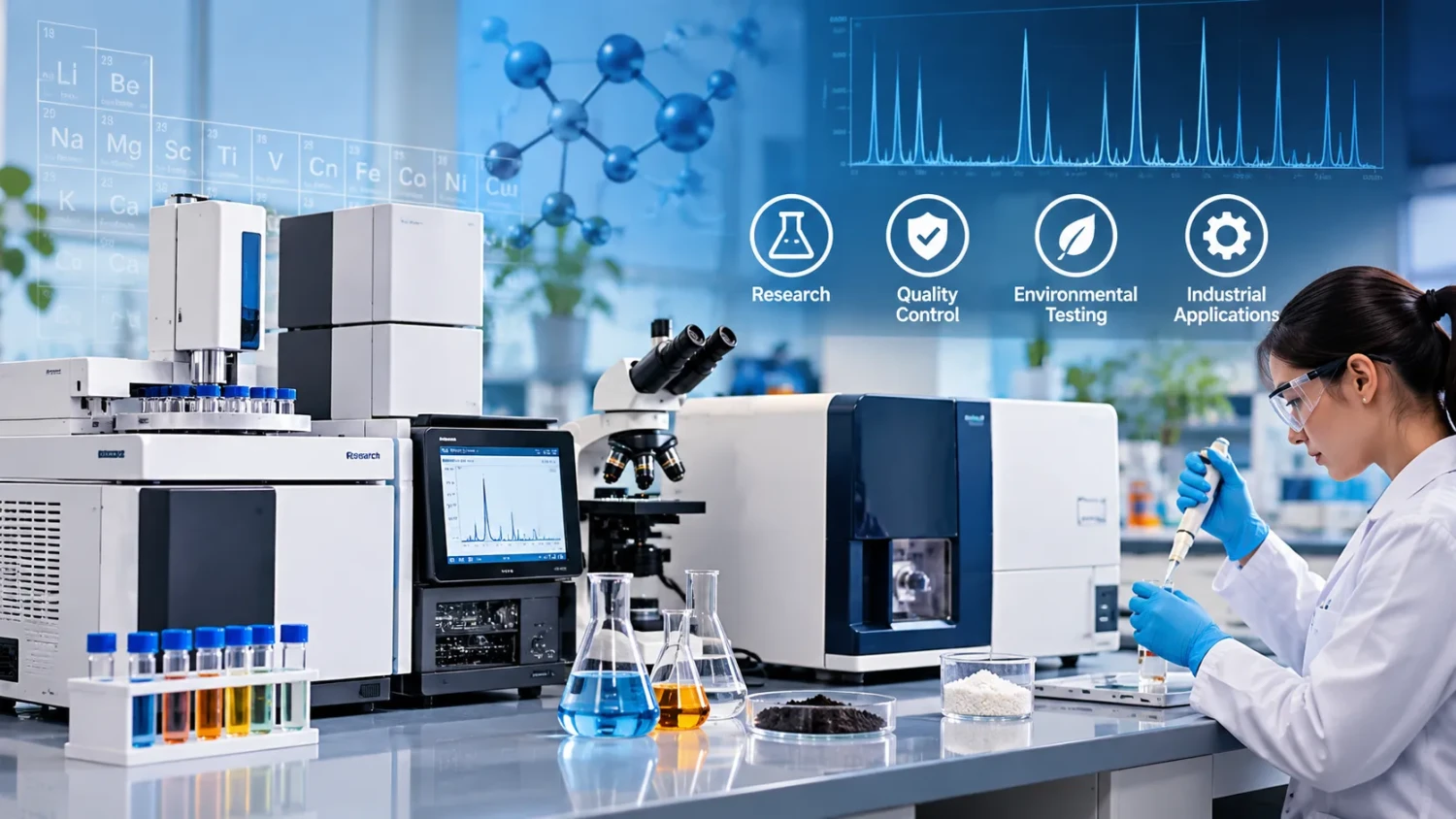
Analytical & Elemental Instruments: Empowering Accurate Analysis for Research, Quality Control, and Industrial Applications

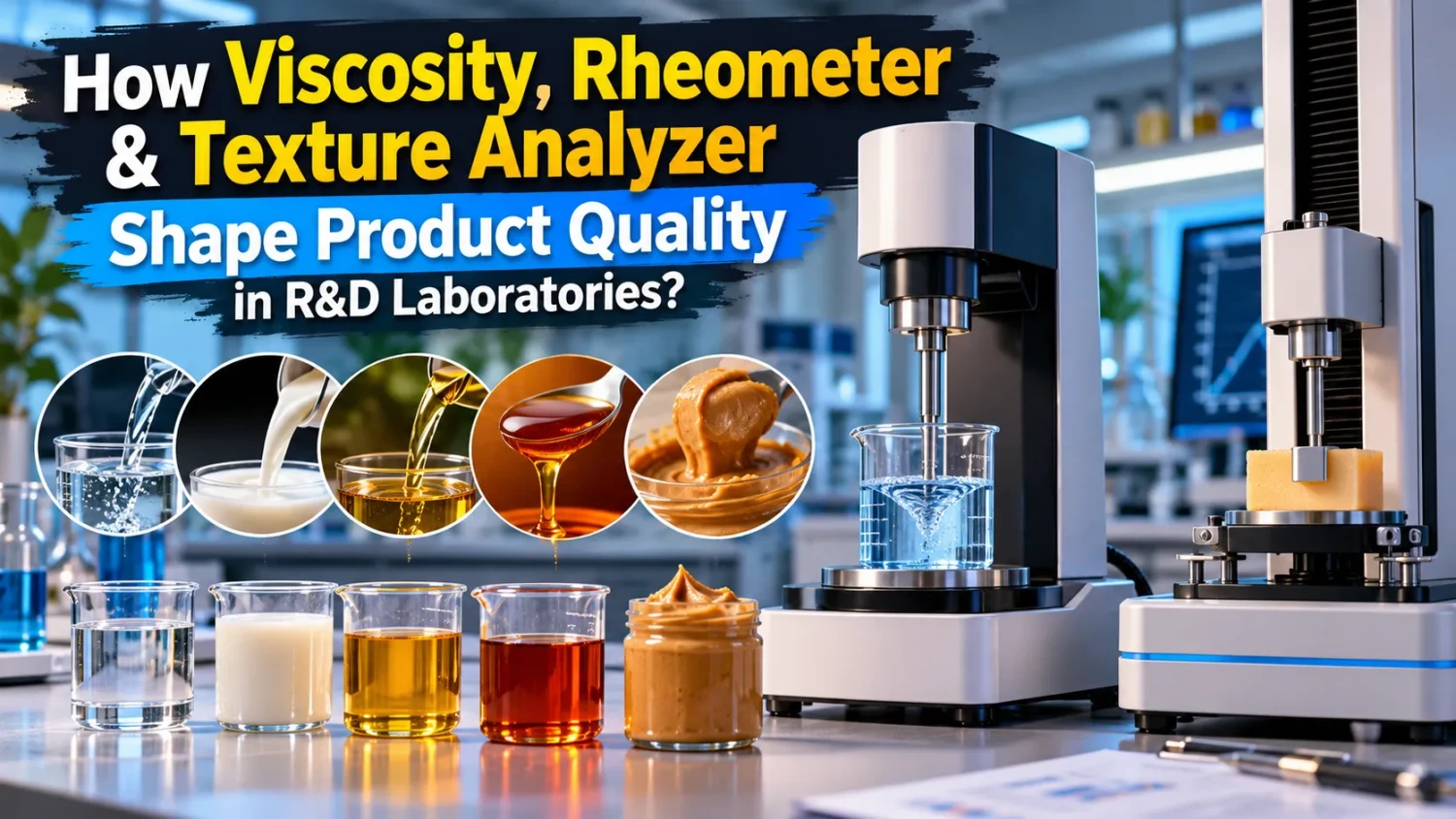
How Viscosity, Rheometer & Texture Analyzer Shape Product Quality in R&D Laboratories?
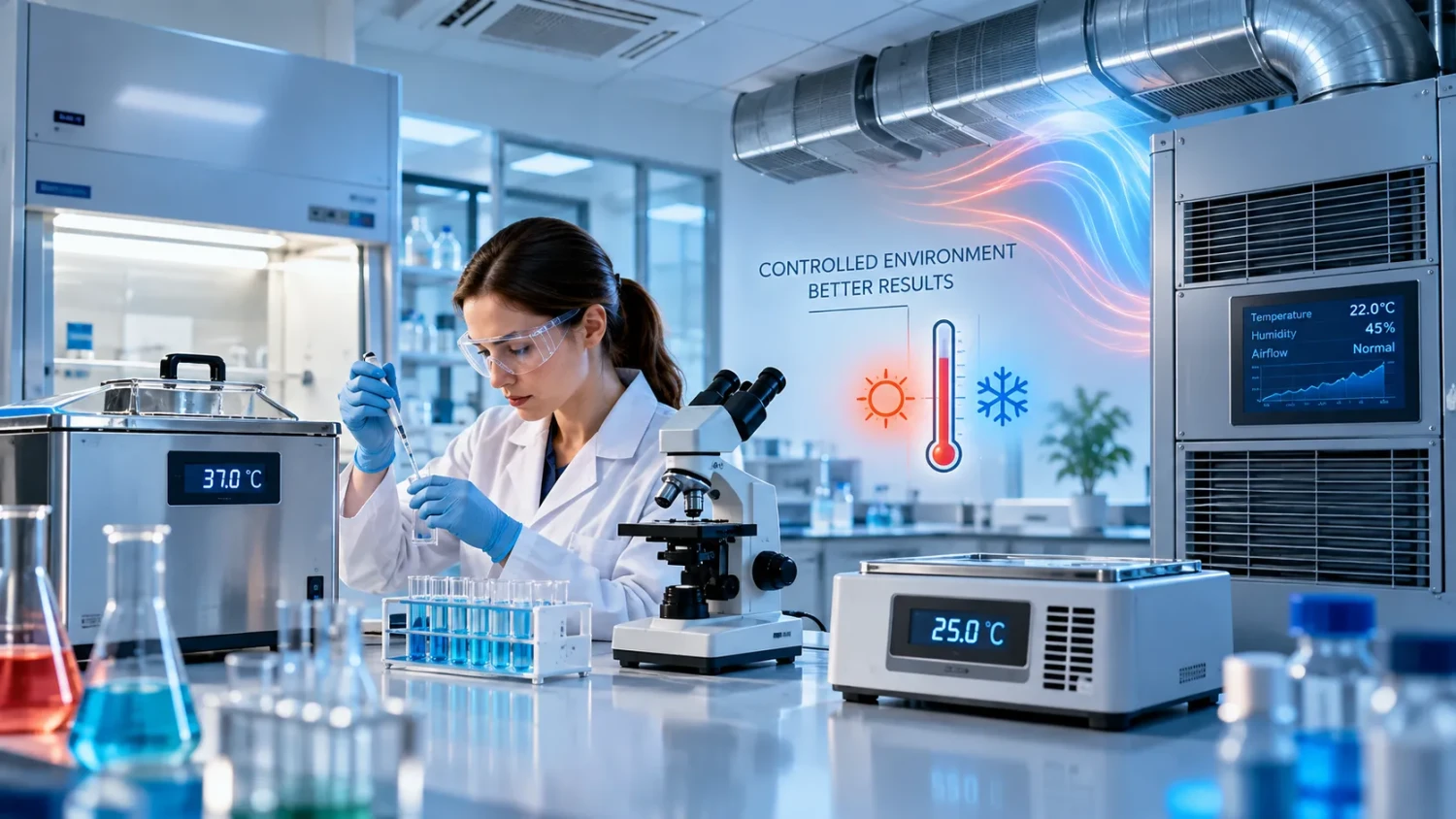
How Laboratory Heating & Cooling Equipment Improves Accuracy and Efficiency in Testing?
The Role of Laboratory Safety & Environmental Monitoring in Risk Prevention
Health and Hygiene Ware Material Testing: Ensuring Quality, Safety, and Compliance
Advancements in Sample Preparation Equipment for R&D and Quality Control
Essential Biotechnology Lab Items and Their Applications in Modern Research
Optimum Solution– Laboratory & Analytical Instruments Supplier in Bangladesh
Optimum Solution is a leading supplier of laboratory equipment, analytical instruments, and process control solutions in Bangladesh. Since our inception, we have built a strong presence in the industry, serving research labs, universities, pharmaceutical companies, and quality control laboratories nationwide. Through continuous dedication to improving our products and services, Optimum Solution has earned the trust and loyalty of our valued clients.


