
-
 Analytical & Elemental Instruments
-
Biotechnology Lab Items
-
Cardboard and Box Factory Lab Equipment Solution
-
Cleanroom Solution
-
Climatic Aging Chamber
-
Consumables & Accessories
-
Dosing Pump for Chemicals
-
Electrochemistry & Titration
-
Electronics
-
ETP -Effluent Treatment Plant
-
Feed Quality Laboratory
-
Food & Kitchen Lab Items



How Petroleum Testing Instruments Improve Fuel Quality and Compliance Standards?
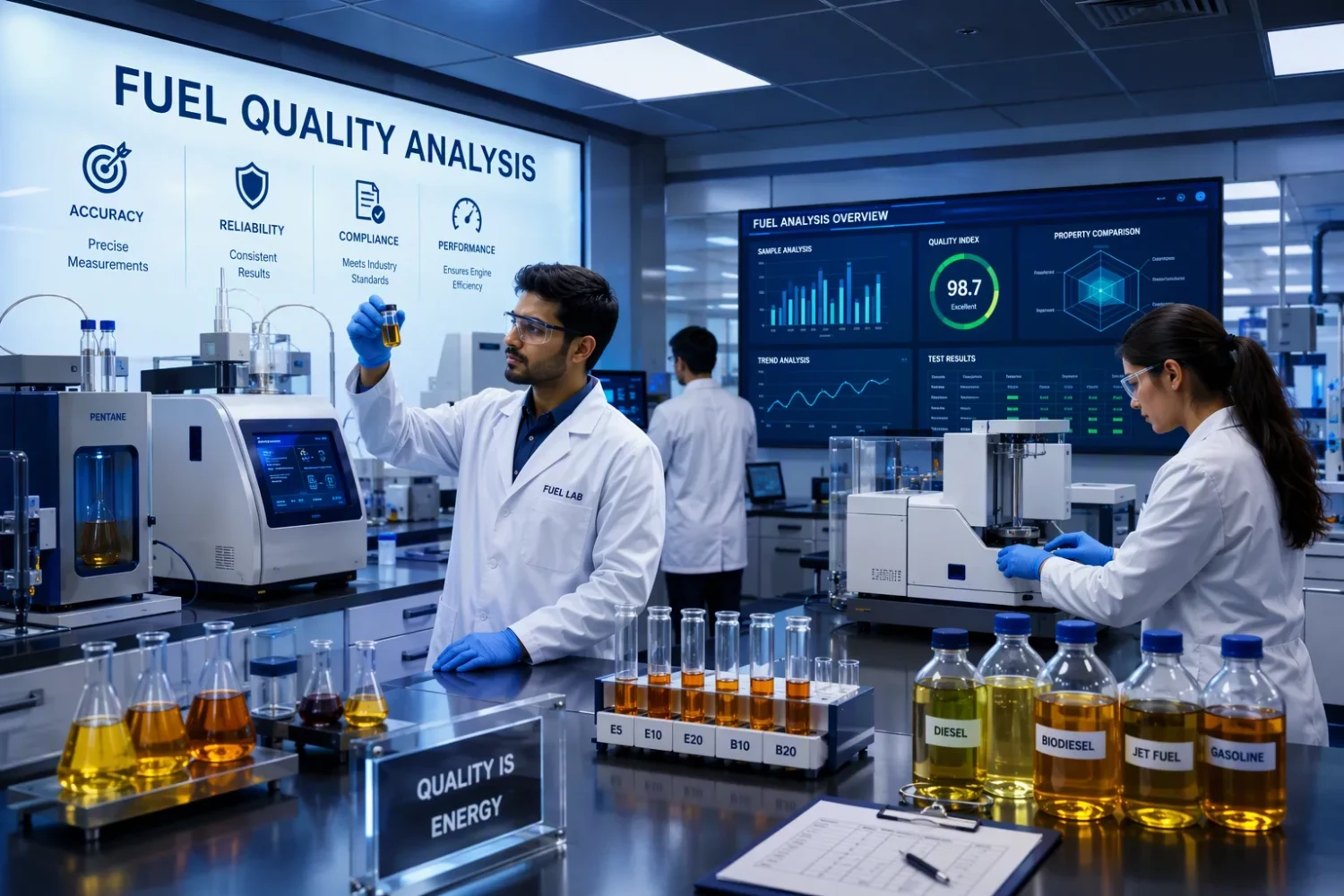
In the petroleum industry, testing is one of the simplest ways to protect fuel quality and support environmental protection. Every stage matters, from crude oil handling to refining, storage, transportation, and final use. If a petroleum product is contaminated or falls outside required limits, it can cause operational errors, higher emissions, and product nonconformity. That is why laboratories rely on testing instruments to measure important properties, confirm consistency, and help companies deliver safer, more reliable fuels in a competitive market.
Key Highlights
Petroleum testing supports fuel quality by checking key properties before products reach users.
Laboratories use advanced instruments to improve product quality and reduce human error.
Accurate testing helps companies meet regulatory compliance and environmental protection goals.
Instruments can detect contamination, sulfur levels, water content, and other risks early.
ASTM methods, ISO standards, and IP tests guide repeatable testing across different laboratories.
Better testing builds public trust, safer operations, and more consistent petroleum product performance.
Key Functions of Petroleum Testing Instruments in Fuel Quality Control
Petroleum testing instruments are central to quality control because they help laboratories follow recognized test methods with accuracy and consistency. When results are reliable, teams can confirm whether fuels, lubricants, and other liquid fuels meet required specifications before release.
Advanced systems also reduce human error and support repeatable testing, which is a major benefit in busy laboratories. At the same time, they help companies meet environmental regulations by identifying harmful elements and off-spec conditions early. To see how this works in practice, it helps to look at contamination checks and property measurement in more detail.
Detecting Contaminants and Impurities in Petroleum Products
One of the most important jobs in petroleum product testing is finding contaminants before they create larger problems. Fuel and oil can lose purity during production, proper storage, or transportation. Water, debris, chlorine, sulfur, heavy metals, and other unwanted materials may affect product quality and lead to operational errors.
Early detection matters because contamination can damage machinery, reduce fuel economy, and increase environmental impact. Poor fuel can also create hazardous emissions and raise environmental risks for air, water quality, and soil. Testing gives laboratories detailed information so corrective action can happen before the product reaches the market.
Just as important, contaminant checks support compliance with environmental regulations. When laboratories measure pollutants and harmful substances on time, companies are better prepared to meet environmental standards, avoid legal issues, and protect human health. This careful approach also helps maintain consistent fuel quality across various industries.
Ensuring Accurate Measurement of Physical and Chemical Properties
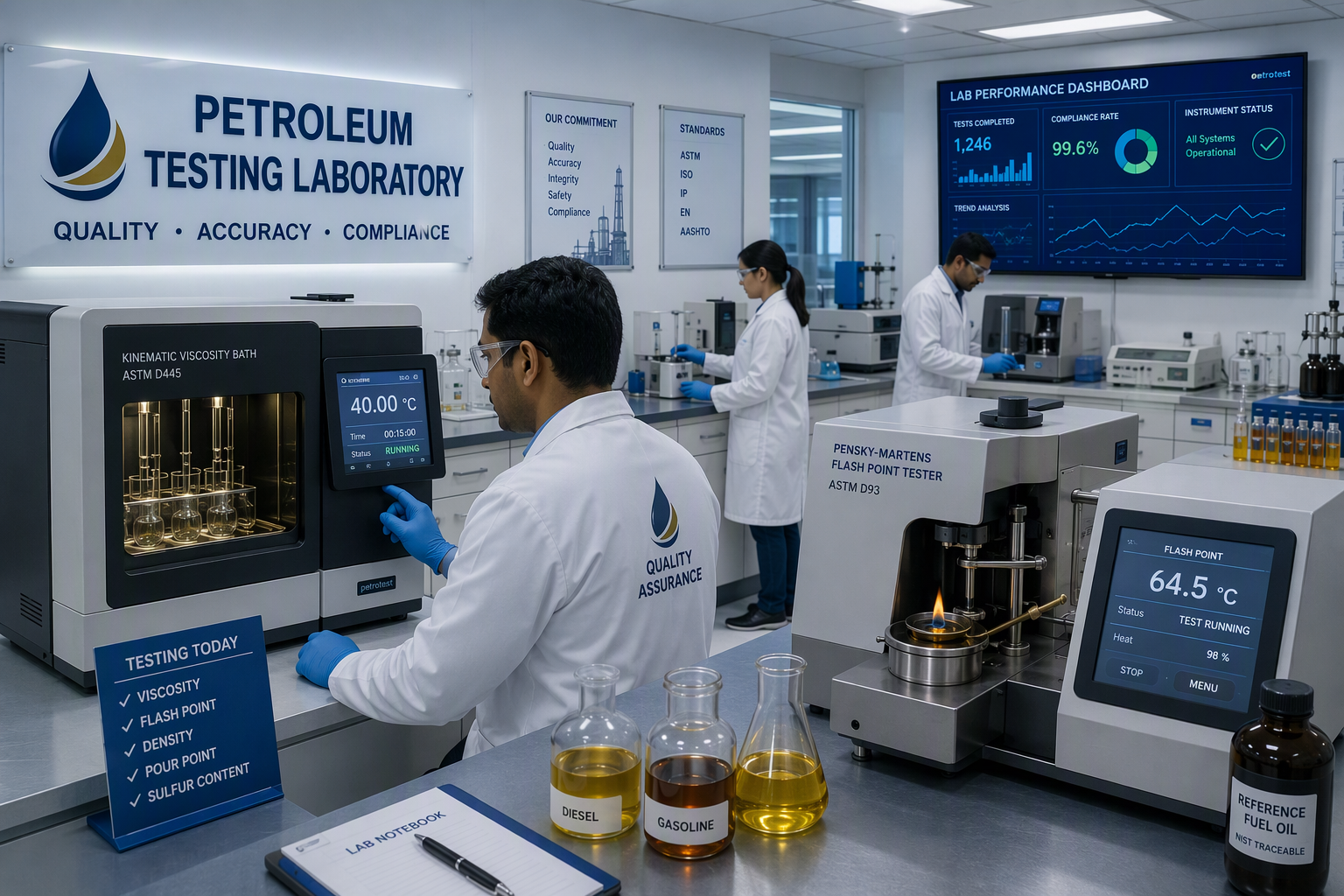
Fuel quality depends on accurate measurement of physical and chemical properties. Laboratories routinely check flash point, water content, kinematic viscosity, and API gravity because these values affect safety, handling, blending, and performance. If results vary too much, the same petroleum product may be judged differently by different laboratories.
That is why recognized test methods are so valuable. Instruments designed around ASTM methods, ISO standards, and IP methods help create repeatable testing and reduce calibration differences. Advanced equipment often includes automation and digital calibration, which lowers human error and improves confidence in each reading.
There is also a compliance benefit. Accurate measurement helps confirm whether diesel fuel, lubricants, or crude oil fractions fall within regulatory limits and customer specifications. In daily laboratory work, this means better quality control, fewer disputes, and stronger support for environmental protection and safe operations.
Types of Petroleum Testing Equipment Used in Laboratories
Laboratories use several types of petroleum testing equipment to improve fuel quality and keep test procedures consistent. Common examples include distillation testers, viscosity meters, flash point testers, density and API gravity meters, cold flow property analyzers, and instruments for water content and carbon residue.
Many facilities prefer systems that support multi-standard operation, allowing ASTM, ISO, and IP tests on one platform. This setup helps with repeatable testing, lowers operational complexity, and supports both domestic work and international trade. The next sections focus on sulfur testing and core property analysis equipment.
Sulfur Analyzers and Their Role in Regulatory Compliance
Sulfur analyzers have a crucial role in fuel testing because sulfur levels directly affect emissions and environmental protection. Crude oil naturally contains sulfur, and some of it can remain in refined products. If those levels stay too high, the fuel may fail market or legal requirements.
For laboratories, sulfur testing helps confirm whether a test fuel meets the limits set by regulatory bodies and customer specifications. This supports regulatory compliance, reduces the risk of penalties, and helps companies align with environmental protection agency expectations and wider environmental standards.
A simple summary is below:
Instrument | Main use | Why it matters |
|---|---|---|
Sulfur analyzers | Measure sulfur levels in petroleum products | Helps control pollutants and support cleaner fuel |
Supporting lab systems | Verify sample condition and handling | Improves test reliability and repeatable testing |
Compliance reporting tools | Record results for audits and review | Helps demonstrate regulatory compliance |
Instruments for Viscosity, Flash Point, and Distillation Analysis
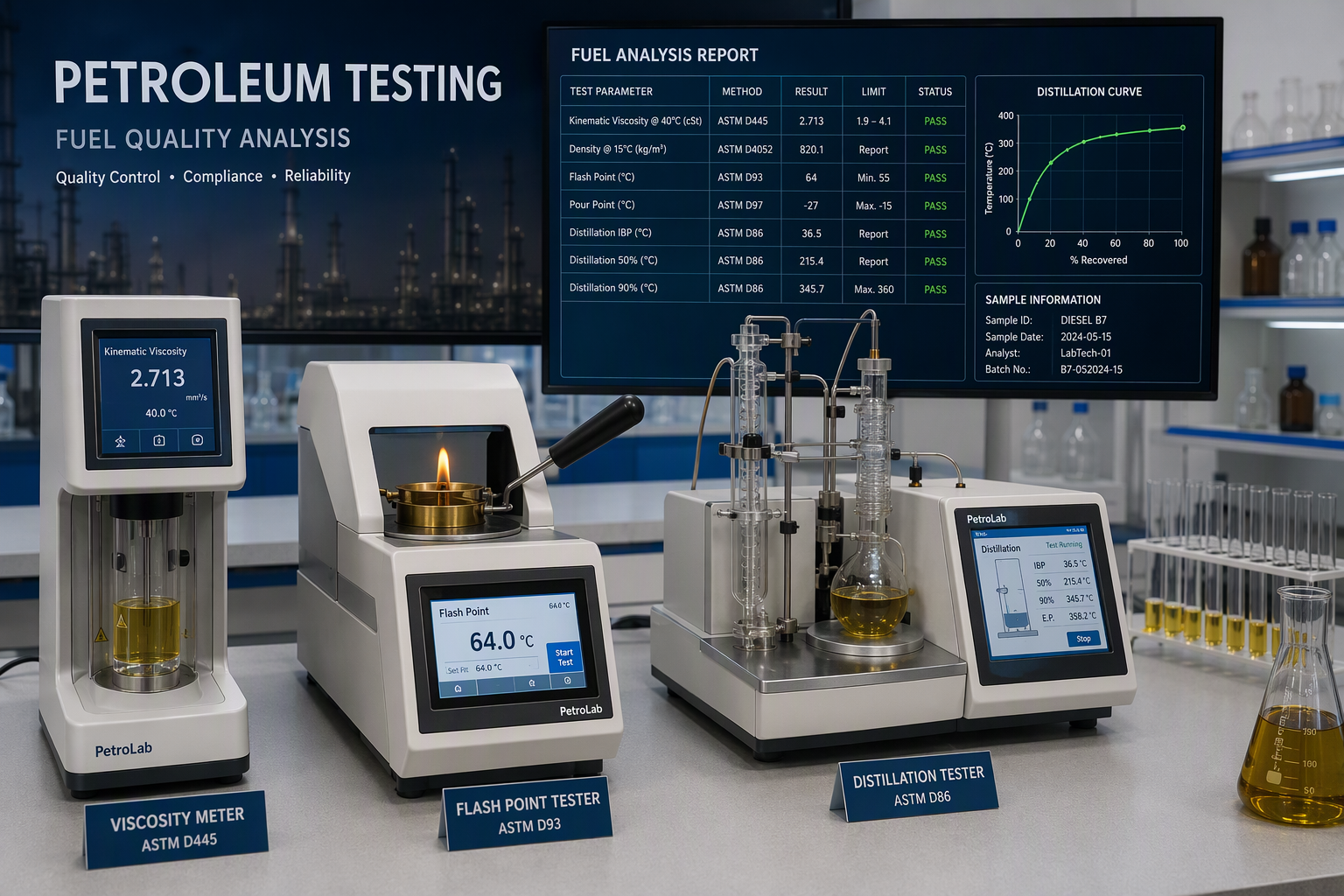
Not every fuel problem is visible. Instruments that measure viscosity, flash point, and distillation help laboratories understand how a product will behave in storage, transport, and use. These tests are part of routine quality control because they reveal whether a sample fits expected performance and safety limits.
Different tools serve different purposes, but all rely on standard test methods for dependable results. Common equipment includes:
Viscosity meters for kinematic viscosity and viscosity index work
Flash point testers for safe handling and transport classification
Distillation testers for boiling range and volatility analysis
When these instruments are properly aligned with ASTM methods, ISO standards, or IP methods, they help laboratories meet environmental regulations and product specifications with less uncertainty. That means better fuel quality, stronger process control, and fewer chances of product nonconformity in the market.
Meeting Industry Standards: ASTM, ISO, and Regulatory Requirements
Petroleum testing standards give laboratories a shared framework for consistent results. In practice, this means instruments are expected to support ASTM methods, ISO standards, and IP standards maintained by the Energy Institute. These standards cover tests such as distillation, flash point, viscosity, density, and sampling.
Regulatory requirements shape instrument choice because results must stand up to audits, customer reviews, and market expectations. In the United States, epa regulations are a major driver, while global trade may call for internationally recognized methods. The next two sections explain certification and adaptation in more practical terms.
Certification Processes for Petroleum Testing Instruments
Certification matters because laboratories need proof that their equipment can perform according to a standard test method. In petroleum testing, this is closely tied to whether an instrument is designed for recognized ASTM, ISO, or IP procedures. Without that alignment, results may be questioned during audits or customer evaluations.
Another point is consistency. Certified instruments support repeatable testing, traceable calibration, and stronger product quality control. This helps reduce disputes between different laboratories and lowers the chance of product nonconformity. For refineries and research facilities, dependable data is not just helpful. It is necessary for daily decisions.
Certification also supports international trade. When a laboratory uses equipment built around globally recognized standards, its reports are easier for buyers, regulators, and partners to accept across markets. That creates more confidence in petroleum product testing and strengthens credibility in a competitive market.
Adapting to Evolving Compliance and Environmental Guidelines
Rules do not stay fixed for long. In 2025, the petroleum industry continues to face tighter regulatory requirements and growing pressure for cleaner, more efficient fuels. That means laboratories must keep instruments, calibration practices, and test procedures aligned with updated compliance expectations.
Environmental agencies focus on reducing pollutants that can affect air, water, soil, public health, and ecosystems. Testing instruments help by measuring sulfur, water content, flash point, density, and other properties that influence emissions, handling safety, and environmental protection. With accurate data, companies can act early instead of reacting after a problem reaches the market.
Adapting also supports long-term business stability. When laboratories respond quickly to new environmental guidelines, they reduce the risk of fines, protect public trust, and maintain reliable service for clients. In simple terms, better testing makes changing compliance demands easier to manage.
Conclusion
Petroleum testing instruments play a critical role in ensuring fuel quality and compliance with industry standards. By accurately detecting contaminants and measuring essential physical and chemical properties, these tools help maintain high-quality fuels that meet regulatory requirements. Furthermore, their ability to adapt to evolving environmental guidelines ensures that the industry can provide safer and more efficient products. Emphasizing the importance of regular inspections not only enhances compliance but also supports public safety and optimizes performance. If you're looking to improve your fuel quality practices or need more information, feel free to reach out for a consultation!
Frequently Asked Questions
How do petroleum testing instruments support public safety?
Petroleum testing supports public safety by identifying contamination, unsafe flash point values, and other issues before products are used. This reduces environmental risks, protects human health, and supports safe operations in production, transport, storage, and final use. Regular checks also help prevent accidents and off-spec fuel release.
Can petroleum testing optimize lubricant performance?
Yes. Petroleum testing and oil analysis help laboratories measure properties linked to lubricant performance, including viscosity and contamination levels. Using recognized test methods improves product quality, supports reliable operation, and helps manufacturers develop lubricants that perform longer while reducing equipment wear and maintenance risks.
What are the benefits of regular fuel quality inspections?
Regular testing improves fuel quality by supporting quality control and early detection of contaminants or off-spec properties. This lowers the risk of product nonconformity, protects equipment, helps meet regulations, and reduces waste. It also gives laboratories and suppliers more confidence in the consistency of every batch.
Recent Posts
How Petroleum Testing Instruments Improve Fuel Quality and Compliance Standards?

Analytical & Elemental Instruments: Empowering Accurate Analysis for Research, Quality Control, and Industrial Applications


How Viscosity, Rheometer & Texture Analyzer Shape Product Quality in R&D Laboratories?

How Laboratory Heating & Cooling Equipment Improves Accuracy and Efficiency in Testing?

The Role of Laboratory Safety & Environmental Monitoring in Risk Prevention

Health and Hygiene Ware Material Testing: Ensuring Quality, Safety, and Compliance
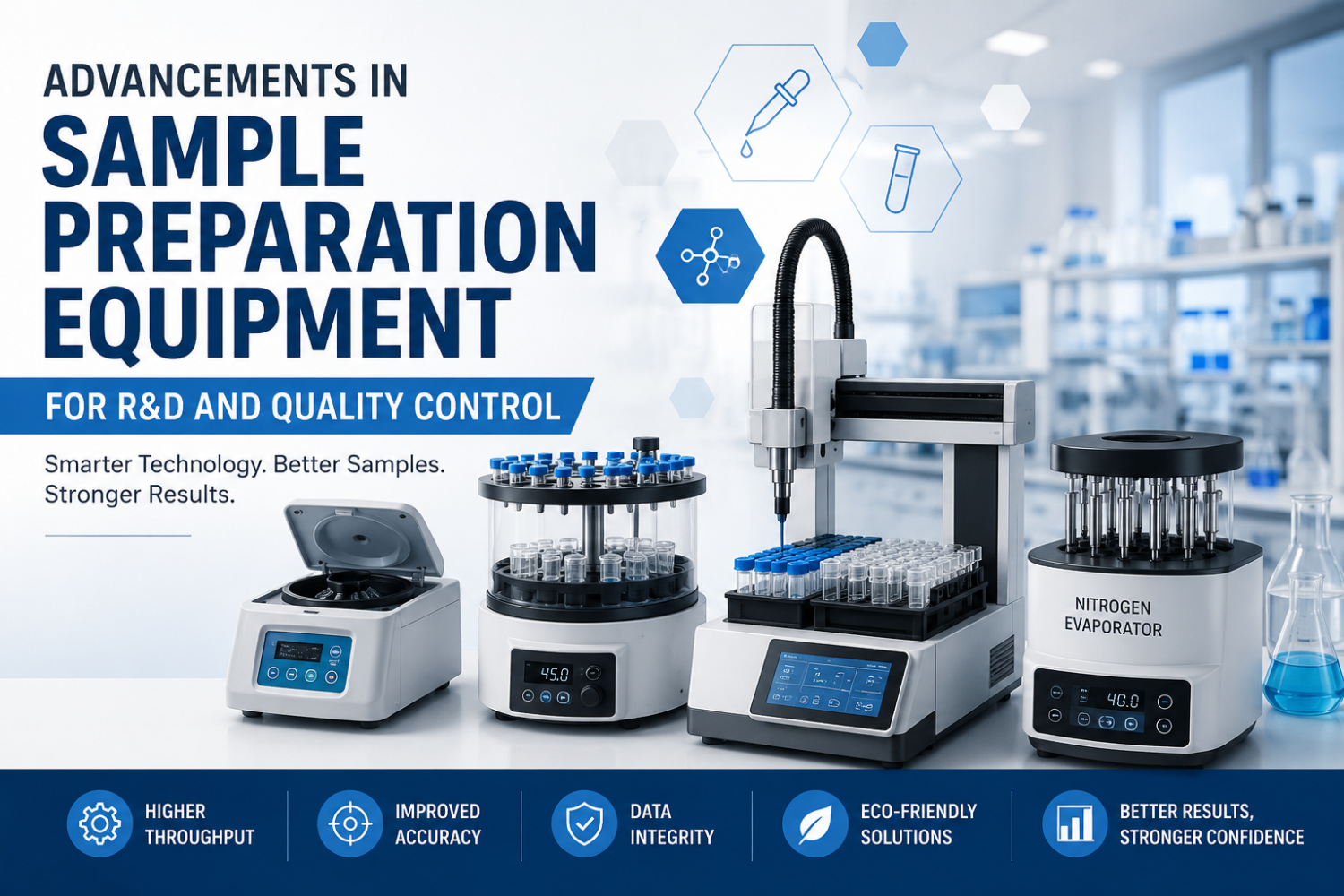
Advancements in Sample Preparation Equipment for R&D and Quality Control
Optimum Solution– Laboratory & Analytical Instruments Supplier in Bangladesh
Optimum Solution is a leading supplier of laboratory equipment, analytical instruments, and process control solutions in Bangladesh. Since our inception, we have built a strong presence in the industry, serving research labs, universities, pharmaceutical companies, and quality control laboratories nationwide. Through continuous dedication to improving our products and services, Optimum Solution has earned the trust and loyalty of our valued clients.


