
-
 Analytical & Elemental Instruments
-
Biotechnology Lab Items
-
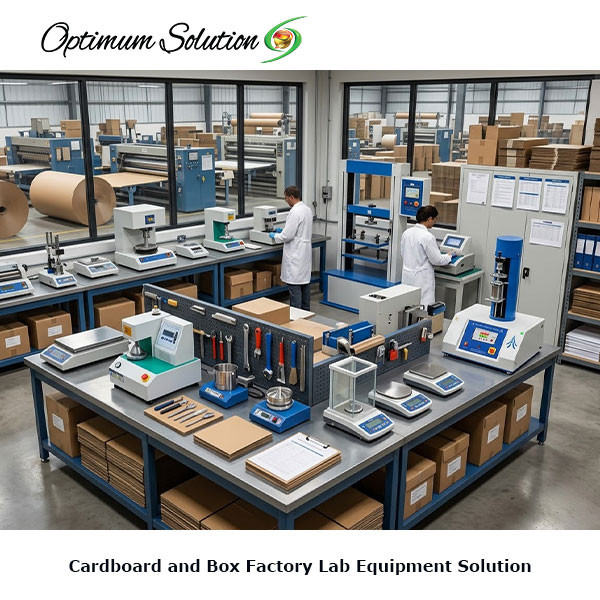
Cardboard and Box Factory Lab Equipment Solution
-
Cleanroom Solution
-
Consumables & Accessories
-
Dosing Pump for Chemicals
-
Electrochemistry & Titration
-
ETP -Effluent Treatment Plant
-
Feed Quality Laboratory
-
Food & Kitchen Lab Items
-
Hygiene Testing Equipment
-
Lab Furniture



The Growing Feed Industry in Bangladesh

The
Growing Feed Industry in Bangladesh
Bangladesh, a country primarily known for its vibrant
textile industry and agricultural heritage, is experiencing a significant surge
in another sector: the feed industry. This sector plays a crucial role in
supporting the country's agricultural economy by providing essential nutrition
to livestock, poultry, and aquaculture, thereby contributing to food security
and economic growth.
Importance
of the Feed Industry
The
feed industry in Bangladesh is pivotal for several reasons:
1. Livestock and Poultry Sector Support: With a large
rural population dependent on agriculture, livestock farming and poultry
production are integral to rural livelihoods. The feed industry ensures these
animals receive balanced nutrition, leading to improved health, productivity,
and economic returns for farmers.
2. Aquaculture Expansion: Bangladesh is renowned for
its fisheries and aquaculture. The feed industry supports this sector by
providing specialized feeds for fish and shrimp farming, enhancing production
efficiency and quality in this vital industry.
3. Food Security: Adequate animal nutrition directly
impacts food security by increasing the availability of meat, milk, eggs, and
fish—essential protein sources in the Bangladeshi diet.
4. Employment and Economic Growth: The growth of the
feed industry creates employment opportunities across various sectors—from feed
production and distribution to farming and related services—contributing to
overall economic development.
Factors
Driving Growth
Several
factors contribute to the rapid expansion of the feed industry in Bangladesh:
- Rising Demand for Animal Protein: As incomes rise and
dietary patterns change, there is an increasing demand for meat, eggs, and
dairy products, driving up the need for high-quality animal feed.
- Government Support: The government of Bangladesh has
implemented policies and initiatives to support the agricultural sector,
including subsidies for feed production, infrastructure development, and research
and development in agriculture.
- Technological Advancements: Adoption of modern
technologies in feed formulation, production processes, and quality control has
improved efficiency and product consistency in the industry.
- Investment and Collaboration: Increased investments
from local and international firms, along with collaborations between research
institutions and private companies, have facilitated innovation and growth in
the sector.
Challenges and Opportunities
Despite
its growth, the feed industry in Bangladesh faces challenges such as:
- Quality Control: Ensuring consistent quality and
safety of feed products remains a priority to mitigate risks related to animal
health and consumer confidence.
- Feed Raw Materials: Dependency on imported raw
materials and fluctuations in prices can impact production costs and
profitability.
- Environmental Sustainability: Sustainable feed
production practices, including efficient resource use and waste management,
are crucial to minimize environmental impact.
However, these challenges also present opportunities
for innovation, such as exploring alternative feed ingredients, improving feed
conversion ratios, and adopting eco-friendly production practices.
Future
Outlook
Looking ahead, the feed industry in Bangladesh is
poised for continued expansion and development. The sector's strategic
importance in supporting agricultural productivity, enhancing food security,
and contributing to economic growth underscores its potential for further
investment and innovation. With ongoing advancements in technology, supportive
government policies, and a growing market demand for animal protein, the feed
industry is set to play an increasingly vital role in Bangladesh's agricultural
and economic landscape.
The burgeoning feed industry in Bangladesh not only
supports the agricultural sector but also fosters economic growth, enhances
food security, and contributes to the country's overall development agenda. As
stakeholders continue to collaborate and innovate, the industry is
well-positioned to meet the evolving demands of a dynamic agricultural economy
while addressing challenges through sustainable practices and technological
advancements.
For
testing feed quality, several types of tests may be necessary depending on the
specific requirements and goals. Here are some common tests used to assess feed
quality:
1. Proximate Analysis: This includes tests for moisture
content, crude protein, crude fat (ether extract), crude fiber, and ash
content. These parameters provide basic nutritional information about the feed.
2. Mineral Analysis: Tests for major minerals (calcium,
phosphorus, potassium, magnesium) and trace minerals (zinc, iron, copper,
manganese, etc.) are important to ensure the feed provides adequate mineral
nutrition.
3. Vitamin Analysis: Depending on the feed type and
intended use, analysis for vitamins (like vitamins A, D, E, and certain B
vitamins) may be necessary to confirm their presence and levels.
4. Amino Acid Analysis: Especially important for
protein feeds, this analysis determines the profile and levels of essential and
non-essential amino acids.
5. Mycotoxin Analysis: Feeds should be tested for
mycotoxins (toxins produced by fungi) such as aflatoxins, which can severely
impact animal health and performance.
6. Antinutritional Factor Analysis: Some feeds contain
antinutritional factors (ANFs) such as lectins, tannins, or enzyme inhibitors,
which can affect digestibility and nutrient utilization.
7. Particle Size Analysis: For feeds like forages or
roughages, particle size distribution can affect intake and digestibility.
8. Microbiological Testing: Ensures that feeds are free
from harmful pathogens or excessive microbial growth.
9. Pesticide Residue Testing: Important for feeds that
may have been exposed to pesticides during growth or storage.
10. Fatty Acid Profile: Relevant for lipid-containing
feeds to determine the types and amounts of fatty acids present.
The specific tests required will depend on factors such
as the type of feed (e.g., forage, concentrate, complete feed), intended
species (e.g., cattle, poultry, fish), regulatory requirements, and nutritional
goals. It's often recommended to consult with a feed nutritionist or regulatory
authority to determine the exact testing requirements for a particular feed.
Kjeldahl
method is a widely used technique to determine the nitrogen content in organic
compounds, which is then used to estimate the protein content of feed and food
products. Here’s how it applies specifically to feed quality testing:
Protein/Nitrogen Analysis by Kjeldahl Method:
The Kjeldahl method involves several steps:
1. Digestion: The feed sample is digested with sulfuric
acid, which converts the nitrogen in the sample into ammonium sulfate.
2. Distillation: The digestate is then distilled with
sodium hydroxide (NaOH) to release ammonia gas from the ammonium salts.
3. Titration: The ammonia gas is absorbed in a known
volume of standard acid (usually sulfuric acid) and then titrated with a
standard base (usually sodium hydroxide) to determine the amount of nitrogen
present in the sample.
4. Calculation: The nitrogen content is multiplied by a
factor (typically 6.25 for feed samples, assuming an average protein content of
16%) to estimate the crude protein content of the feed.
Application
in Feed Quality Testing:
- Protein Content: The Kjeldahl method is crucial for
determining the total protein content of feeds. This information is essential
for formulating balanced diets for animals and assessing the nutritional
adequacy of the feed.
- Quality Control: It provides valuable information
about the amino acid composition and protein quality of the feed, which can
impact animal growth, health, and performance.
- Regulatory Compliance: Many regulatory bodies require
protein content to be specified on feed labels, making accurate Kjeldahl
analysis essential for compliance with regulations.
The Kjeldahl method is a fundamental tool in feed
quality testing, particularly for determining protein content. It provides
reliable data that helps ensure feeds meet nutritional standards and regulatory
requirements for various livestock and animal production systems.
Conducting
feed quality tests requires a range of instruments and equipment to accurately
analyze various parameters. Here’s a list of some essential equipment commonly
used in feed quality testing:
1. Analytical Balance: Used for precise weighing of
feed samples and reagents.
2. Kjeldahl Digestion Apparatus: Essential for
digesting feed samples with sulfuric acid to release nitrogen compounds for
analysis.
3. Kjeldahl Distillation Unit: Used to distill the
digested sample and collect ammonia for nitrogen determination.
4. Titration Equipment: Includes burettes, pipettes,
and titration stands for accurate measurement and titration of ammonia during
Kjeldahl analysis.
5. Moisture Analyzer: Measures the moisture content of
feed samples, important for determining dry matter content and adjusting
nutrient concentrations.
6. Protein Analyzer (NIR or Dumas Method): Depending on
the lab setup and budget, Near Infrared (NIR) spectroscopy or Dumas combustion
method analyzers may be used for rapid protein analysis.
7. pH Meter: Measures the pH of feed samples, important
for assessing fermentation quality in silage or monitoring acid-base reactions.
8. Microscopes: Used for examining feed samples for
fungal contamination, particle size analysis, or detecting parasites in
forages.
9. Spectrophotometer: Measures absorbance of light by a
sample, useful for analyzing vitamins, pigments, or specific compounds in
feeds.
10. Incubators or Ovens: Used for drying samples to
determine moisture content, and for incubating microbial cultures for
microbiological testing.
11. Autoclave: Sterilizes equipment and media used for
microbiological testing.
12. Centrifuge: Separates solid particles from liquids,
useful for preparing samples for analysis or concentrating microbial samples.
13. Microbial Testing Equipment: Includes Petri dishes,
media, and colony counters for assessing microbial contamination and activity.
14. Gas Chromatograph (GC) or High Performance Liquid
Chromatograph (HPLC): Advanced equipment used for analyzing fats, fatty acids,
mycotoxins, or other specific compounds in feeds.
15. Particle Size Analyzers: Instruments like sieves or
laser diffraction analyzers for determining particle size distribution in
roughages and other feed materials.
16. Environmental Chambers: Used for controlled
environmental conditions during microbial testing or incubation studies.
17. Safety Equipment: Personal protective equipment
(PPE), fume hoods, and chemical storage cabinets to ensure safety when handling
hazardous chemicals or materials.
The specific instruments required will depend on the
type of feed being tested, the parameters of interest, and the scale of the
testing operation (e.g., research lab vs. commercial feed testing facility).
It's important to ensure that all equipment is properly calibrated, maintained,
and used according to standardized testing procedures to ensure accurate and
reliable results in feed quality testing.
The
Kjeldahl method is widely used for determining the nitrogen content in organic
materials, which is then used to calculate the protein content. Here’s an
overview of the apparatus and equipment typically used in the Kjeldahl method:
1. Kjeldahl Digestion Apparatus:
- Digestion
Flask: Made of borosilicate glass, typically with a capacity ranging from 100
to 500 mL. These flasks are resistant to the strong acids used in the digestion
process.
- Digestion
Rack: Holds multiple digestion flasks securely during digestion.
- Digestion
Tubes: Sometimes used instead of flasks for smaller samples, they fit into the
digestion rack.
- Condensers:
Glass tubes connected to the top of each digestion flask or tube, used to
condense and return volatile acids and moisture back into the digestion flask
during digestion.
- Digestion
Heating Unit: Electric or gas-powered heating units that provide controlled
heat to the digestion flasks or tubes. Modern units may have automated
temperature control features.
- Fume Hood:
Provides ventilation to safely exhaust fumes generated during the digestion
process, which involves strong acids and can produce hazardous vapors.
2. Kjeldahl Distillation Apparatus:
- Distillation
Flask: A round-bottom flask where the digested sample is placed.
- Distillation
Column: Connected to the distillation flask, it helps in separating ammonia
from the digestate.
- Receiver
Flask: Collects the distilled ammonia.
- Condenser:
Cools the ammonia vapor, causing it to condense and collect in the receiver
flask.
- Automatic
Titration System: In some modern setups, an automated titration system may be
integrated to measure the amount of ammonia collected, simplifying the
titration process.
3. Titration Equipment:
- Burette:
Used to deliver the titrant (acid or base) accurately into the solution being
titrated.
- Pipettes:
For precise measurement of solutions used in titration.
- Titration
Stand: Holds the burette securely in place during titration.
4. Safety Equipment:
- Safety
Glasses and Gloves: Essential for personal protection when handling strong
acids and other chemicals.
- Fume Hood:
Provides ventilation to safely exhaust fumes generated during the digestion
process.
- Chemical
Spill Kit: In case of spills or accidents involving hazardous chemicals.
5. Other Equipment:
- Analytical
Balance: Used to weigh samples and reagents with high precision.
- pH Meter:
For measuring and adjusting the pH of solutions used in the Kjeldahl method.
- Distilled
Water Source: Used for preparing solutions and dilutions.
These components together form the Kjeldahl apparatus
setup, which is essential for accurately determining nitrogen content in feed
samples. Proper calibration and adherence to standardized procedures are
crucial to obtaining reliable results in feed quality testing using the
Kjeldahl method.
Here's
a detailed step-by-step method for protein analysis in feed using the Kjeldahl
apparatus:
Kjeldahl
Method for Protein Analysis in Feed
Equipment
and Materials Needed:
- Kjeldahl digestion apparatus (flasks, racks,
condensers, heating unit)
- Kjeldahl distillation apparatus (flask, column,
condenser, receiver flask)
- Analytical balance
- Digestion tubes or flasks (borosilicate glass)
- Sulfuric acid (concentrated)
- Digestion catalyst (e.g., copper sulfate)
- Sodium hydroxide (pellets or solution)
- Boric acid solution (indicator solution)
- Standardized hydrochloric acid (0.1 M)
- Distilled water
- Safety equipment (gloves, safety glasses, fume hood)
- Titration equipment (burette, pipettes, titration
stand)
- pH meter
Procedure:
1. Sample Preparation:
- Weigh
accurately about 1-5 grams of the feed sample using an analytical balance.
Record the exact weight.
2. Digestion:
- Transfer the
weighed sample into a Kjeldahl digestion tube or flask.
- Add a
digestion catalyst (e.g., copper sulfate) to facilitate the digestion process.
- Carefully
add concentrated sulfuric acid (approximately 25-50 mL depending on sample
size) to the tube or flask containing the sample. Caution: Sulfuric acid is
corrosive and should be handled with care under a fume hood.
- Place the
digestion tube or flask in the digestion rack of the Kjeldahl digestion unit.
- Digest the
mixture at a controlled temperature (typically around 350-400°C) until the
solution becomes clear or colorless, indicating complete digestion. This
process usually takes 1-2 hours.
3. Distillation:
- After
digestion, cool the digestion tubes or flasks to room temperature.
- Transfer the
digested sample into the distillation flask of the Kjeldahl distillation unit.
- Add
distilled water and a few drops of sodium hydroxide (NaOH) to make the solution
alkaline, which promotes the release of ammonia gas.
- Connect the
distillation flask to the distillation column and then to the condenser.
- Start the
distillation process, heating the distillation flask gently. Distill the
mixture until all ammonia gas is released and collected in the receiving flask.
4. Titration:
- Once
distillation is complete, titrate the ammonia collected in the receiving flask
with standardized hydrochloric acid (HCl) using a burette.
- Use boric
acid solution as an indicator. Add a few drops to the receiving flask before
titration begins.
- Titrate
until the color changes from blue-green to a pale yellow or until the endpoint
is reached as indicated by the pH meter.
5. Calculation:
- Calculate
the nitrogen content in the sample using the volume and concentration of the
HCl used in titration.
- Convert the
nitrogen content to protein content using a conversion factor. The typical
conversion factor is 6.25 for feed samples, assuming an average protein content
of 16%.
Reporting
Results:
- Report the protein content as a percentage (%
protein) in the feed sample based on the nitrogen content determined by the
Kjeldahl method.
Notes:
- Ensure all glassware and equipment are clean and dry
before use to avoid contamination.
- Calibrate and standardize all equipment (pH meter,
burette) before beginning the analysis.
- Follow safety precautions when handling sulfuric acid
and other chemicals, and work in a well-ventilated area (fume hood).
By following these steps carefully and accurately, the
Kjeldahl method allows for precise determination of protein content in feed
samples, providing essential nutritional information for animal diets and feed
formulation.
Recent Posts

How Viscosity, Rheometer & Texture Analyzer Shape Product Quality in R&D Laboratories?

How Laboratory Heating & Cooling Equipment Improves Accuracy and Efficiency in Testing?
The Role of Laboratory Safety & Environmental Monitoring in Risk Prevention
Health and Hygiene Ware Material Testing: Ensuring Quality, Safety, and Compliance
Advancements in Sample Preparation Equipment for R&D and Quality Control
Essential Biotechnology Lab Items and Their Applications in Modern Research
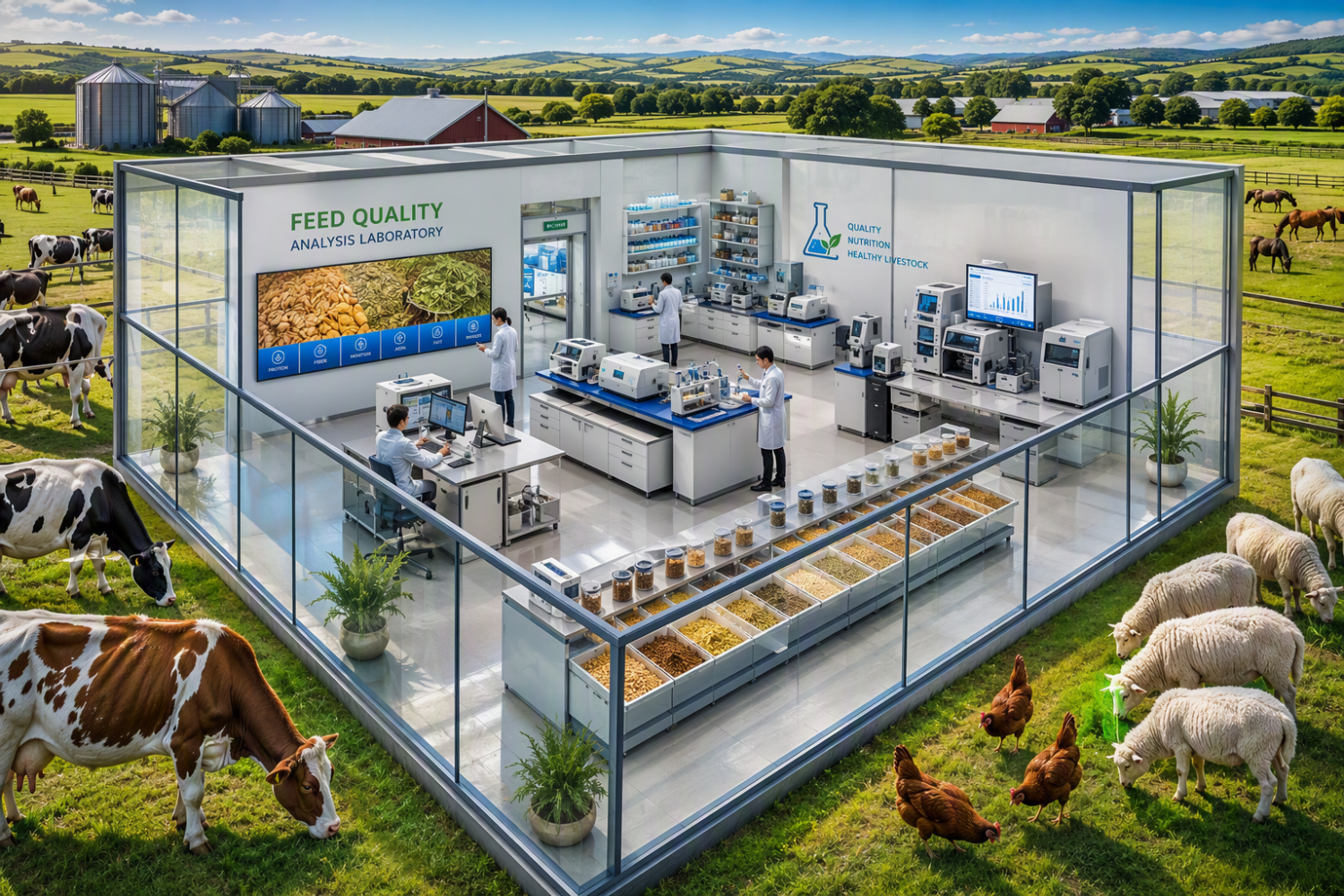


Understanding ETP – Effluent Treatment Plant and Its Importance in Industry
Optimum Solution– Laboratory & Analytical Instruments Supplier in Bangladesh
Optimum Solution is a leading supplier of laboratory equipment, analytical instruments, and process control solutions in Bangladesh. Since our inception, we have built a strong presence in the industry, serving research labs, universities, pharmaceutical companies, and quality control laboratories nationwide. Through continuous dedication to improving our products and services, Optimum Solution has earned the trust and loyalty of our valued clients.


