
-
 Analytical & Elemental Instruments
-
Biotechnology Lab Items
-
Cardboard and Box Factory Lab Equipment Solution
-
Cleanroom Solution
-
Consumables & Accessories
-
Dosing Pump for Chemicals
-
Electrochemistry & Titration
-
ETP -Effluent Treatment Plant
-
Feed Quality Laboratory
-
Food & Kitchen Lab Items
-
Hygiene Testing Equipment
-
Lab Furniture



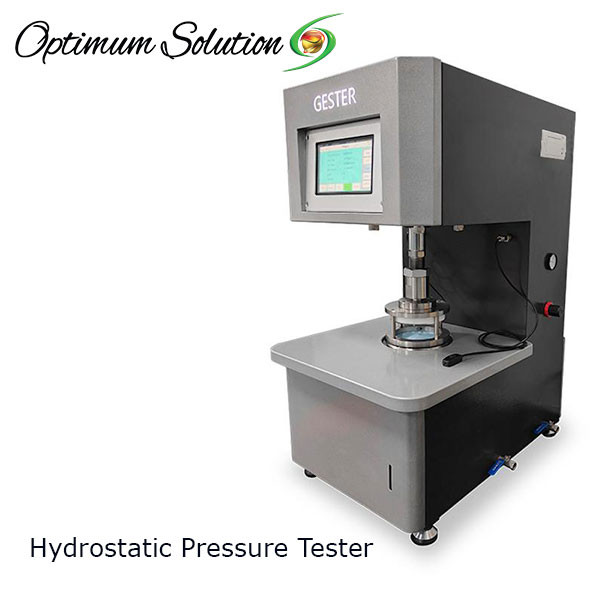

UV VIS Spectrophotometer: An In-Depth Analysis By Md. Murad Hossain, Chemical Technologist

UV VIS
Spectrophotometer: An In-Depth Analysis
By Md. Murad Hossain, Chemical
Technologist
The
UV VIS Spectrophotometer is an essential instrument in modern laboratories,
playing a crucial role in various scientific fields. This article explores the
comprehensive details of the UV VIS Spectrophotometer, its applications,
classifications, innovations, historical significance, and current usage,
providing an extensive understanding of its impact and importance.
Understanding UV VIS Spectrophotometer
The
UV VIS Spectrophotometer is an analytical instrument that measures the
absorbance and transmittance of light in the ultraviolet-visible spectral
region. By analyzing the light absorption of different compounds, it provides
critical data for qualitative and quantitative analysis in chemistry, biology,
and physics.
Technique and Applied Instruments
The
UV VIS Spectrophotometer technique involves passing a beam of UV or visible
light through a sample and measuring the intensity of light reaching a
detector. This technique is applied in instruments such as:
1. Single Beam UV VIS
Spectrophotometer:
Measures the intensity of light before and after it passes through the sample.
2. Double Beam UV VIS
Spectrophotometer:
Splits the light beam into two paths – one passing through the sample and the
other through a reference, improving accuracy and stability.
Classification of UV VIS
Spectrophotometer
UV
VIS Spectrophotometers can be classified based on several criteria:
1. Wavelength Range: UV (190-400 nm) and
VIS (400-1100 nm) spectrophotometers.
2. Beam Type: Single beam and double
beam spectrophotometers.
3. Application: Research-grade,
industrial-grade, and educational-grade spectrophotometers.
Innovation in UV VIS Spectrophotometer
Technique
Recent
innovations in UV VIS Spectrophotometer technology have enhanced its accuracy,
sensitivity, and usability. Modern instruments feature advanced optics, digital
interfaces, and automation capabilities, making them indispensable in diverse
fields like pharmaceuticals, environmental monitoring, and food safety.
Historical Significance
In
ancient civilizations, although there was no UV VIS Spectrophotometer, the
principles of light absorption were recognized. The study of light and color,
dating back to ancient Greece and Egypt, laid the groundwork for modern
spectrophotometry.
Instruments Based on UV VIS
Spectrophotometer Technique
Numerous
instruments depend on the UV VIS Spectrophotometer technique:
1. HPLC with UV Detector: High-Performance
Liquid Chromatography systems use UV detectors for compound identification and
quantification.
2. Colorimeters: Measure the
concentration of colored compounds in solution.
3. Fluorometers: Use UV light to
excite samples and measure emitted fluorescence.
Present Uses of UV VIS
Spectrophotometer
Today,
UV VIS Spectrophotometers are ubiquitous in laboratories. They are used for:
1. Chemical Analysis: Determining the
concentration of substances.
2. Biological Studies: Measuring nucleic
acids and proteins.
3. Environmental Testing: Analyzing
pollutants and water quality.
4. Pharmaceuticals: Quality control and
drug formulation.
Laboratory Use of UV VIS
Spectrophotometer
In
laboratories, UV VIS Spectrophotometers are essential for:
1. Sample Analysis: Routine measurement
of sample absorbance.
2. Calibration: Ensuring the
accuracy of experimental results.
3. Method Development: Creating and
validating new analytical methods.
Scope of Standard UV VIS
Spectrophotometer
Standard
UV VIS Spectrophotometers offer a broad range of applications due to their
versatility and precision. They are suitable for various industries, including
healthcare, agriculture, and manufacturing.
Customer Segmentation
The
primary users of UV VIS Spectrophotometers include:
1. Research Laboratories: Academic and
industrial research facilities.
2. Quality Control
Laboratories:
Ensuring product consistency and compliance.
3. Clinical Laboratories: Diagnostic testing
and medical research.
Detailed Uses of UV VIS
Spectrophotometer Technique
The
UV VIS Spectrophotometer technique is utilized in multiple specific applications:
1. Quantitative Analysis: Measuring the
concentration of solutes in a solution.
2. Kinetic Studies: Monitoring reaction
rates by measuring changes in absorbance.
3. Wavelength Scanning: Identifying
absorbance peaks corresponding to different compounds.
Classification and Definition
UV
VIS Spectrophotometers can be classified into specific types based on
functionality:
1. Portable UV VIS
Spectrophotometer:
Compact and easy to transport for fieldwork.
2. Benchtop UV VIS
Spectrophotometer:
Larger, more robust instruments for laboratory use.
Application in Different Fields
UV
VIS Spectrophotometers find applications across various fields:
1. Agriculture: Soil and plant
analysis.
2. Food and Beverage: Ensuring product
quality and safety.
3. Environmental Science: Monitoring air and
water quality.
Instrument-Specific Use
Different
instruments require specific UV VIS Spectrophotometers:
1. HPLC Systems: Utilize UV
detectors for accurate compound detection.
2. Spectrofluorometers: Employ UV light to
measure fluorescence in samples.
Origin and Quality
The
origin of UV VIS Spectrophotometers can affect their quality. Instruments from
reputed manufacturers in countries like Germany, Japan, and the USA are known
for their precision and durability.
Optimum Solution in Bangladesh
Optimum
Solution is a leading supplier of high-quality UV VIS Spectrophotometers in
Bangladesh. They offer a range of models from reputable brands, ensuring
reliable performance and after-sales support.
Pricing in Bangladesh
The
price of UV VIS Spectrophotometers in Bangladesh varies based on brand, model,
and specifications. Entry-level models are more affordable, while advanced
instruments with additional features command higher prices.
Service Requirements
Regular
servicing of UV VIS Spectrophotometers is essential for maintaining accuracy
and longevity. This includes calibration, cleaning, and part replacement as
necessary.
Core Users
The
core users of UV VIS Spectrophotometers are:
1. Scientists and
Researchers:
Conducting experiments and developing new methods.
2. Quality Control
Specialists:
Ensuring product standards.
3. Medical Technicians: Performing
diagnostic tests.
Conclusion
In
conclusion, the UV VIS Spectrophotometer is an invaluable tool in scientific
research and industrial applications. Its ability to provide precise and
reliable data makes it a cornerstone in laboratories worldwide. With continuous
innovations and widespread usage, the UV VIS Spectrophotometer will continue to
play a vital role in advancing scientific knowledge and ensuring product
quality.
About the Author
Md.
Murad Hossain
is a Chemical Technologist with extensive experience in analytical
instrumentation. His expertise in spectrophotometry and chromatography has
contributed to significant advancements in chemical analysis and research
methodologies. Murad's passion for technology and education drives his
commitment to sharing knowledge and fostering innovation in the scientific
community.
Recent Posts
Analytical & Elemental Instruments: Empowering Accurate Analysis for Research, Quality Control, and Industrial Applications

How Viscosity, Rheometer & Texture Analyzer Shape Product Quality in R&D Laboratories?

How Laboratory Heating & Cooling Equipment Improves Accuracy and Efficiency in Testing?

The Role of Laboratory Safety & Environmental Monitoring in Risk Prevention

Health and Hygiene Ware Material Testing: Ensuring Quality, Safety, and Compliance
Advancements in Sample Preparation Equipment for R&D and Quality Control
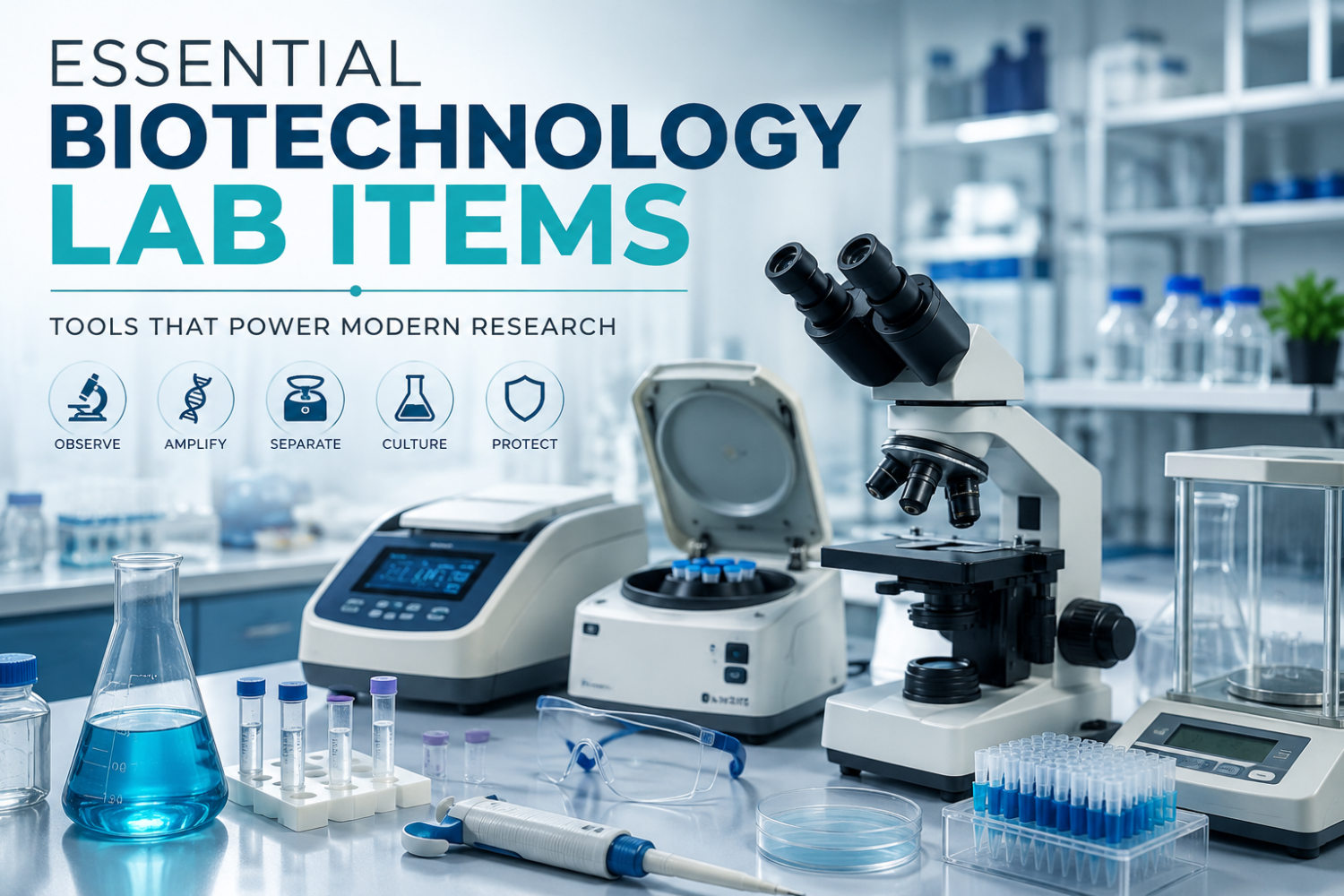
Essential Biotechnology Lab Items and Their Applications in Modern Research

Optimum Solution– Laboratory & Analytical Instruments Supplier in Bangladesh
Optimum Solution is a leading supplier of laboratory equipment, analytical instruments, and process control solutions in Bangladesh. Since our inception, we have built a strong presence in the industry, serving research labs, universities, pharmaceutical companies, and quality control laboratories nationwide. Through continuous dedication to improving our products and services, Optimum Solution has earned the trust and loyalty of our valued clients.


