
-
 Analytical & Elemental Instruments
-
Biotechnology Lab Items
-
Cardboard and Box Factory Lab Equipment Solution
-
Cleanroom Solution
-
Consumables & Accessories
-
Dosing Pump for Chemicals
-
Electrochemistry & Titration
-
ETP -Effluent Treatment Plant
-
Feed Quality Laboratory
-
Food & Kitchen Lab Items
-
Hygiene Testing Equipment
-
Lab Furniture




The Role of Laboratory Safety & Environmental Monitoring in Risk Prevention
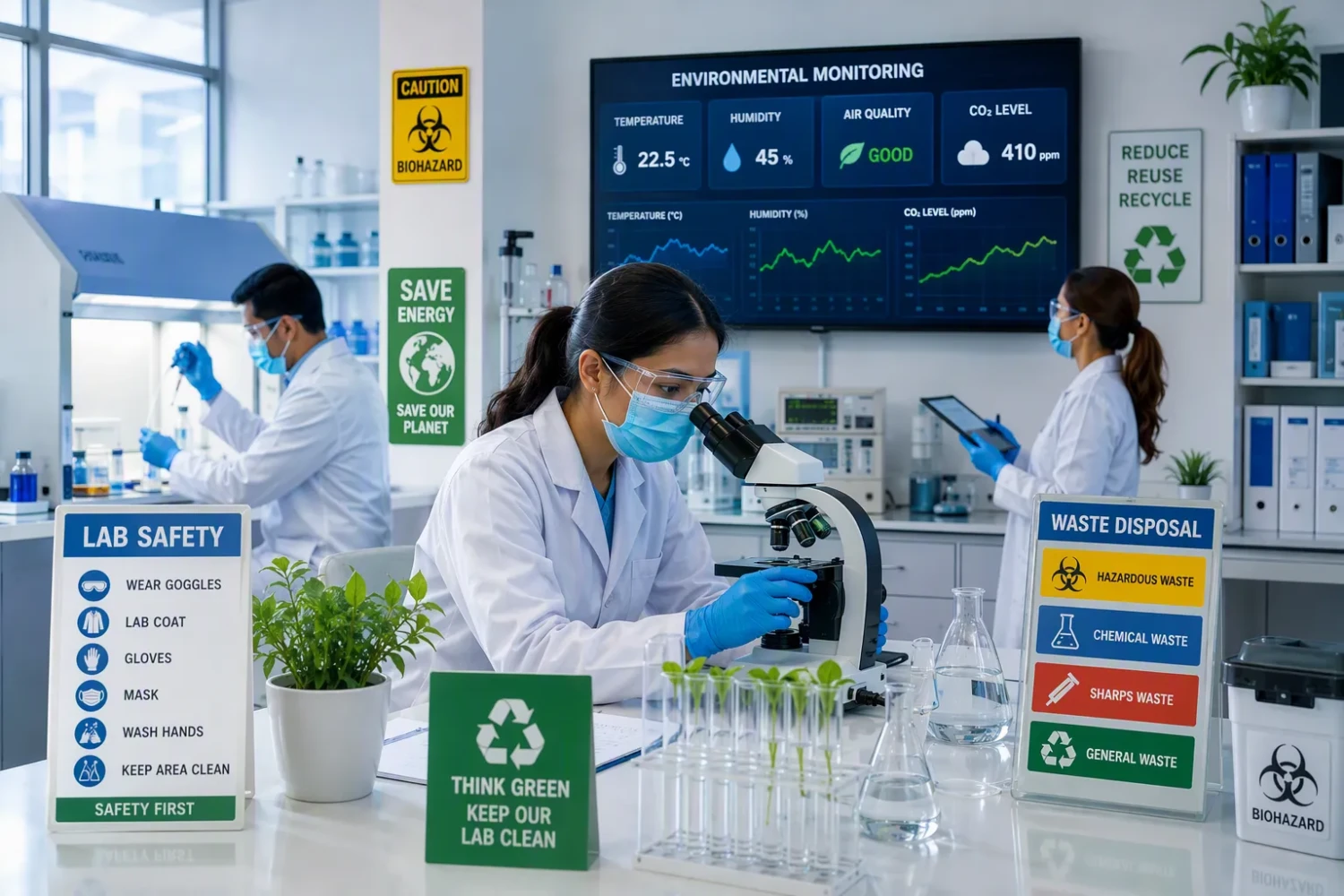
Laboratory safety is more than a checklist. It is a practical way to protect people, test results, and the laboratory environment every day. Labs handle dangerous materials, complex test methods, and fast-moving workflows, so risk prevention must be built into routine work. When you combine strong safety habits with careful monitoring, you reduce mistakes, protect human health, and keep operations stable. That foundation matters whether your lab supports research, patient care, or quality control.
Key Highlights
Strong laboratory safety starts with clear procedures, training, and daily risk assessment.
Good risk management helps prevent injuries, testing errors, and damage to the laboratory environment.
Environmental monitoring tracks conditions that can affect samples, staff safety, and laboratory operations.
Personal protective equipment protects laboratory workers from chemical, biological, and physical exposure.
Regular hazard reviews, quality checks, and corrective actions support continual improvement.
Compliance with standards and internal rules helps labs reduce potential risks before they grow.
Foundations of Laboratory Safety and Risk Prevention
Every safe lab begins with a simple idea: identify what could go wrong before it turns into harm. That is why risk assessment sits at the center of laboratory safety. It helps you review equipment, materials, workflow, and staff actions in a structured way.
Just as important, the laboratory environment must support safe work. Ventilation, lighting, storage conditions, and layout all affect exposure, contamination, and errors. These basics shape how labs prevent incidents, protect staff, and maintain reliable results. The next sections explain how that foundation works in practice.
Importance of Laboratory Safety in Modern Research
Modern research depends on consistency, speed, and trust. Without laboratory safety, even routine laboratory activities can create serious setbacks. A chemical spill, mislabeled sample, or equipment failure can disrupt testing, expose staff, and affect final data.
For laboratory workers, safe practice is not optional. It includes using personal protective equipment, following standard operating procedures, labeling hazards clearly, and keeping work areas organized. These steps help prevent environmental risks because they reduce leaks, contamination, and unsafe handling of dangerous materials.
Safety also supports better science. When laboratory workers follow approved methods, maintain clean spaces, and report near misses, the lab protects both people and results. In recent years, this link between safety and quality has become even more important as labs rely on automation, tighter turnaround times, and stronger compliance expectations.
Defining Risk Prevention in Laboratory Environments
Risk prevention means stopping problems before they harm people, samples, or lab performance. In laboratory risk management, that starts with spotting potential risks across pre-examination, examination, and post-examination work. You look at specimens, test systems, reagents, environment, and personnel.
A practical strategy uses checklists, staff feedback, safety walks, and review of past incidents. Labs often create a process map, then examine each step for possible failure mode points. After that, they rate severity, likelihood, and detectability to understand which issues need special attention.
This approach turns broad concern into action. A broken cord, expired reagent, poor sample storage, or delayed critical result can all become identified risk items. Once ranked, the lab can apply control measures, assign corrective actions, and lower each issue to an acceptable level whenever possible.
Relationship Between Laboratory Safety and Environmental Monitoring
Environmental monitoring strengthens laboratory safety by showing whether conditions remain suitable for people and processes. If temperature shifts, humidity rises, or air quality drops, the risk of contamination, equipment problems, and sample damage increases. Good risk management depends on catching those changes early.
This monitoring also supports day-to-day decisions. For example, labs track refrigerators, freezers, and general storage areas several times a day. They also review ventilation, waste handling, and workspace conditions. These checks help identify environmental risks before they affect quality control or staff safety.
The connection is direct: safer conditions lead to fewer errors and fewer exposures. Environmental monitoring gives you evidence, not guesses. It helps labs respond faster, document issues clearly, and build a prevention-focused system that protects both operations and the broader laboratory environment.
Key Elements of Laboratory Safety
Safe labs do not rely on memory alone. Effective laboratory safety depends on daily habits, reliable equipment, and clear standard operating procedures that guide each task. These rules help staff work the same way every time, which reduces variation and prevents avoidable mistakes.
At the same time, risk management must cover both obvious hazards and operational risks. Chemical exposure, instrument drift, sample mix-ups, and poor storage can all lead to harm. The following sections break down the core practices that keep laboratory operations controlled and predictable.
Standard Safety Practices for Laboratories
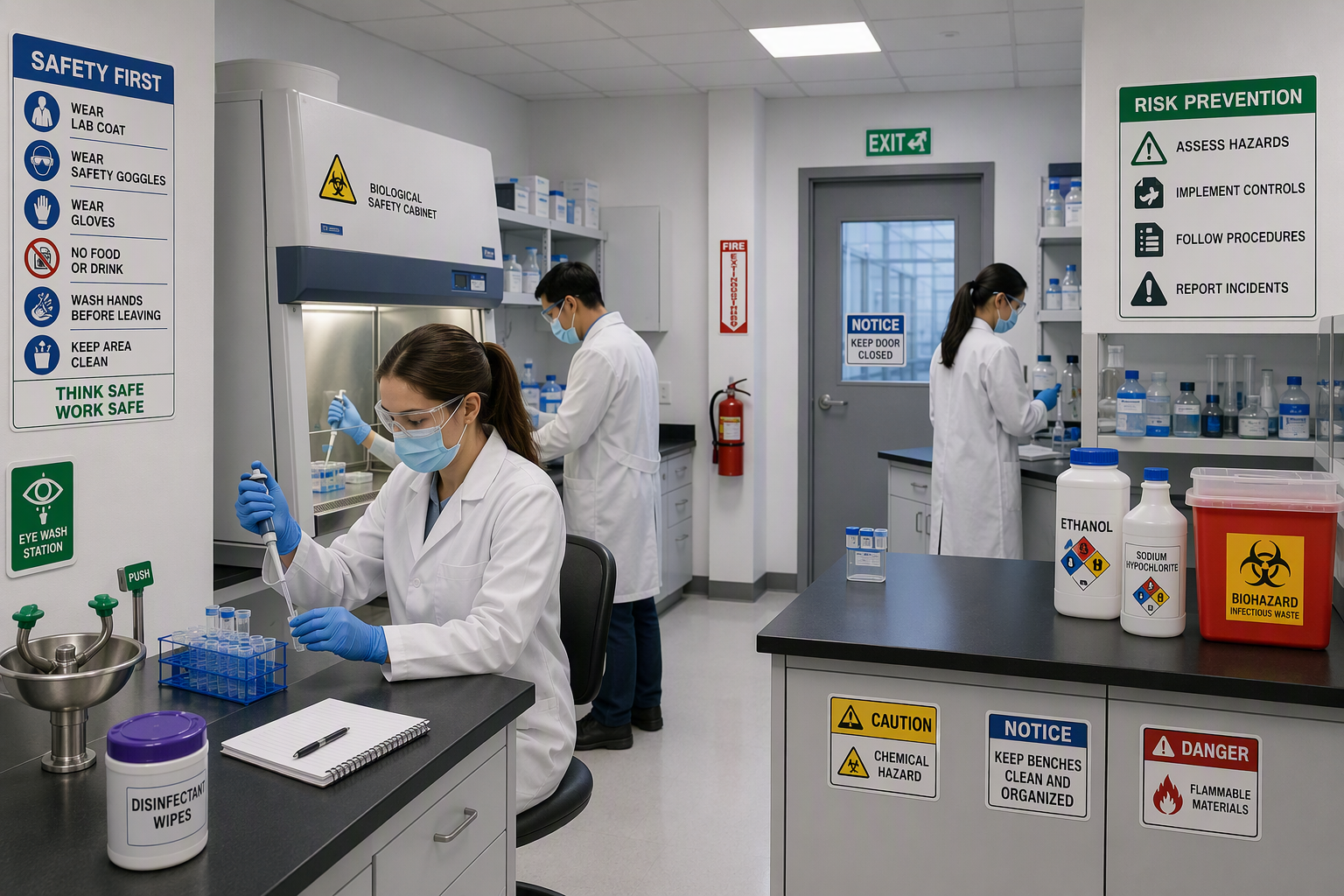
Good laboratory practices create a safer workspace and reduce environmental risks at the source. They help you control spills, limit contamination, and prevent errors that can spread beyond the bench. These routine actions are basic, but they are powerful forms of risk mitigation.
Key practices include:
Follow standard operating procedures for all routine and non-routine tasks.
Use personal protective equipment that matches the task and exposure risk.
Label hazardous materials clearly and store them under proper conditions.
Keep floors dry, benches uncluttered, and sharp objects in proper disposal containers.
Train staff on spill response, emergency procedures, and safe sample handling.
Just as important, laboratories should review whether these control measures still work. Safety walks, incident reviews, and staff feedback help you adjust procedures before a small issue becomes a high risk event. That is how consistent laboratory practices support prevention.
Laboratory Equipment Safety Protocols
Laboratory equipment can improve speed and accuracy, but it also introduces risk factors if it is poorly maintained or incorrectly used. Equipment failures may affect the safety of workers, damage samples, or produce unreliable results. That is why acceptance checks, validation, and scheduled maintenance matter.
Labs should verify equipment and applicable assay calibrations, review downtime logs, and use systems that alert staff to failures in barcode reading, dispensing, or analysis. Regular checks on cords, outlets, and mechanical parts also reduce electrical and fire hazards. These steps protect both staff and laboratory operations.
Equipment safety is also tied to training. Staff need to know how instruments work, what warning signs mean, and when to stop testing. A backup plan for power, server, or internet failure is equally important. Safe equipment use is never just technical; it is a core part of prevention.
Personal Protective Equipment (PPE) and Its Role
Personal protective equipment is one of the most visible parts of laboratory safety, but it works best when paired with strong procedures. For laboratory staff, PPE lowers exposure to chemical splashes, biological agents, broken glass, and other routine hazards. It supports broader risk management, not just individual protection.
Common PPE use includes:
Gloves for handling specimens, reagents, and contaminated items.
Goggles or face protection when splash risk is present.
Lab coats or similar protective clothing during testing activities.
Task-based PPE selection for different work areas and hazards.
Still, PPE is not enough on its own. Laboratory staff also need training on when to change it, how to remove it safely, and where it fits within other control measures. When used properly, personal protective equipment reduces immediate exposure and supports a stronger culture of prevention across the lab.
Environmental Monitoring in Laboratory Settings
Environmental monitoring helps labs confirm that the laboratory environment remains suitable for safe work and reliable testing. It gives you practical information on conditions that may affect specimens, reagents, equipment, and staff. Without that visibility, risk assessment becomes guesswork.
Labs need to monitor the spaces where testing, storage, and waste handling occur. Temperature, humidity, ventilation, and cleanliness all shape safety and quality. The next sections look at monitoring systems, the most important parameters, and how this data supports daily laboratory operations.
Types of Environmental Monitoring Systems
Environmental monitoring systems help labs track conditions that influence safety, quality, and compliance. Some systems are simple manual logs, while others are built into laboratory equipment or linked to information systems. What matters most is consistency, clear limits, and timely response when conditions move out of range.
These systems also support international standards by creating records that show how the lab controls its environment. That is useful for audits, performance reviews, and internal quality management system checks. A good setup should match the lab’s testing needs and risk profile.
Monitoring System | Main Purpose | How It Supports Risk Prevention |
|---|---|---|
Temperature logs for refrigerators and freezers | Protect reagent and specimen stability | Helps prevent sample damage and testing errors |
Humidity checks in storage and testing areas | Maintain suitable storage conditions | Reduces degradation and environmental risks |
Ventilation and general area checks | Support safe air movement and comfort | Lowers exposure and contamination concerns |
Equipment alert systems | Flag operational failures | Allows faster corrective actions before harm spreads |
Parameters to Monitor for Risk Prevention
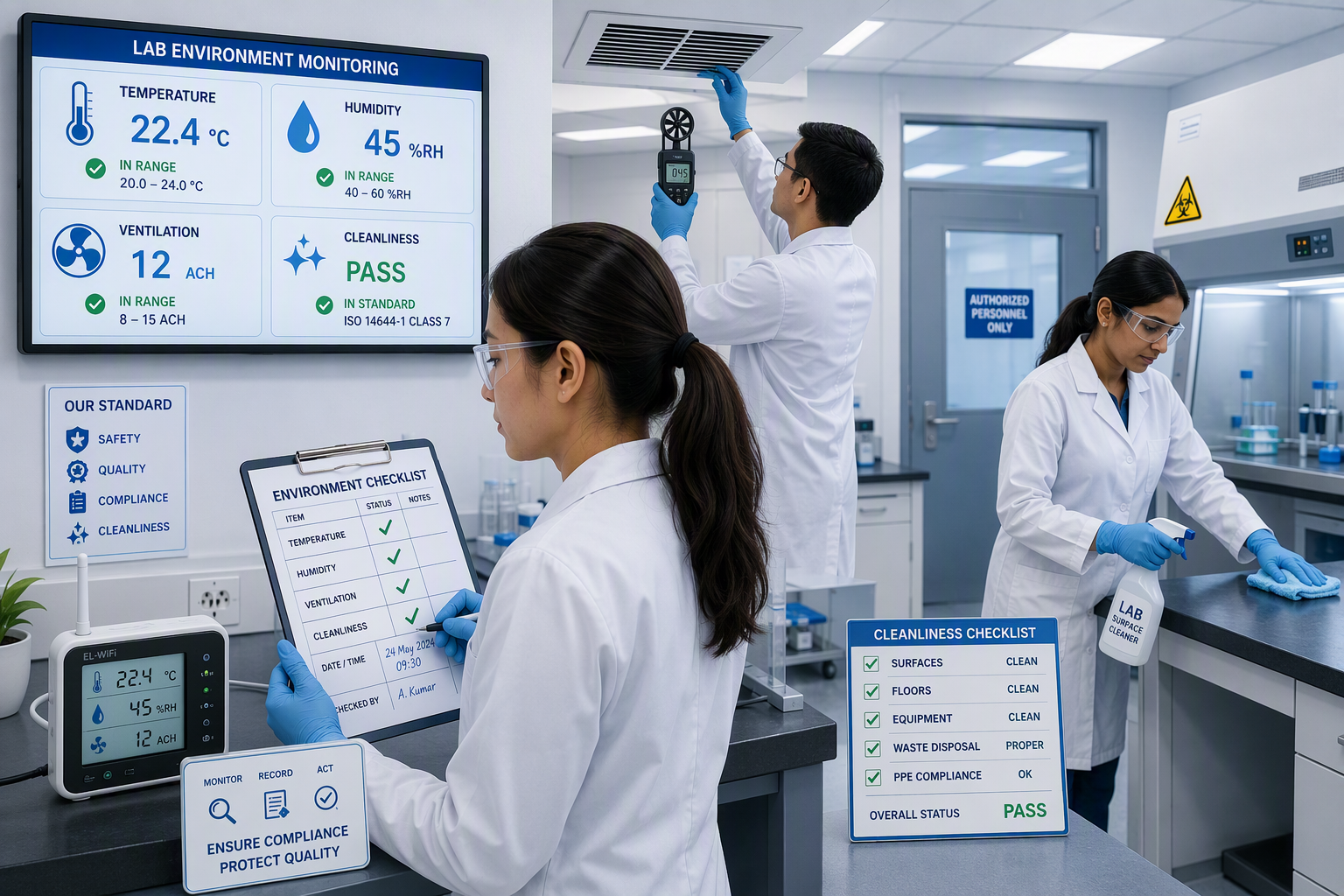
Not every condition has the same impact, so labs need to focus on the parameters most linked to testing quality and safety. A strong risk assessment process helps you choose what to track and how often. This turns environmental risk assessment into a practical tool for daily laboratory operations.
Important parameters include:
Temperature in refrigerators, freezers, and storage areas
Humidity in testing and storage spaces
Ventilation and overall air movement in work areas
Waste clearance from testing areas
Surface and area cleanliness linked to contamination control
Tracking these factors helps labs spot potential risks early. A temperature drift may affect reagents. Poor ventilation may increase exposure. Delayed waste removal may raise contamination concerns. When monitoring is tied to clear limits and follow-up action, the lab can respond quickly and keep operations stable.
Integrating Environmental Data into Laboratory Operations
Collecting data is only the first step. To support laboratory operations, environmental results need to feed into risk management decisions. That means reviewing logs, comparing trends, and linking out-of-range findings to actions such as retesting, maintenance, or storage review.
This data can also guide staffing and workflow choices. If an area has repeated temperature issues or equipment stress, supervisors can adjust storage, service schedules, or testing priorities. Environmental risks become easier to control when they are visible and discussed during regular review meetings.
Over time, this creates a stronger prevention system. Environmental data helps labs confirm whether earlier corrective actions worked and whether new risks are appearing. It also supports audits and quality checks by showing that the lab does not just collect information but uses it to improve daily practice.
Regulatory Framework for Laboratory Safety & Environmental Control
Regulatory standards give laboratories a clear structure for safe work, environmental control, and reliable results. They help labs define responsibilities, document procedures, and check whether risk controls are working. Without compliance, even a well-run lab can develop gaps that lead to harm or poor quality.
In laboratory risk management, these rules also shape monitoring, training, and records. Federal expectations, internal procedures, and quality systems work together. The next sections explain how OSHA, NIH guidance, and environmental standards influence safe laboratory operations.
OSHA Regulations Affecting Laboratory Practices
OSHA influences laboratory safety by pushing labs to control workplace hazards in a practical, documented way. That means you need clear procedures, staff training, hazard communication, and tools that reduce exposure before incidents occur. Compliance is not just paperwork. It shapes how people work.
A key idea is using engineering controls alongside personal protection. Fume hoods, safety showers, proper ventilation, and protected storage areas help limit contact with toxic substances and other dangerous materials. When these controls are maintained and used correctly, they reduce risk more reliably than warnings alone.
OSHA-focused practices also support monitoring. Labs that inspect equipment, review incidents, and document corrective actions are better prepared to catch repeat problems. In short, OSHA expectations help labs build systems that protect workers, reduce preventable exposure, and strengthen day-to-day operational discipline.
NIH Guidelines for Laboratory Risk Management
NIH guidance is especially important when laboratories handle research materials, biological agents, and complex testing systems. Its influence on risk management can be seen in how labs assess procedures, train personnel, and control the laboratory environment to reduce exposure and contamination.
In practice, that means laboratories should review work processes, evaluate potential failures, and modify procedures when safety or result quality could be affected. Compliance supports both personnel protection and reliable output. It also pushes labs to document decisions and keep risk controls visible over time.
NIH-related expectations fit well with broader quality systems. When a lab trains staff, tracks incidents, and reviews environmental conditions, it supports a more complete prevention model. The result is a safer laboratory environment where risk management is part of routine planning rather than a response after something goes wrong.
Compliance with State and Federal Environmental Standards
State and federal environmental rules matter because laboratories do not operate in isolation. Waste disposal, storage conditions, and spill response can affect workers, nearby areas, and public safety. Compliance helps labs manage these responsibilities with clear processes and records.
Environmental monitoring supports this effort by showing whether controls are working. Temperature logs, waste handling checks, and area reviews help labs confirm that materials are stored safely and that environmental risks are not building unnoticed. These records also support inspections and internal audits.
Strong risk management links those findings to action. If a storage area fails, waste handling slips, or ventilation becomes unreliable, the lab needs timely corrective actions. Compliance works best when it is active, not passive. Labs that monitor, review, and respond are better positioned to protect people and maintain trust.
Hazard Identification and Risk Assessment
Hazard identification is the starting point for safe laboratory work. You need to know where potential hazards exist before you can control them. That includes chemical, biological, physical, electrical, ergonomic, and workflow-related issues across the full testing process.
Risk assessment adds structure to that review. It helps labs measure severity, likelihood, and detectability so they can prioritize action. Instead of treating every issue the same way, the lab can focus on the most urgent risks first. The next sections cover methods, tools, and common challenges.
Approaches to Identifying Laboratory Hazards
Effective hazard identification starts with looking closely at real laboratory activities, not just written policies. Labs should review specimen collection, equipment use, storage, waste handling, reporting steps, and staff movement. This broad view strengthens laboratory risk management because many failures begin in routine tasks.
Useful approaches include:
Conduct regular safety walks with a structured checklist
Review incident reports and near misses for repeat issues
Ask staff for feedback on unsafe steps and weak points
Examine specimen, reagent, environment, and personnel factors
Map processes to find likely failure points across workflow stages
These methods help labs find both obvious and hidden hazards. A cluttered bench is easy to spot, but delayed sample separation or weak backup planning may need deeper review. When labs combine observation, staff input, and process analysis, hazard identification becomes more accurate and more useful for prevention.
Tools for Risk Assessment in Clinical Laboratories
Clinical laboratories need tools that turn concern into measurable action. One of the most practical options is failure modes and effects analysis, often used to review where a process may fail and what that failure could cause. It helps labs study potential hazards in a structured, repeatable way.
A key part of that approach is the risk priority number. Labs score severity, likelihood of occurrence, and likelihood of detection, then multiply those values to rank issues. This makes risk assessment easier to compare across specimen handling, equipment, reagents, environment, and reporting processes.
These tools work best when combined with process maps, questionnaires, quality indicators, and surveillance activities. Together, they help supervisors decide which risks need immediate action and which need monitoring. For clinical laboratories, the best tools are the ones that support clear prioritization, documentation, and follow-through.
Addressing Common Challenges in Laboratory Risk Management
Many labs struggle with the same problems: incomplete reporting, uneven training, competing priorities, and subjective scoring during assessments. These issues can weaken laboratory risk management even when procedures exist. The challenge is not always a lack of rules. Often, it is inconsistent use.
Practical mitigation measures include:
Standardize scoring criteria to reduce subjective judgment
Review incidents, downtime, and complaints on a set schedule
Update training plans based on actual gaps and recurring errors
Assign clear responsibility for follow-up and corrective actions
Another challenge is treating risk management as a one-time task. It works better as a cycle of identification, prioritization, mitigation, and surveillance. When labs revisit risks regularly and track whether controls are effective, they improve response time, reduce repeat failures, and build stronger prevention habits across the organization.
Roles and Responsibilities for Risk Management
Risk management only works when responsibilities are clear. Laboratory personnel need to know what they are expected to do, when to report concerns, and how their actions affect safety, quality, and compliance. This shared understanding helps prevent gaps between policy and practice.
A strong culture of safety depends on both leadership and staff participation. Managers set priorities, but everyone contributes through safe behavior, reporting, and routine checks. The next sections explain how supervisors, committees, and training programs support a more accountable laboratory system.
Duties of Laboratory Managers and Supervisors
Laboratory managers play a central role in risk management because they connect policy, staffing, and daily operations. They are responsible for reviewing potential hazards, assigning priorities, and making sure procedures match actual work. If risks are known but not managed, prevention breaks down quickly.
Supervisors also guide monitoring and follow-up. They review incident reports, equipment downtime, quality control failures, and training records to spot patterns. When issues appear, they coordinate corrective actions, document changes, and confirm that the problem does not return. This keeps risk control active rather than reactive.
Just as important, laboratory managers support communication. Staff need a clear path to report unsafe conditions, ask questions, and receive feedback. Managers who respond early, track results, and involve the right people help create a workplace where safety concerns are handled before they become serious events.
Staff Involvement in Safety Committees
Safety committees work best when staff involvement is real, not symbolic. Laboratory personnel often see weak points first because they handle specimens, equipment, and reporting tasks every day. Their input helps the lab identify issues that may be missed in formal reviews.
Committee contributions often include:
Sharing observations from daily work and near misses
Reviewing recurring safety concerns and process gaps
Helping evaluate whether controls are practical and effective
Supporting follow-up on training, inspections, and action items
This involvement strengthens accountability. Instead of leaving safety to management alone, committees create a wider view of risk across the lab. They also improve communication between departments. When laboratory personnel participate in discussions and decisions, safety becomes part of routine operations rather than a separate compliance task.
Training & Education for Laboratory Personnel
Training gives laboratory personnel the knowledge they need to work safely and respond correctly when something changes. It should cover procedures, equipment use, hazard awareness, emergency response, and reporting expectations. Without regular updates, even experienced staff can miss important changes in workflow or risk.
Many labs benefit from structured training courses, hands-on practice, and competency assessments. This is especially useful for risk assessment, because staff need to understand how to recognize hazards, judge severity, and document issues clearly. New employees also need systematic orientation before taking on independent work.
Education supports more than compliance. It helps build a culture of safety where people understand why controls matter and how their decisions affect others. When training is practical, current, and tied to real incidents, staff are more likely to apply it in everyday laboratory work.
Chemical Health and Biological Risk Management
Chemical health and biological risk management are essential in any lab that handles hazardous materials, specimens, or toxic substances. Exposure can harm staff, affect testing, and create wider environmental risks if controls fail. That is why prevention must include storage, handling, monitoring, and response planning.
Risk management in this area is not limited to major emergencies. Small errors in labeling, transport, or disposal can also create serious problems. The next sections cover chemical programs, biorisk management, and practical handling rules that support safer operations.
Implementing Effective Chemical Safety Programs
Effective chemical safety programs begin with knowing what is in the lab, how it is used, and where exposure could happen. Chemical laboratories should review all hazardous materials, storage areas, handling steps, and emergency procedures. This gives risk management a clear starting point.
From there, labs need practical controls. These include designated protected areas for highly toxic substances, proper labeling, adequate storage facilities, and training on spill management. Engineering controls such as ventilation and safety showers also help reduce direct exposure during routine work and unexpected events.
A good program is maintained, not filed away. Labs should monitor stock levels, check expiration dates, verify storage conditions, and review incidents or near misses. When chemical safety is tied to regular oversight and staff training, the lab is better prepared to prevent harm and respond quickly when problems arise.
Importance of Biorisk Management in Laboratories
Biorisk management matters because biological agents can affect both people and the laboratory environment if controls fail. Risks may come from specimen collection, transport, testing, storage, or waste disposal. Even routine work can lead to exposure if staff skip precautions or procedures are weak.
Strong biorisk management supports safe operations by reducing contamination and protecting staff from infection. It depends on standard precautions, proper protective gear, clear transport rules, and spill response planning. Staff also need to understand specimen types, handling requirements, and where breakdowns are most likely to happen.
This work also protects continuity. If a lab experiences contamination or unsafe exposure, testing may be delayed or stopped. That affects service, quality, and trust. Managing biological agents carefully helps preserve safe workflow, reliable reporting, and a more controlled laboratory environment overall.
Proper Handling, Storage, and Disposal Guidelines
Safe handling, storage, and disposal reduce both immediate exposure and long-term environmental harm. These routines are a direct form of risk mitigation because they limit where hazardous materials can go wrong. Clear rules also make training easier and support stronger compliance.
Core guidelines include:
Label all hazardous materials clearly and keep inventories current
Store chemicals and reagents in suitable areas with proper storage conditions
Separate dangerous materials when needed and protect highly toxic stock
Monitor expiry dates and remove outdated items promptly
Follow established procedures for disposal of chemicals and laboratory waste
These rules should be checked regularly, not assumed. If storage areas become crowded, waste removal is delayed, or labels are unclear, risk rises quickly. Routine review helps labs correct problems early, protect staff, and keep hazardous materials from affecting the wider laboratory environment.
Maintaining Sterility and Contamination Control
Sterility and contamination control are critical when a lab depends on clean conditions for safe testing and reliable results. If contamination enters the process, it can affect samples, equipment, and staff safety. That is why these controls should be part of routine environmental risk assessment.
Clean work areas, stable air conditions, and careful handling practices all support sterility. Labs also need regular checks to confirm that controls still work as intended. The next sections cover sterile guidelines, cleanroom controls, and monitoring methods that support better prevention.
Sterile Manufacturing Guidelines for Laboratory Safety
Sterile manufacturing principles are closely tied to laboratory safety because both depend on controlled conditions, disciplined process flow, and contamination prevention. Even when a lab is not a manufacturing site, those quality standards offer useful direction for clean handling, environmental control, and documented procedures.
These guidelines emphasize consistent methods, trained staff, controlled access, and careful monitoring of conditions that could affect sterile work. In a lab setting, that supports safer sample handling, better separation of clean and dirty processes, and fewer avoidable errors linked to contamination or poor hygiene.
The broader value is operational discipline. When labs adopt practices that support sterility, they also strengthen quality control and risk prevention. Clean processes protect results, reduce rework, and support a safer space for laboratory personnel working in sensitive testing areas.
Environmental Controls in Cleanroom and Sterile Areas
In a cleanroom or sterile area, environmental controls are essential because even small changes can increase contamination control failures. Air movement, cleanliness, waste removal, and equipment placement all affect whether the area remains suitable for sensitive work.
Labs should ensure these spaces are well lit, adequately ventilated, and arranged according to manufacturer requirements. Instruments need proper placement, and solid waste should be cleared at appropriate intervals. These practical steps reduce clutter, support cleaner workflows, and make contamination easier to prevent.
Environmental controls also need regular review. If a room becomes crowded, airflow weakens, or cleaning routines slip, risks grow fast. By monitoring the condition of sterile areas and correcting issues early, labs protect both the integrity of testing and the safety of the people working there.
Monitoring Air Quality and Surface Cleanliness
Monitoring air quality and surface cleanliness helps labs confirm that contamination control measures are working. In sensitive areas, poor conditions can affect samples, staff exposure, and the performance of laboratory equipment. Environmental monitoring helps turn those concerns into measurable checks.
Focus areas often include:
Air movement and ventilation performance in work zones
Clean benches, storage spaces, and contact surfaces
Timely removal of solid waste from testing areas
Review of repeated contamination-related incidents or trends
These checks reduce risk factors by showing where the environment is drifting from expected conditions. A clean surface today does not guarantee a clean process tomorrow. That is why repeated review matters. When labs track air quality and surface cleanliness consistently, they support safer sterile work and more dependable results.
Quality Assurance and Continuous Improvement
Quality assurance helps laboratories confirm that safety controls, testing steps, and monitoring systems are working as planned. It gives you a structured way to find weak points, review trends, and improve performance before failures become larger problems. That makes it essential for laboratory risk management.
Continual improvement depends on routine checks, honest reporting, and follow-up action. Labs that review results, incidents, and process data can respond faster and make smarter changes. The next sections explain how audits, reporting, and data review support stronger safety and quality.
Routine Audits and Safety Inspections
Routine audits and safety inspections are practical tools for checking whether laboratory safety controls are actually being followed. They help labs compare written procedures with real behavior, equipment condition, and environmental status. This makes them valuable for both prevention and accountability.
During inspections, labs can review storage areas, waste handling, equipment maintenance, sample flow, and use of protective gear. These checks also support quality control by identifying drift, incomplete records, or repeated nonconformances before they affect final results. Small gaps often show up first during routine review.
Audits are most useful when findings lead to action. If inspectors identify problems, the lab should assign responsibility, set deadlines, and confirm completion. That cycle of review and response makes inspections more than a formality. It turns them into a working part of risk management and improvement.
Reporting Incidents and Near Misses
Incident reporting helps labs learn from what went wrong, while near-miss reporting helps them learn from what almost happened. Both matter. In laboratory risk management, these reports strengthen risk identification by showing where procedures, equipment, or communication may be failing.
A useful system should be simple, timely, and non-punitive. Staff are more likely to report problems if they know the goal is prevention, not blame. Reports should capture what happened, where it happened, the likely cause, and what immediate action was taken to control the issue.
Over time, these records reveal patterns. Repeated spills, mislabeled samples, equipment alerts, or delayed critical results point to deeper process gaps. When labs review trends and act on them, incident reporting becomes a practical tool for safer operations, stronger follow-up, and more reliable performance.
Using Data to Enhance Laboratory Safety Practices
Data helps laboratories move from assumption to evidence. When labs review quality indicators and trends, they can see whether laboratory safety practices are improving or slipping. This supports better performance evaluation and stronger decisions about where to focus time, training, and resources.
Useful data points include:
Equipment downtime and maintenance records
Sample rejection rates and turnaround times
Incident and near-miss trends
Quality control results and proficiency performance
The value of data comes from action. If indicators show recurring delays or failures, the lab can adjust procedures, training, or monitoring frequency. Over time, this supports continual improvement and a more stable quality management system. Good data does not replace judgment, but it makes prevention much more precise and defensible.
Conclusion
In summary, laboratory safety and environmental monitoring are essential components in mitigating risks within research settings. By adhering to established safety practices and integrating effective monitoring systems, labs can significantly enhance their safety profile while ensuring compliance with regulatory standards. The collaboration between laboratory personnel in risk assessment, training, and continuous improvement fosters a culture of safety that protects both staff and the environment. As we move forward, prioritizing these measures will not only safeguard our research activities but also contribute to the overall reliability and integrity of scientific endeavors. If you're ready to take your laboratory safety to the next level, don't hesitate to get in touch for a free consultation!
Frequently Asked Questions
What are the essential laboratory safety practices to prevent environmental risks?
Essential laboratory safety practices include using personal protective equipment, following standard operating procedures, labeling and storing materials correctly, keeping work areas clean, and performing regular risk assessment. These steps help reduce environmental risks by limiting spills, contamination, unsafe disposal, and avoidable exposure during routine laboratory work.
How does environmental monitoring reduce risk and ensure compliance in laboratories?
Environmental monitoring supports risk prevention by tracking conditions such as temperature, humidity, ventilation, and cleanliness in the laboratory environment. These records help labs spot problems early, guide corrective actions, and show compliance during audits. It is a practical part of risk management, not just a documentation task.
What roles and responsibilities should every laboratory establish for effective risk prevention?
Every laboratory should define roles for managers, supervisors, and laboratory personnel in reporting hazards, following procedures, completing training courses, and reviewing incidents. Clear ownership of inspections, documentation, and corrective actions supports stronger risk prevention and helps build a workplace where safety concerns are addressed quickly and consistently.
Recent Posts
The Role of Laboratory Safety & Environmental Monitoring in Risk Prevention
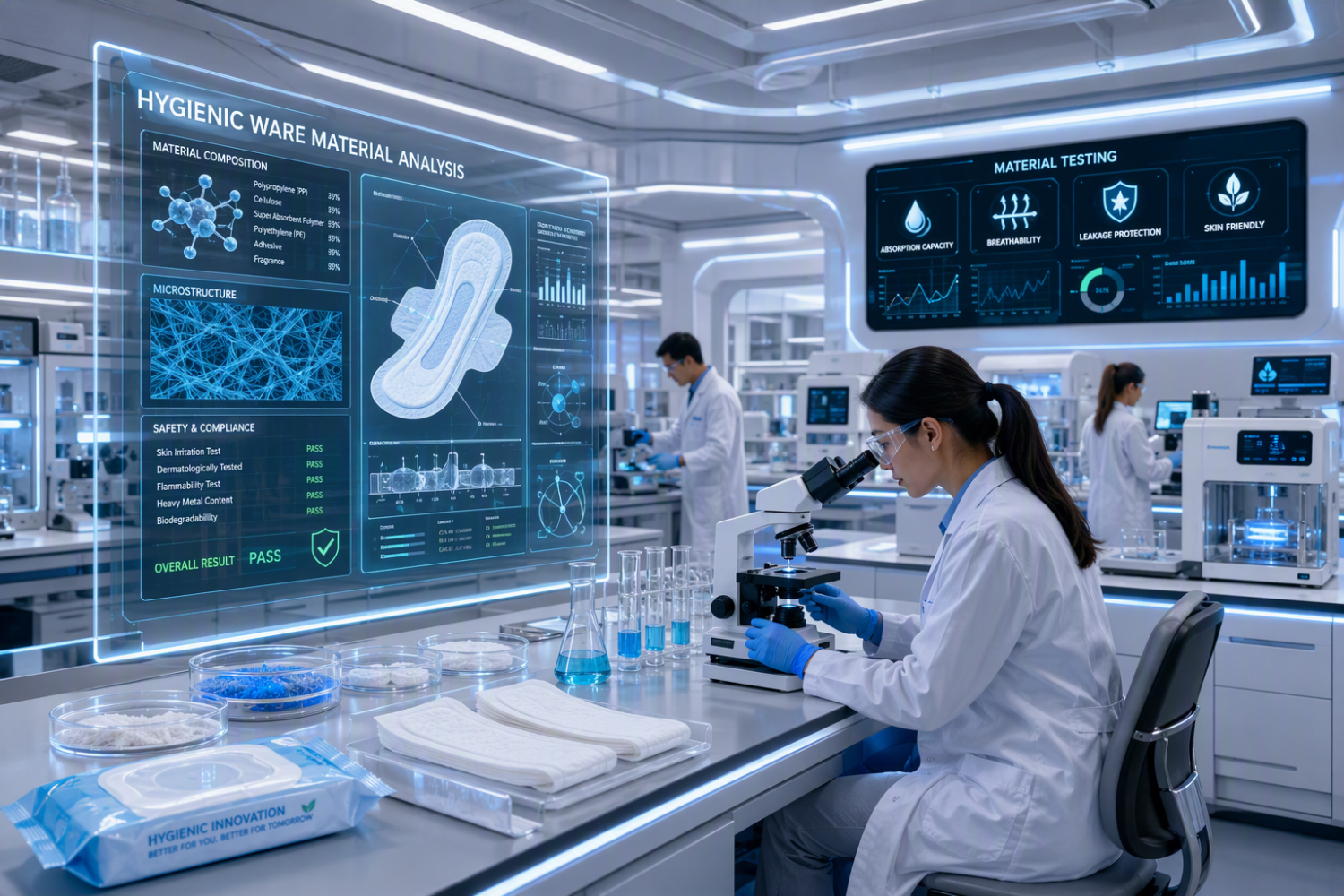
Health and Hygiene Ware Material Testing: Ensuring Quality, Safety, and Compliance
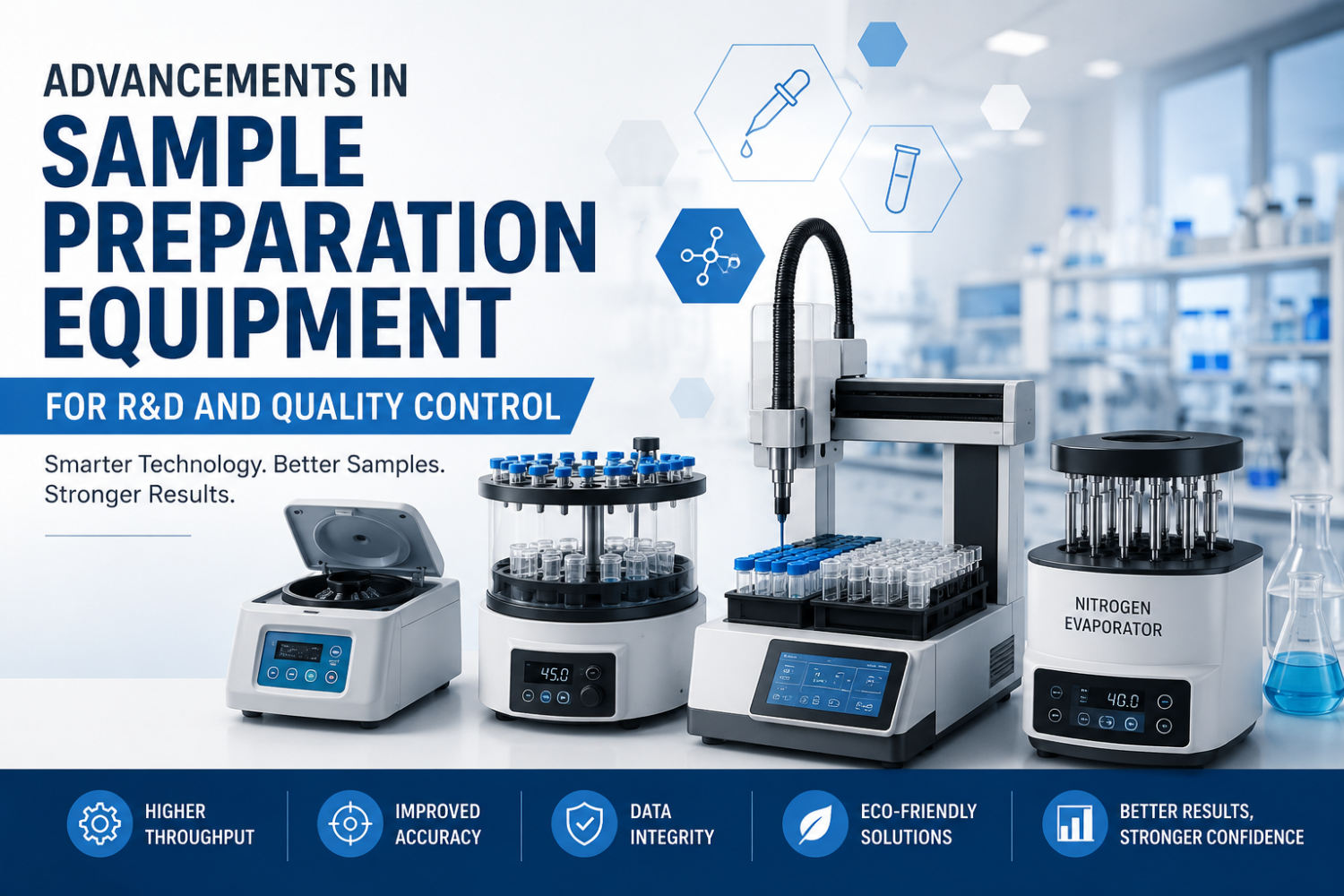
Advancements in Sample Preparation Equipment for R&D and Quality Control
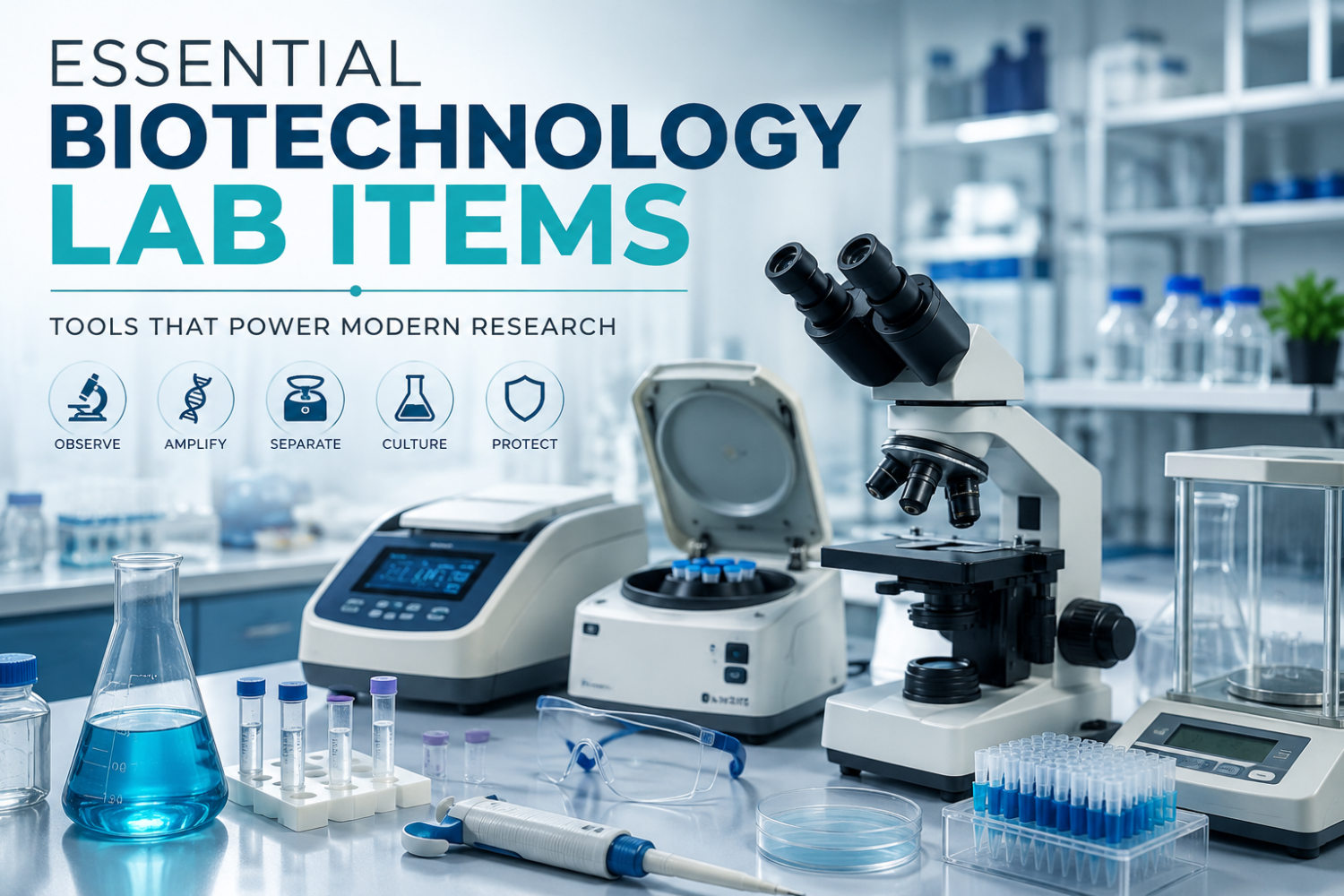
Essential Biotechnology Lab Items and Their Applications in Modern Research


Understanding ETP – Effluent Treatment Plant and Its Importance in Industry
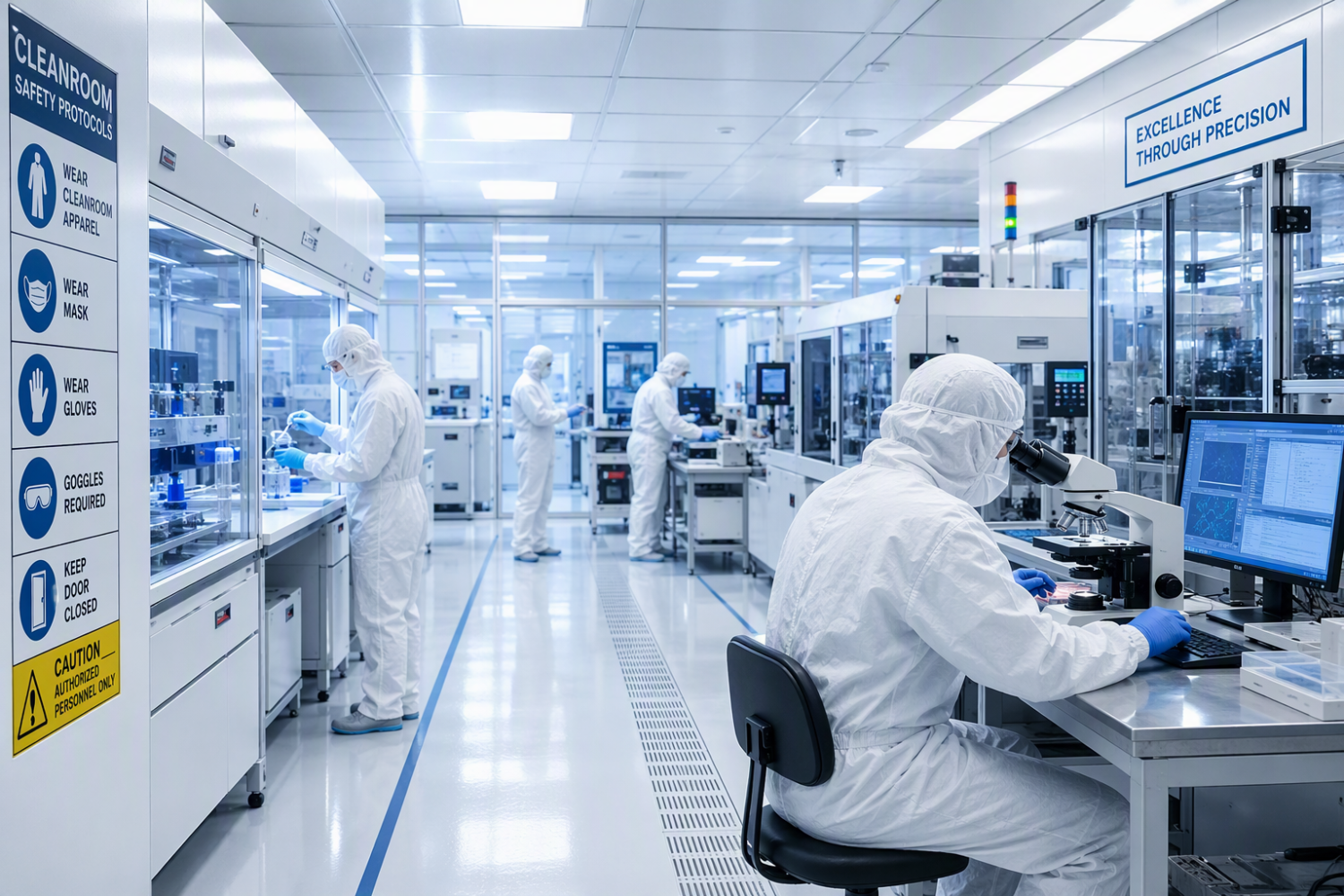
Why a Reliable Cleanroom Solution is Critical for Laboratory and Production Safety?
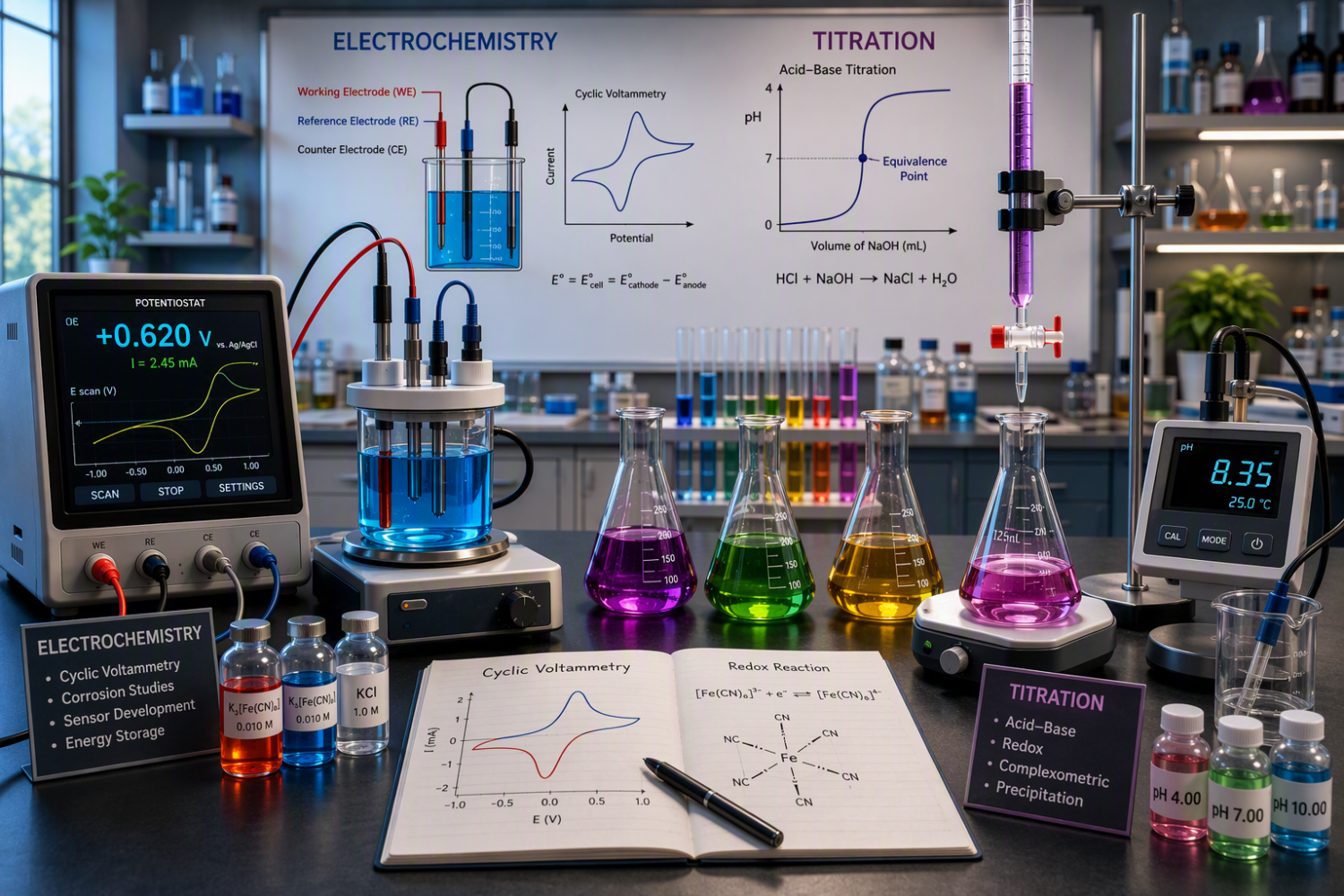
The Role of Electrochemistry & Titration in Modern Analytical Chemistry
Optimum Solution– Laboratory & Analytical Instruments Supplier in Bangladesh
Optimum Solution is a leading supplier of laboratory equipment, analytical instruments, and process control solutions in Bangladesh. Since our inception, we have built a strong presence in the industry, serving research labs, universities, pharmaceutical companies, and quality control laboratories nationwide. Through continuous dedication to improving our products and services, Optimum Solution has earned the trust and loyalty of our valued clients.


