
-
 Analytical & Elemental Instruments
-
Biotechnology Lab Items
-
Cardboard and Box Factory Lab Equipment Solution
-
Cleanroom Solution
-
Consumables & Accessories
-
Dosing Pump for Chemicals
-
Electrochemistry & Titration
-
ETP -Effluent Treatment Plant
-
Feed Quality Laboratory
-
Food & Kitchen Lab Items
-
Hygiene Testing Equipment
-
Lab Furniture



Advancements in Sample Preparation Equipment for R&D and Quality Control
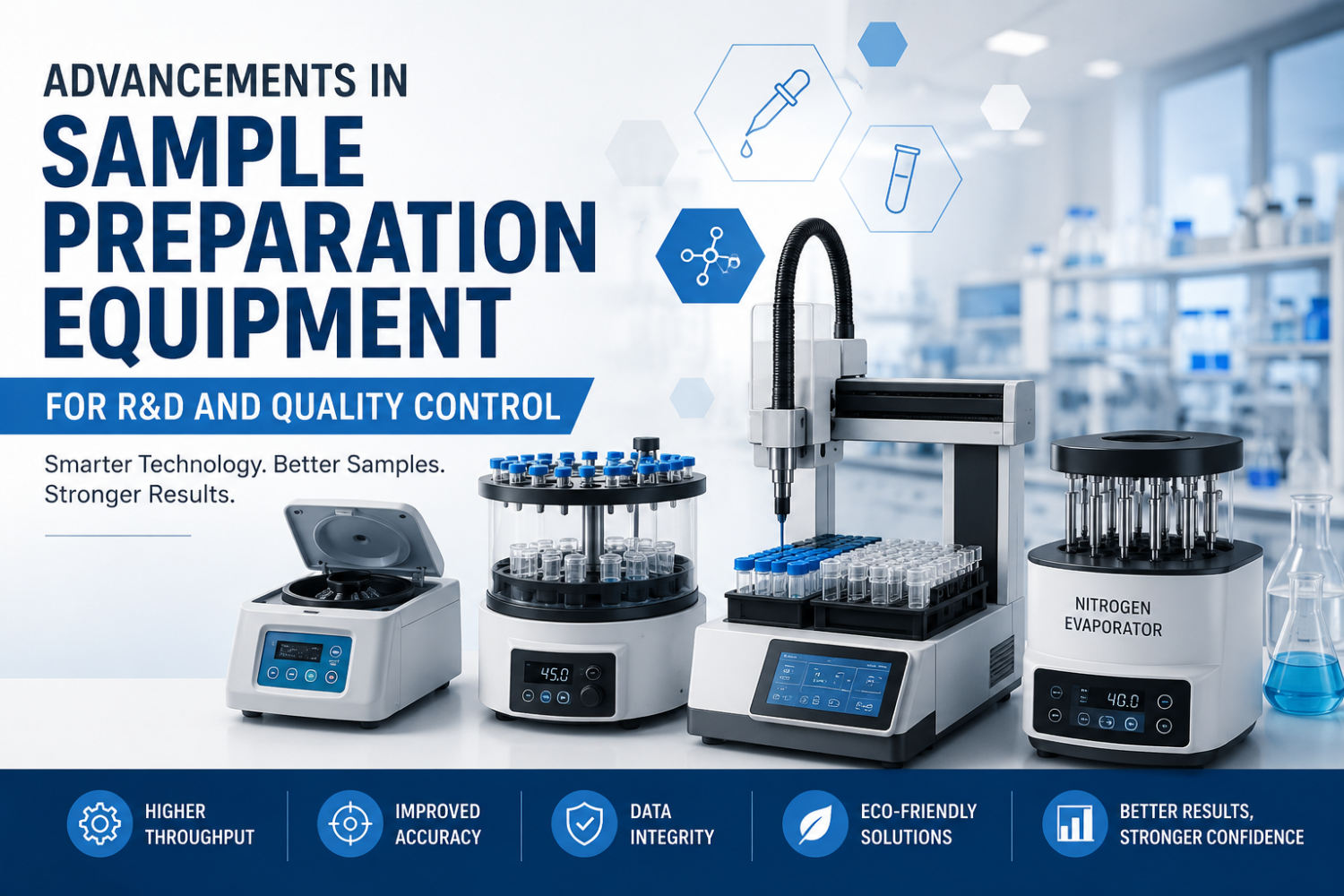
Sample preparation sits at the center of reliable testing, whether your focus is research, quality control, or routine laboratory operations. Recent advances are changing how labs handle complex samples, improve turnaround times, and protect data quality. You now see more automation, targeted preparation methods, and compact systems designed for specific assays and sample matrices. These changes matter because better sample preparation supports accurate results, smoother workflows, and stronger confidence in every stage of analysis.
Key Highlights
Modern sample preparation equipment now supports faster concentration, extraction, and cleanup for R&D and quality control labs.
Automation is reducing manual handling, improving sample throughput, and supporting stronger data integrity.
New laboratory equipment includes nitrogen evaporators, centrifugal evaporators, robotic workstations, and fit-for-purpose systems.
Labs are choosing targeted tools that match drug development, environmental testing, and biological samples.
Software, LIMS connectivity, and user-friendly controls are streamlining daily laboratory operations.
Green approaches are lowering solvent use, waste, and overall environmental impact.
Transformations in Sample Preparation Equipment for Laboratory Applications
Sample preparation technologies have moved well beyond simple manual steps. Labs now use specialized laboratory equipment for evaporation, extraction, filtration, centrifugation, and concentration, helping staff process a wider range of sample types with better control.
At the same time, equipment design is shifting toward automation, miniaturization, and application-specific use. This improves operational efficiency, supports lower sample volumes, and helps laboratories respond to tighter quality standards. The next sections look at the technologies and needs driving this change.
Major Technological Advancements in R&D and Quality Control
One major shift is the rise of automated systems for tasks that were once highly manual. Labs are adopting robotic liquid handling, automated sample handling, and automation-enabled solid-phase extraction workflows to increase consistency and sample throughput.
Another clear change comes from the needs of mass spectrometry and liquid chromatography workflows. As LC-MS technology becomes more sensitive, sample preparation techniques are being redesigned around smaller sample sizes, stronger analyte concentration, and fewer workflow steps. Fit-for-purpose solutions are becoming more common.
Software is also taking on a larger role. User-friendly control platforms and tailored data analysis tools are helping staff run methods with less training. While the compiled information emphasizes automation more than artificial intelligence, the direction is clear: smarter systems, standardized interfaces, and better integration are shaping modern R&D and quality control labs.
Evolving Needs of Medical Laboratories in the United States
Medical laboratories in the United States are under pressure to deliver fast, consistent results while managing staffing limits and rising test volumes. That is pushing equipment choices toward automation, smaller-volume workflows, and more standardized preparation methods.
Just as important, these labs need strong data integrity and dependable quality standards. Sample preparation equipment now supports better reproducibility by reducing manual variability in weighing, pipetting, mixing, and concentration. Clear software workflows also help teams follow defined steps more consistently.
Patient safety depends on reliable laboratory processes, and that starts before analysis begins. Better preparation systems help protect sample integrity, reduce contamination risks, and support accurate handling of biological samples. For medical laboratories, the evolution is not just about speed. It is about making sure every prepared sample is suitable for trustworthy downstream testing.
Role of Sample Preparation in Reliable Testing and Quality Control
Reliable testing begins with a strong sample preparation process. Before any analytical instrument can deliver useful data, the sample must be cleaned, concentrated, separated, or stabilized so it truly represents the material being studied.
That step has a direct effect on accurate results. Proper preparation removes interferences, protects analytes of interest, and helps labs work within instrument limits. In quality control, this matters because small mistakes during preparation can lead to failed batches, repeat testing, or misleading conclusions.
It also strengthens quality assurance across laboratory processes. Standardized preparation methods improve reproducibility from one analyst to another and from one day to the next. Whether you work with pharmaceuticals, environmental samples, or food safety testing, sample preparation plays an important role in making quality control dependable and repeatable.
Types of Sample Preparation Equipment Used in Modern Labs
Modern labs use many sample preparation systems, from basic laboratory equipment like balances, pipettes, and mixers to advanced instruments for concentration, extraction, filtration, and separation. The right setup depends on your sample type and analytical goal.
Different sample matrices need different tools. Solid materials may need grinding or drying, liquids may need filtration or extraction, and gases may need careful collection and purification. To make those differences clearer, the following sections break equipment into practical categories used across laboratories today.
Solid, Liquid, and Gas Sample Preparation Instruments
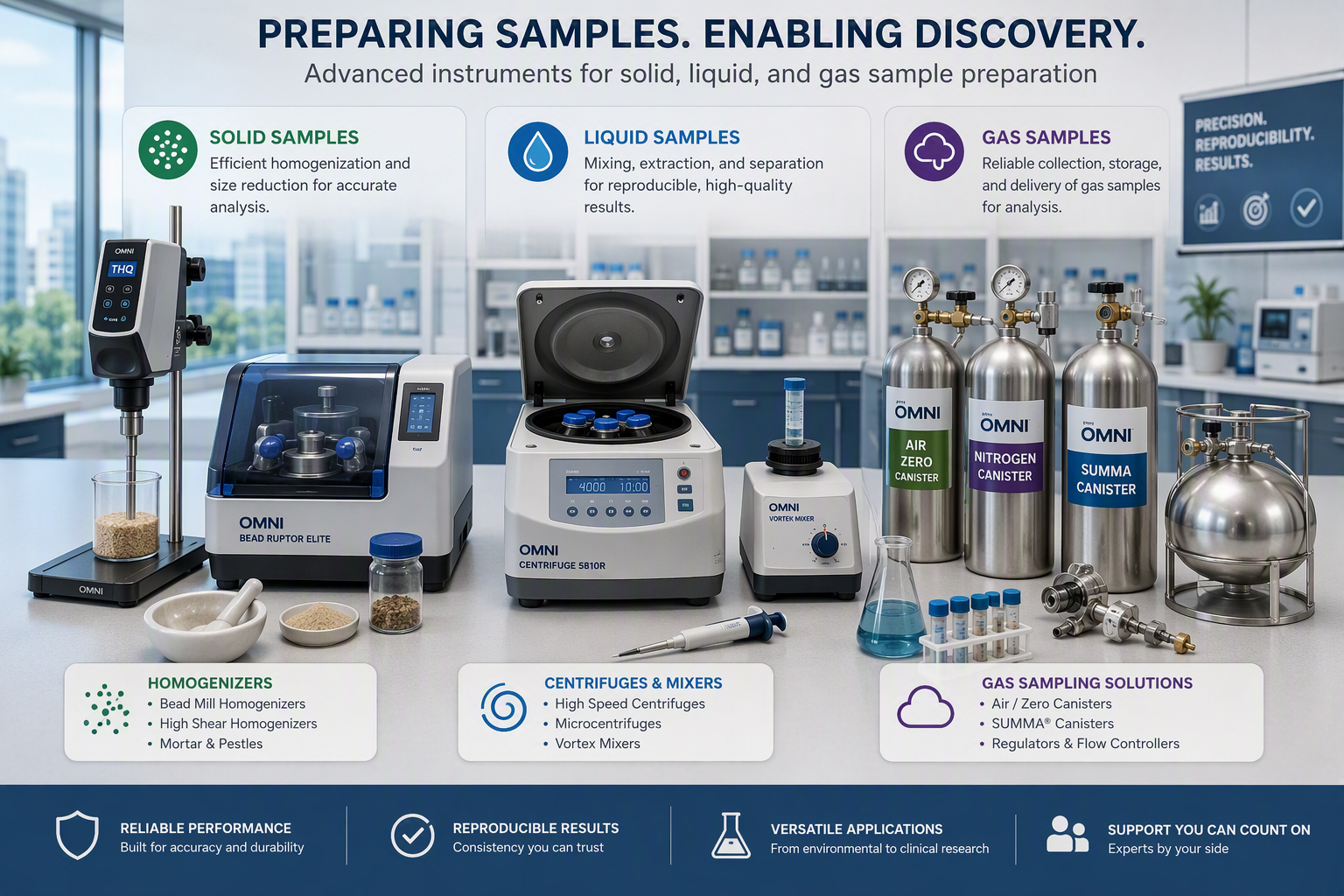
The main types of instruments often follow the physical state of the sample. Solid samples usually need homogenization, grinding, drying, or ashing before analysis. These steps help create uniform material and remove unwanted moisture or organic matter.
For liquids, labs commonly rely on dilution, filtration, centrifugation, evaporation, and liquid-liquid extraction. These methods support liquid chromatography workflows by improving cleanliness, adjusting sample concentration, and isolating analytes of interest before they reach the stationary phase of an analytical system.
Gas preparation is more specialized because losses and contamination can happen quickly. Common tools and methods include:
Gas sampling bags or canisters for clean collection and storage
Purification steps to remove water vapor or interfering gases
Thermal desorption for releasing volatile compounds before gas chromatography
Filtration devices for removing particulate matter from air streams
Automated Systems and Robotic Workstations
Automation is changing sample preparation by taking over repetitive tasks such as weighing, mixing, transferring, pipetting, and dilution. Robotic workstations help laboratories process more samples with less manual effort, which is especially valuable when staff time is limited.
This directly improves sample throughput. Automated workflows can run more consistently across long batches, extend productive hours, and reduce bottlenecks. In one reported case, switching to a higher-capacity nitrogen evaporator greatly increased LC-MS sample prep productivity while preserving sample integrity.
Data management also benefits when automated platforms are paired with software controls. Clear method settings, repeatable execution, and reduced manual transcription make records easier to track. For R&D and QC labs, automation is not just about speed. It helps create more stable, scalable laboratory operations that support reliable testing every day.
Specialized Equipment for Genomics, Proteomics, and Environmental Analysis
Some applications need highly specific preparation tools. In genomics, the focus is often on extracting and protecting nucleic acid from biological samples. In proteomics, preparation may involve enzyme digestion, cleanup, and concentration before downstream analysis.
Environmental samples bring a different challenge because water, soil, and air can contain trace pollutants in difficult matrices. Labs often combine filtration, drying, grinding, sieving, and extraction methods to isolate low-level compounds while limiting interference from surrounding material.
Examples of specialized approaches include:
DNA or RNA extraction methods for genomics workflows
Enzyme digestion for protein-focused preparation in proteomics
Solid-phase extraction for water-based environmental samples
PFAS-focused concentration workflows using nitrogen evaporators
For R&D laboratories, best practices center on choosing methods that match the analyte, matrix, and sensitivity target rather than using a single broad approach for every project.
Key Features in Modern Sample Preparation Equipment
When you evaluate modern equipment, look first at precision, repeatability, and the ability to protect sample integrity. These features support stronger quality standards and help you avoid retesting, inconsistent recovery, or analyte loss.
It also helps to choose systems that handle the sample volumes your lab actually uses. Many newer platforms are designed for smaller inputs, higher throughput, and easier automation. The next sections show how precision, integration, and software design affect everyday quality control performance.
Precision and Accuracy Enhancements
Newer sample preparation products improve precision by controlling steps that often vary during manual work. Consistent nitrogen flow, defined temperature settings, calibrated liquid handling, and standardized protocols all reduce unwanted differences between samples.
They also improve sample concentration without sacrificing analyte recovery. Evaporation and concentration systems can remove solvent more efficiently, helping labs reach lower detection limits when sample sizes are small or analytes are present at trace levels. That is especially useful in environmental testing and drug development.
The outcome is more accurate results. When the preparation stage removes interferences, limits contamination, and keeps the sample within a reliable working range, downstream analysis becomes more dependable. In short, better techniques improve both precision and accuracy by making preparation more controlled, repeatable, and appropriate for the assay being performed.
Workflow Integration and Lab Automation
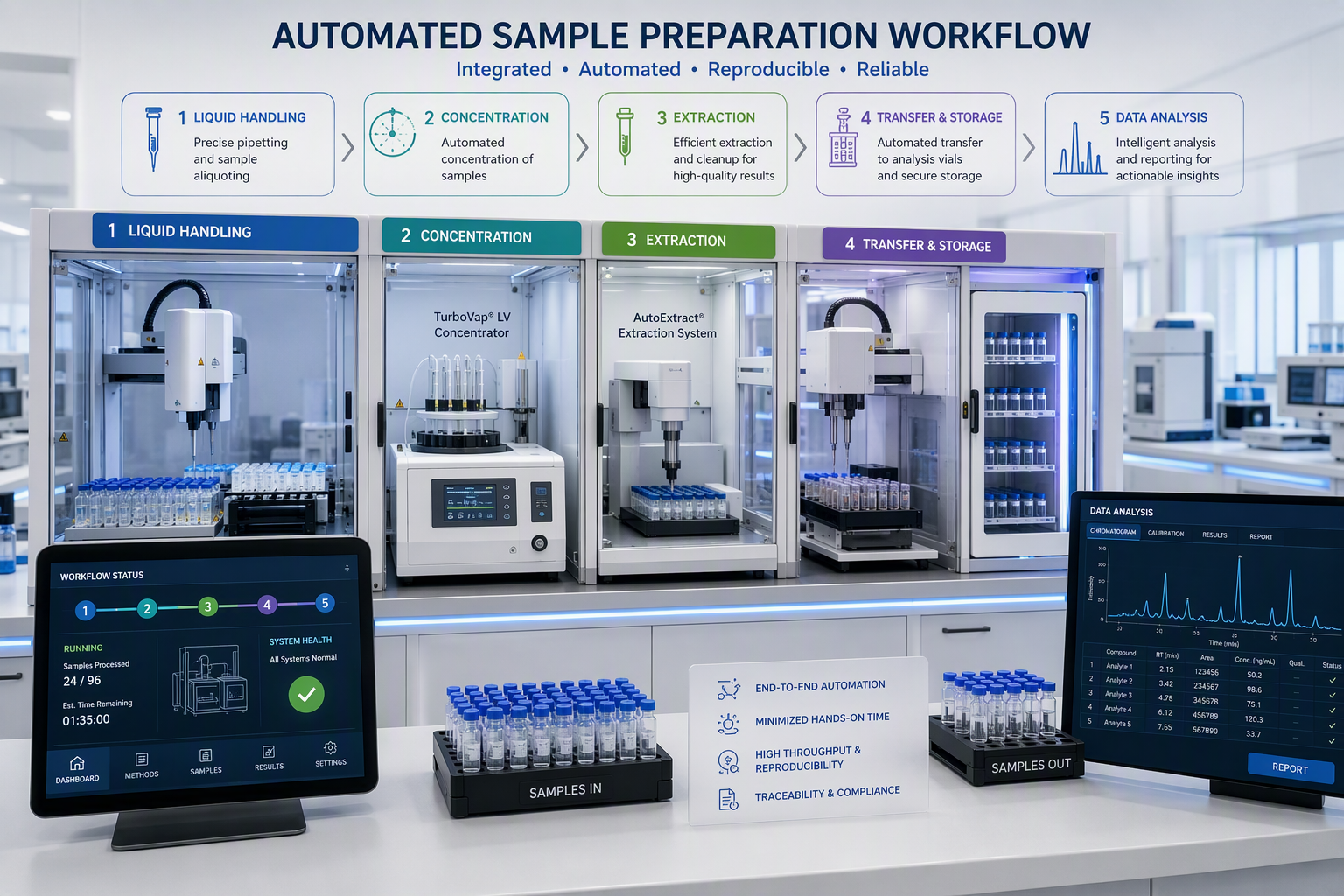
Workflow integration matters because sample preparation rarely stands alone. In many labs, the best sample preparation solutions now connect preparation, instrument readiness, and data analysis in a more continuous process. That reduces waiting time between steps and helps teams move samples faster.
Lab automation strengthens this flow by linking liquid handling, concentration, extraction, and reporting tasks. Instead of relying on scattered manual actions, labs can build more predictable routines that support both speed and repeatability in quality control testing.
Here is a simple view of how workflow integration helps:
Workflow Stage | Traditional Setup | Integrated Setup |
|---|---|---|
Sample handling | Manual transfer and labeling | Automated handling with predefined steps |
Concentration | Separate bench process | Linked preparation module |
Review | Manual record checks | Software-supported data analysis |
Throughput | Limited by staff time | Improved by lab automation |
When these parts work together, laboratory operations become easier to manage and less prone to disruption.
User-Friendly Interfaces and Software Solutions
Software is becoming a deciding factor in equipment selection. Labs want user-friendly systems that reduce training time, guide operators through methods, and make setup less confusing in busy laboratory environments.
That need is growing because many teams must do more with fewer experienced staff. Clear screens, task-based controls, and simple method templates help users follow the right sequence without relying on memory. This supports consistency across shifts and lowers the chance of missed steps.
Good software solutions also improve data analysis and reporting. Tailored programs can speed interpretation, support go or no-go decisions, and make records easier to review. If you are choosing equipment for quality control applications, easy operation, reliable software, and practical output handling should rank alongside performance and capacity.
Best Practices and Methods for Sample Preparation in R&D
Best practices in R&D start with matching sample preparation methods to the matrix, analyte, and analytical target. That means choosing the right extraction, cleanup, concentration, or digestion step rather than relying on a broad one-size-fits-all routine.
Just as important, methods must support reproducibility and align with quality standards. Standardized procedures, contamination control, and fit-for-purpose workflows are the foundation. The following sections focus on the habits and decisions that help laboratories build reliable preparation methods from the start.
Standardization for Reproducibility
Standardization is one of the clearest best practices for R&D laboratories. When preparation steps are written, followed, and repeated the same way, you get stronger reproducibility and fewer unexpected shifts between analysts, instruments, or testing days.
This also supports quality standards and regulatory compliance. Consistent calibration of balances, pipettes, and analytical instruments helps maintain accuracy, while documented workflows make it easier to verify that each sample was handled correctly.
Useful standardization actions include:
Using written SOPs for each sample type and preparation method
Calibrating key instruments on a regular schedule
Recording deviations, recovery issues, and corrective actions
If your lab wants dependable outcomes, standardization should not be treated as extra paperwork. It is a practical control that keeps methods stable and results more trustworthy.
Sample Integrity & Contamination Prevention
Sample integrity is easy to lose and hard to recover. If a sample degrades, absorbs contamination, or gets mixed with residues from earlier work, the final result may look precise while still being wrong. That is why contamination prevention is central to reliable quality control.
The right approach depends on sample type. Biological samples may need cooling or freezing, volatile materials may require airtight storage, and trace analysis workflows need especially clean tools and containers. Preparation methods should always protect the analyte, not just process it quickly.
Core contamination prevention steps include:
Using clean or dedicated tools for each sample set
Storing materials under conditions that prevent degradation
Following strict cleaning and handling procedures
Good sample preparation protects what makes the sample useful. Without that protection, even advanced analytical methods can struggle to produce dependable findings.
Optimization for High-Throughput Testing
High-throughput testing depends on more than faster instruments. The preparation stage must also be optimized so samples move efficiently from receipt to analysis without delays, overcrowded benches, or repeated manual transfers.
One way labs achieve this is by reducing sample volumes and simplifying workflows. Miniaturized methods, automation-enabled extraction, and concentration tools with larger batch capacity allow teams to process more material in less space. This supports better use of staff time and equipment.
Laboratory automation adds another layer of improvement by keeping workflows consistent during long runs. With fewer interruptions and more structured data analysis support, labs can manage rising test demand with less variability. If your goal is high-throughput operation, optimization should focus on batch design, preparation fit, and repeatable automation rather than speed alone.
Impact of Automation and Digitalization on Sample Preparation
Automation and digitalization are reshaping sample preparation by reducing manual work and making workflows easier to manage. Tasks like liquid handling, concentration, and extraction can now run with more consistency and less operator burden.
This shift improves operational efficiency and supports clearer data analysis. Labs gain better control over throughput, method execution, and reporting, which matters when staffing is tight and testing demand keeps growing. The next sections show how these changes affect daily performance, error rates, and system connectivity.
Boosting Efficiency in R&D and Quality Control
Automation boosts operational efficiency by taking repetitive preparation steps off your team’s plate. Sample transfer, dilution, mixing, evaporation, and extraction can be handled in a more structured way, helping staff focus on review and problem-solving instead of constant manual processing.
That makes a real difference in laboratory operations. When workflows are organized around automated preparation, labs can process more samples in the same time, extend productive hours, and reduce bottlenecks that slow analysis. Reported case examples showed large gains in productivity after switching to higher-capacity evaporator systems.
Quality control also becomes easier to maintain when methods run consistently. Automated routines support repeatable treatment across batches, which helps labs meet turnaround expectations without giving up reliability. For R&D and QC teams, efficiency now means faster work with stronger process control.
Reducing Human Error and Improving Data Consistency
Manual sample preparation leaves room for human error at many points, from pipetting and labeling to timing and transfer steps. Automation lowers that risk by following the same programmed actions for every run, which supports more stable outcomes.
This also improves data consistency. When each sample is prepared using the same volumes, sequence, and conditions, you get cleaner comparisons across batches and fewer unexplained differences. That makes quality assurance work easier because fewer results need to be questioned or repeated.
The compiled information focuses on automation and smart software rather than deep machine learning use, but the direction supports more guided decision-making. As labs rely more on digital controls and task-specific analysis tools, the path to consistent data becomes clearer. Less manual variability means a stronger foundation for dependable laboratory results.
Integration With Laboratory Information Management Systems (LIMS)
New sample preparation technologies are moving toward stronger connectivity, and that makes LIMS integration increasingly valuable. When preparation steps connect with digital records, labs can track samples more clearly from logging through reporting.
This matters for data integrity and day-to-day data management. Integrated records reduce the need for manual transcription, lower the chance of mismatched entries, and help teams confirm that each step was completed under the right conditions. In regulated settings, that level of control supports stronger documentation.
The compiled material also points to growing interest in standardized communication interfaces such as LADS, SiLA 2, ADF, and AnIML. These standards can help different systems work together more smoothly. For quality control testing, that means preparation equipment is becoming easier to fit into broader digital workflows without creating isolated data islands.
Innovations Driving Quality Control in Laboratories
Quality control is improving because sample preparation products are evolving alongside analytical methods. As instruments become more sensitive, preparation must also become cleaner, more targeted, and more repeatable so the final data remains trustworthy.
That link is especially clear in workflows tied to liquid chromatography, gas chromatography, and mass spectrometry. Better concentration, extraction, and cleanup steps help labs get more from modern instruments. The following sections look at the analytical advances and sustainability trends pushing these improvements forward.
Emerging Analytical Techniques Linked to Equipment Advances
Advances in analytical chemistry are closely tied to better preparation equipment. As instruments become more sensitive, especially in mass spectrometry, labs need cleaner extracts, stronger concentration control, and methods that work well with smaller sample sizes.
This link is also visible in liquid chromatography and gas chromatography workflows. Improved filtration, evaporation, derivatization support, and thermal desorption methods help samples reach instruments in a more suitable state, which improves detection and reduces interference from difficult matrices.
Key technique links include:
LC-MS workflows that benefit from efficient evaporation and concentration
Gas chromatography methods supported by derivatization and thermal desorption
HPLC preparation that relies on filtration, dilution, and cleaner extracts
PFAS analysis supported by targeted nitrogen evaporation systems
In short, equipment advances make modern analytical methods more practical, more reliable, and better suited to demanding quality control work.
Sustainability and Green Approaches in Sample Preparation
Sustainability is becoming a serious factor in sample preparation decisions. Many traditional workflows use large amounts of organic solvents, plastics, and consumables, which increases cost and environmental impact. Labs are now looking for greener ways to prepare samples without lowering analytical quality.
Several approaches are already gaining attention. Miniaturization reduces solvent and sample use, while automation can make smaller-volume work more practical and reproducible. Some solvent recovery systems can also recapture a large portion of starting solvent instead of venting it away.
Common green approaches include:
Reducing solvent volumes through miniaturized methods
Using solvent collection or recovery during evaporation
Choosing solvent-free options such as solid-phase micro-extraction where appropriate
These changes align with green chemistry goals and help laboratories balance performance, waste reduction, and safer day-to-day operations.
Conclusion
The advancements in sample preparation equipment are transforming the landscape of R&D and quality control in laboratories. By embracing technological innovations, laboratories can enhance precision, streamline workflows, and ensure reliable testing outcomes. The integration of automated systems not only boosts efficiency but also minimizes human error, ultimately leading to more consistent data results. As the demands of modern research evolve, investing in cutting-edge sample preparation tools will be crucial for maintaining high standards and staying competitive. To explore how these innovations can benefit your laboratory, don't hesitate to reach out for a free consultation with our experts.
Frequently Asked Questions
What advancements are making sample preparation faster and more reliable?
Automation-enabled sample preparation systems, higher-capacity evaporators, targeted workflows, and better software are making labs faster and more reliable. These tools improve sample throughput, reduce manual variability, and support cleaner data analysis. While artificial intelligence is still emerging, smarter digital controls are already helping laboratories work more consistently.
How does automation improve accuracy and workflow in laboratory sample preparation?
Automation improves sample preparation techniques by standardizing pipetting, transfer, dilution, and concentration steps. That reduces human error, supports data integrity, and creates smoother laboratory operations. You get more repeatable handling across batches, fewer retests, and a workflow that is easier to scale when sample demand increases.
Which features should R&D labs prioritize when selecting new sample preparation equipment?
R&D labs should prioritize laboratory equipment that protects sample integrity, supports quality assurance, and matches their sample type and volume needs. User-friendly interfaces matter because they reduce training time and improve consistency. Support options and maintenance planning are also important for uptime, even when predictive maintenance features are limited.
Recent Posts
Analytical & Elemental Instruments: Empowering Accurate Analysis for Research, Quality Control, and Industrial Applications

How Viscosity, Rheometer & Texture Analyzer Shape Product Quality in R&D Laboratories?
How Laboratory Heating & Cooling Equipment Improves Accuracy and Efficiency in Testing?
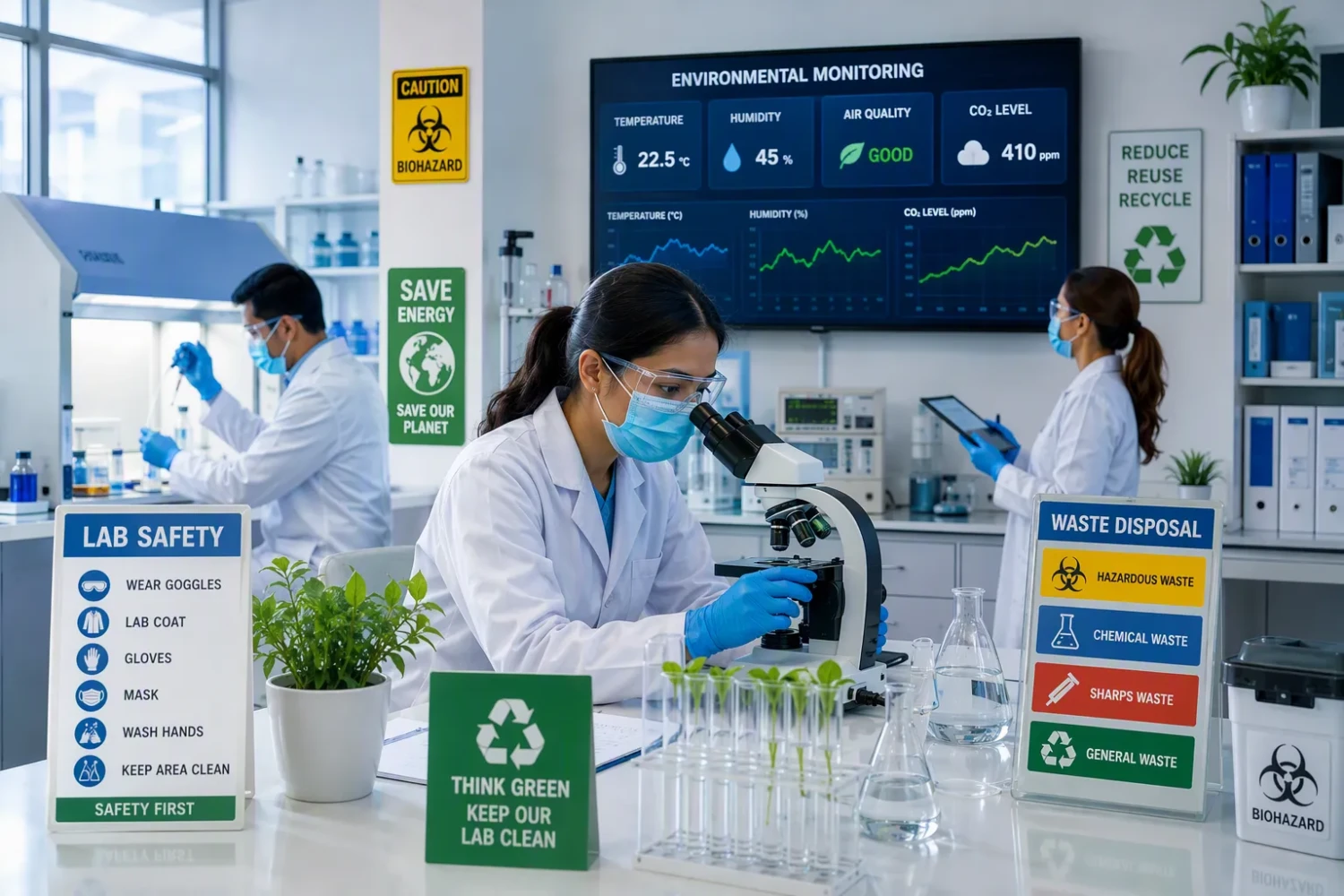
The Role of Laboratory Safety & Environmental Monitoring in Risk Prevention
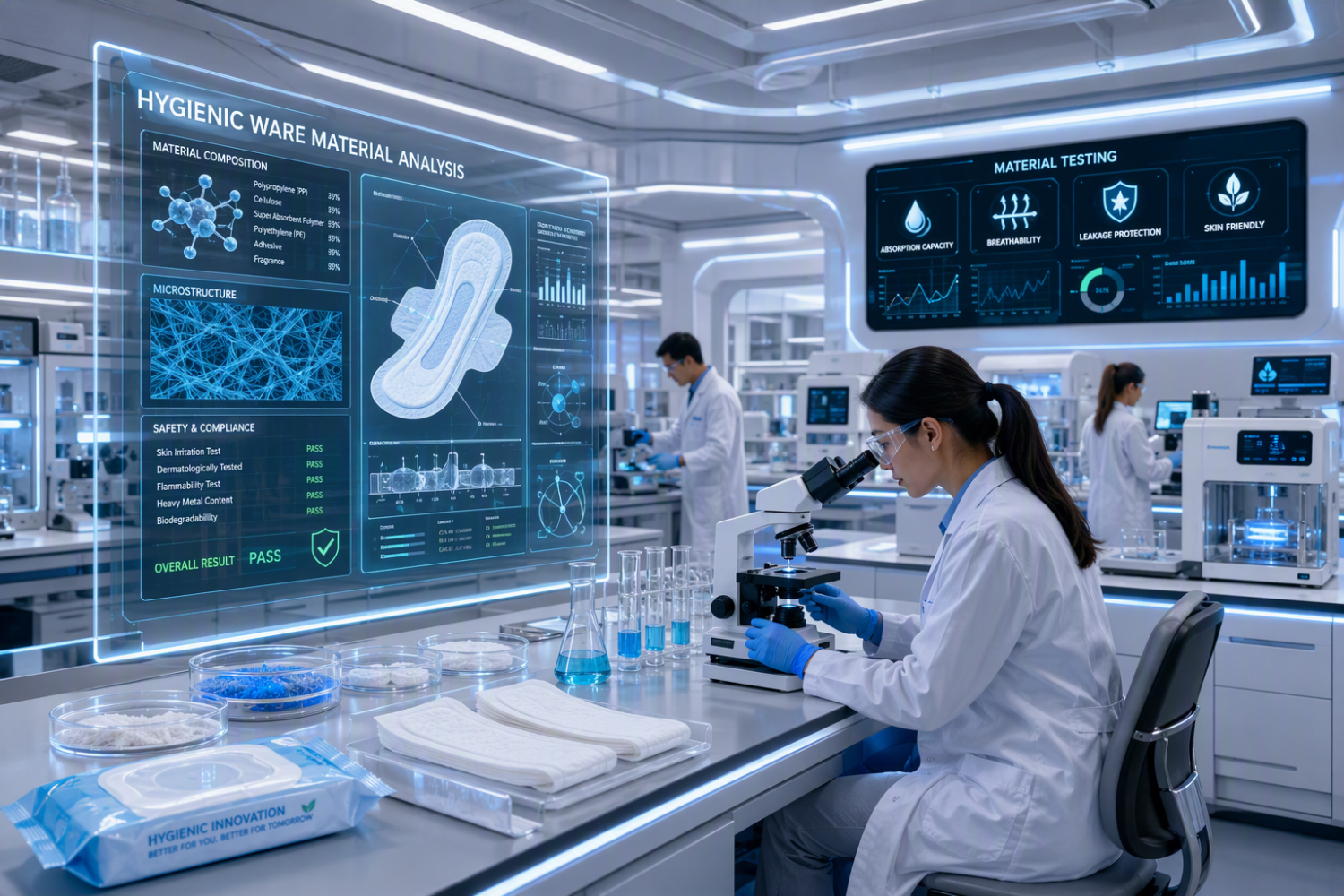
Health and Hygiene Ware Material Testing: Ensuring Quality, Safety, and Compliance
Advancements in Sample Preparation Equipment for R&D and Quality Control
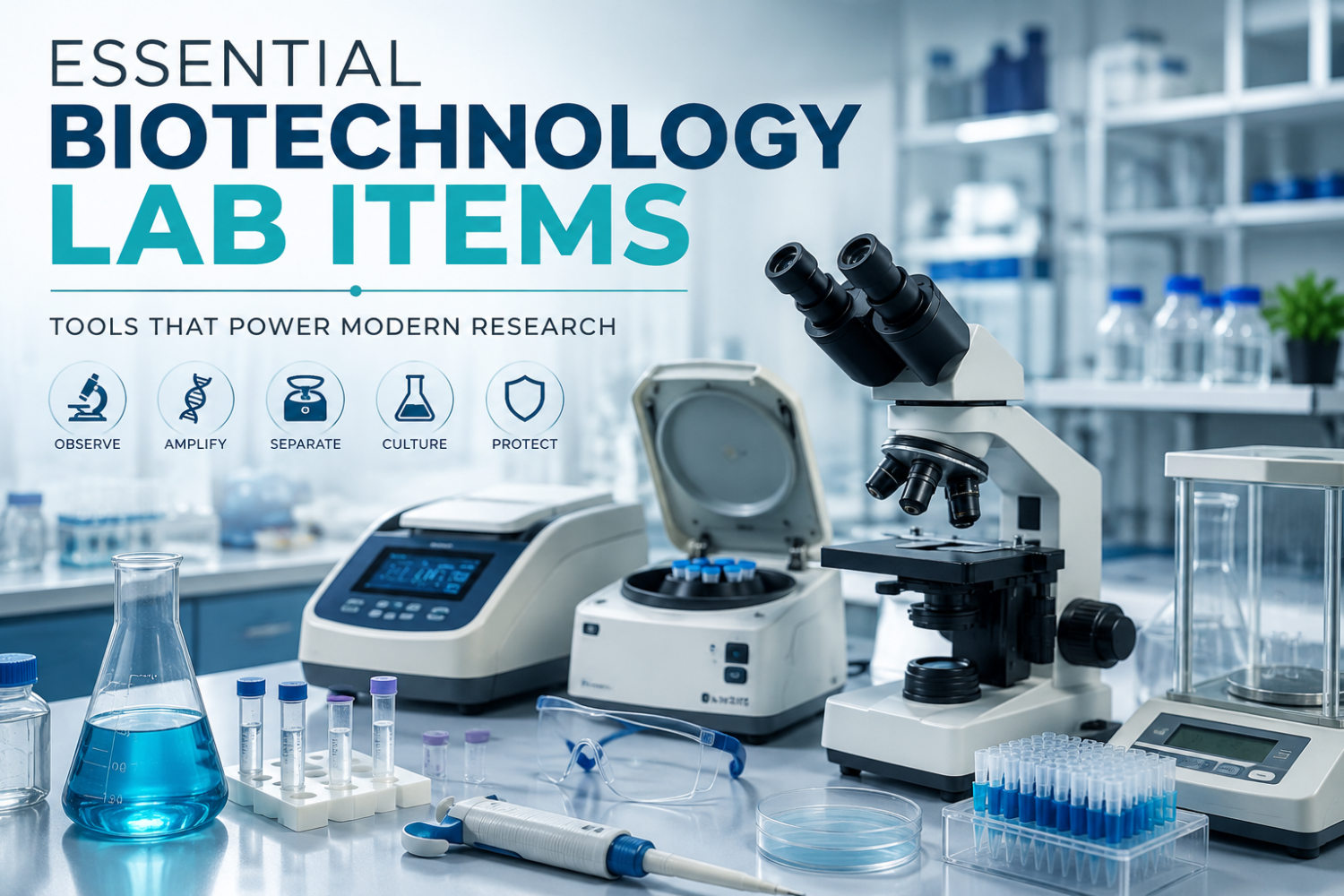
Essential Biotechnology Lab Items and Their Applications in Modern Research
Optimum Solution– Laboratory & Analytical Instruments Supplier in Bangladesh
Optimum Solution is a leading supplier of laboratory equipment, analytical instruments, and process control solutions in Bangladesh. Since our inception, we have built a strong presence in the industry, serving research labs, universities, pharmaceutical companies, and quality control laboratories nationwide. Through continuous dedication to improving our products and services, Optimum Solution has earned the trust and loyalty of our valued clients.


