
-
 Analytical & Elemental Instruments
-
Biotechnology Lab Items
-
Cardboard and Box Factory Lab Equipment Solution
-
Cleanroom Solution
-
Consumables & Accessories
-
Dosing Pump for Chemicals
-
Electrochemistry & Titration
-
ETP -Effluent Treatment Plant
-
Feed Quality Laboratory
-
Food & Kitchen Lab Items
-
Hygiene Testing Equipment
-
Lab Furniture



Essential Biotechnology Lab Items and Their Applications in Modern Research
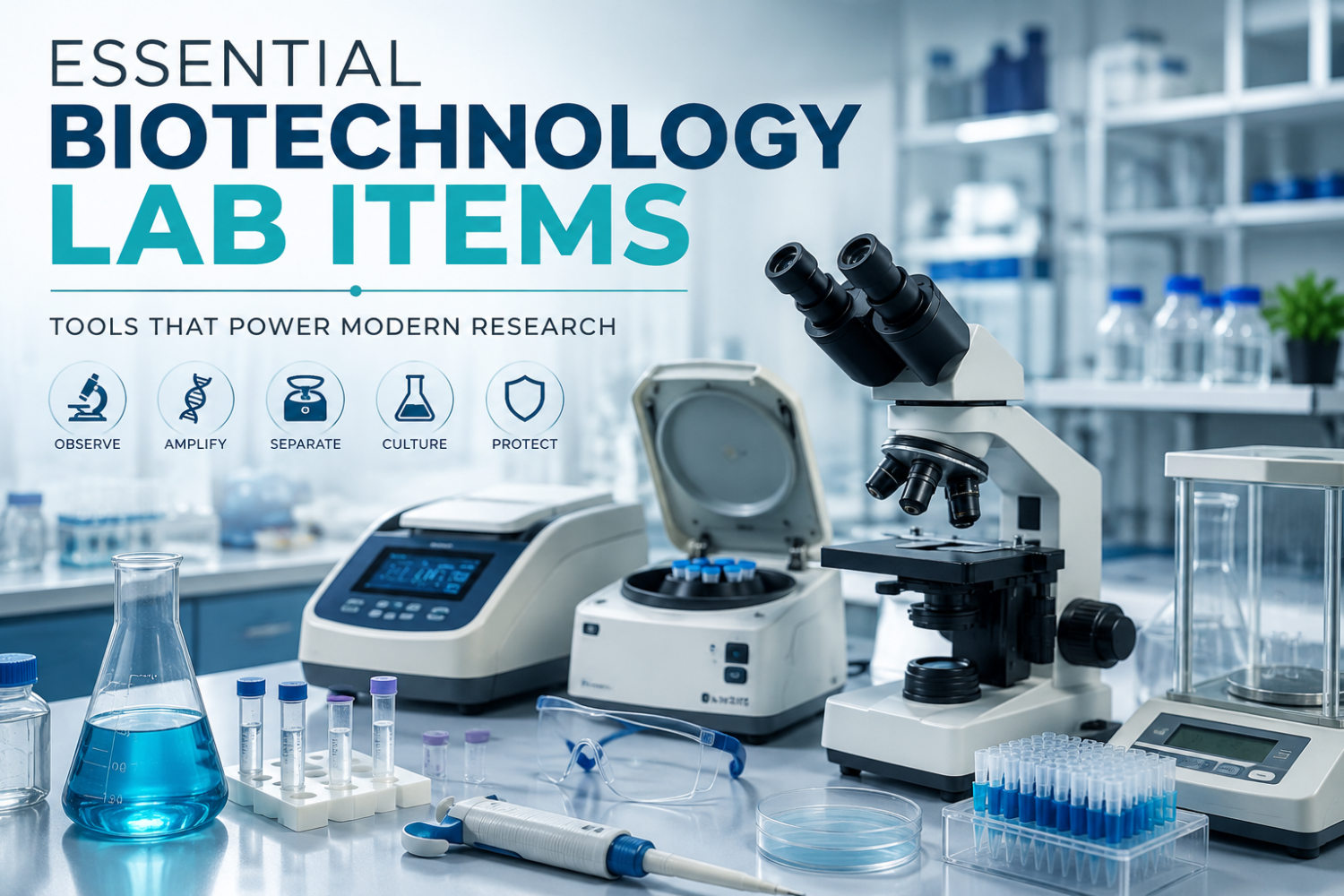
In life science research, the right laboratory equipment shapes the quality of your work from day one. Whether you focus on cell biology, molecular testing, or routine sample handling, every item in a biotech lab has a clear purpose. Some tools help you observe cells, while others measure, separate, grow, or protect samples. If you are setting up a new space or refining an existing one, knowing what matters most helps you build a lab that supports accurate, efficient research.
Key Highlights
A biotech lab depends on core laboratory equipment such as microscopes, centrifuges, PCR machines, incubators, and spectrophotometers.
Each essential tool supports a different workflow, from cell culture and molecular biology to sample preparation and storage.
Basic items like glassware, plasticware, pipettes, and sample tubes keep daily research moving with accuracy.
Safety equipment, sterile practices, and the right method of sterilization protect people, samples, and biological materials.
Equipment choice should reflect research goals, compatibility, condition, maintenance history, and price range.
Good upkeep improves performance, reliability, and consistency in modern research.
Core Equipment Needed for a Modern Biotechnology Laboratory
A modern biotechnology laboratory needs a balanced mix of core equipment. The must-have laboratory equipment includes microscopes for cell biology, centrifuges for sample separation, PCR machines for polymerase chain reaction work, and incubators for cell culture and microbial growth. Each piece of equipment supports a specific stage of modern research.
You also need tools for measurement, sterilization, storage, and safe handling. Spectrophotometers, autoclaves, pipettes, balances, pH meter systems, and laboratory refrigerators all play a role. Together, these items create a practical foundation for the specialized workflows explained below.
Microscopes: Observing Cellular and Subcellular Structures
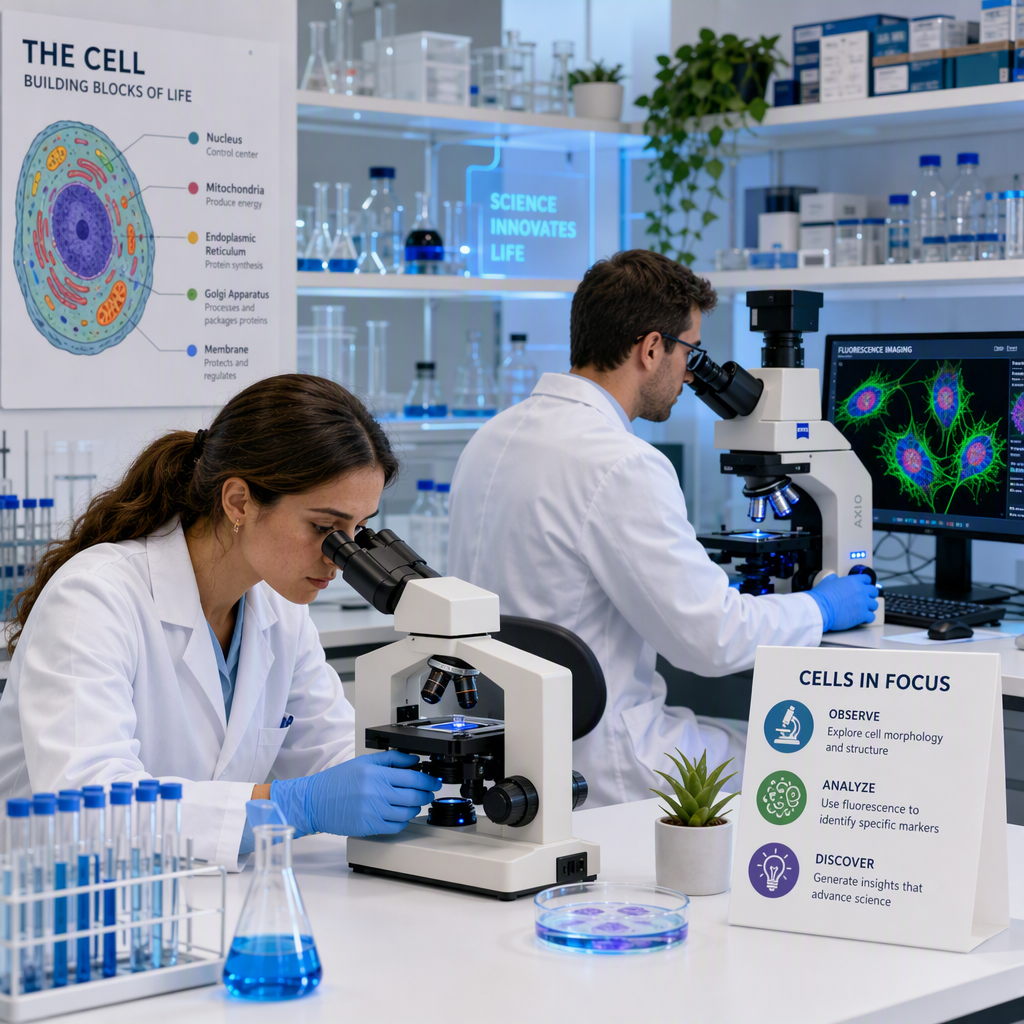
Microscopes are one of the most important tools in a biotech lab. They let you study samples that are invisible to the naked eye, which makes them central to cell biology and many forms of scientific research. If your work depends on observing structures clearly, this is an essential tool.
There are several types of microscopes used in laboratories, including light, electron, and fluorescence microscopes. Each serves a different purpose. A light microscope uses an amount of light to reveal cells and basic details, while more advanced systems help researchers examine smaller or more specialized structures.
In daily lab work, microscopes support tasks such as examining cultures, checking sample quality, and studying cellular form. They are often the first piece of equipment researchers think about because they provide direct visual insight. For many labs, they remain a starting point for accurate analysis.
Centrifuges: Sample Separation and Analysis
Centrifuges are used to separate materials in a sample based on density. In biotechnology research, this matters because many workflows begin with clean sample preparation. The instrument spins sample tubes at high speeds, which pushes heavier components toward the bottom and leaves lighter material above.
That simple action makes centrifuges useful in medical, biological, and laboratory research. You can use them to separate blood components or help purify DNA. When your experiment depends on isolating the right fraction from a mixture, centrifuges provide a fast and practical step.
Labs often choose between benchtop centrifuges and ultracentrifuges depending on the task. Even though the formats vary, the role stays the same: reliable sample separation before analysis, testing, or storage. For many researchers, this is a routine but critical part of getting dependable results.
PCR Machines: DNA Amplification and Genetic Research
PCR machines support one of the most common workflows in molecular biology: polymerase chain reaction. This process allows researchers to amplify DNA for genetic research and related testing. If your work involves detecting, studying, or preparing genetic material, PCR machines become a central part of the lab.
These systems are especially valuable because they work with small volumes of liquid while still producing useful amounts of DNA for analysis. That makes them practical for routine lab procedures where sample quantity may be limited but precision still matters.
In common biotechnology applications, a PCR machine helps move a project from raw sample to usable genetic information. It also works closely with pipettes, dispensers, and purified sample inputs. When paired with careful handling, it supports efficient, repeatable workflows in research settings.
Essential Laboratory Instruments for Research Workflows
Starting a biotechnology lab requires more than one major instrument. You need several pieces of equipment that support measuring, monitoring, storing, and preparing samples. Spectrophotometers, incubators, balances, pH meter systems, and electrophoresis setups are all common choices because each one fills a practical gap in research workflows.
Some labs also depend on freezers, laboratory refrigerators, and fume hoods to keep materials stable and safe. When these tools work together, your laboratory equipment supports smoother workflows from setup through analysis. The next sections break down how these instruments contribute.
Spectrophotometers: Quantifying Biomolecules
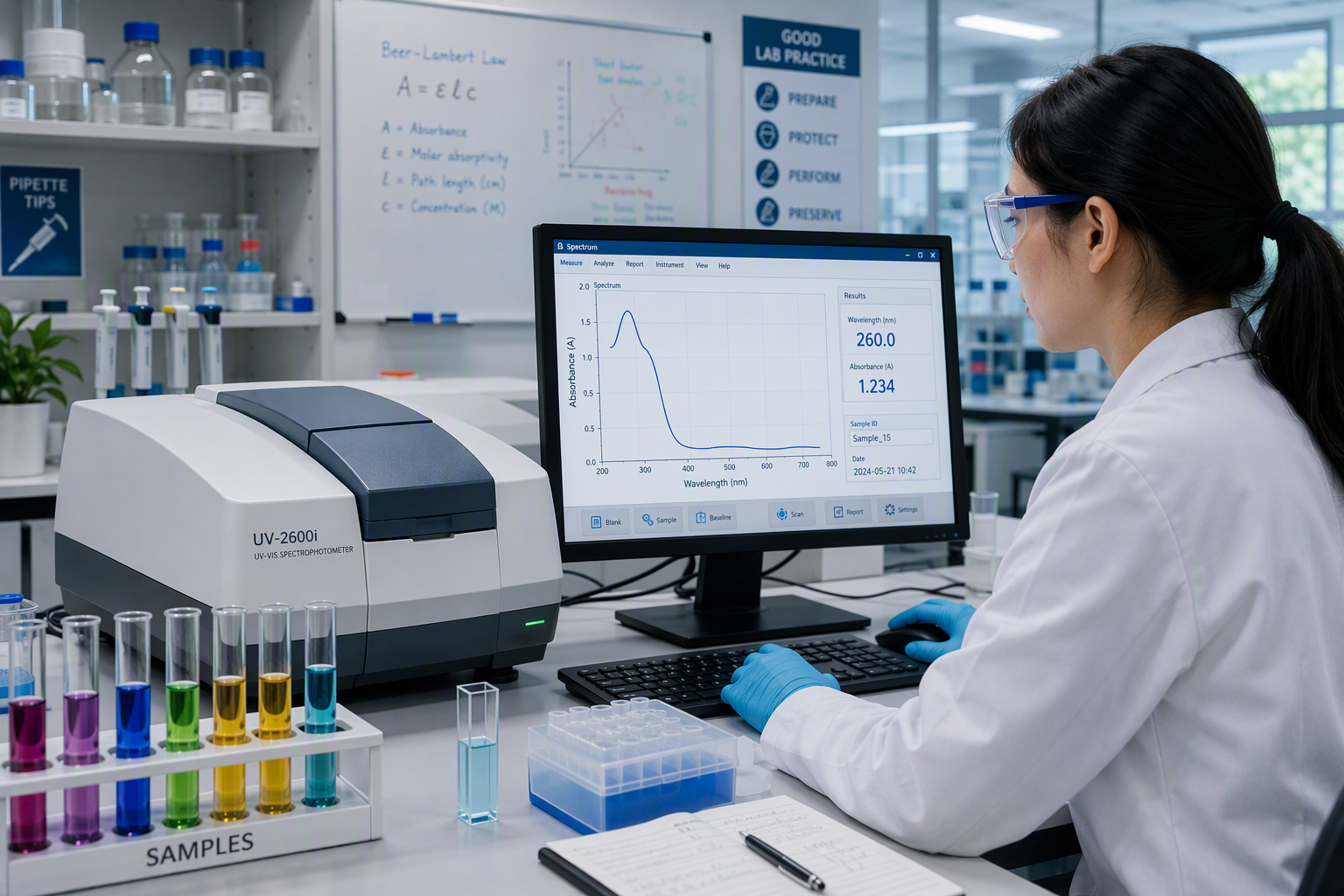
Spectrophotometers measure how much light a sample absorbs when a light beam passes through it. In biotech research, that makes them useful for quantifying biomolecules and checking the concentration of substances in solution. When accurate measurement matters, this instrument gives you a dependable reading.
The system works by analyzing the amount of light absorbed at specific wavelengths. This matters because different substances interact with light in different ways. By comparing absorbance values, researchers can estimate concentration and support decisions in sample preparation and downstream testing.
Common applications include:
Measuring the concentration of chemical compounds in solutions
Supporting sample checks before molecular biology procedures
Monitoring solutions that require precise readings
Helping standardize routine laboratory workflows
Electrophoresis Systems: DNA, RNA, and Protein Analysis
Electrophoresis systems are widely used when a lab needs to examine biological molecules after preparation. In biotechnology settings, they support DNA analysis and protein analysis, helping researchers compare samples and review results in a clear, organized way.
These systems fit into a wide range of applications because they work well after steps such as centrifugation, pipetting, and amplification. If your workflow includes purified DNA or other prepared materials, electrophoresis can help you assess what is present before moving forward.
For many labs, electrophoresis is not a stand-alone process. It works best as part of a sequence that includes separation, handling, and measurement. That makes it one of the practical pieces of equipment that supports routine analysis across molecular and biological research.
Incubators: Culturing Cells and Microorganisms
Incubators provide a controlled environment for growing and maintaining microorganisms and cells. In biotechnology, that role is essential because living material responds quickly to changes in temperature, humidity, and gas levels. If you want reliable cell culture work, stable conditions matter.
Most laboratory incubators are built as temperature-controlled chambers, often using stainless steel or glass with built-in heating and a thermostat. Some units also regulate CO2 levels and humidity. This helps create optimal growth conditions for the growth of cells and microbial cultures.
In laboratory experiments, incubators support routine cultivation, observation, and maintenance. They are especially important when your workflow depends on repeatable cell growth over time. By keeping conditions stable, incubators help reduce variation and protect the quality of your biological work.
Fundamental Glassware and Plasticware for Biotech Labs
A biotech lab cannot run on instruments alone. Everyday glassware and plasticware support mixing, measuring, transferring, and growing samples. Standard items include measuring cylinders, beakers, flasks, pipettes, petri dishes, and well plates. These tools come in a range of sizes, which helps match the task to the sample volume.
Some jobs need larger volumes, while others depend on tiny transfers with precision. When you choose the right mix of glassware and plasticware, your basic workflows become easier to manage. The following items are the ones labs reach for most often.
Measuring Cylinders, Beakers, and Flasks: Accurate Solutions Preparation
Measuring cylinders, beakers, and flasks are standard glassware in almost every laboratory. They help you prepare, hold, and mix solutions for routine procedures. When accurate measurements affect the quality of the final result, these simple tools become very important.
Each item supports a different kind of task. Measuring cylinders are useful when volume matters most. Beakers are practical for holding and mixing. Flasks work well when you need more controlled preparation. In many settings, even the chemistry of every major treatment process depends on careful solution setup.
Item | Main Use |
|---|---|
Measuring cylinders | Measuring liquid volumes with more accuracy |
Beakers | Mixing, holding, and pouring solutions |
Flasks | Preparing and containing solutions during lab work |
Using the correct vessel helps reduce waste, improve consistency, and support safer handling from the start.
Pipettes and Dispensers: Precision in Liquid Handling
Pipettes and dispensers are essential for transferring small amounts of liquid with precision. In biotechnology labs, many procedures depend on exact volumes, especially when working with PCR, cell culture media, or prepared solutions. Even small changes can affect the outcome.
These tools are used every day because they help researchers work with small volumes of liquid in a controlled way. Whether you are loading sample tubes, preparing reagents, or setting up tests, accurate liquid handling supports better consistency and less error across the workflow.
They are especially useful for:
Measuring and transferring small amounts of liquid accurately
Supporting PCR setup and other molecular biology tasks
Handling reagents during cell culture work
Improving repeatability in routine sample preparation
Petri Dishes and Well Plates: Sample Cultivation and Testing
Petri dishes and well plates are basic but valuable items in biotechnology research. They provide a practical space for sample cultivation, testing, and observation. If your work includes microbial cultures or cell-based procedures, these tools are used often.
Petri dishes are commonly associated with growing and examining cultures on a flat surface. Well plates help organize multiple samples in a compact format, which is useful when you need to compare conditions or monitor several reactions at once. Both tools support efficient sample handling.
In routine lab work, they help track cell growth, isolate samples, and maintain order across experiments. Their design makes them easy to label, store, and review. For many researchers, they are a simple way to keep cultivation and testing workflows manageable and consistent.
Safety Equipment and Sterile Practices in Biotechnology Research
Safety equipment is a non-negotiable part of biotechnology research. Laboratories often handle chemicals, biological materials, and heat-based processes, so laboratory safety depends on both protective gear and the right workspace systems. Common needs include biosafety cabinets, autoclaves, fume hoods, gloves, goggles, and lab coats.
Sterile practices matter just as much as protection. A dependable method of sterilization helps prevent contamination and keeps results trustworthy. When you combine safe handling with clean technique, your lab is better prepared for sensitive work. The next sections cover the key tools in more detail.
Biosafety Cabinets: Protecting Researchers and Samples
Biosafety cabinets help protect both researchers and samples during biotechnology experiments. They are designed for work involving biological materials, especially when contamination control is important. If your procedure depends on a sterile environment, this equipment supports cleaner handling.
These cabinets reduce exposure during delicate tasks by creating a protected workspace for sample manipulation. That makes them useful in cell culture and other workflows where keeping outside contaminants away from the sample is just as important as protecting the user.
It helps to distinguish them from fume hoods. Fume hoods are used to capture and remove hazardous fumes, gases, and vapors from the work area, while biosafety cabinets are focused on safer handling of biological materials under controlled conditions. In biotech settings, both can be important, but they serve different risks.
Autoclaves: Effective Sterilization of Lab Materials
Autoclaves are one of the most common tools used for sterilization in laboratories. They are also known as steam sterilizers and are used to treat equipment and materials before reuse or disposal. In any lab where contamination matters, this method of sterilization is a key step.
The process works by exposing items to high temperatures for a set period. That combination is effective for decontaminating many common lab materials. Research and healthcare facilities rely on autoclaves because they support safer, cleaner operations across daily workflows.
You will often see autoclaves used alongside other sterile practices such as biosafety cabinet work and proper storage. Together, these steps help maintain sample integrity and protect the work area. For many laboratories, autoclaving is part of the routine that keeps experiments reliable.
Personal Protective Equipment (PPE): Laboratory Safety Essentials
Personal protective equipment forms the first layer of defense in a biotechnology lab. Good laboratory safety starts with what you wear before you begin work. Even simple tasks can involve spills, splashes, or contact with risky materials, so PPE should never be treated as optional.
The exact items may vary by procedure, but the goal stays the same: protect skin, eyes, clothing, and hands while reducing the chance of exposure. This becomes especially important when the work involves strong acids, biological materials, or heated equipment.
Common personal protective equipment includes:
Lab coats to protect clothing and skin
Gloves for direct hand protection during handling
Safety goggles for splash protection
Additional protective wear based on the task and material risk
Conclusion
In summary, equipping a modern biotechnology lab with the right items is crucial for advancing research and ensuring safety. Each piece of equipment, from microscopes to PCR machines, plays a significant role in various workflows and applications. Understanding the importance of essential instruments and safety practices helps researchers maximize their potential while minimizing risks. By investing in quality equipment and adhering to sterile practices, laboratories can enhance their efficiency and contribute valuable insights to the scientific community. If you have any questions about selecting the right biotechnology lab equipment for your needs, feel free to reach out for guidance!
Frequently Asked Questions
What criteria should I consider when selecting biotechnology lab equipment?
Choose the right equipment by looking at your research goals, price range, compatibility with your setup, condition, certifications, and maintenance records. In life science research, it also helps to consider the range of applications each item supports, especially when comparing a wide range of products.
How do incubators and biosafety cabinets differ in their roles?
Incubators maintain a controlled environment for cell culture and microbial growth by regulating conditions such as temperature. Biosafety cabinets, on the other hand, provide a protected workspace for handling samples. One supports growth conditions, while the other helps reduce contamination and exposure risks during work with sensitive materials.
Why are centrifuges crucial for modern biotechnology experiments?
Centrifuges are crucial because they perform sample separation quickly and reliably at high speeds. That makes sample preparation easier for workflows such as blood processing and DNA purification. While analytical balances measure mass, centrifuges handle separation, giving researchers cleaner materials for accurate downstream analysis.
Recent Posts

How Viscosity, Rheometer & Texture Analyzer Shape Product Quality in R&D Laboratories?
How Laboratory Heating & Cooling Equipment Improves Accuracy and Efficiency in Testing?
The Role of Laboratory Safety & Environmental Monitoring in Risk Prevention
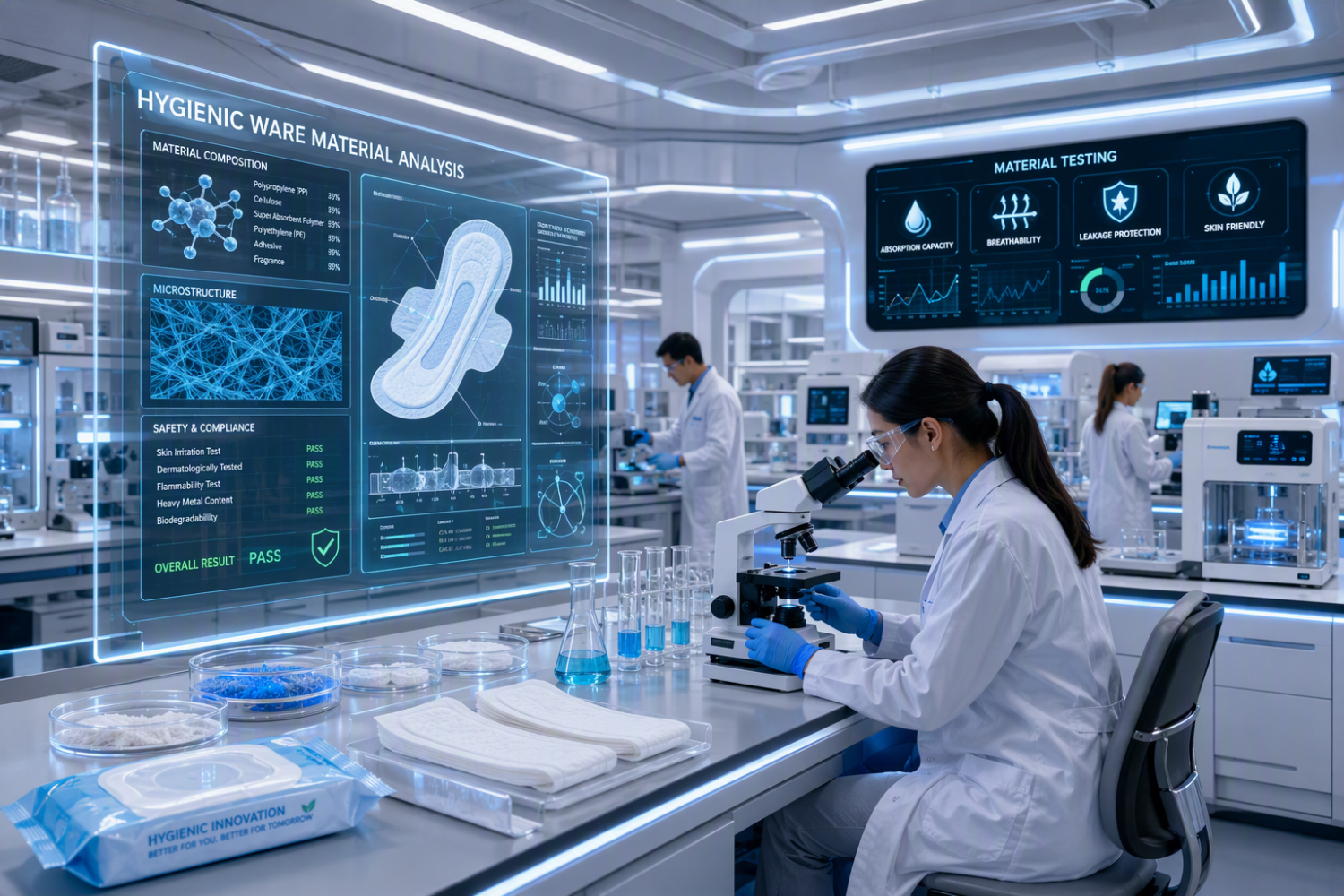
Health and Hygiene Ware Material Testing: Ensuring Quality, Safety, and Compliance
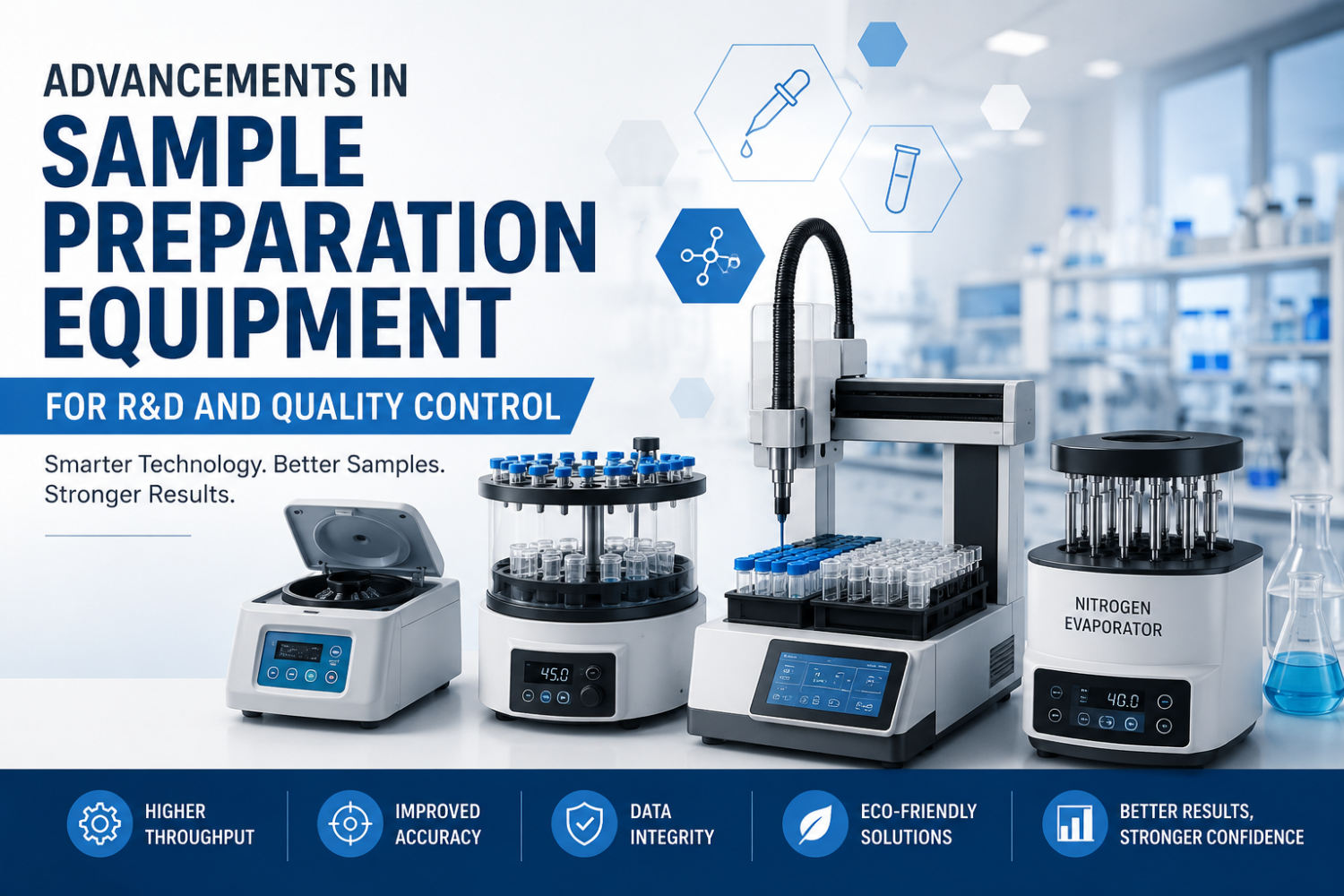
Advancements in Sample Preparation Equipment for R&D and Quality Control
Essential Biotechnology Lab Items and Their Applications in Modern Research

Optimum Solution– Laboratory & Analytical Instruments Supplier in Bangladesh
Optimum Solution is a leading supplier of laboratory equipment, analytical instruments, and process control solutions in Bangladesh. Since our inception, we have built a strong presence in the industry, serving research labs, universities, pharmaceutical companies, and quality control laboratories nationwide. Through continuous dedication to improving our products and services, Optimum Solution has earned the trust and loyalty of our valued clients.


