
-
 Analytical & Elemental Instruments
-
Biotechnology Lab Items
-
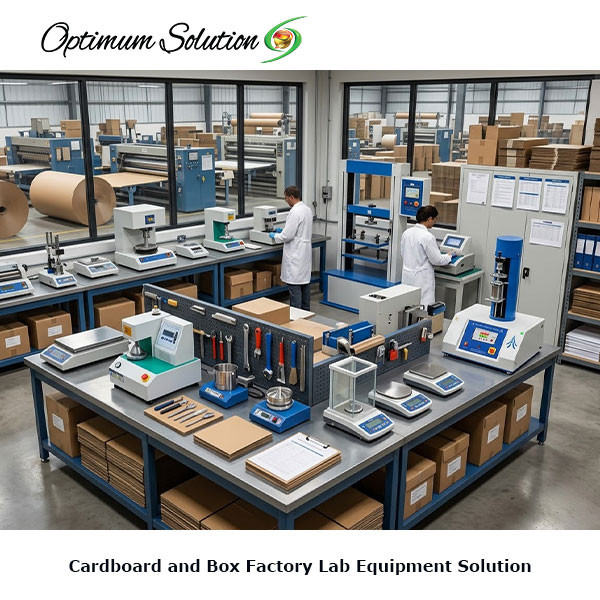
Cardboard and Box Factory Lab Equipment Solution
-
Cleanroom Solution
-
Consumables & Accessories
-
Dosing Pump for Chemicals
-
Electrochemistry & Titration
-
ETP -Effluent Treatment Plant
-
Feed Quality Laboratory
-
Food & Kitchen Lab Items
-
Hygiene Testing Equipment
-
Lab Furniture



Top Plants Test Instruments Used in Modern Manufacturing and Research Labs
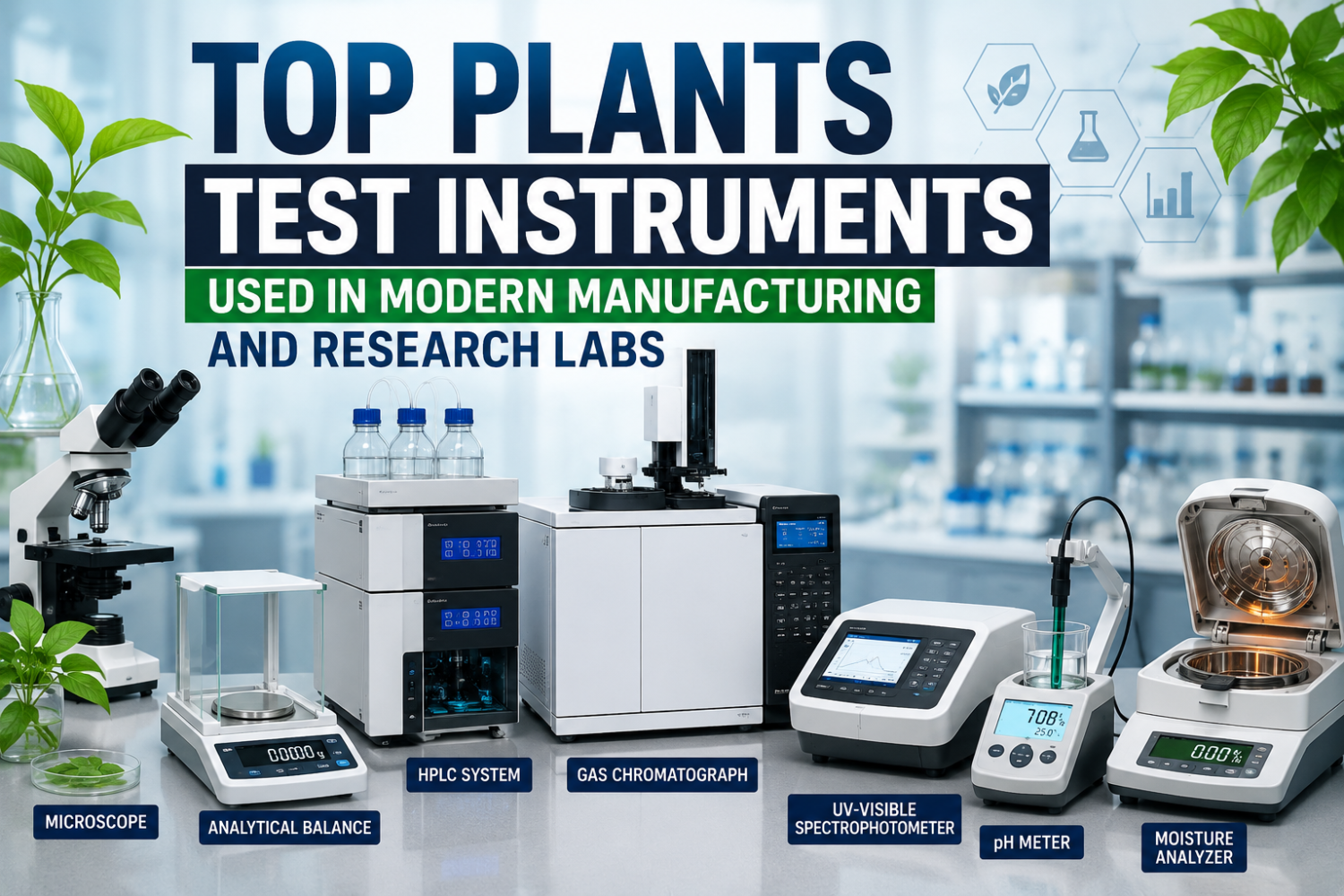
In modern laboratories, the right laboratory equipment shapes every stage of testing, analysis, and discovery. From basic tools to advanced analytical instruments, each system supports product quality, safer workflows, and faster decisions. You see this in manufacturing, university facilities, and clinical labs alike. A strong equipment list helps teams work with confidence and supports scientific progress across chemistry, biology labs, and materials science. That foundation also makes it easier to identify which plant test instruments deserve priority.
Key Highlights
Modern manufacturing and research labs depend on lab equipment that supports accuracy, speed, and quality assurance.
Essential tools range from basic measurement devices to advanced testing equipment for chemical and biological work.
Laboratory instruments such as chromatographs, spectrophotometers, and microscopes support scientific research across many fields.
Reliable sample handling, storage, and monitoring improve product quality and reproducible results.
Safe, well-maintained systems help laboratories meet quality standards and regulatory needs.
Choosing the right setup depends on precision, workflow, support, and application needs.
Essential Plants Test Instruments in Modern Manufacturing and Research Labs
Plant testing today relies on testing equipment that can measure, separate, monitor, and document samples with high precision. In research labs and production settings, these analytical instruments help teams examine composition, moisture, growth response, and contamination risk while supporting quality standards.
Some tools are widely used because they handle a wide range of tasks. Others are chosen for advanced research, food testing, environmental analysis, or biological research. The sections below cover the most practical instruments and explain where each one fits.
1. Gas Chromatographs for Chemical Analysis
Gas chromatographs are core analytical equipment for separating and identifying compounds in complex plant-related samples. In manufacturing labs, they support quality control by helping teams understand chemical reactions, check purity, and compare samples with expected profiles. That makes them useful in industrial applications where consistency matters.
You can think of this as one of the laboratory instruments that turns hidden sample details into usable data. It fits a wide range of testing workflows and supports reliable data for research labs that need more than visual inspection or basic tools.
They help separate volatile compounds for clearer analysis.
They improve quality control in regulated and repeatable workflows.
They support product checks across a wide range of sample types.
2. High-Performance Liquid Chromatography (HPLC) Systems
High-Performance Liquid Chromatography systems are among the most trusted analytical instruments in modern laboratories. They are especially useful when a sample cannot be evaluated well by simpler methods. In scientific research, HPLC supports separation and measurement of compounds that affect product quality, making it valuable in both manufacturing and advanced testing.
This matters in molecular biology, chemistry, and clinical labs where clean separation leads to better interpretation. If your work depends on precise composition checks, HPLC is often one of the right tools to consider.
HPLC Strength | Why It Matters |
|---|---|
Precise separation | Helps isolate compounds in mixed samples for clearer analysis |
Strong research value | Supports scientific research and molecular biology workflows |
Quality-focused output | Assists with product quality checks and repeatable testing |
Broad lab use | Fits research, manufacturing, and clinical research environments |
3. UV-Visible Spectrophotometers
UV-Visible spectrophotometers are widely used laboratory equipment in research labs because they measure the amount of light a sample absorbs or transmits. That simple principle gives labs a practical way to estimate concentration, assess purity, and monitor changes during testing. For many facilities, this is one of the must-have analytical instruments.
What makes these systems so useful is speed. Teams can gather dependable readings without lengthy preparation, which supports both routine checks and advanced research. They are common in biology labs, chemistry settings, and pharmaceutical work where quick comparison of samples is important.
They measure the amount of light absorbed by a sample.
They help estimate concentration and support purity checks.
They work well for routine analysis in modern research labs.
4. Atomic Absorption Spectrometers
Atomic absorption spectrometers are important testing equipment when labs need high precision for element-based analysis. They are often selected when a project calls for exact measurement rather than broad screening. In that sense, they belong with other essential equipment used to strengthen accuracy in serious analytical work.
Their value becomes clearer when paired with strong sample handling. Just as analytical balances protect the weighing stage, atomic absorption systems protect the measurement stage by helping teams capture fine differences between samples. That is especially useful in advanced research and quality-focused workflows.
For labs supporting molecular biology, manufacturing, or environmental studies, these systems offer dependable performance where small measurement errors can affect results. If you need ultra-precise instruments, this is one of the strongest options available from the compiled equipment list.
5. pH Meters and Electrochemical Analyzers
pH meters and electrochemical analyzers are everyday laboratory instruments, but their role is bigger than many people expect. They help labs monitor solution conditions quickly and support reliable results in manufacturing, biological research, and quality assurance programs. Even a small shift in readings can point to a process problem.
Because they are simple to use and highly practical, pH meters are common in research labs, food testing, and clinical labs. They also support routine checks that keep larger analytical workflows on track. When teams need fast confirmation before moving to more complex testing, these tools help.
They provide fast readings for routine sample assessment.
They support quality assurance and day-to-day process checks.
They help labs maintain reliable results across repeated tests.
6. Moisture Analyzers for Plant Material Testing
Moisture analyzers are practical analytical equipment for plant material testing because water content affects stability, handling, and final product quality. In manufacturing, they help teams make faster decisions about whether raw material or finished material meets expected conditions. That makes them useful in a wide range of workflows.
These systems are especially valuable when consistency matters. A moisture difference can change storage behavior, sample preparation needs, or later analytical readings. By checking moisture early, labs reduce uncertainty and improve confidence before moving into more advanced steps.
For pharmaceutical, food testing, and environmental analysis settings, moisture analyzers are often treated as must-have tools. They are not flashy, but they serve a crucial role by turning one common variable into a clear, actionable number.
7. Microplate Readers for High-Throughput Screening
Microplate readers stand out as essential tools when labs need to process many samples at once. In molecular biology and biological research, they support efficient reading of multiple wells in a compact format. That helps teams move faster without losing structure or repeatability.
These laboratory instruments are a strong fit for advanced research because they bring order to high-volume screening. When you need reproducible results across many samples, manual checking is rarely enough. A microplate reader improves consistency and supports better comparison from one run to the next.
They allow many samples to be assessed in parallel.
They support molecular biology workflows in busy research labs.
They improve reproducible results in screening-based studies.
8. Microscopes for Cellular and Structural Analysis
Microscopes remain essential equipment in research labs because many questions still begin with direct observation. In cell biology, they help teams study structure, growth, and visible sample changes that may not appear in instrument-generated numbers. That visual layer adds important context to other test results.
They are also flexible. A microscope supports teaching, clinical labs, materials science, and routine analysis in the same lab environment. This makes it one of the most practical investments for facilities that handle mixed workloads or train new users.
When paired with proper sample preparation and contamination control, microscopes provide dependable support for cellular and structural analysis. If a lab needs a tool that serves both advanced work and day-to-day review, few instruments offer the same balance of value and usefulness.
9. Automated Sample Preparation Robots
Automated sample preparation robots are changing how modern laboratories manage repetitive work. These laboratory instruments reduce manual handling during sample preparation, which helps limit variation and improves reliable results. In manufacturing labs, that means engineers can spend less time on repeated steps and more time reviewing outcomes.
There is another benefit too. Automation supports cleaner workflows and better data management, especially when many samples move through the same process. That is one reason electronic test instruments are making a real difference in industrial applications and high-volume research settings.
They reduce manual errors during sample preparation.
They support reliable results across repeated workflows.
They improve data management and process consistency.
10. Environmental Chambers for Growth and Stress Testing
Environmental chambers are specialized test chambers used for environmental testing, growth studies, and stress evaluation. They create controlled conditions that help labs study how samples respond over time. For plant testing, this controlled setup is valuable because growth and stability can shift quickly with changes in temperature and surrounding conditions.
A major strength is precise temperature control. While laboratory freezers and other cold storage tools protect samples during storage, environmental chambers actively manage conditions for testing. That distinction matters when the goal is to observe response rather than preserve material.
Looking toward 2026, instruments that combine control, repeatability, and monitoring are clearly gaining attention. Environmental chambers fit that trend well because they support advanced research, quality standards, and realistic stress testing in one structured system.
Key Considerations When Selecting Plant Test Instruments
Choosing plant testing equipment starts with your actual workflow. The most commonly used systems tend to be the ones that improve quality control, support repeatable measurements, and match the scientific disciplines in your lab. A broad equipment list is not enough if the tools do not fit your goals.
You also need to think about regulatory standards, training, and long-term support. Good testing equipment should help your team work safely, stay efficient, and build reliable results. Two selection factors stand out most: measurement performance and method compatibility.
Precision and Accuracy in Laboratory Equipment
Precision and accuracy are at the center of good laboratory equipment selection. If a tool cannot produce reliable data, every later decision becomes harder. This is why analytical instruments such as analytical balances, spectrophotometers, HPLC systems, and atomic absorption spectrometers are often prioritized in advanced labs.
The point is not only to get a number. You need a number you can trust again and again. That is what supports optimal performance in quality control, scientific research, and regulated environments. Even strong workflows can fail if the base measurements are weak.
Choose instruments known for repeatable measurement performance.
Match the level of precision to the demands of your application.
Support accuracy with calibration, care, and proper use practices.
Compatibility with Advanced Analytical Techniques
Compatibility matters because no piece of equipment works in isolation. The best analytical equipment supports the rest of your workflow, from sample preparation to storage, data handling, and final review. In advanced research, smooth compatibility between laboratory instruments saves time and reduces confusion.
This is one reason multi-functional and digitally integrated systems are gaining attention. The compiled information highlights trends such as data logging, remote monitoring, and equipment that supports several tasks while saving space and budget. Those innovations are making an impact in industrial applications and academic settings alike.
Before buying, ask a simple question: will this tool fit the methods your lab already uses? If the answer is yes, you are more likely to build a stable process that supports quality standards and long-term efficiency.
Conclusion
In summary, selecting the right plant test instruments is crucial for achieving accurate and reliable results in both manufacturing and research settings. The instruments highlighted, such as gas chromatographs, HPLC systems, and pH meters, play a pivotal role in ensuring that processes are efficient and outcomes are scientifically valid. As you consider your options, remember the importance of precision, compatibility, and the specific needs of your laboratory environment. Each choice can significantly impact your research and production quality. For further assistance in choosing the right instruments for your lab, feel free to reach out for a consultation. Your journey towards enhanced testing accuracy starts here!
Frequently Asked Questions
What are trending plant test instruments for 2026 in Bangladesh?
Trending plant testing equipment for 2026 includes environmental chambers, moisture analyzers, automated sample preparation systems, and chromatography-based laboratory instruments. These tools support environmental analysis, regulatory compliance, and advanced research. Labs in Bangladesh are also likely to favor systems with better data handling and repeatable performance.
How do electronic lab instruments enhance efficiency in manufacturing labs?
Electronic laboratory equipment improves speed, consistency, and quality control by reducing manual steps and supporting better data tracking. That helps teams reach optimal performance and produce reliable results more often. When backed by strong technical support, these instruments also reduce downtime and make training easier.
Which global manufacturers lead in modern plant testing equipment?
The compiled information does not name specific worldwide industry leaders by brand for plant testing equipment. It does stress choosing suppliers of laboratory equipment and testing equipment with strong quality assurance, regulatory alignment, training, and service support, since those factors matter as much as brand recognition.
Recent Posts

How Viscosity, Rheometer & Texture Analyzer Shape Product Quality in R&D Laboratories?
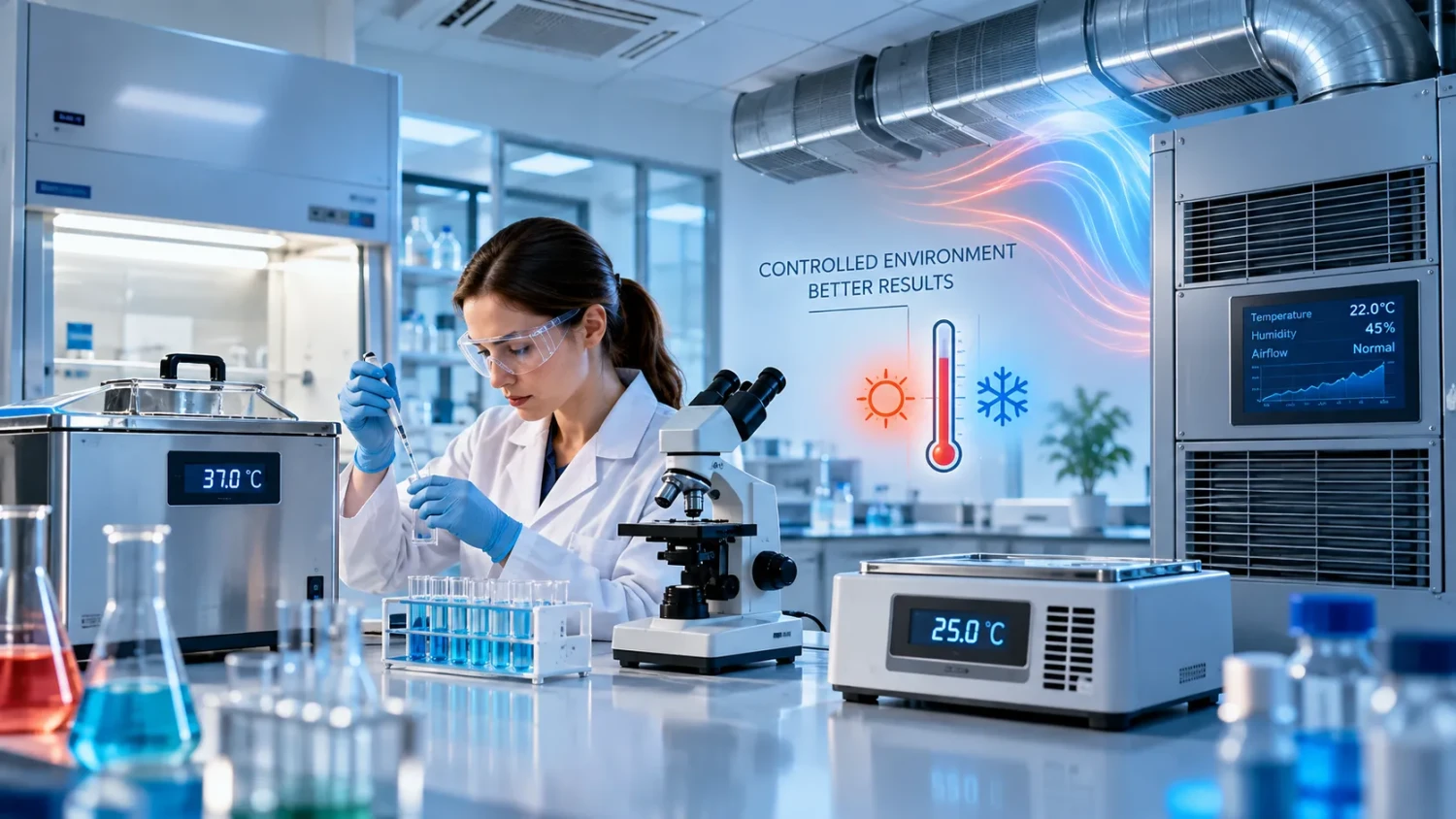
How Laboratory Heating & Cooling Equipment Improves Accuracy and Efficiency in Testing?
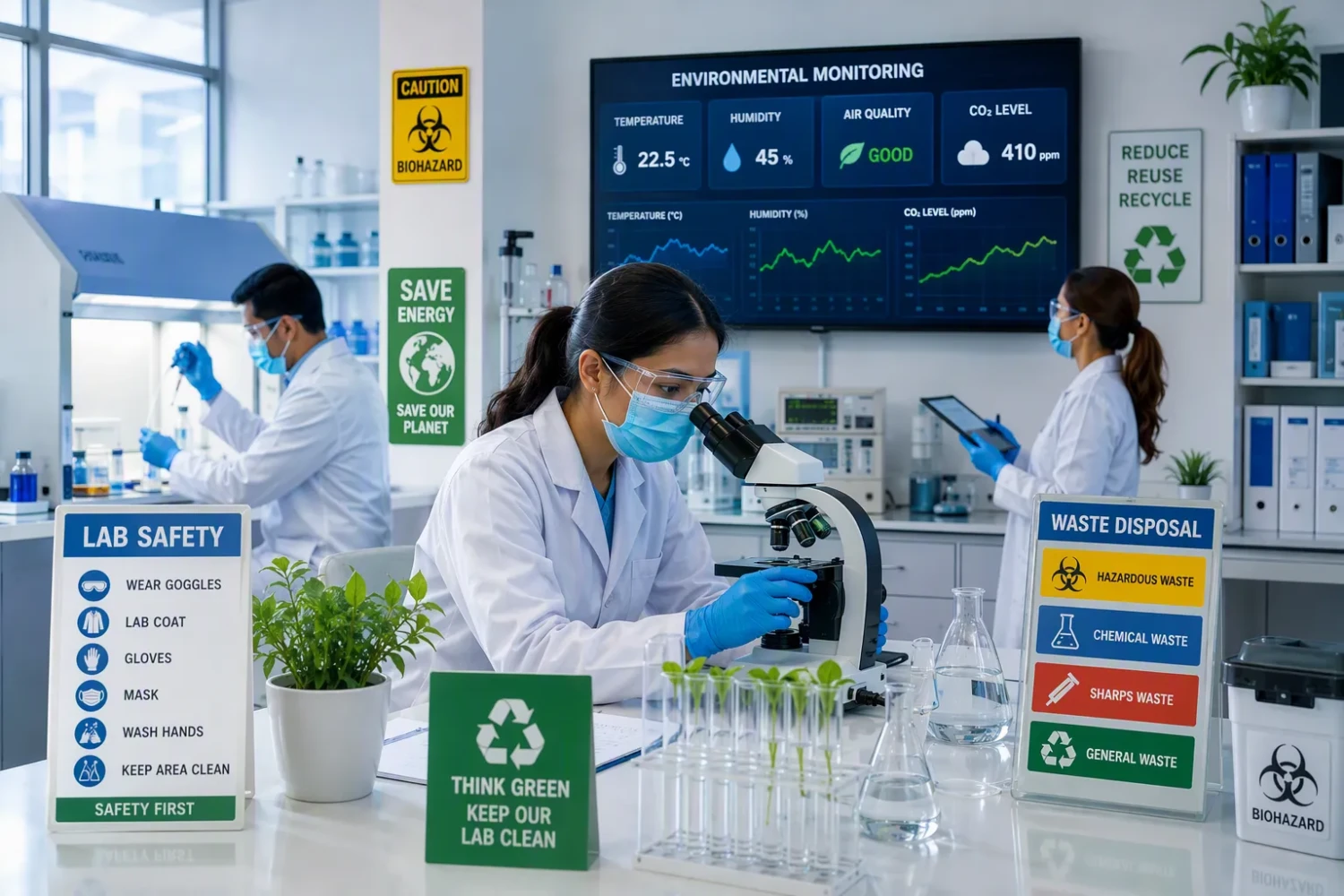
The Role of Laboratory Safety & Environmental Monitoring in Risk Prevention
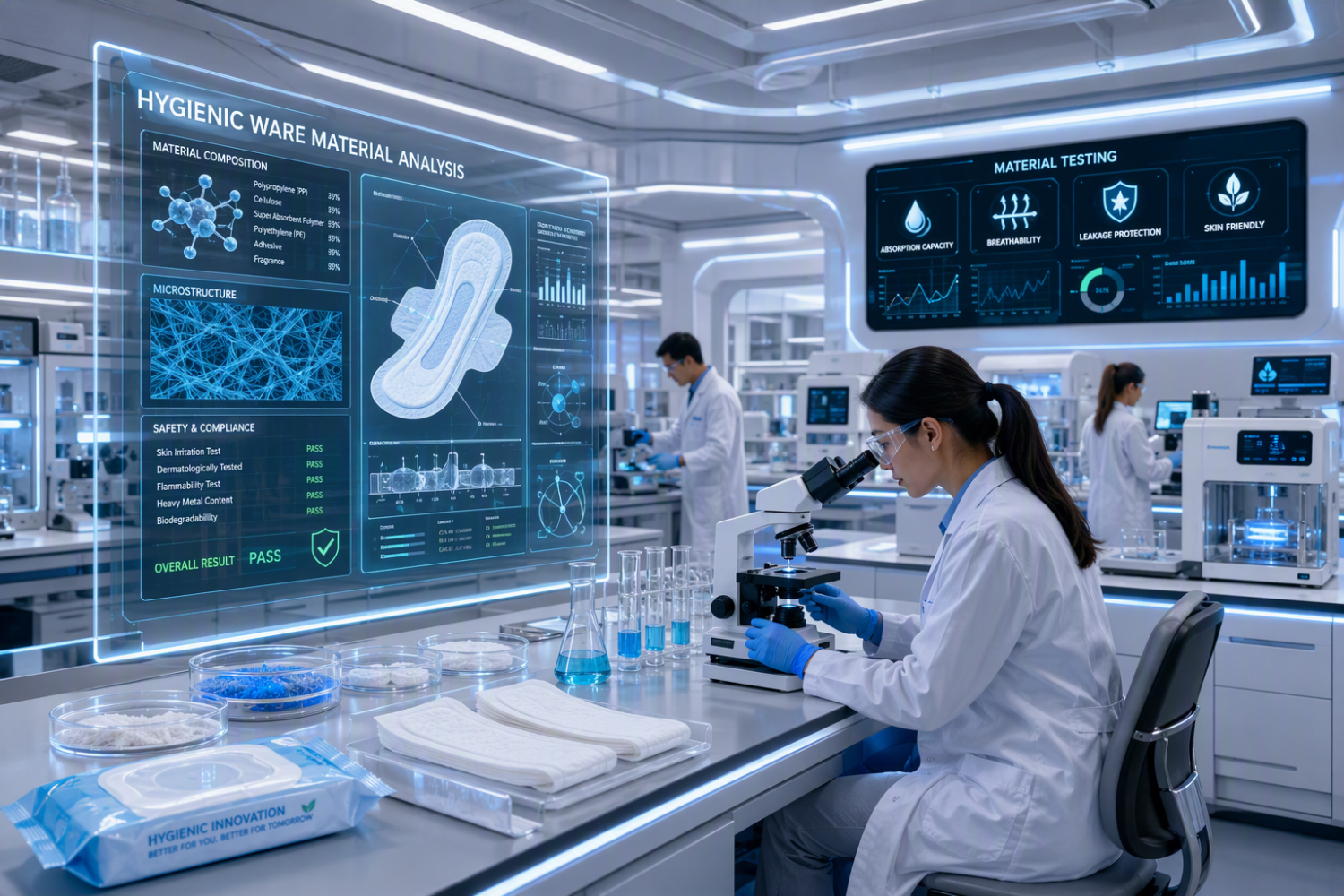
Health and Hygiene Ware Material Testing: Ensuring Quality, Safety, and Compliance
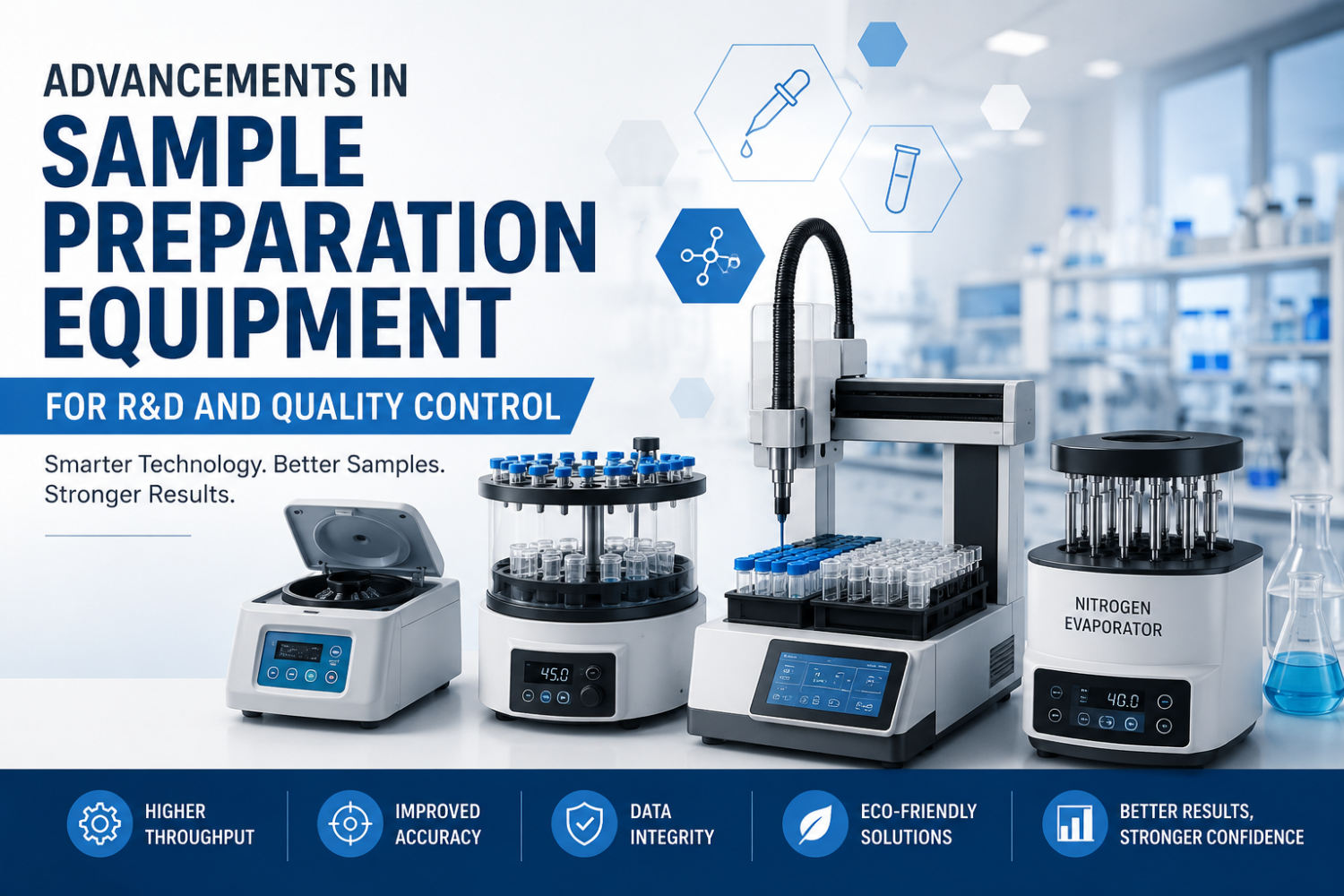
Advancements in Sample Preparation Equipment for R&D and Quality Control
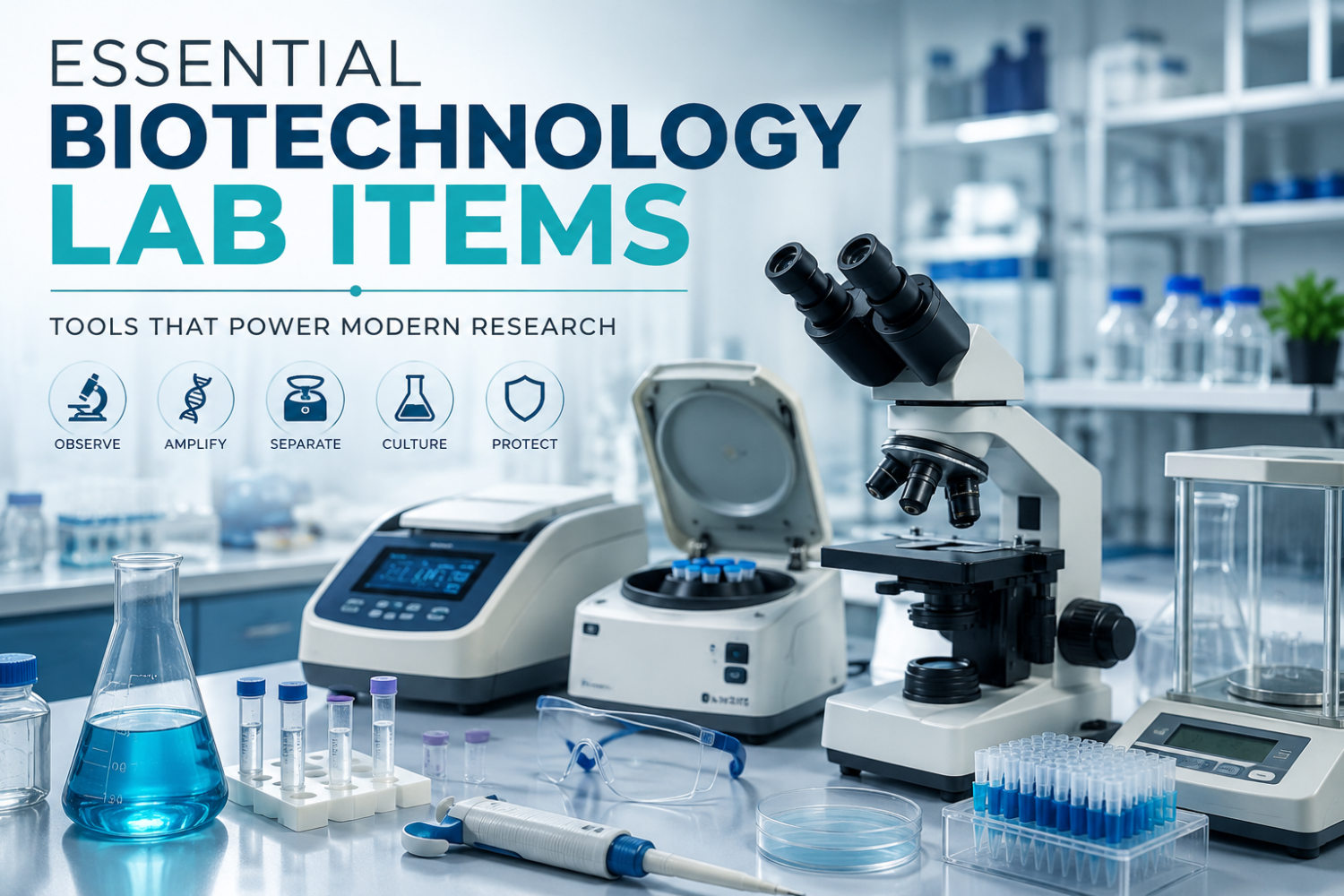
Essential Biotechnology Lab Items and Their Applications in Modern Research



Understanding ETP – Effluent Treatment Plant and Its Importance in Industry
Optimum Solution– Laboratory & Analytical Instruments Supplier in Bangladesh
Optimum Solution is a leading supplier of laboratory equipment, analytical instruments, and process control solutions in Bangladesh. Since our inception, we have built a strong presence in the industry, serving research labs, universities, pharmaceutical companies, and quality control laboratories nationwide. Through continuous dedication to improving our products and services, Optimum Solution has earned the trust and loyalty of our valued clients.


