
-
 Analytical & Elemental Instruments
-
Biotechnology Lab Items
-
Cardboard and Box Factory Lab Equipment Solution
-
Cleanroom Solution
-
Consumables & Accessories
-
Dosing Pump for Chemicals
-
Electrochemistry & Titration
-
ETP -Effluent Treatment Plant
-
Feed Quality Laboratory
-
Food & Kitchen Lab Items
-
Hygiene Testing Equipment
-
Lab Furniture




Difference Between Scientific Instruments and Analytical Instruments

In the world of science, precision and accuracy are everything. To achieve this, researchers rely on a vast array of tools and devices. You might have heard the terms scientific instrument and analytical instruments used, sometimes interchangeably. But are they really the same thing? While they are related, there is a distinct difference between them based on their specific instrumental functions. A scientific instrument is a broad category that covers any tool used to study natural phenomena. On the other hand, an analytical instrument is a more specialized tool designed specifically to figure out what a substance is made of and how much of each component is present. Think of it this way: one is a general toolbox, while the other contains highly specialized tools for a very specific job.
Have you ever wondered about the tools scientists use? While many fall under the umbrella of scientific instruments, there's a special category called analytical instruments. Understanding their differences is key to appreciating the world of research. Here are the main takeaways:
A scientific instrument is a broad term for any tool used for scientific purposes, from simple rulers to complex particle colliders.
Analytical instruments are a specialized subset of scientific instruments used to determine the composition of materials, both qualitatively and quantitatively.
The main difference lies in their purpose: scientific instruments have a wide range of functions, while analytical instruments focus specifically on chemical analysis.
Common scientific instruments include microscopes and thermometers, which are general-purpose appliances for observation and measurement.
Examples of analytical instruments include tools for mass spectrometry and nuclear magnetic resonance, which provide detailed information about a sample's chemical makeup.
Essentially, all analytical instruments are scientific instruments, but not all scientific instruments are analytical.
Overview of Scientific Instruments and Analytical Instruments
A scientific instrument can be any device or tool used for scientific purposes. This incredibly broad category includes everything from simple appliances like scales and thermometers to massive, complex machines like particle colliders. The primary goal of any scientific instrument is to help us observe, measure, and understand the world around us, whether we are studying natural events or conducting theoretical research.
In contrast, analytical instruments are a more defined category. They are specifically designed to perform chemical analysis. These instruments help scientists identify the components within a sample (qualitative analysis) and determine the exact amount of each component (quantitative analysis). So, while all analytical instruments are considered scientific instruments, they form a distinct subset focused entirely on revealing the chemical composition of materials.
Definitions and Key Features of Scientific Instruments
So, what exactly makes a tool a scientific instrument? Broadly, it's any device used for scientific study. This definition has evolved, but today it covers tools that help us investigate nature in either a qualitative or quantitative way. These instruments can be as simple as a ruler for measuring distance or as complex as a telescope for observing distant galaxies. Their core purpose is to extend our senses, allowing us to see, measure, or interact with phenomena that are otherwise beyond our natural abilities.
The key features of a scientific instrument are tied to its specific function. For instance, a microscope's key feature is magnification, allowing us to view objects invisible to the naked eye. A thermometer's defining feature is its ability to measure temperature. These tools are often straightforward in their instrumental functions, providing a direct measurement or observation. They are the fundamental appliances found in almost any lab or research setting.
Historically, these tools were designed and built by specialized instrument makers near universities or research hubs. If an instrument proved useful and was in high demand, it would often move into commercial production. This history shows that science isn't just about theories; it's a hands-on activity that depends heavily on the tools available. A scientific instrument serves as the bridge between our questions and the answers that nature holds.
Definitions and Key Features of Analytical Instruments
Analytical instruments are a specialized class of scientific tools focused on "the science and art of determining the composition of materials." Their purpose is to answer two main questions about a sample: "What is in it?" and "How much is in it?" This makes them essential in fields like pharmaceuticals, manufacturing, and environmental science, where knowing the exact makeup of a substance is critical. These instruments work by interacting with a sample in various ways, such as by making it absorb or emit radiation, and then measuring the resulting signal.
The defining feature of analytical instruments is their ability to provide detailed chemical information. For example, techniques like gas chromatography are used to separate a mixture into its individual components. Once separated, an instrument like a mass spectrometer can identify each component by measuring its mass-to-charge ratio. This dual-technique approach, often called GC-MS, is a powerful tool for identifying unknown substances in a sample.
Other key features include high sensitivity and accuracy. Instruments used for mass spectrometry or High-Performance Liquid Chromatography (HPLC) can detect tiny amounts of a substance with incredible precision. They rely on sophisticated software to control the instrument, collect data, and display the results. This level of detailed chemical analysis is what makes analytical instruments unique compared to more general scientific tools.
Core Differences Between Scientific Instruments and Analytical Instruments
The main difference between a scientific instrument and an analytical instrument comes down to scope and purpose. A scientific instrument is a very broad term, encompassing any tool used in scientific investigation. This can include anything from a simple beaker to a complex radio telescope. Its function might be to measure, observe, or create specific conditions for an experiment.
On the other hand, the purpose of analytical instruments is much more specific: they are designed exclusively for chemical analysis. Their job is to identify the chemical components of a sample and quantify them. This clear distinction in purpose is the basis for their classification. Therefore, while every analytical instrument is also a scientific instrument, the reverse is not true. The analytical category is a specialized subset within the larger world of scientific tools.
Purpose and Application in Scientific Research
In scientific research, the purpose of a general scientific instrument is incredibly varied. A microscope is used to magnify small objects, a centrifuge is used to separate materials by density, and a thermometer measures temperature. These tools perform a wide range of tasks necessary for conducting experiments. For example, some tools, like certain medical examination devices, are used for direct observation or measurement of physical properties. Their applications are broad, supporting nearly every field of science from biology to physics.
In contrast, analytical instruments are used in a lab for a very focused purpose: to analyze the chemical makeup of substances. Their application is centered on providing data about a sample's composition. For instance, in a pharmaceutical lab, an analytical instrument like an HPLC is used to ensure the final product has the correct amount of active ingredient. In environmental science, an atomic absorption spectrophotometer might be used to detect heavy metals in a water sample.
The role of an analytical instrument differs from other lab equipment because it provides chemical insight rather than just facilitating a process or measuring a physical property. While a beaker holds a liquid (a general scientific tool), an analytical instrument tells you what chemicals are in that liquid and in what concentrations. This makes analytical instruments indispensable for quality control, drug discovery, and forensic science, where understanding the chemical details is the primary goal.
Classification and Overlap Between the Two Categories
The classification of these instruments is based on their function. A scientific instrument is the parent category, while an analytical instrument is a specialized sub-category. Think of it like vehicles: "vehicle" is the broad term (scientific instrument), while "race car" is a specific type of vehicle built for a particular purpose (analytical instrument).
There is significant overlap between the two categories because every analytical instrument is, by definition, a scientific instrument. The confusion often arises because some instruments can be used for both general scientific purposes and specific analytical tasks. A spectrophotometer is a perfect example. It can be used as a general scientific tool to measure how a sample's light absorption changes over a range of wavelengths to provide structural information.
However, that same spectrophotometer can also be used as an analytical instrument to determine the concentration of a specific component in a solution by measuring light absorption at a single wavelength. This dual-use capability highlights the overlap. The key is how the instrument is being used. Here is a simple breakdown:
Feature | Scientific Instrument | Analytical Instrument |
|---|---|---|
Definition | Any tool used for scientific purposes. | A tool used to determine the chemical composition of a sample. |
Scope | Broad (measurement, observation, etc.). | Specific (qualitative and quantitative chemical analysis). |
Primary Goal | To study natural phenomena. | To identify and quantify chemical components. |
Relationship | A broad, overarching category. | A specialized subset of scientific instruments. |
Common Examples of Scientific and Analytical Instruments
To better understand the difference, let's look at some common examples. In the broad category of the scientific instrument, you'll find tools that are staples in almost any lab. These include microscopes for viewing tiny objects, calorimeters for measuring heat in chemical reactions, and thermometers for measuring temperature. Even simple tools like rulers and scales fall into this category, as do some medical examination devices used for general diagnostics.
For analytical instruments, the examples are more specialized and often have names that describe their function. Common examples include instruments for gas chromatography, which separates gases in a mixture, and high-performance liquid chromatography (HPLC), which does the same for liquids. Other popular analytical tools are mass spectrometers, which identify compounds by their mass, and various types of spectrophotometers that analyze how samples interact with light. These instruments provide detailed chemical data that general scientific tools cannot.
Widely Used Scientific Instruments in Laboratories
Laboratories across all scientific disciplines are filled with a variety of general scientific instruments. These tools are the workhorses of research, used for fundamental tasks like measurement, observation, and sample preparation. They are essential appliances for conducting experiments and gathering basic data. While some are simple, others can be quite complex, yet their purpose remains broad.
For example, a microscope is a classic scientific instrument that allows researchers to see cells, bacteria, and other microscopic structures. A calorimeter is used to study thermal properties by measuring heat flow. Even highly advanced technologies like nuclear magnetic resonance (NMR) spectrometers can be considered general scientific instruments when used to study the physical properties of nuclei, though they are more often used for analytical purposes to determine molecular structure. The function depends on the application.
Here are some widely used scientific instruments found in many labs:
Microscopes: For magnifying small objects.
Calorimeters: To measure heat changes in processes.
Thermometers: For measuring temperature.
Scales and Balances: To measure mass with precision.
Spectrophotometers: When used to measure light absorption across a broad wavelength range for general structural information.
Centrifuges: To separate components of a mixture based on density.
Popular Analytical Instruments and Their Roles
Analytical instruments are the specialists of the laboratory, providing detailed information about the chemical composition of a sample. Their roles are critical in fields that require precise quality control and identification of substances, such as the pharmaceutical, environmental, and food industries. These instruments perform analyses that are unique because they can separate, identify, and quantify specific molecules or elements within a complex mixture.
For example, gas chromatography (GC) is an analytical technique that separates volatile compounds in a sample. It is often paired with mass spectrometry (MS) in a GC-MS system. The GC separates the components, and the MS identifies each one, making it a powerful tool for detecting trace amounts of drugs, pollutants, or fragrances. This ability to break down a mixture and identify each part is a hallmark of analytical instrumentation.
Here are some popular analytical instruments and their specific roles:
High-Performance Liquid Chromatography (HPLC): Separates components in a liquid mixture.
Gas Chromatography (GC): Separates components in a gaseous mixture.
Mass Spectrometry (MS): Identifies compounds by measuring their mass-to-charge ratio.
Atomic Absorption (AA) Spectrophotometer: Determines the concentration of specific metallic elements.
Infrared (IR) Spectrometer: Identifies functional groups in molecules.
Inductively Coupled Plasma Spectrometer (ICP): Detects and measures trace elements with extreme sensitivity.
Conclusion
Understanding the difference between scientific instruments and analytical instruments is crucial for anyone involved in scientific research. Each type of instrument plays a unique role, with specific features and applications that cater to different needs. By familiarizing yourself with these differences, you can effectively choose the right tools for your projects and enhance your research outcomes. Whether you’re working in a laboratory or pursuing academic endeavors, having this knowledge will empower you to make informed decisions. If you're eager to deepen your understanding further, feel free to reach out for a free consultation today!
Read More: Optimum Solution
Frequently Asked Questions
Are analytical instruments a subset of scientific instruments?
Yes, analytical instruments are indeed a subset of scientific instruments. The term scientific instrument is a broad category that includes any tool used for scientific purposes, including basic appliances like beakers and scales. Analytical instruments are a specialized group within this category. Their instrumental functions are specifically focused on chemical analysis—determining the composition of a sample. This functional difference is the basis for their classification as a distinct subgroup.
How are analytical instruments used differently from other scientific tools?
Analytical instruments are used differently because they provide detailed chemical information that other tools cannot. While a general scientific instrument might measure a physical property like temperature, an analytical instrument identifies and quantifies substances. For example, techniques like gas chromatography separate mixtures, while mass spectrometry and nuclear magnetic resonance help identify the molecular structure of the separated components. They analyze a sample's interaction with energy, such as absorbing light at a specific wavelength, to reveal its chemical identity.
Why is it important to distinguish between scientific and analytical instruments?
Distinguishing between a general scientific instrument and an analytical instrument is crucial for effective research. This classification helps scientists choose the right instruments for their specific needs. Using a general tool when an analytical one is needed could lead to incomplete or incorrect conclusions. For instance, you can't determine the concentration of lead in water with a thermometer. Making the correct choice ensures that the experimental methods are appropriate, the data is relevant, and the research outcomes are valid and reliable.
Recent Posts

How Viscosity, Rheometer & Texture Analyzer Shape Product Quality in R&D Laboratories?
How Laboratory Heating & Cooling Equipment Improves Accuracy and Efficiency in Testing?

The Role of Laboratory Safety & Environmental Monitoring in Risk Prevention
Health and Hygiene Ware Material Testing: Ensuring Quality, Safety, and Compliance
Advancements in Sample Preparation Equipment for R&D and Quality Control
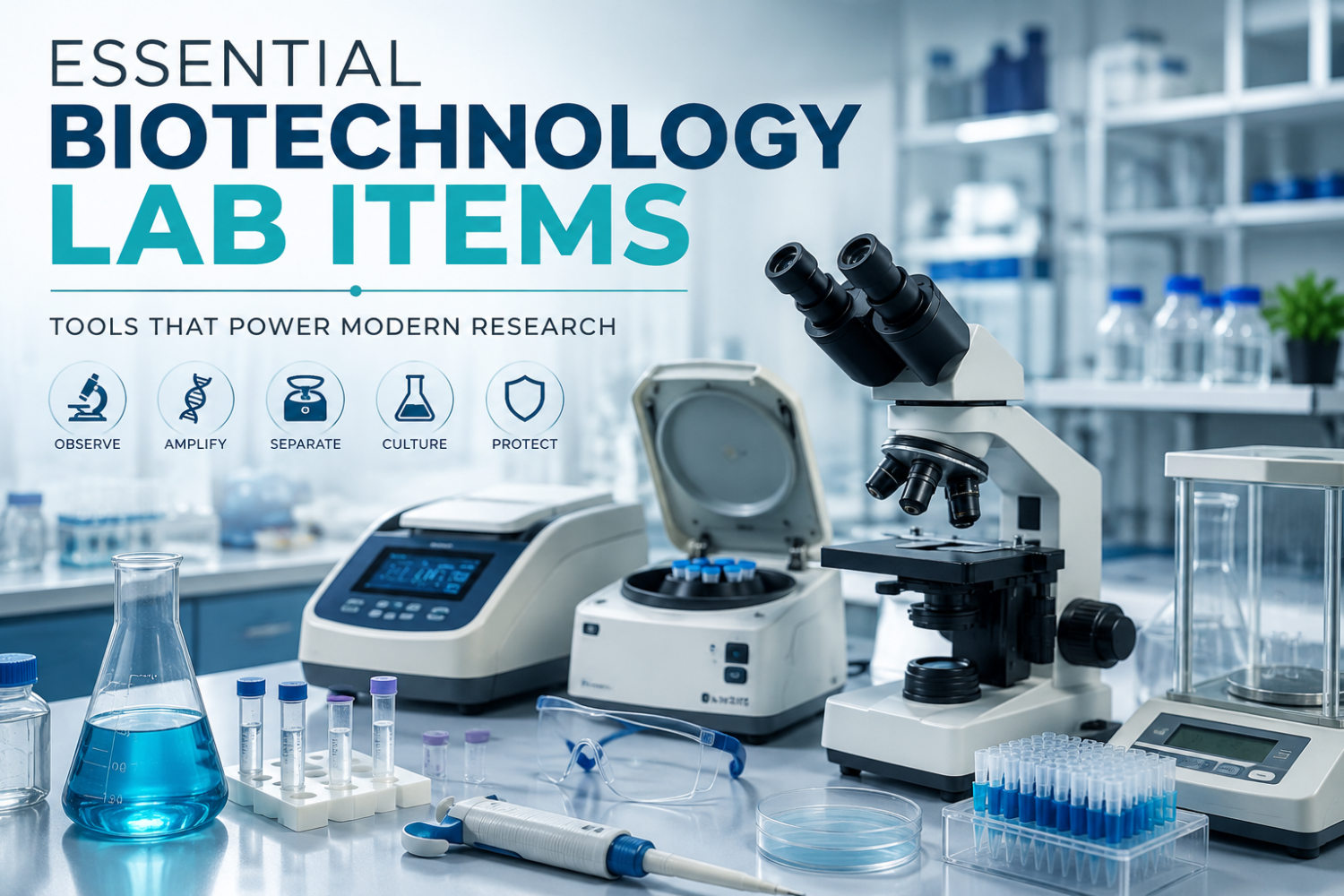
Essential Biotechnology Lab Items and Their Applications in Modern Research



Understanding ETP – Effluent Treatment Plant and Its Importance in Industry
Optimum Solution– Laboratory & Analytical Instruments Supplier in Bangladesh
Optimum Solution is a leading supplier of laboratory equipment, analytical instruments, and process control solutions in Bangladesh. Since our inception, we have built a strong presence in the industry, serving research labs, universities, pharmaceutical companies, and quality control laboratories nationwide. Through continuous dedication to improving our products and services, Optimum Solution has earned the trust and loyalty of our valued clients.


