
-
 Analytical & Elemental Instruments
-
Biotechnology Lab Items
-
Cardboard and Box Factory Lab Equipment Solution
-
Cleanroom Solution
-
Consumables & Accessories
-
Dosing Pump for Chemicals
-
Electrochemistry & Titration
-
ETP -Effluent Treatment Plant
-
Feed Quality Laboratory
-
Food & Kitchen Lab Items
-
Hygiene Testing Equipment
-
Lab Furniture



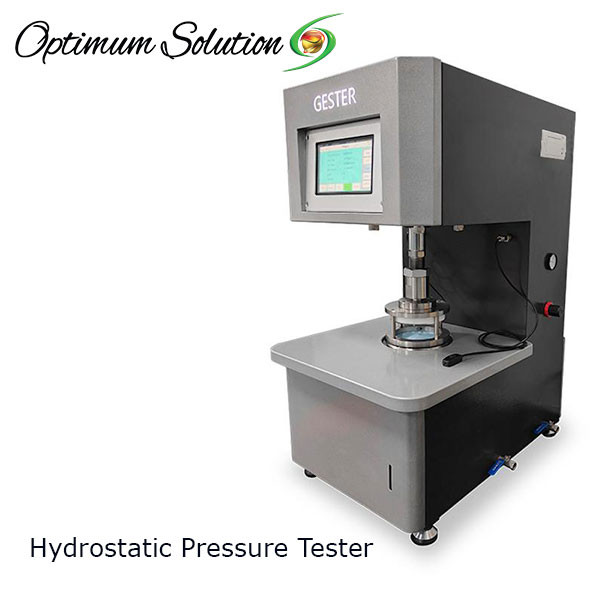

Top 20 Essential Laboratory Equipment for Modern Research Labs

Welcome to the world of scientific research! Equipping a modern lab is a critical step toward discovery and innovation. The right laboratory equipment is the backbone of any successful research facility, enabling scientists and students to conduct experiments with accuracy and confidence. From basic glassware to complex analytical instruments, each piece of lab equipment plays a vital role. This guide will walk you through the top 20 essential tools that every modern research lab needs. Whether you are setting up a new lab or upgrading an existing one, understanding which laboratory apparatus is crucial will help you build an environment ready for groundbreaking scientific progress. Let's get started on creating a well-equipped space for your important work.
Key Highlights
Having the right laboratory equipment is crucial for success in modern research labs. These essential tools make scientific experiments possible and ensure results are accurate. Let's look at some key takeaways from this guide.
Modern research labs require a mix of basic and specialized laboratory equipment to support various scientific experiments.
Essential tools like balances, pipettes, and glassware are fundamental for making precise measurements and handling materials.
Specialized instruments such as spectrophotometers and centrifuges are vital for advanced analysis in chemistry and life sciences.
Safety equipment, including safety cabinets and eyewash stations, is non-negotiable for protecting personnel from harm.
Proper maintenance and care for all lab equipment ensure longevity, reliable performance, and quality assurance in your research.
Choosing the right tools involves considering your lab's specific needs, budget, and compliance with safety standards.
Overview of Essential Laboratory Equipment for Modern Research Labs
A well-stocked research lab is a place where ideas turn into discoveries. The laboratory equipment you choose forms the foundation for all your work, from simple measurements to complex analyses. This equipment list covers tools that are fundamental across various scientific disciplines, including chemistry, biology, and materials science. Having a versatile set of instruments ensures your lab can handle a wide range of experiments and research projects.
Understanding the function of each piece of equipment is key to setting up an efficient lab. This guide breaks down the essential tools into categories, covering everything from basic measurement devices and glassware to specialized analytical instruments. We'll explore what makes each item a must-have and how it contributes to the overall success of your research facility.
Defining Laboratory Equipment for Scientific Research
When we talk about laboratory equipment, we're referring to the various tools and devices used by scientists to conduct experiments. These laboratory tools are the hands-on components of scientific research, allowing for observation, measurement, and manipulation of materials. Think of them as the building blocks of scientific progress. Without them, even the most brilliant ideas would remain just that—ideas.
The scope of laboratory apparatus is vast. It ranges from simple items like test tubes and beakers to highly sophisticated machines like spectrophotometers and centrifuges. Each piece serves a specific purpose, whether it's holding a liquid, measuring a precise amount of a substance, or analyzing a sample at the molecular level. The combination of these tools allows researchers to follow scientific methods and produce reliable, repeatable results.
Ultimately, the goal of using this equipment is to gather data and test hypotheses. Modern scientific research relies on accuracy and precision, and the quality of your laboratory equipment directly impacts the quality of your findings. By equipping your lab with the right tools, you create an environment where curiosity can flourish and lead to meaningful discoveries that push the boundaries of knowledge.
Criteria for Ranking Essential Equipment
Choosing the right laboratory tools for your facility isn't just about picking items from a catalog. Several factors determine which pieces of essential equipment should be on your priority equipment list. The primary consideration is the specific type of research your lab will conduct. A biology lab will have different needs than a chemistry lab, so aligning your purchases with your research focus is paramount.
Another key factor is quality and reliability. High-quality equipment ensures accurate results and longevity, providing better value over time. It's also important to consider safety features and compliance with regulatory standards to protect your team and ensure data integrity. When creating your equipment list, balancing functionality, cost, and quality assurance is the best approach.
To help you make an informed decision, here are some key criteria to consider before making a purchase.
Criteria | Description |
|---|---|
Functionality | Does the equipment perform the specific tasks required for your research? Consider multi-functional tools to save space and budget. |
Accuracy & Precision | How reliable are the measurements? For quantitative analysis, this is a non-negotiable factor. |
Safety & Compliance | Does it meet safety standards (e.g., FDA, ISO)? Look for built-in safety features to protect users. |
Durability & Lifespan | Is the equipment built to last? Consider the materials and construction, as well as the manufacturer's reputation. |
Cost-Effectiveness | What is the total cost of ownership, including purchase price, maintenance, and consumables? |
Supplier Support | Does the vendor offer installation, training, and ongoing technical support? A reliable supplier is a valuable partner. |
Must-Have Basic Tools for Accurate Measurements
At the heart of every scientific experiment lies the need for accurate results. This is where basic measurement tools come into play. These essential tools are the workhorses of the lab, ensuring that every quantity, from mass to volume, is measured with precision. Without reliable data from the very beginning, the entire experiment can be compromised. Therefore, investing in high-quality instruments for precise measurements is a fundamental step in setting up any research lab.
From analytical balances that can measure tiny amounts of a substance to pipettes that transfer exact volumes of liquid, these tools lay the groundwork for reproducible science. They might seem simple, but their role is incredibly important. In the following sections, we will take a closer look at some of these indispensable measurement devices and understand why they are so critical for your daily lab operations.
Balances and Scales: Precision in Data Collection
When it comes to quantitative analysis, few tools are more important than balances and scales. These instruments are designed for one primary purpose: to provide precise measurements of mass. In scientific research, accuracy is everything, and even a tiny error in measurement can lead to flawed conclusions. That’s why high-quality analytical balances are a cornerstone of any well-equipped lab.
Different types of balances offer varying levels of precision, catering to different needs. For tasks requiring the highest accuracy, such as preparing standards or weighing small amounts of reagents, analytical balances are the go-to choice. For general-purpose weighing, bench scales might be sufficient. The key is to choose the right tool for the job to ensure your data is reliable.
These devices are used in a wide range of applications across all scientific disciplines. Some common uses include:
Weighing chemicals for solution preparation.
Measuring samples for quantitative analysis.
Determining the mass of materials before and after a reaction.
Performing density measurements.
By ensuring precision in data collection from the start, balances and scales play a crucial role in the integrity of your research.
Pipettes and Micropipettes: Handling Liquids Safely
In many experiments, especially in biology and chemistry, the ability to transfer small, exact volumes of liquid is essential. This is where pipettes and micropipettes come in. These liquid handling systems are designed to aspirate and dispense liquids with high accuracy, ensuring that your experiments are both precise and repeatable. Whether you're preparing a dilution series or adding a reagent to a reaction, the right pipette makes all the difference.
Micropipettes are particularly crucial in molecular biology and other fields where researchers work with very small volumes, often in the microliter range. Using these tools correctly is a fundamental skill for any scientist, as it directly impacts the reliability of the results. Modern pipettes are often designed with ergonomics in mind to reduce user fatigue during repetitive tasks.
Beyond just accuracy, using pipettes and micropipettes is also a matter of safety. They allow you to handle liquids, including potentially harmful substances, without direct contact. This minimizes the risk of contamination and exposure. Investing in a good set of pipettes and ensuring they are regularly calibrated is a smart move for any lab that wants to achieve accurate results while maintaining a safe working environment.
Glassware and Plasticware Vital for Experiments
No lab is complete without a wide range of glassware and plasticware. These laboratory containers are the most basic and frequently used items in any scientific setting. From holding and mixing chemicals to cultivating cells, their versatility is unmatched. You'll find everything from beakers and flasks to test tubes and petri dishes in a well-stocked lab, each designed for specific tasks.
While they may seem simple, the choice between glass and plastic, and the specific type of container, can be very important. Glass, for example, is resistant to many chemicals and can withstand high temperatures, while plastic is often more durable and disposable. The upcoming sections will explore some of the most common types of glassware and plasticware and highlight their primary roles in supporting experiments.
Beakers, Flasks, and Test Tubes: Versatile Laboratory Containers
Beakers, flasks, and test tubes are iconic pieces of laboratory apparatus, and for good reason. This essential glassware forms the backbone of daily lab work, serving as versatile containers for a multitude of tasks. Available in various sizes, they are used for everything from mixing solutions and heating liquids to running small-scale reactions. Their simple design makes them easy to use, clean, and store.
Beakers are cylindrical containers with a flat bottom and a lip for pouring, making them ideal for holding and mixing liquids. Flasks, with their narrower necks, are better for swirling liquids without splashing and can be stoppered for storage or to prevent evaporation. Test tubes are small, cylindrical vessels used to handle and observe small quantities of samples, especially in chemical experiments.
These containers are fundamental to lab operations. Their common applications include:
Holding reagents and solutions during an experiment.
Mixing chemicals and creating solutions.
Heating substances over an open flame (with appropriate glassware like borosilicate).
Conducting simple chemical reactions.
Collecting samples for analysis.
While they may not be the most high-tech items in the lab, their importance cannot be overstated.
Petri Dishes and Well Plates: Supporting Biological Studies
When research moves into the realm of biology, a different set of containers becomes essential. Petri dishes and well plates are fundamental tools for anyone working with cell culture, microorganisms, or other biological samples. These plasticware items provide a sterile environment for growing and observing living cells, making them indispensable in fields like molecular biology and microbiology.
Petri dishes are shallow, circular dishes with lids that are used to culture bacteria, fungi, and other microorganisms on a solid medium. Their transparent design allows for easy observation of colony growth without disturbing the culture. They are a classic tool for isolating and identifying different types of microbes.
Well plates, on the other hand, are flat plates with multiple "wells" that function as small, individual test tubes. They come in various formats, such as 6-well, 24-well, or 96-well plates, allowing researchers to run many experiments simultaneously in a compact format. This is incredibly efficient for high-throughput screening, drug testing, and other applications where multiple biological samples need to be processed and analyzed in parallel.
Specialized Equipment for Chemistry and Life Sciences
While basic tools are essential, modern research often requires more specialized laboratory equipment to analyze samples and perform complex procedures. Different scientific disciplines rely on specific instruments to push the boundaries of knowledge. In chemistry and the life sciences, certain pieces of equipment have become standard for obtaining detailed analytical data.
Instruments like spectrophotometers and centrifuges are prime examples of this specialized gear. They perform functions that are impossible to do manually, such as measuring the light absorbance of a sample or separating components of a mixture by density. In the following sections, we will explore how these powerful tools work and why they are so vital for advanced research in a modern lab.
Spectrophotometers: Analyzing Samples Efficiently
Spectrophotometers are powerful analytical instruments that have a home in almost every chemistry and molecular biology lab. Their primary function is to measure the amount of light that a sample absorbs or transmits at specific wavelengths. This information can be used to determine the concentration of a substance in a solution, making it an invaluable tool for quantitative analysis.
The process is simple in principle: a beam of light is passed through a sample, and a detector on the other side measures how much of that light made it through. By comparing the initial light intensity to the final intensity, the instrument calculates the absorbance. This technique is used in a wide variety of applications, from determining the concentration of DNA or protein in a sample to monitoring the progress of a chemical reaction.
Modern spectrophotometers are incredibly efficient, providing quick and accurate readings. They can scan across a range of wavelengths to generate an absorbance spectrum, which can help identify unknown compounds or assess the purity of a sample. Their versatility and reliability make them one of the most important analytical tools for any research lab focused on quantitative work.
Centrifuges: Separating Substances with Speed and Accuracy
Separating components of a mixture is a common task in many lab procedures, and when it comes to speed and efficiency, nothing beats a centrifuge. This piece of laboratory equipment spins samples at very high speeds, creating a strong centrifugal force. This force causes denser particles to migrate to the bottom of the tube, while less dense components remain in the liquid above.
This process, called centrifugation, is fundamental in biological research. It's used to separate cells from plasma in blood samples, pellet cells from a culture medium, and isolate organelles from cell lysates. Different types of centrifuges, such as microcentrifuges for small sample volumes and larger, refrigerated models, provide a controlled environment to handle sensitive materials.
The ability to quickly and cleanly separate substances is critical for sample preparation. Before you can analyze a specific component, you often need to isolate it from a complex mixture. Centrifuges make this possible, providing a simple yet powerful method for purification and separation. Their use is so widespread that it's hard to imagine a modern life science lab without one.
Safety and Maintenance of Essential Lab Equipment
Owning the best laboratory tools is only half the battle; ensuring they are used safely and maintained properly is just as important. A culture of safety is non-negotiable in any research setting. Implementing clear safety protocols and providing essential safety equipment protects your most valuable asset: your people. This includes everything from personal protective equipment to emergency stations.
Furthermore, regular maintenance is key to the longevity and reliability of your equipment. A well-cared-for instrument provides accurate data and is less likely to break down, saving you time and money in the long run. The next sections will cover the essential safety gear your lab needs and provide practical tips for keeping your tools in top working condition.
Safety Cabinets and Eyewash Stations: Ensuring Laboratory Security
Safety should always be the top priority in any laboratory. Working with harmful substances and potentially dangerous equipment requires a robust safety infrastructure. Essential safety installations like safety cabinets, safety showers, and eyewash stations are not just recommended—they are critical for protecting lab personnel from chemical splashes, fires, and other emergencies.
Safety cabinets, such as fume hoods, are designed to contain and vent away toxic fumes, protecting the user and the lab environment from exposure to harmful substances. Eyewash stations and safety showers provide immediate access to water to rinse off chemicals in case of accidental contact with the skin or eyes. Having these readily accessible and ensuring everyone knows how to use them is a cornerstone of lab safety.
In addition to these installations, personal protective equipment (PPE) is a must. Every person in the lab should have access to and be required to use proper PPE. This includes:
Lab coats to protect clothing and skin.
Safety goggles to shield the eyes from splashes and projectiles.
Gloves to prevent direct contact with chemicals and biological samples.
Fire extinguishers placed in accessible locations.
Together, these elements create a secure environment where research can be conducted with minimal risk.
Tips for Maintaining and Caring for Research Lab Tools
Proper maintenance of your laboratory tools is crucial for ensuring quality assurance and extending the lifespan of your investment. Well-maintained essential lab equipment performs reliably, produces accurate results, and is less prone to unexpected failures that can delay your research. A proactive approach to care is always better than a reactive one.
Developing a routine maintenance schedule is the first step. This should include daily, weekly, and monthly checks depending on the instrument. Simple tasks like cleaning spills immediately, covering instruments when not in use, and ensuring they are operated in a suitable environment (e.g., with stable temperatures) can make a big difference.
To keep your essential lab equipment in optimal condition, follow these simple tips:
Read the Manual: Always follow the manufacturer's instructions for operation, cleaning, and maintenance.
Regular Cleaning: Keep equipment clean from dust, dirt, and chemical residues.
Calibration: Regularly calibrate measurement instruments like balances and pipettes to ensure accuracy.
Inspect for Wear: Periodically check for signs of wear and tear, such as frayed cords or cracked glassware, and replace them as needed.
Keep a Log: Maintain a maintenance log for each major piece of equipment to track service history and schedule future maintenance.
Conclusion
In summary, having the right laboratory equipment is crucial for the success of any modern research lab. From precise measurement tools to specialized equipment for advanced studies, each item plays a vital role in ensuring accurate results and safety. By understanding the importance of these essential tools, you can enhance your laboratory's efficiency and effectiveness. Remember to prioritize quality and maintenance to prolong the life of your equipment and ensure optimal performance. If you have any questions or need assistance in selecting the best tools for your lab, don’t hesitate to reach out for a free consultation. Equip your lab for success today!
Read About: Optimum Solution
Frequently Asked Questions
Are there differences between essential lab equipment for chemistry and biology labs?
Yes, there are definite differences, though some essential lab equipment is common to both. A chemistry lab will prioritize glassware resistant to chemicals and heat, along with fume hoods for handling volatile substances. Biology labs, on the other hand, will have a greater need for incubators, centrifuges, microscopes, and sterile equipment like petri dishes for cell culture work. The specific laboratory equipment needed depends heavily on the scientific disciplines being studied.
What factors should you consider before buying laboratory equipment?
Before purchasing laboratory equipment, consider several key factors. First, define your research needs to ensure the essential equipment has the right functionality. Look for quality assurance and reliability to guarantee accurate results. Evaluate the safety features to protect your team. Finally, consider the total cost of ownership, including the purchase price, maintenance, and support from the supplier. Balancing these factors will help you make a smart investment for your research facility.
How do you choose the right equipment for a university research facility?
Choosing the right equipment for a university research facility involves a strategic approach. Start by assessing the needs of the scientific research and teaching programs you'll be supporting. Create a detailed equipment list based on this assessment. Prioritize versatile, durable, and user-friendly essential tools that can serve multiple purposes. Also, consider working with reliable suppliers who offer academic discounts, training, and robust support to maximize the value of your investment in laboratory equipment.
Recent Posts
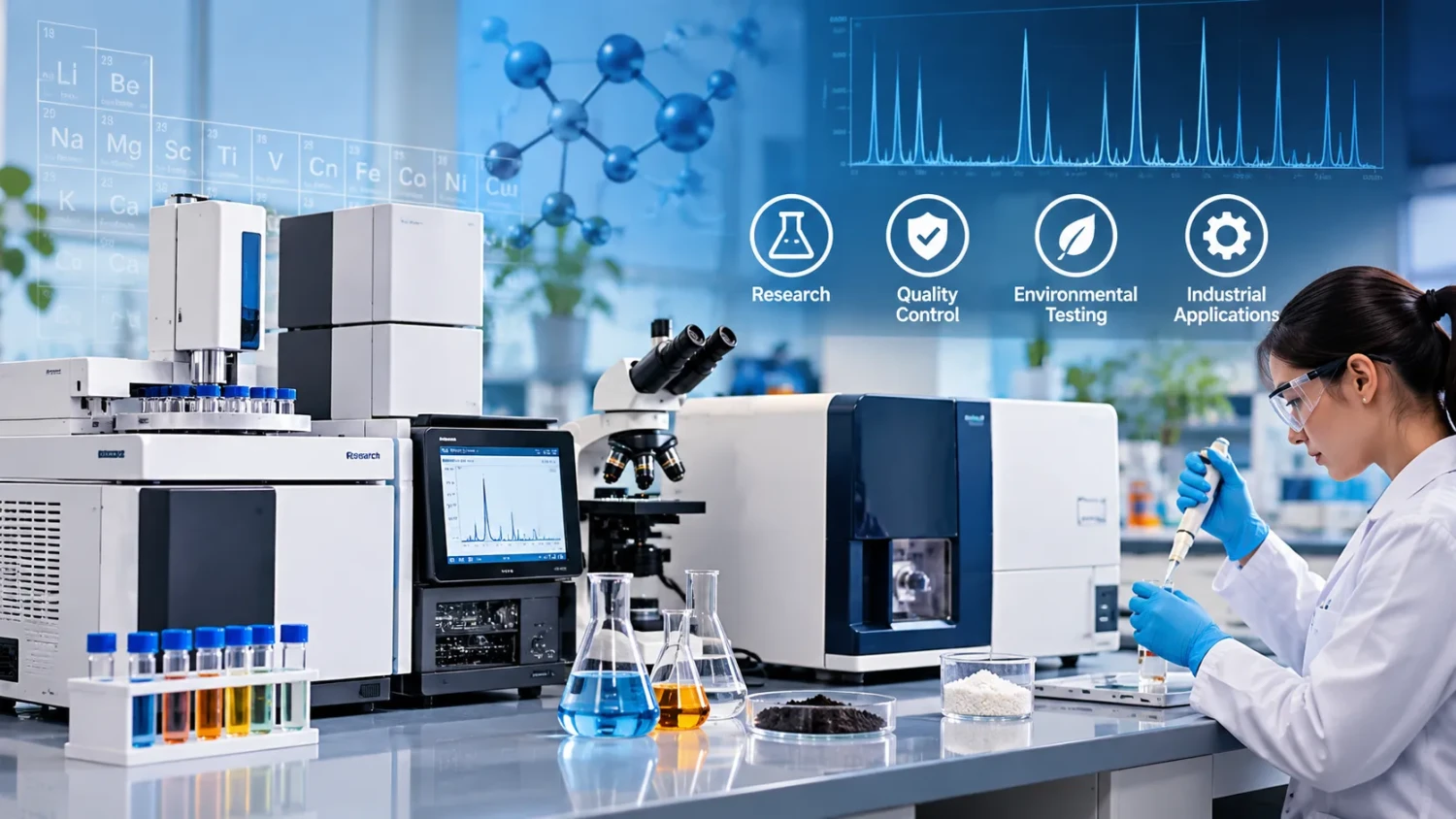
Analytical & Elemental Instruments: Empowering Accurate Analysis for Research, Quality Control, and Industrial Applications


How Viscosity, Rheometer & Texture Analyzer Shape Product Quality in R&D Laboratories?
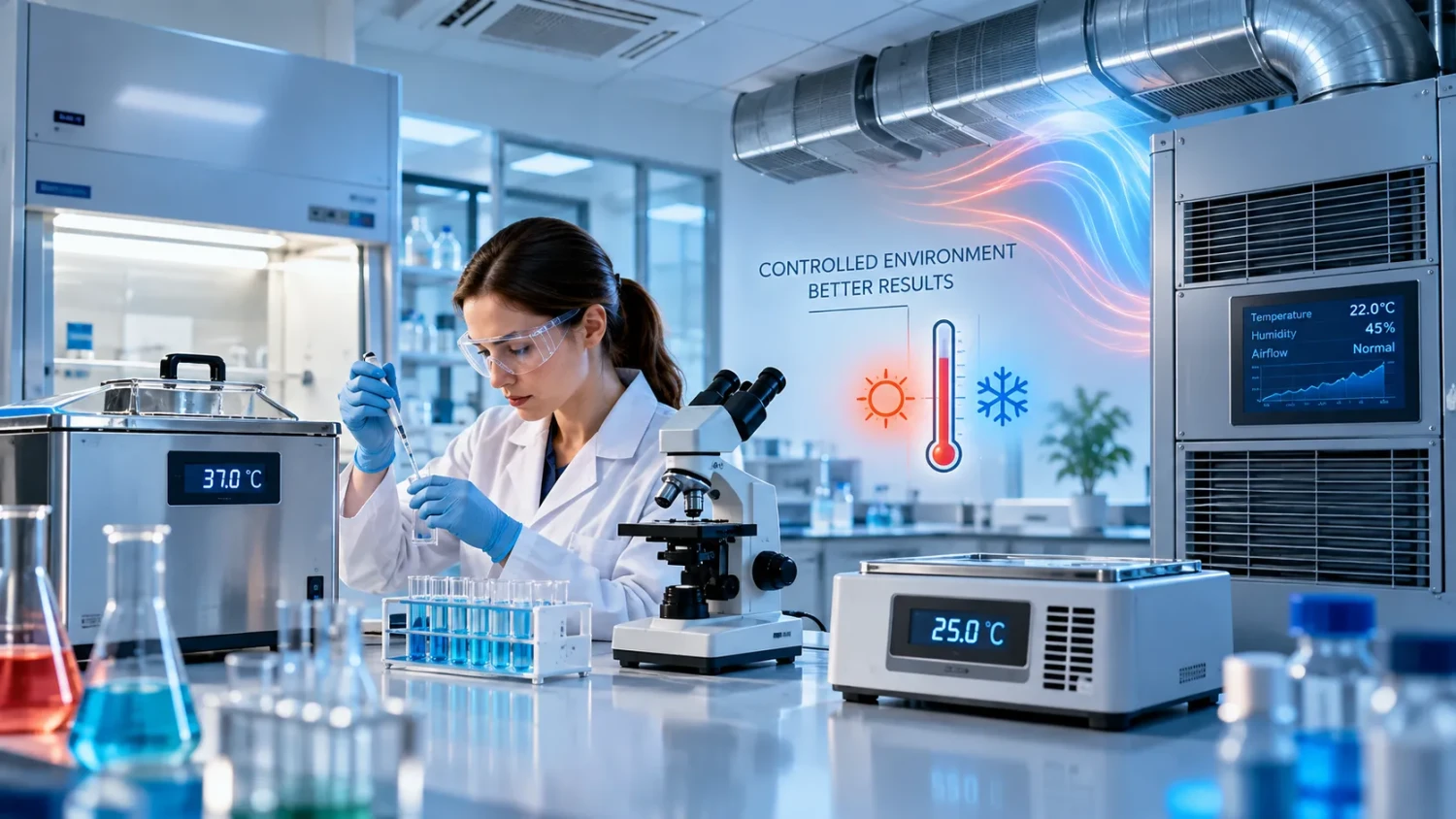
How Laboratory Heating & Cooling Equipment Improves Accuracy and Efficiency in Testing?
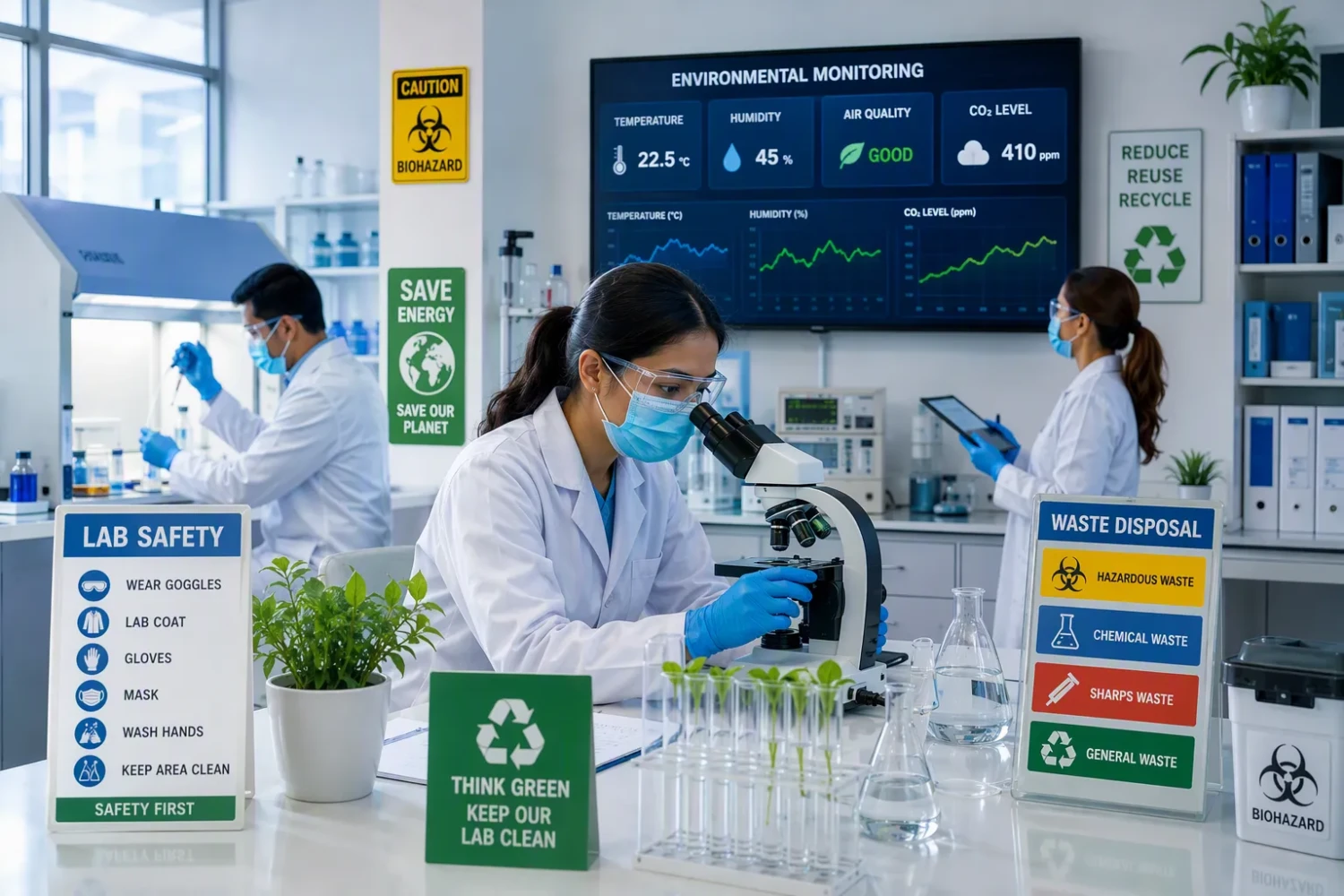
The Role of Laboratory Safety & Environmental Monitoring in Risk Prevention
Health and Hygiene Ware Material Testing: Ensuring Quality, Safety, and Compliance
Advancements in Sample Preparation Equipment for R&D and Quality Control
Essential Biotechnology Lab Items and Their Applications in Modern Research

Optimum Solution– Laboratory & Analytical Instruments Supplier in Bangladesh
Optimum Solution is a leading supplier of laboratory equipment, analytical instruments, and process control solutions in Bangladesh. Since our inception, we have built a strong presence in the industry, serving research labs, universities, pharmaceutical companies, and quality control laboratories nationwide. Through continuous dedication to improving our products and services, Optimum Solution has earned the trust and loyalty of our valued clients.


