
-
 Analytical & Elemental Instruments
-
Biotechnology Lab Items
-
Cardboard and Box Factory Lab Equipment Solution
-
Cleanroom Solution
-
Climatic Aging Chamber
-
Consumables & Accessories
-
Dosing Pump for Chemicals
-
Electrochemistry & Titration
-
Electronics
-
ETP -Effluent Treatment Plant
-
Feed Quality Laboratory
-
Food & Kitchen Lab Items



Laboratory Plastic and Glassware: Choosing the Right Tools for Accurate Scientific Work
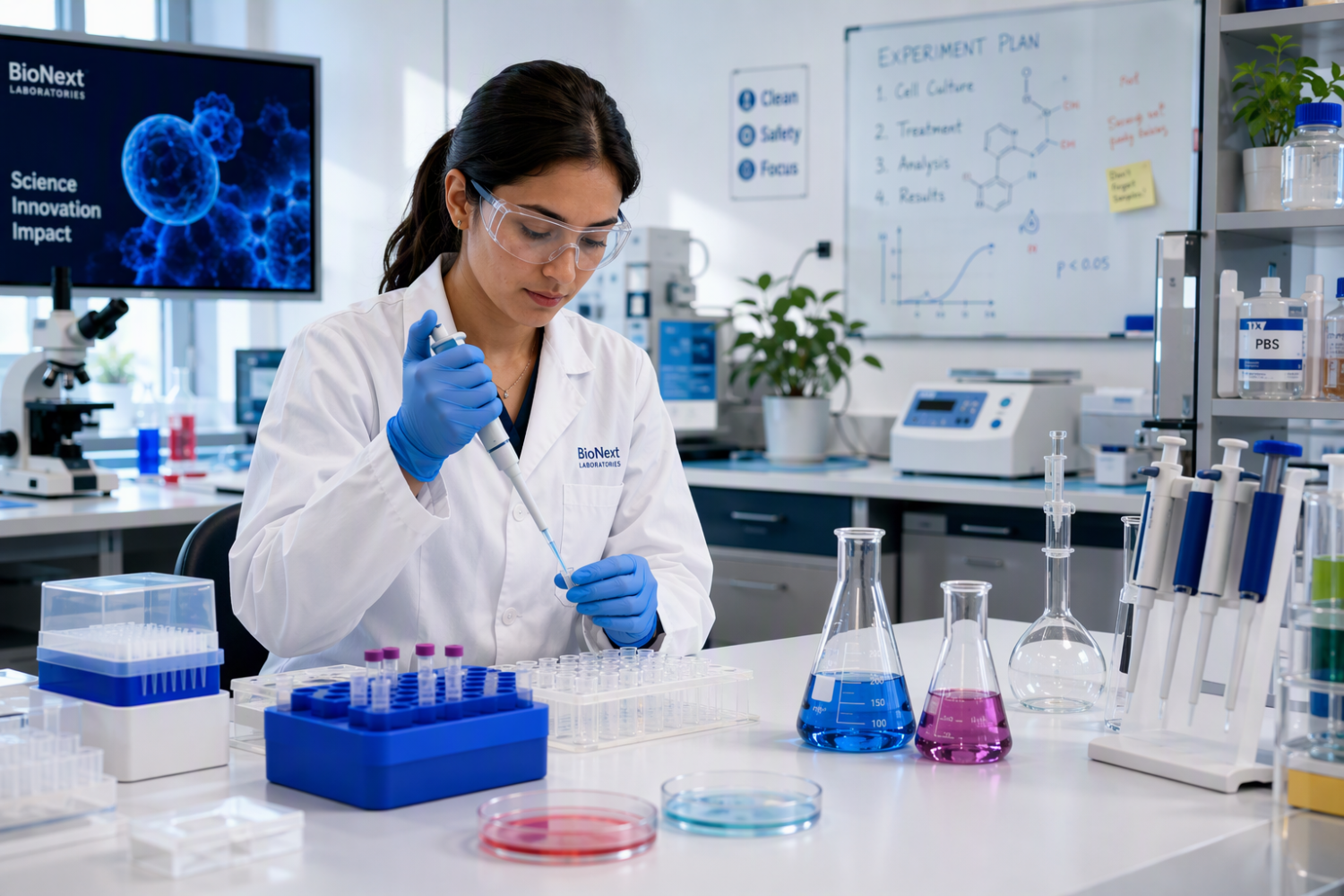
Choosing between laboratory glassware and plastic tools affects accuracy, safety, and daily workflow. In any lab, the right lab equipment helps you measure better, handle materials with less risk, and avoid problems tied to chemical compatibility. Some jobs need high heat resistance and exact volume control. Others call for lightweight, convenient handling. When you match the container to the task, your work becomes more reliable. That is why understanding both materials matters before you set up an experiment.
Key Highlights
Laboratory glassware supports heat-heavy tasks and accurate measurements in demanding lab work.
Laboratory plasticware is lighter and often better for routine handling, small volumes, and safer transport.
Chemical resistance and chemical compatibility should guide every tool choice before use.
Glass is often the best choice for chemical synthesis, high temperatures, and precision work.
Plastic fits everyday use, cold storage, and many disposable applications.
Good cleaning, storage, and safety habits help both materials last longer and perform reliably.
Understanding Laboratory Plasticware and Glassware
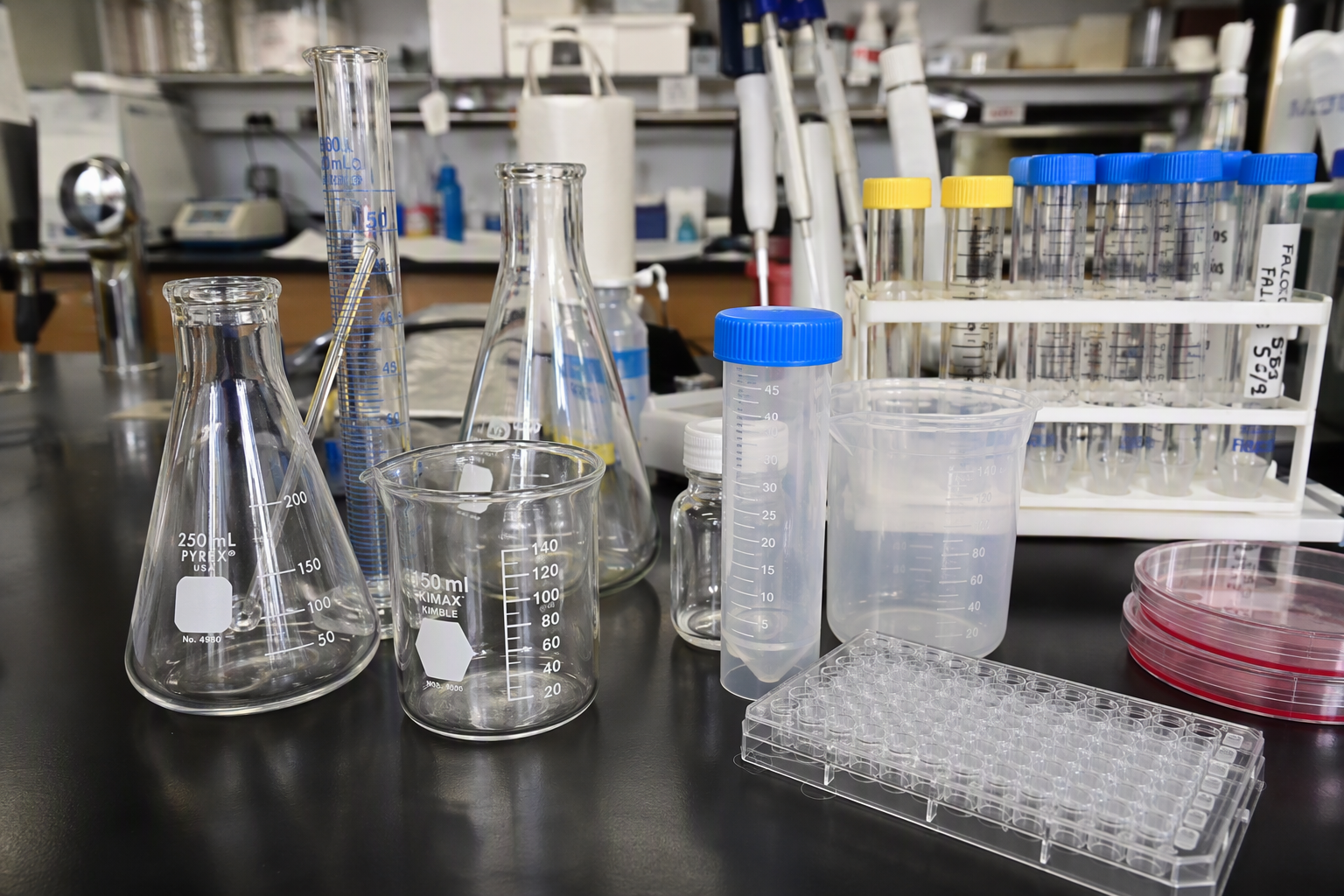
In daily lab work, laboratory glassware and laboratory plasticware both play important roles. You use them to hold, transfer, measure, store, or process materials during testing and research. Their value depends on how well they support the task in front of you.
The main differences come down to chemical resistance, heat handling, durability, and how they perform during chemical reactions. Glass often supports higher temperatures and precision work, while plastic is useful for many routine tasks. That comparison becomes clearer when you look at the materials used to make each tool.
Key Materials Used in Laboratory Tools
Material choice shapes how well your lab glassware performs. It affects chemical resistance, response to high temperatures, and whether a vessel stays reliable during repeated use. If you want better control in chemical work, the first thing is choosing the right material for the job.
Common materials include:
Borosilicate glass: the standard for professional laboratories because it handles high heat and sudden temperature changes well.
Soda-lime glass: used in some different kinds of glass items, though less robust than borosilicate glass.
Plastic options: often selected for convenience, lighter handling, and routine lab work.
Glass with thick walls: found in tools like filter flasks for pressure changes and vacuum setups.
This matters because some tools must resist solvents, heating, or repeated washing without affecting results. For chemical reactions, a poor material choice can reduce accuracy, shorten tool life, or limit safe use.
Major Differences Between Plasticware and Glassware
If you compare laboratory glassware with laboratory plasticware, you will notice that each serves a different need. Glass is often preferred when heat, purity, and exact handling matter. Plastic is useful when convenience and lower breakage risk matter more.
Property | Laboratory Glassware | Laboratory Plasticware |
|---|---|---|
Chemical resistance | Strong for many lab chemicals | Varies by material and chemical compatibility |
Heat handling | Better for high temperatures | Can warp or fail under high heat |
Thermal shock resistance | Strong with borosilicate glass | Not designed for sudden heat shifts |
Precision use | Often better for accurate readings | Often better for routine or rough measurements |
Reuse | Reusable and easier to sterilize | Can be disposable or reusable |
So, what are the pros and cons? Glass supports demanding conditions, while plastic supports easier handling in many everyday workflows. Your best choice depends on temperature, measurement needs, and exposure to specific chemical conditions.
Common Types of Laboratory Glassware
Laboratory glassware includes many specialized shapes built for specific scientific applications. Some pieces are made for heating, some for storage, and others for controlled transfer or exact volume preparation. That design difference is what makes lab glassware so useful across many workflows.
From chemical synthesis to analytical labs, the type of glassware you choose can change speed, safety, and result quality. The next sections look at common glassware types and where each one fits best.
Beakers, Flasks, and Their Scientific Applications
Beakers are among the most familiar lab tools. Their wide opening and flat bottom make them useful for mixing, heating on a hot plate, or holding samples for short periods. They also pour easily, which helps during transfers.
An erlenmeyer flask has a conical body and narrow neck, which makes swirling easier and reduces spills. That shape also limits evaporation and allows sealing with a stopper or foil. In titrations, culture work, and storage between steps, it gives you more control than an open beaker.
Other flasks support more specialized work. Round-bottom flasks are used in chemical synthesis, reflux, and distillation because they heat evenly. Volumetric flasks are different: they are the tool of choice when you need one exact volume for standard solutions or analytical preparation.
Graduated Cylinders, Burettes, and Volumetric Flasks for Precise Measurements
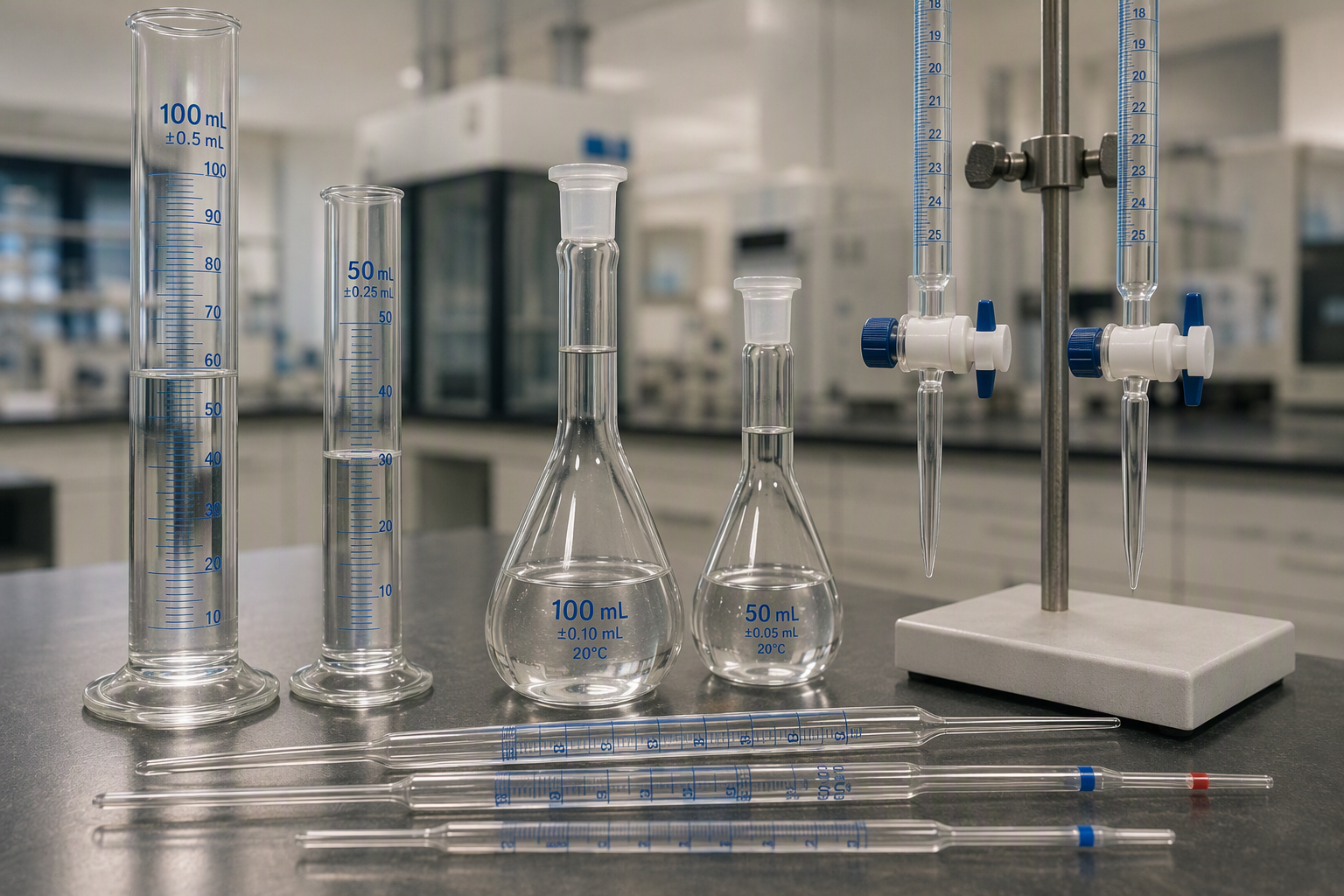
When precise volumetric measurements matter, general containers are not enough. You need glassware designed for reading liquid volume clearly and delivering or containing exact amounts. That is where graduated cylinders, burettes, and volumetric flasks stand apart.
Here is when each works best:
Graduated cylinders: useful for measuring liquid volume more accurately than beakers, thanks to their tall shape and fine volume markings.
Burettes: ideal for titration experiments because they release liquid drop by drop with control.
Volumetric flasks: best for preparing standard solutions at one exact volume.
Pipettes: important when transferring very small volumes of liquid with high precision.
If you ask which laboratory glassware is most accurate for measuring volumes, volumetric flasks and burettes are top choices for their intended tasks. Each supports precise measurements, but only when used for the right purpose.
Popular Types of Laboratory Plasticware
Laboratory plasticware covers many everyday tools used across biology, chemistry, and sample handling. You will often see plastic beakers, petri dishes, and microcentrifuge tubes as part of routine lab equipment because they are practical and easy to manage.
Many labs rely on plastic items for quick transfers, short-term storage, and handling small amounts of material. These tools may not replace glass in every setting, but they remain important in regular workflows. Next, let’s look at some of the most common plastic pieces.
Pipettes, Petri Dishes, and Microcentrifuge Tubes
Plastic tools often support fast, practical lab work. They are especially helpful when you are moving samples, managing culture tasks, or working with small volumes. Their value comes from convenience and fit-for-purpose design.
Typical examples include:
Pipettes: used to transfer small volumes with control, especially where microliter handling matters.
Petri dishes: shallow, flat-lidded containers used to culture microorganisms, sort samples, or observe small-scale activity.
Microcentrifuge tubes: useful for holding and processing very small volumes during routine handling.
Each item supports a different stage of lab work. Pipettes focus on transfer, petri dishes support observation or growth, and microcentrifuge tubes help organize tiny sample amounts. If your work centers on small volumes and frequent handling, these plastic items can be very useful.
Advantages of Disposable Versus Reusable Plastic Laboratory Items
Not all plastic lab items are meant for the same lifespan. Some are designed for one-time use, while others support repeated handling. Choosing between disposable plasticware and reusable lab equipment depends on workflow, safety needs, and how often the tool is used.
Consider these trade-offs:
Disposable plasticware: convenient, quick to replace, and useful when you want simpler handling.
Reusable plastic items: may improve cost-effectiveness over time in steady workflows.
Disposable options: can support safety by reducing repeated handling of the same item.
Reusable options: need more attention to condition and long-term wear.
The pros and cons of plastic laboratory tools depend on your setting. If convenience and lower breakage risk matter most, plastic is attractive. If long-term value matters more, selected reusable items may be the better fit.
Accuracy and Precision in Laboratory Measurements
Accuracy and precision are not the same, but both affect result quality. In lab equipment, accuracy relates to how close a reading is to the true value, while precision is about consistency. If your work depends on repeatable outcomes, these details matter every time you measure.
Laboratory glassware is often chosen when accurate measurements are critical. Plastic may still work well for less demanding tasks. To decide well, you need a direct look at how plasticware and glassware compare in real measurement use.
Comparative Analysis of Measurement Accuracy: Glassware vs Plasticware
For measurement accuracy, not every container performs the same way. Shape, calibration, and intended use all matter. In many labs, plasticware vs glassware decisions come down to whether you need rough estimates or highly precise measurements.
Tool Type | Typical Measurement Role | Accuracy Level |
|---|---|---|
Beaker | Mixing and holding liquids | Approximate volumes only |
Graduated cylinder | Measuring before transfer | More accurate readings than beakers |
Volumetric flask | Preparing one exact volume | High precision |
Burette | Controlled reagent delivery | High precision for titration |
Pipette | Small volume transfer | High precision for small volumes |
Glassware excels when you need accurate measurements for standard solutions, titration work, or analytical tasks. Plastic can still be useful for routine handling and rough volume checks. So, how does laboratory glassware compare to plasticware? Glass is usually the stronger option when precision is a top priority.
How to Choose the Right Tools for Volume and Chemical Compatibility
Selecting the right tool starts with the job itself. Ask what volume you need, how exact the reading must be, and what substance will touch the surface. Good choices come from matching function with chemical compatibility and expected conditions.
Use these quick guidelines:
Choose volumetric flasks, burettes, or pipettes when exact volume and precise measurements matter.
Use beakers for mixing or holding liquids when only approximate volumes are needed.
Check chemical resistance before using glassware or plasticware with solvents or reactive materials.
Pick borosilicate glass when high heat or sudden temperature changes are part of the process.
If you are wondering how to select the best laboratory glassware for your experiments, focus on volume markings, temperature demands, and the specific chemical involved. The right material reduces risk and improves confidence in your results.
Essential Factors for Selecting Laboratory Tools
Choosing lab glassware or laboratory plasticware should never be random. The best choice depends on what you are doing, what chemicals are involved, and how much precision your work requires. A thoughtful decision can improve safety and reduce avoidable errors.
Before purchasing, it helps to review the basics: intended use, chemical compatibility, durability, and overall handling needs. These factors shape whether a tool performs well in your lab or becomes a weak point in the process.
Considerations for Experiment Type and Chemical Resistance
Start with the experiment type. A vessel used for heating, filtration, storage, or transfer should match that exact task. For example, round-bottom flasks fit reflux and distillation, while filter flasks are made for suction-based setups.
Chemical resistance is just as important. Your lab glassware must handle the materials it contacts without failing or affecting purity. Borosilicate glass is widely valued because it stands up well to heat and many chemicals used in professional laboratories.
You should also think about chemical compatibility in practical terms. Will the tool face organic solvents, acids, or repeated exposure to demanding reagents? Asking that before buying helps you avoid poor performance later. The right match supports safer work and more dependable results.
Durability, Safety, and Cost-Effectiveness
A good tool should last, protect the user, and make sense financially. In lab equipment, durability and safety often go together. A vessel that handles normal use well is less likely to fail at the wrong time.
Key decision points include:
Durability: borosilicate glass offers strong heat resistance and supports repeated use in demanding settings.
Safety: choose tools suited to pressure changes, heating, or sealing needs to lower handling risks.
Cost-effectiveness: reusable items may provide better long-term value when used often and maintained well.
Quality standards matter too. Reliable construction improves consistency, whether you are buying glass storage bottles, flasks, or measurement tools. If you want fewer replacements and steadier performance, think beyond the purchase price and look at total working value.
Best Practices for Caring for Laboratory Glassware and Plasticware
Even the best lab equipment can lose value if you ignore cleaning and maintenance. Residue, poor handling, or careless storage can affect safety, shorten tool life, and interfere with future use. That applies to both glass and plastic.
Quality lab glassware performs best when it is cared for properly after every task. The same goes for plastic items used in routine work. A few simple habits can protect accuracy and help your tools stay dependable longer.
Cleaning and Maintenance Guidelines
Good cleaning protects performance. Whether you use glassware or plasticware, leftover material can affect later steps, especially when you rely on clean surfaces for transfer, storage, or measurement. Maintenance also helps you spot wear before it becomes a problem.
Follow these basic steps:
Clean items soon after use so residue does not dry onto surfaces.
Check volume markings, necks, and rims for wear or damage before reusing.
Match cleaning methods to the material so glassware and plasticware are not harmed.
Inspect tools used under heat, vacuum, or pressure for signs of stress.
Safety improves when maintenance is routine. Beakers, flasks, and storage bottles all benefit from regular checks. If an item looks damaged or worn, replacing it is often the smarter choice than risking poor results or a handling issue.
Storage Tips for Longevity and Accuracy
Storage affects more than appearance. It helps protect longevity, keeps lab equipment organized, and supports accurate measurements by preventing chips, contamination, or warped parts. If tools are stored poorly, even well-made items can become less reliable.
Use these storage habits:
Keep measurement tools where volume markings stay visible and protected from abrasion.
Store glass items securely to reduce impact damage and preserve alignment.
Use labeled storage bottles for liquids, reagents, or prepared buffers.
Place suitable items in cold storage only when the material is appropriate for that environment.
A well-organized storage system also saves time during lab work. When you can quickly find the right vessel in good condition, your process becomes smoother. Better storage is a simple way to protect both tool life and result quality.
When to Use Plasticware vs Glassware
Plasticware vs glassware is not a question with one fixed answer. The best choice depends on what the task demands. Some situations call for lighter, more convenient tools. Others require the right glassware for heat, control, and specialized setups.
In professional laboratories, matching the tool to the process helps protect results and reduce risk. If you look at the common use cases for each material, the decision becomes much easier. Here is where each option tends to work best.
Scenarios Favoring Plastic Laboratory Tools
Yes, there are clear situations where plastic laboratory tools are preferable to glass. They fit workflows where convenience, lighter handling, and routine use matter more than exposure to high heat or the need for very exact calibrated vessels.
Plastic is often a smart pick for:
Everyday use where tools are handled often and quick replacement is helpful.
Rough measurements where approximate volumes are acceptable.
Cold storage tasks when the selected item is intended for that environment.
These situations show why plastic remains common in many labs. It supports simple transfers, sample organization, and regular bench work without the fragility of glass. If your task is practical, repetitive, and not heat-intensive, plastic may be the better option.
Situations Where Glassware Is Necessary
Some tasks clearly require glassware. If the process involves high heat, controlled reaction conditions, or calibrated vessels, glass is often necessary. This is especially true in chemistry-focused work where material performance affects both safety and result quality.
Use glassware when you need:
Chemical synthesis setups such as reflux, distillation, or even heating in round-bottom flasks.
Precise measurements with burettes, volumetric flasks, or graduated cylinders.
Better handling of thermal shock and sudden temperature changes, especially with borosilicate glass.
So how do you decide whether to use plasticware or glassware in your laboratory work? Choose glass when heat resistance, high precision, or specialized reaction design matters. In those conditions, the material is not just preferred. It is often essential.
Conclusion
In summary, selecting the right laboratory plastic and glassware is crucial for achieving accurate and reliable scientific results. Understanding the differences between these materials and their appropriate applications can greatly enhance your experiments. Whether you're deciding between disposable or reusable options, or choosing tools based on chemical compatibility and durability, careful consideration will ultimately lead to improved efficiency in your lab work. Remember, the right tools not only support precision but also ensure safety and cost-effectiveness in your research. If you need further assistance, feel free to reach out for a consultation to discuss your specific needs and find the perfect equipment for your laboratory.
Frequently Asked Questions (FAQ)
What types of laboratory glassware are most commonly used? Among the popular options are beakers, flasks, and test tubes, each serving a unique purpose in various scientific applications. For those considering plastic alternatives, petri dishes and graduated cylinders are widely utilized for their chemical compatibility and durability. How do I choose between plasticware and glassware? It often depends on the specific chemical work, temperature changes, and required precision. Don’t forget to consider safety and chemical resistance when selecting the right material for your lab.
Which laboratory glassware provides the highest measurement accuracy?
For measurement accuracy, volumetric flasks and burettes are among the best glassware choices. Volumetric flasks are calibrated for one exact volume, while burettes support precise measurements during controlled dispensing. Each delivers strong accuracy when used for its intended purpose.
What factors should influence my choice between plastic and glass laboratory tools?
Your choice should depend on chemical resistance, chemical compatibility, durability, heat demands, and cost. Think about the kind of lab work you do most often. If you need high precision or heating, glass is often better. For routine handling and convenience, plastic may fit well.
Are there safety concerns unique to either laboratory plasticware or glassware?
Yes. Glassware must be matched to heating and thermal shock conditions, especially during sudden temperature changes. Plasticware needs careful review for chemical resistance and heat limits, since some plastic can warp or fail. In both cases, choosing the right material is a basic safety step.
Recent Posts
How Petroleum Testing Instruments Improve Fuel Quality and Compliance Standards?
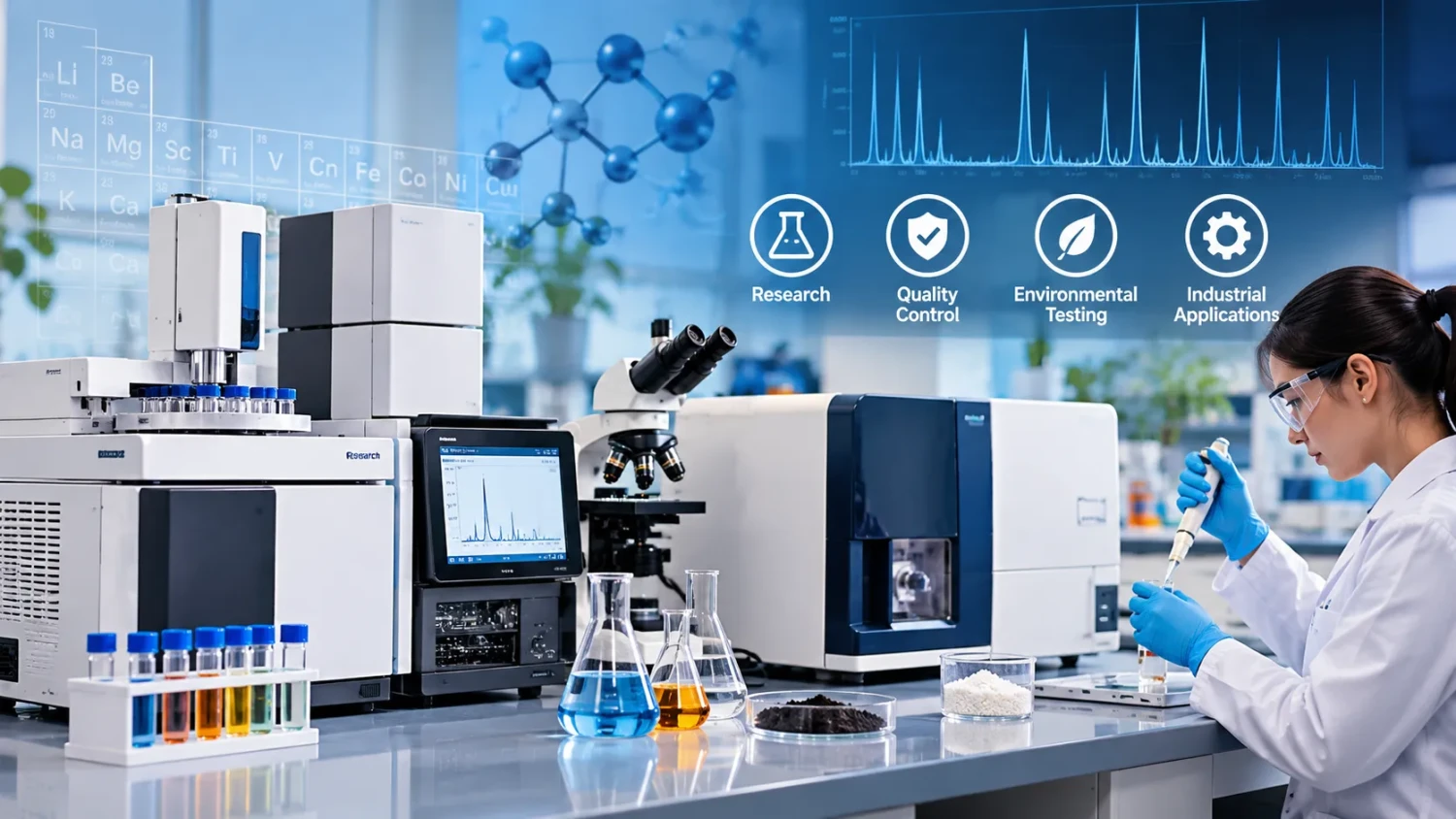
Analytical & Elemental Instruments: Empowering Accurate Analysis for Research, Quality Control, and Industrial Applications


How Viscosity, Rheometer & Texture Analyzer Shape Product Quality in R&D Laboratories?
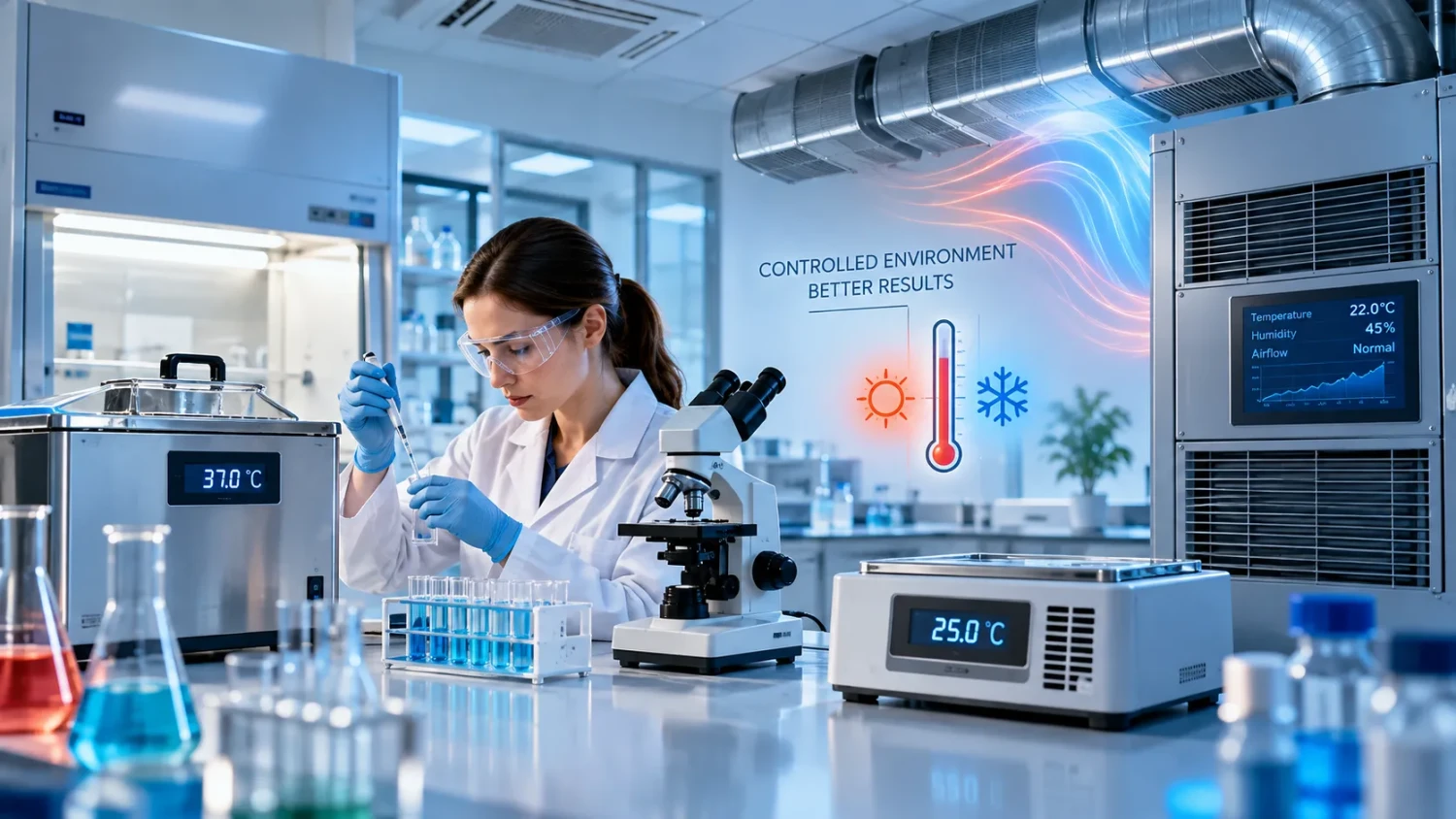
How Laboratory Heating & Cooling Equipment Improves Accuracy and Efficiency in Testing?
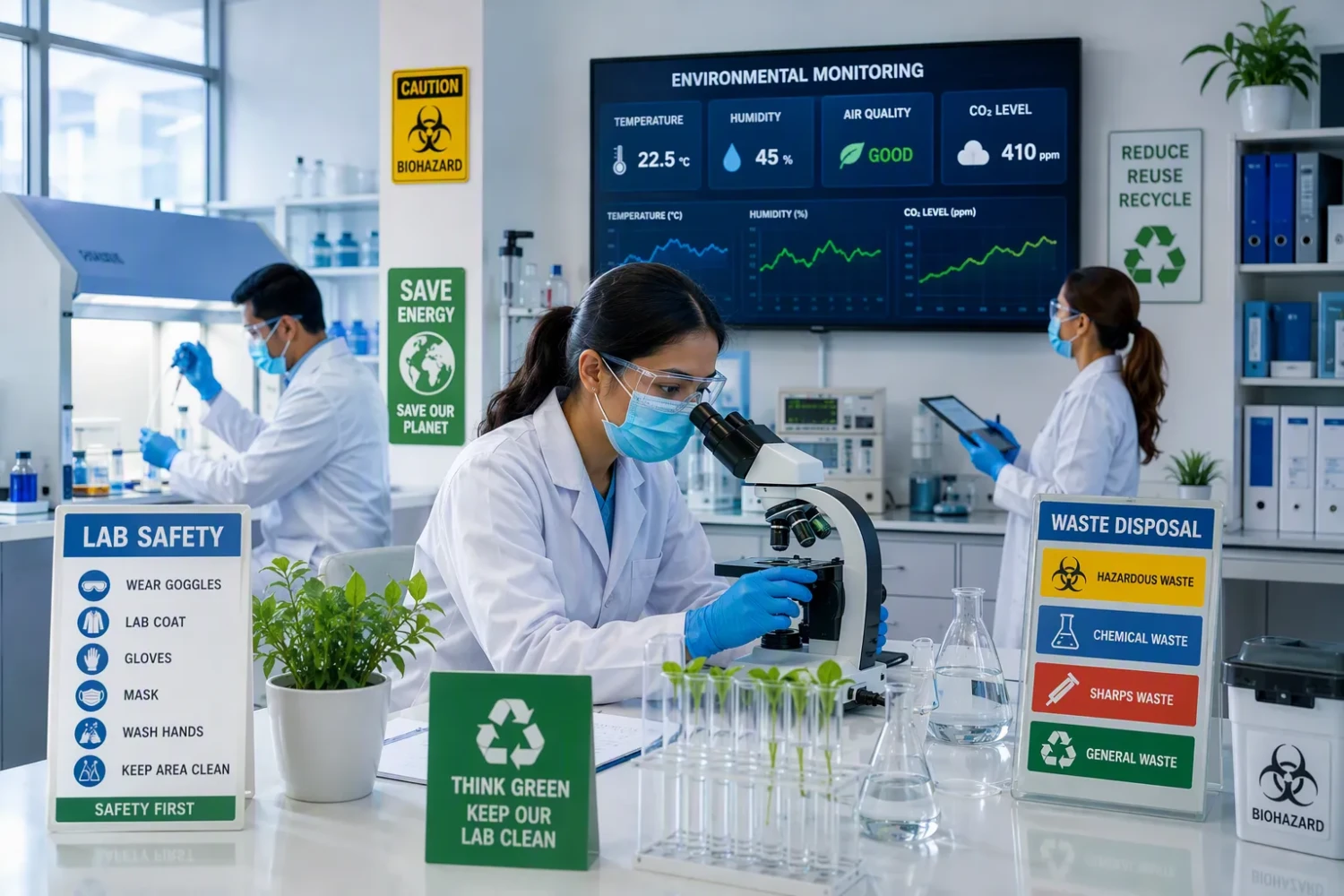
The Role of Laboratory Safety & Environmental Monitoring in Risk Prevention
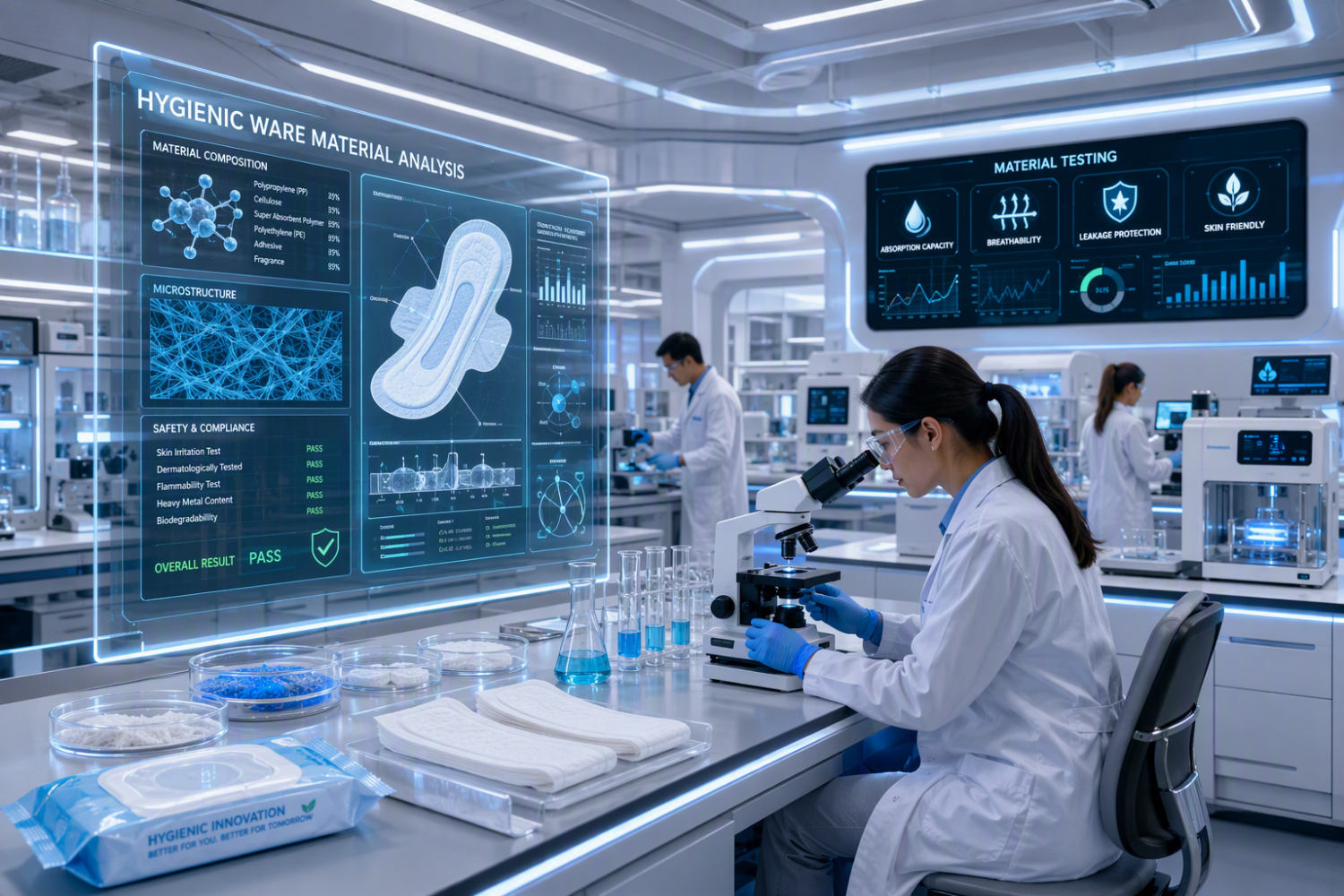
Health and Hygiene Ware Material Testing: Ensuring Quality, Safety, and Compliance
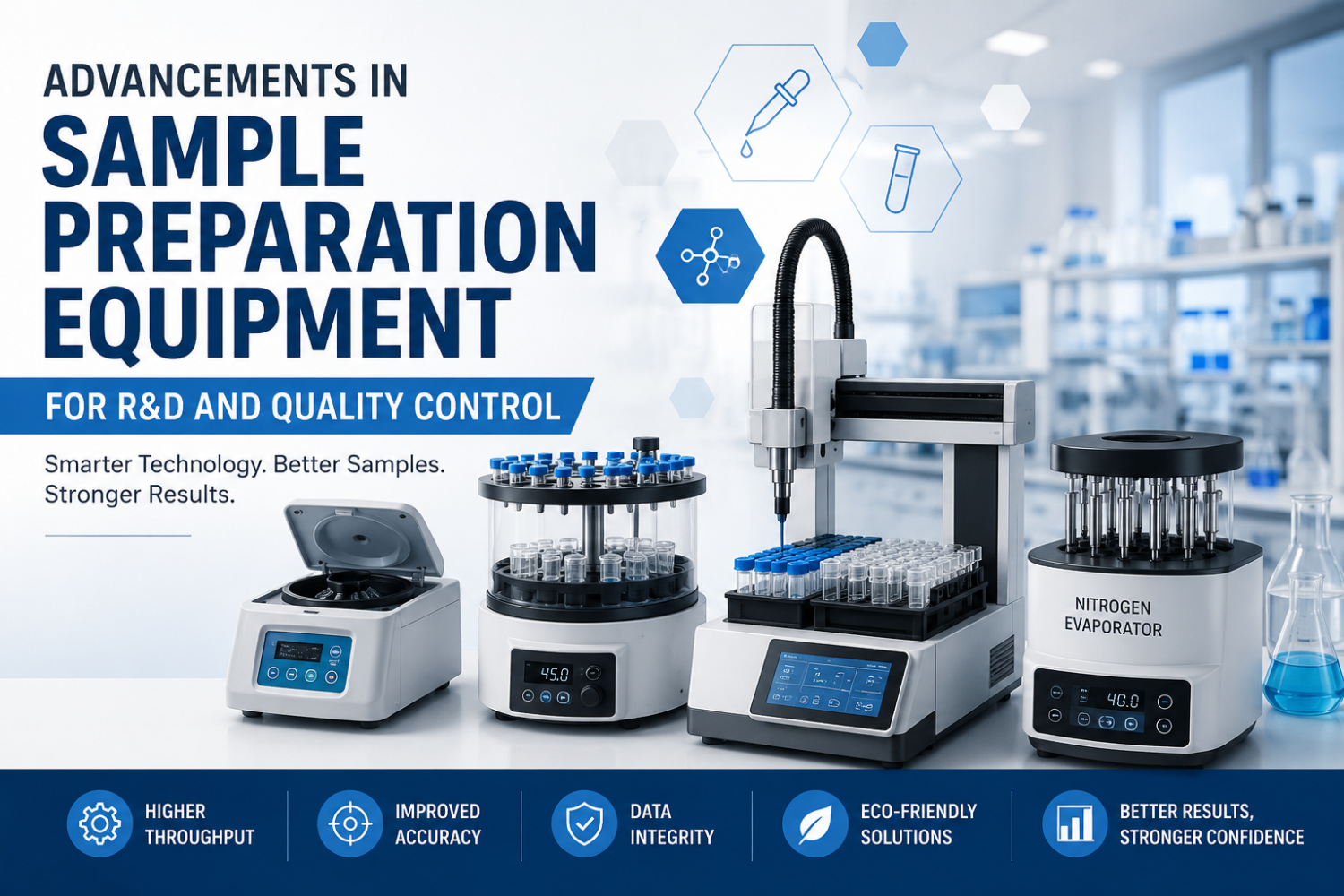
Advancements in Sample Preparation Equipment for R&D and Quality Control
Optimum Solution– Laboratory & Analytical Instruments Supplier in Bangladesh
Optimum Solution is a leading supplier of laboratory equipment, analytical instruments, and process control solutions in Bangladesh. Since our inception, we have built a strong presence in the industry, serving research labs, universities, pharmaceutical companies, and quality control laboratories nationwide. Through continuous dedication to improving our products and services, Optimum Solution has earned the trust and loyalty of our valued clients.


