
-
 Analytical & Elemental Instruments
-
Biotechnology Lab Items
-
Cardboard and Box Factory Lab Equipment Solution
-
Cleanroom Solution
-
Consumables & Accessories
-
Dosing Pump for Chemicals
-
Electrochemistry & Titration
-
ETP -Effluent Treatment Plant
-
Feed Quality Laboratory
-
Food & Kitchen Lab Items
-
Hygiene Testing Equipment
-
Lab Furniture



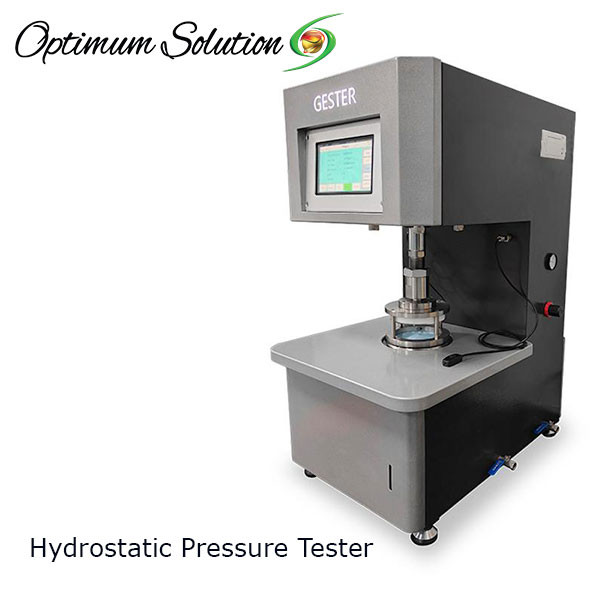

How Packaging Material Testing Instruments Ensure Product Safety and Compliance?
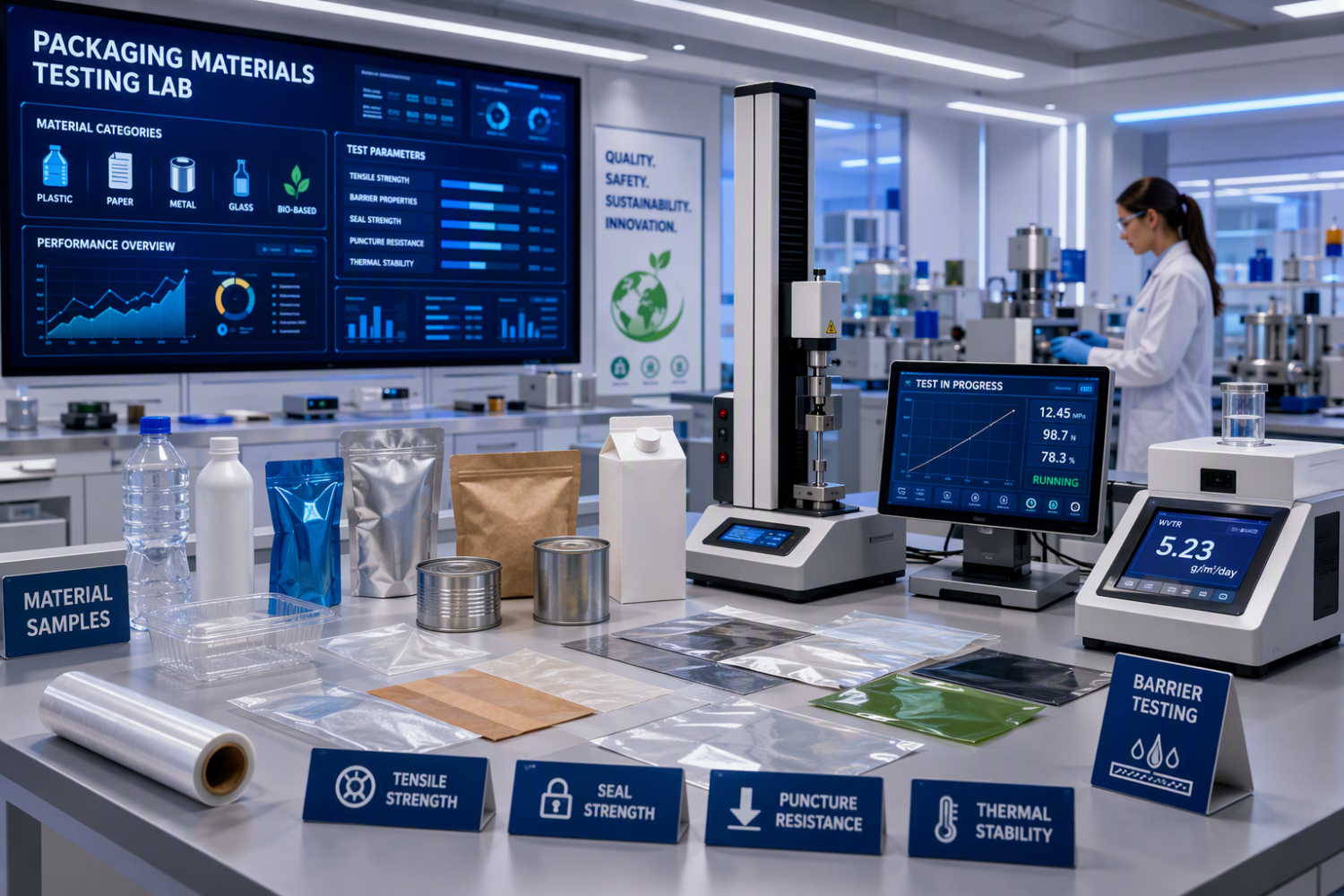
Packaging testing plays a bigger role in product safety than many people realize. Your packaging material is not just there to hold a product. It must protect against compression, drops, moisture, puncture, and contamination while moving through real shipping and storage conditions. If that barrier fails, your product can fail too. That is why businesses use testing instruments to check whether packaging will perform as expected before it reaches customers, warehouses, retail shelves, or distribution networks.
Key Highlights
Packaging material testing helps verify whether packs can protect goods during storage, handling, and the supply chain.
Packaging testing instruments support product safety by measuring strength, seal performance, and resistance to impact or moisture.
Reliable quality control starts with testing raw materials, in-process samples, and finished packs.
Testing also supports regulatory compliance by generating repeatable data for audits and industry requirements.
Strong packaging quality reduces damaged shipments, customer complaints, returns, and avoidable costs.
Better test results lead to smarter packaging design and more consistent product protection.
The Importance of Packaging Material Testing for Product Safety
Material testing helps you confirm that packaging material is fit for its job before products leave the facility. A package may look fine during inspection, yet still fail under pressure, vibration, or moisture. That creates direct risks for product safety.
Across the supply chain, weak packaging can lead to breakage, leakage, contamination, and returns. Testing turns guesswork into measurable results, helping you catch problems early. The next sections explain where these risks appear and how testing instruments help control them.
Protecting Products Throughout the Supply Chain
Every stage of the supply chain puts stress on product packaging. Boxes are stacked in warehouses, cartons are shifted during loading, and shipments may face vibration, shock, and accidental drops in transit. If the structure is weak, the product inside becomes exposed.
This is where packaging testing instruments help ensure product safety. They simulate real handling conditions in a controlled setting. A box compression tester checks stacking strength. A drop tester shows how a pack reacts to impact. Seal strength tools reveal whether a closure can prevent leakage or contamination.
With this data, your team can judge whether packaging is strong enough, stable enough, and safe enough for its intended use. Instead of waiting for market failures, you can identify potential weaknesses before dispatch and improve product protection across the full supply chain.
Reducing Risks Associated With Damaged or Contaminated Goods
Damaged goods often start with poor packaging quality. A crushed carton, weak paperboard, or failed seal can expose contents to moisture, dirt, or other outside contact. For food products, pharmaceuticals, and consumer goods, that can quickly turn into a safety issue.
Packaging testing reduces these risks by checking how materials behave under stress before they are used at scale. Compression, burst, seal, and water-absorption checks help teams spot failure points that visual checks alone cannot catch. That means fewer damaged goods moving into storage or delivery channels.
The same logic matters even more for items with strict regulatory requirements or higher safety concerns. When packaging is tested against likely shipping and storage conditions, you lower the chance of leaks, contamination, rejection, and preventable losses that could affect customers and compliance.
Key Functions of Packaging Material Testing Instruments
Packaging testing instruments are built to do more than give a reading on a screen. In daily quality control, they help your team apply a controlled force or condition, measure the response, and compare the result with acceptance limits. That makes material testing practical and repeatable.
For any packaging material, the goal is simple. You need proof that it can handle real use. The main functions include checking strength, durability, moisture response, seal performance, and structural behavior. The following sections cover two of the most important functions in more detail.
Evaluating Material Strength and Durability
One core job of packaging testing is to measure material strength before packaging reaches production or shipping. Even small variations in paper, board, or film can affect how a package performs under load. If material strength is too low, quality packaging becomes much harder to achieve.
Common checks focus on how the sample reacts to pulling, pressure, or force. Tensile strength testing shows how far a material can stretch before failure. Bursting and compression methods help reveal whether the structure can resist handling damage, stacking pressure, or tearing during use.
Typical tests include:
Tensile strength checks for paper, films, and flexible packaging
Bursting strength tests for paper and paperboard
Compression-related tests for corrugated structures and finished packs
These results help verify product quality by showing whether the material can meet performance benchmarks in real packaging systems.
Assessing Barrier Properties Against Moisture, Oxygen, and Contaminants
Not all packaging failures are caused by crushing or tearing. Sometimes the problem is exposure. If barrier properties are weak, moisture or contaminants can enter the pack and reduce packaging quality long before the product is opened.
Testing helps your team assess how materials respond to water exposure and whether seals remain dependable. A Cobb-style water absorption check can show how paper reacts under moisture contact. Seal integrity and seal strength checks reveal whether flexible packaging can stay closed during handling, storage, and shipping.
These tests matter because barrier performance affects shelf life, cleanliness, and product consistency. For food packaging, pharmaceuticals, and other sensitive uses, strong seal integrity and moisture resistance are essential. By measuring these properties early, you can choose materials that support safer storage and better end-use performance.
Common Types of Packaging Material Testing Instruments
A wide range of testing instruments is used to evaluate packaging material at different stages. Some tools check raw inputs like paper or board, while others assess finished packs under shipping stress. Each one supports packaging quality in a different way.
The right setup depends on what you need to measure. If your main concern is tensile strength, you need one kind of system. If transit damage is the issue, you need another. Two commonly used options are outlined below.
Tensile Strength Testers
Tensile strength testers are among the most useful packaging testing instruments for checking how materials behave when pulled under controlled force. They are often used on paper, films, laminates, and flexible packaging where stretching, tearing, or separation can affect product quality.
In tensile testing, a sample is prepared to size, clamped in place, and pulled until it deforms or fails. The instrument records values such as maximum load and elongation. This gives your team measurable data on material strength instead of relying on appearance alone.
These testers are commonly used because they help verify:
Strength consistency in raw packaging material
Suitability for flexible packaging and sealing operations
Readiness to meet internal quality requirements and documented standards
When consistent results matter, tensile testing supports better material selection and stronger process control.
Compression and Drop Testing Machines
Compression and drop testing machines are widely used when your packaging material must survive shipping and warehouse pressure. They are especially important for corrugated boxes, cartons, and transport packs that face stacking loads and accidental drops.
A box compression machine applies force to a package until deformation or failure occurs. This helps determine whether the pack can handle warehouse stacking or long transit conditions. A drop testing unit checks how a finished package performs when it falls from a set height, which reflects common courier and logistics handling.
These testing instruments are often chosen because they connect directly to real-world product protection. If your packaging must meet customer shipping expectations, internal quality targets, or transit-focused compliance needs, box compression and drop testing provide practical answers before damage happens in the field.
Essential Tests for Verifying Packaging Material Quality
Packaging material testing works best when it covers both the material itself and the finished pack. You need checks that fit the packaging process, from incoming raw stock to shipment-ready units. That is how quality assurance becomes preventive instead of reactive.
Essential tests help confirm whether packaging can meet quality standards under expected use conditions. Some focus on physical behavior, while others look at exposure and compatibility. The next two sections explain these testing areas and where they matter most.
Physical Performance Testing
Physical performance testing checks whether packaging can tolerate force, handling, and storage conditions without failure. It is a core part of packaging quality because many failures happen due to pressure, tearing, impact, or moisture-related weakening during routine movement.
These tests are carried out under defined testing protocols so results stay repeatable. Teams may assess burst behavior, compression resistance, tensile response, top load capacity, or water absorptiveness. Since packaging moves through different environmental conditions, consistent sampling and conditioning also matter.
Test Type | What It Checks | Why It Matters |
|---|---|---|
Box Compression | Resistance to stacking load and crushing | Helps verify warehouse and transit durability |
Drop Testing | Response to impact after accidental drops | Shows whether product protection remains effective |
Tensile Testing | Pull strength and elongation behavior | Confirms material fitness for conversion and use |
Bursting Strength | Pressure needed to rupture paper or board | Indicates structural toughness |
Water Absorption | Effect of moisture exposure on paper surfaces | Highlights risk under humid environmental conditions |
Chemical Resistance and Migration Testing
Chemical testing becomes important when packaging material must maintain stability around sensitive contents or external exposure. While physical strength protects against force, chemical resistance supports product quality by helping the pack remain suitable for its intended environment.
In practical terms, packaging teams pay close attention to barrier properties, moisture response, and the behavior of films, papers, laminates, adhesives, and seals. If a material changes too easily under exposure, the package may no longer offer dependable protection or a stable storage condition.
This testing area supports decisions about material selection and end use. It is especially relevant when packaging must preserve freshness, prevent contamination, or maintain performance over time. Used with physical checks, chemical testing gives a more complete picture of whether packaging is strong, stable, and appropriate for real product demands.
Ensuring Compliance With Regulatory Standards
Compliance is one of the biggest reasons companies invest in packaging material testing. You may have strong packaging, but without documented results, proving that performance to customers, auditors, or regulators becomes harder. Testing creates the measurable evidence needed for compliance.
Different sectors follow different industry standards, and packaging must align with those expectations. That is why labs use recognized methods and repeatable procedures. The next sections look at key U.S. standards and the broader international side of regulatory standards.
Understanding FDA and ASTM Packaging Standards
In the United States, labs often work with FDA standards and ASTM standards when evaluating packaging materials. These frameworks help define how packaging should perform, how tests should be run, and how results should support regulatory requirements in controlled, repeatable ways.
FDA standards matter when packaging interacts with products where safety is critical, such as food or pharmaceuticals. ASTM standards are widely used for test methods covering areas like box compression, drop resistance, and material performance. Together, they help labs and manufacturers create dependable testing systems.
Packaging testing instruments support these efforts by generating consistent data that can be compared against set acceptance levels. For your business, that means clearer documentation, stronger audit readiness, and better confidence that packaging choices meet recognized expectations rather than internal assumptions alone.
Meeting International Safety and Compliance Requirements
Many businesses ship across regions, so regulatory compliance cannot stop at domestic rules. If your packaging material moves through global supply networks, you may need to consider international standards along with local customer and market expectations.
ISO standards are commonly referenced because they support consistent testing methods, quality systems, and documented performance. Labs may also align testing practices with recognized transport and packaging benchmarks when products need proof of safe handling, storage, or shipment readiness across borders.
For manufacturers, the value is practical. A packaging program built around international standards improves consistency, supports vendor qualification, and strengthens communication with global buyers. It also reduces the risk of using materials that pass one market check but fail another due to differences in safety or documentation expectations.
Packaging Material Testing in the Pharmaceutical and Medical Device Industry
Packaging material testing is especially important in pharmaceutical packaging and medical devices because the packaging often supports the safety of the product itself. If the barrier fails, the contents may no longer be acceptable for use.
In these sectors, product protection must remain dependable during handling, storage, and distribution. That is why packaging is checked not only for strength but also for seal performance and pack integrity. The next sections focus on sterility, barrier control, and recall prevention.
Importance of Sterility and Barrier Integrity Testing
For medical devices and pharmaceutical goods, packaging material testing is important because the package acts as a protective system, not just a container. It must remain intact through transport, storage, and routine handling without exposing the contents to outside risks.
Barrier integrity is central here. If seals weaken or the material structure fails, sterility testing and pack checks may show that the product is no longer protected as intended. This matters for blister packs, bottles, labels, cartons, and secondary packaging used in tightly controlled environments.
The reason testing is so critical is simple. A failed package can lead to contamination concerns, rejected stock, customer complaints, or more serious quality events. By checking barrier integrity and seal performance early, manufacturers improve consistency and reduce the chance of product exposure before the item ever reaches the user.
Case Studies of Testing Preventing Product Recalls
Packaging testing helps prevent product recalls by catching weak points before products enter distribution. In pharmaceutical packaging, even a small seal issue or a damaged carton can create a much larger quality assurance problem once the product reaches pharmacies, clinics, or patients.
A practical testing program can flag risks such as poor compression resistance, weak sealing, or moisture sensitivity during validation and routine checks. That gives teams time to correct the issue before shipping. In industries where safety is tightly linked to packaging performance, this early warning matters.
Testing can prevent recall-related problems by:
Identifying seal weakness before leakage or contamination occurs
Confirming carton and secondary packaging strength during handling
Supporting documented quality assurance decisions before release
That is why packaging checks are treated as a preventive control, not just a final inspection step.
Packaging Testing for Hazardous Product Safety
Hazardous product safety depends heavily on packaging performance. When contents present a higher handling risk, the package must do more than survive routine transit. It must contain, protect, and remain dependable under demanding conditions that may involve impact, stacking, or rough movement.
Packaging testing instruments help evaluate these risks before shipment. They also support communication with regulatory bodies by providing clear, repeatable performance data. The next sections explain the specialized tests and certification steps commonly tied to hazardous materials packaging.
Specialized Tests for Dangerous Goods Packaging
Packaging testing reduces risks with hazardous products by checking whether the package can hold up under the types of stress most likely to cause failure. For hazardous materials, even one weak package can create serious product protection and handling concerns.
Specialized testing may include drop, compression, top load, puncture, and seal-related checks, depending on the packaging format. These methods help teams understand how the pack responds to external forces during storage, transport, and loading. The goal is to find weak areas before the shipment enters the field.
Because hazardous materials face strict regulatory requirements, testing also supports documentation and release decisions. Instead of assuming a drum, carton, pouch, or bottle will perform, companies can verify resistance under controlled conditions. That lowers the chance of leaks, breakage, and unsafe failures during distribution.
Certification Processes for Hazardous Materials
Certification for hazardous products depends on proving that the packaging material and finished pack can perform under defined conditions. This process is about evidence. Testing results help show that a package is suitable for its intended use and meets relevant industry requirements.
Labs and manufacturers usually follow set procedures, record test values, and compare results with required limits. That creates traceable documentation for certification and internal approval. For higher-risk goods, this step is essential because packaging failure can affect safety, compliance, and shipment acceptance.
A typical certification path may include:
Selecting tests based on packaging type and likely failure risk
Running controlled evaluations such as drop, compression, or seal checks
Recording results for review against industry requirements and release criteria
This structured approach helps reduce uncertainty and improves confidence in hazardous packaging decisions.
How Packaging Testing Instruments Improve Quality Control
In the packaging industry, quality control works best when it is based on data, not assumptions. Packaging testing instruments give your team repeatable measurements that help confirm whether materials and finished packs are meeting the required level of performance.
That supports stronger quality assurance across raw materials, production checks, and final release. Instead of finding defects after customers do, manufacturers can detect issues earlier and act faster. The next two sections show how testing improves both defect prevention and process efficiency.
Detecting Defects Before Products Reach Consumers
The role of packaging material testing in quality control is to reveal defects before they become market problems. A package can fail because of low strength, poor sealing, moisture sensitivity, or inconsistent raw material. Without testing, these issues may only appear after shipping.
Packaging testing helps compare actual performance with quality standards. If a carton fails compression, a film shows weak seal strength, or paper absorbs too much water, your team gets a clear signal that correction is needed. That supports faster decisions during production and final release.
The result is better product quality and fewer downstream issues. When defects are caught in the lab or on the line, companies can reduce customer complaints, returns, replacement costs, and avoidable damage. That makes testing an active part of quality management, not a passive record-keeping task.
Enabling Process Optimization and Cost Reduction
Testing also supports process optimization by showing where your packaging process is too weak, too variable, or even overbuilt. If materials are stronger than necessary, you may be using more than the job requires. If they are too weak, product protection may be at risk.
Good quality assurance uses test data to improve decisions at each stage. Raw material checks help screen incoming stock. In-process reviews help spot variation early. Finished-pack evaluations confirm whether the final unit is ready for storage and transit. This layered approach improves control across the packaging process.
The cost benefit is practical. Better test data can reduce rework, product loss, returns, transportation claims, and packaging waste. Instead of reacting to failures later, teams can make earlier adjustments that protect products while keeping operations more efficient.
Choosing the Right Packaging Material Testing Instruments
Choosing testing instruments should start with what your packaging material must actually do in the real world. A paper mill, converter, food packer, or e-commerce shipper will not all need the same setup. The right tools depend on product risk, packaging type, and end use.
You also need to think about quality packaging goals and industry requirements, not just price. A better match leads to better data and fewer blind spots. The next sections explain how companies can make that choice more carefully.
Factors to Consider for Different Product Requirements
Companies should choose testing instruments by first looking at product requirements and the most likely packaging failure. The same instrument will not fit every application. Raw paper checks, flexible pouch testing, and finished box validation each require different approaches.
Start with the packaging type and end use. Ask what needs protection, where the package will travel, and what kind of stress it will face. Then match the tool to the risk. This keeps packaging material testing focused and useful instead of broad but incomplete.
Key factors include:
Whether you are testing raw materials, in-process samples, or finished packs
The main failure mode, such as compression collapse, seal failure, or drop damage
The need for fast testing cycles, accuracy, digital records, and ease of use
This helps companies build a practical testing system around real product needs.
Working With Accredited Packaging Testing Labs
Sometimes the best choice is not only buying equipment but also working with packaging testing labs that can support specialized checks, documentation, or validation needs. This is useful when certification or formal review is required by customers or regulatory bodies.
A capable lab follows recognized quality standards, uses controlled methods, and records results in a traceable way. That matters if your team needs help with material qualification, transit validation, or performance checks that go beyond routine in-house testing.
For many companies, the strongest approach combines internal screening with outside support when needed. In-house tools handle regular quality checks, while experienced packaging testing labs provide added confidence for certification, audits, or product launches. This balance can improve both decision-making speed and technical reliability.
Packaging Material Testing’s Role in Enhancing Product Reliability
Packaging material testing has a direct effect on product reliability because it shows how packaging performs before the market tests it for you. Reliable packaging protects contents under expected storage, handling, and shipping conditions without frequent failure.
It also supports better packaging design by linking decisions to measured performance instead of assumptions. When teams use data well, they can improve strength, consistency, and shelf life without unnecessary material use. The next sections explain how this creates long-term value.
Data-Driven Improvements in Packaging Design
Packaging material testing improves overall product reliability by giving teams measurable feedback on what works and what does not. That information is valuable during packaging design because it helps remove guesswork from decisions about structure, material choice, and pack performance.
Packaging testing instruments generate data on compression resistance, tensile behavior, burst response, water sensitivity, and seal performance. Those results can be compared with performance benchmarks to see whether a design meets the expected use condition. If not, adjustments can be made before large-scale production.
This also supports process validation. A design is not truly dependable until it performs consistently in testing and production. When teams use real results to refine packaging design, they improve stability, reduce weak points, and build more reliable packaging systems for storage, shipping, and customer delivery.
Long-Term Benefits for Brands and Consumers
The long-term benefits of packaging material testing go beyond one shipment or one production batch. In the packaging industry, consistent testing supports product reliability over time, which helps both brands and end users. Reliable packs create fewer surprises once products enter the market.
For brands, that means fewer failures, fewer complaints, and better control of quality costs. For consumers, it means products arrive in better condition and are less likely to be affected by packaging damage, leakage, or contamination. Strong performance builds trust without needing extra claims.
Long-term gains often include:
Stronger brand reputation through more consistent packaging quality
Higher customer satisfaction with fewer damaged deliveries
Better use of materials through performance-based improvements
When packaging performs as expected again and again, both business results and customer confidence improve.
Conclusion
Packaging material testing instruments play a vital role in ensuring product safety and compliance. By evaluating the strength, durability, and barrier properties of packaging materials, these instruments help protect products throughout the supply chain, significantly reducing risks associated with damage or contamination. Compliance with regulatory standards, such as those set by the FDA and ASTM, is essential for maintaining consumer trust and brand integrity. Additionally, effective testing enhances quality control, allowing for data-driven improvements in packaging design that benefit both brands and consumers in the long run. To enhance your product reliability and safety, consider consulting with experts who can guide you in selecting the right testing instruments for your specific needs.
Frequently Asked Questions
What are the most common packaging material testing methods?
Common packaging material testing methods include box compression, drop testing, bursting strength, tensile testing, seal checks, and water absorption evaluation. These testing instruments help assess physical performance and chemical testing concerns where needed. Together, they support quality standards for raw materials, converted packaging, and finished packs.
How do companies select suitable testing instruments?
Companies choose packaging testing instruments by reviewing product requirements, packaging type, likely failure risks, and testing frequency. They also look at quality assurance needs, data recording, and relevant industry standards. The best packaging solutions match the instrument to the material, process stage, and end-use condition.
Why is packaging material testing necessary for compliance in the United States?
Packaging material testing supports regulatory compliance in the United States by providing measurable proof that packaging can perform as required. This matters for FDA standards, ASTM-based methods, internal release checks, and reviews by regulatory bodies. It also helps protect product quality through consistent, documented performance data.
Recent Posts

The Role of Laboratory Safety & Environmental Monitoring in Risk Prevention

Health and Hygiene Ware Material Testing: Ensuring Quality, Safety, and Compliance
Advancements in Sample Preparation Equipment for R&D and Quality Control
Essential Biotechnology Lab Items and Their Applications in Modern Research


Understanding ETP – Effluent Treatment Plant and Its Importance in Industry

Why a Reliable Cleanroom Solution is Critical for Laboratory and Production Safety?
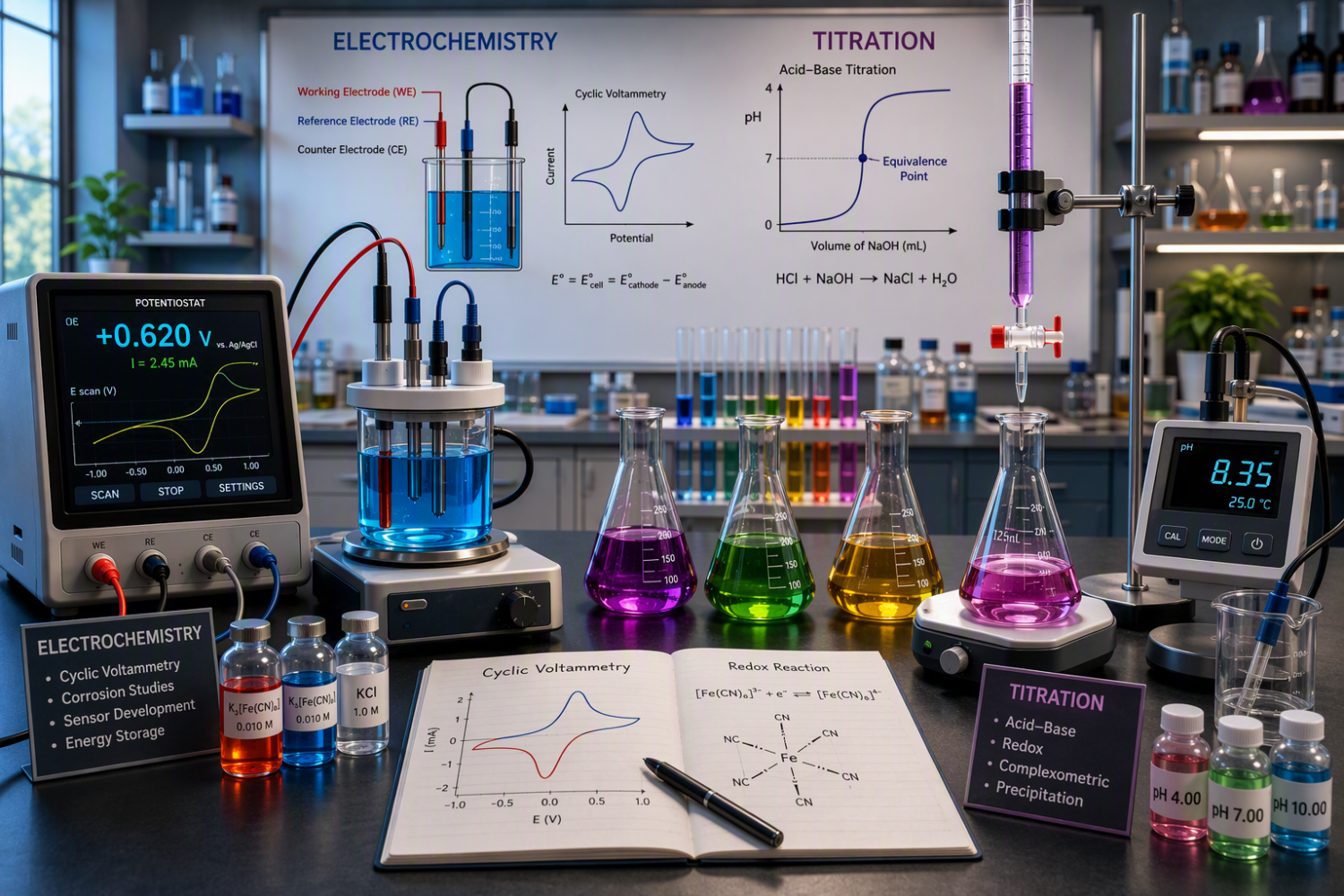
The Role of Electrochemistry & Titration in Modern Analytical Chemistry
Optimum Solution– Laboratory & Analytical Instruments Supplier in Bangladesh
Optimum Solution is a leading supplier of laboratory equipment, analytical instruments, and process control solutions in Bangladesh. Since our inception, we have built a strong presence in the industry, serving research labs, universities, pharmaceutical companies, and quality control laboratories nationwide. Through continuous dedication to improving our products and services, Optimum Solution has earned the trust and loyalty of our valued clients.


