
-
 Analytical & Elemental Instruments
-
Biotechnology Lab Items
-
Cardboard and Box Factory Lab Equipment Solution
-
Cleanroom Solution
-
Climatic Aging Chamber
-
Consumables & Accessories
-
Dosing Pump for Chemicals
-
Electrochemistry & Titration
-
Electronics
-
ETP -Effluent Treatment Plant
-
Feed Quality Laboratory
-
Food & Kitchen Lab Items



Gas Analysis and Monitoring: Principles of Multi-Gas Detection and Environmental Applications

Gas analysis and monitoring constitute critical technical domains within pharmaceutical manufacturing, analytical chemistry, industrial hygiene, and environmental science. The detection, quantification, and continuous surveillance of gaseous species in laboratory and industrial environments fulfills a dual function: it protects human health and operational safety by identifying hazardous atmospheric conditions, and it provides analytical data necessary for quality assurance, process validation, and regulatory compliance.
In pharmaceutical laboratory environments, gas monitoring encompasses a broad spectrum of applications. These range from detecting toxic or asphyxiant gases that may accumulate in enclosed laboratory spaces to the precise analytical quantification of gas composition in drug substances, packaging headspace atmospheres, dissolution media, and biological culture systems. The instruments and methodologies employed span from portable multi-gas detectors used for personal safety monitoring to high-resolution gas chromatography systems deployed for pharmacopeial impurity profiling and residual solvent analysis.
The scientific principles underlying gas detection technologies are grounded in physical chemistry, electromagnetic radiation absorption, electrochemical reaction kinetics, and semiconductor material science. Each detection modality operates through mechanisms that confer specific analytical advantages and inherent technical constraints, making the selection and deployment of gas monitoring equipment a technically demanding decision requiring thorough understanding of detection principles, performance specifications, and application requirements.
This article presents a structured technical analysis of gas analysis principles, multi-gas detection systems, environmental monitoring applications, and the integration of gas monitoring infrastructure within pharmaceutical laboratory operations, with particular reference to regulatory frameworks applicable in Bangladesh and international pharmaceutical contexts.
Fundamental Principles of Gas Analysis
Physical and Chemical Basis of Gas Detection
Gas analysis instruments operate by exploiting measurable physical or chemical responses that occur when target gas molecules interact with sensing elements, radiation fields, or reactive surfaces. The nature of these interactions determines the analytical sensitivity, selectivity, response time, and operational range achievable by each detection technology.
All gaseous species possess distinct molecular structures characterized by specific bond geometries, vibrational frequencies, and electronic configurations. These structural characteristics govern how gas molecules interact with electromagnetic radiation across infrared, ultraviolet, and visible spectral regions. Molecules containing asymmetric bonds exhibit characteristic infrared absorption spectra arising from molecular vibrational transitions that occur at frequencies determined by atomic masses and bond force constants. This physical principle forms the analytical foundation for both non-dispersive infrared gas detection and Fourier transform infrared spectroscopic gas analysis.
In contrast, electrochemical detection exploits the tendency of specific gas molecules to undergo oxidation or reduction reactions at electrode surfaces in contact with appropriate electrolyte solutions. The resulting electron transfer generates measurable electrical currents proportional to analyte concentration at the electrode interface. Catalytic combustion detection relies on exothermic oxidation reactions occurring at platinum or palladium catalyst surfaces when combustible gas molecules contact these materials in the presence of sufficient oxygen, producing resistance changes in heated sensing elements.
Photoionization detection operates through a distinct mechanism involving ultraviolet photon absorption by gas molecules possessing ionization potentials below the photon energy output of the ultraviolet lamp. The absorbed photon energy ejects electrons from target molecules, producing ion pairs whose collection current provides a concentration-proportional analytical signal.
Understanding these fundamental mechanisms clarifies why specific detection technologies demonstrate selectivity advantages for particular analyte classes and why instrument performance characteristics including minimum detection limits, cross-sensitivity profiles, and operational lifetime differ systematically across detection modalities.
Gas Transport and Sampling Mechanisms
The mode by which gas samples reach detection elements significantly influences instrument response characteristics and measurement accuracy. Diffusion-based sampling relies on concentration gradients between the ambient atmosphere and the detector interior to transport analyte molecules to sensing elements through passive molecular diffusion. This mechanism produces gradual, concentration-dependent response characteristics appropriate for continuous environmental monitoring applications where rapid single-point response is less critical than sustained accuracy.
Pump-assisted or active sampling systems employ internal diaphragm pumps, electrochemical pumps, or miniature blower mechanisms to draw gas samples through calibrated intake pathways and into contact with detection elements at controlled flow rates. This approach reduces response time, enables sampling from remote locations through extended probe connections, and maintains consistent analyte transport conditions independent of ambient air movement patterns.
Diffusion tubes and passive dosimetry devices integrate analyte concentration over extended exposure periods through calibrated diffusion barriers, producing time-weighted average measurements appropriate for occupational exposure assessment. The diffusion coefficient of the target gas through the barrier material determines collection efficiency, and subsequent analytical quantification typically employs high-performance liquid chromatography or spectroscopic methods.
Classification of Gas Detection Technologies
Electrochemical Sensors
Electrochemical gas sensors represent the dominant detection technology for toxic gas monitoring in pharmaceutical laboratory environments and constitute the sensing core of most portable multi-gas detection instruments. These devices contain a three-electrode electrochemical cell comprising working, counter, and reference electrodes immersed in an electrolyte solution or gel, enclosed within a permeable membrane that controls gas access to the electrode surface.
When target gas molecules diffuse through the access membrane and contact the working electrode, they undergo electrochemical oxidation or reduction depending on the analyte species. Oxidizable gases including carbon monoxide, hydrogen sulfide, sulfur dioxide, and nitrogen dioxide produce anodic currents through electron transfer reactions at the working electrode surface. The magnitude of the resulting current flow, measured against the stable reference electrode potential, provides a concentration-proportional analytical signal.
The electrochemical selectivity of these sensors arises from both the intrinsic thermodynamic favorability of specific electrode reactions and the membrane permeability characteristics that limit access by interfering species. Nevertheless, cross-sensitivities between structurally related gases represent a recognized performance limitation requiring consideration during instrument selection and deployment planning.
Electrochemical sensors demonstrate typical operating ranges of 0 to several hundred parts per million for toxic gas applications, with minimum detection limits extending to sub-parts-per-million concentrations for highly sensitive designs. Operational lifetime typically ranges from 12 to 36 months under normal conditions, with performance degrading as electrolyte depletion and electrode surface changes accumulate over the sensor service period.
Temperature and humidity excursions affect electrochemical sensor response characteristics, producing reading inaccuracies that require correction algorithms or environmental compensation circuits in precision analytical applications. The sensitivity of these sensors to environmental conditions necessitates controlled storage, regular calibration against certified reference gas mixtures, and attention to ambient condition documentation during measurement activities.
Non-Dispersive Infrared Detection
Non-dispersive infrared gas detection exploits the property of polyatomic gas molecules to absorb infrared radiation at wavelengths corresponding to their characteristic vibrational transition frequencies. The detector architecture directs broadband or spectrally filtered infrared radiation through a sample cell containing the gas of interest and measures the attenuation of transmitted radiation at the target absorption wavelength using a thermopile, pyroelectric, or photoconductive infrared detector.
The term non-dispersive distinguishes this approach from dispersive spectrometric methods that employ gratings or prisms to spread infrared radiation into its component wavelengths. Non-dispersive instruments instead use optical bandpass filters to isolate the narrow spectral region corresponding to the target gas absorption band, achieving spectral selectivity through filtration rather than dispersion.
The Beer-Lambert law governs the quantitative relationship between gas concentration and infrared absorbance in these systems. Absorbance values increase linearly with concentration at low absorption levels but deviate from linearity at high concentrations where significant radiation depletion occurs. This behavior requires careful attention to working range selection and calibration curve construction for accurate concentration determination.
Non-dispersive infrared sensors demonstrate particular suitability for carbon dioxide, carbon monoxide, methane, nitrous oxide, and hydrocarbon gas analysis. These instruments provide excellent analytical stability with minimal zero drift compared to electrochemical alternatives, and their operational lifetime substantially exceeds that of electrochemical sensors because the measurement mechanism does not consume or modify the sensing element through the detection process.
Catalytic Combustion Sensors
Catalytic combustion sensors, also designated pellistors or catalytic bead sensors, detect flammable and combustible gases through the exothermic oxidation reactions that occur when these gases contact heated catalyst surfaces in the presence of ambient oxygen. The sensor element consists of a platinum resistance wire coil embedded in a ceramic bead impregnated with platinum or palladium catalyst, maintained at an elevated temperature of approximately 500 degrees Celsius by resistive heating.
When combustible gas molecules contact the active catalyst bead, they undergo surface-catalyzed oxidation at temperatures below their conventional ignition points, generating heat that raises the bead temperature above its electrically maintained setpoint. The resulting resistance change in the platinum coil, measured through a Wheatstone bridge circuit against a compensating reference bead without catalytic activity, provides a signal proportional to the combustible gas concentration.
These sensors report gas concentrations as percentages of the lower explosive limit, which represents the minimum concentration at which an air-gas mixture becomes capable of sustaining flame propagation. This output format aligns directly with occupational safety monitoring requirements where the primary concern is preventing explosive atmosphere formation rather than determining absolute gas concentrations.
A critical operational requirement for catalytic combustion sensors is the continuous presence of sufficient atmospheric oxygen to support the catalytic oxidation reaction. Oxygen-depleted atmospheres impair sensor response and may produce falsely low readings that fail to indicate dangerous flammable gas concentrations. This physical limitation requires that multi-gas monitoring instruments deployed in oxygen-deficient environments include dedicated oxygen sensors whose readings provide context for interpreting combustible gas measurements.
Photoionization Detectors
Photoionization detection provides highly sensitive measurement of volatile organic compounds and other species with ionization potentials accessible to ultraviolet photon energies. The detector assembly directs ultraviolet radiation from a sealed lamp through an ionization chamber containing the sample gas. Gas molecules whose ionization potential falls below the photon energy of the ultraviolet source absorb photons and undergo ionization, producing positively charged molecular ions and free electrons that migrate to collection electrodes under an applied electric field.
The collected ion current, amplified through sensitive transimpedance amplifier circuits, generates output proportional to the concentration of ionizable species in the sample. The sensitivity of photoionization detection for specific compounds depends on their absorption cross-sections at the lamp emission wavelength and the efficiency of ion collection within the detector geometry.
Common lamp types include 10.6 electron volt lamps using krypton discharge and 11.7 electron volt lamps using argon discharge, with higher photon energy lamps providing ionization capability for a broader range of compounds. Benzene, toluene, ethylbenzene, xylene, and most aromatic and unsaturated compounds respond strongly to photoionization detection, while saturated aliphatic hydrocarbons with high ionization potentials and inorganic gases such as carbon monoxide, carbon dioxide, and nitrogen dioxide fall below the detection threshold of standard lamp configurations.
In pharmaceutical laboratory environments, photoionization detectors serve as primary instruments for volatile organic compound monitoring associated with solvent storage areas, liquid handling operations, and organic synthesis activities. Their exceptional sensitivity, commonly achieving sub-parts-per-billion detection capability, makes them appropriate for areas where regulatory exposure limits are defined at trace concentration levels.
Semiconductor Metal Oxide Sensors
Metal oxide semiconductor gas sensors employ metal oxide materials, most commonly tin dioxide, zinc oxide, or tungsten oxide, whose electrical conductivity changes in response to adsorption of gas molecules on the sensor surface. These sensors operate at elevated temperatures maintained by an integral heater element, typically in the range of 200 to 600 degrees Celsius, to promote the chemisorption and reaction processes that generate measurable conductivity responses.
Under normal atmospheric conditions, oxygen molecules adsorb onto the metal oxide surface as negatively charged species, creating a depletion region that reduces the concentration of charge carriers in the material and thus its electrical conductivity. When reducing gases including hydrogen, carbon monoxide, methane, or volatile organic compounds contact the sensor surface, they react with the adsorbed oxygen species, releasing electrons back into the conduction band and producing a conductivity increase measurable as a resistance decrease.
Oxidizing gases including nitrogen dioxide and ozone interact differently with metal oxide surfaces, causing additional oxygen adsorption and further conductivity reduction. This contrasting response behavior allows differentiation between reducing and oxidizing atmospheric components within multi-sensor array configurations.
Metal oxide sensors offer advantages of robustness, long operational lifetime, low production cost, and absence of electrolyte-related degradation mechanisms. Their primary limitations include relatively high cross-sensitivity to humidity and temperature variations, and broad selectivity profiles that make accurate speciation of complex gas mixtures challenging without additional signal processing.
Multi-Gas Detection Systems: Architecture and Integration
Sensor Array Design and Signal Processing
Multi-gas detection instruments integrate arrays of individual sensing elements representing complementary detection technologies within unified housings that perform concurrent atmospheric monitoring for multiple target species. The architectural challenge in multi-sensor designs involves managing the differential response characteristics, calibration requirements, cross-sensitivity profiles, and operational conditions of each sensor type while delivering coherent, reliable output through a unified measurement and display system.
Modern multi-gas portable detectors typically incorporate four-gas configurations measuring oxygen, carbon monoxide, hydrogen sulfide, and combustible gases as a minimum safety monitoring configuration. This combination addresses the most frequently encountered life-safety gas hazards in confined spaces, chemical handling areas, and industrial facilities. Extended configurations add measurement channels for specific toxic gases including nitrogen dioxide, ammonia, chlorine, sulfur dioxide, or volatile organic compounds depending on the hazard profile of the application environment.
Signal processing algorithms in multi-gas instruments compensate for known cross-sensitivity interactions between sensors in the array. When hydrogen is present in an environment monitored for carbon monoxide using an electrochemical sensor with significant hydrogen cross-sensitivity, the instrument firmware applies correction factors derived from concurrent oxygen and hydrogen sensor readings to remove the hydrogen-attributable component from the carbon monoxide measurement. This mathematical cross-sensitivity correction improves specificity but requires comprehensive characterization data obtained during instrument calibration development.
Fixed Multi-Point Monitoring Networks
Permanently installed gas monitoring networks in pharmaceutical manufacturing facilities employ sensor arrays positioned at strategic locations throughout process areas, laboratories, storage zones, and occupied spaces to provide continuous atmospheric surveillance. These fixed systems transmit sensor data through hardwired connections or wireless communication networks to centralized controllers that aggregate readings, apply alarm logic, and activate visual and audible warning systems when threshold concentrations are reached.
The positioning of sensors within fixed monitoring networks requires systematic analysis of gas dispersion characteristics, including density relationships between target gases and ambient air. Gases denser than air including chlorine, hydrogen sulfide, sulfur dioxide, and many halogenated solvents accumulate at low levels and require sensors positioned near floor level. Lighter-than-air gases including hydrogen, ammonia, and methane rise and accumulate at ceiling levels, necessitating elevated sensor placement. Carbon dioxide and many pharmaceutical process gases have intermediate densities that require mid-height placement for reliable detection.
Pharmaceutical cleanrooms and controlled manufacturing environments employ gas monitoring network designs that comply with International Society for Pharmaceutical Engineering guidance documents addressing environmental monitoring system design. These guidelines specify sensor placement principles, alarm setpoint determination methodologies, response time requirements, and documentation standards supporting regulatory inspections.
Portable and Personal Gas Monitors
Personal gas monitors worn by laboratory personnel and maintenance technicians provide continuous protection against gas hazards encountered during routine operations, sampling activities, confined space entry procedures, and emergency response situations. These compact instruments clip to clothing or belt loops and continuously sample ambient air through diffusion or optional motorized pump mechanisms, providing audible, visual, and vibrating alarms when gas concentrations exceed configured warning thresholds.
The design requirements for personal gas monitors emphasize miniaturization, extended battery life, robustness against physical damage, and rapid response to sudden concentration changes. Sensor response times of less than 30 seconds for toxic gas detection and less than 10 seconds for oxygen deficiency alerts represent typical performance targets for personal protection applications where rapid alarm activation is necessary to prevent incapacitation in rapidly developing hazardous atmospheres.
Calibration and bump testing procedures maintain the reliability of personal gas monitors throughout their operational service. Bump testing involves briefly exposing the instrument to a gas concentration above its alarm threshold to verify that sensors respond and alarm systems activate correctly, providing a functional check distinct from full quantitative calibration. Regulatory guidance and manufacturer recommendations typically specify bump test frequencies of daily to weekly depending on application criticality.
Pharmaceutical Laboratory Applications of Gas Analysis
Residual Solvent Analysis by Gas Chromatography
Residual solvent determination in pharmaceutical drug substances and finished dosage forms represents one of the most analytically critical gas analysis applications in pharmaceutical quality control laboratories. International Council for Harmonisation guideline Q3C establishes classification limits for residual solvents in pharmaceuticals based on their toxicological profiles, dividing them into Class 1 solvents subject to strict avoidance, Class 2 solvents with defined daily exposure limits, and Class 3 solvents of lower toxicological concern.
Gas chromatographic methods specified in United States Pharmacopeia General Chapter 467 and European Pharmacopoeia general method 2.4.24 provide the analytical framework for residual solvent quantification. These headspace gas chromatography methods employ sealed vials containing the drug substance dissolved in an appropriate solvent or dispersed in dimethylsulfoxide, equilibrated at elevated temperature to partition volatile residual solvents from the matrix into the headspace gas above the sample.
The headspace gas, representing analytes concentrated by thermal equilibration into the gas phase, is introduced into the gas chromatographic system through automated headspace samplers that maintain precise temperature and timing control to ensure reproducible partitioning conditions. Separation of residual solvent components occurs on capillary columns with nonpolar, polar, or specialized stationary phase compositions selected to provide adequate resolution of the solvent mixture relevant to the manufacturing process under examination.
Flame ionization detection provides the primary detection modality for organic residual solvent analysis, offering excellent sensitivity across hydrocarbon and heteroatom-containing organic solvents and linear dynamic range spanning four to five orders of magnitude. Detection limits in the parts-per-million range by weight are routinely achievable for Class 2 solvent quantification at their pharmacopeial limits.
Headspace Gas Analysis for Packaging Integrity
Pharmaceutical packaging headspace composition analysis evaluates the atmospheric environment within sealed drug product containers including vials, ampoules, blister packages, and prefilled syringes. The presence of adequate residual oxygen concentrations indicates packaging integrity failure that could compromise oxidation-sensitive drug substances, while excessive nitrogen or carbon dioxide content in non-nitrogen-purged packages may signal unintended atmospheric modification during filling operations.
Laser diode absorption spectroscopy has become a widely adopted technology for non-destructive headspace gas analysis in pharmaceutical packaging operations. This technique directs tunable diode laser radiation through the glass walls of sealed containers and measures absorbance at wavelengths corresponding to oxygen or water vapor absorption transitions within the near-infrared spectral region.
The non-destructive character of this measurement approach provides significant analytical advantages over conventional destructive analytical methods that require container perforation or opening for gas sampling. Sealed integrity testing of clinical trial materials, reference standard containers, and stability study samples can be performed without consuming limited-availability product, and 100 percent inspection of production batches becomes technically feasible through integration of laser headspace analyzers with automated container handling systems.
Environmental and Safety Monitoring in Pharmaceutical Facilities
Pharmaceutical manufacturing and laboratory facilities work with diverse gas species whose presence in occupied areas at elevated concentrations creates occupational health risks or regulatory compliance deficiencies. Carbon dioxide from biological fermentation operations, flammable solvent vapors from chemical synthesis and formulation activities, oxidizing gases including ozone generated by ultraviolet germicidal irradiation systems, and toxic gases from chemical reactions all require continuous environmental monitoring.
Cleanroom environments in pharmaceutical manufacturing facilities must maintain air quality conditions meeting defined particulate and microbial contamination specifications, with atmospheric gas composition monitored as an additional quality attribute. Oxygen concentrations in cleanrooms using nitrogen blanketing systems require dedicated monitoring to prevent oxygen-deficient conditions that present immediate asphyxiation hazards to personnel working within these controlled environments.
Nitrous oxide exposure monitoring in pharmaceutical research facilities conducting anesthetic gas studies or pharmaceutical synthesis operations employing nitrous oxide as a reagent requires continuous personal and area monitoring programs. Occupational exposure limits for nitrous oxide are established by regulatory authorities in most jurisdictions, and continuous monitoring data provides the documentation basis for demonstrating compliance with these limits.
Gas Purity Analysis for Laboratory Applications
Laboratory gases used as mobile phases in gas chromatographic analysis, carrier gases for atomic absorption spectrometry, and diluent gases for calibration mixture preparation require documented purity specifications. Impurities in carrier gases including oxygen, water vapor, hydrocarbons, and sulfur compounds affect detector baseline stability, column stationary phase degradation rates, and measurement accuracy in trace analysis applications.
Gas purity certification from suppliers provides initial quality documentation, but many pharmaceutical quality systems require independent verification of gas purity using in-line or at-point-of-use monitoring equipment. Oxygen analyzers employing electrochemical or paramagnetic detection measure oxygen concentrations in nitrogen, argon, and helium carrier gases to verify compliance with specifications typically requiring less than 1 part per million oxygen content. Moisture analyzers using electrolytic or capacitive sensing measure water vapor content in laboratory gases, with analytical grade specifications commonly requiring less than 5 parts per million moisture.
Pharmaceutical Laboratory Structure and Analytical Infrastructure in Bangladesh
Definition and Purpose of Pharmaceutical Laboratories
Pharmaceutical laboratories are scientifically controlled environments equipped with specialized instrumentation and analytical systems for the characterization, testing, and quality evaluation of drug substances, pharmaceutical excipients, and finished medicinal products. These facilities perform essential functions spanning raw material identification and qualification, in-process monitoring, finished product release testing, stability evaluation, and method development supporting regulatory submissions.
In Bangladesh, pharmaceutical laboratories support both the domestic drug supply serving approximately 170 million people and an expanding export manufacturing sector that has achieved market presence across more than 100 countries. The quality and technical capability of pharmaceutical laboratories directly determines the reliability of drug products reaching patients, making investment in laboratory instrumentation, qualified personnel, and validated analytical systems a matter of public health significance.
Quality control laboratories perform routine analytical testing against pharmacopeial specifications to confirm drug identity, purity, potency, and physical characteristics. Quality assurance laboratories manage the documentation, validation, and compliance oversight activities that verify that quality control operations are conducted correctly. Research and development laboratories support formulation optimization, analytical method development, and process scale-up activities contributing to new product pipelines.
Structure of a Pharmaceutical Laboratory
A well-organized pharmaceutical laboratory integrates multiple functional areas, each designed and equipped for specific analytical responsibilities within the overall quality management framework.
The quality control section constitutes the primary analytical testing area, housing instrumentation for chemical identity testing, assay and content uniformity determination, dissolution testing, physical characterization measurements, and microbiological examination where applicable. This section operates under detailed standard operating procedures defining analytical protocols, acceptance criteria, and documentation requirements for each test procedure.
The quality assurance section manages the validation programs, documentation control systems, change management procedures, and regulatory compliance activities that provide the organizational framework ensuring testing operations meet GMP standards. Quality assurance personnel conduct analytical method validation studies, equipment qualification programs, and internal audit activities that verify the GMP laboratory operates within defined procedural requirements.
The research and development section employs more flexible analytical capabilities supporting formulation investigation, method development, and physical characterization activities where validated methods may not yet exist. This section conducts preformulation studies examining drug-excipient compatibility, solubility characterization, and polymorphic form identification that inform subsequent formulation strategy decisions.
The microbiology section performs sterility testing, bioburden determination, antimicrobial effectiveness evaluation, and environmental monitoring activities. This section requires specialized containment facilities, biological safety cabinets, autoclave sterilization equipment, and incubation systems alongside conventional microbiological analytical tools.
The stability section conducts formal stability studies under controlled temperature and humidity conditions to establish shelf life claims and support regulatory submissions. Walk-in stability chambers or arrays of individual stability units maintain International Conference on Harmonisation Q1A specified storage conditions including 25 degrees Celsius and 60 percent relative humidity for long-term testing, 40 degrees Celsius and 75 percent relative humidity for accelerated testing, and intermediate conditions for additional mechanistic investigation.
Analytical Methods in Pharmaceutical Quality Control
Pharmaceutical analytical methods encompass a broad range of chemical analysis techniques selected based on analyte properties, required sensitivity, matrix composition, and pharmacopeial requirements.
Spectroscopic methods constitute the most widely employed analytical approaches in pharmaceutical quality control, spanning ultraviolet-visible spectrophotometry for concentration determination and drug identification, infrared spectroscopy for structural characterization and polymorph identification, nuclear magnetic resonance spectroscopy for structural confirmation and purity assessment, and atomic absorption or emission spectroscopy for elemental impurity quantification.
Chromatographic methods provide the separation capability necessary for analysis of complex pharmaceutical matrices containing multiple components. High-performance liquid chromatography addresses quantification of drug substances and related impurities in formulations, achieving separations based on differential partitioning between mobile and stationary phases under high-pressure operation. Gas chromatography separates volatile components including residual solvents, volatile impurities, and gaseous analytes through differential partitioning between a gaseous mobile phase and liquid or solid stationary phase materials contained within capillary columns.
Titrimetric methods including potentiometric titration, Karl Fischer moisture determination, and complexometric titration provide accurate, precise quantification of specific functional groups or reactive species through controlled addition of standardized reagent solutions. These methods offer analytical simplicity, excellent reproducibility, and applicability to compounds without suitable chromophores for direct spectrophotometric quantification.
Key Laboratory Instruments and Operating Principles
UV-Vis Spectrophotometer. This instrument measures the absorption of ultraviolet and visible radiation by chemical species dissolved in solution. The principle operates through the Beer-Lambert relationship, which states that absorbance is proportional to the product of molar absorptivity, path length, and analyte concentration. Pharmaceutical applications include drug assay, dissolution profile determination, protein quantification, and color measurement. Modern double-beam instruments compare sample and reference beam intensities simultaneously to correct for source intensity fluctuations, achieving absorbance accuracy within plus or minus 0.002 absorbance units.
High-Performance Liquid Chromatography Systems. HPLC separates, identifies, and quantifies components in liquid samples by passing mobile phase containing dissolved analytes through a packed column containing stationary phase material under pressures ranging from 20 to 400 bar in conventional systems. Analyte molecules distribute between mobile and stationary phases according to their relative affinities, producing differential migration rates that result in temporal separation at the column outlet. Detection most commonly employs ultraviolet-visible absorbance, photodiode array detection providing full spectral information, fluorescence detection for sensitive quantification of fluorescent species, or mass spectrometric detection for structural confirmation and trace impurity characterization.
Gas Chromatography Systems. GC instruments separate volatile compounds by injecting vaporized samples into a carrier gas stream flowing through a capillary column coated with liquid or solid stationary phase material maintained within a temperature-programmable oven. Differential vapor pressure and stationary phase affinity characteristics cause analyte molecules to migrate at different velocities, achieving separation. Detection options include flame ionization detection for organic compounds, thermal conductivity detection for permanent gases and compounds without detectable flame ionization response, electron capture detection for halogenated compounds, and mass spectrometric detection for structural confirmation.
pH Meters. Potentiometric pH measurement employs glass combination electrodes whose response follows the Nernst equation relating measured electrochemical potential to hydrogen ion activity in the sample. Accurate pH measurement requires temperature compensation to correct for temperature dependence of electrode response, multi-point calibration using certified buffer standards, and attention to electrode conditioning, storage, and maintenance procedures. Pharmaceutical applications include buffer preparation, dissolution medium pH verification, and pH stability studies.
Analytical Balances. High-precision analytical balances determine sample masses through electromagnetic force restoration mechanisms that balance sample gravitational force against a magnetic force generated by current-carrying coils positioned in permanent magnetic fields. These instruments achieve readabilities of 0.1 milligram or less with linearity specifications within plus or minus 0.3 milligrams across their working ranges. Pharmaceutical weighing operations require environmental vibration control, draft shields, leveling verification, and regular calibration using certified reference weights traceable to national or international mass standards.
Particle Size Analyzers. These instruments characterize the size distribution of solid particles, droplets, or suspended materials through optical, acoustic, or sedimentation measurement principles. Laser diffraction particle size analyzers direct a coherent laser beam through a sample of dispersed particles and measure the angular distribution of diffracted light intensity, calculating particle size distributions from these scattering patterns through Mie or Fraunhofer theory. Pharmaceutical applications include characterization of active pharmaceutical ingredient crystal size distributions affecting dissolution rates, inhalation drug particle sizing for pulmonary delivery efficiency assessment, and emulsion droplet size monitoring for formulation stability evaluation.
Regulatory Framework for Pharmaceutical Laboratories in Bangladesh
Directorate General of Drug Administration
The Directorate General of Drug Administration operates as the primary pharmaceutical regulatory authority in Bangladesh under the Ministry of Health and Family Welfare. This organization is responsible for licensing pharmaceutical manufacturers, evaluating and approving drug marketing applications, conducting GMP inspections of pharmaceutical facilities, and enforcing compliance with applicable statutory requirements.
The regulatory authority exercises oversight of pharmaceutical laboratory operations through GMP inspection programs that evaluate quality management systems, analytical method validation status, equipment qualification records, personnel training documentation, and laboratory facilities design against defined standards. Inspection findings result in compliance grades that affect manufacturing license renewals and market authorization decisions.
The DGDA has progressively aligned its GMP inspection standards with World Health Organization guidelines and Pharmaceutical Inspection Co-operation Scheme technical standards to strengthen the pharmaceutical regulatory framework in Bangladesh. This alignment has required pharmaceutical companies to implement more rigorous laboratory quality systems and invest in upgraded analytical infrastructure to meet inspection expectations.
Good Manufacturing Practice Requirements for Laboratory Operations
GMP guidelines applicable to pharmaceutical laboratories in Bangladesh specify requirements across multiple organizational dimensions that collectively ensure the reliability of laboratory data supporting quality decisions. These requirements address laboratory design and environmental controls, equipment qualification and calibration management, analytical method validation, reference standard management, reagent and solution preparation documentation, sample management and storage, and data integrity controls.
Equipment qualification programs must demonstrate through documented Installation Qualification, Operational Qualification, and Performance Qualification studies that analytical instruments are correctly installed, operate within specification across their working ranges, and consistently produce accurate results when used for specific analytical procedures. Qualification protocols for gas analysis instruments including gas chromatographs and headspace analyzers require demonstration of system suitability including column efficiency, peak symmetry, resolution between critical analyte pairs, and detector linearity before analytical use.
Method validation requirements specified in ICH Q2(R1) and referenced in WHO good practices for pharmaceutical quality control laboratories address specificity, linearity, range, accuracy, precision, detection limits, quantification limits, and robustness parameters. Each validated parameter must be demonstrated through designed experimental studies using representative sample matrices, with acceptance criteria justified by the intended analytical purpose.
International Standards and Pharmacopeial Compliance
Pharmaceutical companies in Bangladesh manufacturing for export markets must implement analytical testing programs meeting the pharmacopeial standards applicable in their target markets. The United States Pharmacopeia, European Pharmacopoeia, British Pharmacopoeia, and Japanese Pharmacopeia each contain analytical procedures and specifications that differ in technical detail despite broad harmonization through the Pharmacopeial Discussion Group process.
Gas chromatographic methods for residual solvent analysis represent an area where pharmacopeial requirements directly determine analytical methodology, equipment configuration, and system suitability criteria. Compliance with United States Pharmacopeia General Chapter 467 requires validated headspace gas chromatographic methods meeting defined system suitability requirements, while European Pharmacopoeia method 2.4.24 specifies partially different analytical conditions that may require separate method validation to demonstrate compliance with both standards simultaneously.
ISO 17025 accreditation provides a quality management framework for pharmaceutical testing laboratories that is recognized internationally as evidence of technical competence and management system maturity. Laboratories achieving ISO 17025 accreditation demonstrate that their measurement systems, personnel competency programs, and quality controls meet the requirements of this standard through assessment by national accreditation bodies.
Importance of Pharmaceutical Laboratory Gas Analysis in Bangladesh
Drug Safety and Product Quality Assurance
The direct contribution of gas analysis capabilities to drug product safety is substantial and multidimensional. Residual solvent analysis by gas chromatography prevents patient exposure to toxic manufacturing solvents remaining in finished drug products above ICH Q3C limits. Headspace oxygen monitoring during sterile product manufacturing detects purging system failures that would allow oxidative degradation of oxygen-sensitive drug substances. Environmental gas monitoring prevents undetected atmospheric hazards from causing personnel safety incidents that interrupt manufacturing operations.
Bangladesh's pharmaceutical market reached approximately USD 3.37 billion by mid-2025 and continues expanding at annual rates exceeding 12 percent, according to industry reports. The volume and diversity of drug products manufactured within this expanding sector correspondingly increases the analytical testing burden carried by quality control laboratories, making efficient, validated gas analysis capabilities increasingly important to operational throughput.
Export quality assurance demands even more rigorous analytical capabilities because regulatory authorities in destination countries including the European Union, United States, and Australia conduct facility inspections and product evaluations against their own technical standards. Analytical deficiencies identified during import surveillance testing or regulatory inspections result in product recalls, import alerts, and reputational damage that can disrupt years of market development effort.
Industrial Growth and Technological Development
The pharmaceutical sector in Bangladesh has become a significant component of the national economy, employing hundreds of thousands of workers directly in manufacturing, quality control, research, and distribution operations. The analytical laboratory functions within this sector have driven demand for skilled technical personnel with training in analytical chemistry, instrumentation operation, and quality systems management.
Investment in modern gas analysis instrumentation and supporting laboratory infrastructure contributes to the technical capability base of the sector, enabling manufacturers to conduct more sophisticated product development activities, compete for more complex manufacturing contracts, and demonstrate compliance with higher-tier regulatory requirements that open access to premium export markets. The progressive upgrading of laboratory capability creates positive feedback effects as analytical competency development supports product portfolio expansion and revenue growth.
Public Health Impact
The analytical integrity of pharmaceutical quality control operations in Bangladesh has direct consequences for the health outcomes of millions of patients depending on domestically manufactured medications. Failures in residual solvent testing, impurity profiling, or stability assessment can result in distribution of substandard or adulterated products that cause patient harm or treatment failure.
Strengthening analytical capabilities including gas analysis systems within pharmaceutical quality control laboratories therefore represents an investment in public health infrastructure with returns extending beyond commercial interests. Reliable pharmaceutical testing protects patients, builds public confidence in domestically manufactured medicines, and contributes to the rational use of medications that supports positive treatment outcomes.
Challenges in Gas Analysis and Laboratory Operations
Technical and Infrastructure Limitations
Pharmaceutical laboratories in Bangladesh engaged in gas analysis operations face infrastructure challenges affecting the reliability and precision of analytical measurements. Electrical power supply instability requires installation of uninterruptible power supply systems to protect gas chromatographic and detection systems from voltage transients that can damage sensitive electronic components or interrupt analytical runs at critical points.
Calibration gas supply chain management presents logistical challenges, as certified reference gas mixtures used for detector calibration, system verification, and instrument performance assessment must be procured from qualified suppliers with documented traceability to national or international measurement standards. The availability of certified reference gases at appropriate concentrations for all target analytes, with acceptable accuracy specifications and current certification documentation, requires active supplier qualification and inventory management.
Laboratory temperature and humidity control affects the performance of gas detection instruments and the stability of analytical reference materials. Tropical climate conditions prevalent in Bangladesh require robust air conditioning and climate management systems in laboratory areas to maintain conditions within the environmental specifications for analytical instrument operation and sample storage.
Qualification of Personnel and Analytical Competency
Gas chromatographic analysis and gas detection system operation require analytical personnel with specific technical competencies in instrument operation, method execution, troubleshooting, and data evaluation. The development of these competencies through formal education programs, on-the-job training, and continuing professional development requires sustained organizational investment.
Interpretation of gas chromatographic data, including recognition of chromatographic anomalies such as column bleed, detector contamination effects, integration errors, and system suitability failures, requires experience-based pattern recognition that develops gradually through supervised analytical practice. Documentation of training activities, competency assessments, and continuing education programs provides evidence during regulatory inspections that analytical personnel maintain the qualifications necessary to generate reliable data.
Data Integrity and Electronic Records Management
Gas chromatographic data systems generate large volumes of electronic records including raw chromatographic files, integration parameter files, calibration data, and analytical result calculations. The management of these records in compliance with current good manufacturing practice data integrity requirements, including ALCOA-plus principles of attribution, legibility, contemporaneity, originality, accuracy, completeness, consistency, endurance, and availability, requires validated data management systems with appropriate access controls, audit trail functionality, and backup procedures.
Data integrity deficiencies in analytical laboratory electronic records represent a significant source of observations during regulatory inspections globally, and pharmaceutical laboratories in Bangladesh seeking to maintain or expand access to regulated export markets must implement robust data governance programs addressing the full lifecycle of electronic analytical records from initial generation through long-term archival.
Technological Advances and Future Developments
Miniaturized Gas Analysis and Portable GC Systems
Advances in microelectromechanical systems fabrication and sensor miniaturization have enabled development of portable gas chromatography instruments capable of performing analytical separations previously achievable only on laboratory-scale equipment. Micro-machined columns, miniaturized thermal conductivity detectors, and integrated sample handling components combine within handheld instrument form factors that bring separative gas analysis capability to field applications including environmental monitoring, safety assessment, and rapid quality screening.
These miniaturized systems offer potential for deployment in pharmaceutical manufacturing environments for rapid in-process gas quality assessments, fermentation off-gas monitoring, and environmental volatile organic compound surveys without requiring sample transport to dedicated analytical laboratories. The analytical performance of portable GC systems continues improving with each instrument generation, reducing the performance gap between portable and laboratory-scale configurations.
Optical Spectroscopic Gas Analysis
Cavity-enhanced absorption spectroscopy techniques including cavity ring-down spectroscopy and optical feedback cavity-enhanced absorption spectroscopy provide measurement capabilities extending to sub-parts-per-trillion detection limits for atmospheric trace gas analysis. These technologies employ high-finesse optical cavities to achieve effective absorption path lengths exceeding several kilometers within compact instrument footprints, dramatically increasing sensitivity compared to conventional single-pass absorption measurements.
Tunable diode laser absorption spectroscopy systems operating across mid-infrared and near-infrared spectral regions enable highly selective quantification of specific gas species through interrogation of sharp rovibrational absorption features that provide essentially unique spectral fingerprints. The selectivity advantage of laser-based absorption spectroscopy over broadband infrared detection supports accurate measurement in complex gas mixtures where interference from co-present species complicates simpler detection approaches.
Read About: Optimum Solution
Artificial Intelligence Integration in Gas Analysis
Machine learning algorithms applied to multi-sensor array data streams and spectroscopic gas analysis signals provide enhanced capabilities for gas mixture speciation, sensor drift correction, and anomaly detection. Neural network models trained on large datasets of gas sensor responses to known single-component and mixture atmospheres learn complex nonlinear relationships between sensor array outputs and gas mixture compositions that exceed the capabilities of conventional linear calibration approaches.
Predictive maintenance algorithms analyzing temporal patterns in gas detector response characteristics identify sensor degradation trends before they produce measurement failures, enabling proactive sensor replacement scheduling that prevents undetected performance deterioration. These capabilities are particularly valuable in pharmaceutical facilities where continuous gas monitoring reliability directly affects occupational safety and regulatory compliance.
Gas analysis and multi-gas detection represent technically sophisticated and practically essential capabilities within pharmaceutical laboratory operations, environmental monitoring programs, and industrial safety management systems. The diverse detection technologies available, spanning electrochemical sensors and catalytic combustion detection through non-dispersive infrared analysis and photoionization detection, provide complementary analytical capabilities addressing the full range of gas monitoring requirements encountered in pharmaceutical and industrial environments.
The integration of gas analysis capabilities within pharmaceutical quality control laboratories in Bangladesh directly supports drug product safety, enables access to regulated export markets, and contributes to the technical advancement of the pharmaceutical sector. As this industry continues expanding toward a multi-billion dollar market with ambitious international ambitions, investment in validated gas analysis infrastructure, qualified analytical personnel, and robust data management systems represents a necessary foundation for sustainable growth.
Emerging technologies including miniaturized portable gas chromatography, laser absorption spectroscopy, and artificial intelligence-enhanced data interpretation will extend analytical capabilities while reducing operational complexity. Organizations that maintain current awareness of these developments and strategically incorporate relevant advances into their analytical laboratory infrastructure will achieve competitive advantages in product quality, regulatory compliance efficiency, and analytical throughput.
Recent Posts
How Petroleum Testing Instruments Improve Fuel Quality and Compliance Standards?
Analytical & Elemental Instruments: Empowering Accurate Analysis for Research, Quality Control, and Industrial Applications


How Viscosity, Rheometer & Texture Analyzer Shape Product Quality in R&D Laboratories?

How Laboratory Heating & Cooling Equipment Improves Accuracy and Efficiency in Testing?

The Role of Laboratory Safety & Environmental Monitoring in Risk Prevention
Health and Hygiene Ware Material Testing: Ensuring Quality, Safety, and Compliance
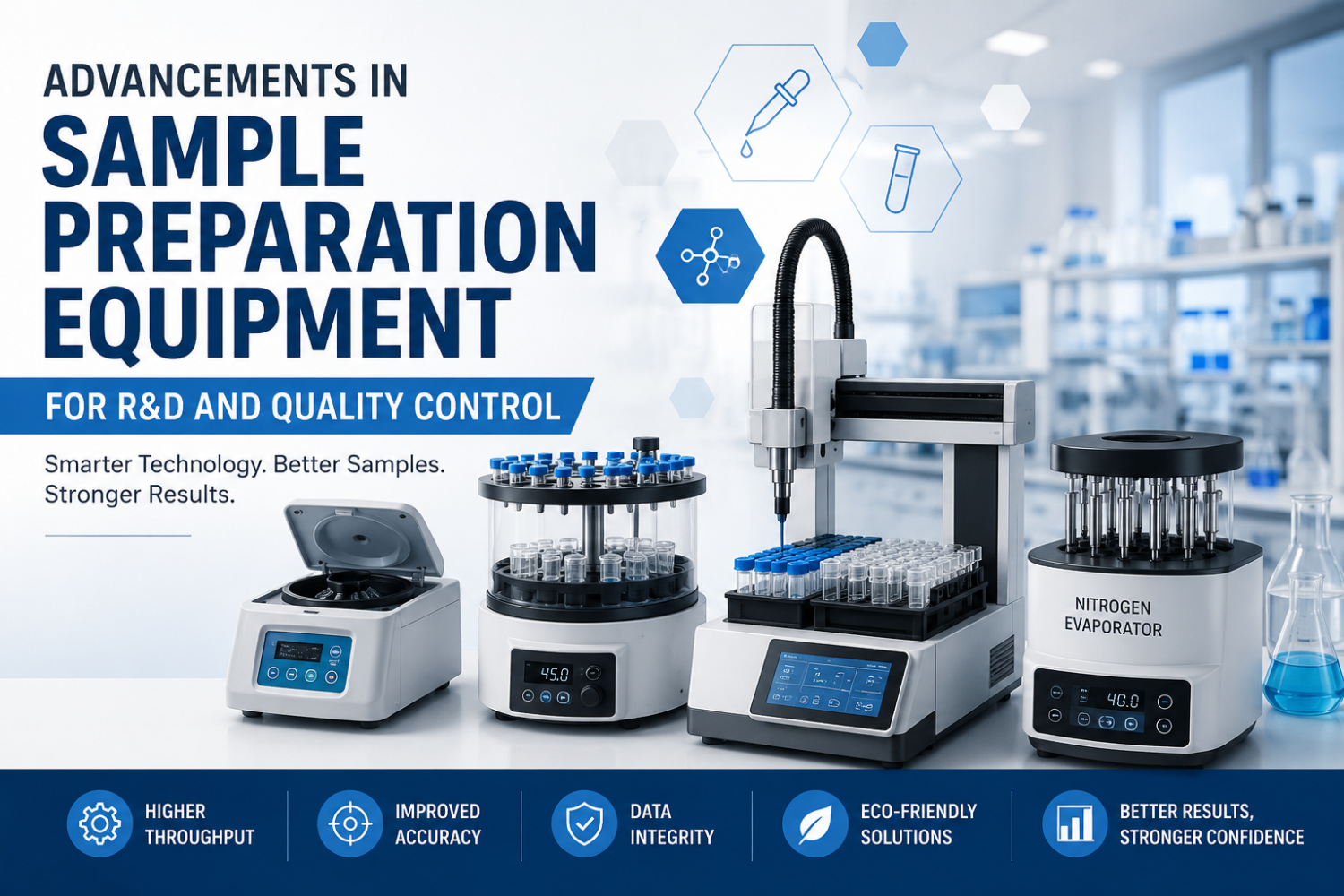
Advancements in Sample Preparation Equipment for R&D and Quality Control
Optimum Solution– Laboratory & Analytical Instruments Supplier in Bangladesh
Optimum Solution is a leading supplier of laboratory equipment, analytical instruments, and process control solutions in Bangladesh. Since our inception, we have built a strong presence in the industry, serving research labs, universities, pharmaceutical companies, and quality control laboratories nationwide. Through continuous dedication to improving our products and services, Optimum Solution has earned the trust and loyalty of our valued clients.


