


What to Ask a Laboratory Equipment Supplier in Bangladesh Before You Sign
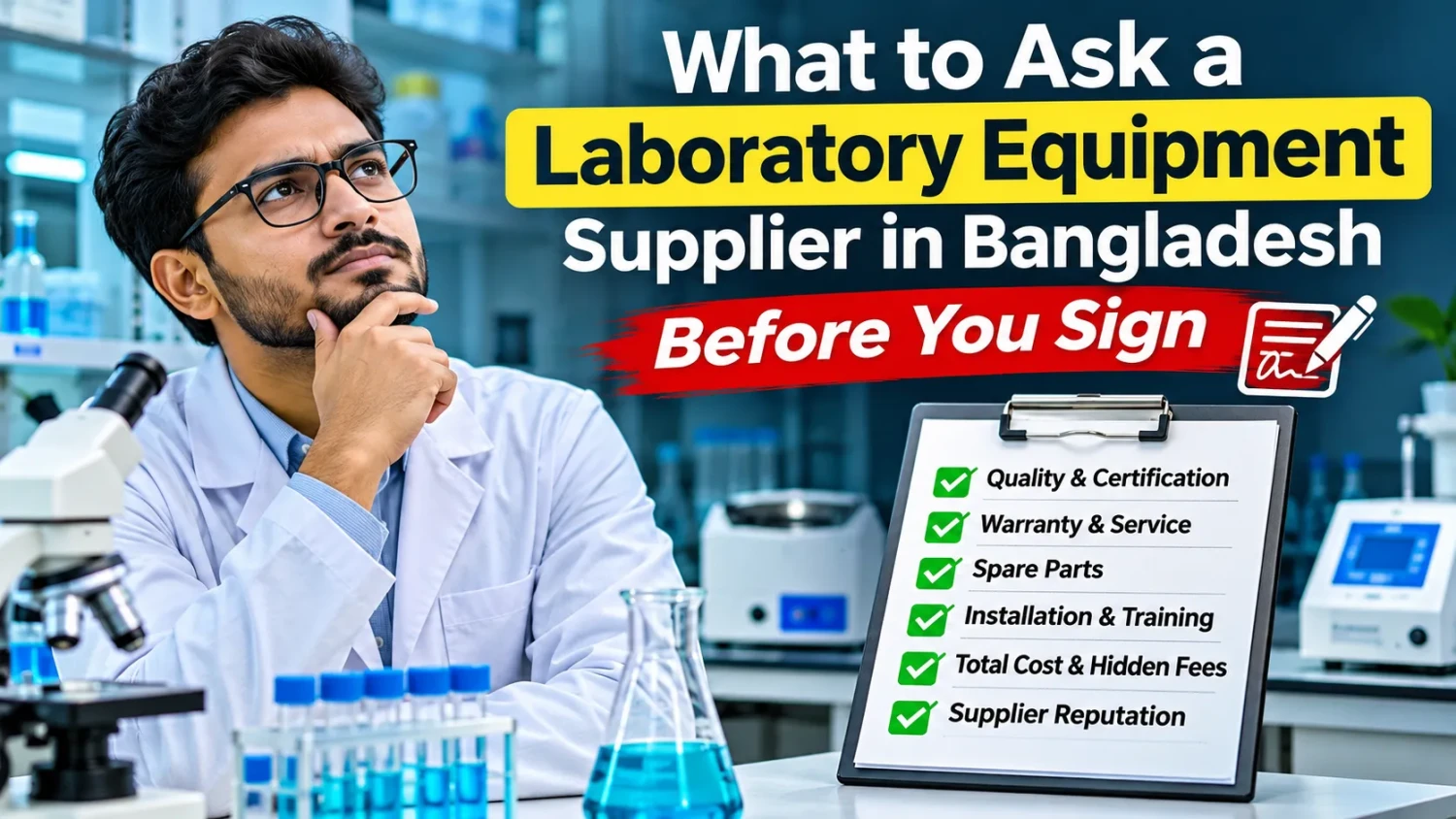
Buying laboratory equipment in Bangladesh can feel stressful when your work depends on accuracy, safety, and smooth daily use. Whether you manage research laboratories, industrial facilities, or a growing testing unit, choosing the right partner matters as much as choosing the right lab equipment. Ask the right questions before you sign, and you reduce risk, protect your budget, and improve long-term performance. A careful approach helps you choose a supplier that supports your research facility, not one that only makes a sale.
Key Highlights
Ask the right questions about laboratory equipment quality, certifications, and whether equipment suppliers can meet your lab’s actual needs.
Check if the lab equipment comes with a warranty, after-sales service, and dependable spare parts support.
Review safety standards, calibration certificates, and other documents that confirm product quality and compliance.
Confirm whether the reliable supplier offers installation, training, and technical support after delivery.
Compare quotes carefully, not just the price, so hidden fees and total cost are clear.
Look at reputation, reviews, and authenticity before choosing among equipment suppliers.
Understanding the Importance of Choosing the Right Laboratory Equipment Supplier in Bangladesh
The right supplier affects more than a purchase order. Your laboratory equipment influences accurate results, workflow efficiency, and laboratory safety every day. If product quality is poor, even small errors can harm research standards and disrupt important research activities.
On the other hand, a supplier that understands your laboratory requirements can guide you toward dependable instruments, clear warranties, and ongoing support. Before buying, ask about certifications, service, spare parts, and whether the supplier can truly meet your needs. These points also connect directly to the risks and performance impact discussed below.
Key Risks of Selecting the Wrong Supplier

Choosing an unreliable supplier can create problems long after delivery. You may receive lab equipment that fails early, lacks proper support, or does not match your actual work needs. That can slow research activities and put pressure on your team.
Common risks include:
Financial losses from poor-quality instruments that need early replacement or repeated repair.
Hidden fees that raise the final bill beyond the original quote.
Delays in service or spare parts that interrupt testing and daily workflows.
Equipment that does not meet expected standards, affecting performance and trust in results.
A safer approach is to check reviews, ask for documents, compare service promises, and confirm support before signing. Careful supplier evaluation helps you avoid costly surprises and choose a better long-term fit.
How the Right Supplier Impacts Your Lab’s Performance
A strong supplier improves your lab setup from the start. When you get the right equipment for your work, your team can produce accurate results with fewer delays and fewer breakdowns. That matters in research laboratories, industrial facilities, and other demanding environments.
Just as important, the right partner supports laboratory safety and daily workflow efficiency. Good suppliers do not stop at delivery. They help with setup, explain product use, and stay available when issues appear. That kind of technical assistance reduces confusion and helps your team work with confidence.
You can often verify reliability by checking strong reputations, online reviews, and positive feedback from other buyers. Suppliers trusted by universities, research centres, and businesses are more likely to provide steady customer support and dependable laboratory solutions over the long run.
Beginner’s Guide: How to Start the Process of Selecting a Lab Equipment Supplier
Starting with a laboratory equipment supplier search is easier when you first look inward. Before contacting vendors, define what your research laboratories actually need, what problems you are trying to solve, and which laboratory solutions fit your daily work.
Every lab has unique requirements. A supplier that suits one research facility may not suit yours. Begin with a clear list of equipment, expected use, budget limits, and service needs. Once you know your priorities, it becomes much easier to ask focused questions and shortlist suppliers with confidence.
What You’ll Need Before Reaching Out to Suppliers

Before reaching out, lab managers should organize the basics. A supplier can only recommend the right laboratory equipment if you explain your research facility needs clearly. This saves time and leads to more useful conversations.
Prepare these details first:
A list of laboratory requirements, including the type of testing equipment or analytical instruments needed.
Your budget range, including what you can spend now and maintain later.
The intended use of each instrument in your research activities or routine testing.
Questions about service, maintenance services, and the availability of spare parts.
When you share clear information, equipment suppliers can respond with better options and fewer assumptions. It also helps you judge whether they understand your needs. If a supplier cannot answer practical questions about parts, support, or product fit, that is an early warning sign.
Factors to Consider When Shortlisting Potential Suppliers
Once you have a few names, start narrowing the field with care. Not all equipment suppliers offer the same level of product quality, support, or transparency. A low quote can look attractive, but the lowest price should never be your only deciding factor.
Focus on these checks:
Product quality and whether the supplier offers genuine equipment from a reliable manufacturer.
Positive feedback from universities, businesses, or research centres.
Online reviews that mention service quality, delivery, and customer support.
Clear proof that the products meet quality standards and safety standards.
You should also look at how suppliers explain their claims. A trustworthy company should be comfortable sharing documentation, warranty details, and product information. If answers are vague or inconsistent, move on. Strong shortlisting now makes the final choice much safer and easier.
Step-by-Step Guide to Evaluating Laboratory Equipment Suppliers
A structured supplier evaluation process helps you avoid rushed decisions. Instead of choosing the first laboratory equipment supplier you find, take simple steps to compare reputation, documents, service, and pricing. This gives you a clearer view of who can provide reliable lab equipment and who may create future problems.
It also helps you compare quotes in a smarter way. Price matters, but so do warranties, support, and long-term maintenance costs. The next three steps cover reputation, certification, and after-sales service so you can make a sound decision with expert guidance.
Step 1: Researching Supplier Reputation and Reliability
Start by checking supplier reputation before discussing pricing in detail. A company with strong reputations usually has a history of serving research laboratories, universities, or industrial facilities with steady customer support. This step helps you see who is likely to stay helpful after the sale.
Use simple comparison points like these:
A strong track record matters because laboratory equipment needs ongoing support, not just a one-time transaction. If a supplier avoids basic questions or has weak feedback, keep looking.
Step 2: Verifying Certifications, Documentation, and Quality Standards
Next, ask for documents that prove the equipment is genuine and suitable for professional use. This is one of the best ways to confirm product quality. A reliable supplier should be ready to show paperwork from the equipment manufacturer and explain how the products align with quality standards.
Key documents to request include:
Certificates that show the laboratory equipment meets required standards.
Calibration certificates where relevant for testing accuracy.
Product documentation from the equipment manufacturer.
Warranty papers and any quality assurance records provided with the instrument.
These documents matter because poor paperwork often points to poor support or uncertain product origin. In laboratory work, quality assurance and safety standards are not small details. They help protect your team, your data, and your confidence in the results produced by analytical instruments.
Step 3: Discussing Warranty, After-Sales Service, and Spare Parts Availability
Now ask what happens after the equipment arrives. A strong warranty and dependable after-sales service can save you from long delays, higher maintenance costs, and unnecessary stress. Lab equipment works best when technical support and maintenance services are easy to access.
Important questions include:
What does the warranty cover, and for how long?
Is technical support available for setup, troubleshooting, and repairs?
Are spare parts stocked locally or supplied within a reasonable time?
Does the supplier provide maintenance services and follow-up assistance?
These questions help you assess the real availability of spare parts and the supplier’s long-term commitment. If support is slow or unclear, the total cost of ownership may rise fast. Good service reduces downtime, protects your investment, and keeps your laboratory instruments running smoothly in the long run.
Conclusion
Selecting the right laboratory equipment supplier in Bangladesh is crucial for the success of your lab operations. By understanding what to look for and asking the right questions, you can make informed decisions that will enhance efficiency and reliability. From evaluating supplier reputations to verifying certifications, every step plays a vital role in ensuring that you choose a partner who meets your expectations. Remember, the right supplier not only provides quality equipment but also contributes significantly to your lab’s overall performance. If you need assistance navigating this process, don’t hesitate to reach out for our free consultation!
Frequently Asked Questions
How can I compare quotes from different laboratory equipment suppliers in Bangladesh?
Compare quotes by looking beyond the listed price. Check whether the laboratory equipment includes warranty, installation, technical support, and maintenance. Ask equipment suppliers to break down the total cost clearly so you can spot hidden fees and judge fair pricing based on overall value, not just the first number.
What payment and delivery terms should I clarify before signing a contract?
Before signing, ask equipment suppliers to explain payment terms, delivery terms, and any extra charges. You should know the payment schedule, expected delivery date, and whether setup is included. Clear answers help you avoid hidden fees and reduce the risk of delays that affect timely delivery.
Why is it important to ask about installation and training services?
Installation and training matter because even good laboratory equipment can underperform if your team is unsure how to use it. Proper installation supports a safer lab setup, while technical support and practical learning help staff use instruments correctly and reduce mistakes from the start.
What documentation and certification should a reputable laboratory equipment supplier provide?
A reputable supplier should provide certificates, product documents from the manufacturer, warranty papers, and calibration certificates when relevant. These records support quality assurance and show the laboratory equipment meets expected safety standards. If documents are unclear or missing, treat that as a warning sign.
Recent Posts
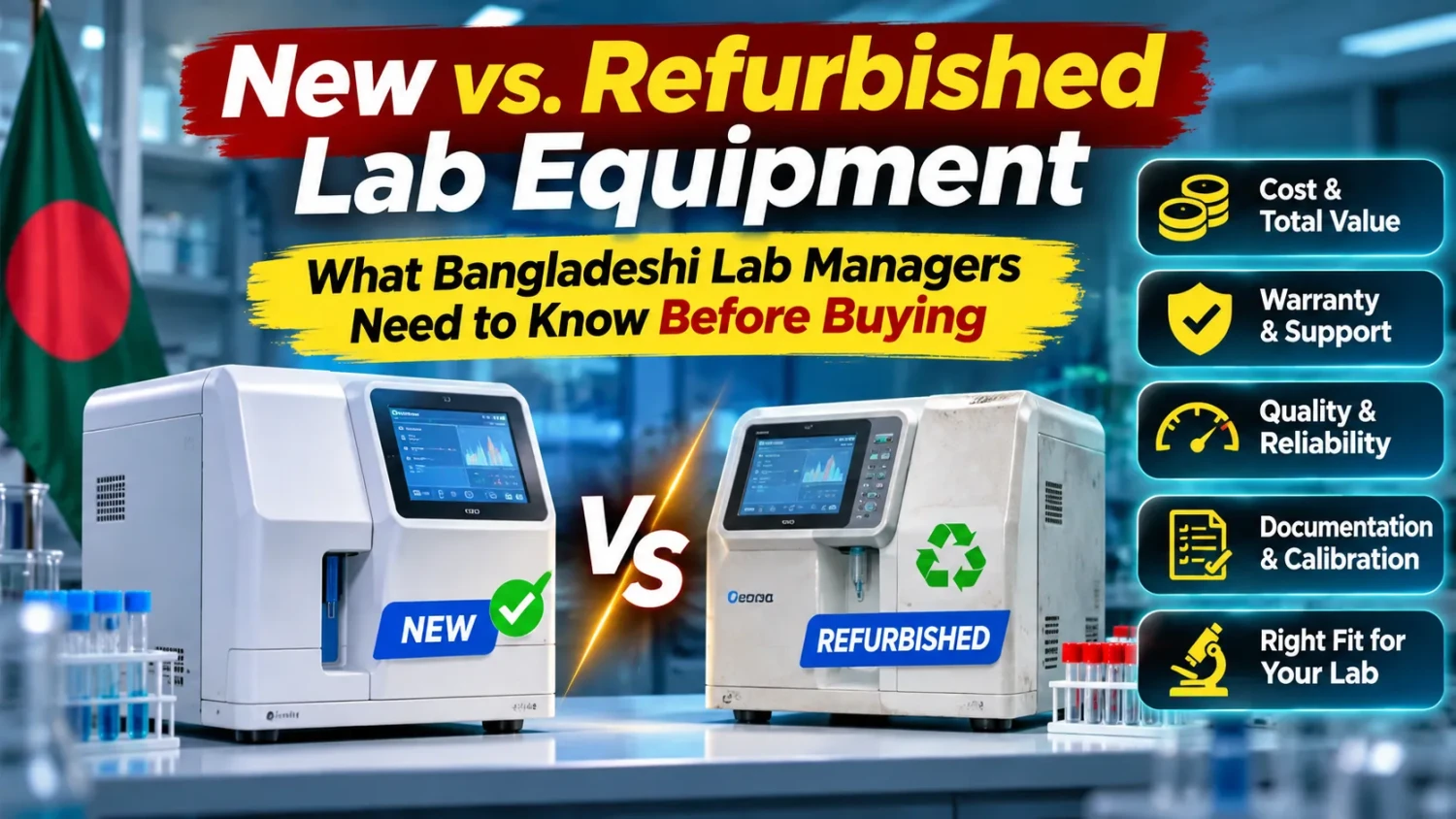
New vs. Refurbished Lab Equipment: What Bangladeshi Lab Managers Need to Know Before Buying

The Total Cost of Ownership (TCO) for a Pharma QC Lab in Bangladesh: A 5-Year Breakdown
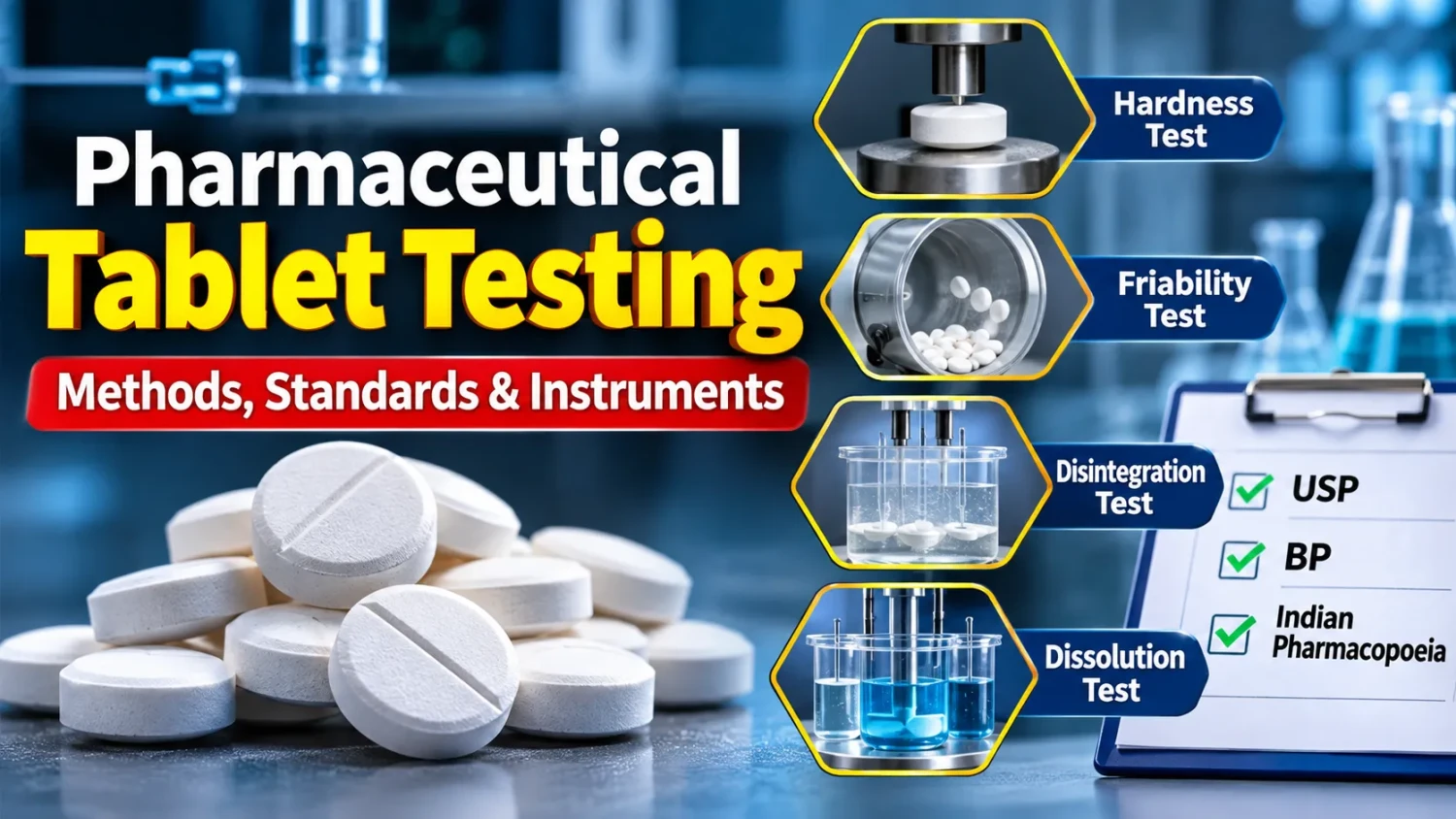
Understanding Pharmaceuticals Tablet Testing: Methods, Standards, and Instruments
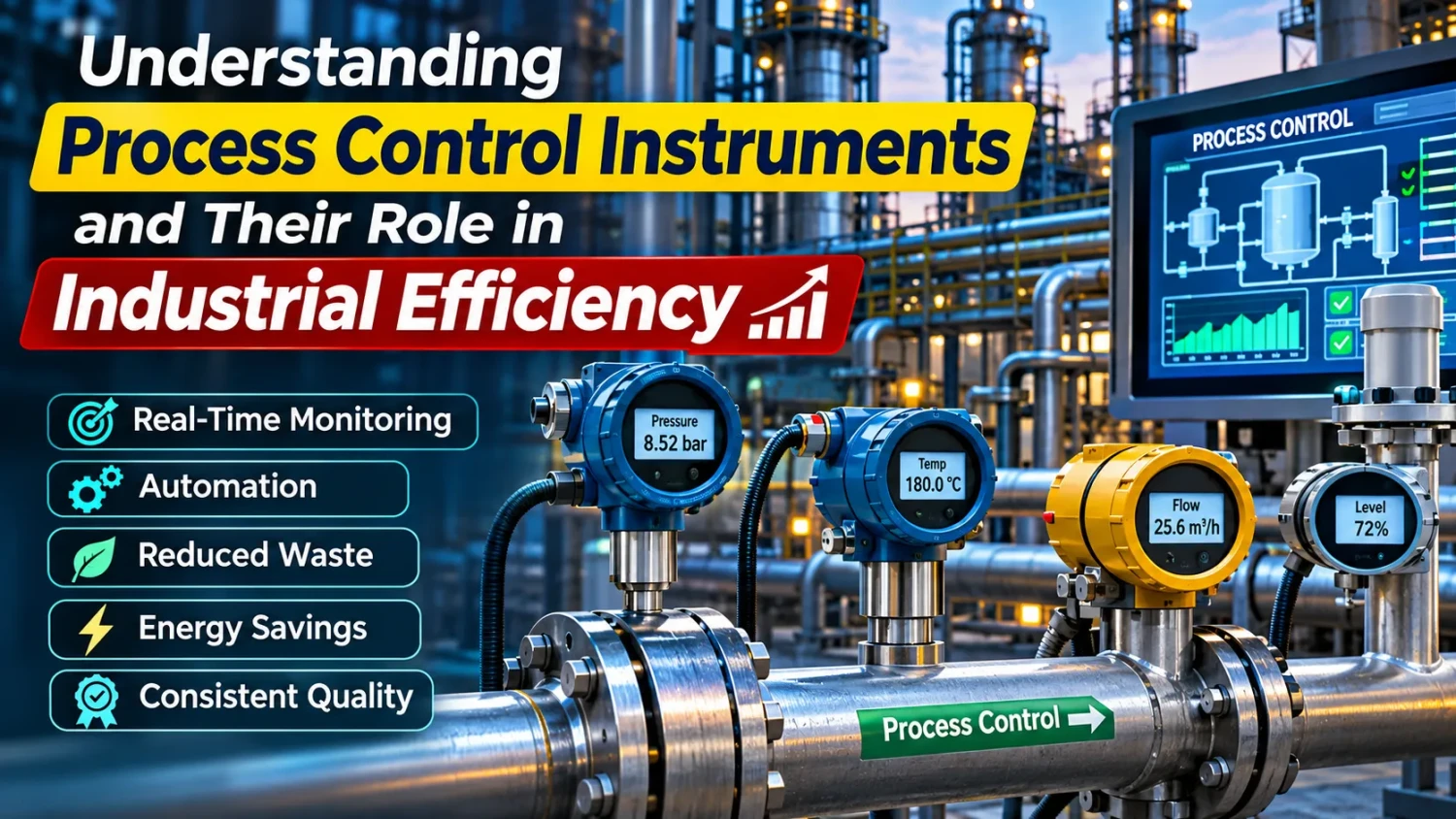
Understanding Process Control Instruments and Their Role in Industrial Efficiency
How Petroleum Testing Instruments Improve Fuel Quality and Compliance Standards?

Analytical & Elemental Instruments: Empowering Accurate Analysis for Research, Quality Control, and Industrial Applications

Optimum Solution– Laboratory & Analytical Instruments Supplier in Bangladesh
Optimum Solution is a leading supplier of laboratory equipment, analytical instruments, and process control solutions in Bangladesh. Since our inception, we have built a strong presence in the industry, serving research labs, universities, pharmaceutical companies, and quality control laboratories nationwide. Through continuous dedication to improving our products and services, Optimum Solution has earned the trust and loyalty of our valued clients.


