
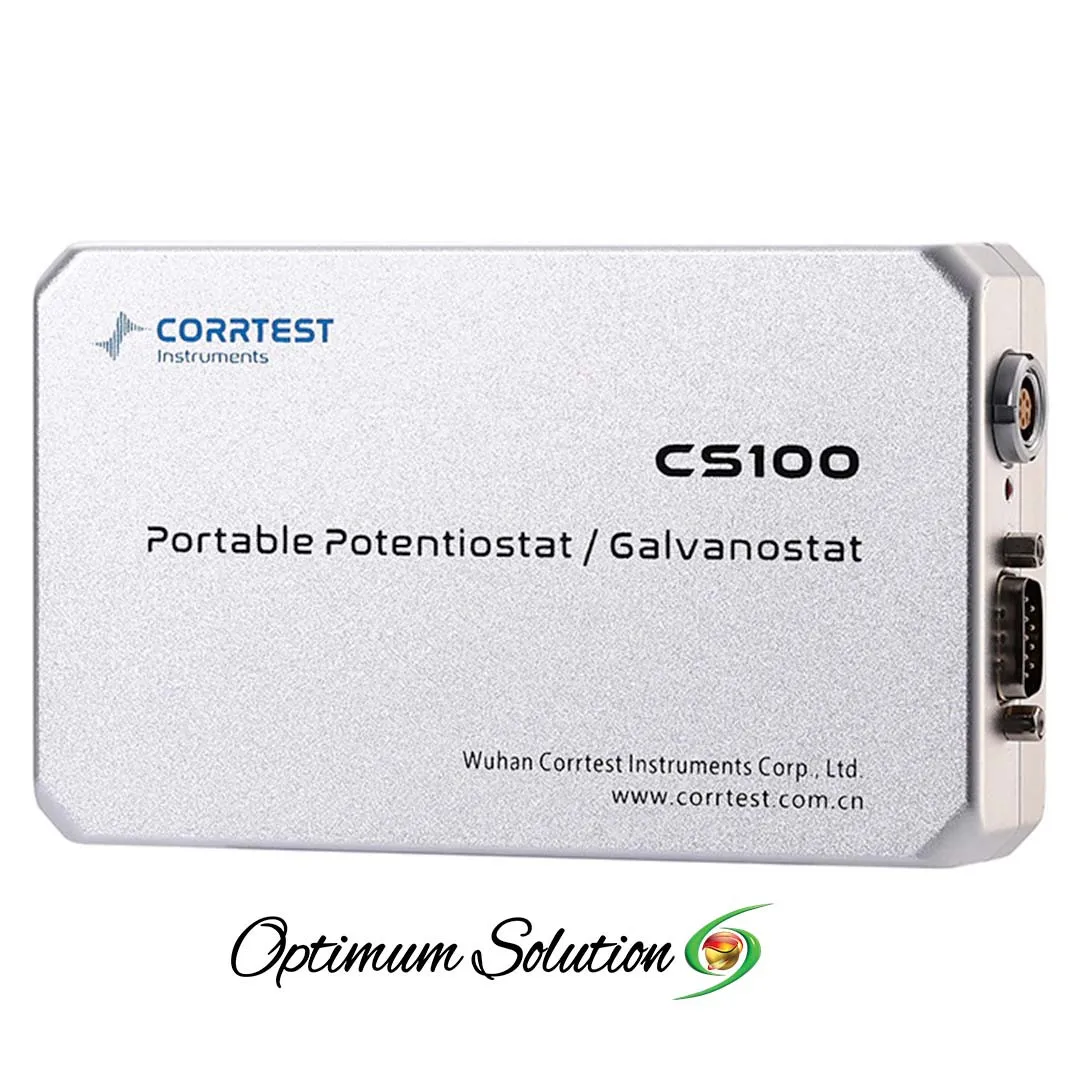
Understanding Process Control Instruments and Their Role in Industrial Efficiency

In modern industrial operations, process control is what keeps production steady, safe, and efficient. It works by measuring process variables such as pressure, temperature, flow, and level, then correcting any drift from the desired setpoint. That matters because even small changes can affect output, safety, and consistency. If you want smoother performance across a plant, understanding the instruments behind these actions is a smart place to start. They are central to reliable day-to-day operation.
Key Highlights
Process control helps a control system hold key operating targets with better consistency.
Instruments measure process variables like pressure, temperature, flow, and level in real time.
Sensors, transmitters, controllers, and final devices work together to protect product quality.
Automated control loops reduce human error and support stronger industrial efficiency.
Common instrument groups include pressure, temperature, flow, level, and analytical devices.
Good instrument selection improves reliability, maintenance access, and long-term plant performance.
Foundations of Process Control in Industry
At its core, industrial process control is about keeping process conditions close to target values. Plants do this by measuring what is happening, comparing it with a setpoint, and making adjustments through a control loop. This supports safer and more stable production.
The main types of instruments used in industrial settings include flow, level, pressure, temperature, and analytical devices. Together, they support industrial efficiency by helping systems respond quickly when operating conditions shift. The next sections break down the ideas and hardware behind that response.
Key Concepts in Industrial Process Control
Every process control setup begins with process variables. These are the values you need to watch, such as temperature, pressure, level, and flow rate. When one of these moves away from the target, the system needs to react before the change grows into a bigger issue.
That is where a control loop comes in. A sensor measures the condition, a transmitter sends the signal, and a controller compares that value with the setpoint. If there is a gap, the controller decides what corrective action is needed.
In most industrial environments, feedback control is the standard approach because it adjusts after detecting a deviation. Essential parts in this chain are sensors, transmitters, controllers, and final control elements. When these parts work together well, the process stays stable and accurate.
Evolution from Manual to Automated Systems
Older manual systems depended heavily on operators to watch gauges and make adjustments by hand. That approach could work in simple setups, but it became harder to manage as production processes grew larger and more complex. Response time was slower, and consistency depended on constant attention.
With industrial automation, those repetitive actions move into the control system. Instruments measure conditions continuously, and controllers apply logic without waiting for someone to intervene. This keeps process conditions closer to target values throughout the run.
The result is a clear gain in productivity. Automation reduces human error, improves repeatability, and helps equipment respond faster to change. In busy facilities, that means smoother output, fewer interruptions, and better use of time across industrial operations.
Main Types of Process Control Instruments
A process control setup uses several instrument groups to measure and adjust plant behavior. The main categories are flow instruments, level instruments, pressure instruments, temperature instruments, and analytical instruments. Each one supports a different part of the control system.
On the action side, the system also depends on control elements such as actuators, control valves, and variable frequency drives. These devices turn controller decisions into physical changes. The next three sections explain how monitoring, logic, and movement work together in practice.
Sensors and Transmitters for Real-Time Monitoring
Sensors and transmitters are the starting point of process control. Sensors detect physical conditions, while transmitters convert those readings into signals the rest of the system can use. This creates a steady stream of sensor data for real time monitoring.
In industrial process control systems, that signal may be a standard 4–20 mA output, HART, or a digital format. The goal is simple: measure process variables accurately and pass the information to the controller without delay. If the measurement is weak, every decision after that becomes less reliable.
Common monitoring duties include:
Measuring flow with instruments such as differential pressure flow meters
Tracking pressure, temperature, and level during normal operation
Supporting fast response when process variables drift from setpoints
Controllers and Control Logic Devices
Once measurements arrive, controllers take over. Their job is to compare the incoming value with the desired setpoint, calculate the deviation, and decide what should happen next. This is where the control strategy becomes active.
Many systems use pid control because it gives a practical way to manage error over time. The controller applies a control algorithm to decide how strongly and how quickly the system should respond. In industrial settings, PLCs are often used for discrete tasks, while DCS platforms fit continuous processing.
These logic devices are essential because they connect measurement to action. Without them, sensor readings would only be data on a screen. A strong controller helps the process control system stay steady, accurate, and responsive under changing plant conditions.
Actuators and Final Control Elements
After the controller makes a decision, actuators and other final control elements carry it out. These are the devices that physically change the process, whether by opening a path, adjusting speed, or changing position. They are the working end of the loop.
A control valve is one of the most common examples. It can increase or reduce flow control based on what the controller requests. Other final control elements include actuators and variable frequency drives, which help shift operating conditions quickly and with precision.
Typical final devices include:
Control valve assemblies for fluid regulation
Actuators that move valves or dampers
Variable frequency drives that adjust motor speed
Essential Components in a Process Control System
A complete process control system depends on several key components working as one. At minimum, you need a sensor, a transmitter, a controller, and a final device such as a valve or drive. Each part supports a different step in the control loop.
You also need tools for operator visibility and communication, including HMI screens and network protocols. Without those layers, the system becomes harder to monitor and maintain. The next sections look at how people and devices stay connected across the plant.
Human-Machine Interface (HMI) and Visualization
An HMI gives operators a clear way to see what the process is doing. From the control room, staff can view measurements, alarms, trends, and equipment status in one place. Good visualization helps people understand process conditions quickly.
This matters during both routine production and upset conditions. When operators can spot a drift in pressure, flow, or level early, they can respond faster and support stable operation. It also makes manual intervention easier when a process needs attention.
One challenge in implementation is making sure the displayed information truly matches field performance. Signal noise, communication faults, incorrect readings, and calibration drift can all affect what operators see. A well-designed HMI helps identify these issues before they disrupt the process.
Communication Networks and Protocols
Communication protocols allow instruments, controllers, and supervisory systems to exchange information across industrial process control systems. They make real time monitoring possible and support remote diagnostics, scaling, and smoother integration between plant devices.
When data moves reliably, decision-making improves. Operators and engineers can compare live values with setpoints, see faults earlier, and take corrective actions faster. This shortens response time and helps maintain process stability under changing conditions.
Here is a simple text table of common communication protocols:
How Process Control Instruments Drive Industrial Efficiency
Process control instruments improve operational efficiency by keeping production closer to target conditions. They reduce unnecessary variation, support faster corrections, and help equipment run in a more stable way. That matters across process industries where small deviations can create bigger losses.
Just as important, these tools lower energy use, improve consistency, and reduce downtime linked to manual intervention. For plants focused on output and reliability, instrumentation is not optional. It is a practical driver of better performance, which the next sections explain in more detail.
Enhancing Productivity Through Automation
Industrial automation improves productivity by replacing slow, repetitive adjustments with continuous control. Instead of waiting for an operator to notice a problem, the system can detect change and respond immediately. That keeps production moving with fewer interruptions.
This approach is useful in many settings, from continuous processing to assembly lines with linked equipment. Automated loops keep values near target, which reduces variation between runs. That leads to steadier throughput and less time spent correcting avoidable process swings.
Some systems also use predictive control or hybrid methods that combine feedback and feedforward control. These approaches help the plant respond more effectively to expected disturbances. When automation is tuned well, you get faster reactions, more consistent output, and better use of labor.
Reducing Waste and Energy Consumption
Waste reduction starts with process stability. When a system stays closer to steady state, it avoids the large swings that often cause off-spec material, excess rework, or unnecessary shutdowns. Instruments help keep those swings under control by detecting change early.
The same principle supports lower energy use. If a plant can maintain temperature, pressure, and flow within tighter limits, it avoids overcorrection and unnecessary equipment strain. That makes operation more efficient across long production cycles.
Key benefits include:
Lower energy use through tighter control of critical conditions
Better waste reduction by limiting process variability
More stable operation with fewer corrective interventions
Applications of Process Control Instruments in Manufacturing
Process control instruments support a wide range of industrial applications in manufacturing and other process industries. They are used anywhere plants need accurate measurement and stable control of flow, pressure, temperature, level, or chemical composition.
Common examples include oil and gas pipeline monitoring, chemical reaction and flow control, boiler and turbine control in power generation, hygienic monitoring in food production, and controlled environments in pharmaceuticals. The next sections show how these tools support both processing style and quality needs.
Batch Versus Continuous Processing
Batch processing and continuous processing both rely on instrumentation, but they use it in slightly different ways. In batch operations, instruments help track each stage of a run. In continuous systems, they support ongoing balance across the whole process.
No matter the format, plants still need to maintain process conditions such as temperature, pressure, and flow. Stable measurement supports quality control, especially when product consistency matters from one cycle to the next or across long production periods.
In manufacturing, instruments commonly help with:
Monitoring each production stage in batch processing
Holding steady operation during continuous processing
Supporting quality control through accurate measurement and response
Supporting Quality Assurance and Compliance
Consistent product quality depends on reliable measurement. If a plant cannot accurately track temperature, pressure, flow, or level, it becomes much harder to keep output within required limits. Process control instruments help close that gap.
They support quality control by identifying deviations early and triggering corrective action through the control loop. This lowers variability and helps production stay aligned with expected standards. In regulated sectors like food and pharmaceuticals, that level of consistency is especially important.
They also support compliance by creating a more controlled operating environment. Following best practices such as proper calibration, correct installation, and routine checks helps maintain confidence in the readings. When the measurements are trustworthy, quality assurance becomes far more effective.
Selecting the Right Process Control Instruments
Choosing the right instrument is a practical decision that affects the entire control system. A poor match can create signal errors, unreliable readings, or early equipment failure. A good match supports process control that is accurate, stable, and easier to maintain.
To reach optimal performance, you need to look at operating conditions, accuracy needs, compatibility, and service access. Those factors shape long-term reliability just as much as the initial specification. The next two sections break that selection process into clear priorities.
Assessment of Facility Needs and Process Goals
Instrument selection should begin with your facility’s actual needs. Different process industries handle different materials, pressures, temperatures, and operating demands. That means the right device for one line may be the wrong choice for another.
Start by identifying the process variables you need to measure and control. Then connect those needs to your process goals, such as tighter stability, better response time, or easier maintenance. This keeps the choice focused on performance instead of just product category.
Important selection points include:
Process temperature and pressure
Chemical compatibility with the media
Required accuracy, response time, and maintenance accessibility
Performance, Reliability, and Maintenance Considerations
Performance is not only about accuracy on day one. You also need repeatability, response time, resistance to harsh environments, and low drift over time. These factors shape reliability in real operating conditions.
Maintenance matters just as much. Instruments should be accessible for inspection, calibration, and troubleshooting. Good best practices include checking sensor output, verifying signal transmission, reviewing controller logic, and inspecting final devices when problems appear.
If a plant plans to use more advanced strategies such as model predictive control, measurement quality becomes even more important. Strong data supports stronger decisions. When you choose instruments with durability and serviceability in mind, the system is easier to trust and easier to keep running well.
Conclusion
In summary, understanding process control instruments is vital for enhancing industrial efficiency. By leveraging various types of instruments—from sensors to controllers—you can ensure real-time monitoring and automation, which leads to increased productivity and reduced waste. The right selection of these tools not only supports operational goals but also facilitates consistent product quality and compliance with industry standards. Implementing effective process control systems helps businesses stay competitive in an ever-evolving landscape. If you're looking to elevate your operations, don’t hesitate to reach out for a free consultation to explore how these technologies can make a difference in your facility.
Frequently Asked Questions
How do process control instruments help maintain consistent product quality?
Process control instruments maintain product quality by measuring process variables continuously and supporting fast correction when values drift from target. With the right control strategies, plants reduce variation, improve quality control, and keep pressure, temperature, level, and flow closer to required operating limits.
What factors should be considered when implementing a new process control system?
Start with facility needs, required measurements, operating pressure and temperature, chemical compatibility, and maintenance access. A strong process control system also needs a clear control loop design that can hold steady state conditions. These steps support effective process control and reduce avoidable performance issues.
How does real-time data from these instruments support operations management?
Real time sensor data helps operations management see changing conditions early, compare them with target values, and respond faster. That supports process stability, better planning, and timely corrective actions. It also gives teams clearer visibility into faults, performance shifts, and overall plant behavior.
Recent Posts
Understanding Process Control Instruments and Their Role in Industrial Efficiency
How Petroleum Testing Instruments Improve Fuel Quality and Compliance Standards?
Analytical & Elemental Instruments: Empowering Accurate Analysis for Research, Quality Control, and Industrial Applications


How Viscosity, Rheometer & Texture Analyzer Shape Product Quality in R&D Laboratories?

How Laboratory Heating & Cooling Equipment Improves Accuracy and Efficiency in Testing?

The Role of Laboratory Safety & Environmental Monitoring in Risk Prevention
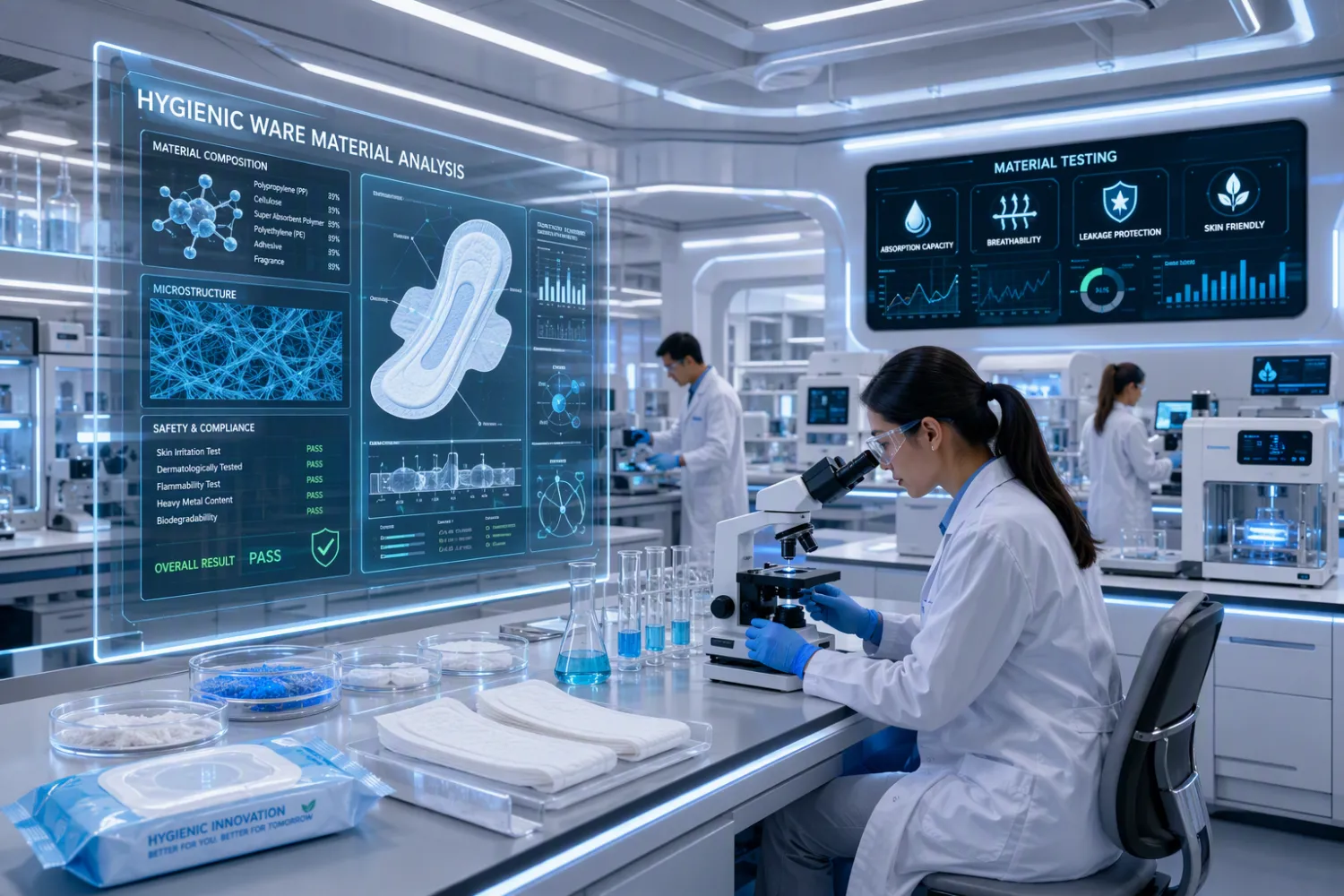
Health and Hygiene Ware Material Testing: Ensuring Quality, Safety, and Compliance
Optimum Solution– Laboratory & Analytical Instruments Supplier in Bangladesh
Optimum Solution is a leading supplier of laboratory equipment, analytical instruments, and process control solutions in Bangladesh. Since our inception, we have built a strong presence in the industry, serving research labs, universities, pharmaceutical companies, and quality control laboratories nationwide. Through continuous dedication to improving our products and services, Optimum Solution has earned the trust and loyalty of our valued clients.


