
-
 Analytical & Elemental Instruments
-
Biotechnology Lab Items
-
Cardboard and Box Factory Lab Equipment Solution
-
Cleanroom Solution
-
Consumables & Accessories
-
Dosing Pump for Chemicals
-
Electrochemistry & Titration
-
ETP -Effluent Treatment Plant
-
Feed Quality Laboratory
-
Food & Kitchen Lab Items
-
Hygiene Testing Equipment
-
Lab Furniture



Top Textile Lab Equipment and Instruments Every Quality Control Lab Should Have
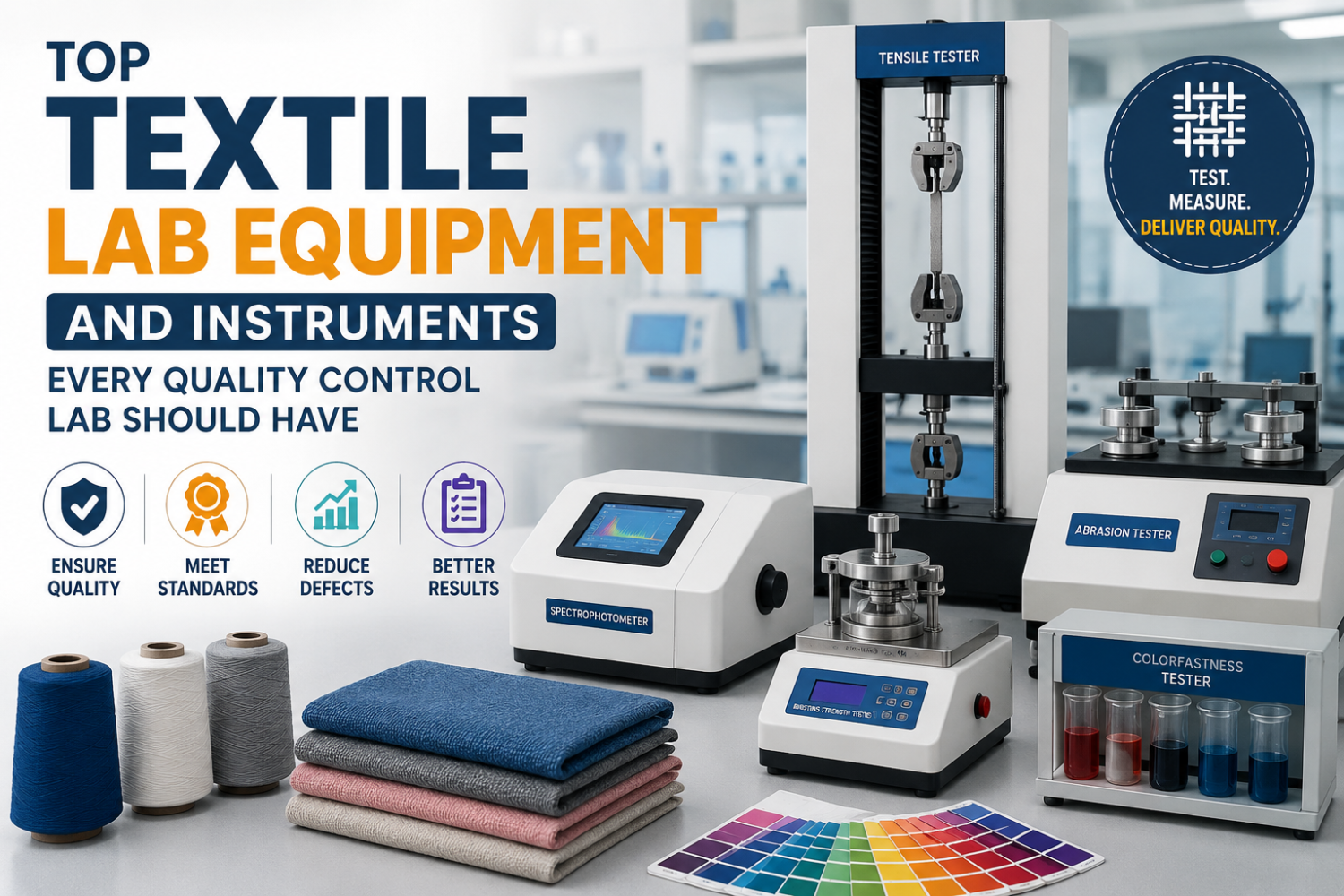
In the textile industry, product quality cannot be left to guesswork. You need proof that fabrics, yarn, and finished garments can meet customer needs and industry standards. That is where textile testing equipment becomes essential. These tools help quality assurance teams measure strength, color performance, comfort, durability, and other important fabric properties before products reach the market. A well-equipped lab supports better decisions at every stage, from raw materials to final inspection. It also helps manufacturers stay competitive by reducing defects and improving consistency. If you run or manage a lab, knowing which instruments matter most can save time, lower risk, and strengthen your testing process. The next sections break down the equipment every serious quality control lab should know.
Key Highlights
Quality control in the textile industry depends on the right testing equipment, from tensile testers to colorfastness and moisture tools.
A strong lab setup uses textile testing instruments to check strength, durability, comfort, appearance, and safety before products move forward.
Modern laboratory equipment improves precision, consistency, and reporting, which helps labs meet industry standards and quality standards.
Commonly used instruments include abrasion testers, bursting strength testers, air permeability testers, spectrophotometers, and fastness tester systems.
Good textile lab equipment helps Bangladesh manufacturers protect product quality, reduce defects, and support quality assurance across production.
Choosing the right setup means looking at standards compliance, maintenance needs, supplier support, budget, and future testing goals.
Why Textile Lab Equipment Is Crucial for Quality Control in Bangladesh
Bangladesh plays a major role in the textile industry, so quality control has to be strong, clear, and repeatable. Textile lab equipment gives you the data needed to check whether fabrics meet quality standards before they move into production or shipment. Without proper testing instruments, problems with tensile strength, abrasion resistance, colorfastness, or moisture behavior may go unnoticed until customers complain. That can lead to waste, returns, and damaged trust.
Good testing also helps labs in Bangladesh align with industry standards used by global buyers. When your laboratory environment uses reliable instruments, you can measure product quality with more precision and consistency. This matters for woven fabrics, knitted fabrics, technical textiles, and sustainable materials alike. Textile lab equipment is important for maintaining product quality because it turns assumptions into measurable results. It supports safer products, stronger quality assurance, and better compliance. To understand this better, it helps to look at what quality control labs actually do and why modern instruments make such a difference.
The Role of Quality Control Labs in the Textile Industry
A quality control lab is where the textile industry checks facts, not opinions. In this space, fabrics and yarn are tested for strength, appearance, comfort, and safety before approval. The goal is simple: protect product quality and make sure each batch performs as expected. A proper laboratory environment helps teams work with stable conditions, accurate samples, and repeatable methods.
The essential textile lab equipment and instruments needed for quality control usually cover several areas. Labs often need tensile testers, abrasion testers, pilling testers, bursting strength testers, colorfastness machines, spectrophotometers, moisture management tester systems, air permeability tester units, and thickness or compressibility devices. Some labs also use flammability testers and environmental testing chambers. Each one checks a different part of the properties of textiles.
What makes these labs so valuable is their ability to catch issues early. A weak specimen, poor rubbing resistance, bad washing fastness, or low resistance of fabrics can be identified before production losses grow. Testing instruments also create records that support quality assurance and standards compliance. When a lab is equipped well, it becomes a crucial role player in keeping production reliable, efficient, and trusted.
Key Advantages of Using Modern Testing Instruments
Modern testing instruments bring more control to daily lab work. In the textile testing industry, that matters because small mistakes can lead to large losses. Newer systems often include digital recording, software support, and automated functions that reduce manual error. This helps you get more dependable results from one test to the next.
Another big benefit is better precision and consistency. When the same method gives similar results across batches, your team can trust the data. That improves quality assurance and helps you compare raw materials, process changes, and final products with more confidence. Advanced tools also make it easier to follow standards such as ISO, ASTM, and AATCC requirements.
Key advantages include:
Faster testing and reporting for routine quality control work
Better precision when measuring strength, fastness, moisture, and abrasion
Higher consistency across operators, shifts, and production batches
Stronger support for innovation in sustainable and technical textile products
Easier compliance with global industry standards and buyer requirements
Modern equipment does more than save time. It gives valuable insights that help labs improve products, reduce waste, and support smarter decisions across the full testing process.
Essential Categories of Textile Testing Equipment
Textile testing equipment usually falls into a few main categories. This makes lab planning easier because you can group instruments by the type of property they measure. Most quality control labs use physical testing equipment, chemical testing tools, and advanced analytical instruments. Together, these categories cover strength, durability, color, comfort, composition, and long-term performance.
The most commonly used textile testing instruments in quality control labs often come from these groups. Tensile testers, abrasion testers, pilling testers, bursting strength machines, color fastness tester systems, spectrophotometers, moisture meters, and air permeability tester units are seen in many setups. Each type of lab equipment answers a different question about fabric behavior. In the next sections, you will see how these categories work and why each one matters.
Physical Testing Instruments
Physical testing focuses on how a fabric behaves under force, friction, pressure, or repeated use. These tests are some of the most common in a textile lab because they relate directly to durability and everyday performance. If you want to know whether a material can handle pulling, rubbing, stretching, or compression, physical testing is the starting point.
A textile tensile testing machine measures tensile strength and elongation. This tells you how much force a specimen can take before it breaks. Abrasion testers check how well fabrics resist surface wear caused by friction. Pilling testers show whether fiber balls form after rubbing. Bursting strength instruments measure how much pressure woven fabrics, knitted fabrics, or non-wovens can take before failure. Thickness and compression tools help labs check comfort, insulation, and structure.
These tests answer practical questions. Will the garment last? Will upholstery keep its look? Will technical textiles hold up under stress? Physical testing instruments give clear data on resistance of fabrics and product life. That makes them essential for quality control, especially when you are comparing raw materials, verifying production changes, or approving finished goods for market use.
Chemical Testing Instruments
Chemical testing helps labs understand how textiles react to dyes, finishes, moisture, and other chemical conditions. It looks at the properties of textiles that affect safety, comfort, and performance. In a quality control lab, this area supports color stability, finishing quality, and the evaluation of eco-friendly materials and processes.
Common testing equipment in this group includes colorfastness testing machines, launder-ometer systems for washing resistance, instruments for perspiration and rubbing checks, and pH-related laboratory equipment used to assess acidity levels in fabric. Moisture-related tools also matter because moisture and humidity can influence fabric behavior and comfort. These instruments are widely used not only in textiles but in the chemical industry where material interaction must be measured with care.
If you need a simple checklist of must-have instruments for a textile quality control lab, chemical testing should include a color fastness tester, washing fastness equipment, rubbing fastness tools, perspiration assessment setups, and moisture meters where relevant. These tools help you confirm dye performance, finish stability, and safe fabric condition. When paired with physical testing, they create a fuller picture of quality.
Advanced Analytical Tools
Advanced analytical tools help labs move beyond basic pass-or-fail testing. These systems give deeper information with higher precision, which supports product development, troubleshooting, and process improvement. In modern labs, analytical instruments help teams understand not just what failed, but why it failed.
Spectrophotometers are a strong example. They measure color with great accuracy by analyzing light reflection and absorption. Environmental testing chambers simulate temperature, humidity, and UV exposure so you can see how fabrics change over time. Thermal comfort devices such as the sweating guarded hotplate measure insulation and water vapor behavior. These testing equipment options help evaluate performance, comfort, and the resistance of fabrics under more realistic conditions.
This is how modern lab equipment helps in the modernization of textile industries. It supports digital data, better comparisons across batches, and stronger product research. It also helps labs test sustainable textiles, smart materials, and high-performance fabrics with more confidence. When you add advanced analytical tools to a lab, you improve both daily quality control and long-term innovation.
Must-Have Physical Testing Instruments for Textile Labs
Some physical tools are simply too important to skip. If your goal is strong quality control, your testing equipment should cover force, wear, and fabric failure. Tensile testers, bursting strength machines, abrasion instruments, and pilling testers are among the most useful textile testing instruments in daily lab work. They help you assess how materials behave during use, washing, and handling.
These are essential types of textile lab equipment because they connect directly to product quality. A fabric that tears too easily, pills too fast, or loses surface integrity under abrasion will not satisfy buyers for long. By using the right physical instruments, your lab can compare materials, confirm durability, and support better production decisions. Let’s look closer at the most important ones.
Tensile Strength Testers and Their Application
Tensile testers are core instruments in the textile industry because they measure one of the most important fabric behaviors: resistance to pulling force. A tensile testing machine stretches a specimen in a controlled way until it breaks. The system records breaking force and elongation, giving a clear view of fabric strength and flexibility.
This test is used on woven, non-woven, and knitted materials. It helps labs compare raw materials, evaluate yarn performance, and confirm whether finished fabrics can handle real use. Since the properties of textiles vary by fiber, structure, and finishing process, tensile data is a basic part of quality control. It can also help assess the expected longevity of sustainable materials that are meant to reduce waste through longer use.
Tensile testing answers a very practical question: will the fabric hold up under stress? That is why this instrument is used so often in apparel, upholstery, and industrial applications. Among all tests performed using textile lab equipment, tensile testing remains one of the clearest ways to judge strength, performance, and consistency across production batches.
Bursting Strength Testers for Woven and Knitted Fabrics
Bursting strength testers are especially useful when fabrics are likely to face pressure from many directions at once. Instead of pulling a specimen in one line, these testing instruments apply hydraulic or pneumatic pressure until the sample ruptures. This gives you a different picture of durability than a straight tensile test.
They are widely used for knitted fabrics, non-wovens, and some woven fabrics. Knits often stretch and deform under pressure, so bursting strength is a better measure of real performance in many cases. The data helps labs judge whether a fabric is suitable for garments, packaging, technical products, or other uses where multi-directional stress matters.
Because of this, bursting strength testers are among the textile testing instruments most commonly used in quality control labs. They help you spot weak structures early and compare materials more fairly based on end use. If your lab handles stretch fabrics or pressure-sensitive applications, this tool should be high on your list. It adds another important layer to durability testing and product approval.
Abrasion and Pilling Testers for Durability Assessment
Abrasion testers and pilling testers focus on surface performance. These instruments show how a fabric reacts to repeated friction, which is a major cause of wear in garments, upholstery, and other textile products. A fabric may look strong in a tensile test but still fail in daily use if the surface breaks down too quickly.
Abrasion testers, such as Martindale-type systems, measure abrasion resistance by simulating rubbing over time. Pilling testers check whether loose fibers form pills on the surface. Both tests matter because they affect durability, appearance, and customer satisfaction. They are especially useful when evaluating organic cotton, recycled polyester, woolen textiles, and other materials that must keep their look over a longer lifecycle.
High-quality instruments improve product quality and compliance because they help labs:
Measure friction effects with better repeatability
Compare fabric surfaces across batches with more confidence
Detect low abrasion resistance before products reach the market
Support quality standards linked to durability and appearance
Build stronger evidence for buyer approval and quality assurance
When labs invest in dependable abrasion testers and pilling testers, they reduce uncertainty. Better data leads to better products, fewer complaints, and stronger alignment with required standards.
Instruments for Measuring Textile Performance and Comfort
Not every test is about strength alone. Many products also need to feel comfortable and perform well in real conditions. That is why textile testing equipment for textile performance looks at breathability, waterproof behavior, moisture movement, thickness, and compression. These testing instruments help labs understand how a fabric behaves when worn, layered, or exposed to changing conditions.
In quality assurance, comfort testing is very important for sportswear, medical textiles, bedding, and outdoor products. Air and water permeability tools, moisture management devices, and thickness testers are common choices. These instruments answer practical questions about wearability and function. The next sections explain the tests that matter most when comfort and performance are key.
Air and Water Permeability Testers
Air and water permeability testers are used to check how easily air or water passes through a fabric. In laboratory testing, these tools are very useful for outdoor gear, medical textiles, filtration materials, and breathable garments. They show whether a material can balance protection with comfort.
An air permeability test measures breathability. It tells you how much air can pass through the specimen under set conditions. An air permeability tester helps labs judge whether a fabric feels cool, ventilated, or too closed. Water permeability testing looks at waterproof or water-resistant behavior. This is important for jackets, tents, and weather-related products where fabric performance must match use conditions.
These are common textile testing methods because they connect directly to real wear. A fabric may be strong, but if it traps too much heat or fails to block water, it may still be unsuitable. By using permeability testing, labs can improve product selection, confirm design intent, and support better quality decisions. For sustainable materials too, this testing helps prove that eco-friendly options can perform in demanding applications.
Moisture Management Testers
Moisture behavior is a big part of fabric comfort. If a textile cannot absorb, move, and release moisture well, the wearer may feel sticky, hot, or uncomfortable. A moisture management tester helps measure wicking, spreading, and drying behavior. This is especially useful for sportswear, medical textiles, and outdoor apparel.
Moisture meters can also support checks where moisture levels matter in materials or test conditions. Since humidty and moisture can affect results, labs should think about the test environment as well as the instrument itself. When choosing the right textile testing equipment for your quality control laboratory, start with the product type. If your fabrics are sold on comfort claims, moisture testing should be part of your setup.
These instruments also help labs verify quality standards linked to performance claims. Natural fibers such as bamboo or hemp are often promoted for moisture handling, and testing confirms whether those claims hold up. Good moisture data helps you compare materials fairly, improve product development, and avoid making assumptions based only on marketing language.
Fabric Thickness and Compressibility Testers
Thickness and compressibility are easy to overlook, but they strongly affect comfort, insulation, and structure. These testing instruments measure how thick a fabric is and how it behaves when pressure is applied. That matters for quilts, carpets, technical textiles, padding, and layered garments where feel and bulk are important.
A thickness test gives clear data on fabric build. A compressibility test shows how much the material changes under load and whether it recovers. Together, they help labs understand key fabric properties that are linked to softness, cushioning, warmth, and long-term shape. In quality control, this information is useful when comparing batches or confirming that a product matches the original specification.
If you need a checklist of must-have instruments for a textile quality control lab, thickness and compressibility testers deserve a place when your products rely on comfort or insulation. They are especially valuable for recycled polyester batting, natural fiber insulation, and other materials where volume and compression affect final performance. These simple tests often prevent big problems later in use.
Colorfastness and Appearance Testing Equipment
Color and appearance shape first impressions. Even a strong fabric can disappoint if the shade is inconsistent or if the surface changes too quickly after washing, rubbing, or light exposure. That is why color fastness and appearance checks are among the most common textile testing instruments in quality control labs.
A color fastness tester, spectrophotometer, and related fastness tester systems help labs measure both visual consistency and resistance to fading or staining. These tools are essential for dyed fabrics, especially when brands expect repeatable shades across batches. In the following sections, you will see how accurate color measurement and fastness testing work together to protect product quality.
Spectrophotometers for Accurate Color Measurement
A spectrophotometer is one of the most useful tools for accurate color measurement in the textile industry. Instead of relying only on visual checks, this instrument measures how fabric reflects and absorbs light. That gives labs numeric data they can use to compare shades across production batches.
This matters because color changes can create waste, rework, and customer complaints. A fabric may pass strength tests but still fail on appearance if the shade does not match the approved standard. Spectrophotometers support colorfastness work by helping labs monitor dye consistency before and after testing. They are also valuable when working with eco-friendly dyes, where stability and batch control must be verified carefully.
Color measurement is one of the key tests performed using textile lab equipment because it protects both product quality and brand trust. With a spectrophotometer, your lab can reduce guesswork, improve approval speed, and support more consistent production. For any lab that handles dyed materials, this instrument is not just useful. It is foundational.
Colorfastness Testers for Washing, Light, and Rubbing Resistance
Colorfastness testers check how well fabrics keep their color during normal use and care. These instruments simulate washing, light exposure, perspiration, and rubbing so labs can see whether dyes fade, bleed, or transfer. In many quality control labs, they are among the most commonly used tools because appearance issues are easy for customers to notice.
A fastness tester gives practical information about fabric reliability. Washing tests show whether a shade changes after laundering. Lightfastness tests show how color reacts to exposure over time. Rubbing checks, often called crocking tests, measure whether color transfers from the surface. Together, these tests help labs confirm compliance with industry standards and buyer expectations.
Here is a simple text table that shows the main use of each colorfastness test:
Test Type | What It Checks | Why It Matters |
|---|---|---|
Washing fastness | Color change or staining after washing | Protects appearance during regular care |
Light fastness | Fading after light exposure | Important for garments, home textiles, and outdoor use |
Rubbing fastness | Color transfer during rubbing | Helps prevent staining and poor surface performance |
Perspiration fastness | Dye stability under sweat-like conditions | Useful for apparel worn close to skin |
These tests help labs catch weak dye performance early and keep product quality more dependable.
Factors to Consider When Choosing Textile Lab Equipment
Choosing textile lab equipment starts with your actual testing needs. Ask what products you handle, which failures happen most often, and what buyers expect from your quality control process. A lab that tests sportswear may need moisture and air tools, while one focused on dyed fabrics may need stronger fastness and color systems. The right laboratory equipment should match your workload and product range.
You should also check quality standards, industry standards, data handling, and long-term support. Good equipment helps you produce repeatable results, meet compliance needs, and grow without replacing everything too soon. The next two sections focus on standards, budget, maintenance, and supplier support, which are often the biggest factors in smart lab planning.
Compliance with International and Bangladesh Standards
When setting up a new textile quality control lab, compliance should be one of your first concerns. Buyers and manufacturers often expect test results that align with international standards. If your instruments or methods do not match accepted systems, your data may not be trusted outside your own facility.
The most common references mentioned across textile testing are ISO, ASTM, and AATCC methods. These standards guide how to test strength, abrasion, colorfastness, flammability, air flow, and more. In Bangladesh, this matters even more because many labs serve export-focused production. Matching global industry standards helps local manufacturers meet customer requirements and stay competitive in international markets.
A compliant lab also works better internally. Staff can follow clear procedures, compare results over time, and reduce confusion between batches or product types. So, what factors should you consider? Start with standards coverage, product focus, calibration support, and the ability of equipment to produce repeatable data. Strong alignment with ISO and ASTM-based methods creates a more reliable foundation for quality control and buyer confidence.
Budget, Maintenance, and Local Supplier Recommendations
Budget matters, but the lowest price is not always the best choice. In a quality control lab, poor equipment can create hidden costs through downtime, bad data, and extra retesting. It is better to think in terms of long-term value. Good maintenance support, easy calibration, and stable performance often save more money than a cheap machine that causes frequent trouble.
Your laboratory environment also affects equipment choice. Some instruments need controlled temperature or humidity, while others need more robust service support because they are used daily. When looking for a supplier, ask about installation help, spare parts, training, and after-sales service. Reliable manufacturers such as Instron and ZwickRoell are known in tensile testing, and local support is just as important as the machine itself. In Bangladesh, working with a local supplier such as Optimum Solution can make service and communication easier.
Use this short checklist when comparing options:
Match the budget to both purchase cost and maintenance cost
Confirm whether the supplier offers calibration and technical support
Check if spare parts are available locally or quickly
Choose equipment suited to your laboratory environment and workload
Ask for training so your team can use the system correctly
That mix of budget control and support leads to better long-term performance.
Conclusion
In summary, having the right textile lab equipment is crucial for ensuring quality control in the textile industry. From physical testing instruments like tensile strength testers to advanced analytical tools for measuring performance, each piece of equipment plays a vital role in maintaining high standards. By investing in modern testing instruments, labs can not only enhance product quality but also ensure compliance with international and local standards. Remember, choosing the right equipment involves considering factors like budget, maintenance, and supplier reliability. With the right tools at your disposal, you can significantly improve the accuracy and efficiency of your testing processes. If you're ready to upgrade your lab's capabilities, reach out for a free consultation and let our experts guide you!
Frequently Asked Questions
What are the essential types of textile lab equipment needed for quality control testing?
The essential textile lab equipment for quality control usually includes tensile testers, bursting strength testers, abrasion testers, pilling testers, colorfastness machines, spectrophotometers, air permeability tester units, moisture management tools, and thickness testers. These testing equipment types cover strength, durability, appearance, comfort, and performance. The right textile testing instruments depend on your products, but most labs need a balanced mix of physical, color, and comfort-related lab equipment to support accurate decisions and better product consistency.
How often should textile lab instruments be calibrated for accurate results?
Textile lab instruments should be calibrated on a planned schedule so they continue to deliver precision and repeatable results. The exact timing depends on the instrument, usage level, and quality control requirements. High-use testing instruments may need more frequent checks than equipment used only for special projects. Good laboratory equipment performs best when calibration is part of routine maintenance. This helps labs avoid drift, protect data quality, and stay aligned with standards and internal procedures.
What safety precautions should be taken when using textile lab equipment?
Basic safety precautions include using equipment as instructed, keeping the laboratory environment organized, and making sure staff are trained before handling testing instruments. Operators should pay close attention to moving parts, pressure-based systems, heated devices, and chemical testing areas. Clean workspaces, stable sample handling, and regular maintenance also support safe use. Good safety habits are part of quality standards because they protect both people and test accuracy. Safe textile lab equipment use leads to better results and fewer interruptions.
Can I use standard laboratory equipment for textile testing, or do I need specialized instruments?
Standard laboratory equipment can help with some general checks, but textile testing usually needs specialized instruments. Textile testing instruments are designed to measure fabric strength, abrasion, colorfastness, moisture behavior, and other textile-specific properties in ways that match industry standards. For dependable quality control, you need tools made for textile specimens and textile test methods. Specialized instruments provide more relevant data, better repeatability, and stronger support for buyer requirements and compliance.
What are some common tests performed in a textile quality control lab?
A quality control lab commonly performs tensile strength tests, bursting strength tests, abrasion and pilling checks, colorfastness tests for washing and rubbing, air permeability tests, moisture management tests, and thickness or compressibility measurements. These textile testing methods help labs evaluate the properties of textiles linked to durability, comfort, and appearance. By using the right testing instruments, a lab can protect product quality, compare batches, and detect problems before goods move further into production or shipment.
How does investing in high-quality textile lab instruments impact product quality and compliance?
Investing in high-quality instruments improves product quality because the data is more precise, consistent, and easier to trust. Better textile testing instruments help quality control teams detect weak materials early, reduce errors, and compare results across batches with confidence. They also support compliance by making it easier to follow recognized test methods and standards. In simple terms, high-quality instruments lead to stronger decisions, fewer defects, better reporting, and more reliable approval of textile products.
Recent Posts


How Viscosity, Rheometer & Texture Analyzer Shape Product Quality in R&D Laboratories?
How Laboratory Heating & Cooling Equipment Improves Accuracy and Efficiency in Testing?

The Role of Laboratory Safety & Environmental Monitoring in Risk Prevention
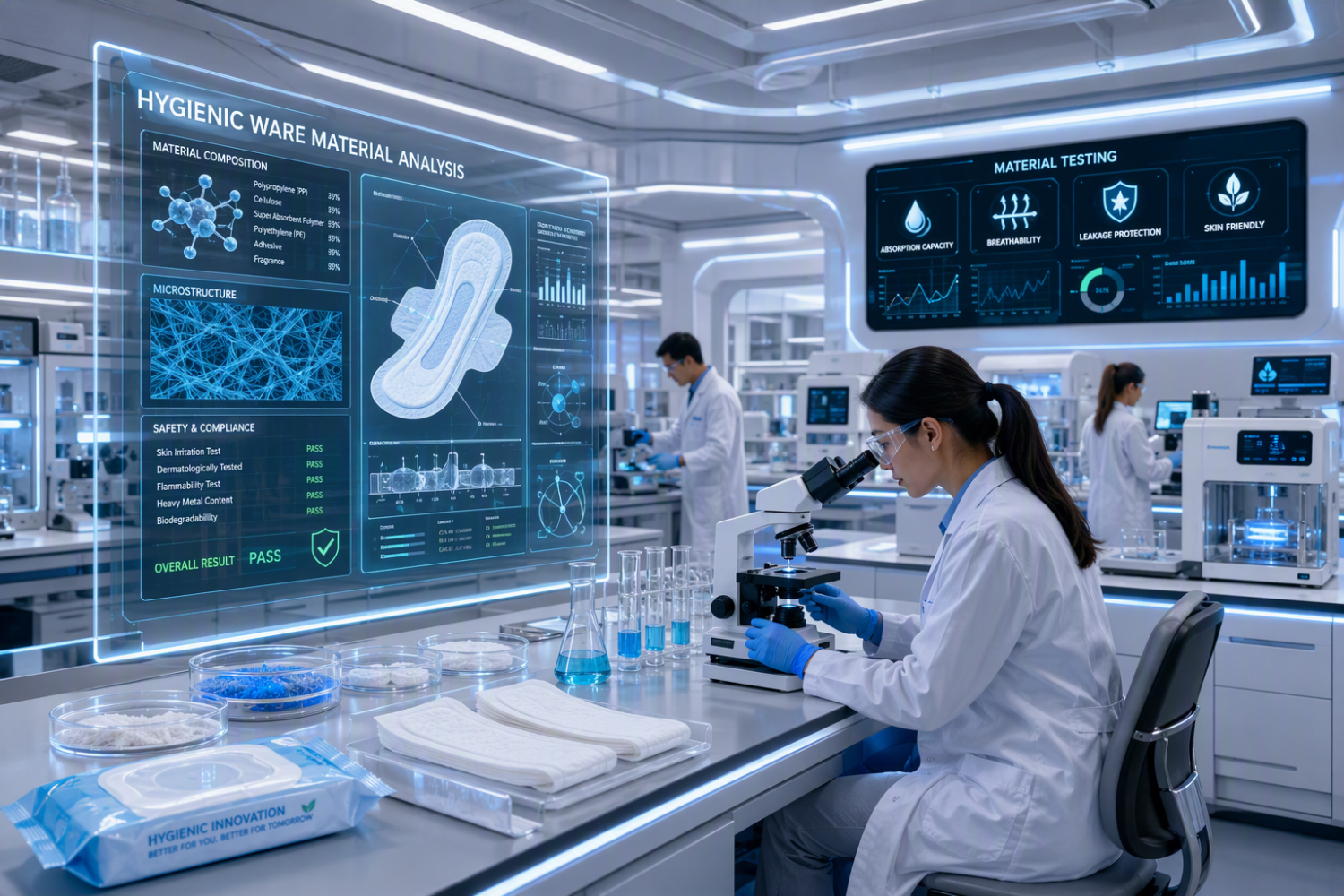
Health and Hygiene Ware Material Testing: Ensuring Quality, Safety, and Compliance
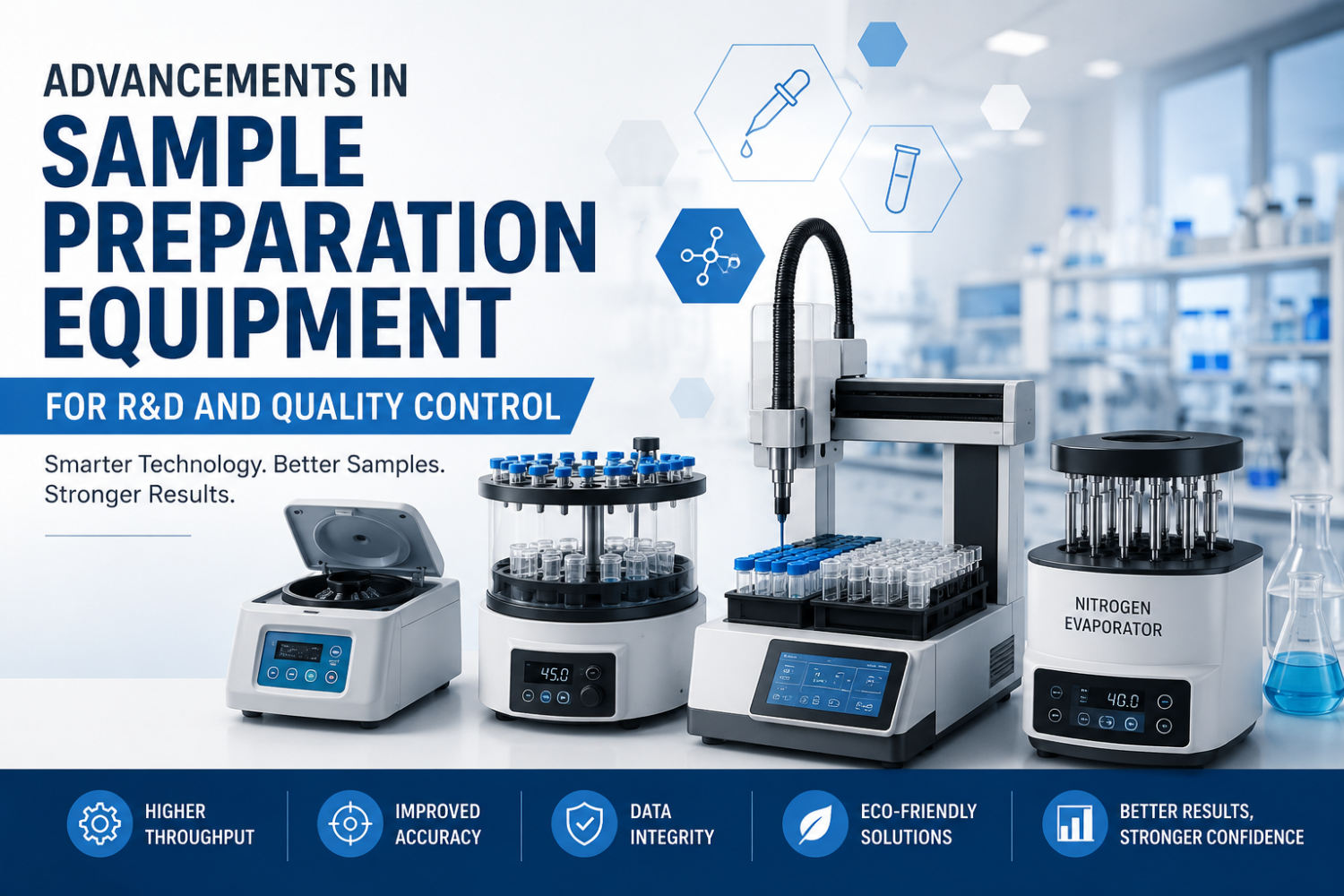
Advancements in Sample Preparation Equipment for R&D and Quality Control
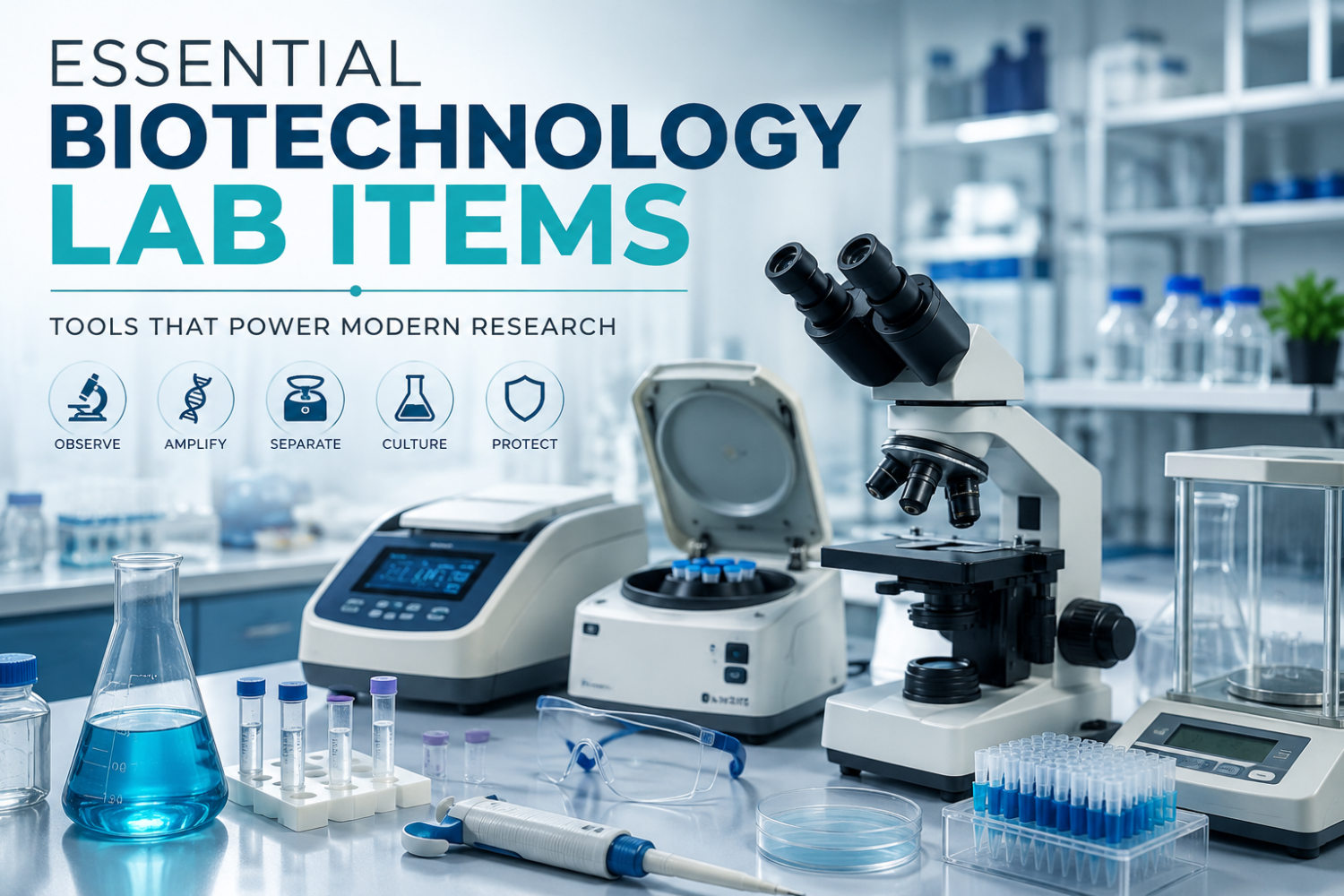
Essential Biotechnology Lab Items and Their Applications in Modern Research


Optimum Solution– Laboratory & Analytical Instruments Supplier in Bangladesh
Optimum Solution is a leading supplier of laboratory equipment, analytical instruments, and process control solutions in Bangladesh. Since our inception, we have built a strong presence in the industry, serving research labs, universities, pharmaceutical companies, and quality control laboratories nationwide. Through continuous dedication to improving our products and services, Optimum Solution has earned the trust and loyalty of our valued clients.


