
-
 Analytical & Elemental Instruments
-
Biotechnology Lab Items
-
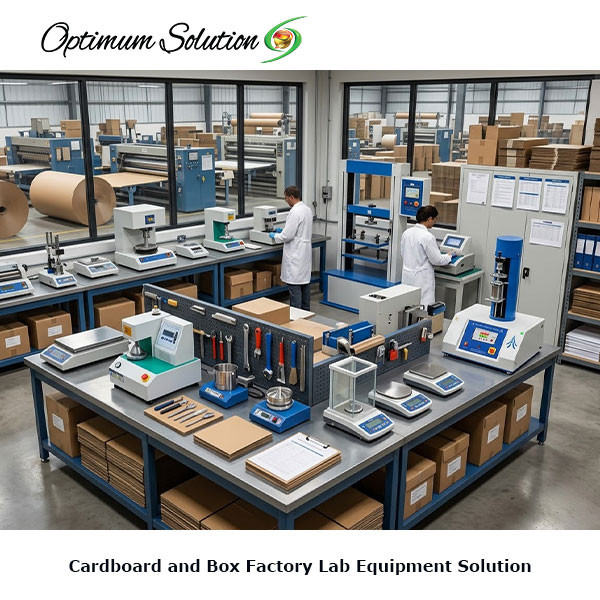
Cardboard and Box Factory Lab Equipment Solution
-
Cleanroom Solution
-
Consumables & Accessories
-
Dosing Pump for Chemicals
-
Electrochemistry & Titration
-
ETP -Effluent Treatment Plant
-
Feed Quality Laboratory
-
Food & Kitchen Lab Items
-
Hygiene Testing Equipment
-
Lab Furniture



Top 10 Laboratory Instruments Used in Quality Control Laboratories
Quality control (QC) is a critical step in making sure the products you use every day are safe, reliable, and consistent. Think about the food you eat or the medicines you take; a strong QC process guarantees they meet strict safety and quality standards. At the heart of this process are specialized laboratories filled with essential laboratory equipment. These laboratory instruments are the key to getting accurate and reproducible results. Without the right tools, labs could miss flaws or contaminants that might risk public safety. This article will explore the most important types of laboratory equipment used for quality control testing and explain their vital roles in different industries.
Key Highlights
Quality control laboratories rely on a wide variety of specialized laboratory instruments to ensure products are safe, consistent, and effective.
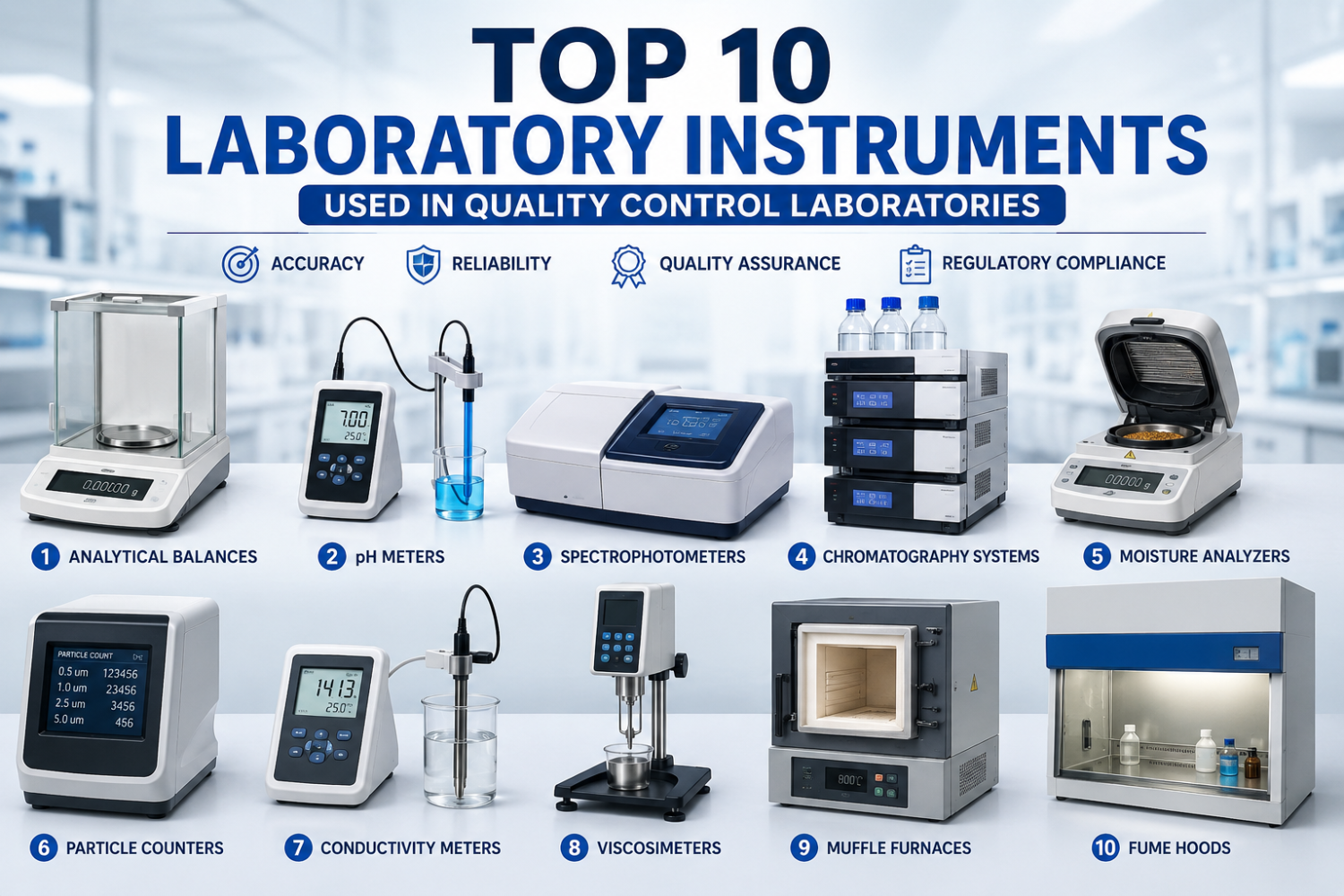
Essential laboratory equipment includes analytical balances for precise measurement, pH meters for chemical analysis, and spectrophotometers for concentration determination.
Advanced tools like chromatography systems are crucial for separating and identifying individual components in a mixture.
Maintaining reliability and achieving reproducible results depends on regular calibration and adherence to standards like ISO.
Beyond analytical tools, safety equipment like fume hoods is non-negotiable for protecting lab personnel and preventing contamination.
The right selection, maintenance, and safe operation of these instruments are fundamental for achieving regulatory compliance and product excellence.
Top 10 Laboratory Instruments Used in Quality Control Laboratories
In the world of QC testing, a diverse set of laboratory instruments is necessary. Every product has unique parameters that need to be checked against specific benchmarks. This requires an array of essential tools, each designed for a specific purpose. From devices that measure tiny particles to those that inspect a material's molecular structure, the field of QC laboratory equipment is vast and specialized.
Some tools are versatile and used across many industries, while others serve a very specific need. Understanding the most common pieces of equipment and their importance is key to appreciating how quality control works. Let's look at the top 10 laboratory instruments you will find in almost any QC lab.
1. Analytical Balances
When you need to weigh very small samples with extreme accuracy, analytical balances are the go-to piece of laboratory equipment. These devices are vital for tasks where even a tiny error in weight could lead to incorrect results. Their precision makes them indispensable in pharmaceutical, food testing, and academic research labs. To ensure stability and prevent air currents from affecting measurements, these balances often come with draft shields.
The main job of analytical balances is to provide highly accurate mass measurements, often down to the microgram level. This level of precision is essential for preparing solutions with exact concentrations or weighing small amounts of chemical reagents. To get reproducible results, it's crucial that these balances are placed on stable, vibration-dampening surfaces and undergo regular calibration.
Some key features of analytical balances that support quality assurance include:
Internal Calibration: Many modern balances have an internal calibration function, which helps maintain accuracy without needing external weights.
Anti-Static Protection: This feature minimizes static electricity that can interfere with weighing small samples, ensuring more reliable measurements.
Draft Shields: Glass enclosures protect the weighing pan from air currents, which is critical for achieving stable and precise readings.
2. pH Meters
A pH meter is an essential piece of laboratory equipment for testing the acidity or alkalinity of a sample. In many industries, the pH level of a product can significantly impact its quality, stability, and safety. For example, in the food and beverage industry, pH affects shelf life and taste. In pharmaceuticals, it can influence a drug's effectiveness. Therefore, accurate pH measurement is a fundamental part of quality control.
The primary function of pH meters is to provide a precise reading of a solution's pH. This is crucial for chemical analysis and ensuring products meet their required specifications. Like many other sensitive instruments, pH meters can drift over time due to wear and tear or environmental factors. Regular calibration is necessary to ensure the readings remain accurate and trustworthy. A small deviation in a pH reading can lead to major issues, making this a critical step.
Here’s how pH meters support quality assurance efforts:
Ensuring Product Stability: By confirming the correct pH, these meters help guarantee that products like cosmetics and pharmaceuticals won't degrade prematurely.
Meeting Process Specifications: Many manufacturing processes require specific pH levels to run correctly. pH meters verify that these conditions are met.
Verifying Safety: In products intended for consumption or skin contact, the wrong pH can be harmful. pH meters are crucial for safety verification.
3. Spectrophotometers
Spectrophotometers are versatile laboratory instruments used to measure how much light a sample absorbs or transmits. By analyzing the intensity of light at different wavelengths, these devices can provide a wealth of information. They are essential in fields like molecular biology for quantifying DNA, in manufacturing for color testing, and in chemistry for determining the concentration of substances in a solution.
The main function of a spectrophotometer is to measure the absorbance or transmittance of light. This data helps scientists and technicians perform various analyses, such as determining the concentration of a chemical or checking the purity of a sample. In quality control, spectrophotometers ensure consistency from one batch of a product to the next. For example, they can verify that the color of a paint or beverage matches the standard exactly.
Spectrophotometers contribute to quality assurance in several important ways:
Concentration Determination: They are widely used to measure the concentration of reagents or active ingredients in pharmaceutical products.
Purity Analysis: In molecular biology, these instruments help check the purity of DNA and RNA samples before they are used in further experiments.
Color Matching: For industries where color is a key quality attribute, spectrophotometers ensure that products meet precise color specifications.
4. Chromatography Systems (HPLC/GC)
Chromatography systems are powerful tools used in analytical chemistry to separate, identify, and quantify the individual components within a mixture. The two most common types found in QC labs are High-Performance Liquid Chromatography (HPLC) and Gas Chromatography (GC). HPLC is a form of liquid chromatography used to separate compounds that are dissolved in a liquid, while GC separates compounds that can be vaporized without decomposing.
These systems are staples in many QC labs, especially in the pharmaceutical and food safety industries. Their primary function is to analyze a sample's composition with incredible detail. For instance, an HPLC system can identify and measure the amount of each active ingredient in a drug, ensuring it meets dosage requirements. Similarly, a GC system, often paired with mass spectrometry, can detect trace amounts of pesticides in food products.
Chromatography systems are critical for quality assurance because they:
Ensure Purity: They can detect impurities in raw materials and finished products, even at very low levels.
Quantify Components: These systems provide precise measurements of each compound in a mixture, which is vital for verifying product formulation.
Identify Contaminants: They are essential for detecting harmful substances like pollutants or contaminants that could compromise product safety.
5. Microscopes
Microscopes are fundamental pieces of laboratory equipment that allow for detailed observation at a microscopic level. In quality control, inspecting raw materials and finished products up close can reveal crucial information about their quality. From simple optical microscopes to powerful electron microscopes, these instruments are used across a wide range of fields, including materials science, microbiology, and cell culture.
The main function of a microscope in QC is to magnify samples to inspect for impurities, structural flaws, and consistency. An optical microscope might be used to check for foreign particles in a pharmaceutical powder, while a scanning electron microscope (SEM) can provide detailed surface imaging to detect tiny defects on a semiconductor wafer. This ability to see what is invisible to the naked eye is invaluable for maintaining high quality standards.
Here is how different types of microscopes support quality assurance:
Optical Microscopes: These provide a magnified view to check for visible contaminants, assess cell culture health, or ensure the consistency of a material's structure.
Scanning Electron Microscopes (SEM): By offering high-resolution surface images, SEMs are pivotal for detecting surface defects or contaminants in materials science and electronics.
Transmission Electron Microscopes (TEM): TEMs reveal the internal structure of a sample at the atomic level, which is crucial for advanced materials research and failure analysis.
6. Centrifuges
Centrifuges are indispensable pieces of laboratory equipment used to separate components of a mixture based on their density. By spinning samples in centrifuge tubes at high speeds, these machines create a strong centrifugal force that causes denser particles to move to the bottom while lighter components remain on top. This separation technique is fundamental to many routine QC testing procedures in clinical, biological, and industrial labs.
The primary function of a centrifuge is to prepare samples for analysis. For example, in a clinical lab, a centrifuge is used to separate blood cells from plasma so that the plasma can be tested. In quality control, it can be used to clarify a liquid sample by removing solid impurities or to concentrate a specific component for more detailed analysis. The precision of the separation ensures that subsequent tests are performed on clean, uncontaminated samples.
Centrifuges contribute to quality assurance in several key ways:
Sample Clarification: They remove solid particles from liquid samples, ensuring that analytical instruments are not clogged and that readings are accurate.
Component Separation: In biological labs, they are essential for separating cellular components, which is a critical step in many molecular biology assays.
Concentrating Analytes: By spinning down a sample, a centrifuge can concentrate trace amounts of a substance, making it easier to detect and quantify.
7. Incubators
Incubators are essential laboratory equipment designed to provide a controlled environment for growing and maintaining microbiological cultures or cell cultures. These devices offer precise temperature control, and some models can also regulate humidity and gas levels. In microbiology and life sciences, maintaining optimal conditions is crucial for the growth of microorganisms and cells, which is why incubators are a fixture in many QC labs.
The main function of an incubator is to create a stable environment that supports biological growth. In quality control for the food and pharmaceutical industries, incubators are used to cultivate samples to test for the presence of harmful bacteria or fungi. A sample is placed on a culture medium and incubated for a set period. If microbial colonies grow, it indicates contamination. This process is vital for ensuring product safety.
Incubators play a critical role in quality assurance by:
Detecting Microbial Contamination: They are used to grow and identify potential contaminants in products, helping to prevent the release of unsafe goods.
Supporting Cell Culture QC: In biotechnology, incubators are used to grow cell cultures under controlled conditions, allowing for the testing of cell-based products.
Ensuring Consistent Test Conditions: By providing precise temperature control and stable humidity, incubators ensure that microbiological tests are reproducible and reliable.
8. Ovens and Furnaces
Laboratory ovens and furnaces are used for a variety of heating applications in quality control. While they might seem like simple devices, they play a crucial role in everything from drying samples to testing the durability of materials. Ovens typically operate at lower temperatures and are used for drying, sterilizing glassware, and performing tests that require gentle, uniform heating. Furnaces, on the other hand, can reach much higher temperatures and are used for more intensive processes like ashing samples or heat-treating metals.
The primary function of this laboratory equipment is to apply controlled heat to a sample. In materials science, for example, a furnace might be used to test how a material behaves at extreme temperatures, providing insights into its durability and potential applications. In environmental testing, ovens are used to dry samples to determine their moisture content. This controlled heating can reveal changes in physical properties or the presence of volatile compounds.
Ovens and furnaces are important for quality assurance as they help to:
Determine Moisture Content: Drying ovens are used to remove all moisture from a sample, which is a critical quality parameter in the food and pharmaceutical industries.
Test Material Durability: Heat-treating materials in a furnace can simulate long-term use or extreme environmental conditions to assess their strength and longevity.
Sterilize Equipment: Laboratory ovens can be used for dry-heat sterilization of glassware and other equipment to prevent contamination.
9. Water Purification Systems
The quality of water used in a laboratory can have a huge impact on the accuracy of experimental results. Tap water contains various impurities, ions, and organic compounds that can interfere with sensitive analyses. Water purification systems are designed to remove these contaminants and produce high-purity water that is suitable for laboratory use. This piece of laboratory equipment is essential for maintaining contamination control.
The main purpose of a water purification system is to produce reagent-grade water by removing impurities through processes like reverse osmosis, deionization, and filtration. This purified water is then used for preparing solutions, running blanks on analytical instruments, and rinsing glassware. Using pure water ensures that the only variable in an experiment is the sample being tested, leading to more reliable and reproducible results.
Water purification systems support quality assurance by:
Preventing Contamination: They eliminate impurities from water that could interfere with chemical reactions or introduce errors into analytical measurements.
Ensuring Accurate Blanks: In analytical chemistry, high-purity water is used to set the baseline (or "blank") for instruments like spectrophotometers, which is critical for accurate readings.
Maintaining Consistency: Using consistently pure water for all experiments and preparations helps ensure that results are comparable and reliable over time.
10. Fume Hoods
Safety is the top priority in any laboratory, and fume hoods are one of the most important pieces of safety equipment. These ventilated enclosures are designed to protect lab personnel from inhaling hazardous fumes, vapors, or dust that may be generated during experiments. They also provide an enclosed space that helps with contamination control, preventing airborne particles from compromising samples.
The primary function of a fume hood is to capture and exhaust harmful airborne substances away from the user and the lab environment. It works by drawing air from the lab into the hood and then venting it safely outside the building. This constant airflow creates a protective barrier between the lab worker and the hazardous materials they are working with. Their safety features make them non-negotiable in labs that handle volatile chemicals.
Fume hoods contribute to quality assurance and overall lab safety in several ways:
Protecting Personnel: Their most important role is to safeguard the health of lab personnel by preventing exposure to toxic or corrosive fumes.
Preventing Cross-Contamination: By containing experiments within an enclosed space, fume hoods help prevent airborne contaminants from spreading and affecting other samples or experiments in the lab.
Enabling Safe Handling of Chemicals: They allow for the safe handling of volatile or hazardous substances that are necessary for many QC testing procedures.
Key Functions and Importance of Top QC Lab Instruments
The laboratory instruments used in QC testing each have a unique job, but they all share a common goal: to provide accurate and reliable data. This data is the foundation of quality assurance. Whether it's an analytical balance measuring a tiny amount of a substance or a chromatography system separating a complex mixture, each instrument helps ensure that a product meets its required specifications. The ability to generate reproducible results is what gives companies confidence in their products.
This adherence to specifications is not just about making a good product; it's also about safety and compliance. These instruments are vital because they provide the objective evidence needed to prove that a product is safe, effective, and of high quality. Without them, quality control would be based on guesswork, which is unacceptable in any industry. In the following sections, we'll explore exactly how these instruments support quality assurance and why they are so crucial for meeting industry standards.
How Each Instrument Supports Quality Assurance
Each piece of laboratory equipment in a quality control lab plays a specific role in the larger goal of ensuring product quality. From ensuring the right composition to verifying safety, these tools work together to create a robust quality assurance system. For example, a pH meter might confirm that a cosmetic product is safe for the skin, while a spectrophotometer ensures its color is consistent from batch to batch. This synergy between different instruments is what makes comprehensive QC possible.
The data generated by this equipment is essential for making informed decisions. If an HPLC system detects an impurity in a batch of pharmaceutical products, that batch can be rejected before it ever reaches a consumer, thereby protecting product safety. Achieving reproducible results is also critical for regulatory compliance, as companies must be able to prove to agencies that their testing methods are reliable and their products consistently meet all standards.
The table below summarizes how some of the top laboratory instruments directly contribute to quality assurance:
Instrument | Contribution to Quality Assurance |
|---|---|
Analytical Balance | Ensures precise measurements for accurate formulation and dosing. |
pH Meter | Verifies product stability and safety by confirming correct acidity/alkalinity. |
Spectrophotometer | Guarantees consistency in color and concentration of components. |
Chromatography System | Identifies and quantifies all components, detecting impurities and ensuring purity. |
Microscope | Allows for visual inspection of materials for defects and contaminants. |
Fume Hood | Provides a safe environment for handling chemicals, protecting both personnel and samples from contamination. |
Why These Instruments Are Vital for Standard Compliance
Maintaining standard compliance is a non-negotiable aspect of operating in most industries today, especially in fields like pharmaceuticals, food production, and medical devices. Regulatory bodies and international organizations, such as the International Organization for Standardization (ISO), set strict guidelines that companies must follow. These laboratory instruments are not just helpful tools; they are essential for generating the data needed to prove that these standards are being met.
For instance, an ISO standard might specify the exact method and type of laboratory equipment to be used for a particular test. To claim compliance, a company must use the specified instrument and demonstrate that it is properly calibrated and maintained. This ensures that test results are consistent and comparable across different labs and countries, which is the cornerstone of global trade and public trust. Without the right instruments, achieving and demonstrating regulatory compliance would be impossible.
Ultimately, these instruments are vital because they provide objective, traceable evidence. When a regulatory auditor visits a facility, they will want to see records of tests performed, calibration logs for the equipment used, and data that proves products meet all required specifications. The entire system of standard compliance relies on the accuracy and reliability of the laboratory equipment used in quality control. It's the link that connects a company's processes to its promise of quality.
Factors to Consider When Selecting Laboratory Instruments
Choosing the right laboratory instruments for your QC lab is a critical decision that can impact your efficiency, accuracy, and budget. It's not just about buying the most advanced piece of equipment available. You need to consider a variety of factors to ensure the instrument you select is the best fit for your specific needs. The selection process involves evaluating the technical specifications of the instrument, its durability, and how well it aligns with your lab's workflow.
Thinking about the criteria for your selection beforehand will save you time and money in the long run. You'll need to consider the types of tests you'll be performing, the level of precision required, and any industry or regulatory standards you must meet. The following sections will provide a closer look at the key criteria to keep in mind when choosing equipment and how technological advances are influencing these decisions.
Criteria for Choosing the Right Equipment
When selecting laboratory equipment, several key criteria should guide your decision-making process. The most important factor is whether the instrument meets the technical requirements of your tests. You need to ensure it has the necessary precision, accuracy, and range for the analyses you will be performing. Trying to use a piece of equipment that isn't sensitive enough for your needs will only lead to unreliable results.
Another critical consideration is the instrument's reliability and durability. Laboratory equipment is a significant investment, so you want to choose a model from a reputable manufacturer known for its quality. Look for instruments that are built to last and require minimal downtime for repairs. The availability of service, support, and spare parts is also an important factor. Regular maintenance and calibration are essential, so you need to ensure that these services are accessible for the equipment you choose.
Here are some important criteria to consider:
Accuracy and Precision: Does the instrument provide the level of accuracy needed for your specific applications and regulatory requirements?
Ease of Use: Is the equipment user-friendly? A complicated interface can lead to errors and require extensive training for lab personnel.
Throughput: How many samples can the instrument process in a given time? This is especially important for high-volume QC labs.
Role of Technological Advances in Instrument Selection
Technological advances are constantly changing the landscape of laboratory equipment, offering new features that improve accuracy, efficiency, and ease of use. When selecting new instruments, it's important to consider how these recent advances can benefit your lab. For example, many modern instruments now feature automation, which can significantly reduce manual labor and minimize the potential for human error.
Digital displays and intuitive software interfaces are also becoming standard. These features make it easier for lab personnel to operate the equipment, set up experiments, and analyze data. Another major trend is the move toward smaller, more compact instruments that save valuable bench space. These technological advances can lead to more streamlined workflows and higher productivity in the QC lab.
Here are a few examples of recent technological advances influencing instrument selection:
Automation: Automated systems for sample preparation and analysis can handle repetitive tasks, freeing up technicians for more complex work and ensuring greater consistency.
Software Integration: Modern laboratory equipment often comes with advanced software that can be integrated with a Laboratory Information Management System (LIMS), simplifying data management and reporting.
Enhanced Sensitivity: New technologies are enabling instruments to detect substances at lower concentrations than ever before, which is critical for impurity analysis and safety testing.
Maintenance, Calibration, and Safety in QC Labs
Owning the right laboratory equipment is only half the battle. To ensure that your instruments continue to provide accurate and reliable results, a robust program for maintenance and calibration is essential. Regular maintenance helps prevent unexpected breakdowns and extends the life of your equipment. Calibration is the process of verifying that an instrument's readings are accurate when compared to a known standard. Without it, you can't trust your data.
Alongside maintenance, safety is a paramount concern in any QC lab. Operating powerful and sometimes complex instruments requires proper training and adherence to strict safety protocols. This includes using the appropriate safety equipment, handling chemicals correctly, and being prepared for emergencies. The following sections will outline best practices for maintenance and calibration, as well as the essential safety precautions every lab should follow.
Best Practices for Maintenance and Calibration
Establishing a routine schedule for maintenance and calibration is the most important best practice for any QC lab. This schedule should be based on the manufacturer's recommendations, regulatory requirements, and how frequently the laboratory equipment is used. Keeping detailed logs of all maintenance and calibration activities is also crucial. These records provide a history of the instrument's performance and are essential during regulatory audits.
For calibration, it's vital to use certified reference standards to ensure accuracy. The process should be performed by trained personnel or a qualified third-party service provider. Between formal calibrations, it's also a good practice to perform regular performance checks using internal control or test samples. This can help you spot any drift or issues with the instrument before they become a major problem and affect your reproducible results.
Here are some best practices to follow:
Follow a Schedule: Create and adhere to a strict schedule for both preventative maintenance and regular calibration for all critical instruments.
Keep Detailed Records: Document every maintenance and calibration event, including the date, the person who performed it, and the results.
Train Your Staff: Ensure that all lab personnel are trained on the proper daily care and routine checks for the equipment they use.
Essential Safety Precautions for QC Lab Instrumentation
Working with laboratory equipment safely is a fundamental responsibility for everyone in a QC lab. The first step is always to read and understand the operating manual for any instrument before you use it. This will familiarize you with its specific safety features and potential hazards. Proper training from a supervisor or experienced colleague is also essential.
Always use the appropriate personal protective equipment (PPE), such as lab coats, safety glasses, and gloves, when operating instruments or handling chemicals. Safety equipment like fume hoods and safety showers should be readily accessible and in good working order. It's also important to maintain a clean and organized workspace to prevent accidents. Spills should be cleaned up immediately according to proper procedures.
Here are some essential safety precautions to remember:
Know Your Equipment: Never operate an instrument without being properly trained on its use and safety features.
Use Personal Protective Equipment (PPE): Always wear the required PPE to protect yourself from chemical splashes, broken glass, or other hazards.
Maintain a Clean Workspace: Keep the area around instruments clear of clutter, and never block access to emergency safety equipment like fire extinguishers or eyewash stations.
Conclusion
The landscape of quality control laboratories is significantly enhanced by the use of specialized instruments. From analytical balances to fume hoods, each instrument plays a crucial role in ensuring accuracy, reliability, and compliance with industry standards. Understanding the key functions and maintenance requirements of these tools allows laboratories to optimize their operations and uphold the highest quality assurance levels. By investing in the right equipment and adhering to best practices for calibration and safety, you can not only improve your lab's efficiency but also foster a culture of excellence in quality control. If you're ready to elevate your laboratory's performance, don't hesitate to reach out for a consultation today!
Read About: Optimum Solution
Frequently Asked Questions
What are the most essential laboratory instruments for quality control?
The most essential laboratory instruments for quality control are those that ensure accuracy and reproducibility in routine QC testing. This includes analytical balances for precise weighing, pH meters for measuring acidity, spectrophotometers for concentration analysis, and chromatography systems for separating and identifying components. Microscopes for visual inspection and centrifuges for sample preparation are also fundamental pieces of laboratory equipment in nearly every QC lab.
How often should lab instruments be calibrated in a QC laboratory?
The frequency of calibration for laboratory equipment depends on the instrument, manufacturer recommendations, and regulatory compliance requirements. As a general rule, critical instruments in a quality control lab should be calibrated at least annually. However, some instruments may require more frequent calibration—quarterly, monthly, or even before each use—to ensure they consistently provide accurate and reproducible results. Always follow a documented calibration schedule.
Are there recommended suppliers for quality control lab instruments in the United States?
Yes, there are many reputable suppliers of quality control laboratory instruments in the United States. Leading manufacturers known for their quality and reliability include brands like Mettler Toledo, Agilent, Thermo Fisher Scientific, and Shimadzu. When choosing a supplier, it's important to consider factors like product quality, customer support, service availability, and their ability to help you meet regulatory compliance standards. It's often best to work with established suppliers with a strong track record.
Recent Posts


How Viscosity, Rheometer & Texture Analyzer Shape Product Quality in R&D Laboratories?
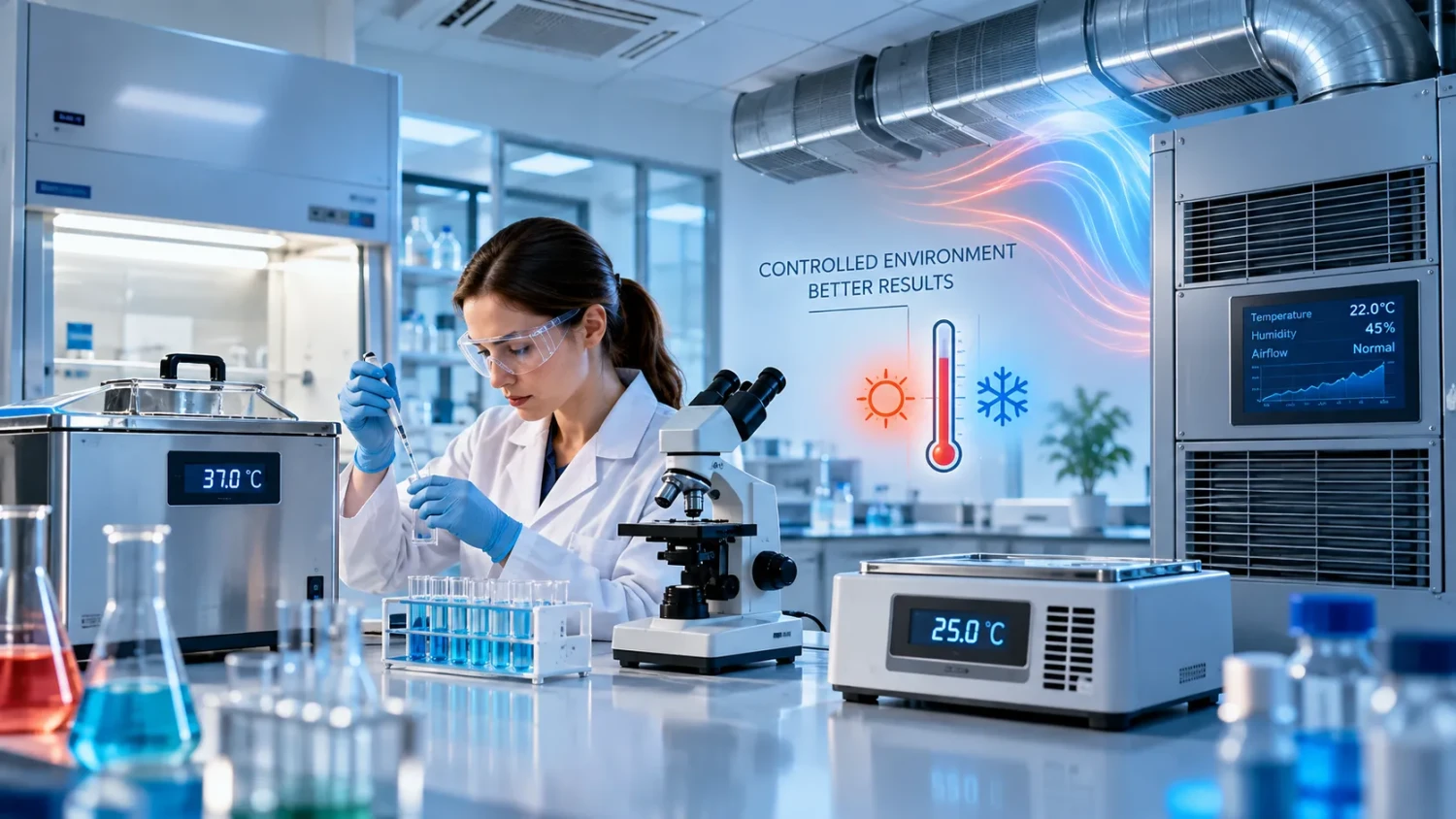
How Laboratory Heating & Cooling Equipment Improves Accuracy and Efficiency in Testing?

The Role of Laboratory Safety & Environmental Monitoring in Risk Prevention
Health and Hygiene Ware Material Testing: Ensuring Quality, Safety, and Compliance
Advancements in Sample Preparation Equipment for R&D and Quality Control
Essential Biotechnology Lab Items and Their Applications in Modern Research


Optimum Solution– Laboratory & Analytical Instruments Supplier in Bangladesh
Optimum Solution is a leading supplier of laboratory equipment, analytical instruments, and process control solutions in Bangladesh. Since our inception, we have built a strong presence in the industry, serving research labs, universities, pharmaceutical companies, and quality control laboratories nationwide. Through continuous dedication to improving our products and services, Optimum Solution has earned the trust and loyalty of our valued clients.


