
-
 Analytical & Elemental Instruments
-
Biotechnology Lab Items
-
Cardboard and Box Factory Lab Equipment Solution
-
Cleanroom Solution
-
Consumables & Accessories
-
Dosing Pump for Chemicals
-
Electrochemistry & Titration
-
ETP -Effluent Treatment Plant
-
Feed Quality Laboratory
-
Food & Kitchen Lab Items
-
Hygiene Testing Equipment
-
Lab Furniture




Sterility Testing and Contamination Control in Pharmaceutical and Microbiological Laboratories

The pharmaceutical laboratory is not a monolithic entity; it is a highly stratified ecosystem designed to ensure that every tablet, capsule, or injectable solution meets rigorous safety and efficacy standards. In the context of pharmaceutical laboratory Bangladesh operations, the distinction between a standard analytical lab and a sterility testing suite is critical.
Sterility testing is a microbiological analytical procedure mandated for products that are intended to be sterile (e.g., parenteral preparations, ophthalmic solutions, implants). Unlike routine chemical assays that measure concentration or purity, sterility testing seeks to answer a binary question: Are viable contaminating microorganisms present?
Contamination control, conversely, is the proactive discipline of preventing microbial, particulate, and endotoxin ingress during manufacturing and testing. For a GMP laboratory Bangladesh setting, these two concepts form the firewall between patient safety and lethal adverse events.
The Purpose and Regulatory Mandate
The primary purpose of sterility testing is to detect viable bacteria, yeast, and mold in a pharmaceutical sample. However, due to the statistical improbability of testing every unit in a batch (sampling limitations), the test is governed by strict Pharmacopoeial standards (USP , EP , JP). In Bangladesh, the Directorate General of Drug Administration (DGDA) enforces these standards under Schedule M of the Drugs and Cosmetics Rules.
Structural Design of Sterility and QC Laboratories
The physical architecture of a laboratory performing sterility testing must prevent false positives caused by environmental contaminants. Standard analytical labs are insufficient.
Zoning and Air Classification (ISO 14644-1)
A contamination-controlled laboratory is segmented into zones based on airborne particle count:
Background Area (ISO 8 or Grade D): General gowning and support area. 352,000 particles (≥0.5 µm) per cubic meter.
Clean Zone (ISO 7 or Grade C): Preparation area for media and buffer solutions. 352,000 particles (≥0.5 µm) per cubic meter.
Critical Zone (ISO 5 or Grade A): The specific location where the sterility test is performed (within a Laminar Air Flow (LAF) cabinet or Isolator). 3,520 particles (≥0.5 µm) per cubic meter.
Isolators vs. Laminar Air Flow Cabinets
While LAF cabinets are common in Bangladeshi labs, modern contamination control favors Isolators.
LAF (Open System): HEPA-filtered air flows over the sample. Vulnerable to external room air ingress if the operator moves quickly. Requires a Grade B background.
Isolator (Closed System): A hermetically sealed enclosure with glove ports. Operates under positive pressure (for product protection) or negative pressure (for potent compounds). It eliminates the primary source of contamination: the human operator.
Analytical Methods for Sterility Testing
The pharmacopoeias mandate two primary methods for sterility testing. The choice depends on the physical nature of the product.
Membrane Filtration (Method A)
Preferred for antibiotics, preservatives, and aqueous solutions.
Sample Preparation: The pharmaceutical sample is dissolved in a sterile diluent (e.g., Fluid A or Fluid D).
Filtration: The solution is passed through a 0.45 µm pore size membrane filter. Bacteria are trapped on the surface.
Rinsing: The membrane is rinsed with a sterile solution (e.g., Peptone water) to remove residual product inhibitors.
Incubation: The membrane is aseptically transferred to two media: Fluid Thioglycollate Medium (FTM – for bacteria, incubated at 30-35°C) and Soybean-Casein Digest Medium (SCDM – for fungi, incubated at 20-25°C).
Observation: Incubation lasts for 14 days. Turbidity (cloudiness) indicates growth.
Direct Inoculation (Method B)
Used for oils, ointments, or devices that cannot be filtered.
The product is directly introduced into the culture media.
Limitation: The product may physically interfere with microbial growth (e.g., oil separates and traps microbes).
Requirement: A validation study (Bacteriostasis and Fungistasis test) must prove the product does not inhibit microbial growth.
Key Laboratory Instrumentation and Their Principles
To execute contamination control and sterility testing, specific analytical instruments and laboratory equipment are non-negotiable.
The Role of HPLC in Contamination Investigation
While HPLC (High-Performance Liquid Chromatography) is typically a chemical tool, it is vital for contamination control. If a sterility test fails, analysts use HPLC to identify microbial metabolites or residual cleaning agents (e.g., detergents) that might have caused a false positive. Specifically, HPLC-MS can detect endotoxin markers or antibiotic residues in rinse water that inhibit test validity.
Regulatory Framework Governing Bangladesh
DGDA and GMP Compliance
The DGDA, under the Ministry of Health and Family Welfare, enforces Good Manufacturing Practice (GMP) Rules - 2012 (Schedule M). For a pharmaceutical laboratory Bangladesh to export to regulated markets (EU, Australia, WHO), it must comply with:
WHO GMP TRS 961 Annex 2: Defines the requirements for sterility testing (isolators vs. LAF, media fill validation).
USP : Defines official test procedures for Sterility Tests.
ISO 13485: For labs testing sterile medical devices.
Media Fill Validation (Process Simulation)
This is the gold standard for contamination control. Analysts simulate the sterility test procedure using sterile growth media instead of the product. If the media shows turbidity after incubation, the aseptic technique or the environment is compromised.
Importance of Sterility Assurance in Bangladesh
The rapid growth of the Injectable manufacturing sector in Bangladesh (e.g., export of Cephalosporin and Penicillin to Europe) has elevated the need for world-class sterility labs.
Public Health: A single contaminated IV fluid in a Bangladeshi hospital can cause septic shock and mortality. Sterility testing is the final checkpoint.
Export Quality Assurance: Buyers in the UK or Canada require Certificates of Analysis (CoA) confirming sterility per BP/USP. Without a robust QC laboratory, exports are impossible.
Industrial Growth: DGDA’s push for WHO-GMP compliance has forced local labs to upgrade from manual to automated sterility systems.
Current Challenges and Future Outlook
Challenges in the Local Context
Infrastructure Gaps: Maintaining ISO 5 (Grade A) conditions is difficult during monsoon seasons due to high humidity and fungal spore load in the external environment.
Utility Stability: Power fluctuations disrupt incubators (temperature excursions) and HEPA filters (pressure drops), invalidating test runs.
False Positives: A high rate of false positives due to operator technique leads to costly batch recalls and retesting.
Regulatory Lag: Adoption of Rapid Microbiological Methods (RMMs) like PCR (Polymerase Chain Reaction) is slow compared to Western labs.
Technological Advancements
Rapid Sterility Testing: ATP bioluminescence and qPCR can detect contamination in hours rather than 14 days.
Robotic Isolators: Removing human intervention entirely, reducing false positives to near zero.
Single-Use Systems: Pre-sterilized, disposable filter funnels and media cartridges eliminate the risk of cross-contamination from reusable glassware.
Future Opportunities
For Bangladeshi pharmaceutical scientists, the future lies in Process Analytical Technology (PAT) . Real-time contamination monitoring using Raman spectroscopy or auto-fluorescent particle counters will shift sterility assurance from "end-product testing" to "real-time release."
Sterility testing is not merely a laboratory procedure; it is a philosophical commitment to patient safety. For the pharmaceutical laboratory Bangladesh sector to transition from a generic manufacturing hub to an innovation leader, contamination control must be viewed not as a regulatory hurdle, but as the core scientific principle that defines a modern drug. Investment in isolator technology, continuous personnel training (media fills), and rapid microbial methods will define the next decade of pharmaceutical analysis in the country.
Recent Posts

How Viscosity, Rheometer & Texture Analyzer Shape Product Quality in R&D Laboratories?

How Laboratory Heating & Cooling Equipment Improves Accuracy and Efficiency in Testing?

The Role of Laboratory Safety & Environmental Monitoring in Risk Prevention

Health and Hygiene Ware Material Testing: Ensuring Quality, Safety, and Compliance
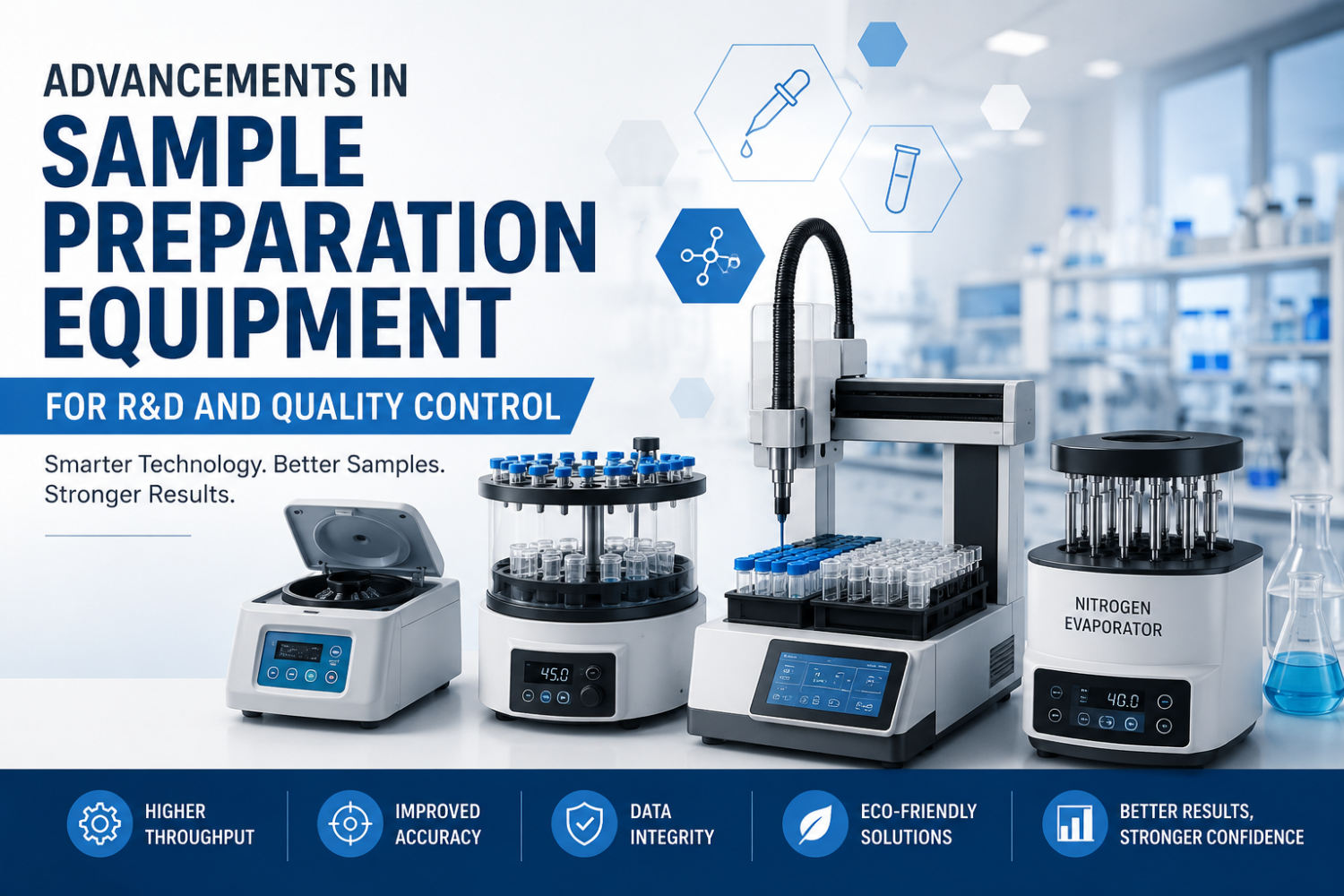
Advancements in Sample Preparation Equipment for R&D and Quality Control
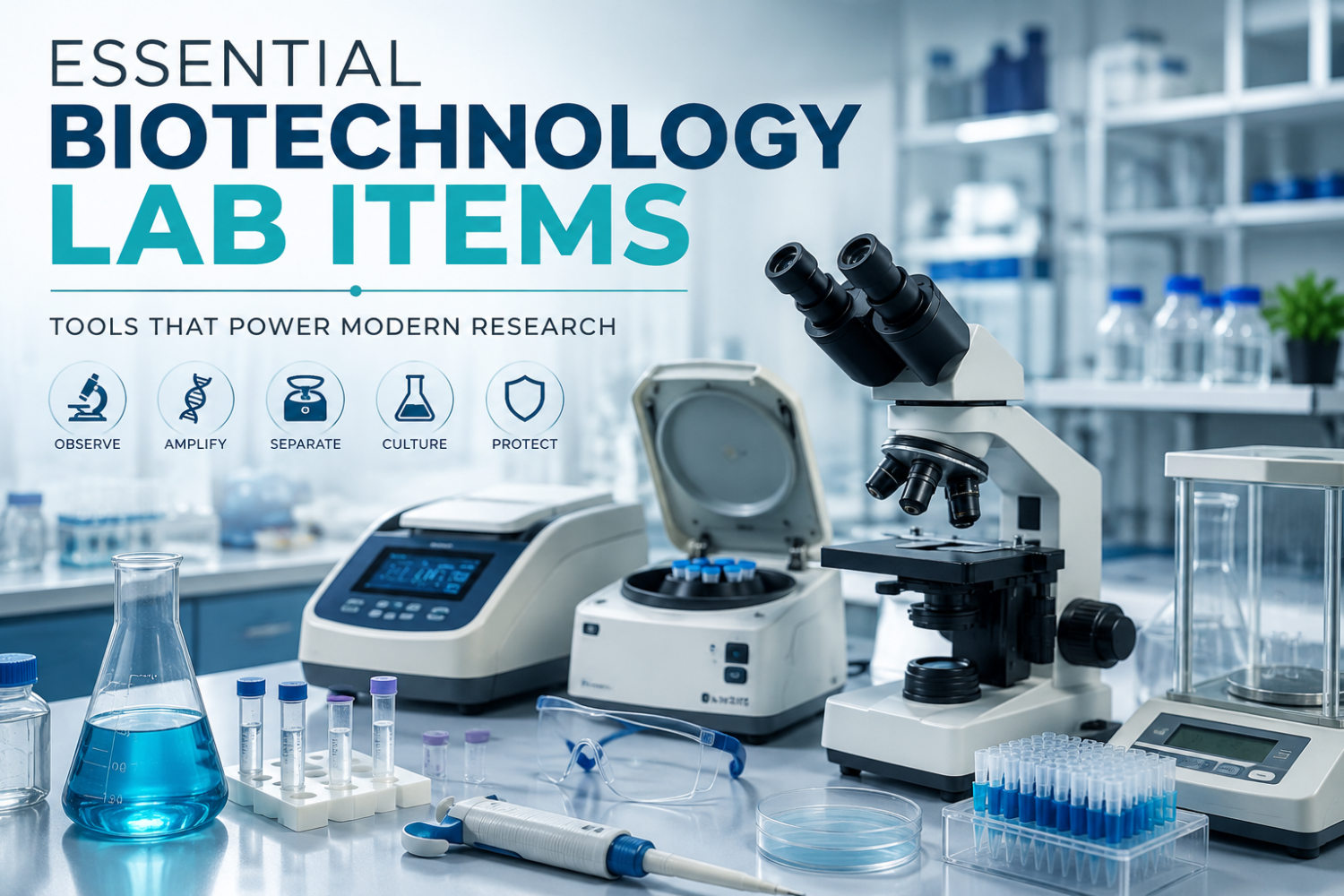
Essential Biotechnology Lab Items and Their Applications in Modern Research


Understanding ETP – Effluent Treatment Plant and Its Importance in Industry
Optimum Solution– Laboratory & Analytical Instruments Supplier in Bangladesh
Optimum Solution is a leading supplier of laboratory equipment, analytical instruments, and process control solutions in Bangladesh. Since our inception, we have built a strong presence in the industry, serving research labs, universities, pharmaceutical companies, and quality control laboratories nationwide. Through continuous dedication to improving our products and services, Optimum Solution has earned the trust and loyalty of our valued clients.


