
-
 Analytical & Elemental Instruments
-
Biotechnology Lab Items
-
Cardboard and Box Factory Lab Equipment Solution
-
Cleanroom Solution
-
Consumables & Accessories
-
Dosing Pump for Chemicals
-
Electrochemistry & Titration
-
ETP -Effluent Treatment Plant
-
Feed Quality Laboratory
-
Food & Kitchen Lab Items
-
Hygiene Testing Equipment
-
Lab Furniture



Understanding ETP – Effluent Treatment Plant and Its Importance in Industry
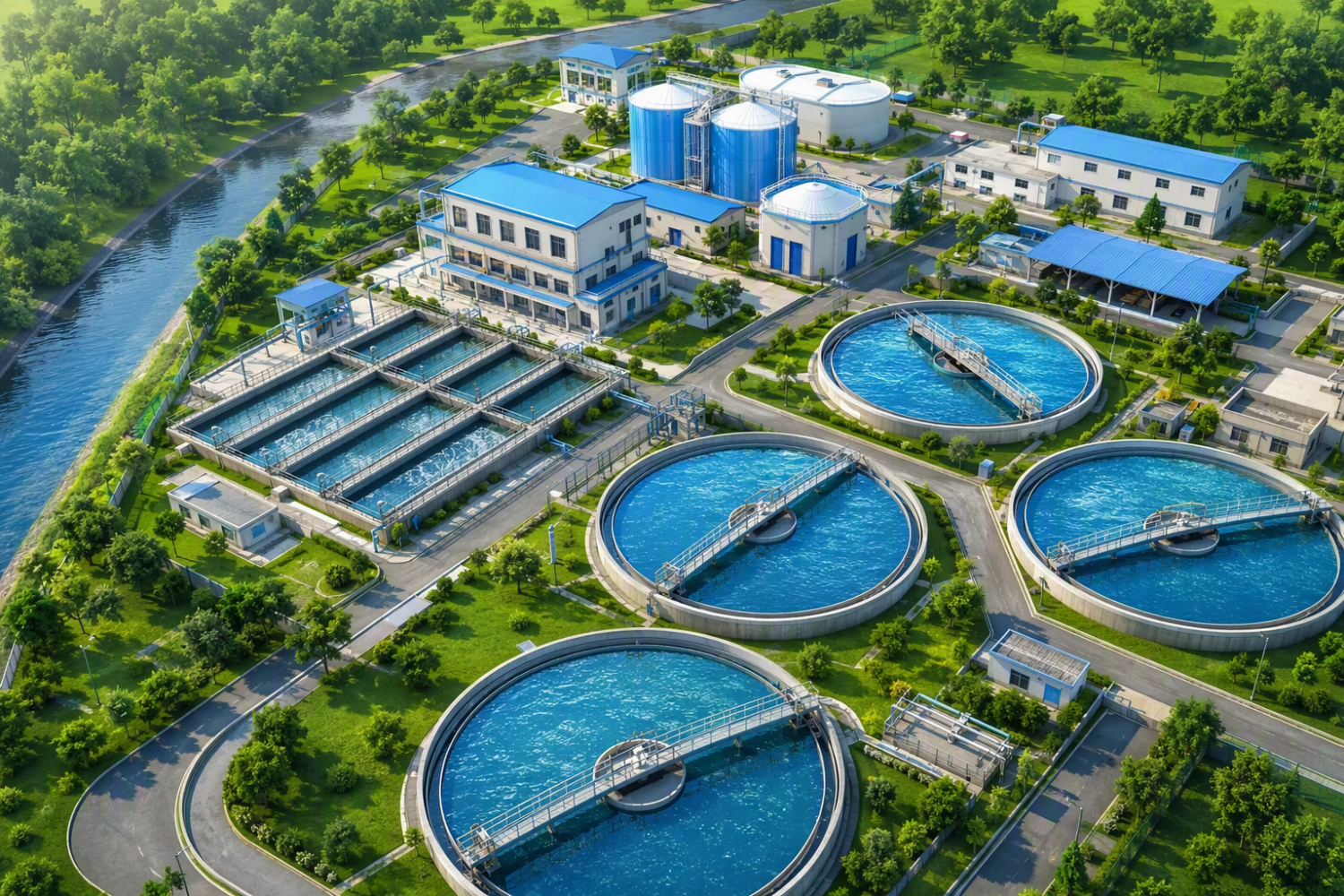
An effluent treatment plant is a key part of responsible industry today. Industrial wastewater often carries organic matter, suspended solids, heavy metals, oils, grease, and other harmful substances. If this water enters natural water bodies without the right treatment process, it can damage ecosystems and threaten public health. That is why ETPs matter. They support environmental protection, improve efficient water treatment, and help industries run in line with environmental regulations while also opening the door to safe reuse.
Key Highlights
An effluent treatment plant is a treatment plant that cleans industrial wastewater before discharge or reuse.
It supports effluent treatment through physical, chemical, and biological steps in industrial processes.
ETPs remove suspended solids, toxic chemicals, oils, grease, and organic matter from wastewater treatment streams.
They help industries meet regulatory compliance and avoid legal actions linked to pollution.
Proper treatment protects water bodies, aquatic life, public health, and wider environmental protection goals.
Treated water can support water reuse, water conservation, and lower operational costs.
Effluent Treatment Plants in Industrial Settings
Across many industrial activities, wastewater quality can change fast. A modern effluent treatment plant is built to handle industrial effluent that may contain large particles, organic waste, oils, chemicals, and toxic compounds. This makes it different from a standard domestic water treatment plant setup.
You will often find ETPs in textile, pharmaceutical, and food processing operations, along with other different industries that generate complex wastewater. Their role is simple but critical: improve treatment efficiency, reduce pollution risk, and make discharge or reuse safer. To understand that better, it helps to start with what an ETP actually is.
What is an Effluent Treatment Plant (ETP)?
An effluent treatment plant, or ETP, is a specialized treatment plant used to clean industrial wastewater before it is released or reused. Effluent is the wastewater that flows out from an industrial outlet or process line. Depending on the industry, that water may contain oils, grease, suspended solids, organic matter, or toxic chemicals.
What makes an effluent treatment plant important is its ability to manage wastewater that is far more complex than domestic sewage. Textile units may release dyes and chemicals. Pharmaceutical facilities may produce complex organic compounds. Food processing plants often discharge water rich in biodegradable material.
To handle this mix, the treatment process uses physical, chemical, biological, and sometimes membrane processes. These stages remove harmful contaminants so the final water is safer for discharge into the environment or for controlled industrial reuse.
Explore Our Product: ETP - Effluent Treatment Plant
Why ETPs are Vital for Industrial Processes
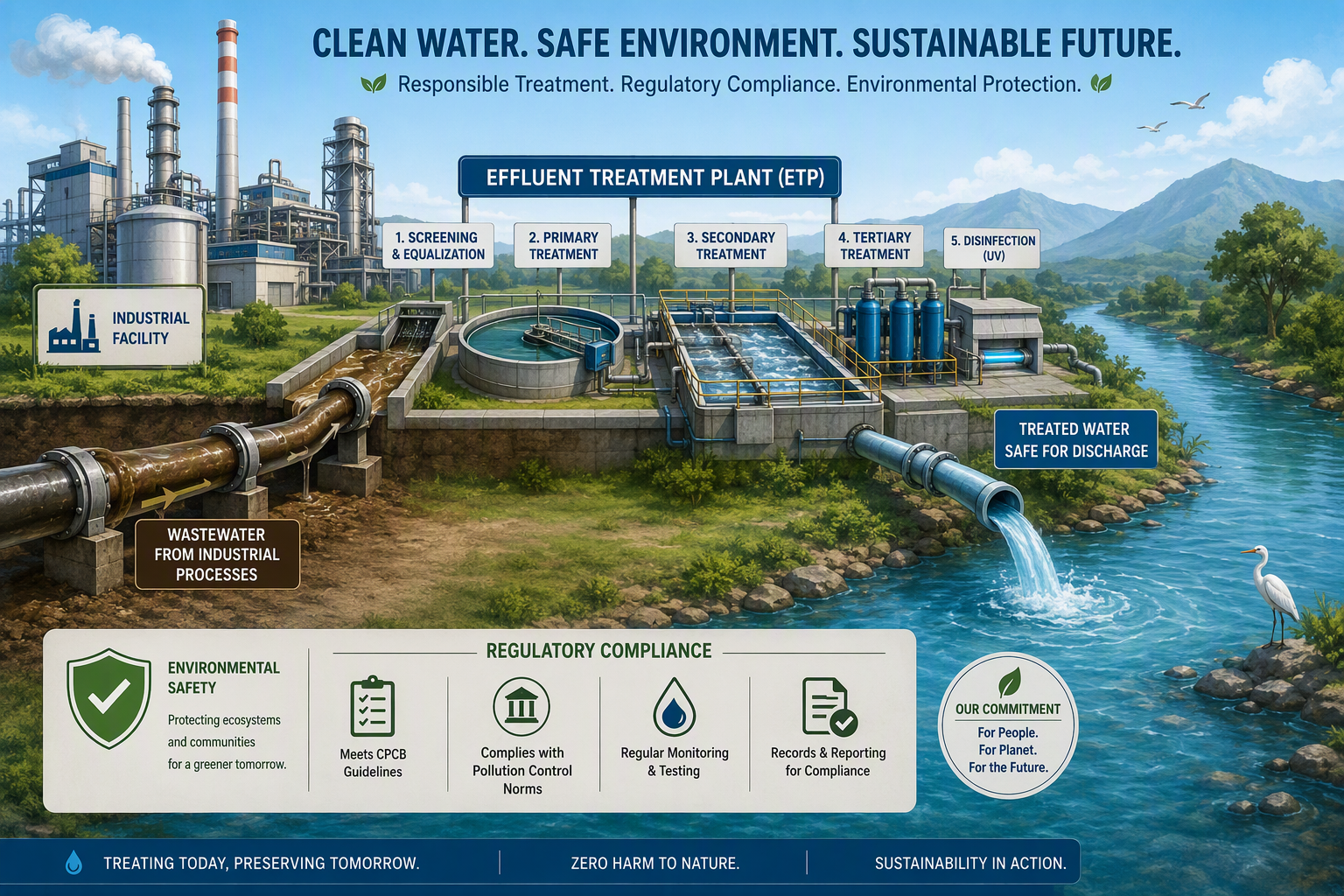
Industrial processes generate wastewater that cannot be ignored. Without an effluent treatment plant, harmful pollutants can enter water bodies, damage ecosystems, and create public health risks. Proper wastewater treatment is not just good practice. It is a basic part of responsible operations.
Regulatory compliance also shapes how ETPs are designed and operated. As environmental regulations become stricter, industries must improve treatment efficiency, upgrade systems, and manage changing wastewater quality. That pressure affects equipment choice, monitoring needs, and treatment stages.
ETPs remove harmful pollutants before discharge.
They help industries meet regulatory compliance requirements.
They reduce the risk of penalties and legal actions.
They support safer industrial processes and proper disposal.
They make water reuse more practical where possible.
The ETP Process: Main Stages of Industrial Effluent Treatment
The treatment process in effluent treatment follows a clear sequence. It starts by removing large and visible waste, then moves toward finer cleaning of suspended solids, dissolved pollutants, and leftover organic matter. Each stage improves treatment efficiency and prepares the water for the next step.
Modern industries need this structured approach because older disposal practices cannot manage today’s complex wastewater. Effluent treatment now relies on step-by-step control, combining physical, chemical, and biological methods. The next sections explain the main stages, from early screening to advanced polishing techniques.
Preliminary and Primary Treatment Steps
The first part of industrial wastewater cleaning begins with preliminary treatment. Here, the goal is to remove large solid particles that can block or damage equipment. Screens catch materials such as cloth, paper, plastics, and wood. Grit chambers then separate dense matter like sand, gravel, and metal fragments.
After that, primary treatment slows the water so suspended solids can settle. Lighter materials like oils and grease rise to the surface. In many systems, chemical steps such as coagulation, flocculation, and neutralization are used to improve removal and balance pH for the next stages.
Step | Main purpose |
|---|---|
Screening | Removes large solid particles and floating waste |
Grit chambers | Separate sand, gravel, and dense inorganic matter |
Sedimentation | Allows heavier solids to settle and oils to float |
Coagulation and flocculation | Help smaller particles form larger masses for easier removal |
Neutralization | Adjusts pH for smoother downstream treatment |
Secondary and Advanced Treatment Techniques
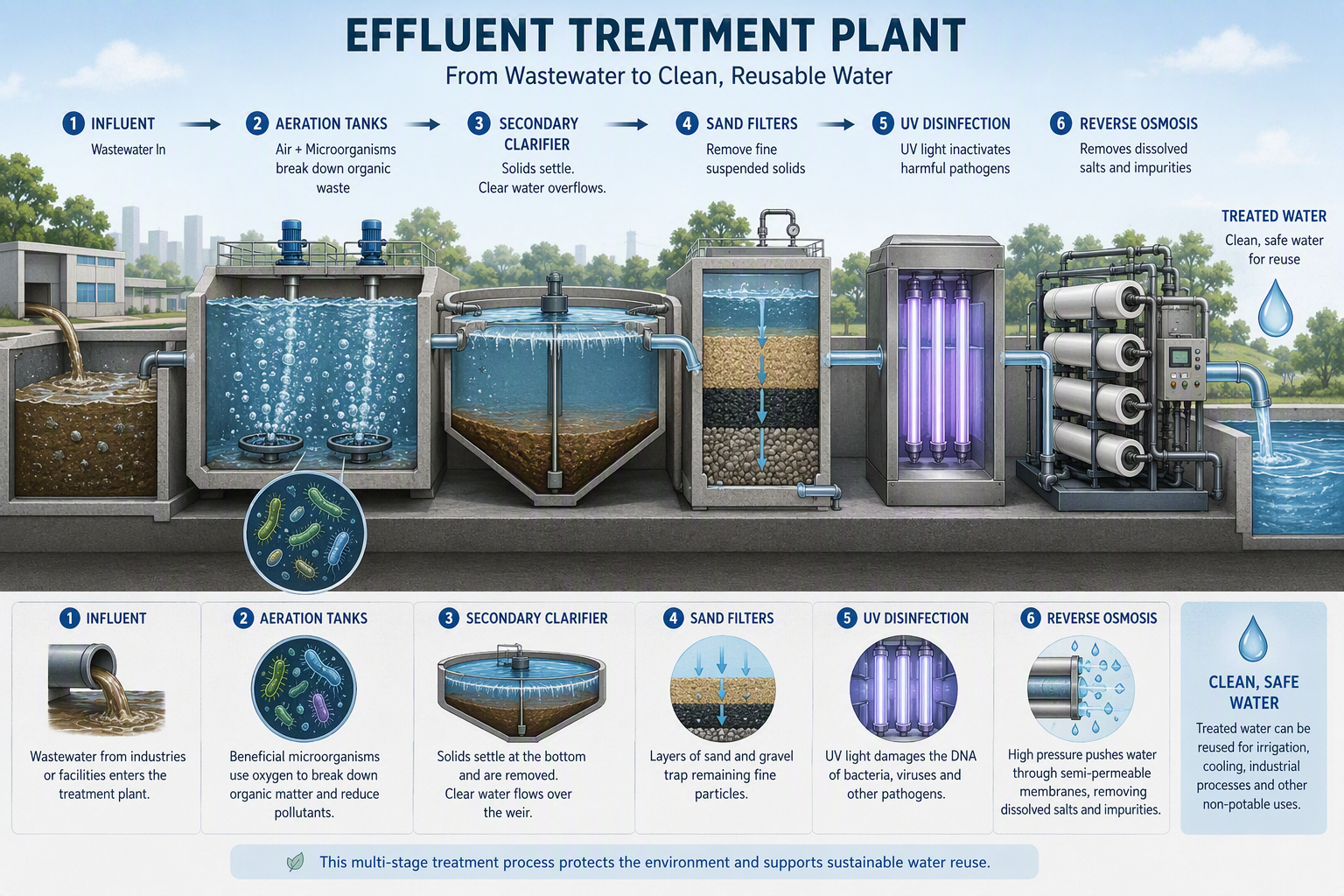
Once larger waste is removed, the flow enters secondary treatment. This is the biological treatment stage, where microorganisms break down dissolved and suspended organic compounds. In the activated sludge process, wastewater moves through aeration tanks, where air supports bacteria that consume pollutants.
Then comes tertiary treatment, which acts as the final polishing stage. It targets remaining nutrients, toxic materials, fine particles, and pathogens. Plants may use chemical precipitation, sand filters, membrane processes, and disinfection methods such as UV. In some advanced systems, reverse osmosis is used to remove very fine contaminants.
Secondary treatment uses biological processes to reduce organic matter.
Aeration tanks help bacteria break down pollutants effectively.
Tertiary treatment removes leftover fine and dissolved contaminants.
Reverse osmosis can improve water quality for reuse needs.
Advanced treatment increases final treatment efficiency and discharge safety.
Benefits of Using Effluent Treatment Plants in Industry
An effluent treatment plant gives industries practical and environmental value at the same time. It protects nearby water bodies, supports safer industrial processes, and helps companies work within environmental regulations. That alone makes it a necessary investment for many sectors.
There is also a business advantage. Treated water can sometimes be reused for non-potable needs, which supports water conservation and reduces pressure on freshwater resources. Over time, this can help manage operational costs while strengthening sustainable practices. The following sections look at these benefits in more detail.
Environmental Protection and Sustainable Practices
When wastewater is treated properly, the environmental gains are immediate. An ETP reduces the release of organic contaminants, toxic substances, oils, and solids into natural water bodies. That lowers pollution levels and helps keep ecosystems more stable.
This matters for aquatic life and for people as well. Untreated discharge can affect biodiversity and allow harmful substances to move toward water sources used by communities. Treated effluent lowers that risk and supports public health while encouraging more sustainable practices in industry.
It limits contamination of rivers, lakes, and other water bodies.
It helps protect aquatic life from harmful discharge.
It reduces the spread of organic contaminants and toxic matter.
It supports public health by keeping pollutants out of water sources.
It strengthens environmental protection and sustainable practices.
Wastewater Reuse and Cost Efficiency for Industries
For many facilities, wastewater treatment is not only about safe discharge. It can also create a path to water reuse. Once treated water reaches the required quality, it may be used again for selected non-potable applications, reducing the need for fresh supply.
That can make a real difference in water-scarce regions or in plants with high daily demand. Better water conservation also supports long-term planning. While ETPs require investment, reuse and improved system performance can help control operational costs over time.
Water reuse can reduce dependence on freshwater resources.
Treated water can support selected industrial needs safely.
Better wastewater treatment can improve resource efficiency.
Water conservation helps industries respond to scarcity concerns.
Lower freshwater demand can help balance operational costs.
Conclusion
Understanding the role of Effluent Treatment Plants (ETPs) is crucial for industries aiming to mitigate their environmental impact while enhancing operational efficiency. ETPs not only help in treating wastewater effectively but also contribute to sustainable practices by allowing for water reuse and reducing pollution. By integrating ETPs into industrial processes, businesses can ensure compliance with regulations and promote a cleaner environment. If you're looking to implement an ETP in your operations or need guidance on best practices, don't hesitate to reach out for a free consultation. Your commitment to sustainability starts with informed choices!
Frequently Asked Questions
What is the difference between ETP, STP, and WTP in water treatment?
ETP handles industrial effluent treatment, STP treats domestic sewage, and WTP usually prepares water for use. The treatment process in an ETP is designed for complex industrial wastewater, while an STP focuses on sewage. A WTP, or water treatment plant, works on incoming water rather than wastewater discharge.
What types of industries typically utilize effluent treatment plants (ETPs)?
An effluent treatment plant is commonly used in food processing, textile, and pharmaceutical operations, along with other different industries involved in heavy industrial activities. An etp plant manufacturer usually designs systems based on the type of wastewater each industry generates and the contaminants that must be removed.
How does an effluent treatment plant improve environmental sustainability?
An effluent treatment plant improves sustainability by reducing pollution before wastewater reaches natural water bodies. This supports environmental protection, protects aquatic ecosystems, and makes treated effluent safer for discharge or reuse. It also encourages sustainable practices by helping industries conserve water and reduce environmental impact.
What are the key processes involved in effluent treatment at an ETP?
The main stages include preliminary treatment to remove large waste, primary settling and chemical dosing, secondary treatment through biological treatment, and advanced polishing in the final stage. Sludge management is also important because solids collected during treatment must be handled, reduced, and disposed of properly.
How can businesses determine the right size and capacity for their effluent treatment plant?
Businesses need to match an effluent treatment plant to wastewater volume, contamination levels, and compliance requirements. Since industrial effluent can vary with production changes, plant capacity must support stable treatment efficiency. The right sizing also affects operational costs, future upgrades, and the ability to meet stricter discharge standards.
Recent Posts
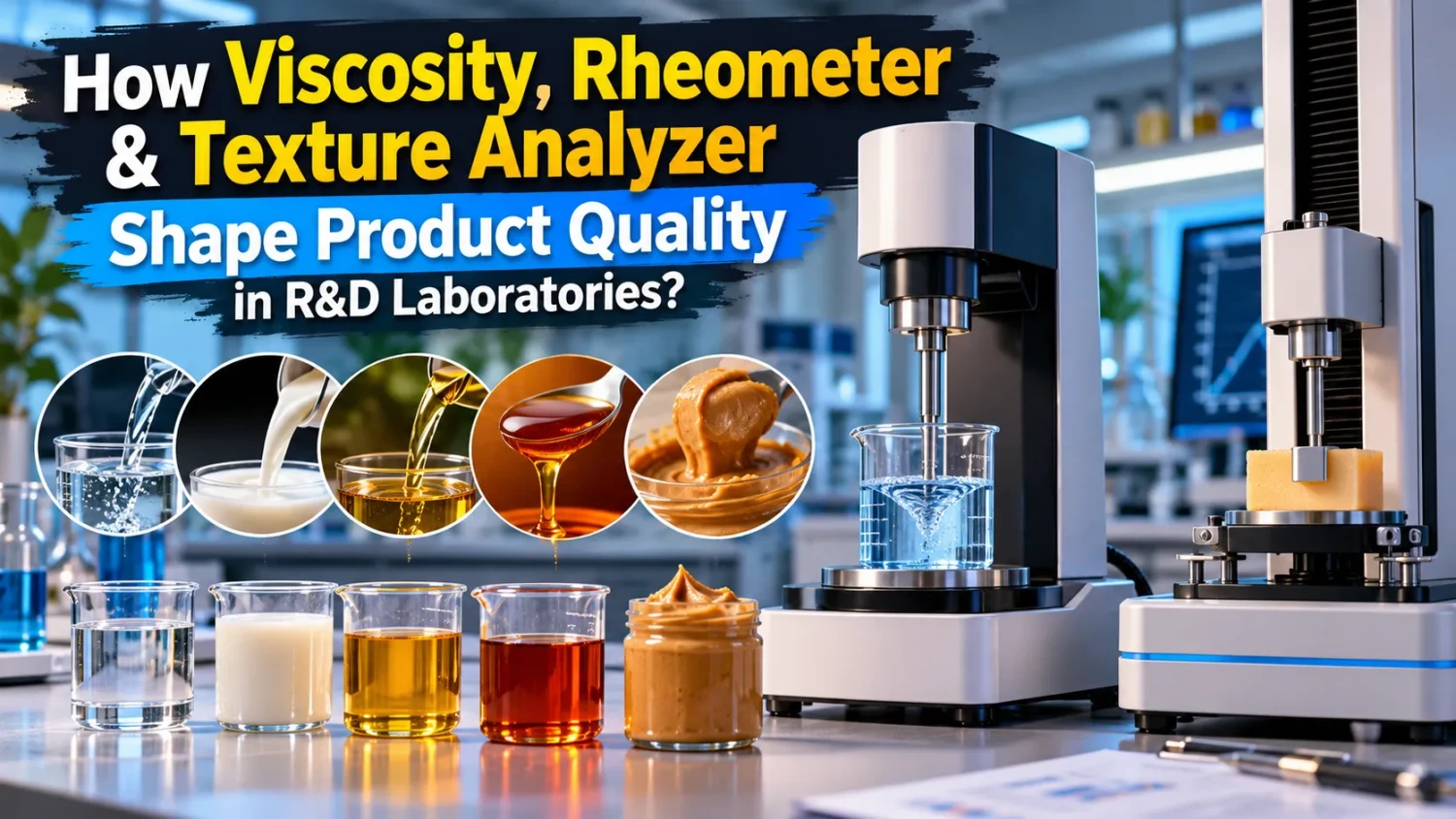
How Viscosity, Rheometer & Texture Analyzer Shape Product Quality in R&D Laboratories?
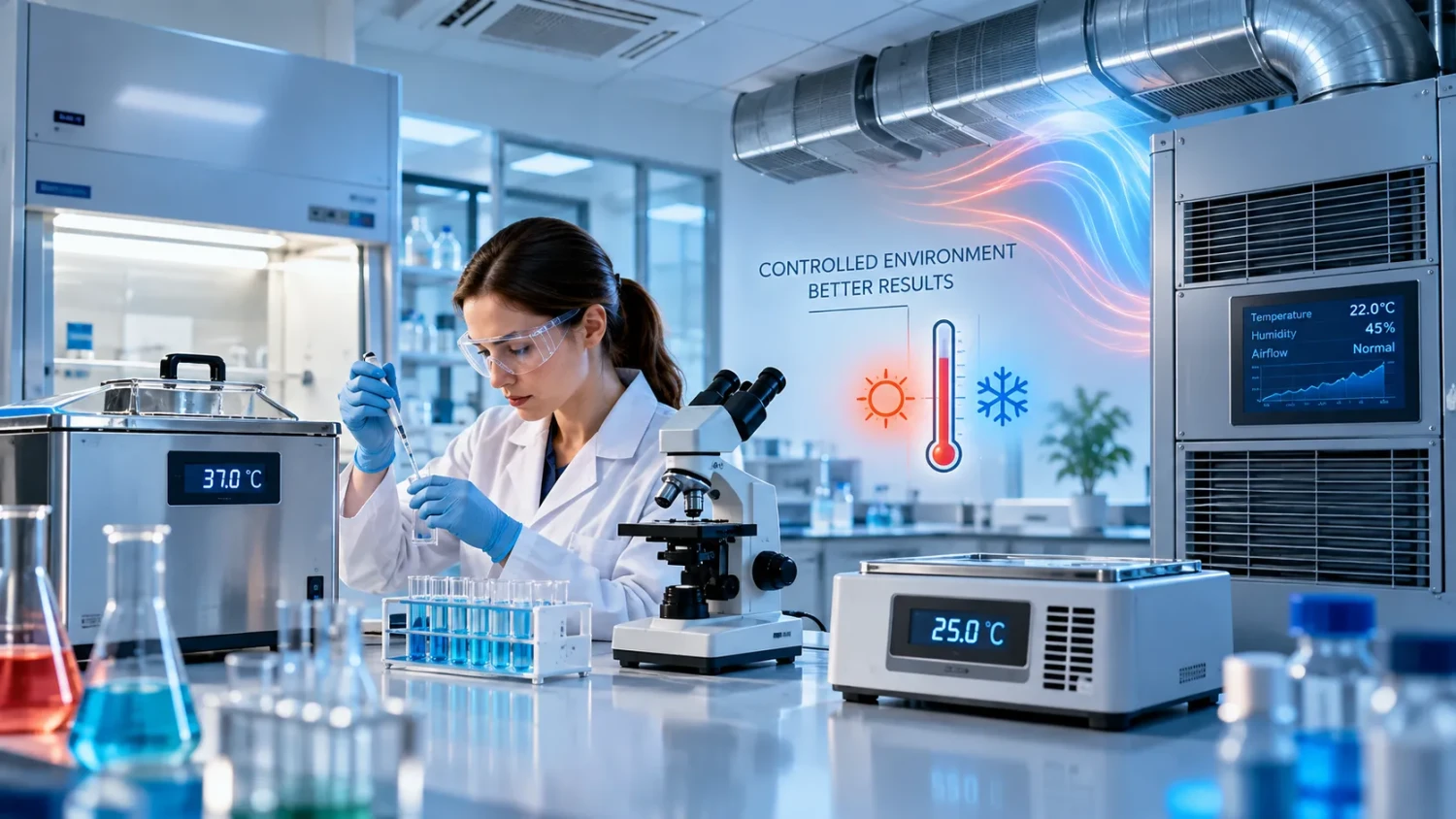
How Laboratory Heating & Cooling Equipment Improves Accuracy and Efficiency in Testing?
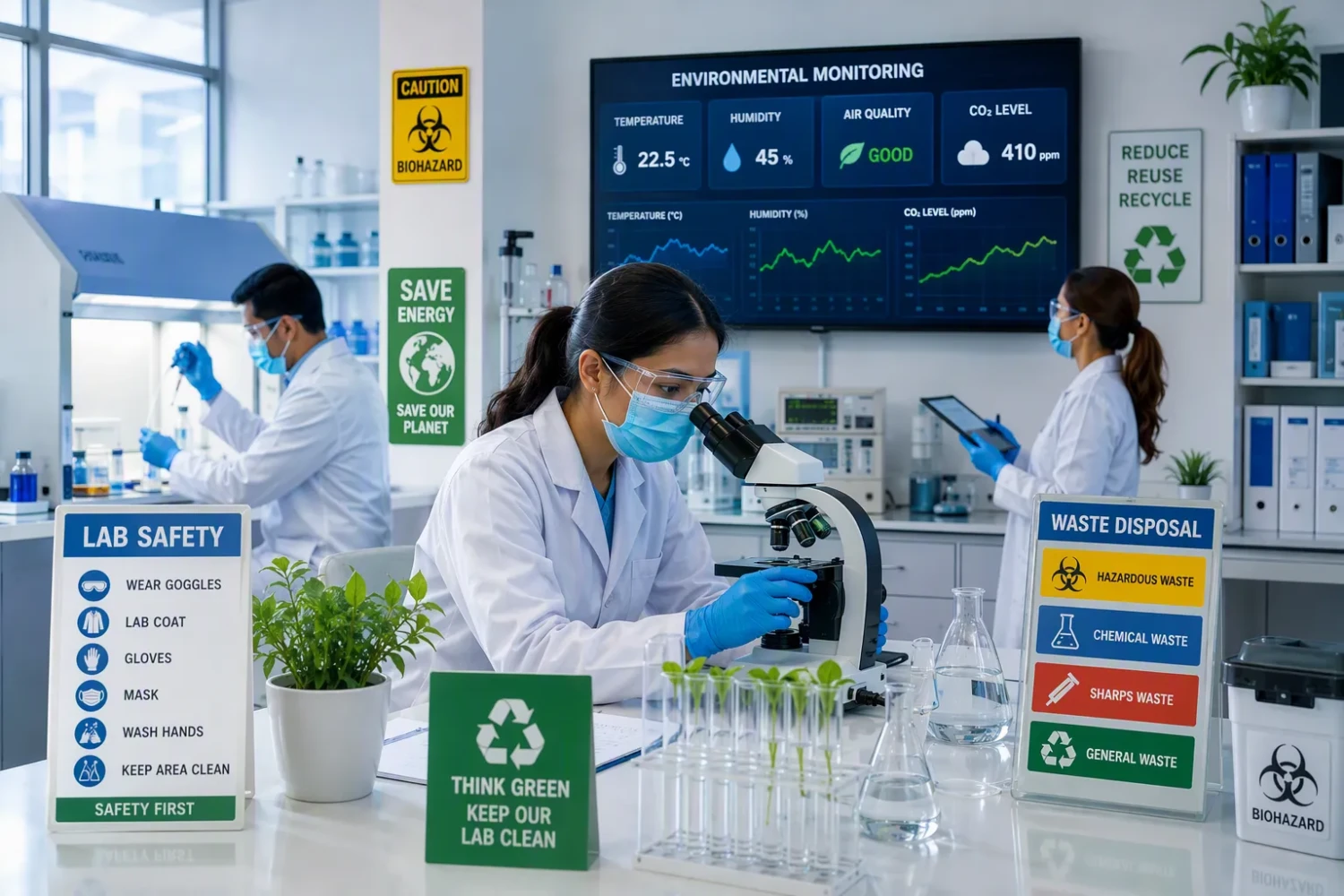
The Role of Laboratory Safety & Environmental Monitoring in Risk Prevention
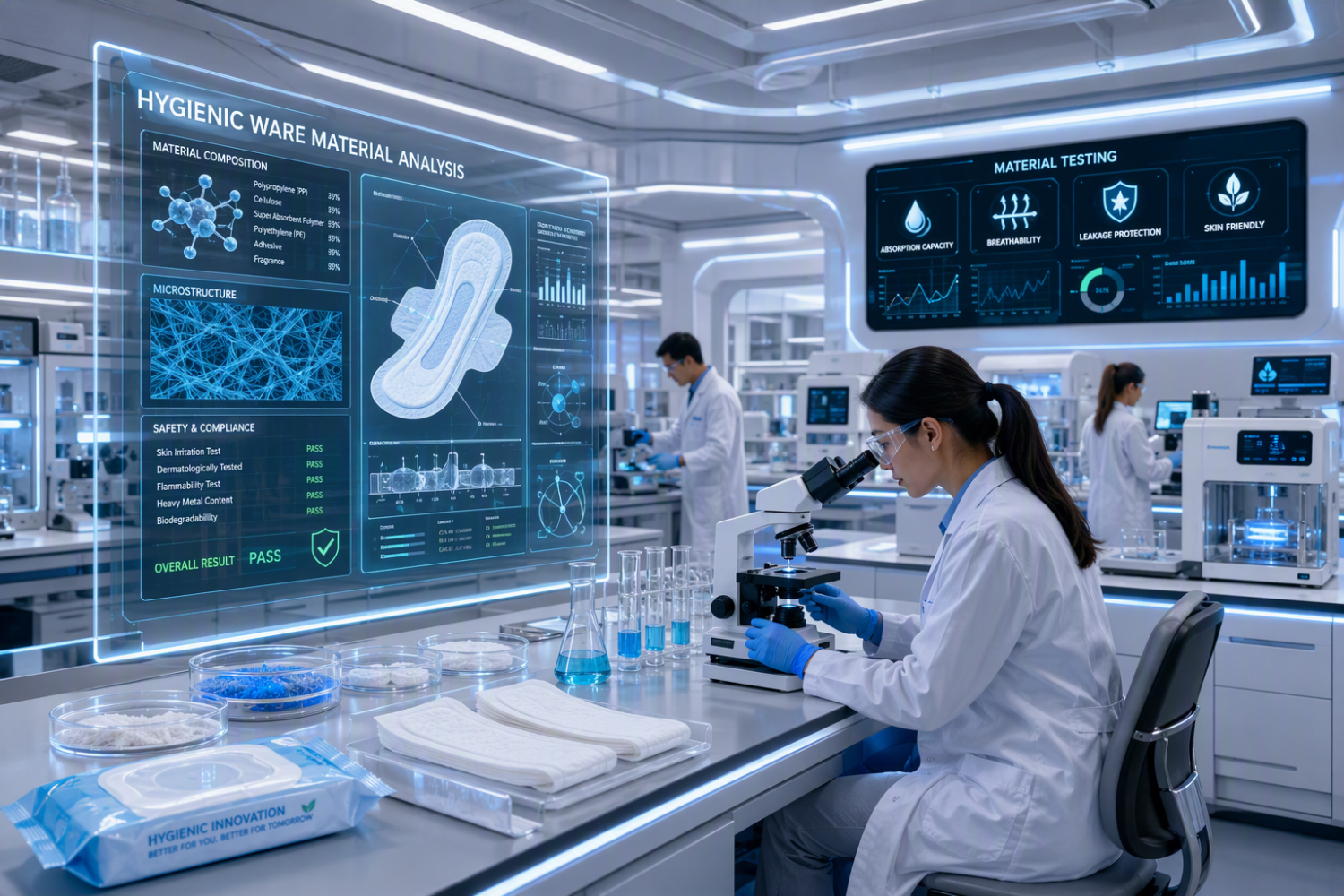
Health and Hygiene Ware Material Testing: Ensuring Quality, Safety, and Compliance
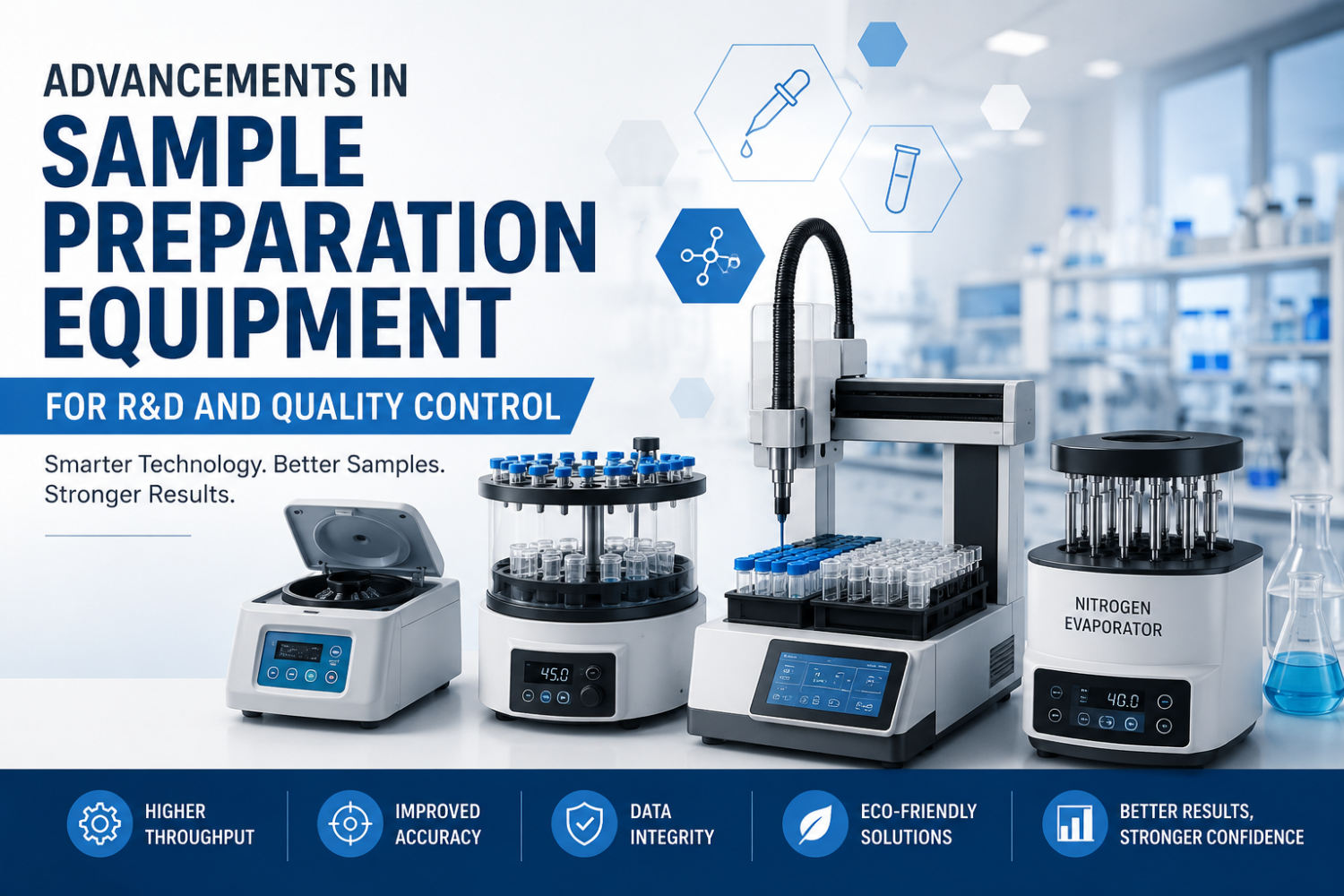
Advancements in Sample Preparation Equipment for R&D and Quality Control
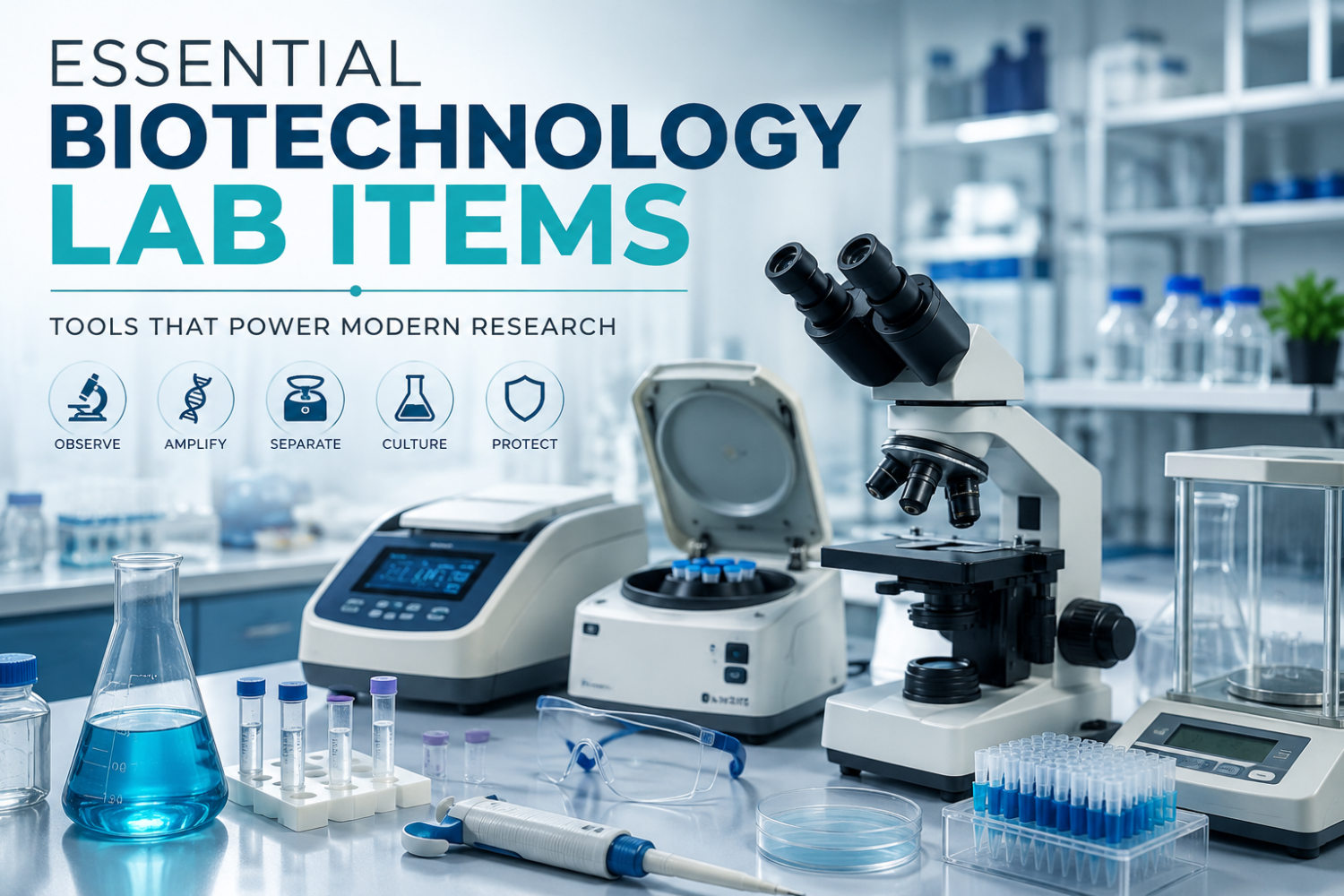
Essential Biotechnology Lab Items and Their Applications in Modern Research
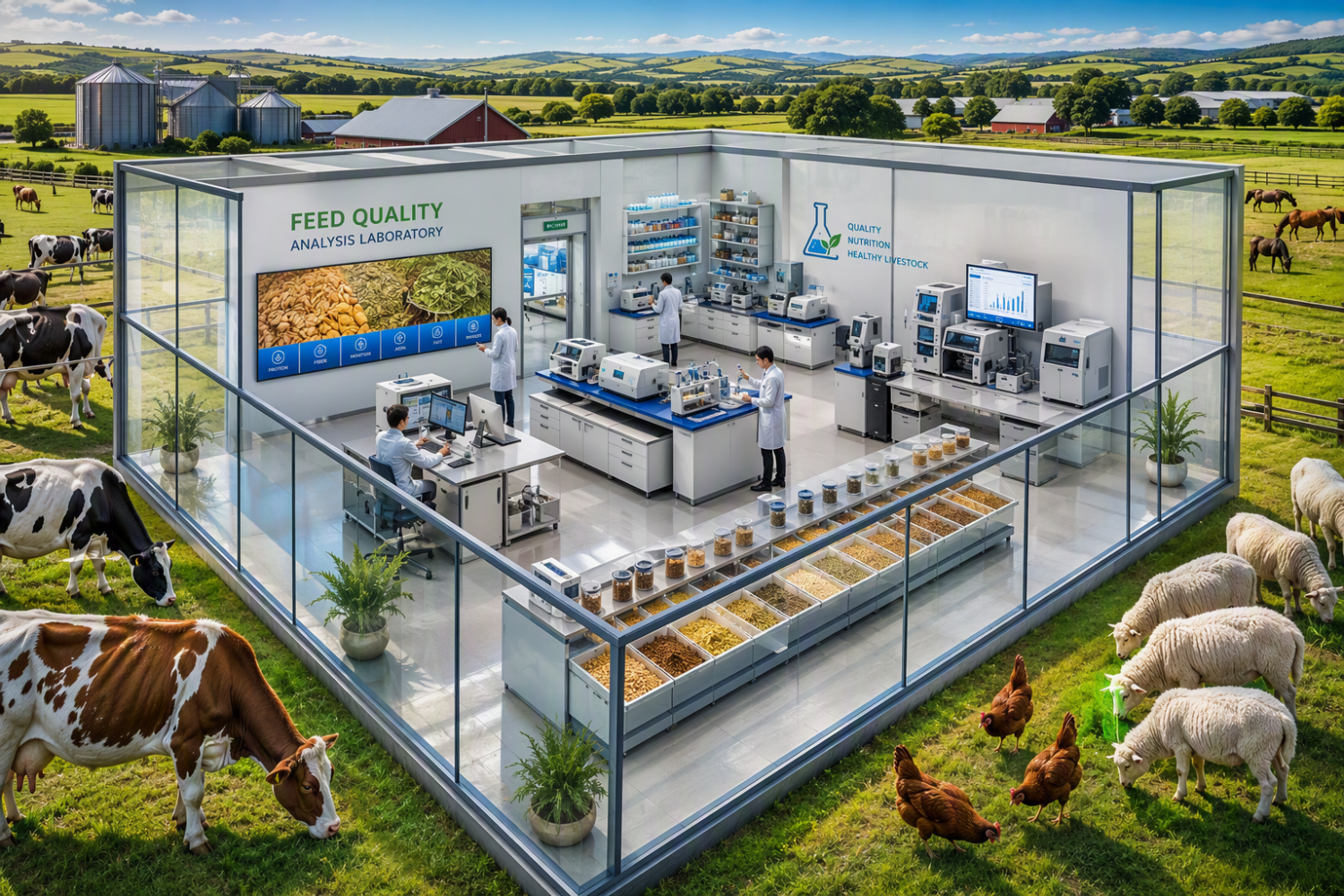
Understanding ETP – Effluent Treatment Plant and Its Importance in Industry
Optimum Solution– Laboratory & Analytical Instruments Supplier in Bangladesh
Optimum Solution is a leading supplier of laboratory equipment, analytical instruments, and process control solutions in Bangladesh. Since our inception, we have built a strong presence in the industry, serving research labs, universities, pharmaceutical companies, and quality control laboratories nationwide. Through continuous dedication to improving our products and services, Optimum Solution has earned the trust and loyalty of our valued clients.


