
-
 Analytical & Elemental Instruments
-
Biotechnology Lab Items
-
Cardboard and Box Factory Lab Equipment Solution
-
Cleanroom Solution
-
Consumables & Accessories
-
Dosing Pump for Chemicals
-
Electrochemistry & Titration
-
ETP -Effluent Treatment Plant
-
Feed Quality Laboratory
-
Food & Kitchen Lab Items
-
Hygiene Testing Equipment
-
Lab Furniture





Standard Weight or Calibration Weight: An In-Depth Analysis
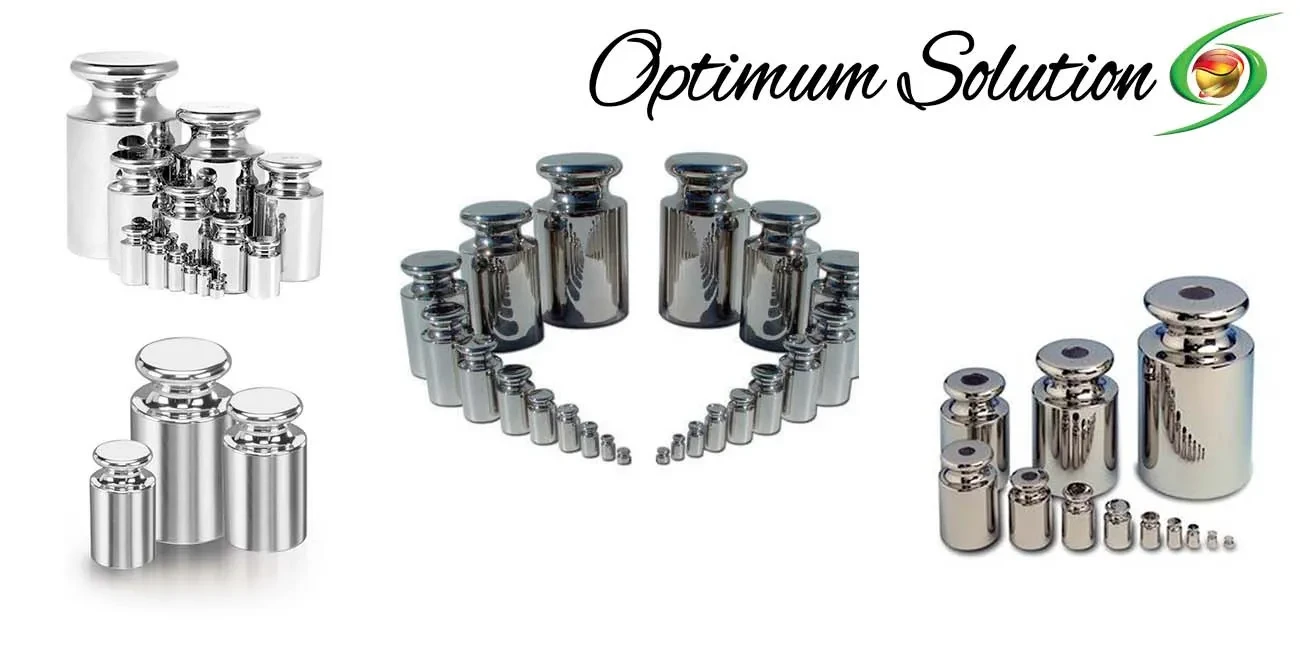
In the realm of precision measurement, accuracy is not just a goal; it is a necessity. Whether you are running complex pharmaceutical formulations or managing industrial logistics, the Standard Weight or Calibration Weight you utilize is the bedrock of your data integrity. These precision-engineered tools are essential for verifying the accuracy of digital balances and weight scales, ensuring that 1 gram is truly 1 gram. This guide explores the classifications, history, and critical applications of these weights in modern science and industry.
Understanding the Essentials
A Standard Weight or Calibration Weight is a precisely manufactured object designed to calibrate weighing instruments. By acting as a reference point, these weights ensure that digital balances maintain their reliability over time. Without regular calibration using these reference standards, equipment can suffer from "drift," leading to errors that compromise scientific research, industrial quality control, and commercial fairness.
Classification of Weights
Understanding the hierarchy of weight classes is vital for selecting the right tool for your specific balance. These classes are defined by their tolerance levels and material quality:
Class E1: The highest level of precision. These are used as primary reference standards for calibrating other reference weights and high-precision analytical balances.
Class E2: High-precision weights used in laboratories for sensitive analytical balances. They are slightly less precise than E1 but offer exceptional accuracy.
Class F1: The standard for general laboratory precision. These are commonly used for calibrating top-loading balances and in high-grade industrial applications.
Class F2: Suitable for high-precision industrial scales and balances where the extreme tolerance of F1 is not required.
Class M1: The industry workhorse. These are standard weights used for calibrating commercial scales and general-purpose balances in production environments.
Class M2: utilized for general commercial and industrial scales where high precision is not the primary critical factor.
Solving Common Measurement Pain Points
Many laboratory managers and industrial supervisors struggle with inconsistent readings and compliance audits. Integrating a certified Calibration Weight routine solves these challenges:
Drifting Results: Balances lose accuracy due to temperature changes and movement. Regular checks with standard weights correct this drift immediately.
Compliance Risks: Regulated industries (ISO, GMP) require traceability. Using certified weights ensures you pass audits without stress.
Product Wastage: In manufacturing, inaccurate scales lead to over-filling or under-filling. Precision calibration stops this financial leak.
Applications and Scope
Laboratory and Scientific Use
In the scientific community, accuracy is paramount. A precision Standard Weight is used to verify analytical balances (up to 7, 8, or 9 decimal places). They allow researchers to perform routine checks before critical experiments, ensuring that the data collected is valid and reproducible.
Industrial and Commercial Use
From pharmaceuticals to logistics, these weights ensure quality control. They are used to verify the weights of raw materials, ensure correct formulations, and to confirm finished product weights for shipping and retail pricing.
Choosing the Right Weight for Your Balance
Selecting the correct class depends on the readability (number of digits) of your balance:
9-Digit to 7-Digit Balances: Requires Class E1 Standard Weight (Ultra-micro and micro-balances).
6-Digit to 5-Digit Balances: Requires Class E2 or E1 Standard Weight (Analytical balances).
4-Digit Balances: Requires Class F1 or E2 Calibration Weight (Precision balances).
3-Digit Balances: Requires Class F1 or F2 Standard Weight.
2-Digit to 1-Digit Balances: Requires Class M1 or M2 Calibration Weight (Industrial and commercial scales).
Quality, Origin, and Manufacturing
The reliability of a weight is often dictated by its manufacturing origin. Countries known for precision engineering, such as Germany, Switzerland, and Japan, set the global standard. In Bangladesh, suppliers like Optimum Solution offer access to these high-quality standards.
The Manufacturing Process:
Material: High-grade stainless steel is selected for magnetic permeability and corrosion resistance.
Polishing: Surfaces are polished to a mirror finish (especially E and F classes) to prevent dust accumulation.
Adjustment: Weights are adjusted to within strict OIML tolerances.
Certification: Final verification is performed against a master standard to ensure traceability.
Pricing and Value
The investment in a Standard Weight or Calibration Weight varies based on accuracy class and material. While E1 class weights command a premium due to their extreme precision and manufacturing complexity, M1 weights are more accessible for general use. However, purchasing from reputable brands ensures longevity and compliance, offering better long-term value than cheaper, uncertified alternatives.
Maintenance and Care
To maintain the integrity of your reference standards:
Handling: Always use tweezers or lint-free gloves for E and F class weights to prevent oil transfer from skin.
Storage: Keep weights in their original lined cases to protect them from dust and environmental shifts.
Recertification: Schedule regular professional calibration services to ensure your weights remain within tolerance over time.
Whether you are in a cutting-edge research facility or a bustling manufacturing plant, the accuracy of your measurements defines your success. By investing in the appropriate Standard Weight or Calibration Weight, you ensure compliance, reduce waste, and maintain the highest standards of quality assurance.
Recent Posts

How Viscosity, Rheometer & Texture Analyzer Shape Product Quality in R&D Laboratories?

How Laboratory Heating & Cooling Equipment Improves Accuracy and Efficiency in Testing?

The Role of Laboratory Safety & Environmental Monitoring in Risk Prevention

Health and Hygiene Ware Material Testing: Ensuring Quality, Safety, and Compliance
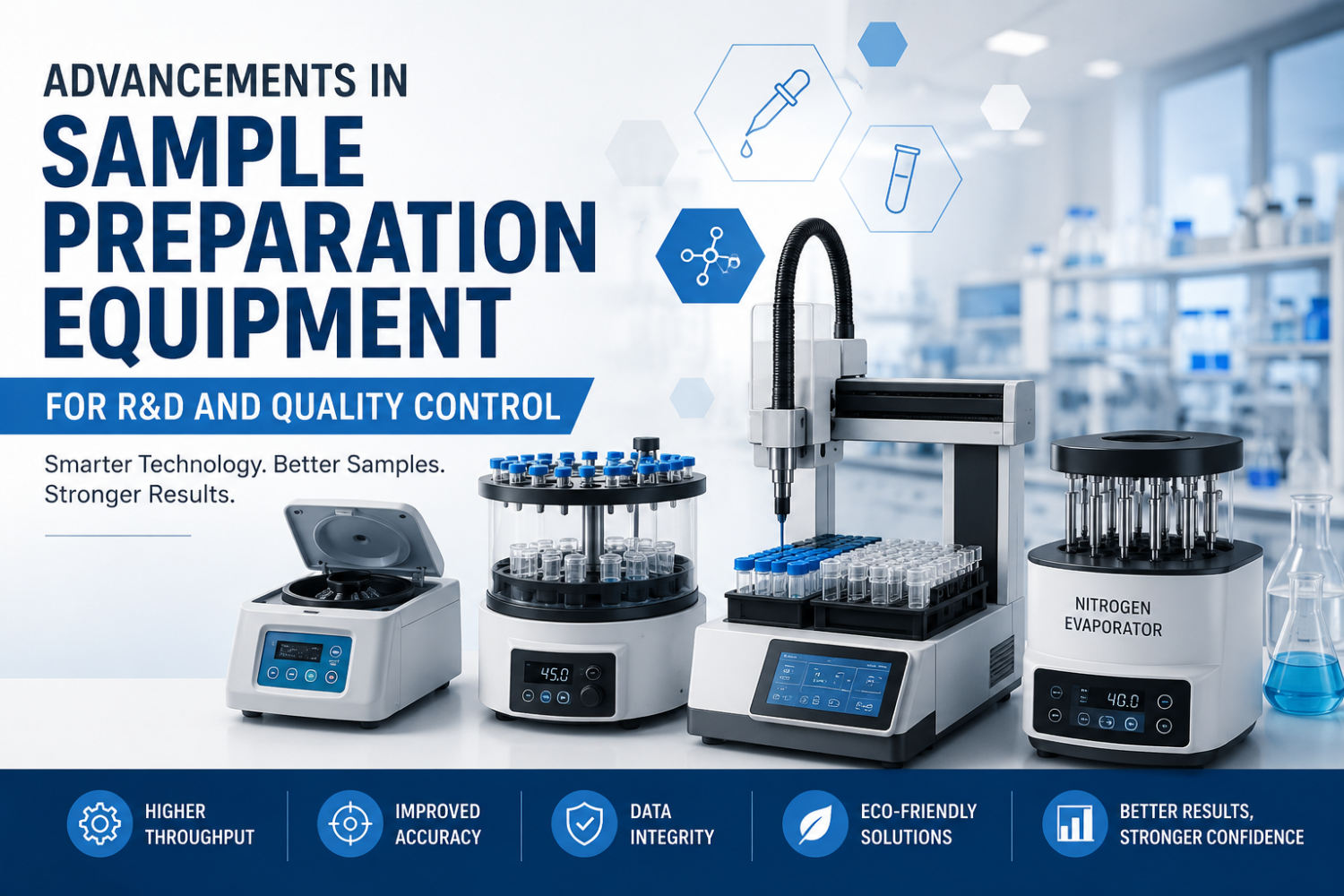
Advancements in Sample Preparation Equipment for R&D and Quality Control

Essential Biotechnology Lab Items and Their Applications in Modern Research



Understanding ETP – Effluent Treatment Plant and Its Importance in Industry
Optimum Solution– Laboratory & Analytical Instruments Supplier in Bangladesh
Optimum Solution is a leading supplier of laboratory equipment, analytical instruments, and process control solutions in Bangladesh. Since our inception, we have built a strong presence in the industry, serving research labs, universities, pharmaceutical companies, and quality control laboratories nationwide. Through continuous dedication to improving our products and services, Optimum Solution has earned the trust and loyalty of our valued clients.


