
-
 Analytical & Elemental Instruments
-
Biotechnology Lab Items
-
Cardboard and Box Factory Lab Equipment Solution
-
Cleanroom Solution
-
Consumables & Accessories
-
Dosing Pump for Chemicals
-
Electrochemistry & Titration
-
ETP -Effluent Treatment Plant
-
Feed Quality Laboratory
-
Food & Kitchen Lab Items
-
Hygiene Testing Equipment
-
Lab Furniture



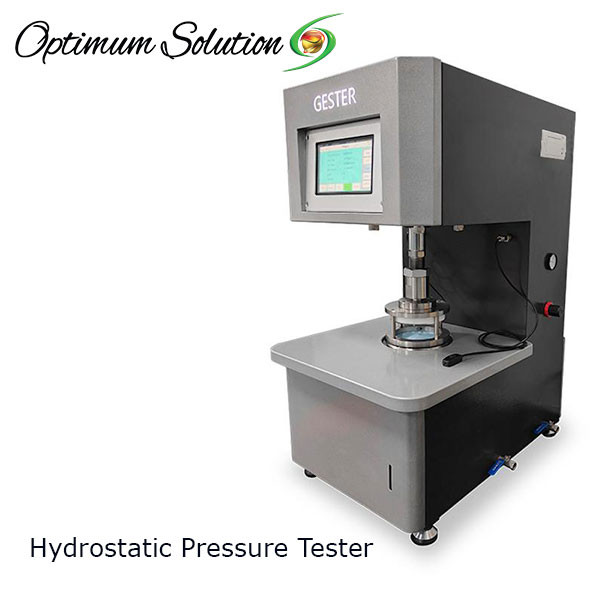

Spectroscopic Techniques in Chemical Analysis: Principles, Types, and Laboratory Applications
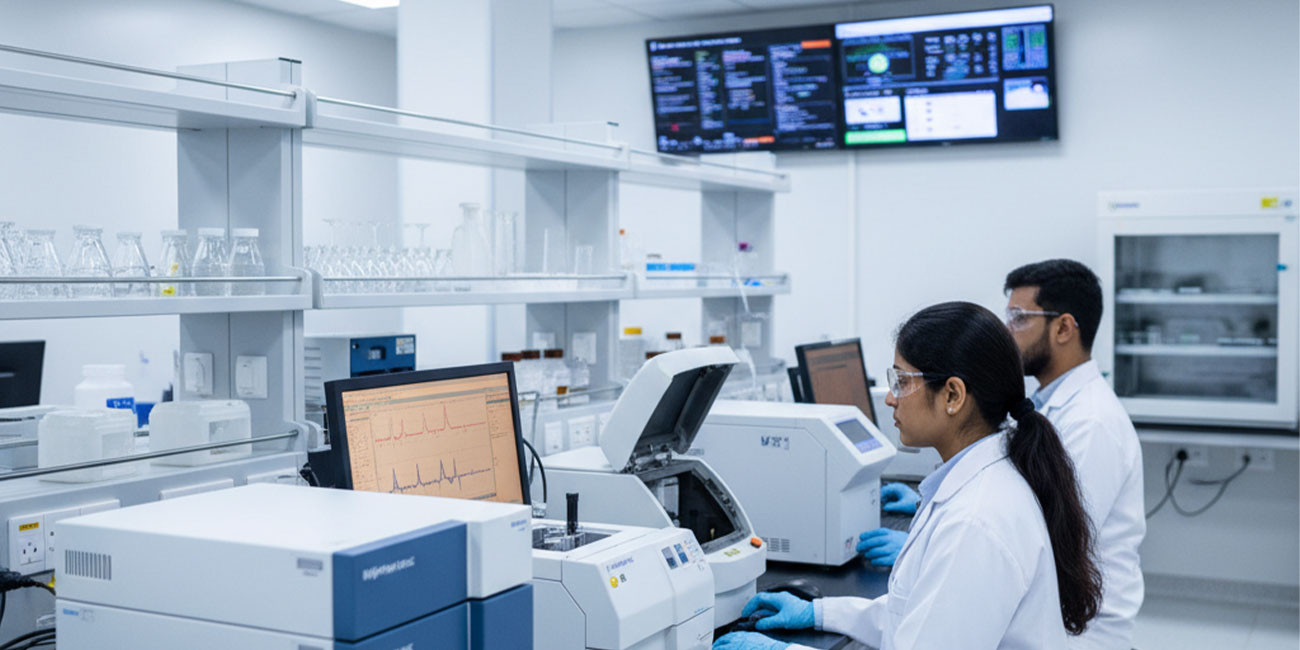
Pharmaceutical laboratories are specialized scientific environments designed to ensure the quality, safety, and efficacy of medicinal products. These laboratories serve as the analytical backbone of the pharmaceutical industry, integrating chemical analysis, biological testing, and regulatory compliance.
Definition and Purpose
A pharmaceutical laboratory is a controlled facility where drug substances and formulations are analyzed using validated pharmaceutical testing methods. The primary objectives include:
Verification of raw material quality
Monitoring of in-process materials
Final product quality assurance
Stability assessment under defined environmental conditions
Role in Drug Development and Quality Assurance
Pharmaceutical laboratories play a decisive role across the drug lifecycle:
Pre-formulation studies – characterization of APIs
Formulation development – compatibility and excipient interaction
Quality Control (QC laboratory) – batch release testing
Quality Assurance (QA) – compliance verification
Post-marketing surveillance – long-term safety evaluation
In the context of pharmaceutical laboratory Bangladesh, these functions are essential for maintaining both domestic drug safety and international export standards.
2. Structure of a Pharmaceutical Laboratory
2.1 Functional Sections
A well-organized pharmaceutical laboratory is divided into specialized units:
Quality Control (QC Laboratory)
Performs chemical and physical testing
Utilizes analytical instruments for batch release
Ensures compliance with pharmacopeial standards
Quality Assurance (QA)
Focuses on documentation and validation
Ensures adherence to GMP laboratory Bangladesh requirements
Research & Development (R&D)
Develops new formulations and analytical methods
Conducts method optimization and validation
Microbiology Laboratory
Sterility testing
Microbial limit testing
Environmental monitoring
Stability Testing Laboratory
Studies drug degradation under stress conditions
Determines shelf life
2.2 Workflow and Laboratory Design Considerations
An efficient laboratory workflow includes:
Sample receipt and logging
Sample preparation
Instrumental analysis
Data acquisition and validation
Documentation and reporting
Design Considerations
Controlled environment (temperature, humidity)
Segregation of chemical and microbiological areas
Unidirectional workflow to prevent contamination
Compliance with GMP and ISO standards
3. Analytical Methods in Pharmaceutical Laboratories
3.1 Chemical Analysis Techniques
Pharmaceutical testing methods rely on both classical and modern techniques:
Titrimetric analysis – acid-base, redox, complexometric
Gravimetric analysis – precise mass determination
Spectroscopic techniques – molecular identification
Chromatographic techniques – separation and quantification
3.2 Instrumental Methods
Spectroscopy
Spectroscopy is based on the interaction between electromagnetic radiation and matter. It provides qualitative and quantitative information about molecular structure.
Chromatography
High Performance Liquid Chromatography (HPLC)
Gas Chromatography (GC)
Used for separation of complex mixtures and impurity profiling
3.3 Sample Preparation and Validation
Sample Preparation Steps
Sampling according to SOP
Dissolution or extraction
Filtration or centrifugation
Dilution to required concentration
Method Validation Parameters
Accuracy
Precision
Specificity
Linearity
Robustness
These parameters ensure reliability in analytical instruments used in pharmaceutical laboratories.
4. Laboratory Instrumentation
Modern pharmaceutical laboratories depend heavily on advanced laboratory equipment for accurate and reproducible results.
4.1 UV-Visible Spectrophotometer
Principle of Operation
Based on Beer-Lambert Law: absorbance is proportional to concentration.
Measures light absorption in UV and visible regions
Used for quantitative analysis of APIs
Importance
Rapid and cost-effective
Widely used in QC laboratory for routine assays
4.2 High Performance Liquid Chromatography (HPLC)
Principle
Separation based on differential interaction between mobile phase and stationary phase.
Applications
Assay of active ingredients
Impurity profiling
Stability studies
4.3 Gas Chromatography (GC)
Principle
Separation of volatile compounds based on vaporization and partitioning.
Applications
Residual solvent analysis
Volatile impurity detection
4.4 pH Meter
Principle
Measures hydrogen ion activity using an electrochemical electrode.
Importance
Critical for formulation stability
Ensures physiological compatibility
4.5 Analytical Balance
Principle
Measures mass with high precision using electromagnetic force compensation.
Importance
Accurate weighing of samples
Essential for reproducibility
4.6 Particle Size Analyzer
Principle
Based on laser diffraction or dynamic light scattering.
Importance
Determines dissolution rate
Affects bioavailability
5. Regulatory Framework in Bangladesh
5.1 National Regulatory Authority
In Bangladesh, pharmaceutical laboratories are regulated by the Directorate General of Drug Administration (DGDA).
Key Responsibilities
Approval of drug manufacturing
Inspection of GMP laboratory Bangladesh
Monitoring compliance
5.2 Good Manufacturing Practice (GMP)
GMP ensures:
Consistent product quality
Controlled manufacturing processes
Proper documentation
Core GMP Requirements
Qualified personnel
Validated analytical methods
Calibrated analytical instruments
Controlled laboratory environment
5.3 International Standards
Pharmaceutical laboratories align with:
WHO guidelines
USP (United States Pharmacopeia)
ISO standards
These standards are essential for export-quality pharmaceutical products.
6. Importance of Pharmaceutical Laboratories in Bangladesh
6.1 Drug Safety and Efficacy
Pharmaceutical laboratories ensure:
Accurate dosage
Absence of harmful impurities
Consistent therapeutic performance
6.2 Industrial Growth
Bangladesh’s pharmaceutical sector is a major contributor to the economy:
Expansion of GMP-compliant facilities
Increased demand for analytical instruments
Growth in skilled workforce
6.3 Export Quality Assurance
Pharmaceutical laboratory Bangladesh plays a key role in:
Meeting international regulatory requirements
Supporting global market access
Enhancing brand credibility
6.4 Public Health Impact
Reliable pharmaceutical testing methods directly influence:
Patient safety
Disease control
Healthcare system efficiency
7. Challenges and Future Outlook
7.1 Current Challenges in Bangladesh
Limited access to advanced laboratory equipment
High cost of analytical instruments
Shortage of highly trained professionals
Regulatory enforcement gaps
7.2 Technological Advancements
Emerging trends include:
Automation in QC laboratory
Integration of AI in data analysis
Advanced spectroscopy techniques (FTIR, NMR)
Real-time monitoring systems
7.3 Future Opportunities
Expansion of GMP laboratory Bangladesh infrastructure
Investment in research and development
Strengthening regulatory frameworks
Development of export-oriented analytical facilities
Recent Posts
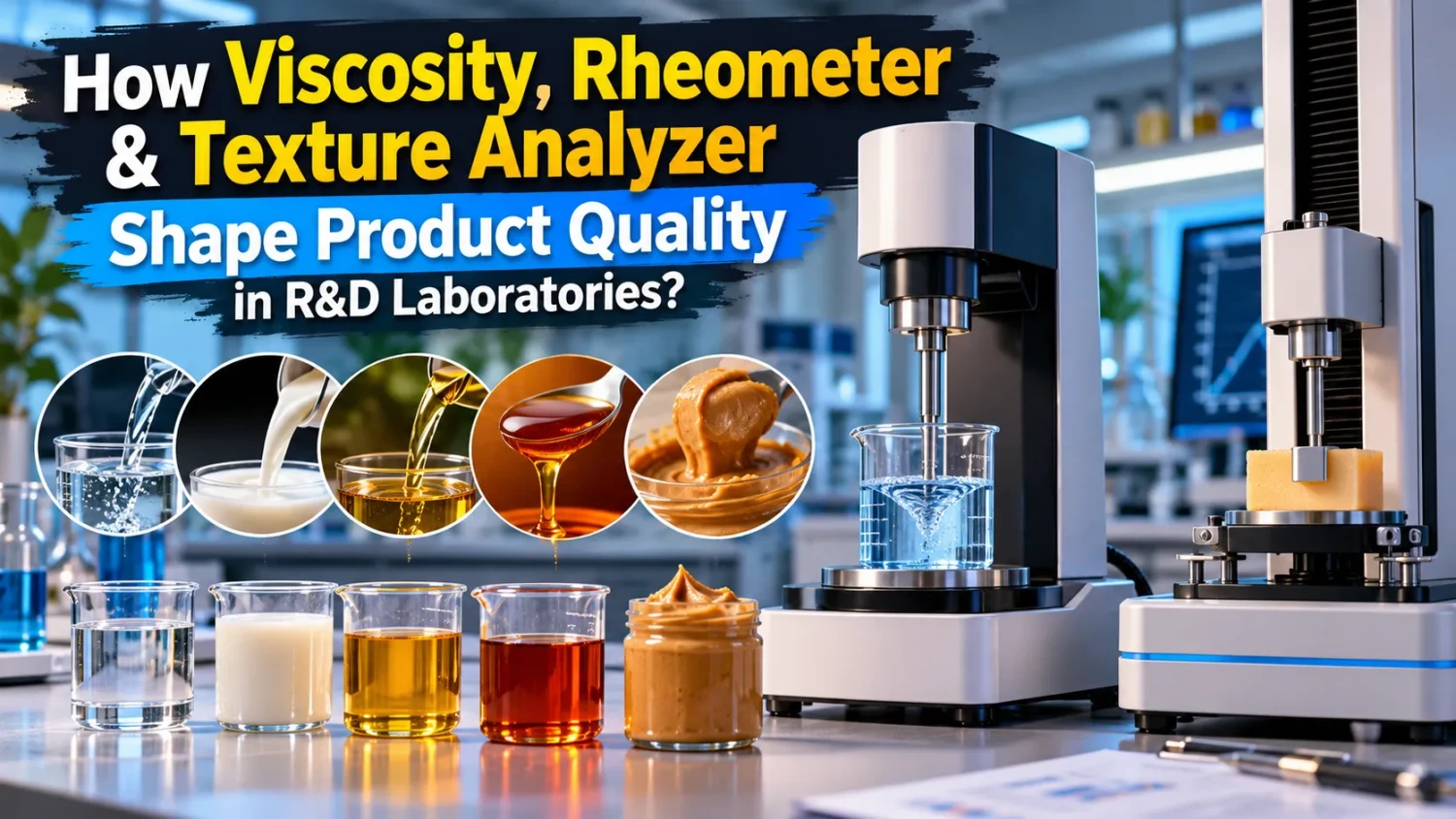
How Viscosity, Rheometer & Texture Analyzer Shape Product Quality in R&D Laboratories?
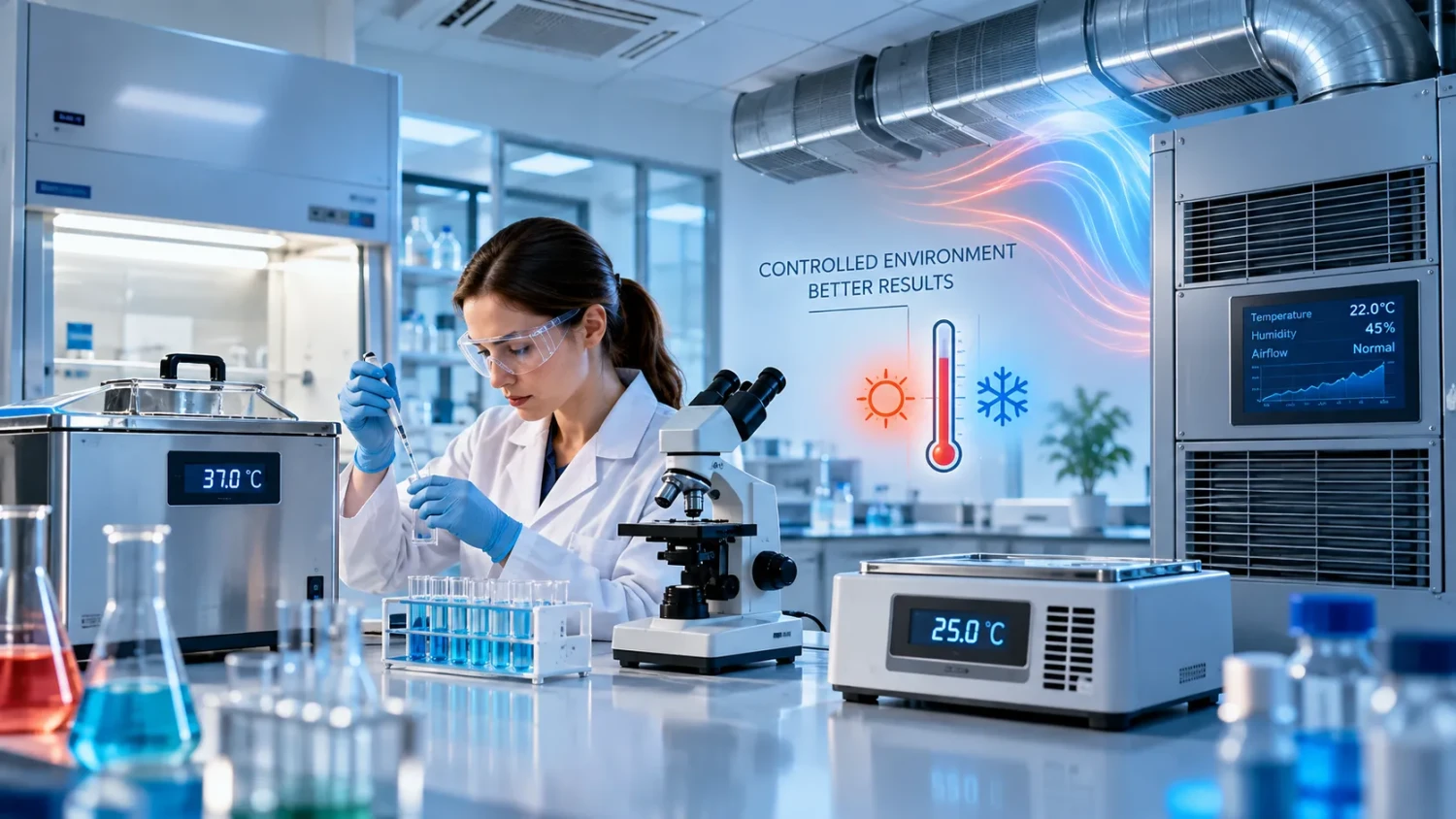
How Laboratory Heating & Cooling Equipment Improves Accuracy and Efficiency in Testing?

The Role of Laboratory Safety & Environmental Monitoring in Risk Prevention
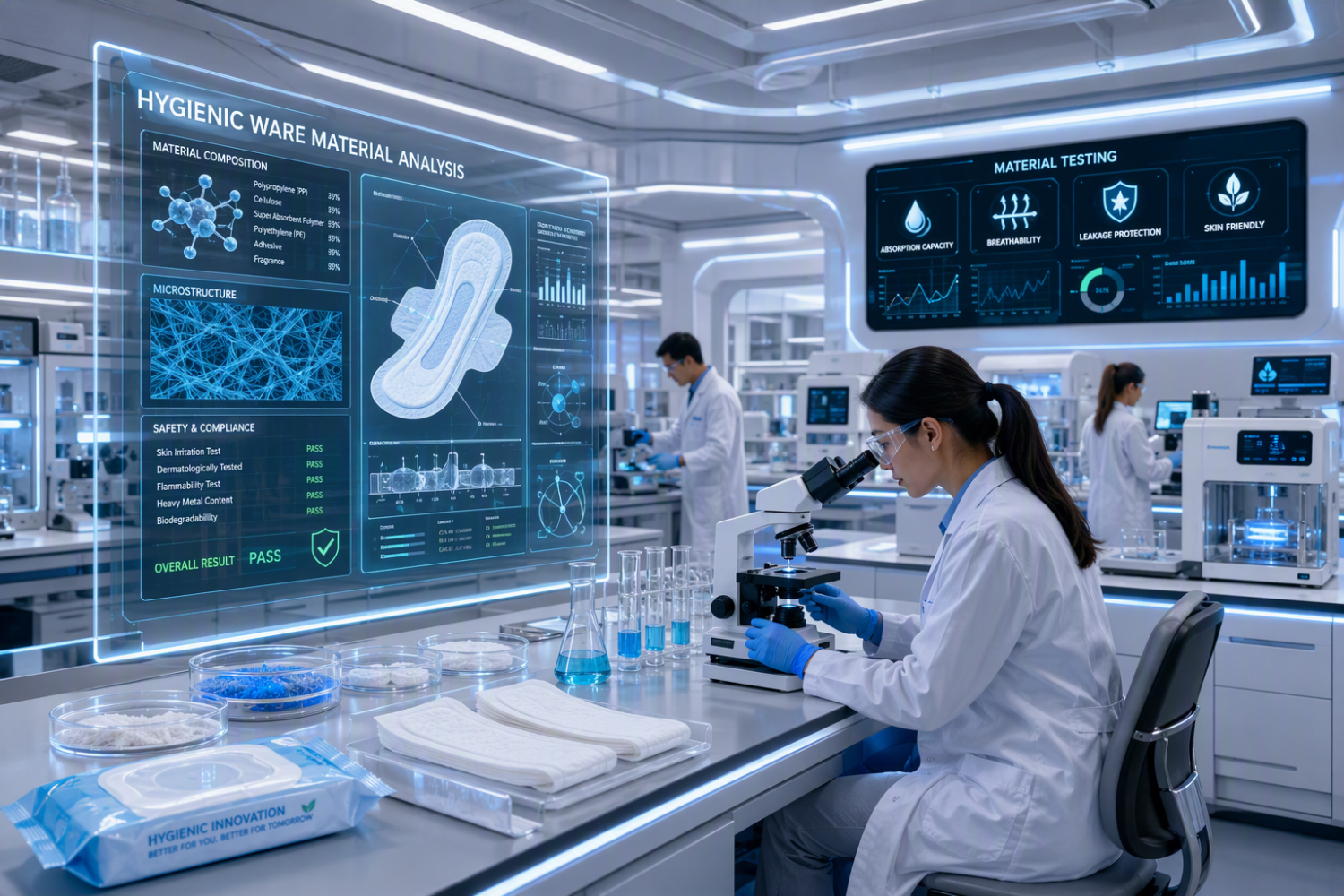
Health and Hygiene Ware Material Testing: Ensuring Quality, Safety, and Compliance
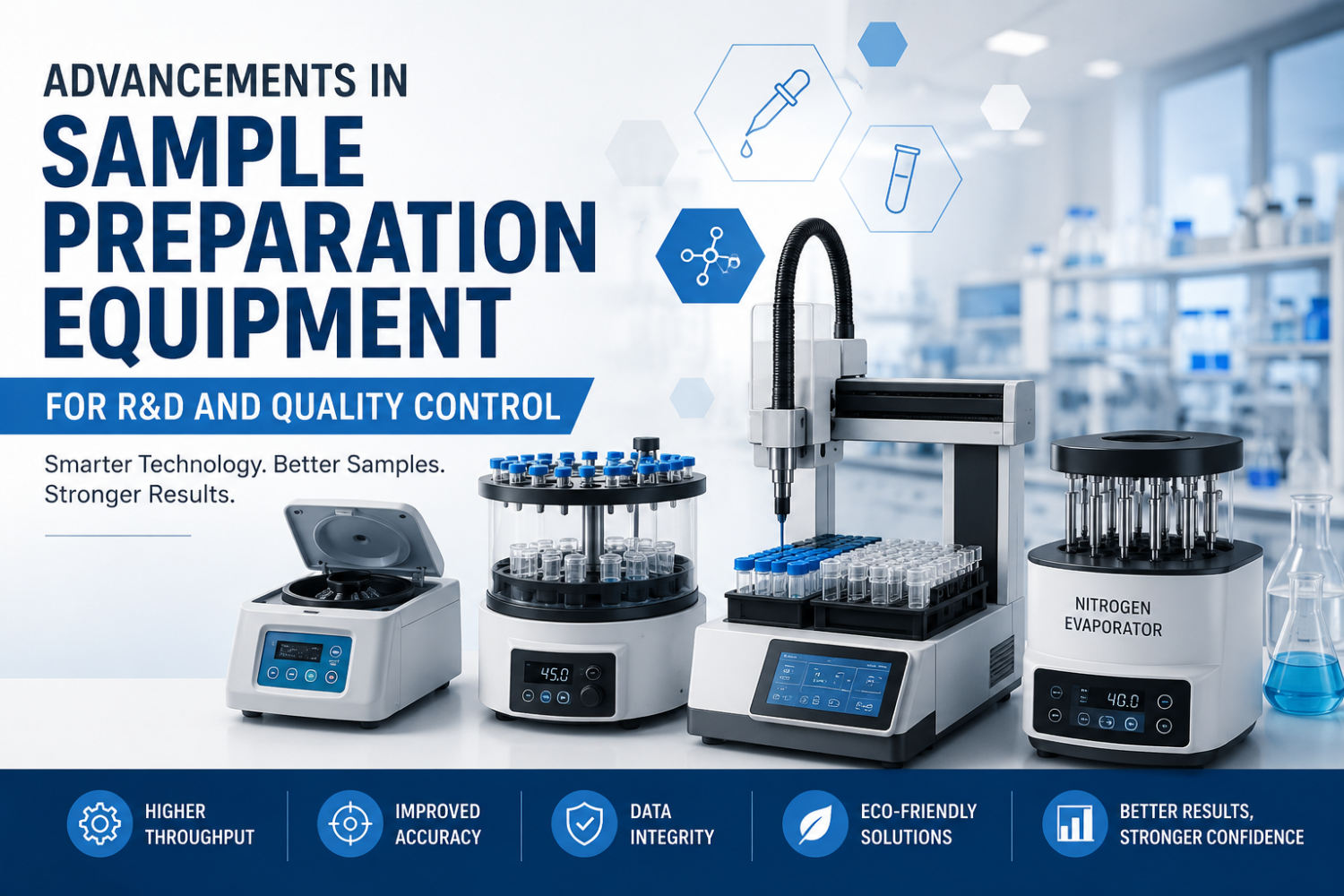
Advancements in Sample Preparation Equipment for R&D and Quality Control
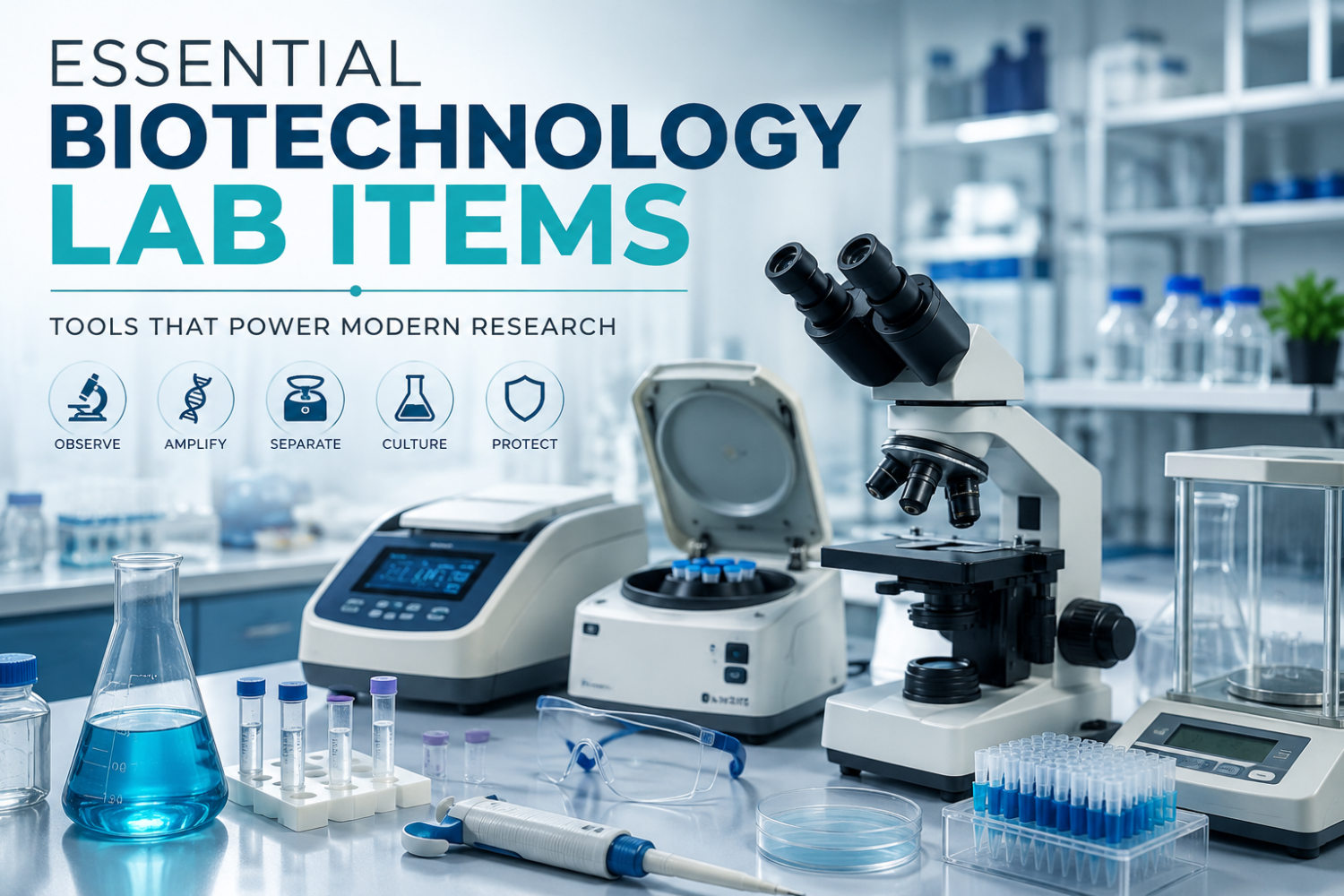
Essential Biotechnology Lab Items and Their Applications in Modern Research


Understanding ETP – Effluent Treatment Plant and Its Importance in Industry
Optimum Solution– Laboratory & Analytical Instruments Supplier in Bangladesh
Optimum Solution is a leading supplier of laboratory equipment, analytical instruments, and process control solutions in Bangladesh. Since our inception, we have built a strong presence in the industry, serving research labs, universities, pharmaceutical companies, and quality control laboratories nationwide. Through continuous dedication to improving our products and services, Optimum Solution has earned the trust and loyalty of our valued clients.


