
-
 Analytical & Elemental Instruments
-
Biotechnology Lab Items
-
Cardboard and Box Factory Lab Equipment Solution
-
Cleanroom Solution
-
Consumables & Accessories
-
Dosing Pump for Chemicals
-
Electrochemistry & Titration
-
ETP -Effluent Treatment Plant
-
Feed Quality Laboratory
-
Food & Kitchen Lab Items
-
Hygiene Testing Equipment
-
Lab Furniture



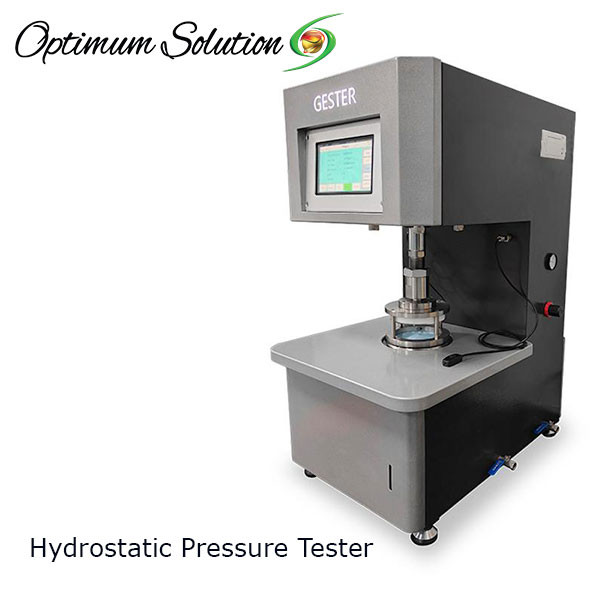

Comprehensive Framework for Establishing Pharmaceutical Laboratories: Structure, Methodology, and Regulatory Compliance

The pharmaceutical industry in Bangladesh has transitioned from a domestic manufacturing base to a globally recognized supplier of generic medications. At the core of this industrial success is the pharmaceutical laboratory. Establishing such a facility requires more than procurement; it demands a sophisticated synthesis of architectural engineering, analytical chemistry, and stringent adherence to international regulatory standards.
1. Introduction to Pharmaceutical Laboratories
A pharmaceutical laboratory is a specialized facility engineered to evaluate the chemical, physical, and biological properties of drug substances and finished products. Its primary objective is to provide empirical evidence that a medicinal product consistently meets its predetermined specifications.
Role in Drug Development and Quality Assurance
Beyond routine testing, these laboratories are instrumental in the drug development lifecycle. They facilitate pre-formulation studies, stability assessments, and the optimization of drug delivery systems. Within the manufacturing ecosystem, the laboratory serves as the definitive authority on Quality Assurance (QA) and Quality Control (QC), ensuring that every batch released to the market is safe for human consumption.
2. Structure and Design of a Pharmaceutical Laboratory
The layout of a pharmaceutical laboratory in Bangladesh must adhere to the principles of Good Laboratory Practice (GLP) and current Good Manufacturing Practice (cGMP). The design must prioritize the prevention of cross-contamination and the logical flow of materials and personnel.
Functional Sections
Quality Control (QC) Unit: Focused on the analysis of raw materials, in-process samples, and finished products.
Quality Assurance (QA) Unit: Responsible for documentation, protocol validation, and system audits.
Research and Development (R&D): Dedicated to formulation science and the development of new generic drug entities.
Microbiology Laboratory: A sterile environment for microbial limit testing, sterility testing, and environmental monitoring.
Stability Section: Equipped with environmental chambers to assess product shelf-life under various stress conditions.
Workflow and Lab Design Considerations
The structural "drawing design" of a laboratory must incorporate:
Unidirectional Flow: To minimize the risk of sample mix-ups.
Environmental Control: Specialized HVAC systems to maintain ISO-classified air quality in microbiology and sensitive analytical areas.
Segregation: Physical separation between chemical analysis zones, microbial testing zones, and hazardous material storage.
Ergonomics and Safety: Installation of fume hoods, emergency showers, and fire suppression systems tailored for chemical environments.
3. Analytical Methods in Pharmaceutical Laboratories
Analytical methodologies form the scientific foundation of drug testing. These methods must be validated according to ICH (International Council for Harmonisation) Q2 (R1) guidelines.
Chemical and Instrumental Analysis
Titrimetric Analysis: Used for high-precision assays of active ingredients based on stoichiometric volume measurements.
Spectroscopic Techniques: Utilizing the electromagnetic spectrum to identify molecular structures and quantify concentrations.
Chromatographic Separation: The primary method for identifying related substances and degradation products in complex formulations.
Sample Preparation and Validation
Effective analysis begins with standardized sample preparation, including extraction, filtration, and dilution. Validation protocols ensure that pharmaceutical testing methods are accurate, precise, specific, and robust enough to yield consistent results across different laboratory environments.
4. Laboratory Instrumentation: Principles and Functions
The reliability of a QC laboratory depends on its analytical instruments. These tools must undergo regular Calibration, Qualification (IQ, OQ, PQ), and maintenance.
High-Performance Liquid Chromatography (HPLC) & Gas Chromatography (GC)
Principle: Separation based on differential partitioning between a mobile phase and a stationary phase.
Function: HPLC is the standard for non-volatile API quantification, while GC is critical for analyzing volatile impurities and residual solvents.
UV-Vis Spectrophotometer
Principle: Measures the absorbance of light at specific wavelengths as per the Beer-Lambert Law.
Function: Primarily used for identification tests and dissolution studies.
Analytical Balance
Principle: Electromagnetic force compensation.
Function: Provides the essential precision required for preparing standard solutions and weighing minute quantities of drug substances.
Particle Size Analyzer
Principle: Laser diffraction or dynamic light scattering.
Function: Crucial for determining the surface area of APIs, which directly impacts the dissolution rate and bioavailability of oral solid dosage forms.
5. Regulatory Framework in Bangladesh
Operating a GMP laboratory Bangladesh requires strict compliance with national and international regulatory bodies.
Directorate General of Drug Administration (DGDA): The primary regulatory authority in Bangladesh responsible for enforcing the Drugs Act and ensuring laboratory standards align with national health priorities.
Good Manufacturing Practice (GMP): A set of systems ensuring that products are consistently produced and controlled according to quality standards.
International Standards: Laboratories aiming for export markets must align their operations with the World Health Organization (WHO) standards, the United States Pharmacopeia (USP), and ISO/IEC 17025 accreditation for testing and calibration.
6. Importance of Pharmaceutical Laboratories in Bangladesh
The establishment of advanced laboratories is a prerequisite for the growth of the pharmaceutical sector.
Drug Safety and Efficacy: Robust testing protocols prevent sub-standard or falsified medicines from reaching the public.
Export Quality Assurance: Bangladesh’s ability to export to highly regulated markets (USA, EU, Australia) depends entirely on the technical competence and data integrity of its laboratories.
Industrial Growth: Investment in R&D laboratories fosters the transition from generic manufacturing to the development of complex molecules and biosimilars.
7. Challenges and Future Outlook
Setting up and maintaining a pharmaceutical laboratory involves significant complexity.
Current Challenges
Data Integrity: Maintaining unalterable electronic records as required by 21 CFR Part 11.
Technical Expertise: The need for highly skilled scientists capable of operating sophisticated laboratory equipment and interpreting complex data.
Supply Chain: Dependence on imported high-purity reagents and primary reference standards.
Technological Advancements and Opportunities
The future of pharmaceutical analysis in Bangladesh lies in automation and digitalization. The integration of Laboratory Information Management Systems (LIMS) and the adoption of Green Analytical Chemistry (GAC) to reduce solvent waste are becoming industry benchmarks. As the sector evolves, the laboratory will remain the most critical infrastructure for ensuring that "Made in Bangladesh" pharmaceuticals are synonymous with global quality.
For a detailed catalog of essential hardware, visit our Laboratory Equipment section.
Discover high-precision technology in our Analytical Instruments department.
Explore specialized tools for sterile testing in our Microbiology Equipment portal.
Learn about our commitment to scientific excellence on the About Us page.
For technical consultancy on laboratory setup, visit our Contact / Inquiry page.
This article provides a technical overview for professionals and students. For specific engineering or regulatory requirements, consult the latest DGDA guidelines and ISO standards.
Recent Posts
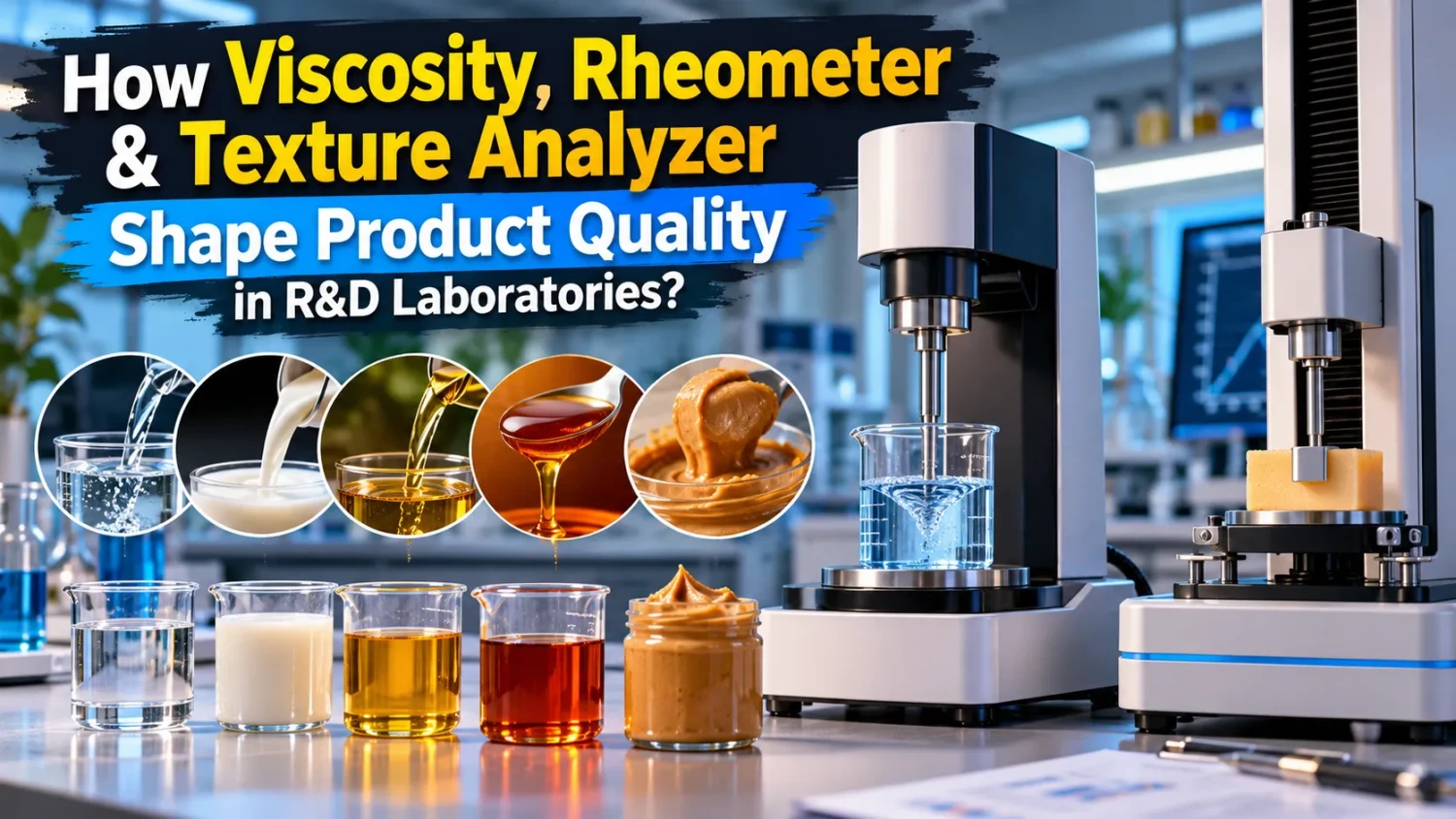
How Viscosity, Rheometer & Texture Analyzer Shape Product Quality in R&D Laboratories?

How Laboratory Heating & Cooling Equipment Improves Accuracy and Efficiency in Testing?
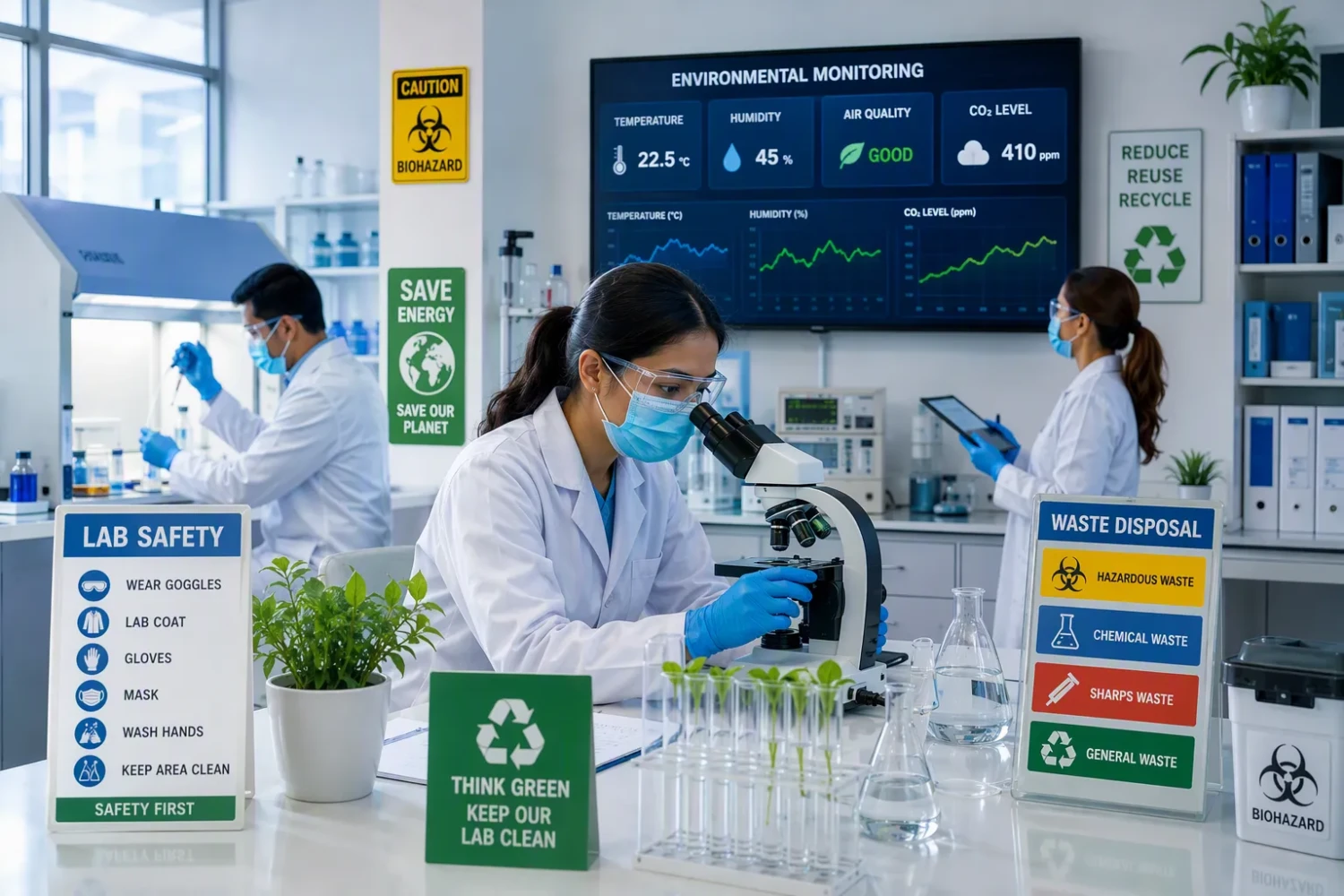
The Role of Laboratory Safety & Environmental Monitoring in Risk Prevention
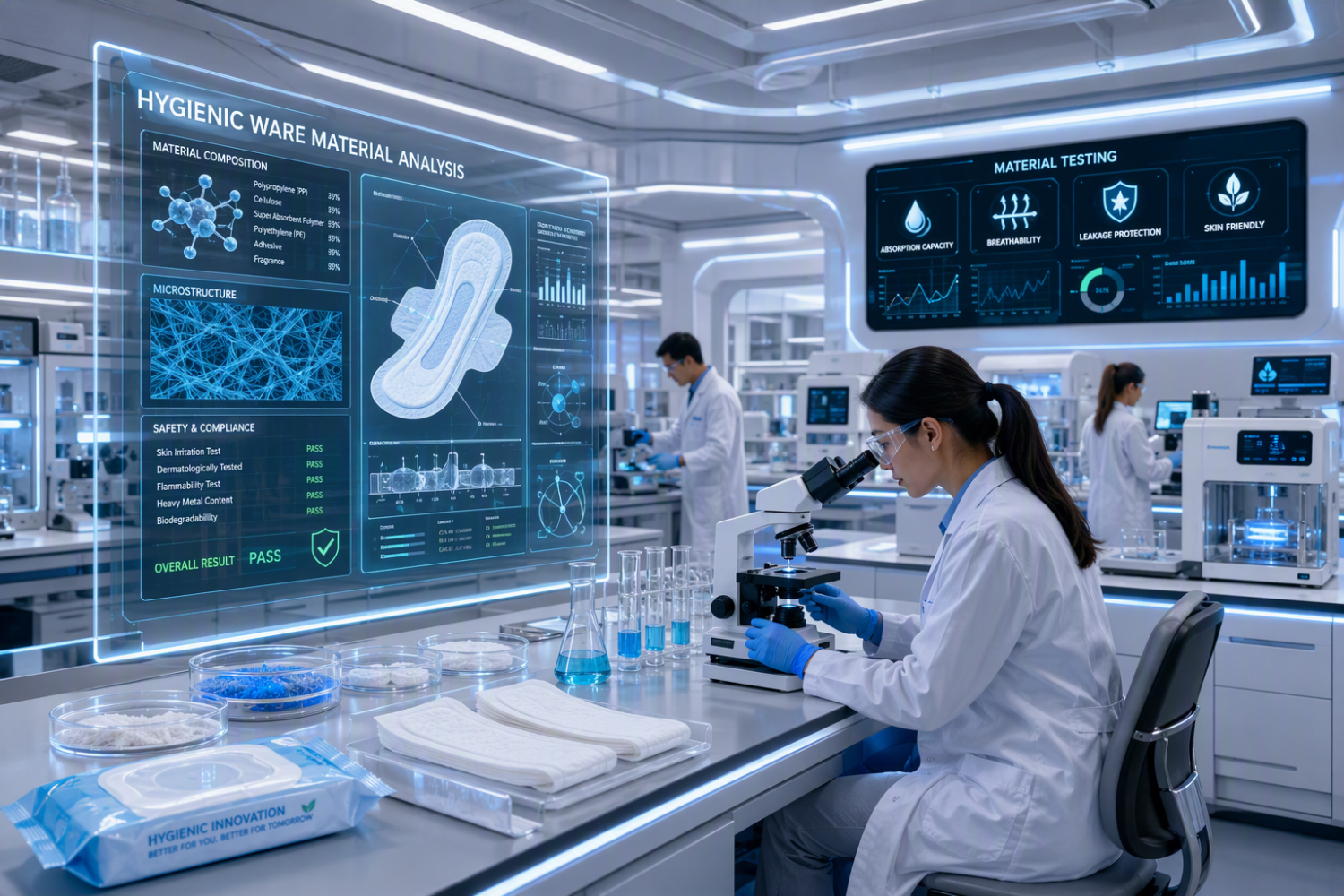
Health and Hygiene Ware Material Testing: Ensuring Quality, Safety, and Compliance
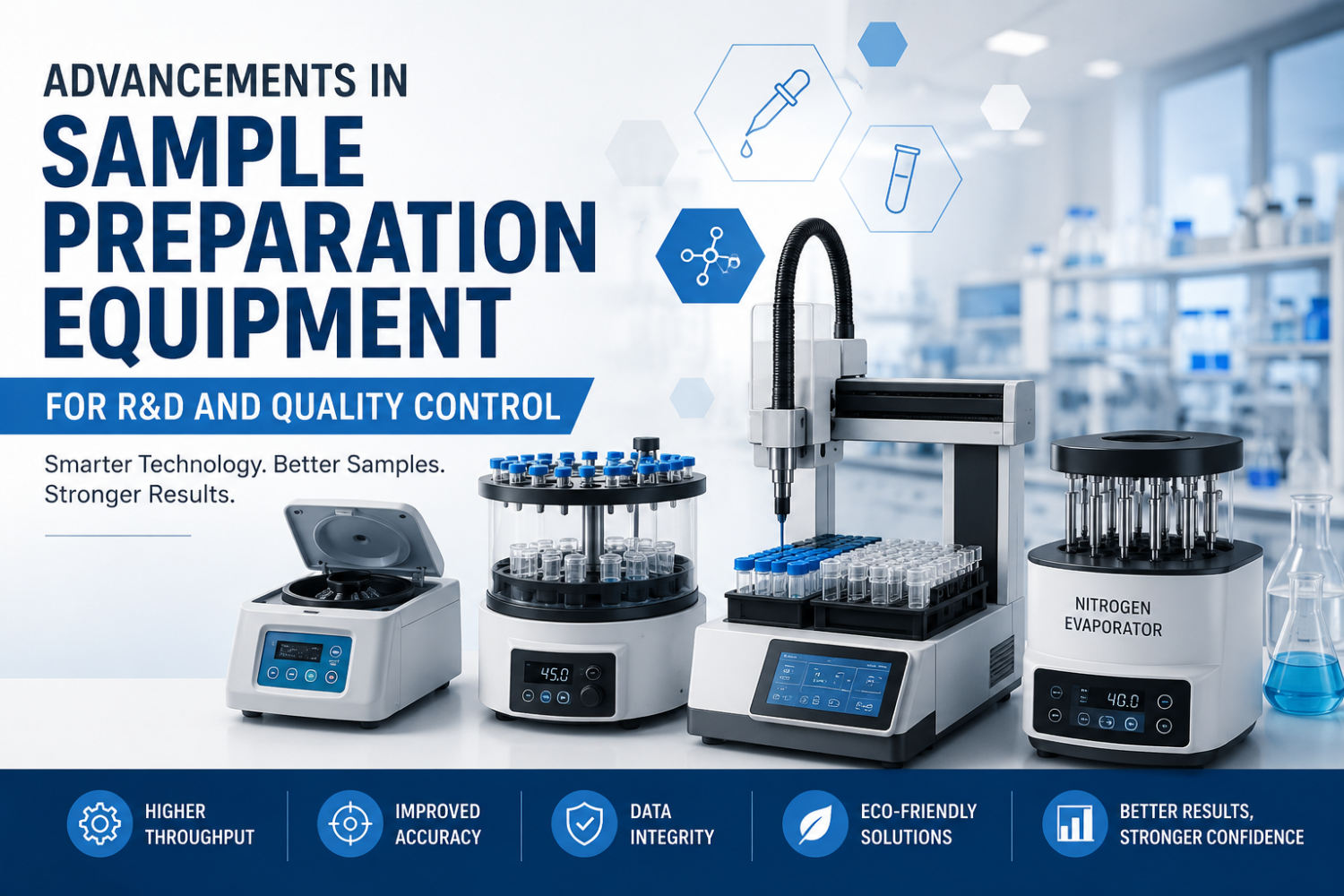
Advancements in Sample Preparation Equipment for R&D and Quality Control
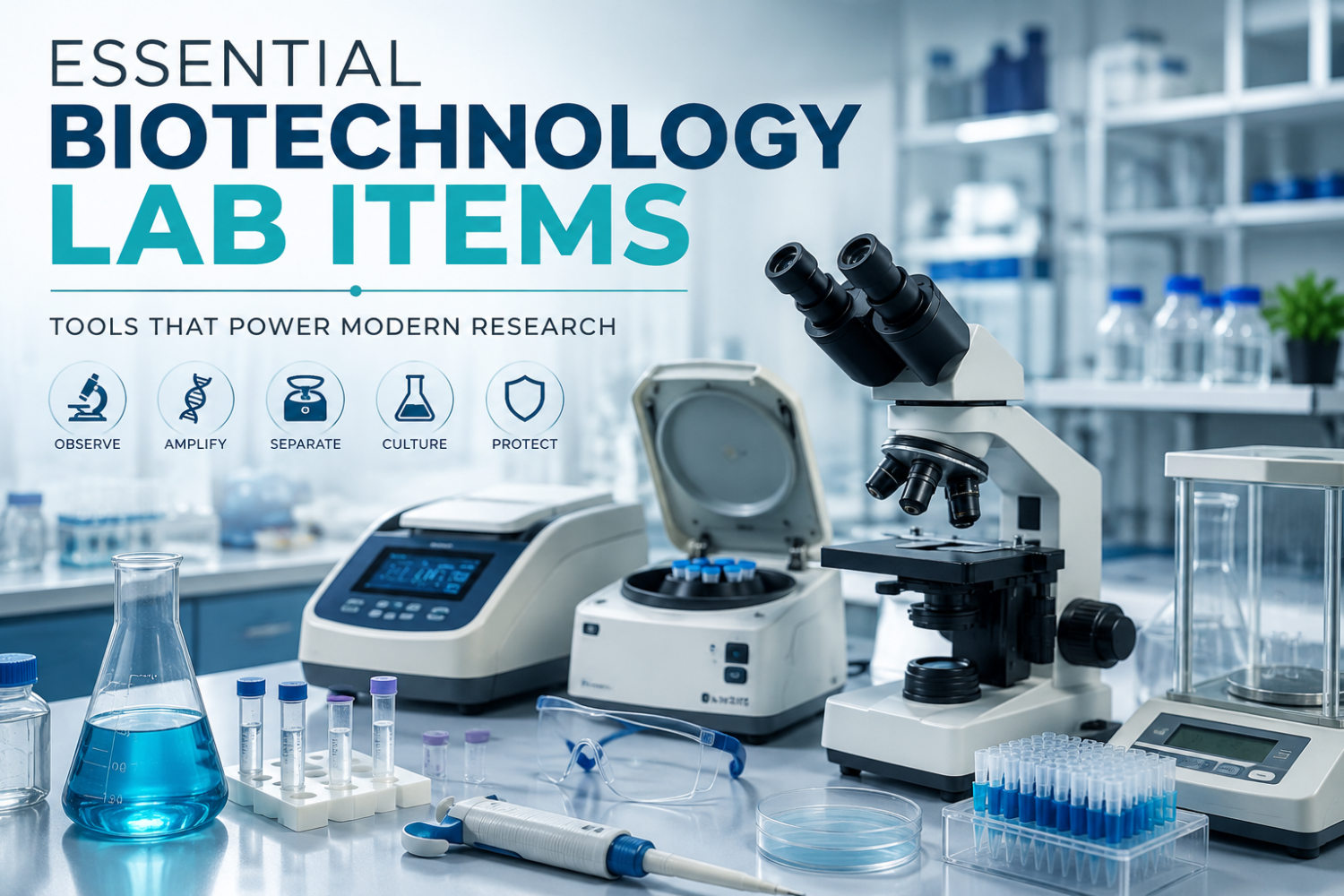
Essential Biotechnology Lab Items and Their Applications in Modern Research


Understanding ETP – Effluent Treatment Plant and Its Importance in Industry
Optimum Solution– Laboratory & Analytical Instruments Supplier in Bangladesh
Optimum Solution is a leading supplier of laboratory equipment, analytical instruments, and process control solutions in Bangladesh. Since our inception, we have built a strong presence in the industry, serving research labs, universities, pharmaceutical companies, and quality control laboratories nationwide. Through continuous dedication to improving our products and services, Optimum Solution has earned the trust and loyalty of our valued clients.


