
-
 Analytical & Elemental Instruments
-
Biotechnology Lab Items
-
Cardboard and Box Factory Lab Equipment Solution
-
Cleanroom Solution
-
Consumables & Accessories
-
Dosing Pump for Chemicals
-
Electrochemistry & Titration
-
ETP -Effluent Treatment Plant
-
Feed Quality Laboratory
-
Food & Kitchen Lab Items
-
Hygiene Testing Equipment
-
Lab Furniture




Development of Scientific Laboratory Infrastructure in Bangladesh: Challenges, Standards, and Future Directions
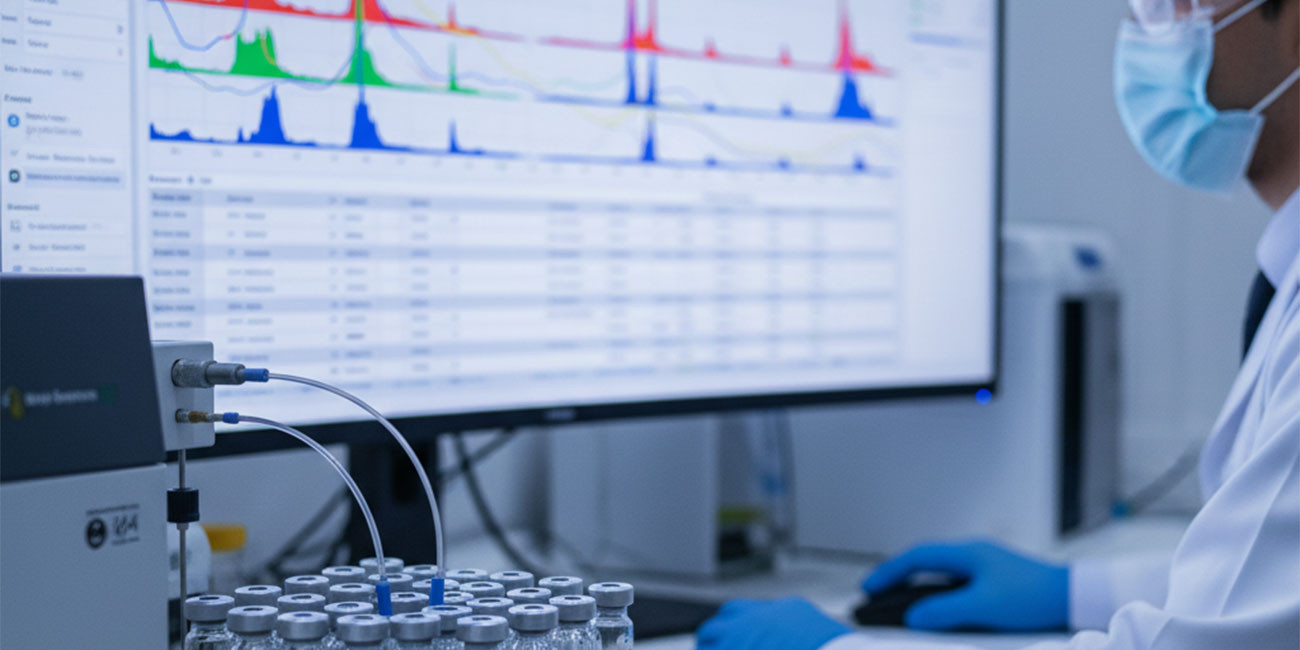
The pharmaceutical sector in Bangladesh has transitioned from a localized manufacturing base into a sophisticated global exporter. This evolution is underpinned by the rigorous development of scientific laboratory infrastructure. These facilities represent the pinnacle of analytical chemistry and engineering, serving as the primary mechanism for ensuring therapeutic efficacy and patient safety.
1. Introduction to Pharmaceutical Laboratories
A pharmaceutical laboratory is a highly controlled environment designed for the qualitative and quantitative assessment of chemical and biological substances. Its fundamental purpose is to generate reproducible, accurate, and precise data regarding the composition and stability of medicinal products.
Role in Drug Development and Quality Assurance
Laboratories are the operational heart of both Research and Development (R&D) and Quality Assurance (QA). In the developmental phase, they facilitate pre-formulation studies and the characterization of new drug delivery systems. In the commercial phase, the QC laboratory ensures that every batch produced complies with predetermined specifications through rigorous pharmaceutical testing methods.
2. Structure of a Pharmaceutical Laboratory
The design of a pharmaceutical laboratory in Bangladesh must follow a systematic layout that minimizes contamination risks and optimizes analytical efficiency.
Essential Functional Sections
Quality Control (QC) Unit: Conducts routine analysis of raw materials, in-process samples, and finished products.
Quality Assurance (QA) Unit: Manages the systemic aspects of quality, including documentation control, validation protocols, and internal audits.
Microbiology Laboratory: Operates in a sterile environment to perform microbial limit tests (MLT), sterility testing, and environmental monitoring.
Stability Testing Section: Utilizes environmental chambers to assess the degradation profiles of drug products under specific temperature and humidity conditions.
Research and Development (R&D): Focuses on product innovation, formulation optimization, and reverse engineering of generic drugs.
Workflow and Lab Design Considerations
Modern lab design emphasizes "Lean Laboratory" principles. This involves a unidirectional flow of samples to prevent cross-contamination. Specialized HVAC (Heating, Ventilation, and Air Conditioning) systems are employed to maintain air pressure differentials and ISO-classified cleanroom standards, particularly in the microbiology and sterile testing zones.
3. Analytical Methods in Pharmaceutical Laboratories
Analytical techniques provide the empirical evidence required for regulatory submission and market release.
Chemical and Instrumental Analysis
Classical Techniques: Titrimetric and gravimetric methods are still utilized for high-precision assays where stoichiometric reactions provide direct quantification.
Instrumental Methods: These include sophisticated techniques like chromatography (for separation) and spectroscopy (for identification and quantification).
Sample Preparation and Validation
Analytical results are only as reliable as the preparation phase. Techniques such as solid-phase extraction, filtration, and precision dilution are standard. Furthermore, all methods must undergo validation as per ICH Q2 (R1) guidelines, evaluating parameters such as accuracy, precision, specificity, linearity, and robustness.
4. Laboratory Instrumentation: Principles and Functions
The technical capability of a GMP laboratory Bangladesh is defined by its inventory of analytical instruments.
Key Instrumentation and Operational Principles
UV-Vis Spectrophotometer: Measures light absorption based on the Beer-Lambert Law (
A=ϵbcA = \epsilon bcA=ϵbc
). It is primarily used for rapid identification and concentration determination.HPLC / GC Systems: High-Performance Liquid Chromatography (HPLC) and Gas Chromatography (GC) facilitate the separation of complex mixtures. HPLC is used for non-volatile substances, while GC is essential for residual solvent analysis.
pH Meter: Utilizes a glass electrode to measure the hydrogen-ion activity in solutions, critical for the stability of liquid formulations.
Analytical Balance: A foundational piece of laboratory equipment providing mass measurements with precision up to five decimal places (0.01 mg).
Particle Size Analyzer: Employs laser diffraction to determine the size distribution of powders. This is vital because particle size directly influences the dissolution rate and bioavailability of oral solid dosage forms.
5. Regulatory Framework in Bangladesh
Operating a laboratory in this sector requires strict adherence to both national and international mandates.
Oversight and Compliance
Directorate General of Drug Administration (DGDA): The national regulatory authority that monitors compliance with the Drugs Act and oversees the licensing of pharmaceutical units.
Good Manufacturing Practice (GMP): All laboratories must align with WHO-GMP or PIC/S standards, ensuring data integrity and the reliability of testing results.
International Standards: Many Bangladeshi laboratories seek ISO/IEC 17025 accreditation to prove technical competence. Adherence to United States Pharmacopeia (USP) and British Pharmacopeia (BP) monographs is mandatory for standardized testing.
6. Importance of Pharmaceutical Laboratories in Bangladesh
The socio-economic impact of advanced laboratory infrastructure is profound.
Drug Safety and Efficacy: Laboratories ensure that the population receives medication that is free from contaminants and contains the correct dosage.
Industrial Growth: Strong analytical capabilities allow Bangladesh to compete in the high-value generic market.
Export Quality Assurance: With pharmaceutical exports reaching over 150 countries, the laboratory provides the necessary certification to meet international regulatory entry requirements.
Public Health Impact: Local testing reduces the cost of healthcare by supporting a self-sufficient domestic industry.
7. Challenges and Future Outlook
Despite advancements, the industry faces significant hurdles in maintaining sophisticated infrastructure.
Current Challenges
The high cost of advanced analytical instruments and the necessity for imported reference standards remain significant financial burdens. Additionally, maintaining data integrity in the face of increasingly strict international audits requires a transition from manual logs to electronic systems.
Future Opportunities
The integration of Laboratory Information Management Systems (LIMS) and automation will define the next decade of pharmaceutical analysis in Bangladesh. There is a growing opportunity for the adoption of Process Analytical Technology (PAT), which allows for real-time quality monitoring during the manufacturing process, effectively reducing batch failure rates and enhancing overall production standards.
Browse our selection of essential Laboratory Equipment for QC units.
Discover high-performance Analytical Instruments for chromatography and spectroscopy.
Explore sterile environment solutions in our Microbiology Equipment section.
Learn more About Us and our role in supporting scientific infrastructure.
For technical consultation or procurement, visit our Contact / Inquiry page.
This article serves as a technical reference for scientific professionals. For regulatory advice or equipment specifications, readers are encouraged to consult the latest DGDA guidelines and pharmacopeial standards.
Recent Posts

How Viscosity, Rheometer & Texture Analyzer Shape Product Quality in R&D Laboratories?

How Laboratory Heating & Cooling Equipment Improves Accuracy and Efficiency in Testing?
The Role of Laboratory Safety & Environmental Monitoring in Risk Prevention
Health and Hygiene Ware Material Testing: Ensuring Quality, Safety, and Compliance
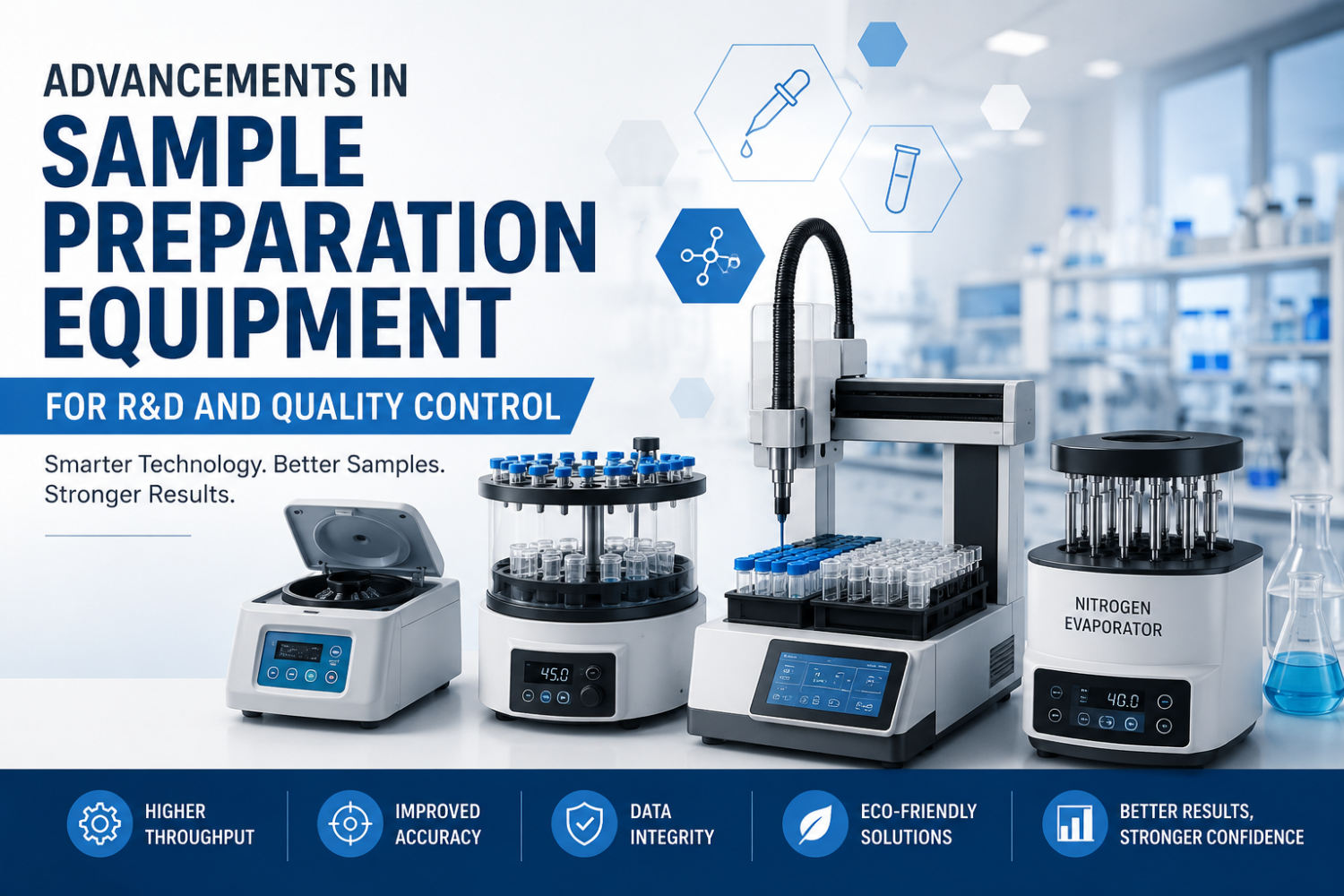
Advancements in Sample Preparation Equipment for R&D and Quality Control
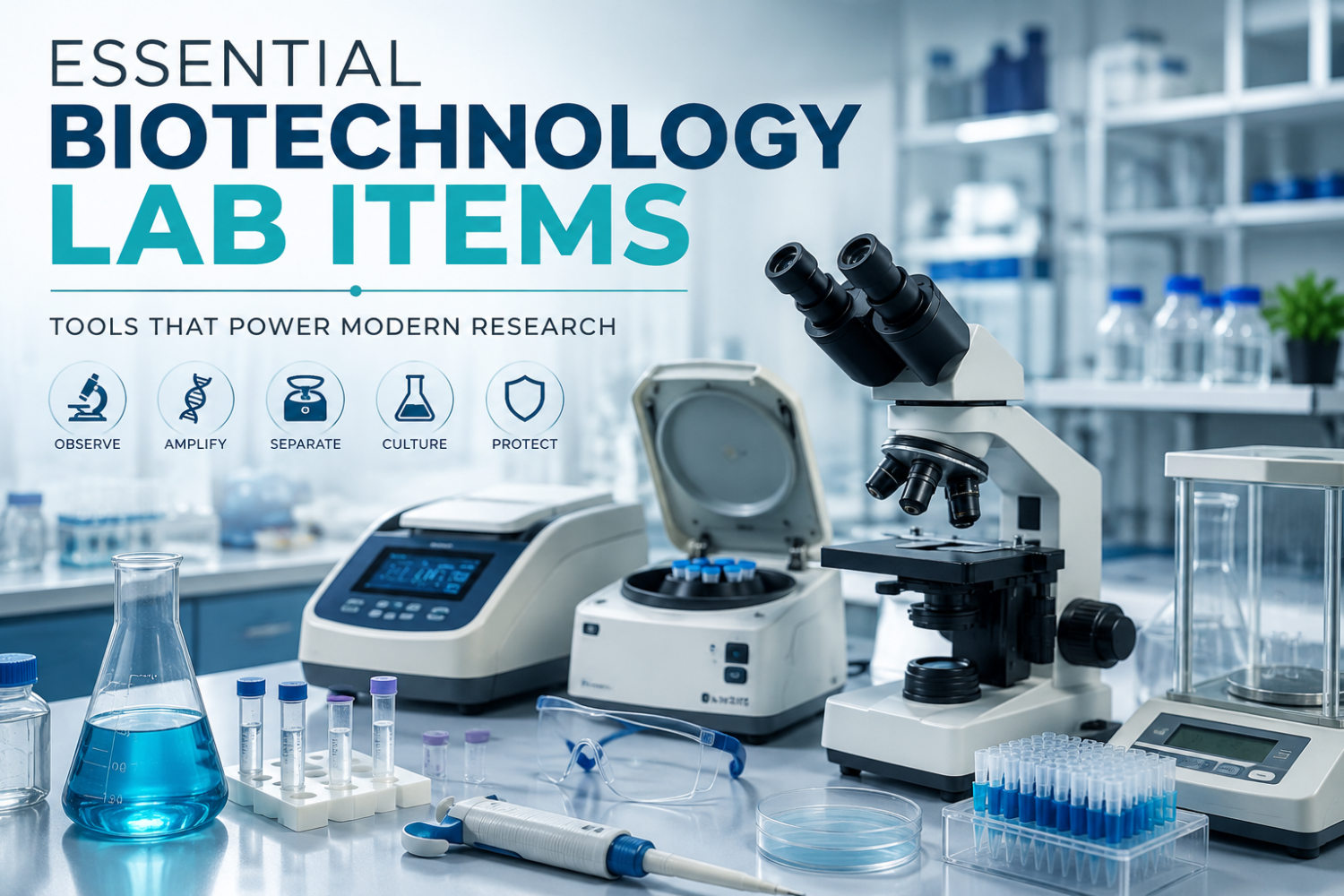
Essential Biotechnology Lab Items and Their Applications in Modern Research


Understanding ETP – Effluent Treatment Plant and Its Importance in Industry
Optimum Solution– Laboratory & Analytical Instruments Supplier in Bangladesh
Optimum Solution is a leading supplier of laboratory equipment, analytical instruments, and process control solutions in Bangladesh. Since our inception, we have built a strong presence in the industry, serving research labs, universities, pharmaceutical companies, and quality control laboratories nationwide. Through continuous dedication to improving our products and services, Optimum Solution has earned the trust and loyalty of our valued clients.


