
-
 Analytical & Elemental Instruments
-
Biotechnology Lab Items
-
Cardboard and Box Factory Lab Equipment Solution
-
Cleanroom Solution
-
Consumables & Accessories
-
Dosing Pump for Chemicals
-
Electrochemistry & Titration
-
ETP -Effluent Treatment Plant
-
Feed Quality Laboratory
-
Food & Kitchen Lab Items
-
Hygiene Testing Equipment
-
Lab Furniture



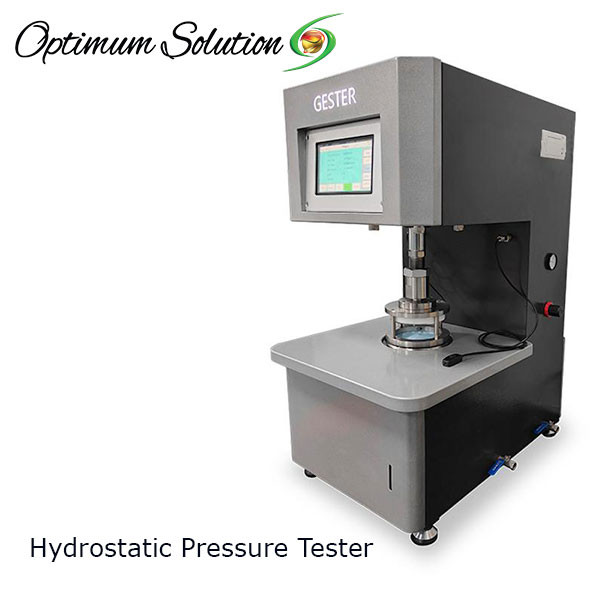

Pharmaceutical Laboratories in Bangladesh: Structure, Analytical Methods, Instrumentation, and Regulatory Framework

The pharmaceutical industry in Bangladesh has evolved from a nascent sector into a global powerhouse of generic drug manufacturing. Central to this transformation is the pharmaceutical laboratory—a sophisticated ecosystem where science, technology, and regulatory compliance intersect. These laboratories serve as the foundation for ensuring that every dosage form meets stringent criteria for safety, identity, strength, quality, and purity.
1. Introduction to Pharmaceutical Laboratories
A pharmaceutical laboratory is a specialized facility designed for the research, development, and rigorous testing of medicinal products. Its primary purpose extends beyond simple analysis; it acts as the gatekeeper for public health. In the context of Bangladesh's burgeoning export market, these laboratories ensure that products comply not only with national standards but also with international benchmarks set by global health authorities.
The role of the laboratory is twofold:
Drug Development: Facilitating the formulation of stable and bioavailable therapeutic agents.
Quality Assurance (QA) & Quality Control (QC): Monitoring every stage of the manufacturing process, from raw material procurement to the final packaged product.
2. Structure of a Pharmaceutical Laboratory
To maintain high efficiency and prevent cross-contamination, a pharmaceutical laboratory in Bangladesh is typically partitioned into specialized functional units. The design follows Good Laboratory Practice (GLP) to ensure logical material and personnel flow.
Quality Control (QC) Laboratory
The QC section is responsible for the routine testing of raw materials (APIs and excipients), in-process samples, and finished products. It is the most active area of the laboratory, focusing on compliance with pharmacopeial specifications.
Quality Assurance (QA)
While often administrative, the QA department oversees the laboratory's systems. This includes document control, validation protocols, and ensuring that the GMP laboratory Bangladesh standards are strictly followed.
Research and Development (R&D)
R&D laboratories focus on "Reverse Engineering" of off-patent molecules, formulation optimization, and the development of new drug delivery systems. This section is vital for the industrial growth of the local pharmaceutical sector.
Microbiology Laboratory
This specialized unit operates under high-level sterility. It conducts microbial limit tests, sterility testing, and environmental monitoring of cleanrooms. It is essential for parenteral (injectable) and ophthalmic products.
Stability Testing Section
This section houses stability chambers that simulate various climatic zones (typically Zone IVb for Bangladesh). It monitors how the quality of a drug substance or drug product varies with time under the influence of temperature, humidity, and light.
3. Analytical Methods in Pharmaceutical Laboratories
Analytical chemistry is the backbone of pharmaceutical testing. Methodologies are categorized based on the nature of the analysis and the level of precision required.
Chemical Analysis (Wet Chemistry)
These are classical techniques used primarily for identification and limit tests.
Titrimetry: Used for assays of various APIs based on stoichiometric reactions.
Gravimetry: Employed for loss on drying (LOD) and sulfated ash tests.
Instrumental Methods
Modern laboratories rely heavily on instrumental analysis for high sensitivity and specificity.
Chromatography: Used for the separation and quantification of complex mixtures.
Spectroscopy: Utilized for structural elucidation and concentration determination.
Method Validation
Every analytical method must be validated according to ICH Q2 (R1) guidelines. Validation parameters include:
Accuracy and Precision: Ensuring the closeness of results to the true value and repeatability.
Specificity: The ability to assess the analyte in the presence of impurities.
Detection Limit (LOD) and Quantitation Limit (LOQ): Determining the lowest concentrations detectable.
4. Laboratory Instrumentation
The precision of a laboratory depends on its laboratory equipment. Modern facilities in Bangladesh utilize high-end analytical instruments to meet international export standards.
High-Performance Liquid Chromatography (HPLC)
Principle: Separation occurs based on the differential distribution of components between a liquid mobile phase and a stationary phase within a column.
Function: HPLC is the gold standard for assaying APIs and detecting related substances or impurities.
UV-Vis Spectrophotometer
Principle: Based on the Beer-Lambert Law, it measures the absorbance of light by a chemical species in a solution.
Function: Used for rapid identification tests and dissolution profile analysis.
Gas Chromatography (GC)
Principle: Separation of volatile compounds between a gaseous mobile phase and a stationary phase.
Function: Essential for residual solvent analysis (OVI - Organic Volatile Impurities) as per USP <467>.
Analytical Balance
Function: Provides high-precision weighing (often up to 0.01 mg). In a pharmaceutical setting, even a micro-gram deviation can alter the potency of a formulation.
pH Meter
Function: Measures the hydrogen-ion activity in aqueous solutions. Maintaining the correct pH is critical for the stability and solubility of liquid dosage forms.
Particle Size Analyzer (PSA)
Principle: Often utilizes Laser Diffraction.
Function: Determines the particle size distribution of powders, which directly influences the dissolution rate and bioavailability of the drug.
5. Regulatory Framework in Bangladesh
The pharmaceutical sector in Bangladesh operates under a robust regulatory umbrella to ensure global competitiveness.
Directorate General of Drug Administration (DGDA): The national regulatory authority responsible for licensing, inspection, and post-market surveillance.
Good Manufacturing Practice (GMP): All laboratories must adhere to WHO-GMP or PIC/S standards. This involves rigorous documentation, equipment calibration, and personnel training.
Pharmacopeial Standards: Most laboratories in Bangladesh follow the United States Pharmacopeia (USP), British Pharmacopeia (BP), or European Pharmacopeia (EP).
ISO Certification: Many labs obtain ISO/IEC 17025 accreditation, which recognizes the technical competence of testing and calibration laboratories.
6. Importance of Pharmaceutical Laboratories in Bangladesh
The excellence of these laboratories has significant implications:
Export Quality Assurance: Bangladesh exports medicines to over 150 countries. Robust laboratory testing ensures these products meet the regulatory requirements of the USFDA, UK-MHRA, and EU authorities.
Public Health: By ensuring the efficacy of local generics, laboratories make life-saving medicines affordable for the domestic population.
Self-Sufficiency: Local testing capabilities have reduced the dependence on foreign labs, shortening the time-to-market for new generics.
7. Challenges and Future Outlook
Despite significant progress, certain challenges remain:
Technological Costs: The high cost of advanced analytical instruments and their maintenance requires significant capital investment.
Reference Standards: Dependence on imported primary reference standards can lead to supply chain delays.
The Future: The industry is moving toward "Lab 4.0," which integrates Laboratory Information Management Systems (LIMS) and automation. This reduces human error and ensures data integrity—a critical focus for international regulatory audits.
Recent Posts

How Viscosity, Rheometer & Texture Analyzer Shape Product Quality in R&D Laboratories?

How Laboratory Heating & Cooling Equipment Improves Accuracy and Efficiency in Testing?

The Role of Laboratory Safety & Environmental Monitoring in Risk Prevention

Health and Hygiene Ware Material Testing: Ensuring Quality, Safety, and Compliance
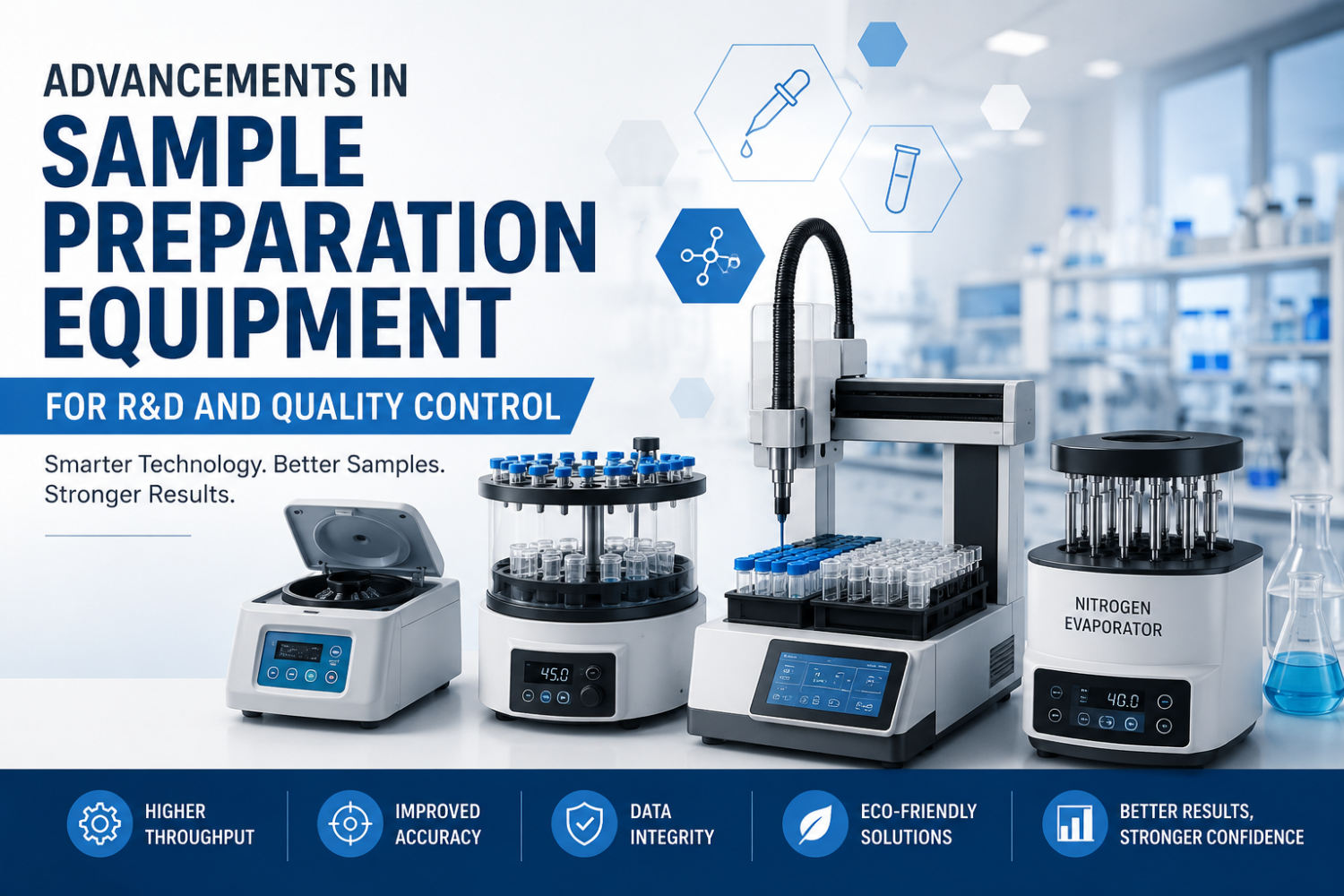
Advancements in Sample Preparation Equipment for R&D and Quality Control
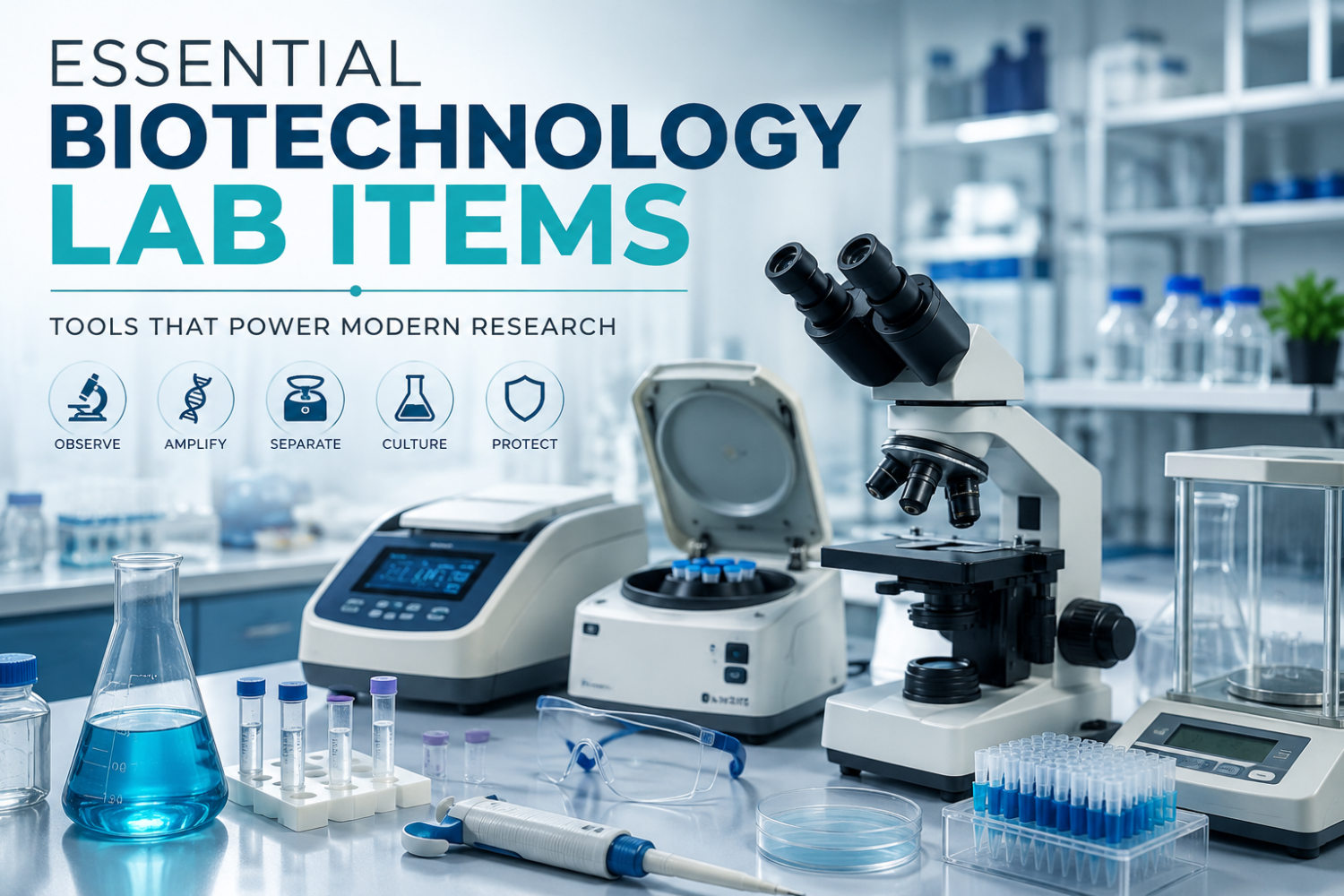
Essential Biotechnology Lab Items and Their Applications in Modern Research


Understanding ETP – Effluent Treatment Plant and Its Importance in Industry
Optimum Solution– Laboratory & Analytical Instruments Supplier in Bangladesh
Optimum Solution is a leading supplier of laboratory equipment, analytical instruments, and process control solutions in Bangladesh. Since our inception, we have built a strong presence in the industry, serving research labs, universities, pharmaceutical companies, and quality control laboratories nationwide. Through continuous dedication to improving our products and services, Optimum Solution has earned the trust and loyalty of our valued clients.


