
-
 Analytical & Elemental Instruments
-
Biotechnology Lab Items
-
Cardboard and Box Factory Lab Equipment Solution
-
Cleanroom Solution
-
Consumables & Accessories
-
Dosing Pump for Chemicals
-
Electrochemistry & Titration
-
ETP -Effluent Treatment Plant
-
Feed Quality Laboratory
-
Food & Kitchen Lab Items
-
Hygiene Testing Equipment
-
Lab Furniture



Why a Reliable Cleanroom Solution is Critical for Laboratory and Production Safety?
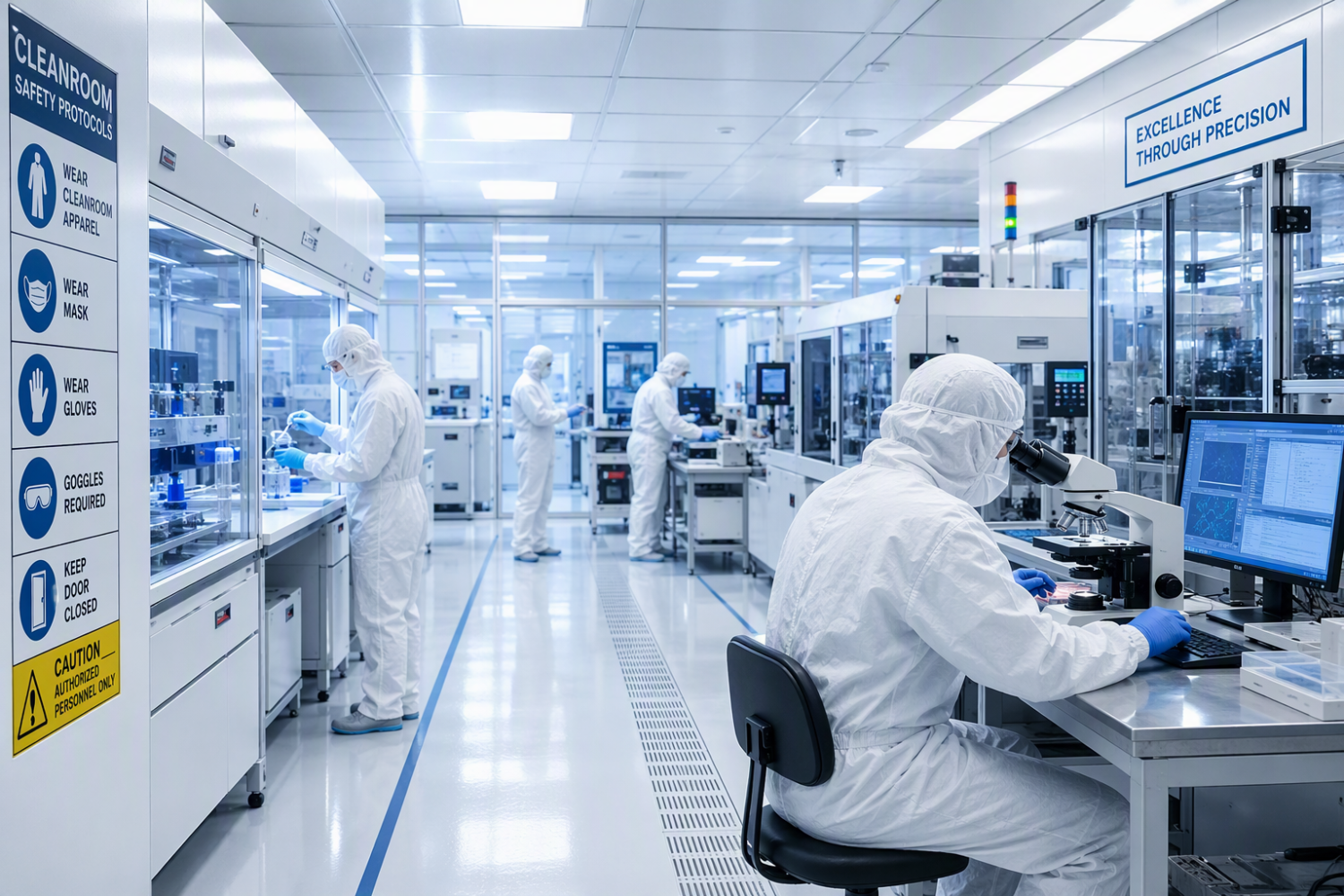
In labs and production sites, even minor contamination can create serious problems. That is why reliable cleanroom environments matter so much. A well-planned controlled environment helps you manage airborne particles, support contamination control, and protect both people and products. It also helps your team work under stable conditions that support accurate research results and dependable manufacturing processes. If safety, product purity, and quality assurance matter to your operation, a strong cleanroom approach is not optional.
Key Highlights
Reliable cleanroom solutions create a controlled environment that strengthens contamination control in labs and production spaces.
They support product quality by reducing airborne particles, microbial spread, and process disruption.
Strong air filtration systems, HVAC systems, and cleanroom design help facilities meet industry standards consistently.
Environmental monitoring verifies air quality, temperature, humidity, and cleanliness levels during daily work.
Cleanroom PPE protects personnel and sensitive products from contamination risks.
When cleanroom operation is dependable, you improve safety, compliance, and consistent outcomes.
Understanding Cleanroom Solutions for Laboratories and Production
Cleanroom solutions are built to create a controlled environment where contamination risks stay low during research processes and production processes. These engineered space systems support air quality, temperature control, and airflow patterns that help protect sensitive work.
They also help facilities align with industry standards through thoughtful cleanroom design and routine oversight. When your setup matches the needs of the product and the process, you improve product quality and reduce preventable failures. To see how that works, it helps to start with the basics.
What Defines a Cleanroom and Why It Matters
At its core, a cleanroom is a carefully engineered controlled environment designed to limit pollutants, microbial contaminants, and low levels of airborne particles. It is not just a sealed room. It is a planned space with strict entry control, stable conditions, and cleanroom design features that support safe work.
A key part of that design is the use of air filtration systems and air pressure differential. These controls help prevent contamination from entering from less clean areas. Temperature and humidity are also maintained to support optimal conditions for research and manufacturing processes.
Cleanrooms are grouped by cleanliness levels using an iso class rating set by the International Organization for Standardization. Lower numbers mean cleaner spaces. This matters because the right ISO class helps protect product quality, accurate research results, and patient safety in critical areas.
Core Components of a Reliable Cleanroom Solution
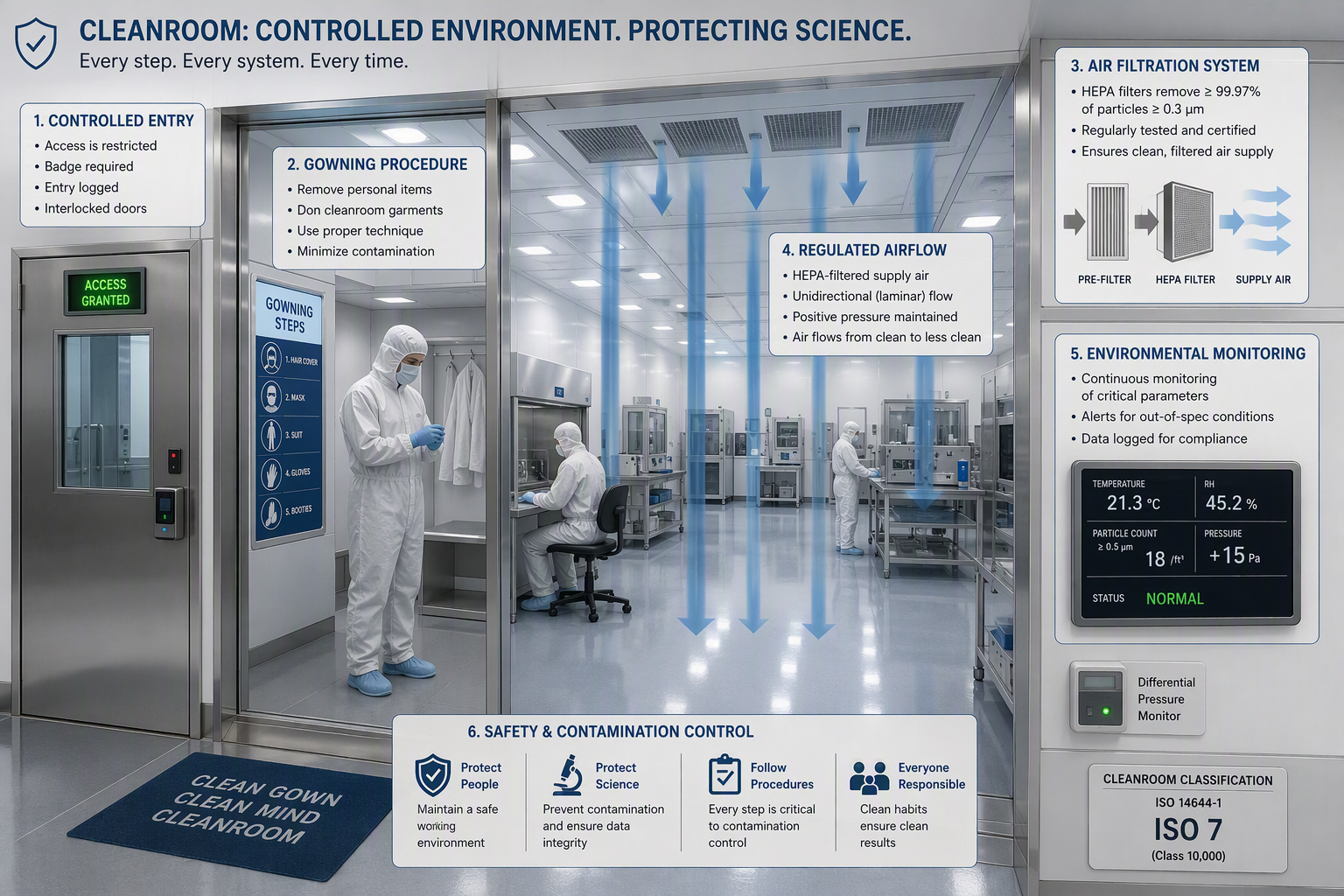
A reliable setup depends on several systems working together, not one feature alone. Good cleanroom technology creates a stable sterile space that supports product quality, quality assurance, and safer daily operations. If one part is weak, the whole environment can become vulnerable.
Key components usually include:
Air filtration systems such as HEPA or ULPA filters to capture airborne particles.
HVAC systems that manage airflow patterns, temperature, and humidity.
Environmental monitoring for particles, microbial counts, and room conditions.
Controlled entry points and gowning procedures to reduce contamination risks.
Air pressure control, including positive pressure or negative pressure where needed.
When these elements are designed well and maintained properly, you lower the risk of contamination, reduce human error, and support regulatory requirements. That foundation becomes even more important when safety and contamination control are the top priority.
The Role of Cleanrooms in Ensuring Safety and Contamination Control
Safety in labs and production depends on keeping unwanted material out of critical areas. Cleanroom environments make that possible by giving you a controlled environment where contamination control measures are built into the workflow. This protects research samples, components, and finished goods.
It also supports product purity and lowers the chance that outside particles or microbes will affect results. For teams working in life sciences, pharmaceutical manufacturing, or medical device manufacturing, that protection is essential. Two areas make the biggest difference: air protection and proper personal protection.
Preventing Airborne Contaminants and Cross-Contamination
Airborne particles are one of the biggest threats in laboratory and production settings. Dust, microbes, and other pollutants can move easily through a room and settle on surfaces, equipment, or products. That raises the risk of contamination and can damage product safety and research integrity.
To prevent that, cleanrooms rely on air filtration systems and controlled airflow patterns. HEPA and ULPA filters help maintain air quality by capturing particles before they spread. Air pressure differential also helps block movement from less clean areas into critical areas.
Cross-contamination becomes much harder when the room is managed correctly. Strong contamination control protects sterile compounding, advanced cell culture, and sensitive manufacturing processes. Without that protection, facilities face inaccurate outcomes, adverse reactions, waste, and possible product recalls.
Protecting Personnel and Sensitive Products with Cleanroom PPE
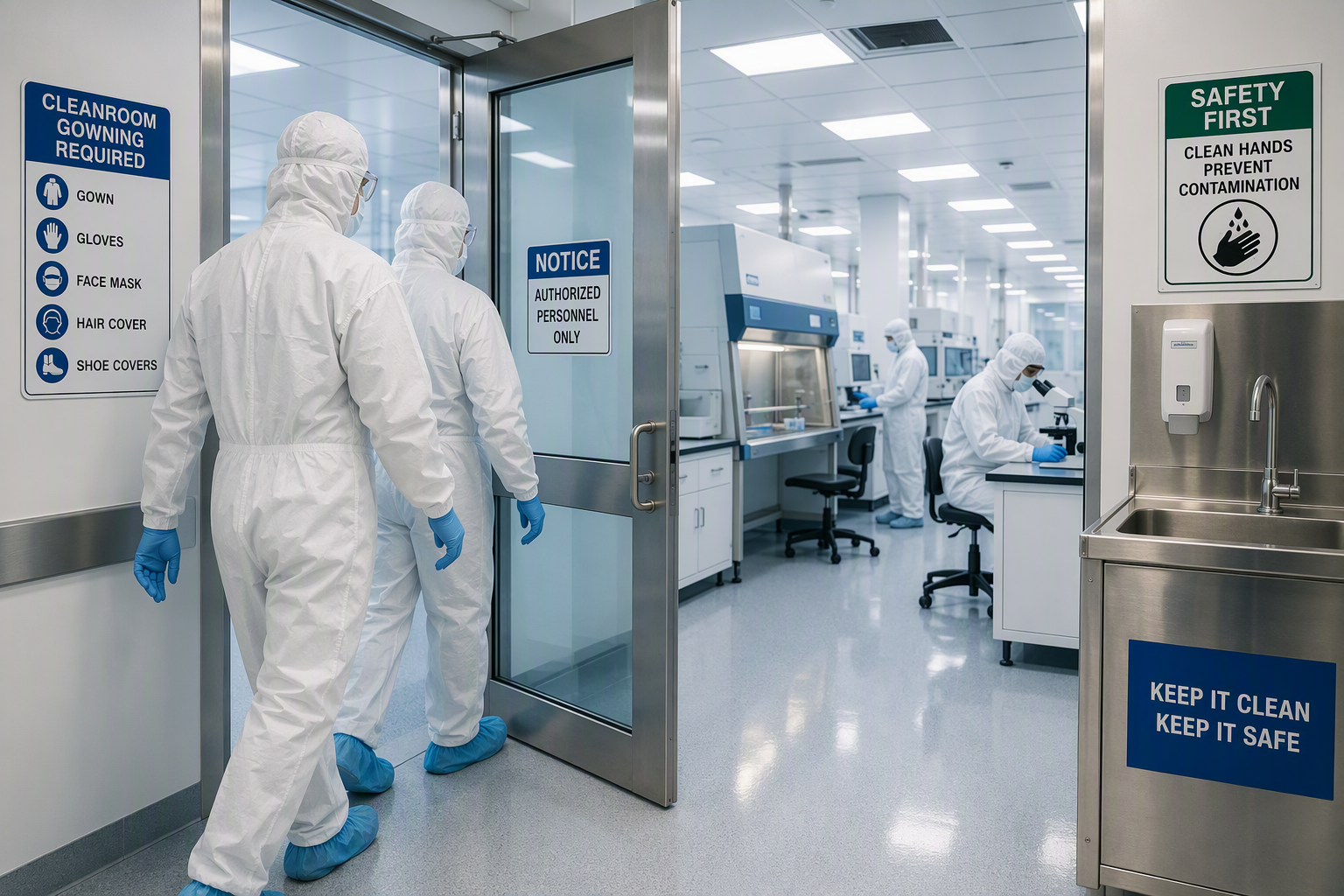
People are a major source of contamination in clean cleanrooms, even when they follow instructions carefully. Skin particles, clothing fibers, and movement can affect product safety and increase contamination risks. That is why cleanroom PPE plays a direct role in both personnel safety and process protection.
Common PPE practices include:
Wearing specialized garments to reduce shedding into the sterile space.
Using shoe covers to limit particles carried in from outside areas.
Following strict gowning procedures before entering cleanroom environments.
Using PPE consistently to protect sensitive products and staff.
This approach protects more than the product. It also helps personnel work in cleaner conditions, especially where chemical vapors, sensitive materials, or strict cleanliness levels apply. Once people and products are protected, the next step is keeping the entire operation reliable every day.
Key Features and Best Practices for Reliable Cleanroom Operation
Reliable cleanroom operation depends on routine discipline. You need clear best practices, dependable systems, and contamination control measures that are followed every day, not only during inspections. That includes gowning, access control, cleaning routines, and checks on airflow and room conditions.
Just as important, environmental monitoring confirms that the space is performing as expected. It helps teams catch changes before they affect product quality or compliance. To understand how this works in practice, it helps to look at both the technology and the standards behind it.
Essential Cleanroom Technologies and Environmental Monitoring
Modern cleanroom technology helps facilities keep air quality stable and reduce contamination during research and production. Core systems include advanced filtration, managed airflow, pressure control, and condition tracking. These tools support quality assurance and help maintain optimal conditions in critical areas.
Environmental monitoring is what proves the room is performing properly. Regular testing for airborne particles, microbial counts, temperature, and humidity helps teams respond quickly when conditions shift. Continuous environmental monitoring is especially useful when consistent outcomes are essential.
Technology or Check | Purpose in Cleanroom Operation |
|---|---|
HEPA or ULPA filters | Remove airborne particles from circulating air |
HVAC systems | Control temperature, humidity, and airflow patterns |
Pressure control | Limit movement from less clean areas into clean zones |
Particle monitoring | Verify cleanliness levels and air quality |
Microbial testing | Support contamination control and product purity |
These technological advancements make cleanroom operation more dependable and easier to manage.
Industry Standards and Compliance Measures for Cleanrooms
Cleanrooms are closely tied to industry standards because controlled work needs clear rules. ISO classifications, set by the International Organization for Standardization, define acceptable cleanliness levels. These classes help facilities choose the right environment for pharmaceutical manufacturing, biotechnology research, advanced electronics assembly, and medical devices.
Regulatory compliance also matters because products and research results must be trusted. Cleanrooms support good manufacturing practices by controlling contamination risks, documenting conditions, and maintaining stable processing areas. This is especially important in drug manufacturing, sterile compounding, and patient-focused applications.
When facilities align cleanroom operation with regulatory requirements, they protect product quality and improve consistency. They also reduce failures linked to human error, unstable air quality, or poor process control. In industries where precision matters, compliance is a daily operating need, not just a formal checklist.
Conclusion
The importance of a reliable cleanroom solution cannot be overstated when it comes to ensuring safety and maintaining high standards in laboratory and production environments. By preventing contamination, protecting both personnel and sensitive products, and adhering to industry standards, cleanrooms play a critical role in operational success. Implementing essential cleanroom technologies and best practices fosters an environment where safety is prioritized, leading to enhanced productivity and reliability in results. As you consider your cleanroom needs, remember that investing in a robust solution is not just about compliance; it’s about cultivating a safe and effective workspace. If you're ready to explore options, reach out for a consultation today!
Frequently Asked Questions
What are the key features to look for in a reliable cleanroom solution?
Look for cleanroom solutions with effective air filtration systems, stable HVAC control, pressure management, environmental monitoring, and strict entry procedures. These features support contamination control, protect product quality, and help your facility align with industry standards for safe and consistent operation.
How does a cleanroom environment contribute to laboratory and production safety?
Cleanroom environments create a controlled environment that lowers the risk of contamination from airborne particles and people. That protects samples, products, and staff while improving product safety. In labs and production areas, this makes results more reliable and daily work safer.
What industries benefit the most from implementing cleanroom solutions?
Industries that benefit most include pharmaceutical manufacturing, medical device manufacturing, advanced electronics assembly, biotechnology research, and other life sciences fields. These sectors rely on precise contamination control because even minor contamination can affect safety, performance, research accuracy, and final product acceptance.
What are the common challenges faced when maintaining cleanroom standards?
Common challenges include human error, inconsistent gowning, weak contamination control measures, and gaps in environmental monitoring. Facilities also need to keep systems aligned with industry standards and regulatory compliance. If routine checks slip, air quality and cleanliness levels can quickly move out of range.
Recent Posts
How Laboratory Heating & Cooling Equipment Improves Accuracy and Efficiency in Testing?
The Role of Laboratory Safety & Environmental Monitoring in Risk Prevention
Health and Hygiene Ware Material Testing: Ensuring Quality, Safety, and Compliance
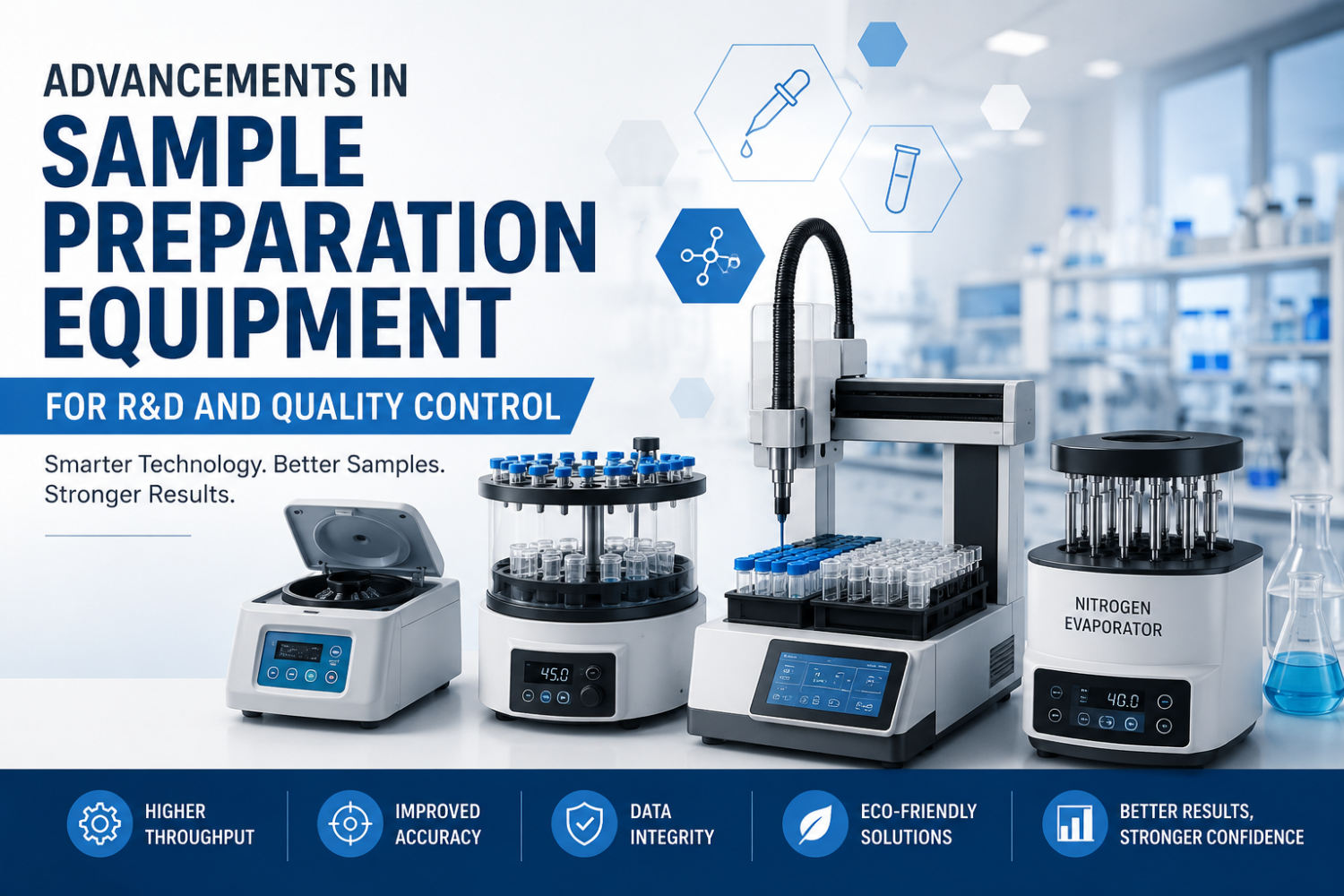
Advancements in Sample Preparation Equipment for R&D and Quality Control
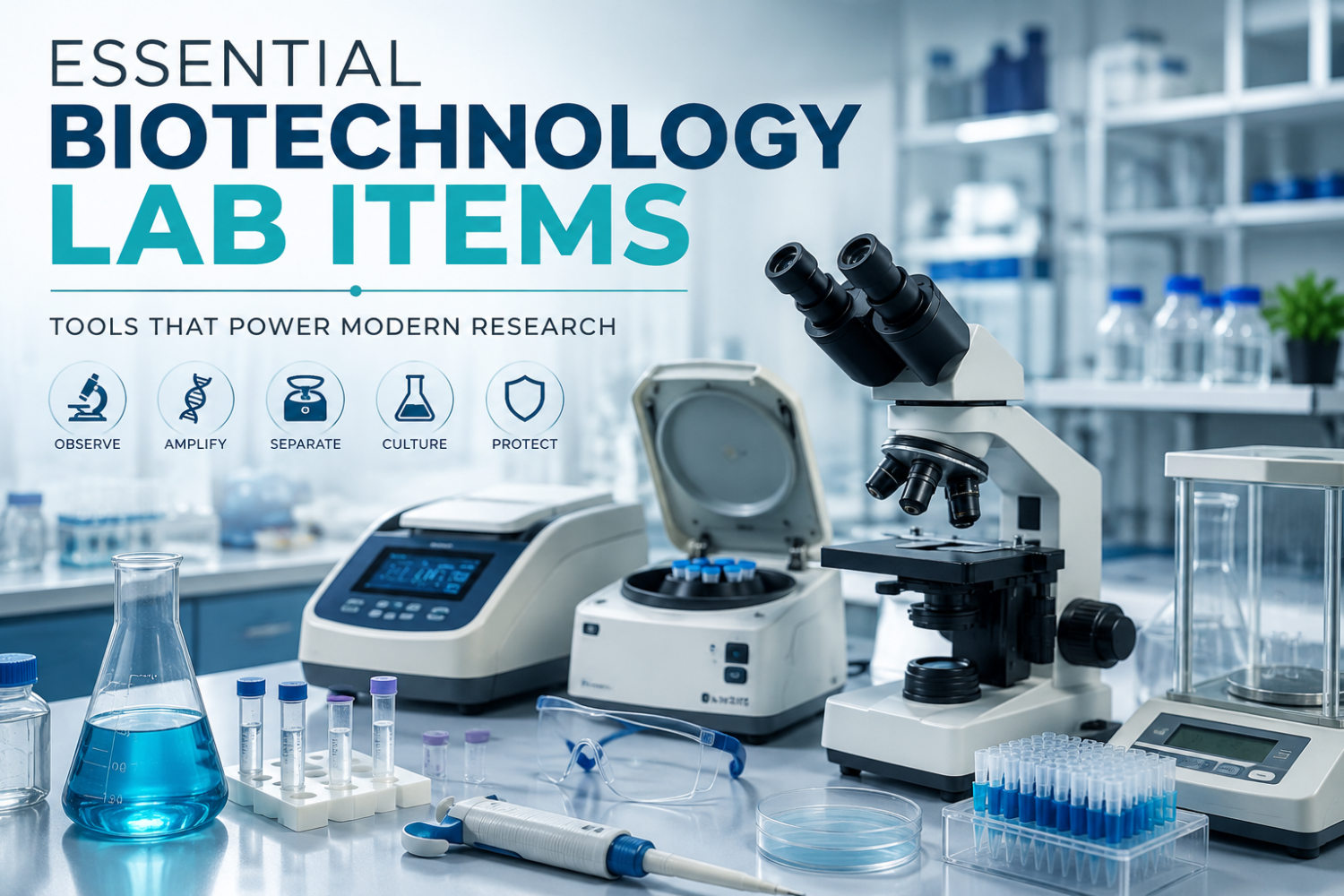
Essential Biotechnology Lab Items and Their Applications in Modern Research
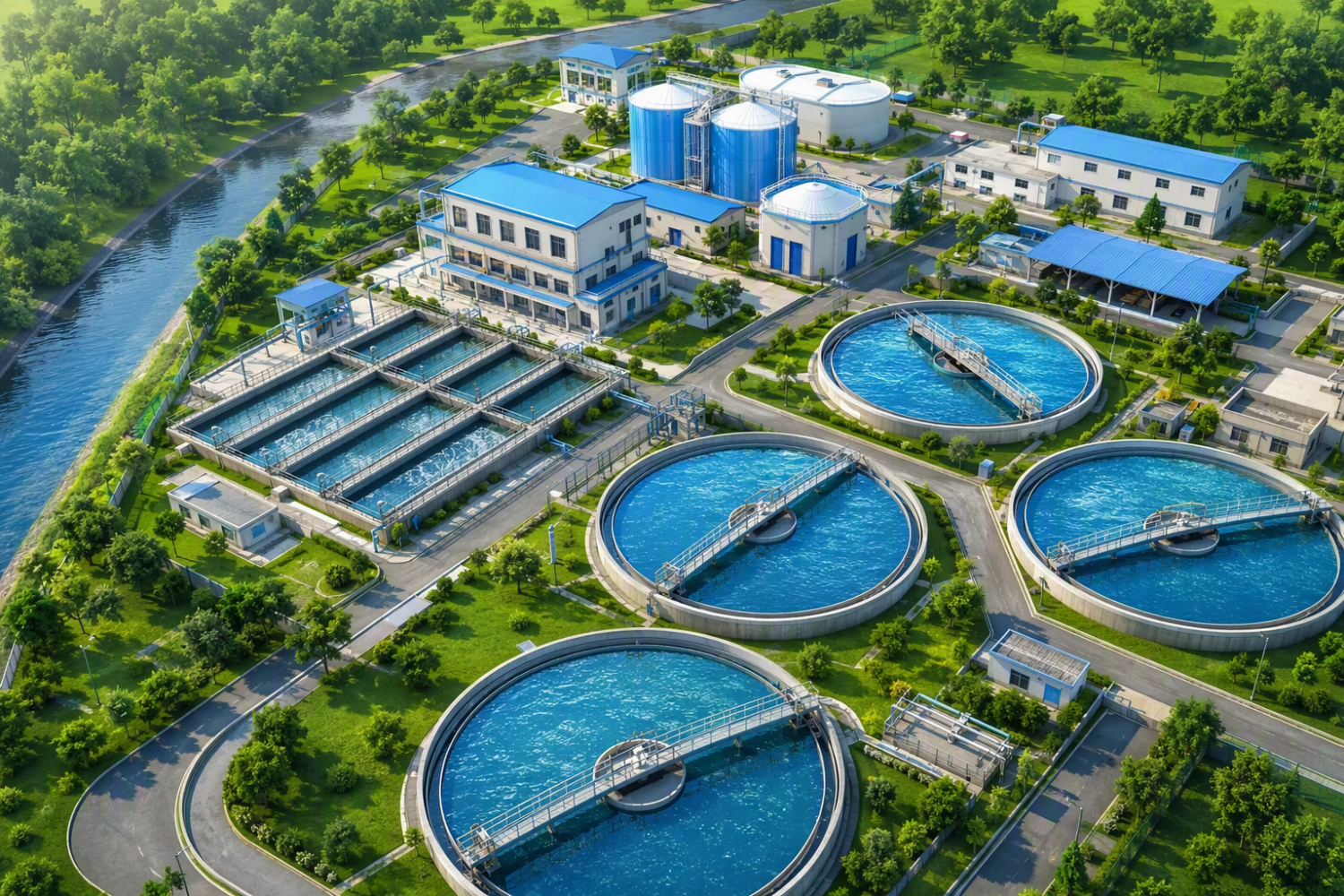
Understanding ETP – Effluent Treatment Plant and Its Importance in Industry
Why a Reliable Cleanroom Solution is Critical for Laboratory and Production Safety?
Optimum Solution– Laboratory & Analytical Instruments Supplier in Bangladesh
Optimum Solution is a leading supplier of laboratory equipment, analytical instruments, and process control solutions in Bangladesh. Since our inception, we have built a strong presence in the industry, serving research labs, universities, pharmaceutical companies, and quality control laboratories nationwide. Through continuous dedication to improving our products and services, Optimum Solution has earned the trust and loyalty of our valued clients.


