
-
 Analytical & Elemental Instruments
-
Biotechnology Lab Items
-
Cardboard and Box Factory Lab Equipment Solution
-
Cleanroom Solution
-
Consumables & Accessories
-
Dosing Pump for Chemicals
-
Electrochemistry & Titration
-
ETP -Effluent Treatment Plant
-
Feed Quality Laboratory
-
Food & Kitchen Lab Items
-
Hygiene Testing Equipment
-
Lab Furniture



Laboratory Mixing and Shaking Systems: Mechanical Principles and Applications in Scientific Research
Apr 09, 2026
Information

Laboratory mixing and shaking systems represent fundamental mechanical infrastructure within pharmaceutical research facilities and analytical chemistry laboratories. These systems facilitate controlled agitation, homogenization, dissolution, and suspension processes that are required across drug development pipelines, quality control testing protocols, and fundamental scientific investigation. The mechanical principles governing these devices—ranging from magnetic coupling and orbital rotation to reciprocating motion and overhead impeller dynamics—directly influence experimental reproducibility, analytical accuracy, and regulatory compliance outcomes.
In pharmaceutical laboratories throughout Bangladesh and across international regulatory jurisdictions, mixing and shaking equipment must operate within validated parameters defined by Good Manufacturing Practice guidelines, pharmacopeial monographs, and method-specific standard operating procedures. Understanding the theoretical basis of these systems, their operational characteristics, and their proper application in analytical workflows is necessary for chemists, pharmacists, laboratory managers, and quality assurance personnel who bear responsibility for generating reliable scientific data.
This technical examination presents the mechanical foundations, classification systems, application domains, and regulatory considerations associated with laboratory mixing and shaking equipment used in pharmaceutical and chemical analysis environments.
Fundamental Mechanical Principles of Laboratory Agitation
Fluid Dynamics and Mass Transfer in Agitated Systems
Mixing processes in laboratory vessels involve the conversion of mechanical energy into fluid motion that reduces concentration gradients and promotes uniform distribution of dissolved substances, suspended particles, or immiscible phases. The effectiveness of mixing depends on Reynolds number characteristics, which define whether flow remains laminar, transitional, or fully turbulent within the vessel geometry.
In laminar flow regimes typical of low-speed magnetic stirring or gentle orbital shaking, mixing occurs primarily through molecular diffusion enhanced by bulk fluid rotation. Transitional and turbulent flow conditions generated by high-speed agitation or vigorous shaking introduce eddy currents and vortex structures that dramatically accelerate mass transfer rates and reduce mixing time requirements.
The relationship between agitation intensity and mixing efficiency follows established dimensionless correlations that account for vessel geometry, impeller design, fluid viscosity, and rotation speed. These correlations guide method development activities where specific mixing conditions must be established to achieve dissolution equilibrium, complete sample homogenization, or controlled reaction kinetics.
Mechanical Force Transmission Mechanisms
Laboratory mixing devices employ distinct mechanical architectures to transmit motor power into vessel agitation. Magnetic stirrers use rotating magnetic fields to couple external motor rotation with internal stir bar movement through noncontact electromagnetic interaction. This configuration eliminates shaft seals and bearing contamination risks while limiting torque transmission capacity.
Orbital shakers convert motor rotation into horizontal circular motion through eccentric drive mechanisms or counterbalanced cam systems. The orbital diameter and rotation frequency determine centrifugal acceleration experienced by vessel contents, which governs particle suspension stability and liquid surface turbulence.
Overhead stirrers provide direct mechanical coupling between motor shafts and impeller blades through precision bearings and torque transmission systems. This architecture supports high-viscosity mixing applications and enables accurate torque measurement for rheological characterization studies.
Vortex mixers employ vertical oscillation mechanisms that induce turbulent flow patterns in small-volume containers through rapid reciprocating motion. The amplitude and frequency of oscillation control mixing intensity and determine whether samples experience gentle blending or vigorous agitation conditions.
Classification and Design Characteristics of Laboratory Mixing Equipment
Magnetic Stirrers and Hotplate Combinations
Magnetic stirrers constitute the most widely deployed mixing technology in pharmaceutical quality control laboratories and analytical chemistry facilities. These devices generate rotating magnetic fields using permanent magnets or electromagnetic coils positioned beneath heated or unheated work surfaces. Magnetic stir bars placed inside glass vessels couple with these fields and rotate at speeds typically ranging from 60 to 1500 revolutions per minute.
Modern digital magnetic stirrers incorporate microprocessor-controlled speed regulation, integrated temperature sensing through resistance temperature detectors or thermocouples, and programmable heating profiles that support temperature-dependent analytical procedures. Multi-position stirrer systems allow simultaneous operation of six, twelve, or more independent stirring stations with individual speed and temperature control.
The maximum effective stirring volume for magnetic systems depends on stir bar dimensions, magnetic coupling strength, and fluid viscosity characteristics. Standard cylindrical stir bars function adequately in vessels containing 50 milliliters to 2 liters of low-viscosity aqueous solutions. Specialized high-torque designs with rare-earth magnetic materials extend operational capacity to higher viscosities and larger volumes.
Temperature control accuracy in hotplate stirrer combinations typically achieves stability within plus or minus 1 degree Celsius for surface temperatures and plus or minus 0.5 degrees Celsius when using external probe feedback control. This precision supports thermometric titration methods, temperature-dependent spectroscopic measurements, and dissolution testing protocols that require specific thermal conditions.
Orbital Shaking Incubators and Platform Shakers
Orbital shakers produce horizontal circular motion patterns that generate mixing action through gravitational and centrifugal force interaction with liquid surfaces and suspended particles. These devices find extensive application in microbiology culture incubation, extraction procedures, dissolution testing supplementary to USP apparatus specifications, and general sample preparation workflows.
Platform shakers accommodate multiple vessel formats simultaneously, ranging from microplate arrays and test tube racks to Erlenmeyer flasks exceeding 2 liters capacity. Orbital diameter specifications commonly range from 10 to 50 millimeters, while rotation frequencies span 20 to 500 revolutions per minute depending on application requirements.
Shaking incubators integrate orbital motion platforms with temperature-controlled chamber environments that maintain biological culture conditions or accelerate temperature-dependent chemical processes. These units typically provide temperature ranges from 5 degrees Celsius above ambient to 80 degrees Celsius, with uniformity specifications meeting plus or minus 0.5 degrees Celsius throughout the working volume.
Advanced orbital shaker designs incorporate variable angle positioning that allows adjustment from horizontal platform orientation to inclined configurations up to 30 degrees. This feature enables optimization of mixing patterns for specific vessel geometries and sample characteristics. Digital control interfaces provide programmable speed ramping functions, time-based operation scheduling, and data logging capabilities that support method validation and regulatory documentation requirements.
Overhead Stirrers for High-Viscosity and Large-Volume Applications
Overhead stirring systems deliver mechanical agitation through direct-drive or gear-reduced motors connected to interchangeable impeller assemblies. These configurations support mixing applications involving viscous formulations, large batch volumes, or operations requiring precise torque measurement and control.
Motor specifications range from fractional horsepower units suitable for laboratory-scale mixing to multi-kilowatt industrial drives for pilot plant operations. Digital overhead stirrers provide closed-loop speed control maintaining setpoint accuracy within plus or minus 1 revolution per minute across the operational range, typically spanning 10 to 2000 revolutions per minute.
Torque measurement capabilities integrated into modern overhead stirrers enable rheological characterization during mixing operations. These systems record instantaneous torque values as functions of rotation speed and time, generating data applicable to viscosity estimation, yield stress determination, and mixing power consumption analysis.
Impeller selection significantly influences mixing performance in overhead stirrer applications. Propeller-type impellers generate axial flow patterns suitable for low-viscosity liquids and particle suspension maintenance. Paddle and anchor designs create tangential flow appropriate for viscous fluids and heat transfer enhancement. Dispersing disc impellers produce high shear rates necessary for emulsification and particle size reduction processes.
Vortex Mixers for Rapid Small-Volume Homogenization
Vortex mixing devices generate intense turbulent agitation in tubes and small containers through high-frequency vertical oscillation. These compact instruments operate at frequencies between 500 and 3000 oscillations per minute with amplitudes typically measuring 3 to 6 millimeters.
Standard vortex mixers feature cup-style platforms that support single tubes or small flasks. Multi-tube vortex platforms accommodate arrays of microcentrifuge tubes, blood collection tubes, or culture tubes for simultaneous processing of multiple samples. Flat-bed vortex units accept microplates and enable parallel mixing of 96-well or 384-well arrays.
Operational modes include continuous operation at fixed intensity, touch-activated mixing triggered by vessel contact with the platform, and programmable pulsed operation alternating between mixing and rest intervals. Digital vortex mixers provide speed adjustment across the operational range, timer functions controlling mixing duration, and interface options for integration with automated liquid handling systems.
Applications for vortex mixing span sample preparation procedures including extraction, dissolution, reconstitution of lyophilized materials, cell suspension, and rapid homogenization of viscous samples. The intense localized turbulence generated by vortex action typically achieves complete mixing within 5 to 30 seconds for volumes ranging from 0.1 milliliters to 50 milliliters.
Analytical Applications in Pharmaceutical Laboratory Operations
Dissolution Testing and Drug Release Characterization
Pharmaceutical dissolution testing methodologies specified in USP General Chapter 711 and corresponding international pharmacopeial monographs require controlled agitation of dosage forms in defined dissolution media. While dedicated dissolution apparatus provide standardized hydrodynamic conditions for regulatory testing, supplementary mixing equipment supports method development, formulation screening, and stability assessment activities.
Orbital shakers configured with dissolution vessels enable parallel evaluation of multiple formulation candidates under conditions approximating USP Apparatus 3 reciprocating cylinder methodology. The orbital motion pattern generates fluid flow across tablet or capsule surfaces that promotes drug substance release while maintaining particle suspension in the bulk medium.
Magnetic stirrers support dissolution studies employing small-volume vessels appropriate for limited-quantity drug substance evaluation during early development phases. Precise control of stirring speed and medium temperature enables systematic investigation of agitation intensity effects on dissolution profiles and assessment of temperature sensitivity in release mechanisms.
Overhead stirrers find application in suspension and emulsion dissolution characterization where dosage form properties require gentle agitation to prevent aggregate disruption while maintaining representative sampling conditions. Variable speed capability allows optimization of hydrodynamic conditions that balance mixing uniformity with formulation-specific mechanical stress limitations.
Sample Preparation for Chromatographic and Spectroscopic Analysis
Analytical method procedures for high-performance liquid chromatography, gas chromatography, and ultraviolet-visible spectrophotometry frequently specify mixing or shaking steps during sample preparation sequences. These operations ensure complete dissolution of analytes from solid matrices, promote extraction equilibrium in liquid-liquid or solid-liquid systems, and maintain suspension stability during aliquot transfer operations.
Vortex mixing provides rapid homogenization of reconstituted reference standards, working standards, and quality control samples prepared from solid materials. The brief high-intensity agitation ensures complete dissolution while minimizing sample handling time and reducing contamination exposure.
Orbital shaking supports extraction procedures where analyte transfer from solid pharmaceutical matrices into organic or aqueous solvents requires extended contact time under controlled agitation. Method development studies establish optimal shaking duration, speed, and temperature conditions that maximize extraction efficiency while maintaining analyte stability.
Magnetic stirring facilitates pH adjustment procedures and buffer preparation operations common in analytical method protocols. Continuous stirring during acid or base addition ensures rapid neutralization and prevents localized concentration extremes that could cause analyte degradation or precipitation.
Microbiological Culture and Biochemical Assay Operations
Pharmaceutical microbiology laboratories utilize shaking incubators extensively for bacterial culture propagation, antibiotic susceptibility testing, and environmental monitoring programs. The combination of temperature control and orbital agitation provides optimal growth conditions for aerobic microorganisms in liquid media while accommodating culture vessel arrays for parallel sample processing.
Typical operating parameters for microbiological shaking incubation include temperatures between 20 and 37 degrees Celsius with orbital speeds ranging from 100 to 250 revolutions per minute. These conditions promote oxygen transfer from the headspace into culture media while generating sufficient turbulence to maintain cell suspension without causing mechanical stress that inhibits growth.
Biochemical assays including enzyme activity measurements, protein binding studies, and cellular uptake experiments frequently employ controlled mixing to maintain reaction homogeneity and prevent settling of biological materials. Gentle orbital shaking or slow magnetic stirring provides agitation intensities compatible with preservation of enzyme function and cellular integrity while ensuring reagent distribution throughout reaction volumes.
Formulation Development and Stability Studies
Pharmaceutical formulation scientists employ mixing and shaking equipment throughout product development cycles for operations including excipient compatibility screening, solubility enhancement evaluation, emulsion stability assessment, and suspension rheology characterization.
Magnetic stirrer hotplates support solubility studies where temperature effects on drug substance dissolution require systematic investigation across defined thermal ranges. Programmable heating profiles combined with constant stirring enable determination of solubility-temperature relationships that guide formulation strategy selection.
Overhead stirrers with torque measurement capability facilitate evaluation of mixing power requirements for semisolid formulations including creams, gels, and ointments. Torque profiles recorded during formulation preparation provide quantitative measures of consistency and enable comparison of processing parameters across development batches.
Orbital shakers accommodate stability study protocols where packaged dosage forms undergo controlled agitation simulating transportation and handling stresses. These studies assess physical stability characteristics including phase separation in emulsions, caking in suspensions, and particulate generation in parenteral solutions.
Regulatory Compliance and Quality System Requirements
Good Manufacturing Practice Considerations for Laboratory Equipment
Pharmaceutical quality control laboratories operating under current Good Manufacturing Practice regulations must maintain mixing and shaking equipment in validated operational states that ensure measurement reliability and prevent cross-contamination between samples. Regulatory frameworks established by the Directorate General of Drug Administration in Bangladesh, corresponding authorities in export destination countries, and international standards organizations define minimum requirements for equipment qualification, maintenance, and documentation.
Installation qualification protocols verify that mixing equipment specifications match procurement requirements and that installation procedures follow manufacturer recommendations. These protocols document utility connections, environmental conditions, and spatial arrangements that affect equipment performance and operator safety.
Operational qualification testing confirms that equipment operates within specified parameter ranges across the intended operational envelope. For magnetic stirrers, this includes verification of speed accuracy, temperature control precision, and heating uniformity. Orbital shakers undergo assessment of orbital diameter accuracy, speed stability, and platform leveling. Overhead stirrers require torque accuracy verification and speed control assessment across the operational range.
Performance qualification demonstrates that equipment performs appropriately when used for specific analytical procedures. These studies employ representative sample types and processing conditions to confirm that mixing operations achieve intended outcomes including complete dissolution, homogeneous distribution, or specified extraction efficiency.
Calibration and Preventive Maintenance Programs
Regular calibration activities maintain measurement accuracy for speed, temperature, and torque parameters displayed by mixing equipment. Calibration frequencies follow risk-based approaches considering equipment criticality, manufacturer recommendations, and historical performance trends. Standard practice establishes annual calibration intervals for most mixing devices, with quarterly or monthly verification for instruments supporting critical quality attributes or regulatory testing.
Speed calibration employs optical tachometers or stroboscopic methods to verify displayed rotation rates against traceable reference standards. Temperature calibration utilizes certified thermometers or resistance temperature detectors placed in representative positions within heated platforms or incubator chambers. Torque calibration requires specialized instrumentation capable of applying known resistance loads to stirrer shafts while recording displayed torque values.
Preventive maintenance procedures address mechanical wear mechanisms and potential failure modes affecting mixing equipment reliability. Magnetic stirrer maintenance includes surface cleaning to remove chemical residues, inspection of heating elements for damage, and verification of magnetic coupling strength. Orbital shaker maintenance encompasses drive belt tension adjustment, bearing lubrication, and platform mounting hardware inspection. Overhead stirrer maintenance focuses on chuck mechanism function, motor brush condition assessment where applicable, and shaft bearing evaluation.
Documentation and Traceability Requirements
Quality system regulations mandate comprehensive documentation of equipment qualification activities, calibration results, maintenance actions, and operational use. Standard operating procedures define responsibilities, methodologies, and acceptance criteria for each documentation category.
Equipment logbooks record daily operation, deviations from normal performance, corrective actions taken, and operator identity. These records provide audit trails supporting investigation of anomalous results and demonstrating adherence to procedural requirements.
Calibration certificates issued by qualified metrology personnel document measured values, acceptance criteria, pass or fail determinations, and certification of measurement standards used during calibration activities. These certificates remain accessible throughout equipment operational life and support regulatory inspections.
Method validation reports reference specific mixing equipment used during validation studies and document equipment identification numbers, calibration status at validation execution, and operational parameter settings. This traceability ensures that validated methods can be reproduced using equivalent equipment configurations.
Technical Selection Criteria and Operational Considerations
Matching Equipment Capabilities to Application Requirements
Selection of appropriate mixing equipment for specific pharmaceutical laboratory applications requires systematic evaluation of multiple technical factors including processing volume, viscosity range, temperature requirements, batch throughput, and regulatory compliance needs.
Volume capacity considerations encompass both minimum and maximum processing quantities. Magnetic stirrers function effectively from approximately 10 milliliters to 5 liters depending on vessel geometry and stir bar dimensions. Orbital shakers accommodate vessels ranging from microcentrifuge tubes holding 1.5 milliliters to Erlenmeyer flasks exceeding 5 liters capacity. Overhead stirrers support laboratory-scale batches from 100 milliliters to pilot-scale operations approaching 100 liters.
Viscosity characteristics of materials requiring mixing determine appropriate technology selection. Low-viscosity aqueous solutions and organic solvents below 100 centipoise permit magnetic stirring or orbital shaking. Formulations exhibiting viscosities between 100 and 10,000 centipoise require overhead stirring with appropriately selected impeller designs. Highly viscous materials exceeding 10,000 centipoise demand high-torque overhead stirrers with specialized mixing geometries.
Temperature control requirements influence equipment selection between ambient-temperature devices and units providing integrated heating or cooling capabilities. Magnetic stirrer hotplates address heating needs up to approximately 400 degrees Celsius for synthesis and evaporation operations. Shaking incubators maintain temperatures from slightly above ambient to 80 degrees Celsius for biological and stability applications. Jacketed vessels connected to external circulators extend temperature control ranges below ambient for temperature-sensitive materials.
Safety Features and Ergonomic Design Elements
Modern laboratory mixing equipment incorporates multiple safety features addressing electrical hazards, thermal burns, mechanical injuries, and chemical exposure risks. These features comply with international electrical safety standards, laboratory equipment directives, and workplace safety regulations.
Electrical safety provisions include double insulation of motor housings, ground fault circuit protection, and low-voltage control circuits isolated from high-voltage power supplies. Magnetic stirrer hotplates incorporate over-temperature cutoff mechanisms that deactivate heating elements when surface temperatures exceed safe limits or when temperature sensors detect anomalous conditions.
Thermal protection features prevent operator burns during handling of heated equipment surfaces. Cool-touch housing materials, thermally insulated handles, and visual indicators displaying heating status reduce burn injury risks. Orbital shaking incubators employ door interlocks that halt platform motion when access doors open, preventing contact with moving platforms.
Chemical resistance characteristics of materials contacting laboratory samples affect equipment durability and prevent contamination. Stainless steel, borosilicate glass, fluoropolymer coatings, and ceramic surfaces resist corrosion from acids, bases, and organic solvents commonly encountered in pharmaceutical laboratories. These materials facilitate cleaning and decontamination procedures supporting multi-product laboratory operations.
Ergonomic design considerations enhance operator efficiency and reduce repetitive stress injuries during routine equipment operation. Digital control interfaces position displays at appropriate viewing angles and employ intuitive menu structures minimizing training requirements. Platform heights accommodate comfortable loading and unloading of vessels without excessive reaching or bending. Caster-mounted mobile equipment configurations enable flexible laboratory layout arrangements.
Integration with Laboratory Information Management Systems
Contemporary pharmaceutical laboratories increasingly deploy laboratory information management systems that coordinate analytical workflows, equipment scheduling, result documentation, and regulatory reporting. Mixing equipment supporting electronic connectivity interfaces with these systems through multiple data exchange mechanisms.
Basic connectivity employs RS-232 serial communication or USB interfaces transmitting operational parameters including speed setpoints, temperature values, mixing duration, and alarm conditions to laboratory information management databases. This data supports electronic laboratory notebook documentation and provides audit trails for regulatory compliance.
Advanced integration utilizes Ethernet network connections enabling bidirectional communication between mixing equipment and laboratory information management platforms. This architecture supports remote monitoring of equipment status, automated method loading from centralized repositories, and real-time notification of process completion or alarm conditions.
Compliance with industry-standard communication protocols including OPC UA, Modbus TCP, or laboratory equipment manufacturers’ proprietary systems ensures interoperability across heterogeneous equipment fleets. Standardized data formats facilitate integration of mixing parameters into analytical result reports and statistical process control applications.
Pharmaceutical Laboratory Infrastructure in Bangladesh
Current State of Analytical Instrumentation and Testing Capabilities
The pharmaceutical manufacturing sector in Bangladesh has experienced substantial growth over the past two decades, evolving from primarily generic drug production serving domestic markets to a more sophisticated industry with increasing export capabilities. This transformation has driven corresponding advancement in pharmaceutical laboratory infrastructure and analytical testing capabilities.
Major pharmaceutical manufacturers in Bangladesh have established quality control laboratories equipped with modern analytical instrumentation including high-performance liquid chromatography systems, gas chromatography equipment, ultraviolet-visible spectrophotometers, dissolution testing apparatus, and supporting infrastructure such as mixing and shaking equipment. These facilities conduct testing protocols aligned with British Pharmacopoeia, United States Pharmacopeia, and European Pharmacopoeia methodologies.
Research and development laboratories at leading pharmaceutical companies employ advanced characterization techniques supporting formulation development, stability studies, and process optimization activities. The availability of sophisticated mixing equipment including programmable overhead stirrers, temperature-controlled orbital shakers, and multi-position magnetic stirrer arrays has enhanced formulation development efficiency and enabled more systematic approaches to product optimization.
Academic and government research institutions contribute to pharmaceutical analytical capabilities through specialized laboratories focused on drug quality surveillance, counterfeit medicine detection, and method development for emerging therapeutic categories. These facilities complement industry laboratory capacity and support regulatory oversight functions performed by the Directorate General of Drug Administration.
Regulatory Framework and Quality Standards
The Directorate General of Drug Administration serves as the primary regulatory authority overseeing pharmaceutical manufacturing, import, distribution, and quality assurance activities in Bangladesh. This organization operates under the Drugs Act of 1940, subsequently amended and supplemented by regulations addressing Good Manufacturing Practice compliance, quality control testing requirements, and import licensing procedures.
Good Manufacturing Practice guidelines applicable to pharmaceutical laboratories in Bangladesh incorporate principles established by the World Health Organization and harmonized through Pharmaceutical Inspection Co-operation Scheme frameworks. These guidelines specify minimum standards for laboratory facilities, equipment qualification, analytical method validation, documentation systems, and personnel training.
Pharmaceutical companies seeking export authorization to regulated markets including European Union countries, Australia, Canada, and countries accepting WHO prequalification face additional regulatory requirements. Export-oriented manufacturers have implemented enhanced quality systems meeting International Organization for Standardization 9001 quality management standards and ISO 17025 specifications for testing laboratory competence.
The adoption of international pharmacopeial standards for analytical testing has driven standardization of laboratory procedures and equipment specifications. Methods specified in United States Pharmacopeia monographs and British Pharmacopoeia compendia define mixing and agitation conditions for dissolution testing, sample preparation, and quality control procedures. Compliance with these specifications requires availability of appropriately calibrated and qualified mixing equipment.
Supply Chain and Technical Support Infrastructure
The availability of laboratory mixing equipment in Bangladesh relies on distribution networks connecting international manufacturers with local pharmaceutical companies, academic institutions, and research organizations. Established laboratory equipment suppliers maintain inventories of commonly specified instruments and provide technical support services including installation, calibration, and corrective maintenance.
Major international laboratory equipment manufacturers have established representative offices or authorized distributorship arrangements in Bangladesh to support growing demand for analytical instrumentation. These organizations provide product training, application support, and warranty service backing their equipment offerings.
Local technical service providers offer calibration, preventive maintenance, and repair services for laboratory equipment across various manufacturer brands. The development of indigenous technical expertise in laboratory equipment maintenance has improved equipment uptime and reduced dependence on foreign service engineers for routine maintenance activities.
Procurement practices in pharmaceutical laboratories increasingly emphasize total cost of ownership considerations encompassing initial acquisition cost, ongoing maintenance expenses, calibration requirements, and expected operational lifetime. This approach favors equipment selections balancing initial investment with long-term reliability and supportability within the Bangladesh market context.
Challenges Facing Pharmaceutical Laboratory Operations
Technical and Infrastructure Limitations
Pharmaceutical laboratories in Bangladesh continue addressing technical challenges that affect analytical testing efficiency, result reliability, and regulatory compliance. Electrical power stability issues in some geographic regions necessitate uninterruptible power supply systems and voltage regulators to protect sensitive analytical instrumentation from voltage fluctuations and momentary outages.
Water quality variability affects laboratory operations requiring high-purity water for analytical procedures, equipment cleaning, and reagent preparation. Investment in water purification systems producing Type I and Type II water meeting ASTM or ISO specifications has become necessary for laboratories supporting export manufacturing operations.
Environmental control limitations in laboratory facilities can compromise temperature-sensitive analytical procedures and equipment performance. Many laboratories operate in tropical climate conditions with elevated ambient temperatures and humidity levels requiring supplementary air conditioning and dehumidification systems to maintain specified environmental conditions.
Space constraints in established pharmaceutical facilities limit opportunities for laboratory expansion and modernization. Efficient utilization of available laboratory space requires careful planning of equipment layouts, workflow patterns, and storage arrangements. Compact multi-function instruments combining mixing and heating capabilities or accommodating multiple vessels simultaneously help maximize functional capacity within space limitations.
Human Resource Development and Training Requirements
The rapid expansion of pharmaceutical manufacturing capacity in Bangladesh has created sustained demand for qualified laboratory personnel with appropriate technical training and regulatory knowledge. Educational institutions have responded by establishing pharmaceutical science programs and analytical chemistry curricula, but gaps persist between academic preparation and industry requirements.
Laboratory equipment operation training typically occurs through on-the-job instruction supplemented by manufacturer-provided training programs. The effectiveness of training varies based on equipment complexity, availability of experienced mentors, and organizational commitment to structured competency development programs.
Regulatory affairs knowledge encompassing Good Manufacturing Practice principles, method validation requirements, and documentation standards develops gradually through practical experience and targeted training initiatives. Organizations pursuing international market access invest in comprehensive training programs addressing regulatory expectations specific to target markets.
Staff retention challenges affect continuity of laboratory operations and preservation of institutional knowledge. Competitive labor markets and career advancement opportunities lead to personnel turnover that requires ongoing training investments and documented procedures supporting consistent performance regardless of operator experience levels.
Economic and Market Access Considerations
Cost pressures in pharmaceutical manufacturing drive continuous evaluation of laboratory operational expenses including reagent consumption, equipment maintenance, and analytical testing throughput. Laboratories balance quality imperatives against economic constraints through optimization of testing protocols, preventive maintenance programs that minimize equipment downtime, and strategic capital investments in automation technologies that reduce labor requirements.
Access to international markets depends on demonstration of analytical testing capabilities meeting requirements of regulatory authorities in destination countries. This necessitates investment in sophisticated instrumentation, implementation of validated analytical methods, and participation in proficiency testing programs that verify laboratory competence.
Currency exchange rate fluctuations affect procurement costs for imported laboratory equipment and reagents. Local currency depreciation increases the effective cost of maintaining analytical capabilities dependent on imported consumables and replacement parts. This economic reality encourages strategic inventory management and consideration of alternative suppliers or technologies that reduce foreign exchange exposure.
Technological Advances and Future Developments
Automation and Digital Integration
Laboratory automation technologies are progressively transforming pharmaceutical analytical operations through integration of robotic sample handling, automated data acquisition, and computerized workflow management. These advances extend to mixing and shaking equipment through development of systems supporting programmed operation sequences, unattended processing, and electronic documentation of process parameters.
Robotic liquid handling workstations incorporate integrated vortex mixing modules that automatically agitate samples during preparation sequences. These systems execute mixing operations with precise timing control and eliminate manual handling variability that can affect analytical reproducibility.
Automated dissolution testing systems employ multi-vessel configurations with coordinated sampling sequences, filtration operations, and analytical measurements. Advanced systems integrate mixing parameter control with real-time monitoring of dissolution profiles and automated calculation of pharmacopeial acceptance criteria.
Internet connectivity and cloud-based data management platforms enable remote monitoring of laboratory equipment performance, predictive maintenance scheduling based on operational data analytics, and aggregation of equipment utilization metrics supporting resource optimization decisions.
Miniaturization and Microfluidic Approaches
Pharmaceutical research increasingly employs miniaturized assay formats and microfluidic technologies that reduce reagent consumption, accelerate experimental throughput, and enable processing of limited-quantity samples. These approaches require specialized mixing equipment adapted to microliter and nanoliter volume scales.
Microplate shakers provide orbital or linear shaking motion for 96-well, 384-well, and 1536-well microplate formats used in high-throughput screening applications. These compact devices deliver precise control of mixing intensity appropriate for biological assay systems while accommodating environmental control requirements including temperature and atmospheric composition.
Microfluidic mixing devices employ channel geometries and flow patterns that promote rapid mixing through laminar flow manipulation at microscales. These systems support continuous-flow processing applications in pharmaceutical synthesis, nanoparticle formulation, and point-of-care diagnostic development.
Lab-on-a-chip technologies integrate mixing functions with other unit operations including reaction, separation, and detection in monolithic microdevice formats. These platforms demonstrate potential for field-deployable pharmaceutical quality testing and personalized medicine applications requiring minimal infrastructure.
Sustainable Laboratory Practices and Green Chemistry
Environmental sustainability considerations increasingly influence pharmaceutical laboratory operations and equipment selection decisions. Energy-efficient mixing equipment, reduced solvent consumption in analytical procedures, and waste minimization strategies contribute to sustainable laboratory practices aligned with green chemistry principles.
Modern magnetic stirrers and orbital shakers employ brushless DC motors and optimized control algorithms that reduce electrical energy consumption compared to earlier equipment generations. Energy monitoring capabilities integrated into laboratory equipment enable tracking of consumption patterns and identification of optimization opportunities.
Closed-system mixing configurations minimize volatile organic compound emissions during processes involving organic solvents. These designs incorporate sealed vessels with vapor recovery or condensation systems that prevent atmospheric release while maintaining required mixing conditions.
Solvent recycling systems integrated with laboratory operations recover and purify organic solvents used in extraction and chromatographic procedures. Reduced fresh solvent consumption lowers chemical procurement costs and decreases hazardous waste generation requiring specialized disposal.
Laboratory mixing and shaking systems constitute necessary infrastructure supporting pharmaceutical research, quality control testing, and regulatory compliance activities. The mechanical principles governing these devices determine their suitability for specific applications spanning dissolution characterization, sample preparation, microbiological culture, and formulation development operations.
Technical selection of appropriate mixing equipment requires evaluation of processing volumes, material viscosity characteristics, temperature control needs, and regulatory documentation requirements. Modern digital control systems, validated operational qualification protocols, and integration capabilities with laboratory information management platforms enhance the functionality and compliance standing of mixing equipment deployed in pharmaceutical environments.
The pharmaceutical sector in Bangladesh has made substantial progress in developing analytical testing capabilities appropriate for both domestic market supply and international export activities. Continued advancement requires addressing persistent challenges related to infrastructure reliability, human resource development, and access to current technologies while maintaining economic viability in competitive global markets.
Emerging technologies including laboratory automation, microfluidic systems, and sustainable operating practices will shape the future evolution of pharmaceutical laboratory operations. Organizations that strategically invest in modern mixing equipment, qualified personnel, and robust quality systems will achieve competitive advantages in product quality, regulatory compliance, and operational efficiency.
Recent Posts
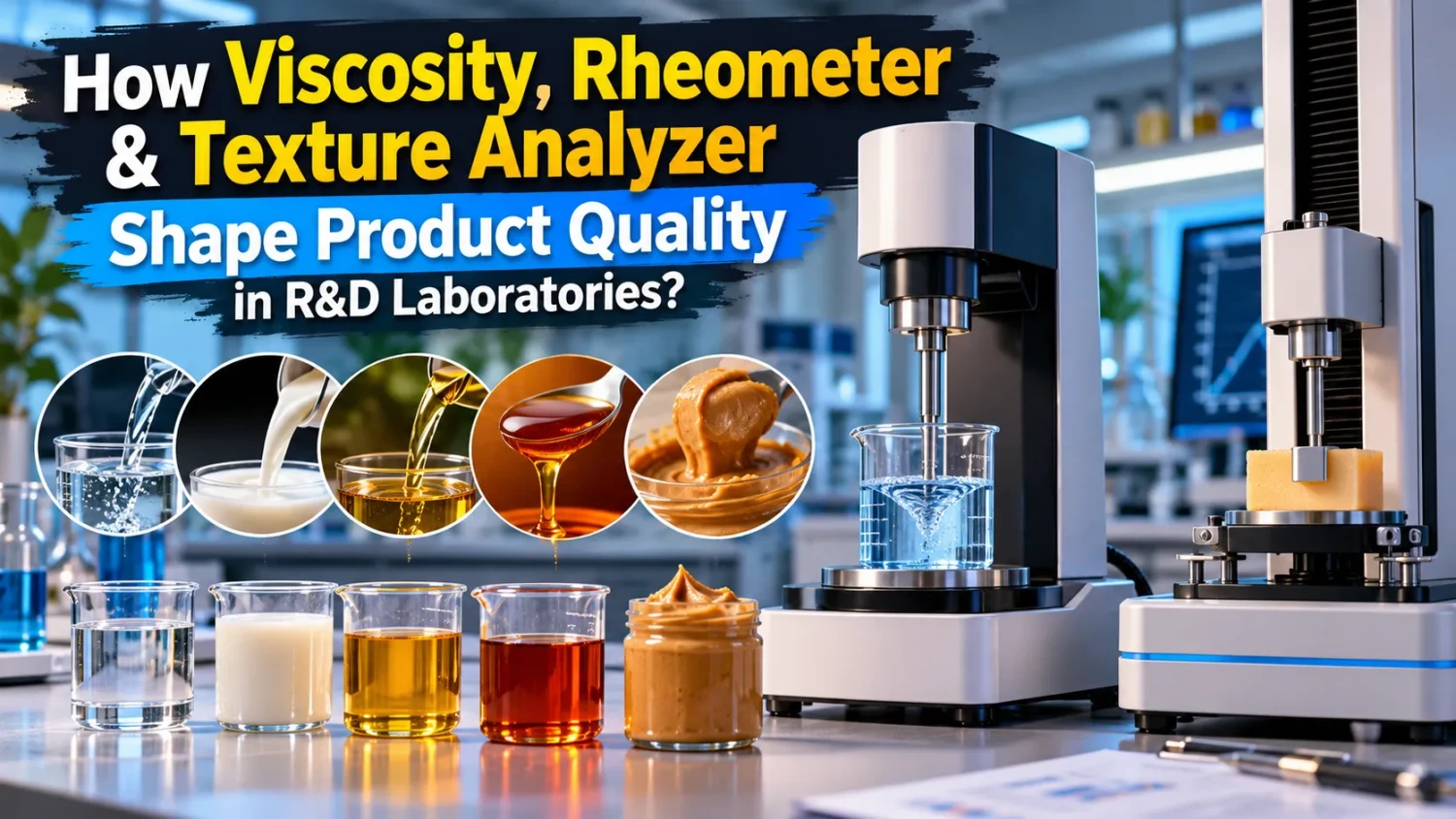
How Viscosity, Rheometer & Texture Analyzer Shape Product Quality in R&D Laboratories?
Sep 28, 2026
Information
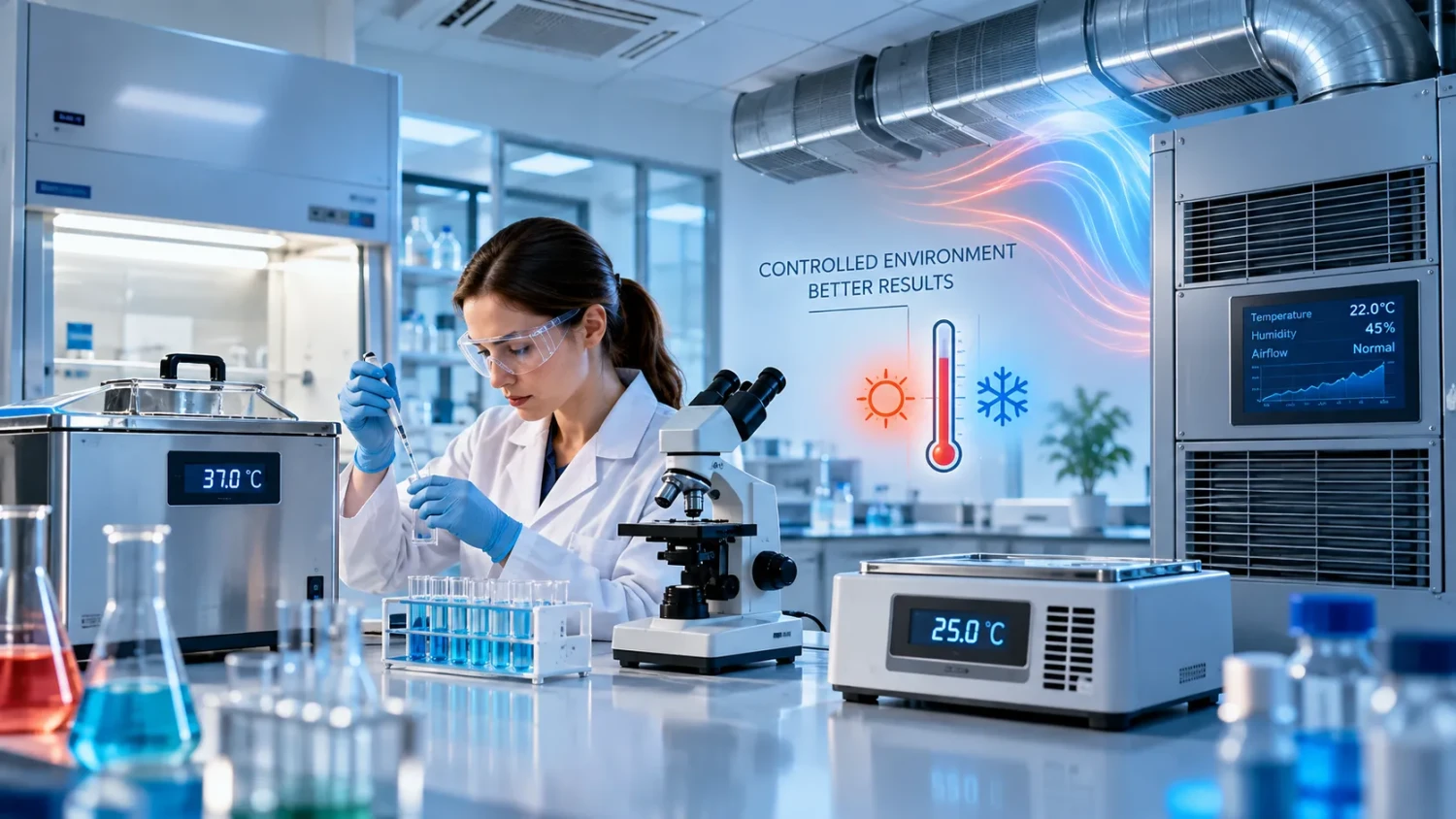
How Laboratory Heating & Cooling Equipment Improves Accuracy and Efficiency in Testing?
Sep 23, 2026
Information
The Role of Laboratory Safety & Environmental Monitoring in Risk Prevention
Sep 16, 2026
Science & Technology
Health and Hygiene Ware Material Testing: Ensuring Quality, Safety, and Compliance
Sep 08, 2026
Science & Technology
Advancements in Sample Preparation Equipment for R&D and Quality Control
Aug 30, 2026
Science & Technology
Essential Biotechnology Lab Items and Their Applications in Modern Research
Aug 28, 2026
Science & Technology

Understanding ETP – Effluent Treatment Plant and Its Importance in Industry
Aug 17, 2026
Information
Optimum Solution– Laboratory & Analytical Instruments Supplier in Bangladesh
Optimum Solution is a leading supplier of laboratory equipment, analytical instruments, and process control solutions in Bangladesh. Since our inception, we have built a strong presence in the industry, serving research labs, universities, pharmaceutical companies, and quality control laboratories nationwide. Through continuous dedication to improving our products and services, Optimum Solution has earned the trust and loyalty of our valued clients.

Optimum Solution: A Premier Instrument Supplier in Bangladesh
Optimum Solution has emerged as a leading supplier of high-quality instruments in Bangladesh, known for its commitment to excellence and customer satisfaction. The company specializes in providing a wide range of industrial and scientific instruments, catering to various sectors including healthcare, education, research, and manufacturing. Here's an in-depth look at what makes Optimum Solution a premier choice for instrument supply in Bangladesh.

