
-
 Analytical & Elemental Instruments
-
Biotechnology Lab Items
-
Cardboard and Box Factory Lab Equipment Solution
-
Cleanroom Solution
-
Consumables & Accessories
-
Dosing Pump for Chemicals
-
Electrochemistry & Titration
-
ETP -Effluent Treatment Plant
-
Feed Quality Laboratory
-
Food & Kitchen Lab Items
-
Hygiene Testing Equipment
-
Lab Furniture





ICP – Inductively Coupled Plasma: Revolutionizing Laboratory Analysis Author: Md. Murad Hossain, Chemical Technologist

ICP
– Inductively Coupled Plasma: Revolutionizing Laboratory Analysis
Author:
Md. Murad Hossain, Chemical Technologist
In
the realm of laboratory analysis, few techniques have revolutionized the way we
understand and quantify elements as much as Inductively Coupled Plasma (ICP).
This article delves deep into the intricacies of ICP – Inductively Coupled
Plasma, its applications across various fields, its technical specifications,
and its significance in modern laboratory practices.
Understanding
ICP – Inductively Coupled Plasma
ICP
– Inductively Coupled Plasma, often abbreviated as ICP, is a powerful
analytical technique used for the determination of trace elements in a wide
range of sample types. This technique relies on the generation of a
high-temperature plasma to atomize and ionize the sample, followed by the
analysis of the resulting ions using mass spectrometry or optical emission
spectrometry.
ICP
– Inductively Coupled Plasma is widely recognized for its sensitivity,
precision, and ability to analyze multiple elements simultaneously. Its
versatility makes it indispensable in fields such as environmental analysis,
pharmaceuticals, food and beverage industry, forensic science, and materials
science.
Applied
Instruments Utilizing ICP – Inductively Coupled Plasma
The
application of ICP – Inductively Coupled Plasma extends across various
instruments, each designed to cater to specific analytical needs. Instruments
such as Inductively Coupled Plasma Mass Spectrometry (ICP-MS), Inductively
Coupled Plasma Optical Emission Spectroscopy (ICP-OES), and High-Performance
Liquid Chromatography (HPLC) coupled with ICP detectors are prominent examples.
Technical
Specifications and Innovations
Technical
specifications of ICP instruments vary depending on the manufacturer and model.
Key parameters include plasma power, nebulizer flow rate, sample introduction
system, and detection limits for different elements. Continuous innovations in
ICP technology have led to improvements in sensitivity, resolution, and speed
of analysis, enhancing its applicability across diverse fields.
Historical
Significance of ICP – Inductively Coupled Plasma
The
roots of ICP – Inductively Coupled Plasma trace back to ancient civilizations,
albeit in rudimentary forms. Historical records suggest that ancient
civilizations utilized primitive forms of plasma for metalworking and
glassmaking processes. However, the modern concept of ICP emerged in the
mid-20th century with advancements in plasma physics and analytical
instrumentation.
Current
Applications and Usage in Laboratories
In
modern laboratories, ICP – Inductively Coupled Plasma finds widespread usage in
elemental analysis of various sample matrices. Its high throughput capabilities
and low detection limits make it indispensable for routine analysis as well as
research applications. From environmental monitoring to quality control in
pharmaceuticals, the versatility of ICP is unmatched.
Scope
and Customer Segmentation
The
scope of ICP – Inductively Coupled Plasma spans across academia, research
institutions, government agencies, and industries. Customer segmentation
includes pharmaceutical companies, environmental monitoring agencies, food and
beverage manufacturers, metallurgical industries, and forensic laboratories,
among others.
ICP
– Inductively Coupled Plasma: Core Users and Service Requirements
Core
users of ICP – Inductively Coupled Plasma include analytical chemists, research
scientists, laboratory technicians, and quality control personnel. Regular
maintenance and calibration are essential to ensure the accuracy and
reliability of ICP instruments. Service requirements typically include periodic
cleaning, calibration, and troubleshooting by trained technicians.
Conclusion
In conclusion, ICP – Inductively Coupled Plasma stands as a cornerstone of modern analytical chemistry, facilitating precise and reliable elemental analysis across diverse applications. Its significance in laboratory practices is unparalleled, offering unparalleled sensitivity, speed, and versatility. As technology continues to evolve, the potential of ICP – Inductively Coupled Plasma in advancing scientific research and industrial processes remains limitless.
Recent Posts

How Viscosity, Rheometer & Texture Analyzer Shape Product Quality in R&D Laboratories?

How Laboratory Heating & Cooling Equipment Improves Accuracy and Efficiency in Testing?

The Role of Laboratory Safety & Environmental Monitoring in Risk Prevention

Health and Hygiene Ware Material Testing: Ensuring Quality, Safety, and Compliance
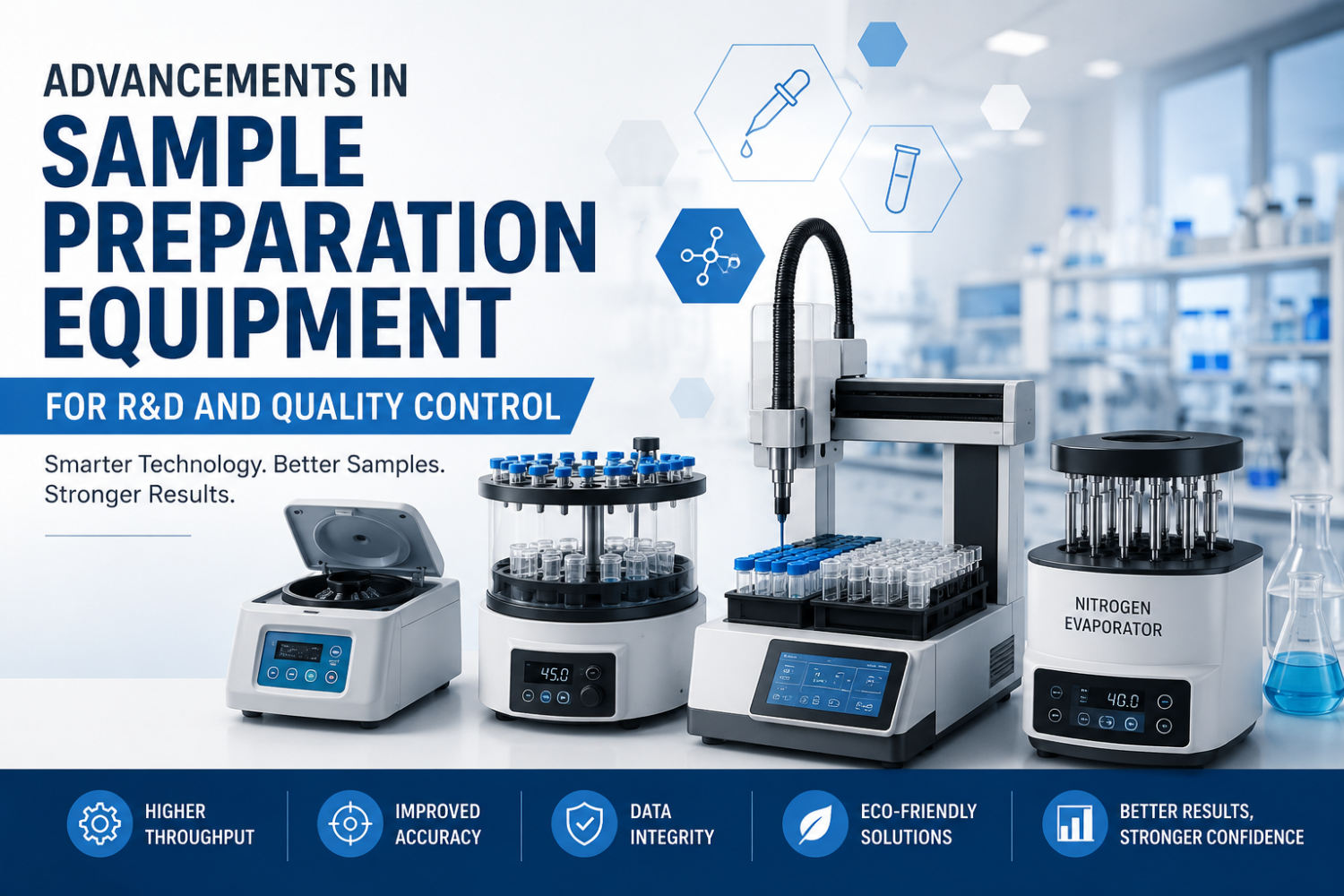
Advancements in Sample Preparation Equipment for R&D and Quality Control

Essential Biotechnology Lab Items and Their Applications in Modern Research



Understanding ETP – Effluent Treatment Plant and Its Importance in Industry
Optimum Solution– Laboratory & Analytical Instruments Supplier in Bangladesh
Optimum Solution is a leading supplier of laboratory equipment, analytical instruments, and process control solutions in Bangladesh. Since our inception, we have built a strong presence in the industry, serving research labs, universities, pharmaceutical companies, and quality control laboratories nationwide. Through continuous dedication to improving our products and services, Optimum Solution has earned the trust and loyalty of our valued clients.


