
-
 Analytical & Elemental Instruments
-
Biotechnology Lab Items
-
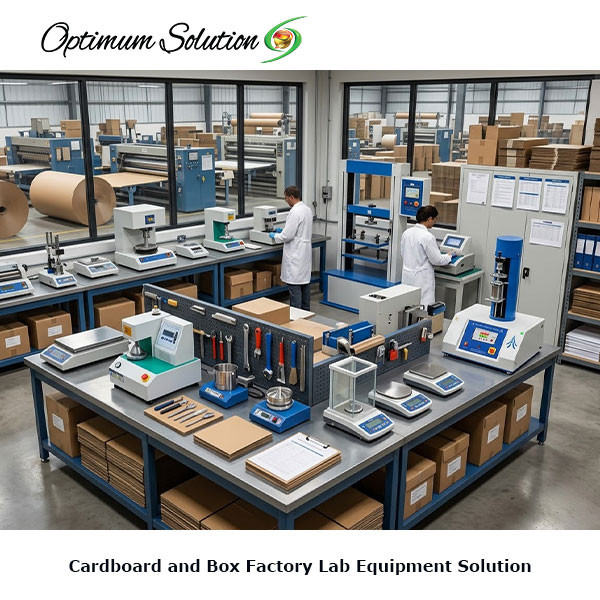
Cardboard and Box Factory Lab Equipment Solution
-
Cleanroom Solution
-
Consumables & Accessories
-
Dosing Pump for Chemicals
-
Electrochemistry & Titration
-
ETP -Effluent Treatment Plant
-
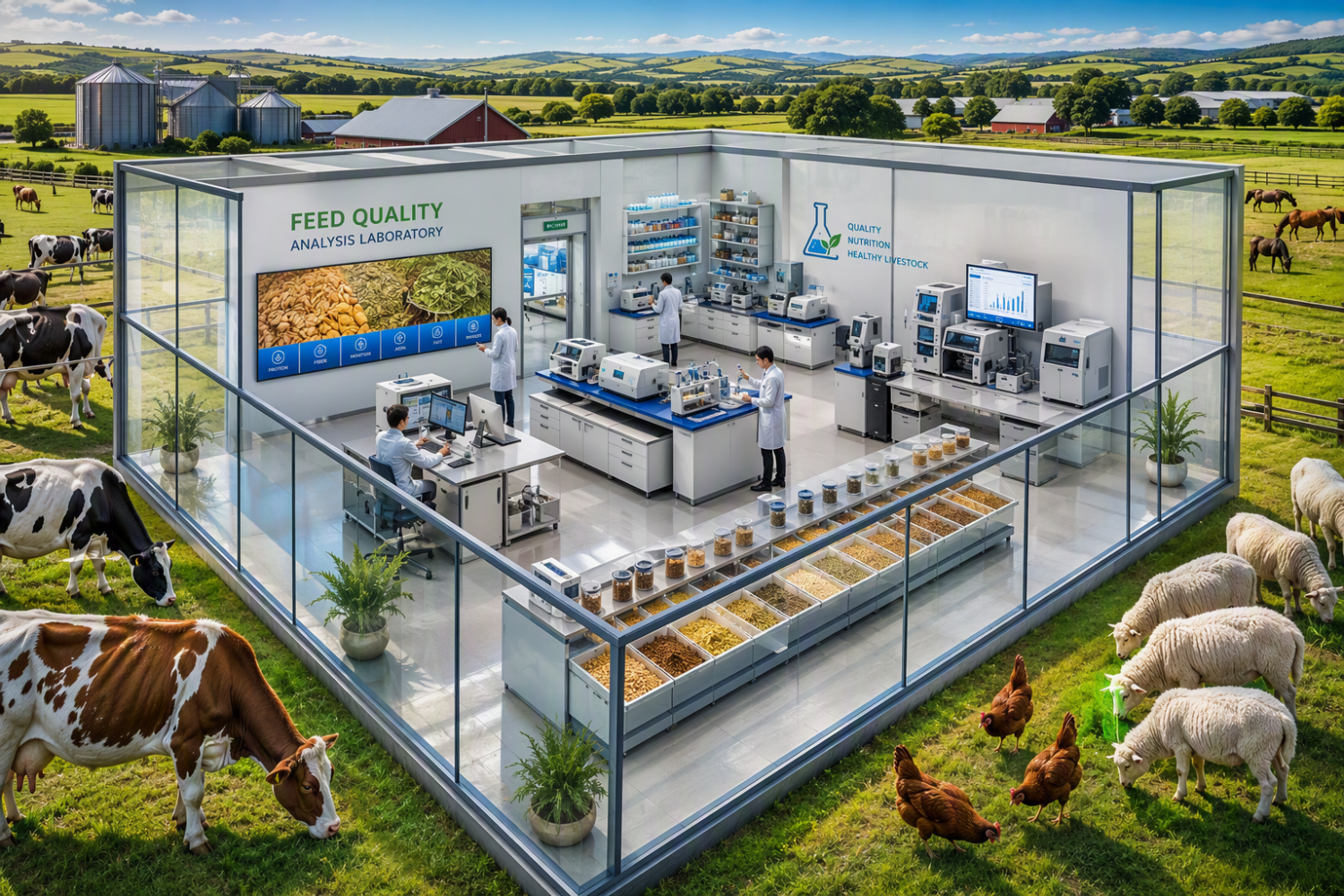
Feed Quality Laboratory
-
Food & Kitchen Lab Items
-
Hygiene Testing Equipment
-
Lab Furniture



HPLC – High Performance Liquid Chromatography: A Comprehensive Guide By Md. Murad Hossain, Chemical Technologist

HPLC – High
Performance Liquid Chromatography: A Comprehensive Guide
By Md. Murad Hossain, Chemical
Technologist
HPLC
– High Performance Liquid Chromatography stands as a cornerstone in modern
laboratories, revolutionizing analytical chemistry and scientific research.
This extensive article delves into the intricacies of HPLC – High Performance
Liquid Chromatography, exploring its techniques, applications, classifications,
technical specifications, innovations, historical significance, and present-day
usage, providing a thorough understanding of its significance and versatility.
Understanding HPLC – High Performance
Liquid Chromatography
HPLC
– High Performance Liquid Chromatography is a powerful analytical technique
used to separate, identify, and quantify components in a mixture. It employs
high-pressure pumps to pass a liquid solvent containing the sample through a
stationary phase, where compounds are separated based on their interactions
with the stationary phase and the mobile phase.
Technique and Applied Instruments
The
HPLC – High Performance Liquid Chromatography technique involves several
components:
1. Pump: Generates high
pressure to propel the mobile phase through the system.
2. Injector: Introduces the
sample into the mobile phase stream.
3. Column: Contains the
stationary phase where separation occurs.
4. Detector: Analyzes the
separated compounds based on their absorbance or other properties.
5. Data System: Collects and
processes data for analysis and interpretation.
Classification of HPLC – High
Performance Liquid Chromatography
HPLC
– High Performance Liquid Chromatography can be classified based on various
parameters:
1. Mode of Separation: Normal phase,
reverse phase, ion exchange, size exclusion, etc.
2. Detector Type: UV-Vis,
fluorescence, refractive index, mass spectrometry, etc.
3. Column Type: Silica-based,
polymer-based, bonded phase, etc.
4. Application: Analytical HPLC,
preparative HPLC, high throughput HPLC, etc.
Technical Specifications and
Explanation
HPLC
– High Performance Liquid Chromatography systems come with various technical
specifications:
1. Flow Rate: The rate at which
the mobile phase flows through the column.
2. Column Dimensions: Length, inner
diameter, and particle size of the column.
3. Detector Wavelength: Specific
wavelengths for UV-Vis detection.
4. Gradient Program: Gradient elution
parameters for complex separations.
Innovation in HPLC – High Performance
Liquid Chromatography
Continuous
innovation has led to advancements in HPLC – High Performance Liquid
Chromatography technology:
1. Improved Column
Packing:
Enhanced stationary phases for higher resolution and efficiency.
2. Automation: Automated systems
for increased throughput and reproducibility.
3. Miniaturization: Miniaturized HPLC
systems for on-site and point-of-care applications.
Historical Significance
The
origins of chromatography can be traced back to ancient civilizations, where
natural dyes and pigments were separated using rudimentary techniques. However,
the modern concept of HPLC – High Performance Liquid Chromatography emerged in
the mid-20th century with the development of high-pressure pumps and efficient
stationary phases.
Instruments Based on HPLC – High
Performance Liquid Chromatography Technique
Several
instruments rely on the HPLC – High Performance Liquid Chromatography
technique:
1. LC-MS Systems: Coupled with mass
spectrometry for compound identification.
2. UHPLC Systems: Ultra-high
performance liquid chromatography for faster separations.
3. GPC/SEC Systems: Gel permeation
chromatography/size exclusion chromatography for polymer analysis.
Present Uses of HPLC – High Performance
Liquid Chromatography Technique
HPLC
– High Performance Liquid Chromatography finds widespread applications in
various industries:
1. Pharmaceuticals: Drug development,
quality control, and impurity analysis.
2. Environmental
Analysis:
Monitoring pollutants in air, water, and soil.
3. Food and Beverage: Analyzing food
additives, contaminants, and nutritional components.
4. Forensic Science: Drug testing,
toxicology, and trace analysis.
Laboratory Use of HPLC – High
Performance Liquid Chromatography
In
laboratories, HPLC – High Performance Liquid Chromatography is indispensable
for:
1. Routine Analysis: Quantifying
analytes in complex mixtures.
2. Method Development: Establishing new
separation methods for specific compounds.
3. Quality Assurance: Ensuring product
consistency and compliance with regulations.
Scope of Standard HPLC – High
Performance Liquid Chromatography
Standard
HPLC – High Performance Liquid Chromatography systems offer versatility and
reliability for a wide range of applications. They are suitable for both
routine analysis and research-grade chromatography.
Customer Segmentation
The
core users of HPLC – High Performance Liquid Chromatography include:
1. Pharmaceutical
Companies:
Quality control laboratories and R&D departments.
2. Environmental
Agencies:
Monitoring and regulatory laboratories.
3. Food and Beverage
Industry:
Quality assurance and product development.
4. Academic Institutions: Research
laboratories and educational facilities.
Detailed Uses of HPLC – High
Performance Liquid Chromatography Technique
HPLC
– High Performance Liquid Chromatography is employed in various specific
applications:
1. Quantitative Analysis: Determining the
concentration of analytes in pharmaceuticals and environmental samples.
2. Qualitative Analysis: Identifying unknown
compounds in complex mixtures.
3. Chiral Separation: Resolving enantiomers
for pharmaceutical and agrochemical industries.
Classification and Definition
HPLC
– High Performance Liquid Chromatography can be classified into specific types
based on its functionality:
1. Analytical HPLC: Routine analysis
and quantification of compounds.
2. Preparative HPLC: Isolation and
purification of target compounds for further analysis or use.
Instrumentation Guidelines
HPLC
– High Performance Liquid Chromatography is suitable for various instruments and
applications:
1. LC-MS Coupling: HPLC – High
Performance Liquid Chromatography coupled with mass spectrometry for
comprehensive analysis.
2. UHPLC Systems: Faster separations
and increased sensitivity for demanding applications.
3. HPLC-UV Systems: UV detection for
routine analysis and compound quantification.
Application in Different Fields
HPLC
– High Performance Liquid Chromatography finds extensive applications across
diverse fields:
1. Pharmaceuticals: Drug formulation,
pharmacokinetics, and stability testing.
2. Environmental Science: Monitoring
pesticides, herbicides, and environmental contaminants.
3. Food and Beverage
Analysis:
Quality control ensuring optimal performance and longevity of HPLC – High
Performance Liquid Chromatography systems.
Quality control ensuring
optimal performance including:
1. Column Care: Regular column
conditioning, cleaning, and replacement to maintain separation efficiency.
2. Detector Calibration: Periodic
calibration of detectors for accurate signal detection.
3. Pump Maintenance: Cleaning and
maintenance of pumps to prevent clogging and ensure consistent flow rates.
4. System Validation: Periodic validation
of the entire HPLC system to ensure reliability and compliance with regulatory
standards.
Core Users
The
core users of HPLC – High Performance Liquid Chromatography include:
1. Analytical Chemists: Conducting routine
analysis and method development in laboratories.
2. Quality Control
Specialists:
Ensuring product quality and compliance with regulatory standards.
3. Research Scientists: Investigating
complex mixtures and developing new separation methods.
Conclusion
In
conclusion, HPLC – High Performance Liquid Chromatography has revolutionized
analytical chemistry, enabling precise separation and analysis of complex
mixtures. Its widespread applications across various industries make it an
indispensable tool in research, quality control, and regulatory compliance.
With continuous innovations and advancements, HPLC – High Performance Liquid
Chromatography will continue to play a vital role in advancing scientific
knowledge and driving progress in diverse fields.
About the Author
Md.
Murad Hossain
is a Chemical Technologist with extensive experience in analytical
instrumentation. His expertise in chromatography, spectroscopy, and laboratory
techniques has contributed to significant advancements in chemical analysis and
research methodologies. Murad is passionate about sharing knowledge and
promoting the use of advanced analytical techniques for scientific innovation
and discovery.
Recent Posts
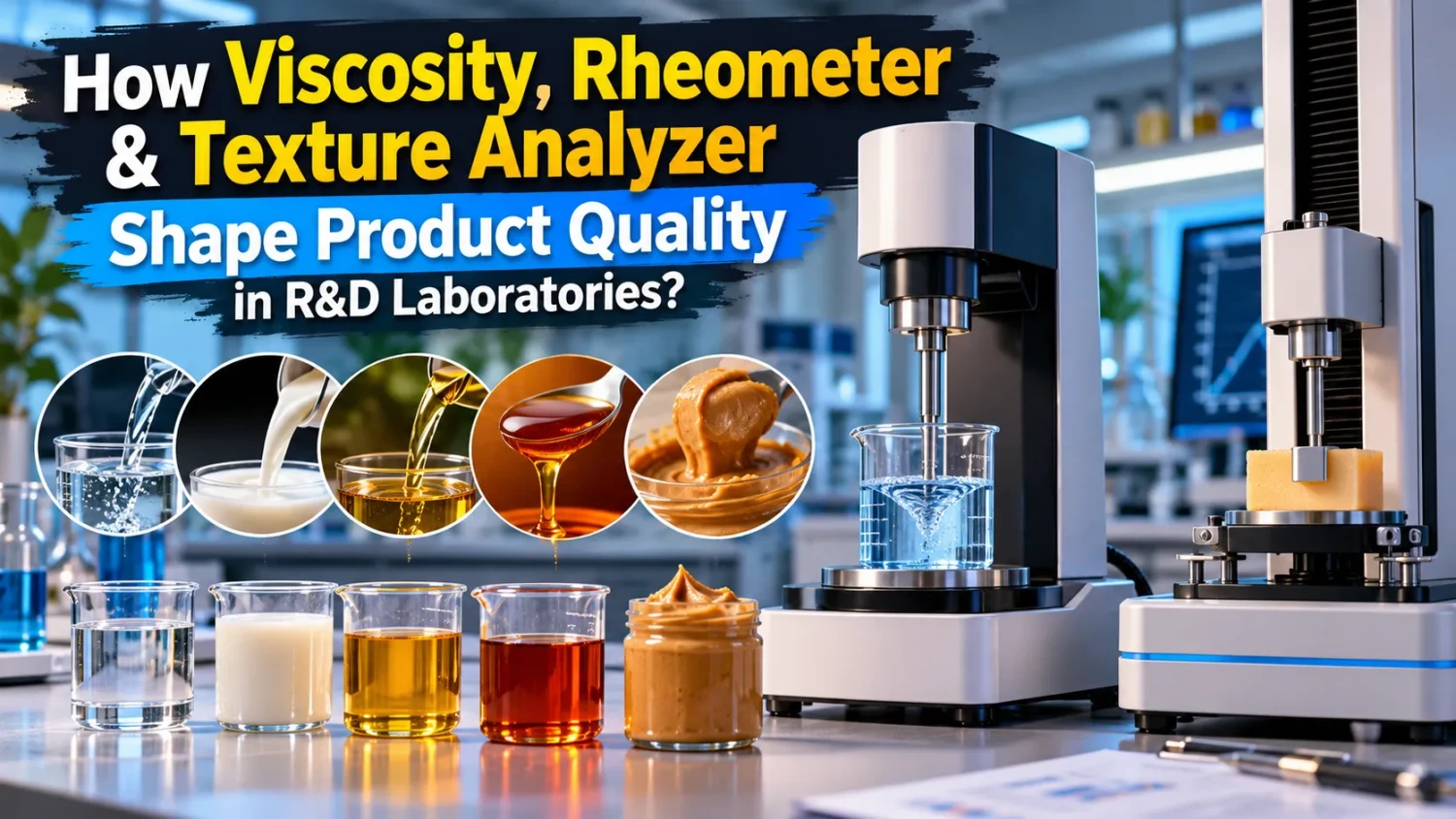
How Viscosity, Rheometer & Texture Analyzer Shape Product Quality in R&D Laboratories?
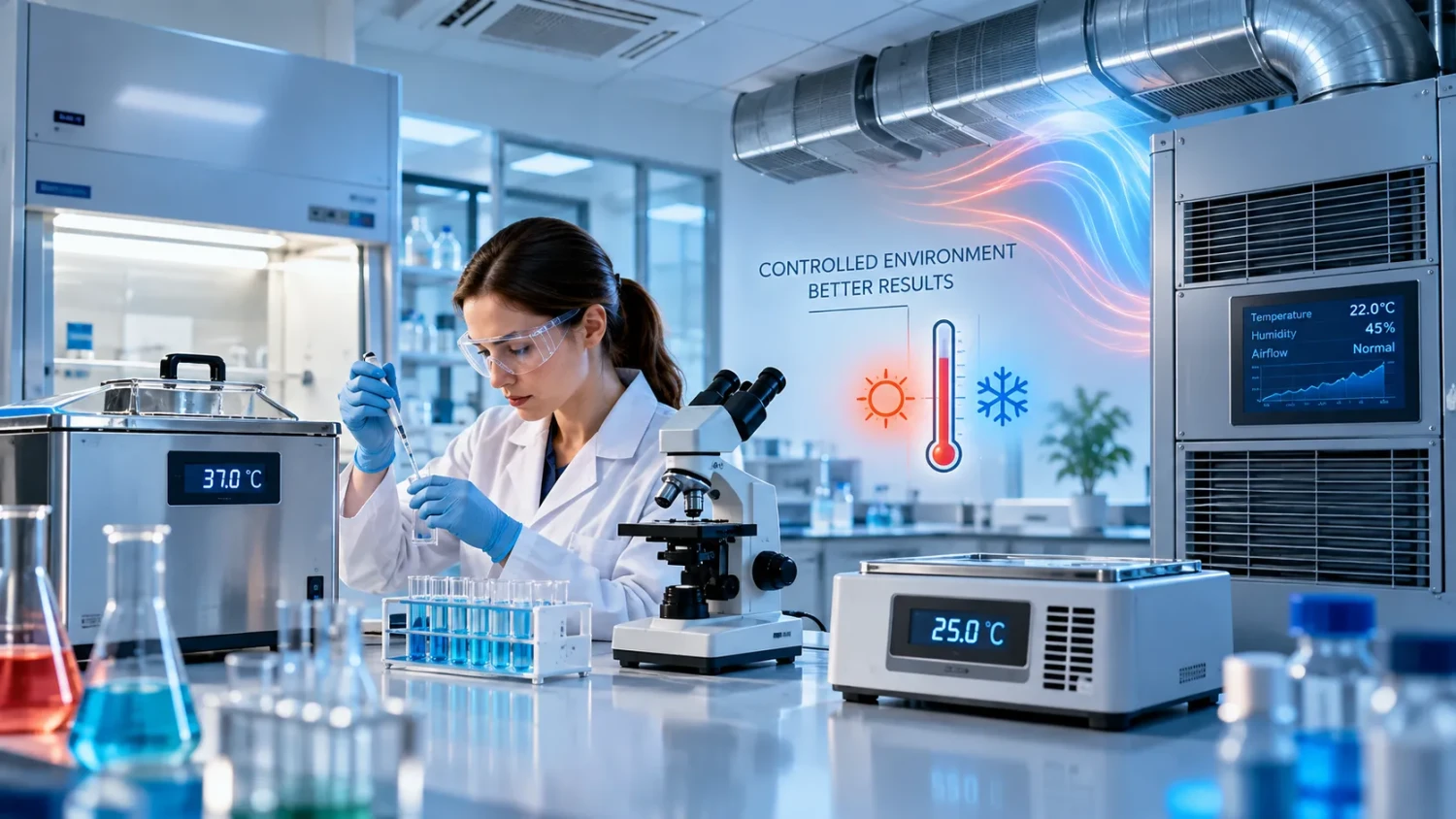
How Laboratory Heating & Cooling Equipment Improves Accuracy and Efficiency in Testing?
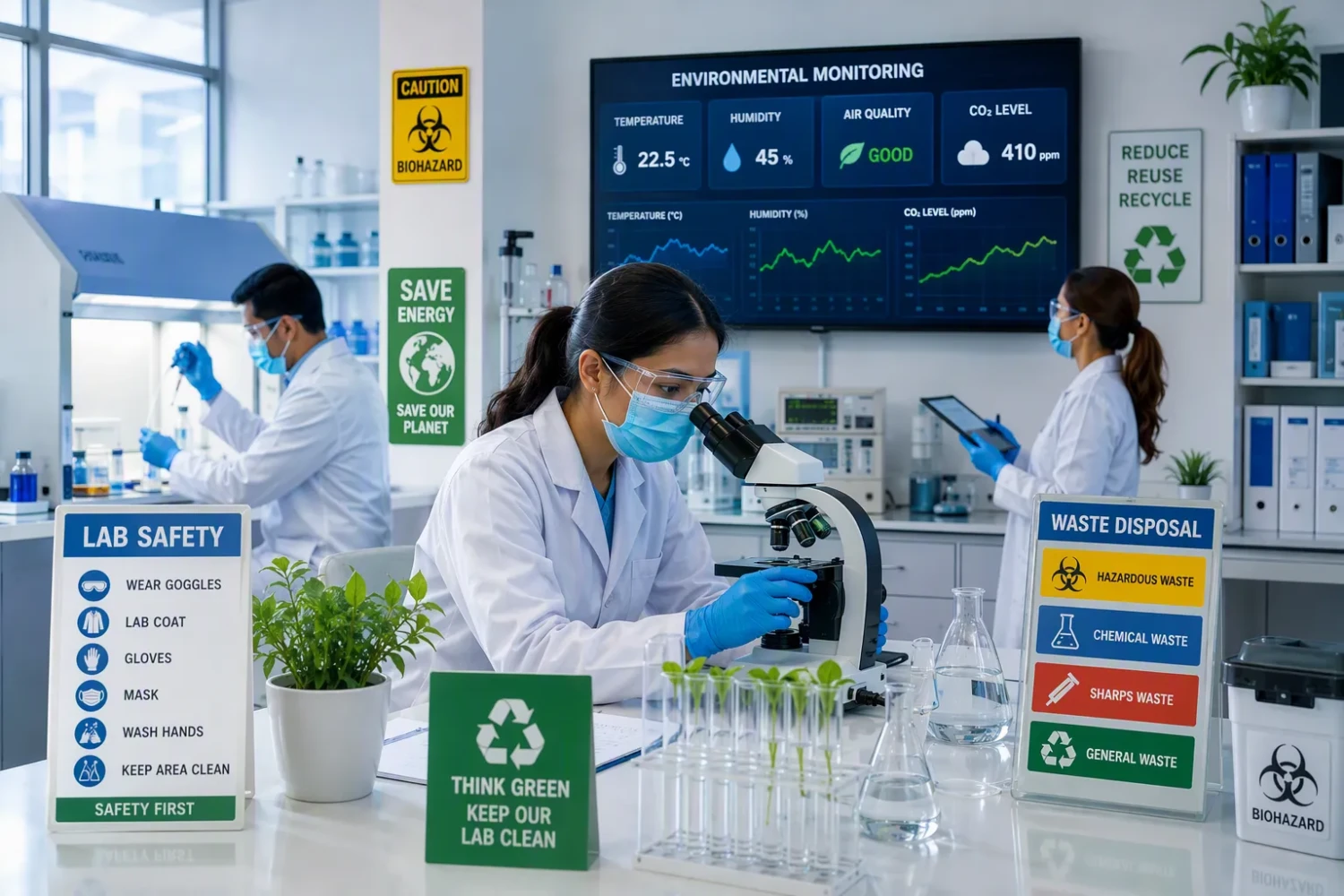
The Role of Laboratory Safety & Environmental Monitoring in Risk Prevention
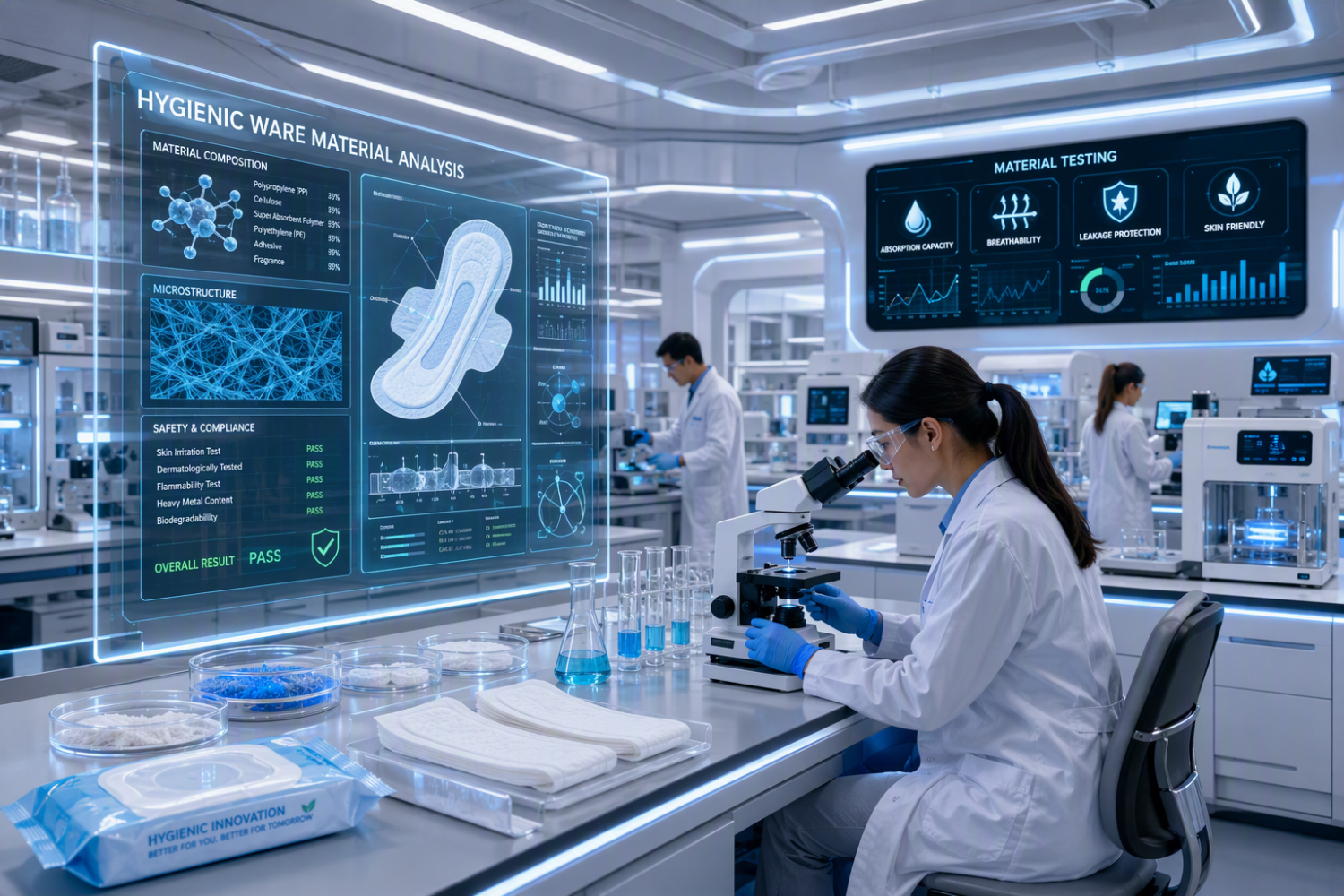
Health and Hygiene Ware Material Testing: Ensuring Quality, Safety, and Compliance
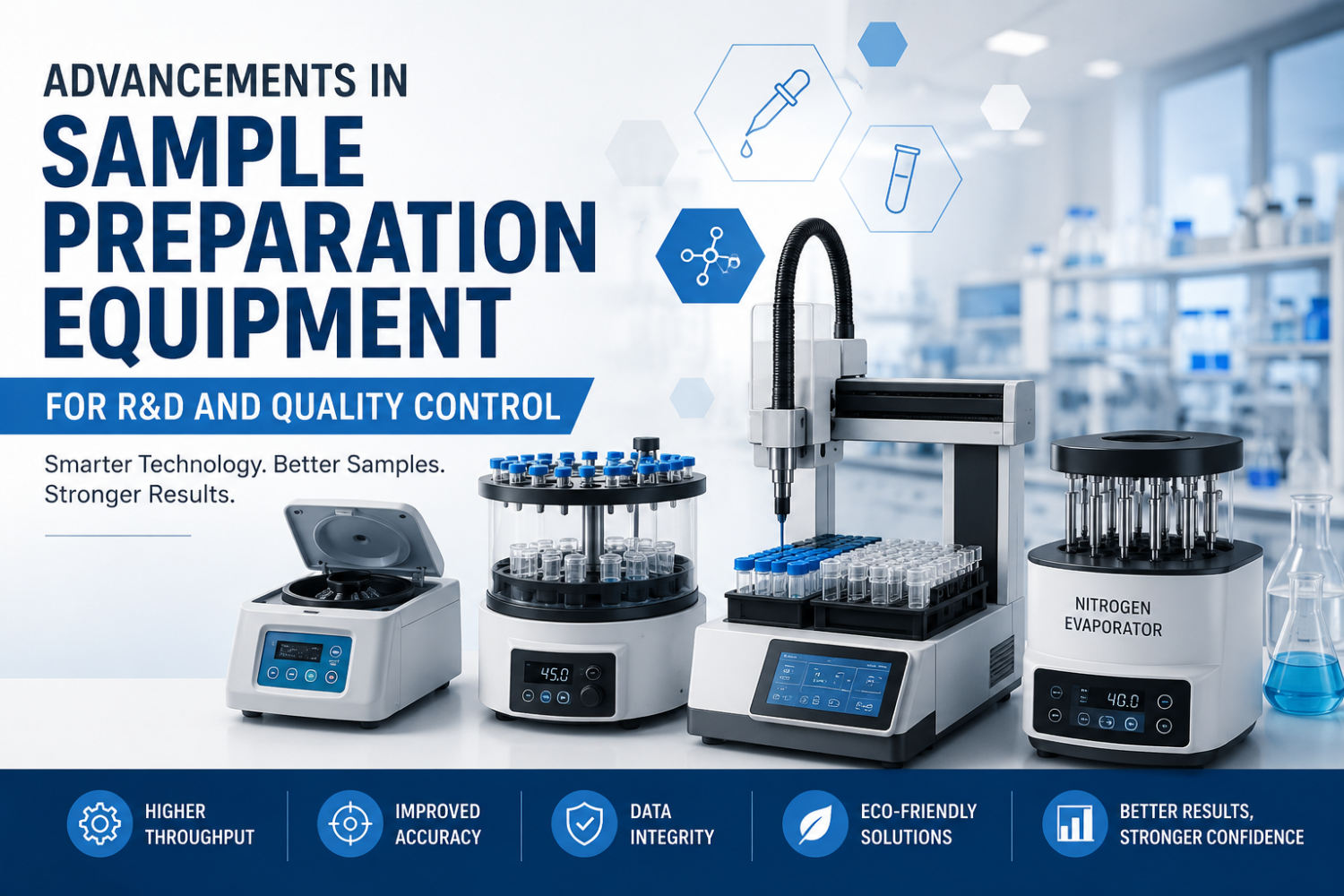
Advancements in Sample Preparation Equipment for R&D and Quality Control
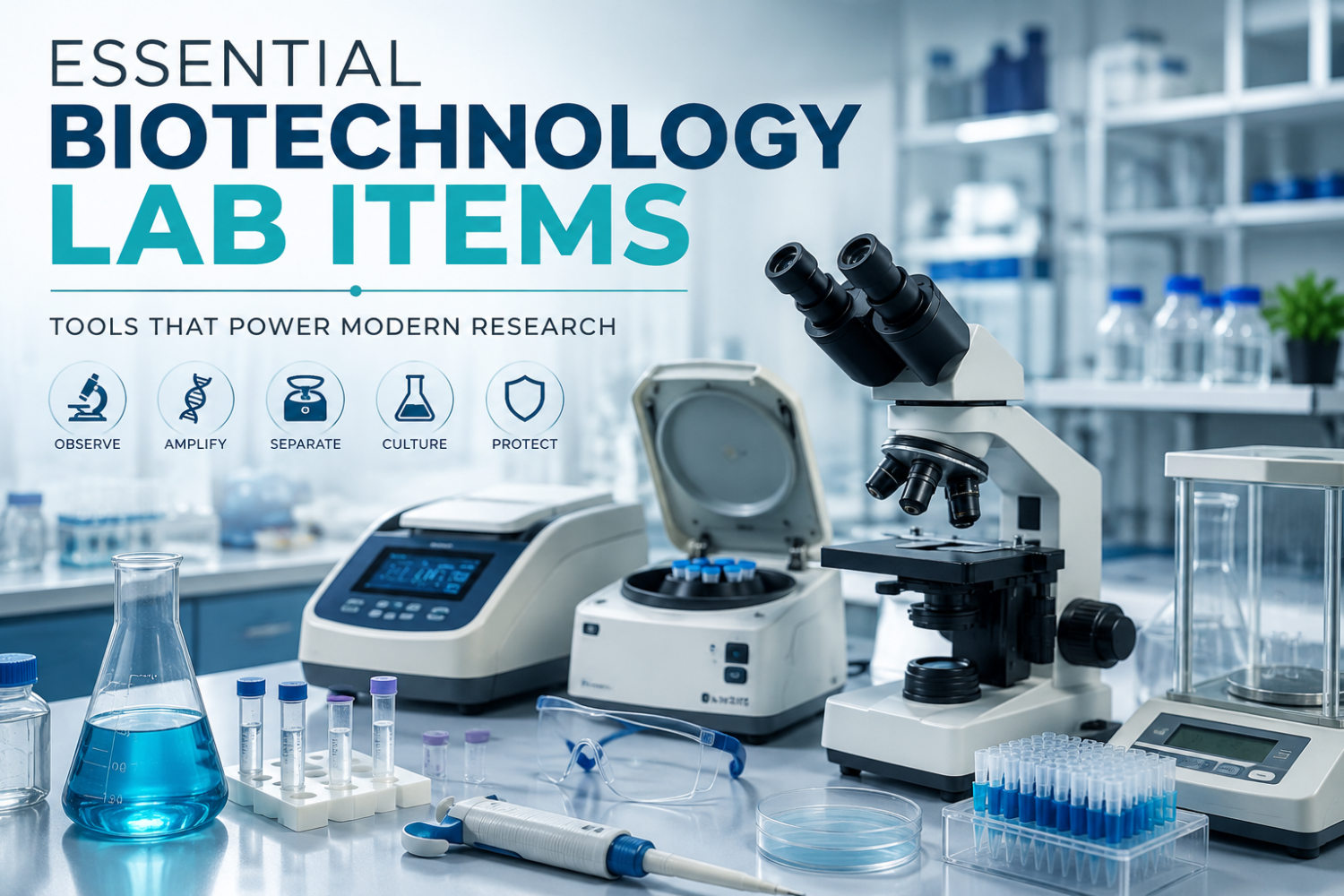
Essential Biotechnology Lab Items and Their Applications in Modern Research
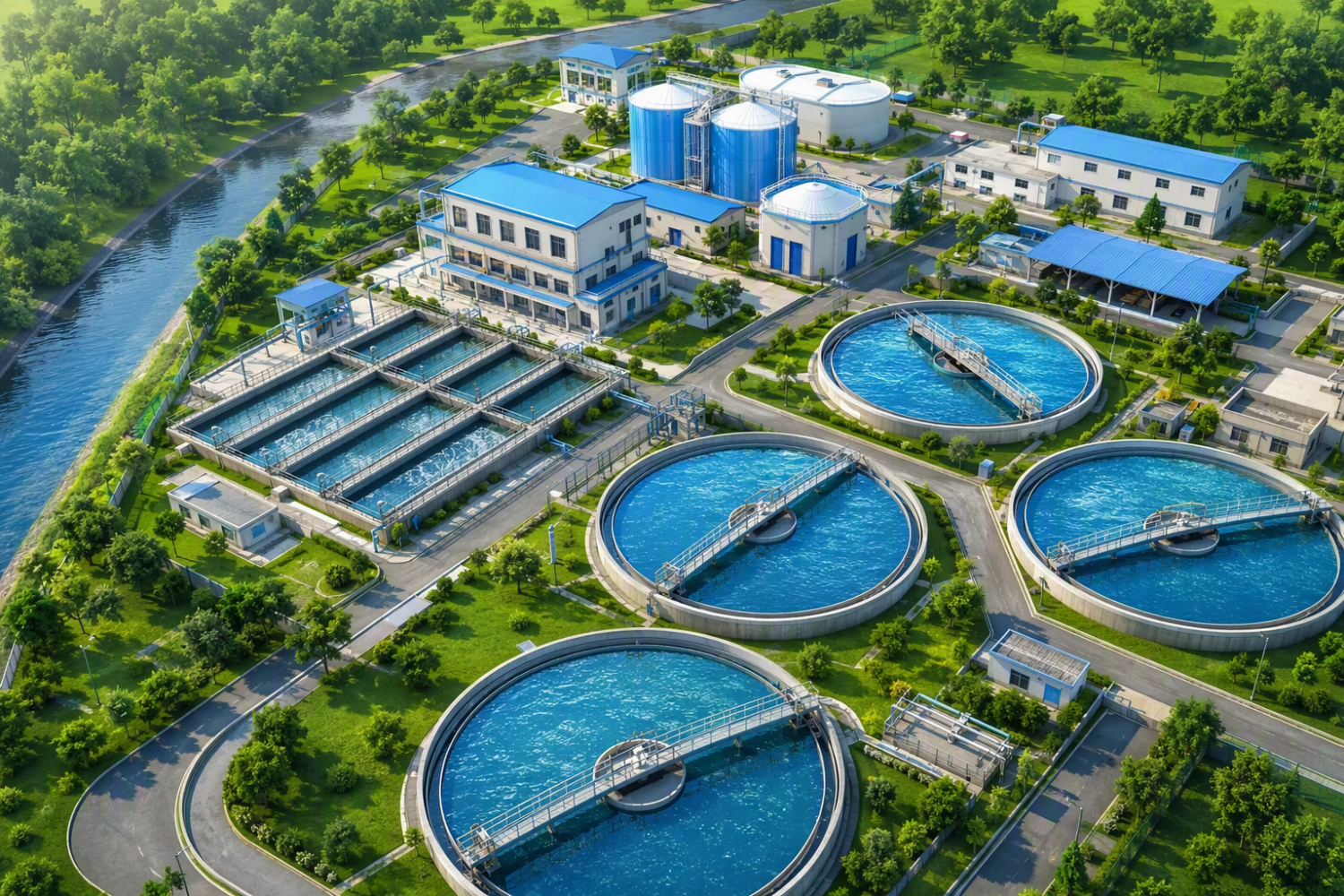
Understanding ETP – Effluent Treatment Plant and Its Importance in Industry
Optimum Solution– Laboratory & Analytical Instruments Supplier in Bangladesh
Optimum Solution is a leading supplier of laboratory equipment, analytical instruments, and process control solutions in Bangladesh. Since our inception, we have built a strong presence in the industry, serving research labs, universities, pharmaceutical companies, and quality control laboratories nationwide. Through continuous dedication to improving our products and services, Optimum Solution has earned the trust and loyalty of our valued clients.


