
-
 Analytical & Elemental Instruments
-
Biotechnology Lab Items
-
Cardboard and Box Factory Lab Equipment Solution
-
Cleanroom Solution
-
Consumables & Accessories
-
Dosing Pump for Chemicals
-
Electrochemistry & Titration
-
ETP -Effluent Treatment Plant
-
Feed Quality Laboratory
-
Food & Kitchen Lab Items
-
Hygiene Testing Equipment
-
Lab Furniture




How to Choose the Right Medical Lab Items for Your Facility?
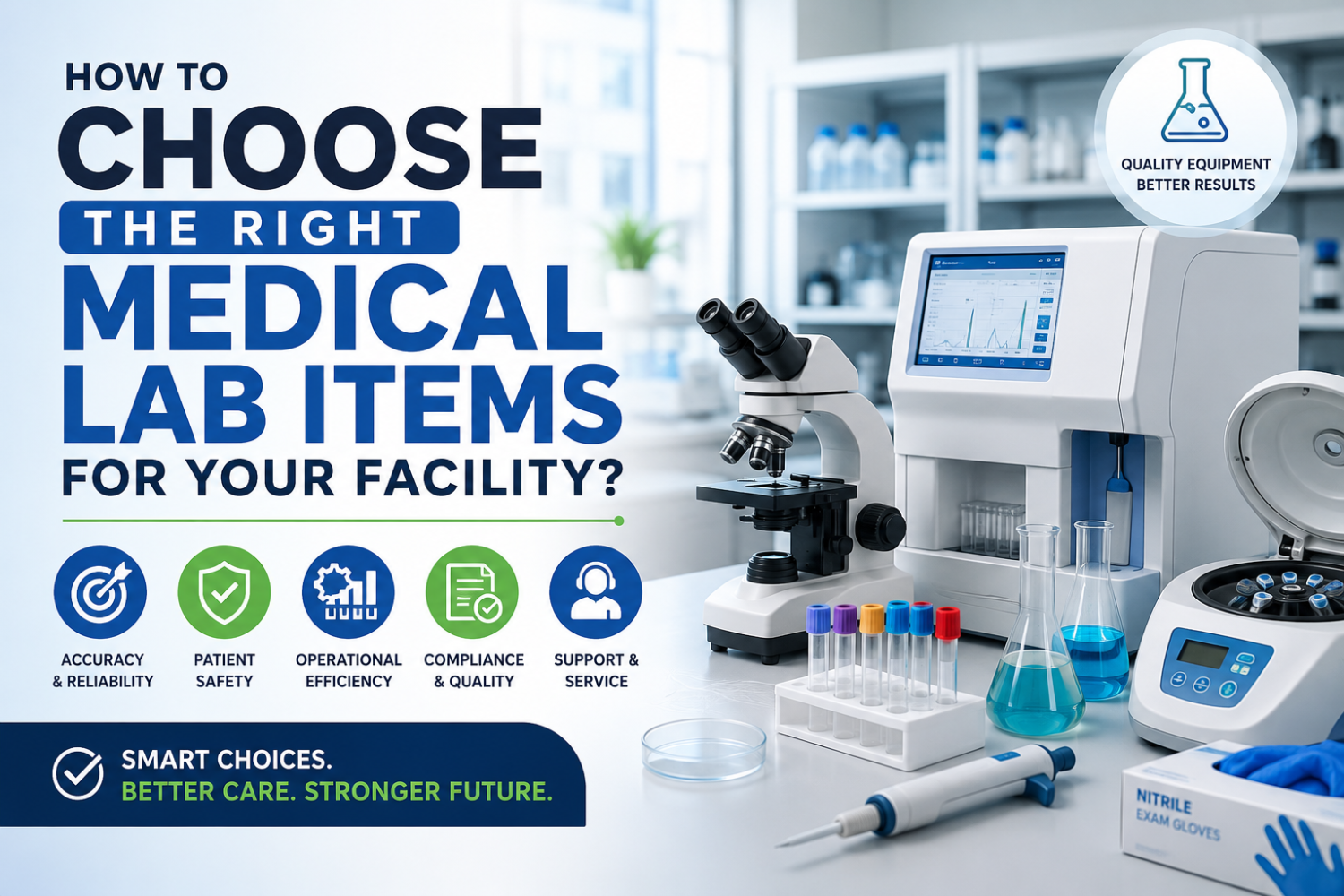
Choosing medical lab items for your facility is a critical decision because the tools you buy affect speed, accuracy, and patient care every day. If you are setting up a new space or upgrading current systems, you need medical lab equipment that matches your testing needs, staff skills, and future plans. That means looking at test types, sample volume, workflow, compliance, and support before you place an order. Healthcare providers depend on dependable results, so your choices should help your team work well without adding avoidable delays or risk. When you focus on your real needs instead of buying based on price alone, you make smarter decisions. The next sections will show you how to choose with confidence and keep your facility practical, safe, and ready to grow.
Key Highlights
Choosing lab equipment starts with a clear view of your medical lab’s test menu, sample volume, and daily workflow.
The best laboratory instruments support operational efficiency, reliable results, and strong quality standards from day one.
Good equipment selection is not only about price. You also need to review service, calibration, consumables, and training.
Your supplier matters. Reliable vendors help with delivery, technical support, validation documents, and long-term uptime.
Compliance should never be an afterthought. Check regulatory standards, certifications, and system fit before you buy.
New trends in lab equipment for 2026 include automation, AI support, remote monitoring, and better system connectivity.
Understanding the Importance of Choosing the Right Medical Lab Items
The right tools shape how a diagnostic lab works from the first sample to the final report. When you choose reliable equipment, your team can process tests with fewer errors, better speed, and more confidence. That matters because healthcare professionals need dependable data to support diagnosis and treatment decisions.
Just as important, strong quality standards help protect patient outcomes. A facility that uses the right supplies, analyzers, and support systems is better prepared to handle daily demand and future growth. Most diagnostic centers need core items such as analyzers, centrifuges, incubators, sterilizers, and PCR systems. In the next two sections, you will see how equipment quality affects both test accuracy and patient safety.
How Medical Lab Equipment Impacts Diagnostic Accuracy
Accurate testing begins with medical lab equipment that fits your actual workload and test menu. If your instruments are poorly matched to your samples or testing complexity, errors can rise and turnaround time can slip. That can affect diagnostic accuracy in ways that hurt both workflow and trust. A practical checklist starts with the basics: what tests you run, how many samples you expect, and how much room and staffing you have.
There is also the question of fit with your digital systems. Equipment that connects well with a laboratory information system helps reduce manual entry and supports cleaner data flow. This improves operational efficiency and lowers the chance of avoidable reporting mistakes. For many modern labs, that system link is not a bonus feature. It is a core need.
Another key point is support after the purchase. Calibration, regular servicing, staff training, and validation help keep instruments performing as expected. You should also review vendor reliability, supply access, and the ability to scale as your lab grows. When you choose equipment with accuracy, integration, and support in mind, you build a stronger testing process from the start.
The Role of Quality Supplies in Patient Safety
Patient safety depends on more than large instruments. Quality supplies play a direct role in clean handling, sample protection, and smooth testing. If your tubes, storage units, sterilization tools, or safety equipment are not dependable, even a strong analyzer may not deliver useful results. In any medical setting, patient care improves when every item supports safe and stable workflow.
At the same time, regulatory compliance should guide your buying decisions. Supplies and instruments should meet relevant rules and fit your lab’s complexity level. Vendors that can provide documentation, validation support, and clear product information make this process easier. This helps your team stay prepared for inspections and daily quality checks.
Balancing quality and budget is possible when you look at long-term value instead of only upfront price. A lower-cost product may seem helpful now, but weak durability, poor support, or frequent replacement can raise costs later. Review service plans, consumables, calibration needs, and downtime risk before you buy. When you take that broader view, you protect both your budget and your patients.
Essential Medical Lab Items Every Facility Needs
Every facility needs a core set of essential lab equipment to handle routine testing safely and efficiently. In most cases, that includes centrifuges, incubators, autoclaves, PCR machines, analyzers, microscopes, and proper cold storage. These laboratory instruments support common tasks such as sample separation, culture growth, sterilization, genetic testing, and sample review.
The exact types of equipment depend on your service scope, but the goal stays the same: steady workflow and better operational efficiency. Clinical laboratory equipment should match your test volume, staff skill level, and reporting systems. New labs often start with the basics, while hospitals and larger centers need more specialized systems. The next sections break down what a new facility should buy first and which advanced tools may be worth adding later.
Basic Laboratory Instruments for New Facilities
If you are opening a new lab, the first step is to focus on the instruments that support daily testing and safe operations. You do not need every advanced system on day one. Instead, choose laboratory instruments that match your expected test menu and sample volume. This helps control costs while keeping your setup practical and useful.
Start with core items that support sample handling, testing, storage, and protection. A smart checklist should also include safety equipment and waste disposal tools, because safe workflow matters as much as testing speed. When the basics are covered, your team can work with fewer interruptions and lower risk.
Common starting needs include:
Centrifuges for separating blood and other fluids before testing
Incubators for growing cell cultures and microorganisms under controlled conditions
Autoclaves or steam sterilizers for contamination control and clean instrument handling
Laboratory refrigerators or freezers for sample and reagent storage
Biosafety cabinets, personal protective equipment, and waste disposal supplies for safer daily work
These tools give a new lab a stable base. Once your workflow becomes clear, you can add more specialized systems without guessing.
Advanced Equipment Options for Hospitals and Diagnostic Centers
Larger facilities often need advanced lab equipment to manage higher sample loads and more complex testing. A hospital or diagnostic center may require faster systems, wider test capability, and better integration with reporting software. This is where analyzers and specialized platforms become important. They help reduce manual work and support more consistent output across busy departments.
For many sites, the most useful advanced tools include chemistry analyzers, hematology analyzers, blood gas analyzers, flow cytometers, digital microscopes, and next-generation PCR machines. These systems can improve speed and test depth when matched to the right workflow. As 2026 approaches, labs are also looking for automation, AI-powered support, remote monitoring, and stronger cybersecurity in connected instruments.
Here is a simple comparison table:
Equipment Type | Main Use in a Diagnostic Center | Key Benefit |
|---|---|---|
Chemistry analyzers | Analyze blood, serum, and urine samples | High throughput and dependable routine testing |
Hematology analyzers | Perform complete blood counts | Fast review of blood disorders |
PCR machines | Amplify DNA and RNA | Useful for infectious diseases and genetic testing |
Blood gas analyzers | Measure gases and pH in blood | Supports respiratory and metabolic assessment |
Digital microscopes | View and document samples | Better imaging and easier data handling |
Beginner’s Guide to Selecting Medical Lab Items
Equipment selection can feel hard when you are new to lab purchasing, but the process becomes easier when you break it into steps. Start with your test needs, staff capacity, and expected workload. Clinical labs work best when each purchase supports workflow, accuracy, and day-to-day use instead of adding extra complexity.
You should also keep relevant regulatory standards and quality standards in view from the start. Many buying mistakes happen when facilities focus only on price or buy tools that do not match the lab’s actual service scope. Good planning protects operational efficiency and lowers the chance of costly replacements later. The next sections give you a beginner-friendly checklist and a step-by-step process to help you choose the right items with fewer mistakes.
What You’ll Need to Get Started: Checklist for New Facilities
Setting up a new lab is easier when you work from a clear checklist. This keeps you from missing core items or spending money on tools you will not use right away. A good list should cover testing needs, safety, storage, compliance, and support. It should also help you think beyond the purchase price.
Before you order, review your test menu, sample volume, staff skill level, and available space. Then look at essential lab equipment and the support needed to keep it running. Remember to factor in total cost of ownership, including maintenance, consumables, calibration, energy use, and service agreements.
Your startup checklist should include:
Core instruments based on your test menu, such as centrifuges, analyzers, incubators, and sterilizers
Storage units like laboratory refrigerators and freezers for samples and reagents
Personal protective equipment and biosafety tools for safer handling
Waste disposal systems and daily cleaning supplies
Vendor training, technical support, and validation documents
System compatibility with your lab information systems or electronic medical records if needed
This kind of planning gives your team a better start and reduces expensive surprises later.
Step-by-Step Guide to Choosing Lab Equipment
A simple process can make equipment selection far less stressful. First, define the tests your facility will perform and how many samples you expect each day. Then match those needs to the right equipment. This step helps you avoid buying oversized systems for a small workload or limited tools for a busy facility.
Next, compare product quality, compliance status, and system fit. Ask whether the instrument supports your workflow, staff skill level, and reporting needs. If a device is hard to use or does not connect well with your software, it may slow your team down instead of helping. Ease of use is a practical factor, not a minor detail.
Finally, review long-term support before making a final choice. Technical support, maintenance access, training, and lead times all affect optimal performance over time. Reliable suppliers make it easier to install, validate, and maintain your tools. When you follow these steps in order, you are more likely to choose equipment that truly suits your facility.
Step 1: Assess Your Facility’s Requirements
The best buying decision starts with a close look at your facility’s needs. Think about the tests you plan to offer, the number of patients you serve, and how many samples will move through the lab each day. These details shape your lab’s needs and help define what equipment makes sense. Without this step, it is easy to buy the wrong size or type of system.
Facility size matters because it affects both workload and workflow. A small clinic may only need a basic set of instruments for routine testing, while a large hospital may need higher-throughput analyzers and more specialized tools. Bigger sites often need stronger automation and more system integration to maintain operational efficiency. Smaller sites usually benefit from practical, compact systems that are easy to manage.
It also helps to plan ahead. If you expect growth, choose types of equipment that can scale with your services. Some labs later add molecular testing, more chemistry work, or extra storage needs. A little planning now can help you avoid a full replacement too soon.
Step 2: Evaluate Product Certifications and Compliance
Once you know what your lab needs, the next step is checking certification and compliance. This is important because medical labs work under strict rules, and your equipment should support safe, valid testing. Products should meet applicable regulatory standards and fit your lab’s testing complexity and accreditation needs.
You should ask suppliers for clear documentation before you buy. That may include product certification details, validation support, and proof that the equipment aligns with recognized industry standards. Good vendors are ready to provide this information and explain how their systems fit regulatory requirements. If they cannot, that is a warning sign.
Compliance also goes beyond the device itself. You need to know whether the instrument can be properly validated, maintained, and integrated into your workflow. This is especially important for facilities adding new equipment or considering Laboratory Developed Tests. Buying compliant tools from the start reduces future stress and supports safer operations.
Step 3: Compare Quality, Budget, and Supplier Reliability
Balancing budget and quality is one of the biggest parts of lab purchasing. It is tempting to focus on the lowest price, but that approach can create long-term problems. Instruments that fail often, need frequent repairs, or lack support may cost more over time. A better plan is to compare value, not just purchase price.
Start by reviewing whether the equipment meets quality standards and supports consistent performance. Then compare service terms, consumables, training, and delivery reliability. Supplier reliability matters because slow fulfillment or weak communication can affect your operations. For hospitals and busy labs, downtime can become expensive very quickly.
When comparing options, look at:
Upfront price versus long-term service and maintenance costs
Consumables, calibration, and energy use as part of the full budget
Training, installation help, and technical support included in the offer
Delivery timelines, transparency, and after-sales response from the supplier
Reputation for consistent performance and dependable product quality
A strong supplier relationship can protect your workflow just as much as the instrument itself.
Step 4: Avoid Common Mistakes in Lab Item Selection
Many buying mistakes happen when labs move too fast or skip planning. One common issue in equipment selection is choosing items before defining the test menu and expected sample load. Another is buying tools that look advanced but do not fit the staff’s skill level or the lab’s workflow. New devices should solve real problems, not create extra work.
It is also easy to overlook support and integration. Some labs buy instruments without checking service access, training, validation help, or software compatibility. That can hurt operational efficiency and slow down reporting. Reliable equipment should come with reliable support, not guesswork after installation.
Try to avoid these mistakes:
Choosing products based only on low price
Ignoring maintenance, calibration, and consumable costs
Skipping compliance review and validation needs
Overbuying complex systems before your lab is ready
Careful planning helps you avoid waste and frustration. When you keep fit, support, and long-term use in mind, your buying decisions become much safer and smarter.
Conclusion
In conclusion, selecting the right medical lab items is crucial for ensuring accurate diagnostics and patient safety in your facility. By understanding the essential laboratory instruments you need, evaluating product certifications, and comparing quality against budget, you can avoid common mistakes and make informed decisions. Whether you are setting up a new facility or upgrading existing equipment, a strategic approach will lead to better outcomes for both healthcare professionals and patients alike. Remember, investing time in research and planning is key to establishing a well-equipped lab. For personalized guidance on choosing the right medical lab items, don’t hesitate to reach out for a free consultation!
Frequently Asked Questions
How do I balance quality and budget when purchasing lab equipment?
Balance starts with looking beyond the sticker price. Good lab equipment should meet quality standards, fit your testing needs, and offer dependable support. In equipment selection, compare the total cost of ownership, including maintenance, consumables, calibration, training, and energy use. Also review supplier reliability, because slow service or poor communication can add hidden costs. A lower-cost unit is not always the better value if it creates downtime or weak performance later.
Are there certification requirements for buying medical lab items in Bangladesh?
When buying new equipment for a medical lab, regulatory compliance should always be checked before purchase. The key step is to confirm that the product meets applicable certification and documented industry standards for your type of testing and facility needs. You should ask suppliers for product documentation, validation support, and clear compliance details. This helps reduce risk, supports safer operations, and makes it easier to prepare for inspections or accreditation reviews.
What is a practical checklist for selecting lab equipment?
A practical checklist should cover your test menu, daily sample volume, staff skill level, available space, compliance needs, and software compatibility. Then list the essential lab equipment required for your clinical lab, such as analyzers, centrifuges, incubators, sterilizers, storage, and safety tools. Also review service, training, validation, and consumable costs. This kind of checklist helps you choose the right equipment while protecting operational efficiency and reducing expensive mistakes.
How does the size of my medical facility affect the type of lab equipment I need?
The size of your medical facility affects sample volume, workflow, staffing, and room for expansion. A smaller site may need compact lab equipment for routine testing, while a larger hospital or diagnostic center often needs higher-throughput systems and more specialized tools. Your facility’s needs should guide the types of equipment you buy. When size and workload are matched correctly, you improve operational efficiency and avoid overspending on systems that are too limited or too complex.
Recent Posts

How Laboratory Heating & Cooling Equipment Improves Accuracy and Efficiency in Testing?

The Role of Laboratory Safety & Environmental Monitoring in Risk Prevention
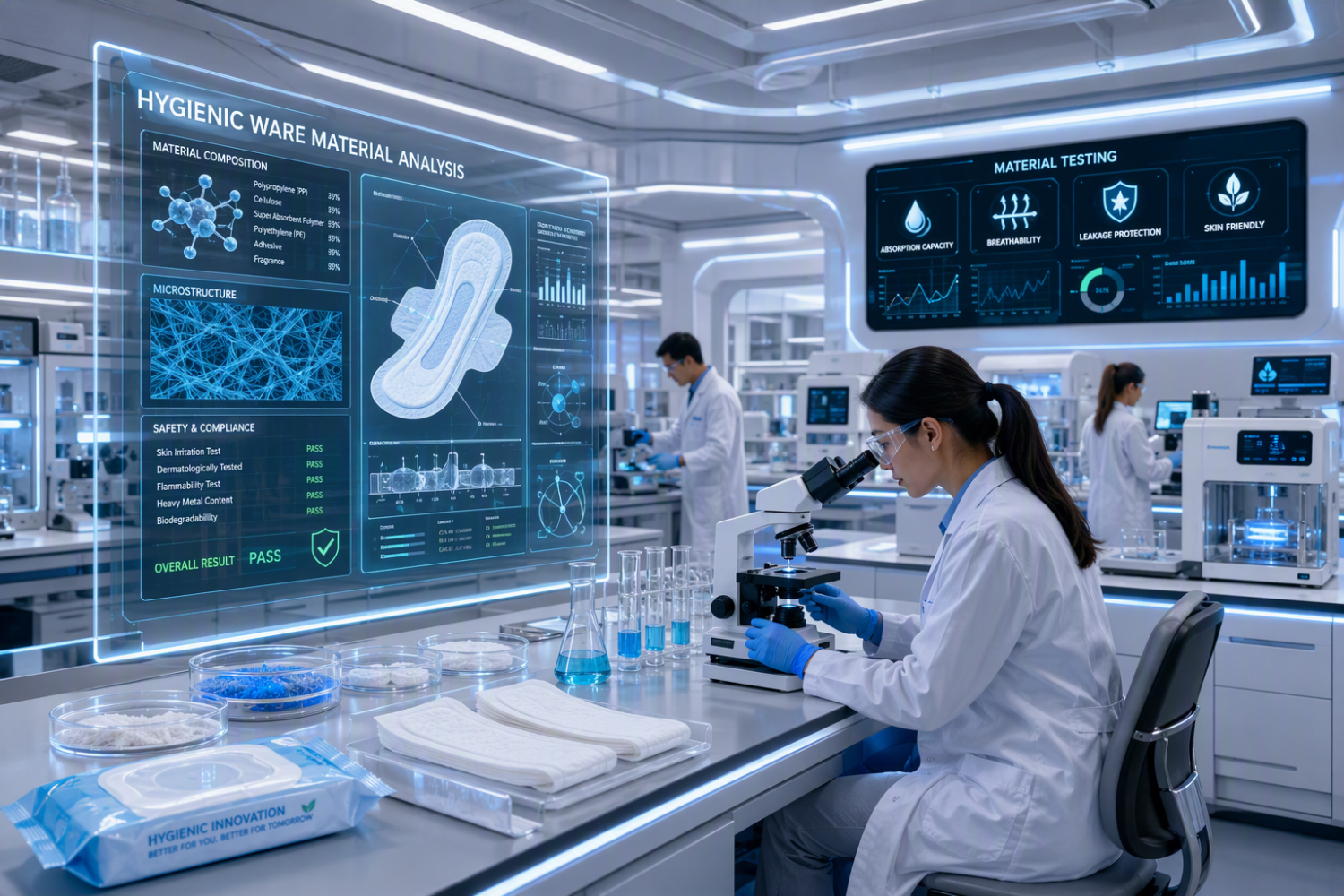
Health and Hygiene Ware Material Testing: Ensuring Quality, Safety, and Compliance
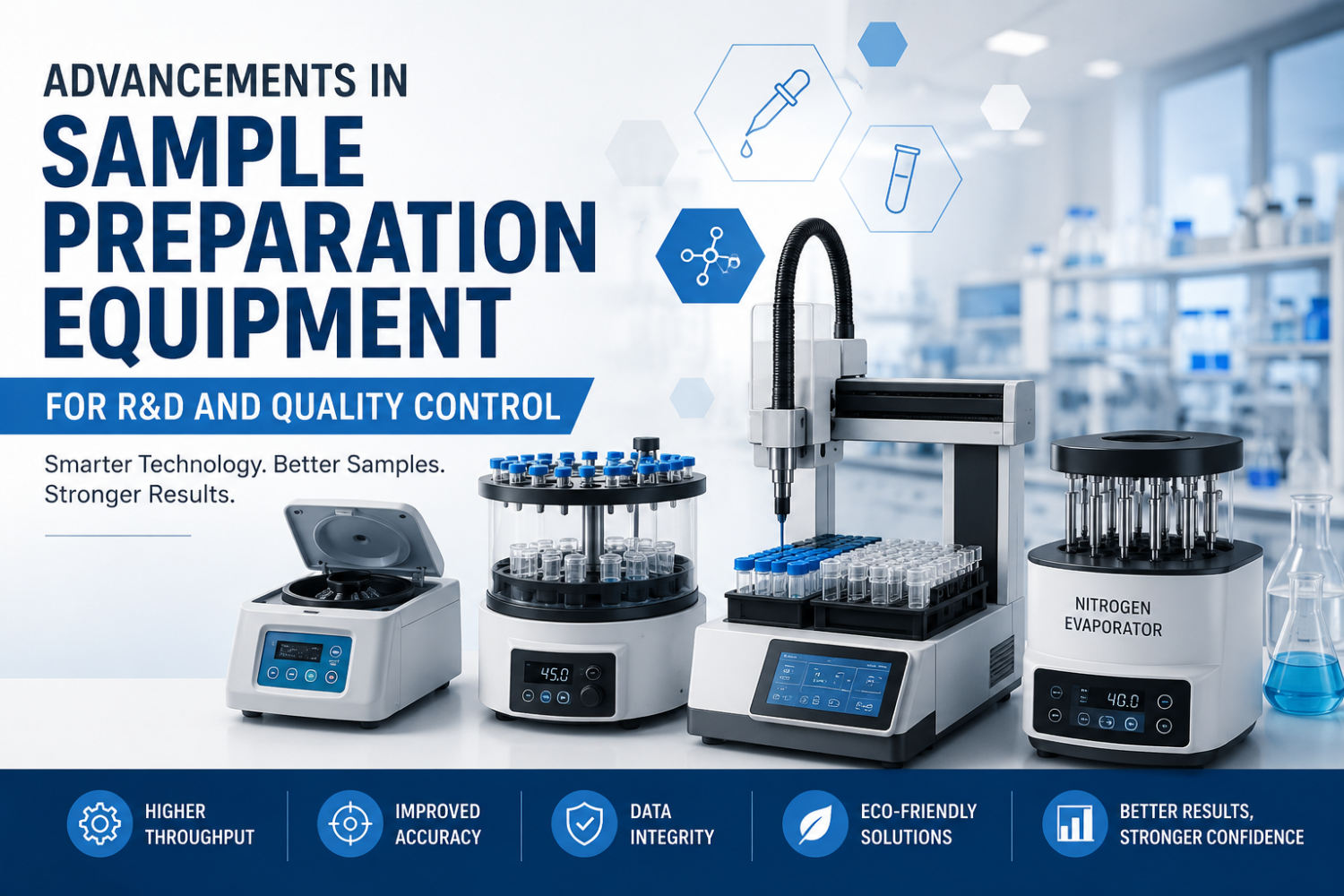
Advancements in Sample Preparation Equipment for R&D and Quality Control
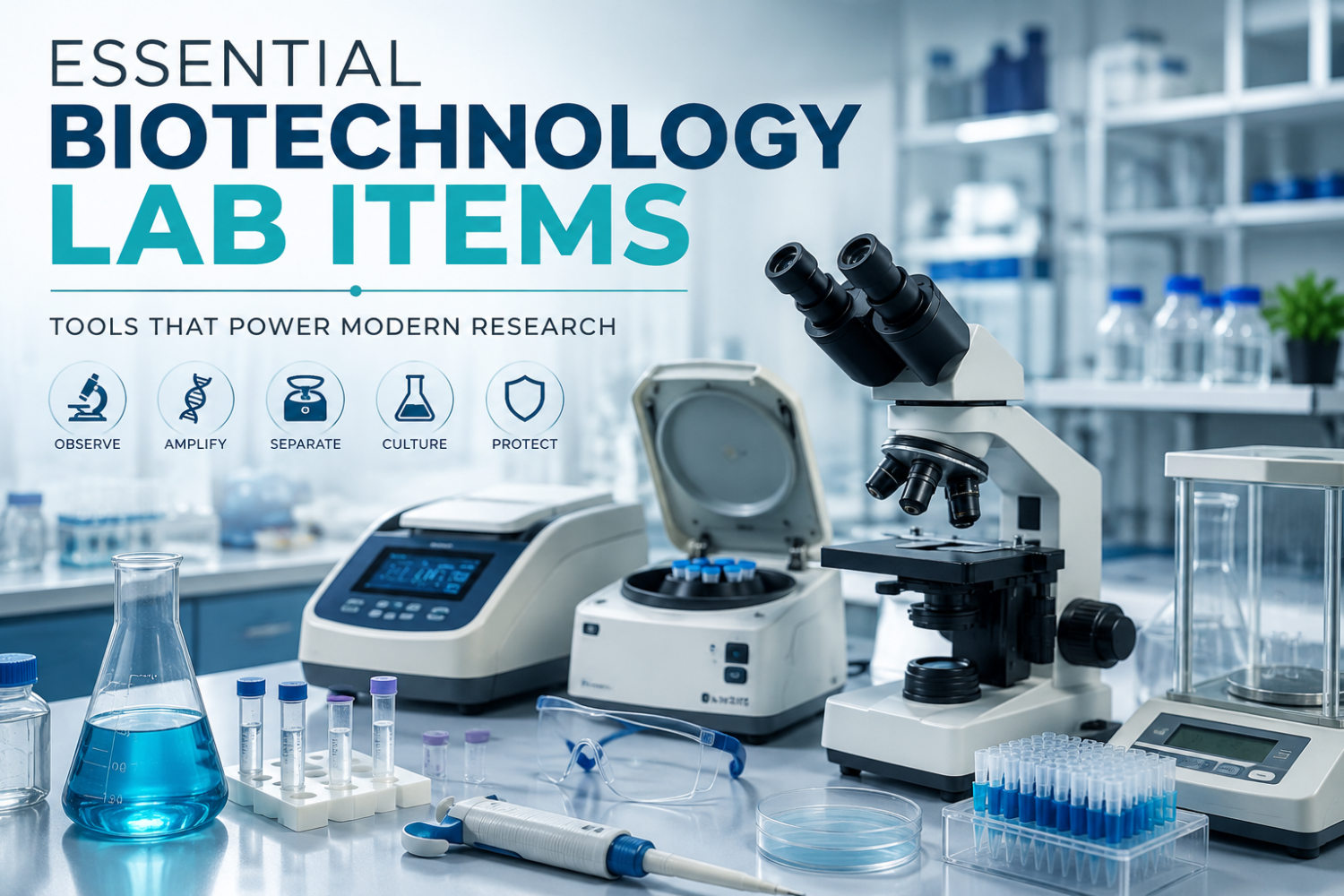
Essential Biotechnology Lab Items and Their Applications in Modern Research


Understanding ETP – Effluent Treatment Plant and Its Importance in Industry
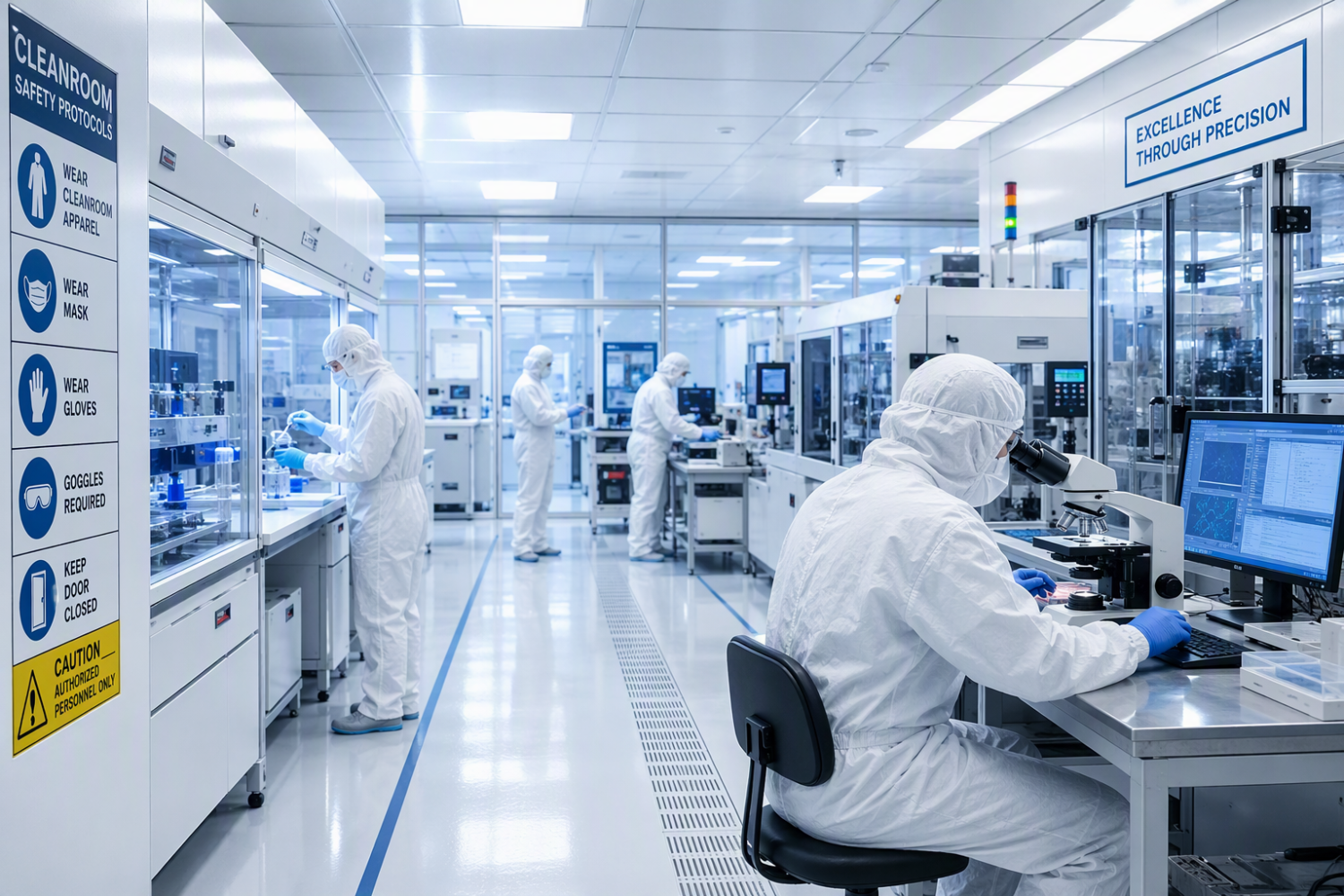
Why a Reliable Cleanroom Solution is Critical for Laboratory and Production Safety?
Optimum Solution– Laboratory & Analytical Instruments Supplier in Bangladesh
Optimum Solution is a leading supplier of laboratory equipment, analytical instruments, and process control solutions in Bangladesh. Since our inception, we have built a strong presence in the industry, serving research labs, universities, pharmaceutical companies, and quality control laboratories nationwide. Through continuous dedication to improving our products and services, Optimum Solution has earned the trust and loyalty of our valued clients.


