
-
 Analytical & Elemental Instruments
-
Biotechnology Lab Items
-
Cardboard and Box Factory Lab Equipment Solution
-
Cleanroom Solution
-
Consumables & Accessories
-
Dosing Pump for Chemicals
-
Electrochemistry & Titration
-
ETP -Effluent Treatment Plant
-
Feed Quality Laboratory
-
Food & Kitchen Lab Items
-
Hygiene Testing Equipment
-
Lab Furniture



How Production Machineries Are Transforming Industrial Efficiency?
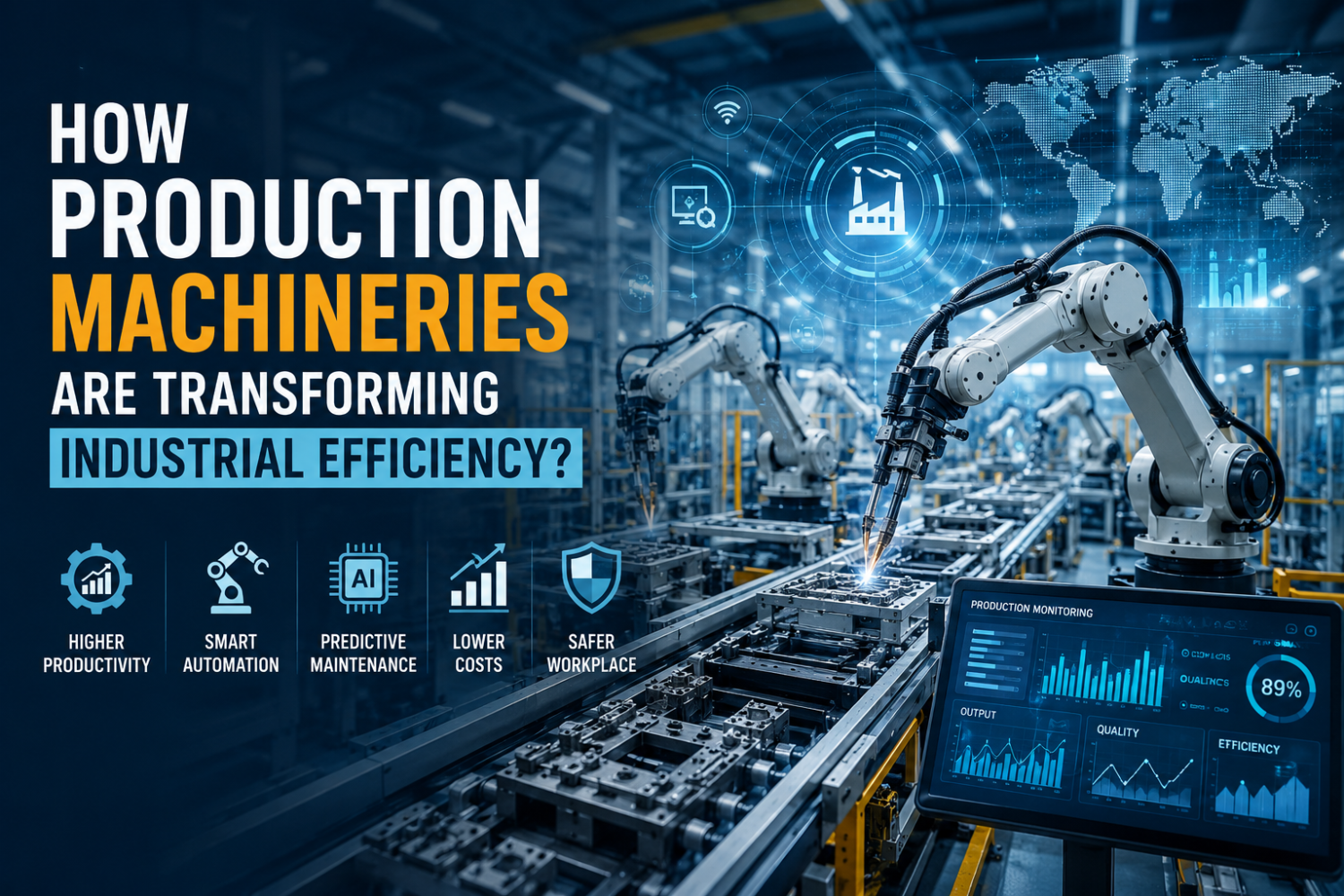
Industrial machinery is changing the way factories work. It is no longer just about making more products in less time. Today, smart machines help improve the full production process, from material handling to final inspection. This shift gives manufacturers better operational efficiency, stronger product consistency, and fewer stops on the factory floor. You can see the change in assembly lines, quality checks, and maintenance planning. Machines now do more than move parts. They collect data, support faster decisions, and help teams solve problems before they grow. For companies that want better output and lower waste, modern machinery has become a practical tool, not a future idea. To understand that change, it helps to look at how production equipment evolved over time.
Key Highlights
Modern production machineries improve industrial efficiency by speeding up the production process and reducing delays across the manufacturing industry.
Automation technologies help factories raise manufacturing efficiency with less manual work, fewer mistakes, and better use of time.
Smart manufacturing connects machines, sensors, and software, giving teams real-time visibility into output, quality control, and machine health.
Artificial intelligence supports predictive maintenance, process improvement, and faster decisions, which can cut downtime and lower operating pressure.
Digital transformation is helping manufacturers improve product consistency, reduce waste, and control costs in both simple and complex operations.
New machinery systems also support safer work by handling repetitive or physically demanding tasks alongside human workers.
Evolution of Production Machineries in Industrial Settings
Production machineries have changed the manufacturing process step by step. Early factories depended heavily on manual labor, which made output slower and less consistent. As industrial machinery improved, production lines became faster, more organized, and easier to scale. This helped the manufacturing industry produce larger volumes with better control.
Now, technological advancements and digital transformation are pushing that progress even further. Machines can monitor performance, support quality checks, and reduce delays through smarter control systems. That is how production machineries are currently improving industrial efficiency. They do more work with greater accuracy and less waste. The next sections show how this shift moved from hand-driven work to connected and intelligent factory systems.
From Manual Labor to Mechanized Processes
In the beginning, factories depended on manual labor for almost every step. Human workers lifted materials, operated basic tools, and checked finished goods by eye. That approach worked, but it limited speed and made the production process harder to control. Output depended too much on physical effort, skill differences, and long hours.
Then mechanized processes changed the pace of manufacturing operations. Machines took over jobs that were repetitive, heavy, or time-sensitive. This improved efficiency because equipment could run with more steadiness than people alone. A production line became easier to organize when machines handled the same movement or task again and again. That led to better manufacturing efficiency and more dependable results.
Today, the same pattern continues at a higher level. Production machineries are currently improving industrial efficiency by reducing physical strain, raising output, and supporting more accurate work. Human workers still matter, but their role has shifted. Instead of doing every step by hand, they guide systems, solve problems, and manage more complex tasks. This balance between people and machines helps factories produce more while keeping operations smoother and more consistent.
Major Milestones in Machinery Advancement
Machinery advancement did not happen all at once. It moved through clear stages, and each stage changed how factories operated. Early machine tools improved basic cutting, shaping, and assembly work. Later, automation technologies started to handle repeat tasks with less direct control from workers. That made the production line faster and easier to standardize.
A few milestones stand out because they changed both speed and product quality in a big way:
Mechanized machine tools reduced hand-based work and improved repeatability.
Automated production line systems increased output and supported more stable workflows.
Smart factories introduced connected machines, sensors, and data sharing across operations.
Collaborative robots added flexible support for assembly, lifting, and repetitive handling.
Digital twins created virtual models that help test changes before real production starts.
These technological advancements are transforming manufacturing processes because they improve control at every step. Factories can now inspect products in real time, react faster to issues, and adjust processes with more confidence. Instead of relying only on past experience, teams can use connected systems to guide decisions. That means higher reliability, lower waste, and stronger performance across modern manufacturing environments.
Impact on American Manufacturing Over Time
American manufacturing has changed with every wave of machinery improvement. As equipment became more advanced, factories could produce more goods with better consistency. This helped the manufacturing industry grow stronger and serve larger markets. Over time, machines also supported safer working conditions by taking on harder physical jobs.
Another major effect has been cost control. Better machinery has helped companies reduce operational costs by cutting waste, lowering downtime, and improving how labor is used. That matters in a global market where speed, quality, and price all shape competitiveness. When factories can produce efficiently, they are better prepared to handle pressure from overseas producers.
The industrial landscape in the United States now depends heavily on smarter production systems. That is how production machineries are currently improving industrial efficiency. They support faster output, stronger process control, and better use of resources. For American manufacturing, this has meant a shift from volume alone to smarter, more resilient operations that can respond to market changes with greater confidence.
Core Benefits of Modern Industrial Machinery
Modern industrial machinery brings practical value to the factory floor. It helps companies improve manufacturing efficiency by speeding up routine steps, reducing variation, and supporting better control during manufacturing operations. That means higher output without depending on constant human intervention for every task.
It also improves product quality while lowering operational costs. Automation solutions can inspect, move, sort, and assemble with more consistency than manual methods alone. The result is better cost savings through less waste, fewer reworks, and shorter downtime. If a company wants to improve manufacturing efficiency using modern industrial machinery, the path is clear: use smarter equipment to create stable workflows, accurate production, and stronger daily performance. The next sections break those benefits down in simple terms.
Increased Output and Consistency
One of the clearest gains from modern machinery is higher output. Machines can work longer and faster on repeat jobs, which helps factories produce more units in the same amount of time. In a busy production process, that speed matters. It helps orders move through the plant with fewer slow points.
At the same time, industrial automation improves consistency. Assembly lines work best when each step happens the same way every time. Machines are good at that. They follow set instructions, keep timing steady, and reduce unwanted variation. This leads to more consistent product quality, which is important for customer trust and lower rework rates.
That is one reason production machineries are currently improving industrial efficiency. They do not just increase output. They also support a more reliable workflow from start to finish. Better manufacturing efficiency comes when factories can make more products without losing quality. With modern equipment in place, teams spend less time fixing uneven results and more time keeping production moving in a smooth and controlled way.
Enhanced Precision and Quality Assurance
Precision is a major reason factories invest in better machinery. Many products need exact cuts, placements, or measurements. A small mistake can create waste or lead to defects. Modern equipment handles these steps with greater precision, which helps factories stay on target more often and with less effort.
That improvement strengthens quality control and quality assurance. Smart technology can inspect parts in real time, compare them to set standards, and flag issues quickly. Instead of waiting until the end of the line, teams can catch problems during production. This helps protect product quality and keeps defects from spreading across large batches.
Automation directly affects industrial productivity because accurate work reduces interruptions. Fewer defects mean fewer delays, fewer returns, and less lost material. Digital transformation has made this easier by linking machines, sensors, and software into a shared system. With better data and faster feedback, factories can keep standards high while moving at a strong pace. In simple terms, more precision leads to better products and a more productive operation.
Reduction of Human Error and Downtime
Human error is common in repetitive tasks. People get tired, distracted, or rushed, especially in fast-moving manufacturing plants. When the same action must happen hundreds or thousands of times, even skilled workers can make mistakes. Those mistakes can lead to scrap, rework, or safety concerns.
Automation technologies reduce that risk by handling repeat actions with stable performance. Machines do not lose focus during long runs. They can place, lift, sort, and assemble with minimal human intervention once the system is set correctly. This lowers variation and helps improve operational efficiency across the floor. It also frees workers to focus on checks, planning, and more valuable tasks.
Industrial automation helps maximize manufacturing efficiency because it also cuts downtime. Modern systems can detect issues early, and predictive maintenance tools help prevent sudden equipment failure. Less downtime means fewer production stops and better use of labor, materials, and machine time. When factories reduce human error and keep equipment running longer, they gain a smoother workflow and stronger overall performance.
How Automation Is Maximizing Manufacturing Efficiency
Automation is now central to a stronger manufacturing process. It helps factories move materials, assemble products, inspect parts, and manage data with more speed and consistency. This improves manufacturing efficiency because tasks happen in a planned and repeatable way. Industrial automation also supports better use of time, equipment, and raw materials.
There is another advantage. Human workers can shift away from routine steps and spend more time on supervision, adjustments, and problem-solving. AI algorithms add even more value by finding patterns, spotting bottlenecks, and supporting smarter decisions. That mix of machine speed and human judgment creates real cost savings. To see how that works in daily operations, it helps to look at the most common automated systems in use today.
Key Types of Automated Machines Used Today
Factories use many automated machines today, and each type solves a different problem. Some improve speed on assembly lines. Others improve handling, inspection, or movement across the floor. In smart factories, these systems often connect through the industrial internet of things, which allows machines to share data and support better timing.
Here are some common types of production machines boosting efficiency:
Automated assembly line equipment for fast, repeatable product building
Collaborative robots that work beside people on support tasks
Computer vision inspection systems for real-time defect detection
Smart material handling systems that move goods with less delay
Sensor-connected machines that feed data into factory control systems
These automated machines improve output because they reduce waiting time and standardize daily work. A collaborative robot can assist with lifting or placement. An inspection system can catch defects early. Connected factory equipment can alert teams when performance drops. Together, these tools make smart factories more responsive and easier to manage. That is why automated machinery plays such a strong role in modern manufacturing efficiency.
Real-World Examples of Automation Improving Workflow
You can see workflow gains when automation solutions handle the slowest or most repetitive steps. In many manufacturing operations, material handling takes more time than expected. Moving parts, loading stations, and shifting finished items can create delays if done manually. Automated systems reduce those pauses and keep work moving.
Another example comes from inspection and maintenance. Industrial automation can check products as they move through the line, rather than waiting until the end. That shortens the feedback loop and helps teams fix issues sooner. Predictive maintenance also improves workflow by warning teams before a machine fails. This prevents surprise breakdowns and protects daily output.
These changes lead to cost savings because factories waste less time, labor, and material. Workflow improves when equipment, inspection, and handling all work together in a coordinated way. Instead of reacting to problems after they spread, teams can manage them earlier. That is how industrial automation helps maximize manufacturing efficiency in real settings: it creates a steadier flow of work from one step to the next.
The Role of Robotics and Smart Sensors in Efficiency Gains
Robotics has become a practical tool for factories that want better speed and control. Robots are useful for lifting, placing, sorting, and other repeat tasks that need steady movement. Some systems also support complex tasks when accuracy matters. This makes the manufacturing process more stable and easier to scale.
Smart sensors add another layer of value. They track temperature, movement, pressure, and machine condition in real time. That constant data collection helps teams understand what is happening on the line at each moment. If a machine starts running outside normal limits, the system can alert workers before the issue becomes costly.
When AI is integrated into production machinery, workflow efficiency increases because robotics and sensors work as one system. AI can study patterns from sensor data, adjust settings, and support better timing across machines. That means fewer interruptions and better use of available capacity. In simple terms, robotics handles the action, smart sensors provide the facts, and AI helps turn those facts into faster and smarter decisions.
The AI Revolution: Smart Manufacturing for Process Improvements
Artificial intelligence is pushing smart manufacturing into a new stage. It helps factories move beyond fixed automation by using data to guide actions. AI algorithms can detect patterns, predict problems, and support better decisions during production. This creates real process improvement across inspection, maintenance, scheduling, and output control.
The impact on factory production efficiency is strong because AI helps the manufacturing industry respond faster and waste less. Through digital transformation, machines are becoming more aware of what is happening around them. They can signal issues, support product checks, and improve planning with better timing. That raises manufacturing efficiency without relying only on manual oversight. The next sections show how AI connects with machines, data, and future factory models in the United States.
Integrating Artificial Intelligence With Production Machines
Artificial intelligence works best in manufacturing when it connects directly with production machines. Instead of running as a separate reporting tool, it becomes part of the manufacturing process. AI algorithms can review machine performance, product checks, and line conditions while production is still active. That allows faster responses.
Machine learning improves this even more over time. As systems receive more data, they get better at spotting patterns, identifying unusual behavior, and supporting smarter action. When connected through the industrial internet of things, machines, sensors, and software can share updates continuously. This helps factories build a more informed and flexible operating system.
So how does integrating AI into production machinery increase workflow efficiency? It shortens the gap between problem detection and action. A machine can warn a team about wear, suggest a process change, or support quality checks before defects spread. With better timing and more accurate decisions, production moves with fewer disruptions. That is why artificial intelligence is becoming such an important part of modern factory performance.
Predictive Maintenance and Data-Driven Optimization
Predictive maintenance is one of the most useful AI applications in manufacturing plants. Instead of waiting for a breakdown, factories use sensors and machine learning to watch equipment condition over time. This helps teams plan service before a failure happens. The result is better operational efficiency and less unplanned downtime.
Data-driven optimization works in a similar way. It uses data analytics from machines, inspections, and workflows to identify weak points. With support from the industrial internet of things, factories can compare patterns, adjust schedules, and improve equipment use. This creates a more stable flow of work and better control over cost and performance.
Here is a simple text table showing how these tools support workflow efficiency:
Function | How It Helps Manufacturing |
|---|---|
Predictive maintenance | Finds wear early and prevents sudden machine failure |
Sensor monitoring | Tracks machine condition in real time |
Data analytics | Shows bottlenecks, waste, and weak process areas |
Machine learning | Improves predictions as more operating data is collected |
Connected devices | Share updates across systems through the industrial internet of things |
When factories use this approach, they reduce interruptions and make better day-to-day decisions.
The Future of Industrial AI in the United States
The future of manufacturing in the United States is closely tied to industrial AI. Factories are moving toward smarter systems that can monitor operations, simulate changes, and support faster decisions. This matters because the manufacturing industry faces pressure to improve efficiency, handle complexity, and stay competitive in changing markets.
Smart manufacturing is important for process improvement because it connects information with action. Tools such as digital twins allow factories to test scenarios before making physical changes. Generative AI is also starting to influence product design by exploring options that reduce waste and improve performance. These tools help plants learn faster and adjust with less risk.
Looking ahead, industrial AI is expected to support more connected, flexible, and responsive operations across the United States. It can improve planning, reduce downtime, and help factories manage advanced systems with more confidence. The future is not just more automation. It is better coordination between machines, software, and people. That is what gives smart manufacturing its long-term value.
Challenges and Solutions When Upgrading to Advanced Machinery
Upgrading to advanced machinery can bring big gains, but the move is not always easy. Manufacturing plants often face challenges with integration, training, data quality, and high starting costs. Some older systems do not connect well with new tools, which can slow digital transformation and create potential issues during setup.
There is also the people side. Human workers may need support to learn new systems, and some teams may worry about change. At the same time, businesses want clear cost savings and proof that the investment will pay off. Factories that plan carefully can manage these problems better. The next sections look at practical ways to handle integration, return on investment, and cybersecurity during machinery upgrades.
Overcoming Integration and Training Barriers
One of the biggest challenges factories face when upgrading to advanced industrial machinery is integration. Many sites still use older equipment that was not designed to connect with modern software or sensor systems. When new technology enters that environment, setup can become slow, expensive, and technically difficult.
Training is just as important. Human workers need time to understand new controls, new data systems, and new ways of working. Without proper training, even useful equipment can create confusion in manufacturing operations. Some employees may also resist the change because they worry about job loss or feel unsure about the new tools.
The best response is a phased approach. Instead of changing everything at once, factories can upgrade step by step and give teams clear support. Digital transformation works better when people understand the goal and see how the machinery helps them do their jobs. Strong training, good communication, and realistic rollout plans reduce disruption and help new systems fit more smoothly into daily operations.
Managing Costs and Return on Investment
Cost is often the first concern during a machinery upgrade. Advanced systems can require large initial costs for hardware, software, sensors, and setup. For smaller manufacturers, that can feel risky. Even large plants need to justify the spending before moving ahead.
The challenge gets harder when ROI takes time to appear. Some improvements, like lower downtime or better assembly lines, build value slowly. A company may know the machinery will help manufacturing efficiency, but leaders still want clear proof. That is why uncertainty in ROI remains one of the main hurdles in adopting new industrial machinery.
A practical solution is phased investment with measurable goals. Companies can target one problem area first, such as bottlenecks, quality losses, or high operational costs. Then they can track cost savings, output gains, and waste reduction over time. This makes the business case easier to see. When upgrades are tied to real factory pain points, the return becomes easier to measure and easier to trust.
Ensuring Cybersecurity and Data Protection
As factories add more connected systems, cybersecurity becomes a serious concern. Smart technology often links machines, sensors, cloud platforms, and control software. That improves visibility, but it also increases risk. A cyberattack can disrupt manufacturing operations, lock systems, or expose sensitive data.
The industrial internet of things makes this challenge more urgent because many devices are always connected and always sharing information. AI algorithms may depend on that data to guide maintenance, inspection, or scheduling. If the data is changed, stolen, or blocked, factory performance can suffer. That is why data protection must be part of every upgrade plan.
Factories can reduce risk by building strong security practices from the start. That includes protected networks, access controls, regular updates, and clear internal policies. Teams also need awareness training, since people often play a role in cyber incidents. Upgrading machinery without thinking about cybersecurity creates avoidable exposure. Safer digital systems help manufacturers gain the benefits of connected production without opening the door to major disruption.
Latest Trends Transforming the Industrial Machinery Sector
Industrial machinery is changing fast, and the latest trends show a clear direction. Factories are investing in digital transformation to improve flexibility, visibility, and control. Smart factories, digital twins, and better connected systems are helping businesses react faster to production and supply chain management needs.
Another important shift involves energy efficiency and more adaptable production methods. Additive manufacturing, modular systems, and sustainable machine technologies are becoming more relevant as companies respond to pressure from the global market. These trends matter because they support better output, lower waste, and stronger resilience. If you want to understand where the sector is heading, it helps to look closely at virtual modeling, green equipment, and modular production systems. Each one is changing how factories plan and operate.
Digital Twins and Virtual Modeling
Digital twins are one of the most important changes in modern industry. A digital twin is a virtual version of a machine, production line, or factory. With virtual modeling, manufacturers can study how a system behaves before making changes in the real world. That lowers risk and improves planning.
This is useful in product design as well as the manufacturing process. Teams can test different settings, layouts, or timing decisions without stopping production. Because digital twins can work with real time data, they also help factories monitor performance while operations continue. That creates a stronger link between planning and live production.
The result is better operational efficiency. Problems can be predicted earlier, designs can be improved faster, and process changes can be tested more safely. Digital twins also help reduce waste because factories do not need to rely only on trial and error. As industries look for smarter ways to run complex systems, virtual modeling is becoming a practical tool, not just a technical extra.
Sustainable and Energy-Efficient Machine Technologies
Sustainability is now a major part of machinery decisions. Manufacturers are under pressure to reduce environmental impact while keeping output strong. That is why energy-efficient machine technologies are gaining attention. They help factories lower energy consumption without slowing the manufacturing process.
Some companies are also exploring renewable energy and smarter energy management systems. AI can track usage patterns and help adjust power distribution across equipment. This supports energy efficiency and reduces waste. Over time, that can also lower operating pressure and support long-term environmental goals.
These changes are becoming a strong trend because green manufacturing is no longer separate from business performance. Better machine efficiency can reduce emissions, waste, and unnecessary power use. It can also support compliance with growing sustainability goals. For factories that want to stay competitive, energy-aware equipment is becoming a practical step toward cleaner and more responsible operations.
Modular and Customizable Production Systems
Modular production is changing how factories expand and adapt. Instead of relying on one fixed setup, companies can build manufacturing operations from smaller units that are easier to move, update, or reconfigure. This gives factories more flexibility when product demand changes or new needs appear.
Customizable systems are useful for a wide range of industries because they support both standard output and special requirements. They can also help with supply chain pressure. When production systems are easier to adjust, manufacturers can respond faster to shifts in material supply, customer demand, or local market needs. This makes operations more resilient.
These systems also support complex tasks by allowing factories to mix different tools, workflows, and machine types in one environment. A modular setup can grow step by step instead of forcing a full redesign. That makes change easier to manage. As the industrial machinery sector continues to evolve, modular and customizable production systems are becoming a smart way to combine efficiency with flexibility.
Conclusion
The evolution of production machineries has significantly transformed industrial efficiency, paving the way for increased output, precision, and reduced human error. As we embrace automation and artificial intelligence, the manufacturing landscape continues to adapt, offering innovative solutions that enhance workflow and optimize processes. However, navigating the challenges of upgrading to advanced machinery requires careful planning and execution. By staying informed about the latest trends and technologies, businesses can harness the full potential of modern industrial machinery. If you're ready to explore how these advancements can benefit your operations, don't hesitate to reach out and schedule a free consultation with our experts.
Frequently Asked Questions
How does automation directly affect industrial productivity?
Automation directly improves industrial productivity by making routine work faster, steadier, and easier to control. Automation technologies reduce delays, lower reliance on constant human intervention, and help machines perform repeat tasks with the same result each time. That improves operational efficiency and supports consistent product quality. It also reduces mistakes and keeps workflows moving. When factories use automation well, they spend less time fixing errors and more time producing at a reliable pace.
What are some common types of production machines boosting efficiency?
Common production machines that improve manufacturing efficiency include automated machines on assembly lines, collaborative robots, computer vision inspection systems, and sensor-based material handling equipment. These tools help factories move products faster, reduce variation, and improve quality checks. Smart technology also allows machines to share data and support quicker decisions. Together, these production machines help teams maintain stronger output, smoother workflows, and better use of time and resources across the factory floor.
What are the biggest hurdles in adopting new industrial machinery?
The biggest hurdles in adopting new industrial machinery are high starting costs, difficult integration with older systems, and the need for worker training. Many factories want cost savings, but the return may take time to prove. Integration can also interrupt the manufacturing process if new equipment does not fit existing workflows. On top of that, teams need clear training and support to use the machinery well. A phased rollout usually makes adoption easier and less risky.
Recent Posts
The Role of Laboratory Safety & Environmental Monitoring in Risk Prevention
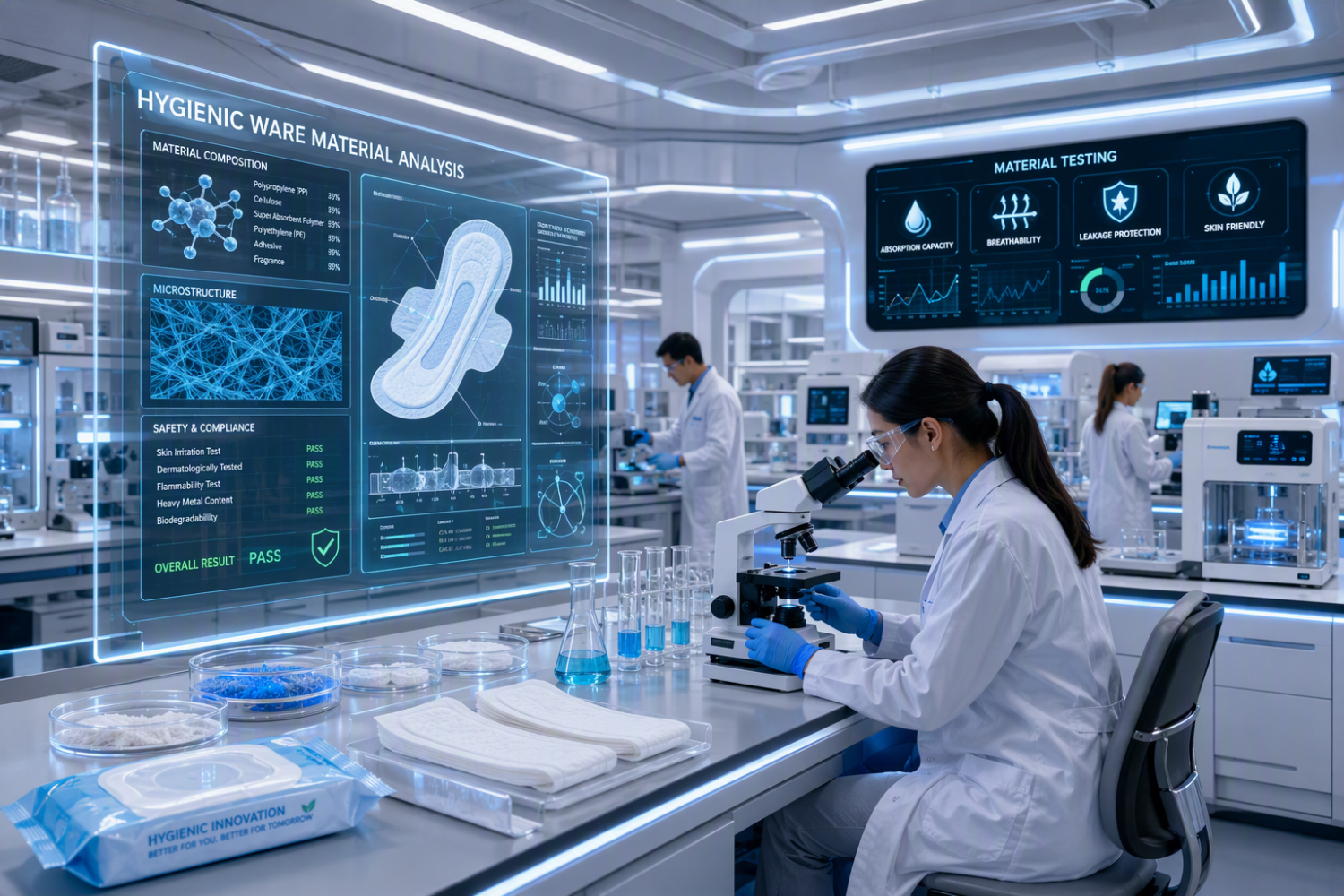
Health and Hygiene Ware Material Testing: Ensuring Quality, Safety, and Compliance
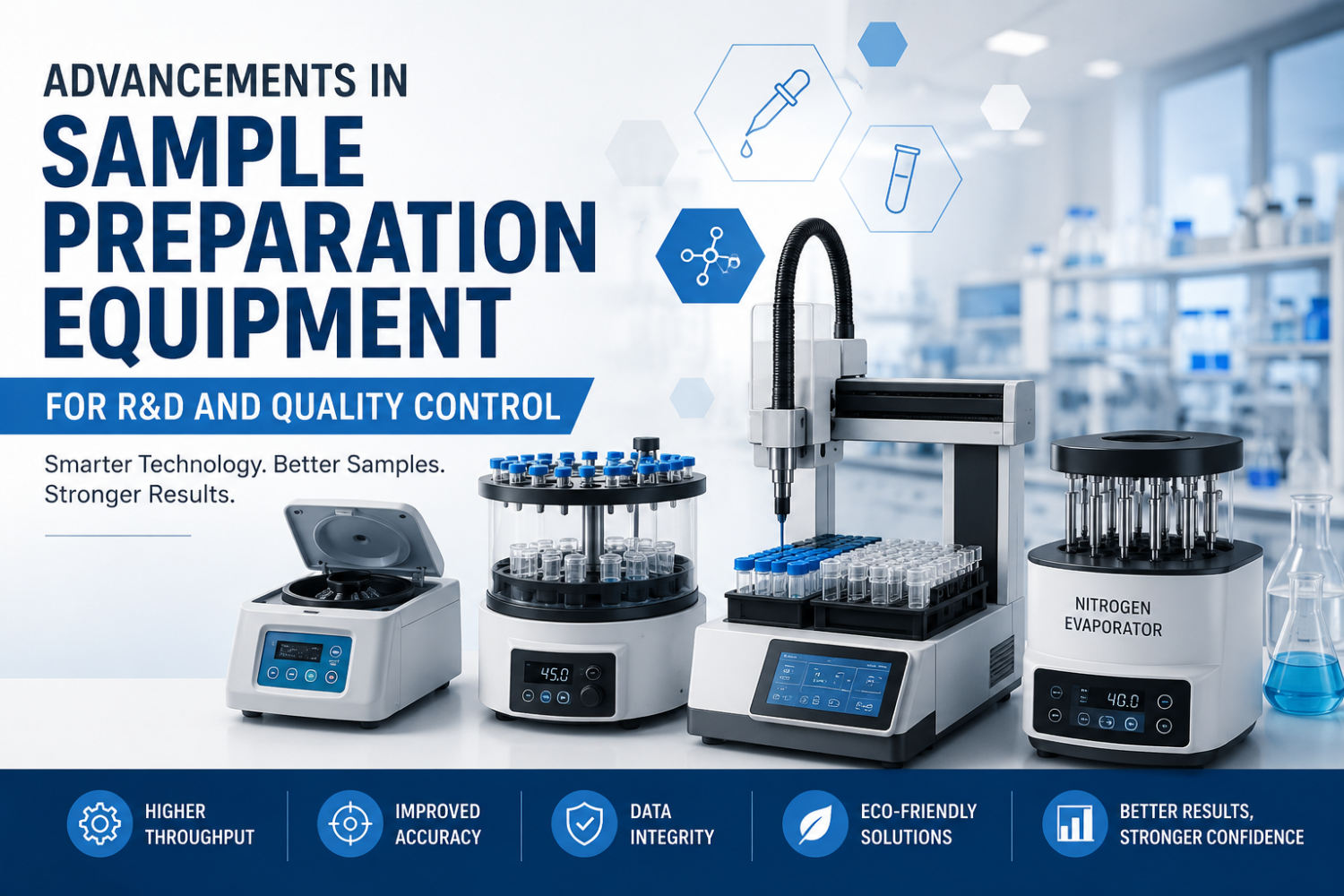
Advancements in Sample Preparation Equipment for R&D and Quality Control
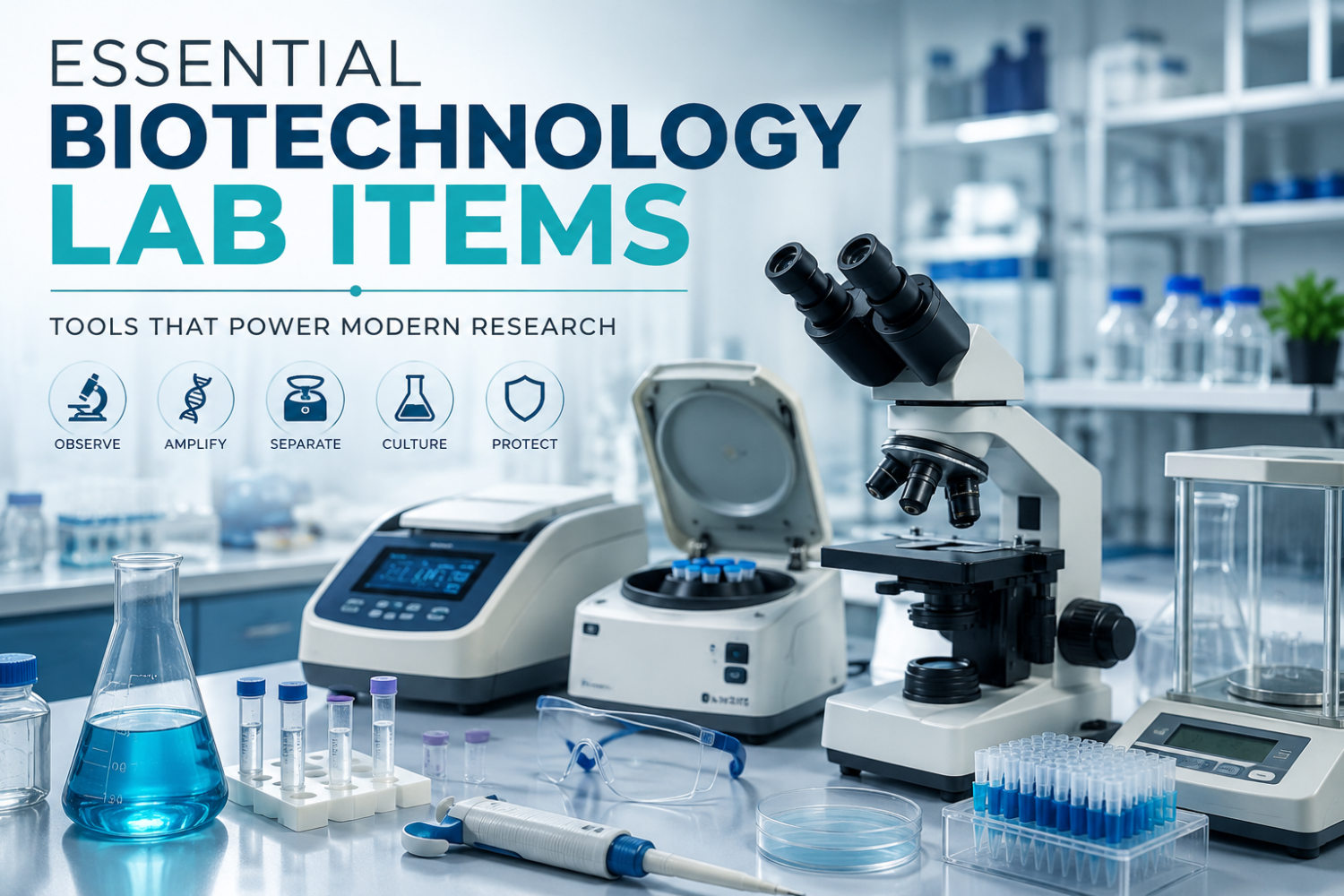
Essential Biotechnology Lab Items and Their Applications in Modern Research

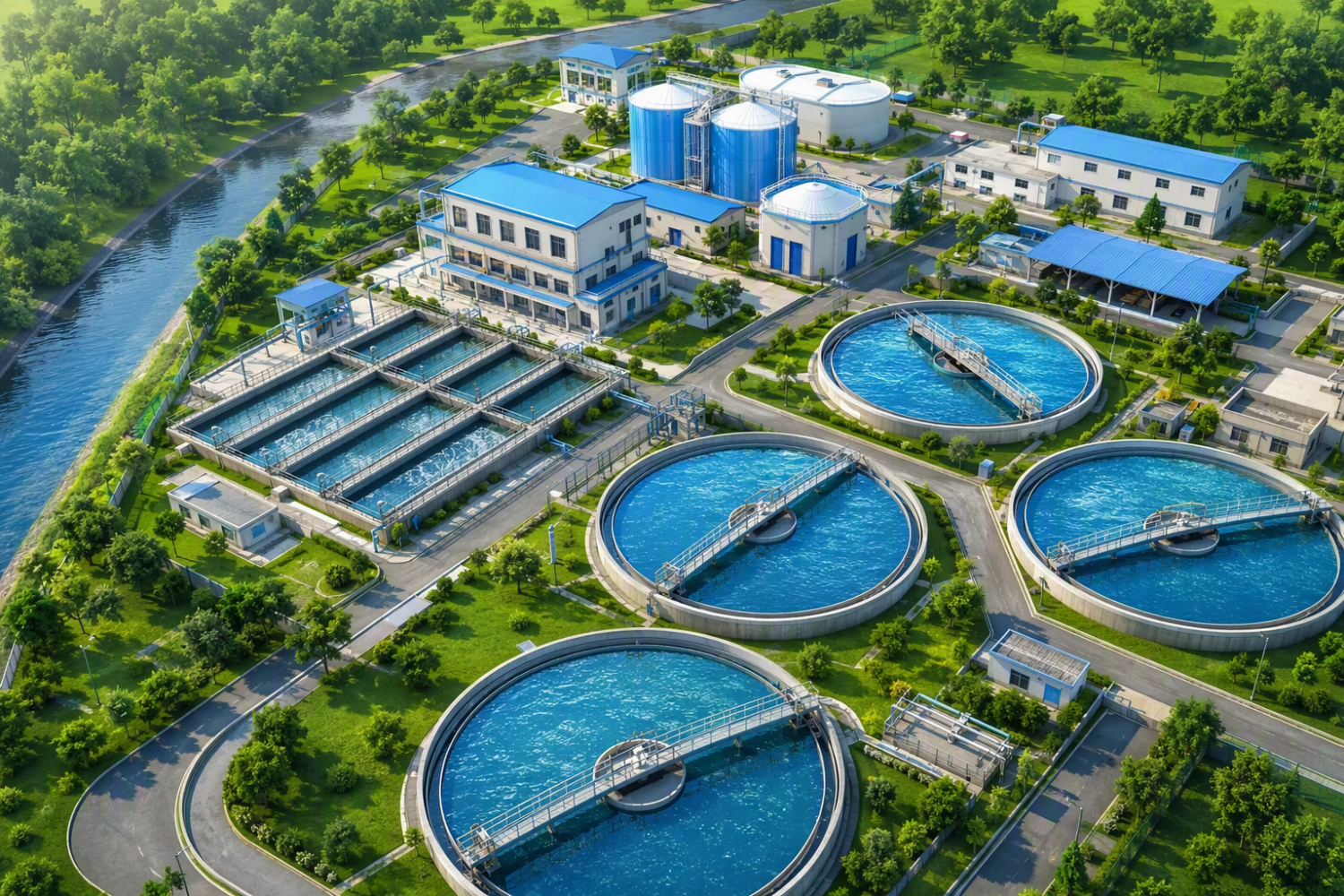
Understanding ETP – Effluent Treatment Plant and Its Importance in Industry
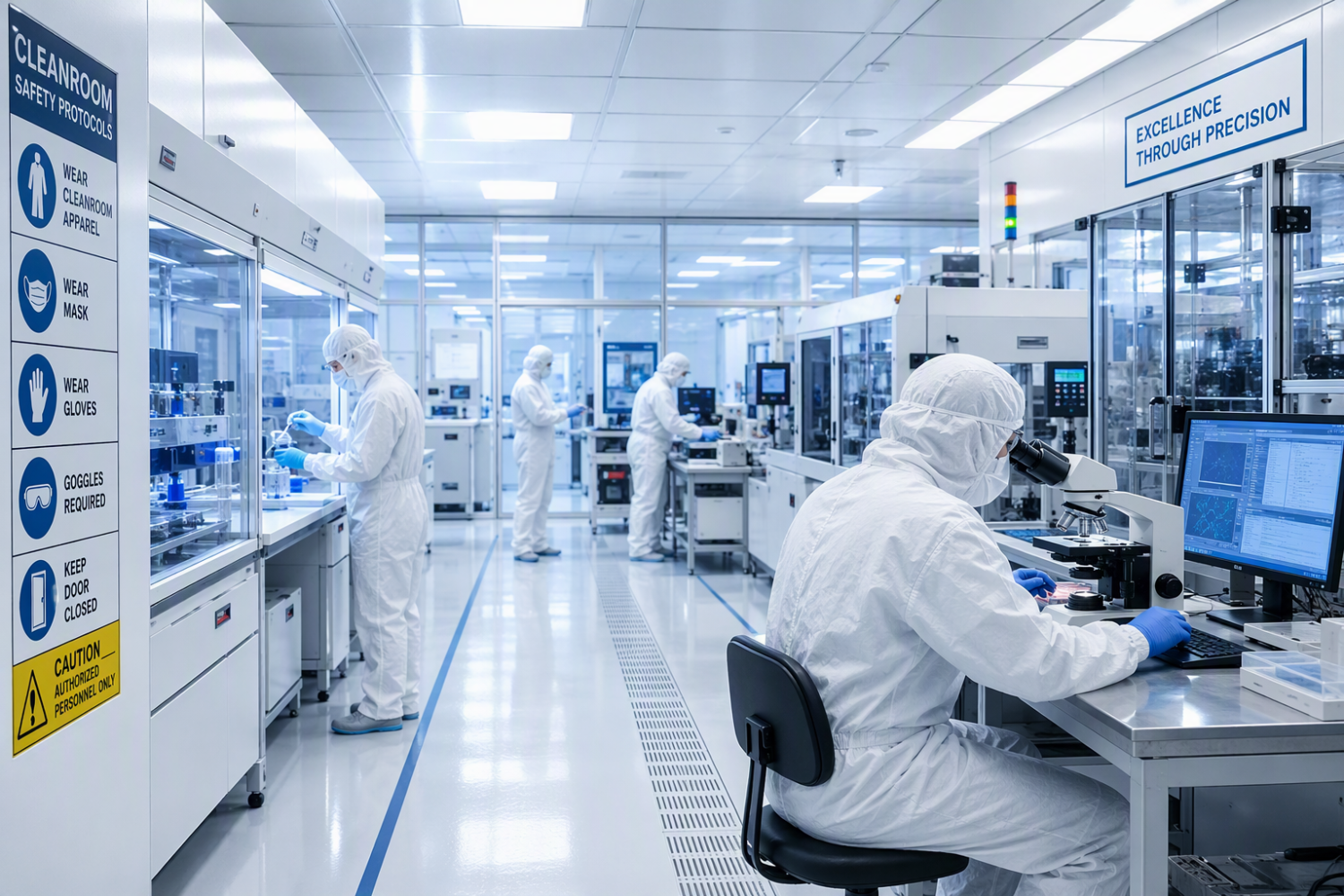
Why a Reliable Cleanroom Solution is Critical for Laboratory and Production Safety?
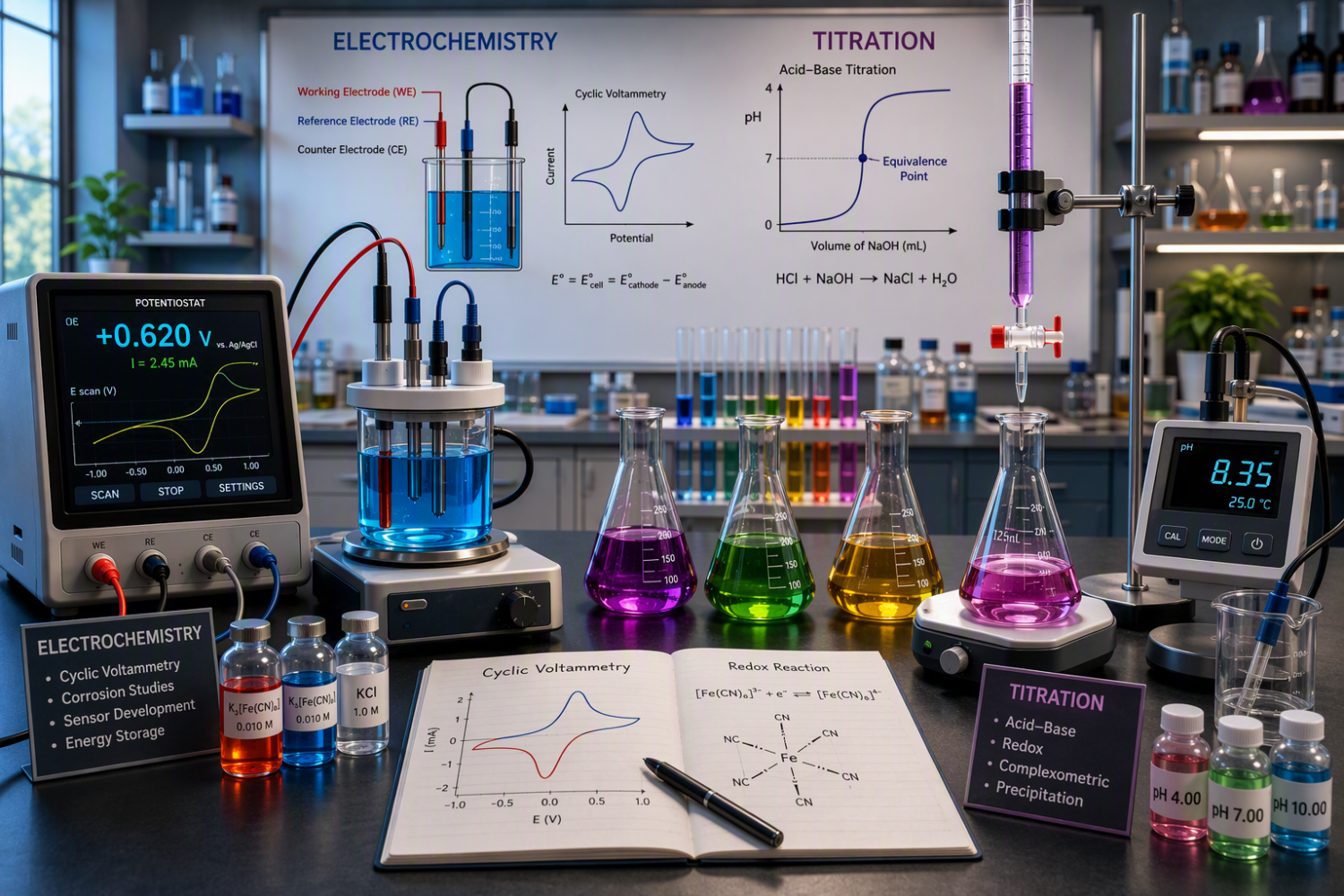
The Role of Electrochemistry & Titration in Modern Analytical Chemistry
Optimum Solution– Laboratory & Analytical Instruments Supplier in Bangladesh
Optimum Solution is a leading supplier of laboratory equipment, analytical instruments, and process control solutions in Bangladesh. Since our inception, we have built a strong presence in the industry, serving research labs, universities, pharmaceutical companies, and quality control laboratories nationwide. Through continuous dedication to improving our products and services, Optimum Solution has earned the trust and loyalty of our valued clients.


