
-
 Analytical & Elemental Instruments
-
Biotechnology Lab Items
-
Cardboard and Box Factory Lab Equipment Solution
-
Cleanroom Solution
-
Consumables & Accessories
-
Dosing Pump for Chemicals
-
Electrochemistry & Titration
-
ETP -Effluent Treatment Plant
-
Feed Quality Laboratory
-
Food & Kitchen Lab Items
-
Hygiene Testing Equipment
-
Lab Furniture




Good Laboratory Practice (GLP): Ensuring Excellence in Scientific Endeavors

Good Laboratory
Practice (GLP): Ensuring Excellence in Scientific Endeavors
Introduction
Good
Laboratory Practice (GLP) is more than just a set of guidelines;
it’s a commitment to scientific rigor, precision, and integrity. Whether in
chemistry, biotechnology, or any other field, adhering to GLP ensures that
laboratory processes meet the highest standards. Let’s delve into the details
of GLP and its significance.
Definition of Good Laboratory Practice
In
scientific terms, Good Laboratory Practice (GLP) refers to a quality system that ensures the
reliability and validity of non-clinical safety studies. These studies assess
the safety of chemicals, pharmaceuticals, and other products before they reach
human trials. GLP encompasses meticulous record-keeping, standardized
procedures, and adherence to ethical principles.
GLP in Operation
1. Documentation and
Record-Keeping:
o
GLP
demands thorough documentation. Every step of an experiment, from reagent
preparation to data analysis, must be meticulously recorded. This transparency
allows for reproducibility and scrutiny.
o
Lab
notebooks become sacred texts, chronicling hypotheses, observations, and
unexpected results. They serve as blueprints for future experiments.
2. Standard Operating Procedures
(SOPs):
o
SOPs
are the backbone of GLP. They outline step-by-step procedures for experiments,
ensuring consistency across different researchers and laboratories.
o
Researchers
follow SOPs like musicians reading sheet music. Deviations are rare and well-justified.
3. Quality Control and
Assurance:
o Good Laboratory Practice (GLP) emphasizes quality control at every stage. Calibration of instruments,
validation of methods, and regular checks prevent errors.
o
Quality
assurance audits ensure compliance with Good Laboratory Practice (GLP) principles. Think of them as
scientific health inspections.
4. Personnel Training:
o
Scientists,
technicians, and lab assistants undergo GLP training. They learn not only the
science but also the art of meticulousness.
o
GLP
instills discipline: pipetting accuracy, safety precautions, and even how to
label a test tube correctly.
Significance of GLP
1. Safety First:
o
GLP
safeguards researchers, the environment, and consumers. It prevents accidental
mix-ups, contamination, and exposure to hazardous substances.
o
Imagine
a chemist mislabeling a toxic compound—GLP prevents such nightmares.
2. Data Integrity:
o
Reliable
data is the lifeblood of science. GLP ensures that data isn’t tampered with,
fabricated, or lost.
o
When
a drug’s fate hinges on test results, data integrity becomes paramount.
3. Global Acceptance:
o
GLP
harmonizes practices worldwide. A study conducted in Dhaka adheres to the same
principles as one in Paris or Tokyo.
o
International
collaboration thrives because everyone speaks the same scientific language.
4. Regulatory Compliance:
o
Regulatory
bodies demand GLP compliance for product approvals. Without it, a new drug or
pesticide won’t see the light of day.
o
GLP
bridges the gap between discovery and commercialization.
Conclusion
In
the bustling laboratory, GLP isn’t a burden—it’s a badge of honor. It signifies
dedication to precision, curiosity, and the pursuit of knowledge. So, whether
you’re pipetting a microliter or analyzing a chromatogram, remember: GLP isn’t
just good; it’s great.
Recent Posts
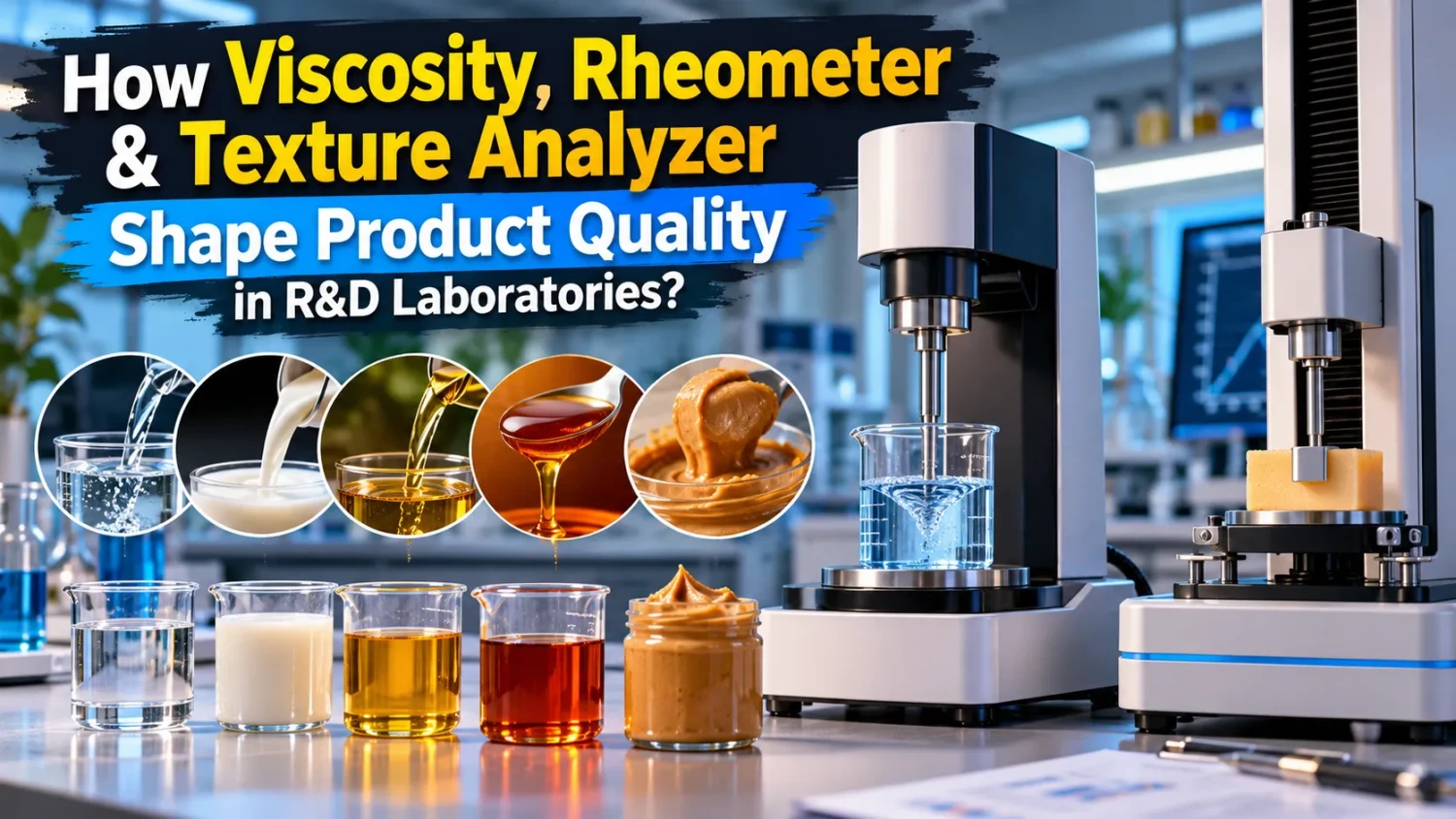
How Viscosity, Rheometer & Texture Analyzer Shape Product Quality in R&D Laboratories?

How Laboratory Heating & Cooling Equipment Improves Accuracy and Efficiency in Testing?

The Role of Laboratory Safety & Environmental Monitoring in Risk Prevention

Health and Hygiene Ware Material Testing: Ensuring Quality, Safety, and Compliance
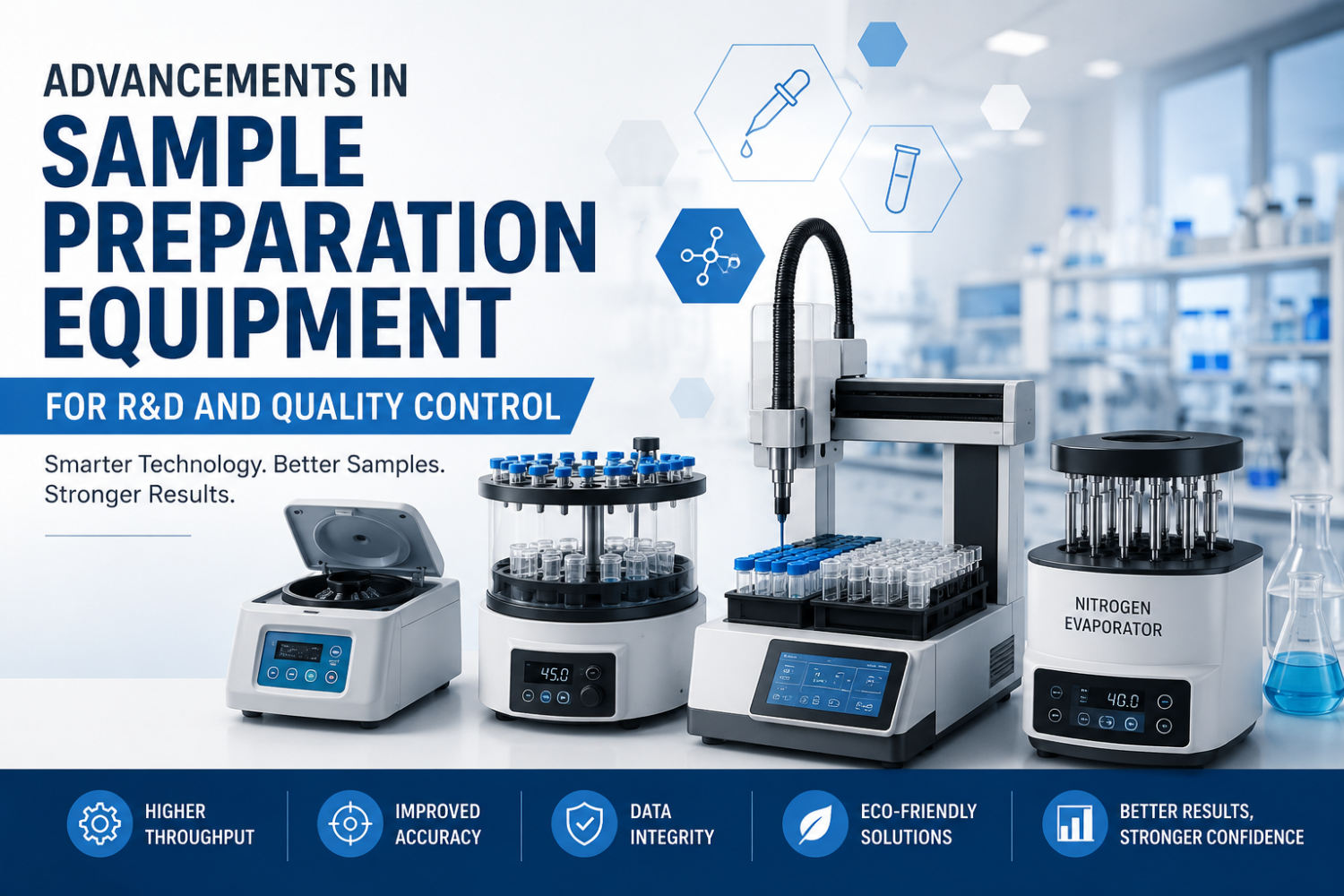
Advancements in Sample Preparation Equipment for R&D and Quality Control
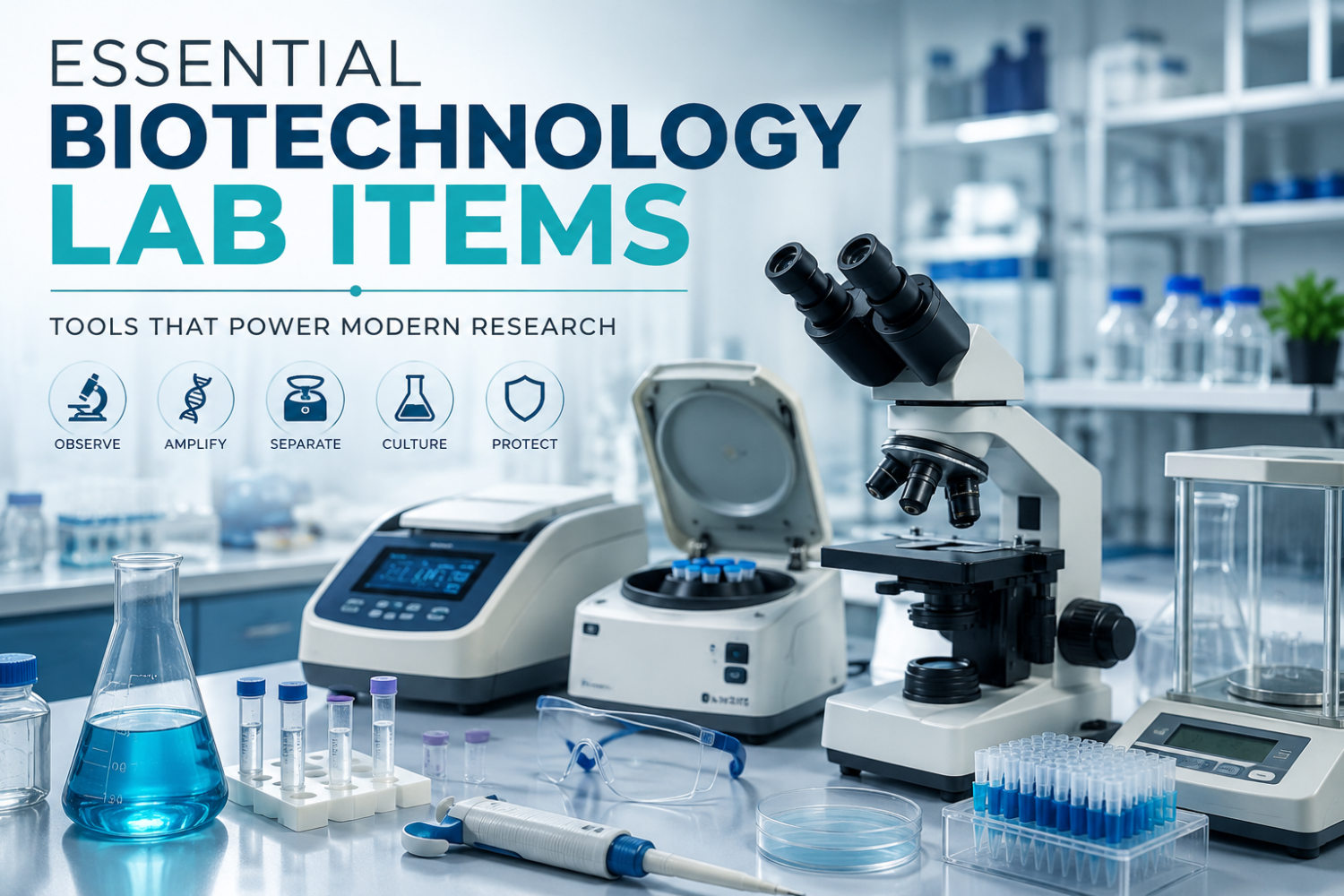
Essential Biotechnology Lab Items and Their Applications in Modern Research



Understanding ETP – Effluent Treatment Plant and Its Importance in Industry
Optimum Solution– Laboratory & Analytical Instruments Supplier in Bangladesh
Optimum Solution is a leading supplier of laboratory equipment, analytical instruments, and process control solutions in Bangladesh. Since our inception, we have built a strong presence in the industry, serving research labs, universities, pharmaceutical companies, and quality control laboratories nationwide. Through continuous dedication to improving our products and services, Optimum Solution has earned the trust and loyalty of our valued clients.


