
-
 Analytical & Elemental Instruments
-
Biotechnology Lab Items
-
Cardboard and Box Factory Lab Equipment Solution
-
Cleanroom Solution
-
Consumables & Accessories
-
Dosing Pump for Chemicals
-
Electrochemistry & Titration
-
ETP -Effluent Treatment Plant
-
Feed Quality Laboratory
-
Food & Kitchen Lab Items
-
Hygiene Testing Equipment
-
Lab Furniture



Feed Laboratories in Bangladesh: Ensuring Quality, BSTI Compliance & Industry Growth | Optimum Solution
The Critical Role of Feed Laboratories in Bangladesh: Driving Quality, Safety, and Livestock Industry Growth
The backbone of Bangladesh's thriving livestock and aquaculture sector is invisible to most consumers. It is not found in the poultry farms of Gazipur or the fish ponds of Mymensingh, but rather in the sterile, precise environment of a feed laboratory.
With the country's animal feed production reaching an impressive 6.57 million tons in 2022—valued at US$ 3.29 billion—the demand for scientifically formulated, safe, and high-quality feed has never been more intense . This 2.4x increase in volume over a decade reflects a nation that is consuming more meat, milk, and eggs than ever before . However, with this growth comes immense responsibility: the responsibility to ensure that every ton of feed contributes to healthy livestock, safe food, and sustainable industry expansion.
At Optimum Solution, we are proud to be the partner of choice for feed mills, research institutions, and quality control laboratories across Bangladesh. As a premier laboratory equipment supplier in Bangladesh, we understand the science, the standards, and the stakes involved in feed analysis. This comprehensive guide explores why feed laboratories are indispensable, the essential tests and instruments required, and how your facility can lead the way in this dynamic industry.
What is a Feed Laboratory and Why is it Critical for Bangladesh?
A feed laboratory is a specialized analytical facility dedicated to the testing and quality assurance of animal feed and its raw ingredients. Its purpose is to verify that feed is nutritious, safe from contaminants, and consistent with its nutritional specifications.
In the context of Bangladesh's rapidly modernizing agricultural economy, these laboratories are not a luxury—they are a necessity.
1. Powering a Booming Livestock Sector:
Poultry alone accounts for 56-60% of total feed consumption in Bangladesh, followed by fisheries and cattle . As commercial farming replaces traditional methods, the reliance on formulated feed has skyrocketed. A feed laboratory ensures that this feed contains the precise balance of proteins, energy, fats, and fibers required for optimal growth, egg production, and milk yield .
2. Mandatory BSTI Compliance and Consumer Safety:
The Bangladesh Standards and Testing Institution (BSTI) is the apex body responsible for national standards . Recognizing the critical importance of feed safety, the government has made BSTI certification mandatory for both poultry feed and fish feed . This means every bag of feed produced or sold in Bangladesh must meet strict Bangladesh Standards (BDS). A well-equipped feed laboratory is the only way for manufacturers to consistently meet these legal requirements and avoid severe penalties.
3. Protecting the Food Chain:
Contaminants in animal feed—whether aflatoxins from moldy grain, heavy metals, or adulterated ingredients—can directly transfer to the meat, milk, and eggs that reach consumers' plates. Feed labs act as the critical checkpoint, preventing these harmful substances from entering the human food chain and protecting public health.
4. Boosting Economic Efficiency:
Feed represents the single largest cost in livestock production. By accurately analyzing ingredients, nutritionists can formulate least-cost rations, ensuring that animals receive exactly what they need without expensive waste. This scientific precision translates directly to higher profitability for farmers.
Bangladesh's Feed Industry at a Glance
To understand the demand for feed laboratory services, one must appreciate the sheer scale of the industry.
Market Value: The Bangladesh animal feed market is projected to grow at a compound annual growth rate (CAGR) of 8.70% between 2025 and 2034 .
Livestock Population: During FY 2021-22, Bangladesh had a livestock population of over 43 crores (430 million), including more than 5.67 crore cattle, buffaloes, sheep, and goats, and a staggering 37.56 crore poultry .
Key Players: The market features both local giants like Kazi Farms, Paragon Group, and Quality Feeds Ltd. , alongside international players such as CP Bangladesh and New Hope Feed Mill .
This growth is fueled by a rising middle class, increasing urbanization, and a shift towards protein-rich diets . For every one of these industry players, a functional feed laboratory is the cornerstone of their quality assurance program.
Essential Tests in a Modern Feed Laboratory
A feed laboratory must perform a range of analyses to ensure nutritional accuracy and safety. These tests fall into several key categories.
1. Proximate Analysis (Nutritional Profiling)
This is the foundation of feed testing, determining the basic nutritional components.
Moisture Content: Determines dry matter and influences storage stability. High moisture can lead to mold growth.
Crude Protein: Measures the total nitrogen content, which is then converted to protein. This is the most critical and expensive component of feed, essential for growth.
Crude Fat (Ether Extract): Quantifies the fat content, which provides concentrated energy and essential fatty acids.
Crude Fiber: Measures the indigestible portion, important for gut health in ruminants but which must be limited in poultry and swine feed.
Total Ash: Determines the total mineral content, providing insight into the inorganic matter in the feed.
2. Mineral and Amino Acid Analysis
Beyond crude nutrients, precise formulation requires detailed knowledge of specific components.
Minerals: Analyzing essential minerals like Calcium, Phosphorus, Sodium, Potassium, and trace elements like Zinc and Copper ensures proper bone development and metabolic function .
Amino Acids: Testing for specific amino acids like Lysine and Methionine—which are often limiting factors in growth—allows for precise supplementation and cost-effective formulation.
3. Mycotoxin and Contaminant Analysis
This is a critical safety parameter. Mycotoxins (like Aflatoxin, Ochratoxin) produced by fungi in grains can devastate livestock health and reduce productivity. Testing for these toxins, as well as heavy metals and pesticide residues, is essential for regulatory compliance and animal welfare .
4. Microbiological Analysis
Pathogen Screening: Testing for harmful bacteria like Salmonella and E. coli is vital, as these pathogens can not only sicken animals but also contaminate facilities and, in some cases, transfer to food products .
Total Viable Count (TVC): Assesses the overall hygienic quality of the feed.
Essential Feed Laboratory Instruments for Your Facility
Equipping a modern, BSTI-compliant feed testing laboratory requires a strategic selection of high-precision scientific instruments. Here are the essential tools your lab needs.
The Powerhouses of Nutritional Analysis
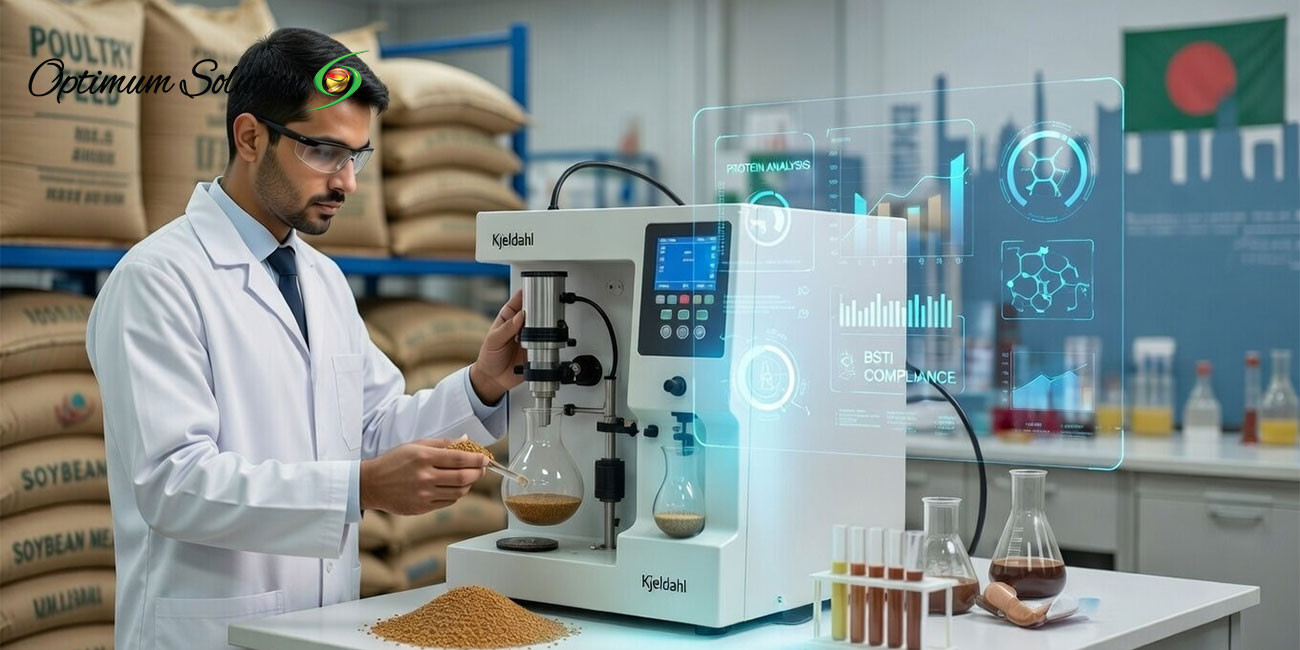
Kjeldahl / Dumas Protein Analyzers: Protein is the most expensive component in feed. A Kjeldahl system is the gold standard for crude protein determination, using digestion, distillation, and titration to deliver accurate, reproducible results that stand up to regulatory scrutiny .
Soxhlet Extraction Units (Fat Analyzers): These are essential for determining crude fat content. Accurate fat measurement ensures the energy density of the feed matches the formulation, supporting optimal growth and production .
Crude Fiber Analyzers: Dedicated fiber analysis systems automate the digestion and filtration process, providing precise fiber measurements crucial for formulating diets for different livestock categories.
Muffle Furnace: Used for ashing samples, a muffle furnace determines the total mineral content of feed and ingredients, providing a quick check on quality and authenticity .
Moisture Analyzers / Hot Air Ovens: Rapid and accurate moisture determination is critical for quality control upon ingredient receipt and for ensuring finished feed is stable and safe from spoilage during storage .
The Precision Tools for Micro and Elemental Analysis
Atomic Absorption Spectrophotometer (AAS): For mineral analysis, an AAS is indispensable. It accurately quantifies trace and major minerals like Calcium, Phosphorus, Iron, and Zinc, ensuring feed meets the specific requirements for bone health, immunity, and metabolic function.
High-Performance Liquid Chromatography (HPLC) Systems: For precise quantification of specific components like vitamins, amino acids (after derivatization), and mycotoxins, an HPLC system is the instrument of choice . It provides the sensitivity needed to detect harmful contaminants at parts-per-million levels.
UV-Visible Spectrophotometers: A versatile workhorse for various colorimetric assays, including phosphorus determination and certain mycotoxin tests .
The Foundation of Accuracy: Sample Preparation & General Equipment
Before any analysis, samples must be prepared with absolute precision. Errors here invalidate all subsequent results.
High-Precision Analytical Balances: A milligram or microgram balance is the cornerstone of any analytical lab. Accurate weighing is the first and most critical step in all quantitative analysis .
Laboratory Grinder / Wiley Mill: Feed samples, especially pellets and grains, must be uniformly ground to a fine powder to ensure a representative sample is taken for analysis .
pH Meters: Used extensively in various analytical procedures and for quality checks on liquid ingredients .
Centrifuges: Essential for separating solids from liquids in sample preparation steps for chromatography and other analyses .
Fume Hoods: Safety is paramount. A fume hood protects analysts when working with concentrated acids, solvents, and other hazardous chemicals used in digestion and extraction procedures.
Glassware and Consumables: High-quality borosilicate glassware, volumetric flasks, pipettes, and desiccators are the daily tools of the trade, supporting every procedure in the lab.
The Role of BSTI, FAO, and Other Authorities in Feed Quality
The feed quality ecosystem in Bangladesh is upheld by a combination of regulatory authority and international guidance.
Bangladesh Standards and Testing Institution (BSTI):
As the national standards body, BSTI holds the primary responsibility for feed quality . Its duties include:
Formulating National Standards: Developing Bangladesh Standards (BDS) for all types of feed, including poultry, fish, and cattle feed.
Certification Marks Scheme: Operating the mandatory certification program. The BSTI mark on a bag of feed is a legally binding guarantee of quality. With poultry and fish feed now under mandatory certification, this is the core regulatory framework for the industry .
Testing and Enforcement: BSTI conducts its own tests on samples collected from the market and factories. They also carry out mobile court operations to penalize manufacturers of substandard feed .
Food and Agriculture Organization (FAO):
The FAO plays a vital advisory and capacity-building role. Historically, the FAO has been instrumental in developing fish nutrition and feed technology research programs in Bangladesh, including equipment planning for nutrition laboratories . Today, they continue to help align local practices with international Codex Alimentarius standards, facilitating trade and improving food safety.
Private and University Research Laboratories:
Institutions like the Food Processing and Post Harvest Innovation Lab at PSTU and private entities like the WAFFEN Research Laboratory contribute significantly by conducting advanced research, providing analytical services to the industry, and training the next generation of feed scientists . They supplement BSTI's capacity and drive innovation in feed formulation and safety.
Why Optimum Solution is Your Ideal Feed Laboratory Partner
Building or upgrading a feed laboratory to meet BSTI standards and industry demands is a complex undertaking. You need a partner who understands both the science and the local market. This is the value Optimum Solution brings.
1. Comprehensive Range of Feed Laboratory Instruments:
We are your single source for equipping a complete feed testing facility. From essential Kjeldahl and Soxhlet systems to advanced analytical instruments like HPLC and AAS, our portfolio covers every parameter required for nutritional labeling, safety testing, and BSTI compliance.
2. Deep Industry and Regulatory Expertise:
Our team understands the specific challenges of the Bangladeshi feed sector. We can advise you on the right instrument specifications to meet BDS standards, whether you are a giant like Quality Feeds Ltd. or a growing regional mill .
3. Uncompromising Quality and Accuracy:
Your test results are only as reliable as your instruments. We partner with globally recognized manufacturers to ensure every piece of scientific instruments we supply meets the highest standards of precision and durability. We help you find the best lab equipment price in Bangladesh without ever compromising on quality.
4. Unmatched Technical Support and After-Sales Service:
Our commitment extends far beyond the sale. We provide comprehensive after-sales support, including:
Professional Installation: Ensuring your equipment is set up correctly from day one.
Calibration Services: Maintaining the accuracy and traceability of your results.
Annual Maintenance Contracts (AMC): Preventing costly downtime and extending the life of your investment.
Hands-On Operator Training: Empowering your team with the skills to use the instruments confidently and effectively.
5. End-to-End Lab Setup Consultation:
Planning a new feed mill lab or upgrading an existing QC department? Our experts can provide customized consultation, from laboratory layout and workflow optimization to a detailed instrument list tailored to your specific testing needs and budget.
Ready to Elevate Your Feed Quality Assurance?
In the competitive and rapidly growing world of Bangladeshi animal feed, quality is the ultimate differentiator. A well-equipped laboratory is your command center for ensuring that quality, complying with BSTI regulations, and protecting your brand's reputation.
Whether you are a university training future animal nutritionists, a pharmaceutical company diversifying into feed additives, or an industrial feed mill aiming for export-grade quality, the instruments you choose will define your success.
Partner with Optimum Solution—the trusted name in scientific instrumentation for Bangladesh's feed industry.
Contact us today for a free technical consultation and a competitive quotation.
Our experts are ready to discuss your specific requirements and help you build a feed laboratory that sets the standard for quality and safety in Bangladesh.
Call us: +8801755 454525
Email us: support@os4u.com.bd
Visit our website: https://os4u.com.bd/
Request a Quote: Send us a message in WhatsApp with your instrument needs, and our technical specialists will respond promptly.
Invest in precision today. Build a stronger, safer tomorrow.
Recent Posts

How Viscosity, Rheometer & Texture Analyzer Shape Product Quality in R&D Laboratories?

How Laboratory Heating & Cooling Equipment Improves Accuracy and Efficiency in Testing?
The Role of Laboratory Safety & Environmental Monitoring in Risk Prevention

Health and Hygiene Ware Material Testing: Ensuring Quality, Safety, and Compliance
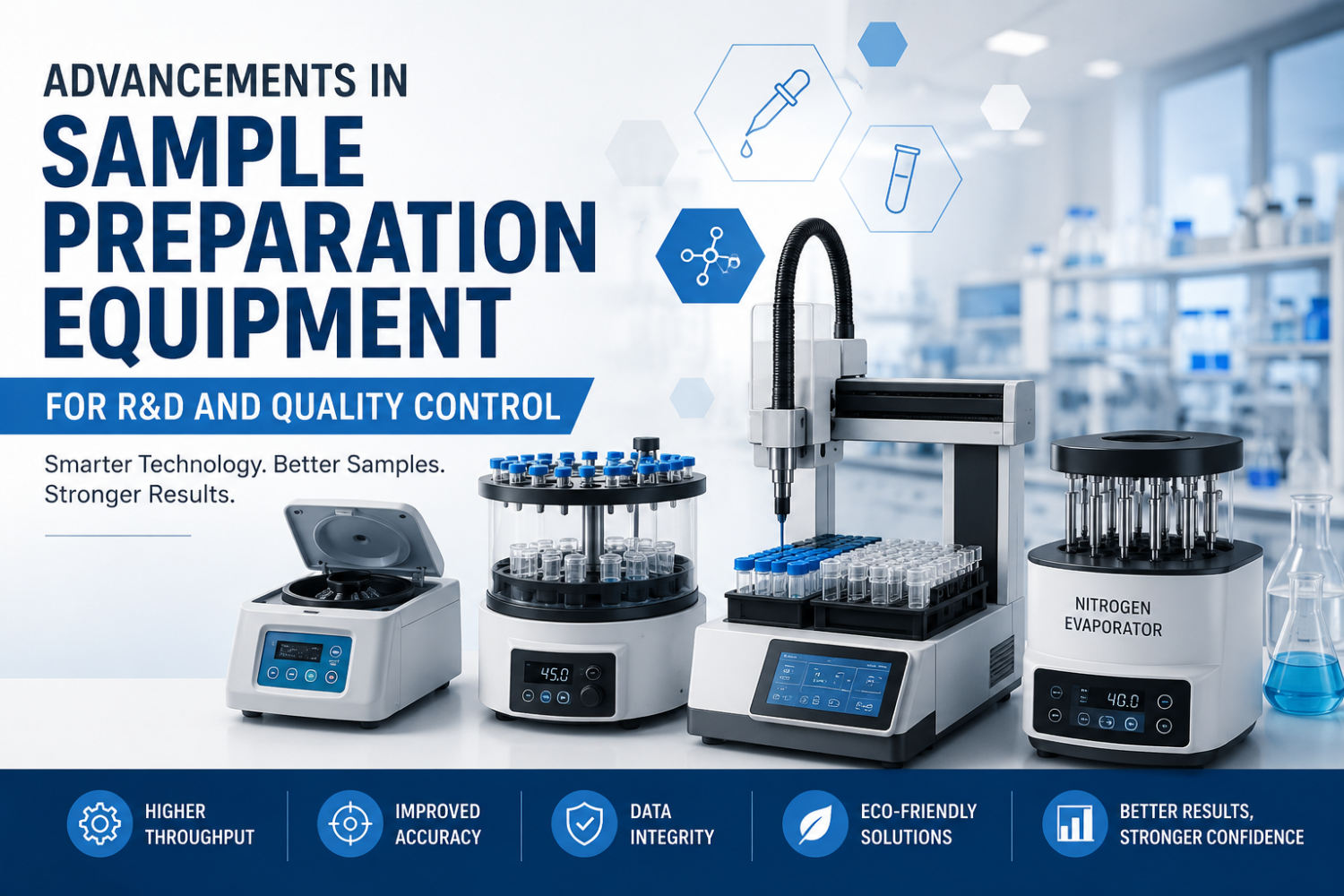
Advancements in Sample Preparation Equipment for R&D and Quality Control
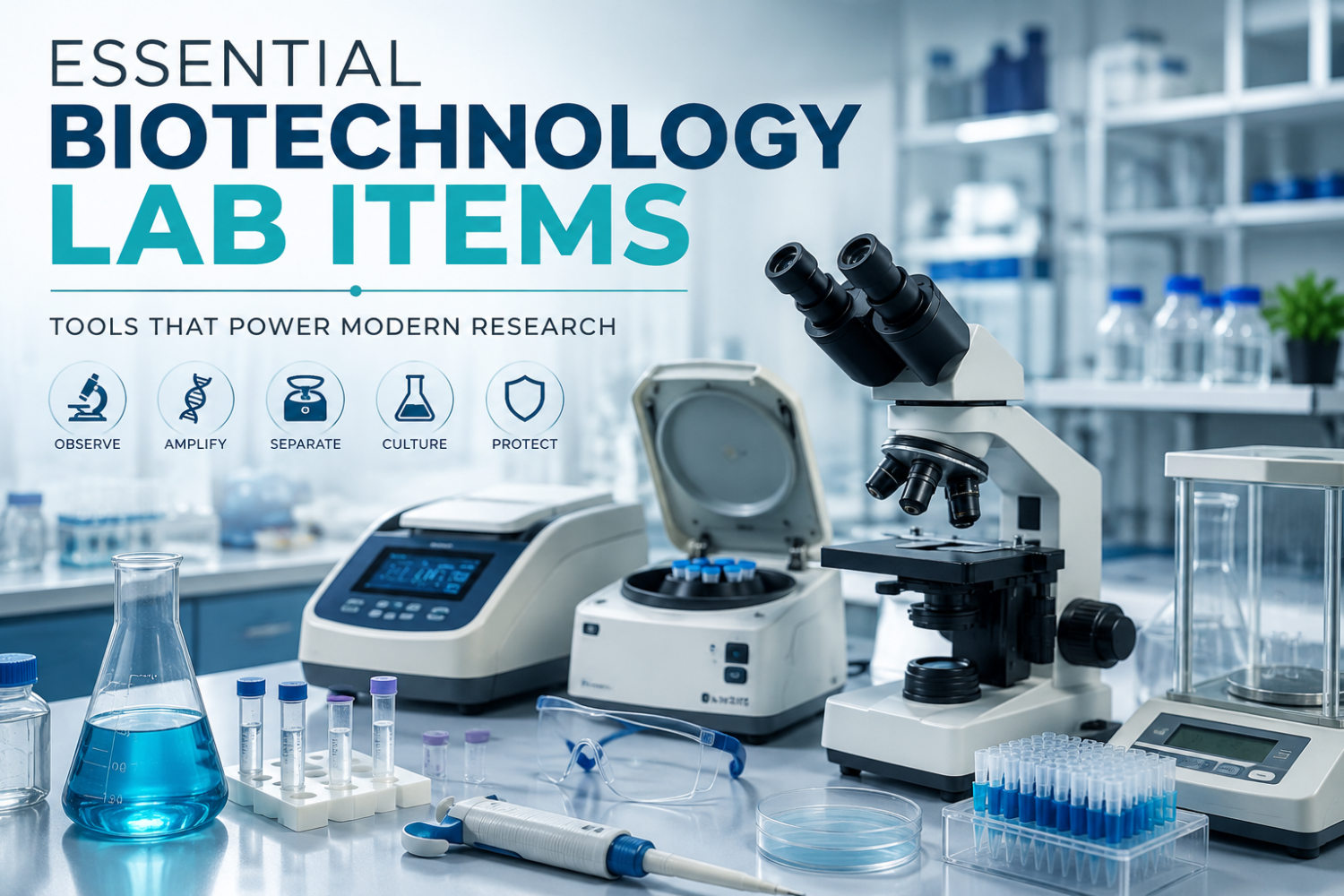
Essential Biotechnology Lab Items and Their Applications in Modern Research
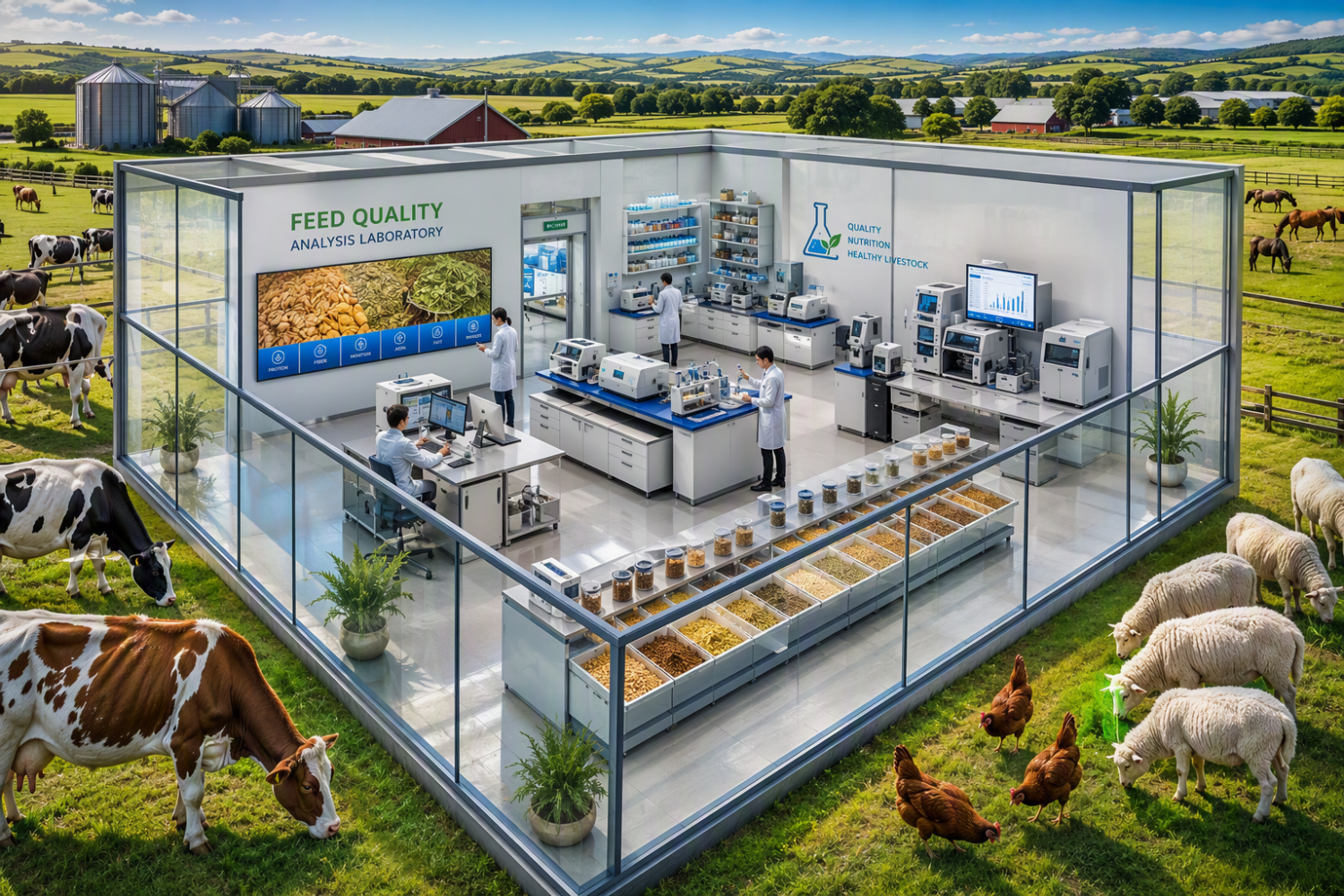


Understanding ETP – Effluent Treatment Plant and Its Importance in Industry
Optimum Solution– Laboratory & Analytical Instruments Supplier in Bangladesh
Optimum Solution is a leading supplier of laboratory equipment, analytical instruments, and process control solutions in Bangladesh. Since our inception, we have built a strong presence in the industry, serving research labs, universities, pharmaceutical companies, and quality control laboratories nationwide. Through continuous dedication to improving our products and services, Optimum Solution has earned the trust and loyalty of our valued clients.


