
-
 Analytical & Elemental Instruments
-
Biotechnology Lab Items
-
Cardboard and Box Factory Lab Equipment Solution
-
Cleanroom Solution
-
Consumables & Accessories
-
Dosing Pump for Chemicals
-
Electrochemistry & Titration
-
ETP -Effluent Treatment Plant
-
Feed Quality Laboratory
-
Food & Kitchen Lab Items
-
Hygiene Testing Equipment
-
Lab Furniture




Analytical Techniques in Pharmaceutical Sciences: Principles, Applications, and Laboratory Implementation
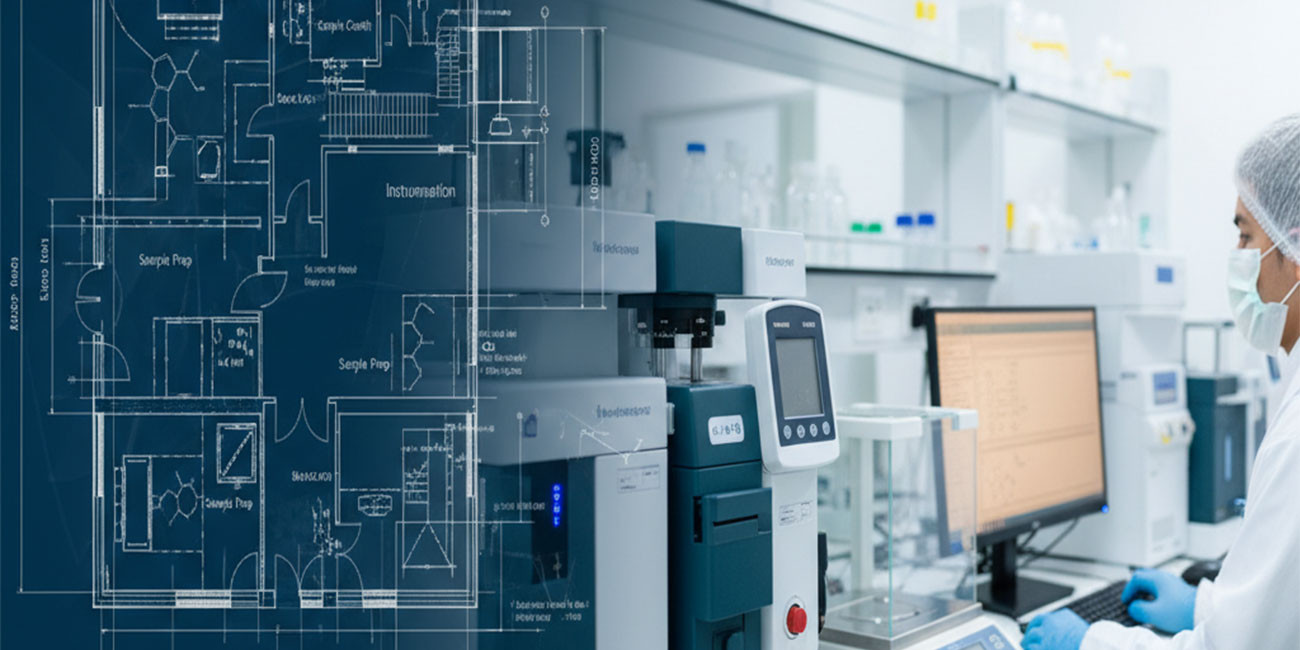
The pharmaceutical landscape in Bangladesh has witnessed a paradigm shift from simple formulation to complex generic synthesis and international export. Central to this progression is the rigorous application of analytical chemistry. A pharmaceutical laboratory in Bangladesh serves as the scientific foundation where the safety, efficacy, and quality of medicinal products are established through systematic empirical investigation.
1. Introduction to Pharmaceutical Laboratories
A pharmaceutical laboratory is a controlled environment dedicated to the qualitative and quantitative assessment of drug substances (APIs) and drug products (formulations). Its existence is predicated on the necessity for evidence-based quality.
Definition and Purpose
The primary purpose of the laboratory is to ensure that every dosage form released to the market adheres to predefined standards of identity, strength, and purity. This involves the systematic testing of raw materials, in-process intermediates, and finished products.
Role in Drug Development and Quality Assurance
In the development phase, laboratories facilitate pre-formulation studies and stability testing to determine optimal shelf-life and storage conditions. Within the commercial manufacturing cycle, the laboratory acts as the final gatekeeper in the Quality Assurance (QA) chain, validating that the manufacturing process remains in a state of control.
2. Structure of a Pharmaceutical Laboratory
The architectural and functional design of a QC laboratory must facilitate high-throughput analysis while eliminating the risk of cross-contamination.
Functional Sections
Quality Control (QC): The execution arm, responsible for routine testing and analytical operations.
Quality Assurance (QA): The oversight body, ensuring documentation compliance, validation of equipment, and adherence to Standard Operating Procedures (SOPs).
Microbiology Section: A specialized unit for sterility testing, microbial limit tests (MLT), and environmental monitoring of cleanrooms.
Research and Development (R&D): Focused on formulation optimization, method development, and the creation of new generic products.
Stability Section: Houses stability chambers set to various climatic zones (specifically Zone IVb for Bangladesh) to monitor product degradation over time.
Workflow and Lab Design
Design follows a lean laboratory approach. The workflow typically progresses from sample login and preparation to instrumental analysis, data processing, and final certification. Effective lab design incorporates specialized HVAC systems to maintain pressure differentials and prevent dust migration.
3. Analytical Methods in Pharmaceutical Laboratories
Analytical techniques are categorized based on their physical principles and the complexity of the molecular matrix.
Chemical Analysis Techniques
Traditional "wet chemistry" remains fundamental for initial assessments. This includes:
Titrimetry: Acid-base, redox, and complexometric titrations for assaying APIs.
Limit Tests: Semi-quantitative tests to detect inorganic impurities like heavy metals, chlorides, or sulfates.
Instrumental Methods
Modern pharmaceutical science relies heavily on sophisticated analytical instruments:
Chromatography (HPLC/GC): Separates components in a mixture based on differential partitioning between a mobile and stationary phase.
Spectroscopy (UV-Vis/FTIR): Utilizes the interaction of electromagnetic radiation with matter for identification and quantification.
Sample Preparation and Validation
Analytical accuracy is heavily dependent on sample preparation (extraction, filtration, and dilution). Furthermore, all pharmaceutical testing methods must undergo rigorous validation as per ICH Q2 (R1) guidelines, evaluating parameters such as linearity, precision, accuracy, and robustness.
4. Laboratory Instrumentation: Principles and Applications
The performance of a GMP laboratory Bangladesh is defined by its technological infrastructure.
HPLC / GC Systems
HPLC: Operates on the principle of liquid-solid or liquid-liquid partitioning. It is the primary tool for assaying non-volatile drugs and quantifying related substances.
GC: Utilized for volatile compounds and residual solvent analysis (OVI). It employs a gaseous mobile phase to transport analytes through a capillary column.
UV-Vis Spectrophotometer
Principle: Based on the Beer-Lambert Law (
A=ϵbcA = \epsilon bcA=ϵbc
), it measures the amount of light absorbed by a sample at specific wavelengths.Function: Used for rapid identification, dissolution profile analysis, and quantification of purified drug substances.
Analytical Balance
Function: Provides high-precision measurements (often down to 0.1 mg or 0.01 mg). In pharmaceutical analysis, precise mass measurement is the prerequisite for calculating concentration and potency.
pH Meter
Principle: Measures the potential difference between a glass electrode and a reference electrode.
Importance: Critical for assessing the stability of liquid formulations and ensuring the correct ionization state of drugs during dissolution testing.
Particle Size Analyzer
Principle: Laser diffraction or dynamic light scattering.
Function: Assesses the particle size distribution of powders, which directly influences the dissolution rate and bioavailability of oral solid dosage forms.
5. Regulatory Framework in Bangladesh
Compliance is not an option but a mandate for laboratories operating within the pharmaceutical sector.
Regulatory Bodies (DGDA)
The Directorate General of Drug Administration (DGDA) is the licensing authority in Bangladesh. It conducts inspections to ensure laboratories meet the requirements of the Drugs Act and subsequent bio-safety regulations.
GMP and International Standards
Good Manufacturing Practice (GMP): Focuses on the systematic control of laboratory operations to prevent errors and ensure data integrity.
Pharmacopeial Compliance: Laboratories must follow the monographs of the United States Pharmacopeia (USP), British Pharmacopeia (BP), or European Pharmacopeia (EP).
ISO/IEC 17025: Provides a framework for the general requirements for the competence of testing and calibration laboratories.
6. Importance of Pharmaceutical Laboratories in Bangladesh
The growth of the pharmaceutical industry is inextricably linked to the quality of its testing facilities.
Drug Safety: Laboratories prevent the distribution of sub-potent or contaminated medicines.
Industrial Growth: Strong analytical capabilities allow local manufacturers to develop complex generics and biosimilars.
Export Quality Assurance: To enter markets like the EU or USA, Bangladeshi manufacturers must prove their laboratory equipment and methods meet stringent global standards.
Public Health Impact: Ensures that the population has access to affordable, high-quality medication.
7. Challenges and Future Outlook
Despite significant progress, the sector faces certain hurdles.
Current Challenges
Cost of Instrumentation: High capital expenditure for state-of-the-art laboratory equipment.
Human Resource Development: The need for specialized training in advanced chromatography and mass spectrometry.
Data Integrity: Transitioning from manual record-keeping to fully electronic, 21 CFR Part 11-compliant systems.
Future Opportunities
The integration of Automation and Laboratory Information Management Systems (LIMS) is the next frontier. Furthermore, the adoption of Process Analytical Technology (PAT) will allow for real-time quality monitoring during the manufacturing process, reducing batch rejection rates and enhancing overall productivity.
Explore our range of high-performance Laboratory Equipment.
Learn more about advanced Analytical Instruments for chromatography.
View our specialized catalog for Microbiology Equipment.
Find out more About Us and our commitment to pharmaceutical excellence.
For technical inquiries or equipment procurement, visit our Contact / Inquiry page.
This article is intended for educational and professional reference. Scientists and laboratory managers should always consult the latest DGDA guidelines and pharmacopeial updates for specific compliance requirements.
Recent Posts

How Viscosity, Rheometer & Texture Analyzer Shape Product Quality in R&D Laboratories?

How Laboratory Heating & Cooling Equipment Improves Accuracy and Efficiency in Testing?

The Role of Laboratory Safety & Environmental Monitoring in Risk Prevention

Health and Hygiene Ware Material Testing: Ensuring Quality, Safety, and Compliance
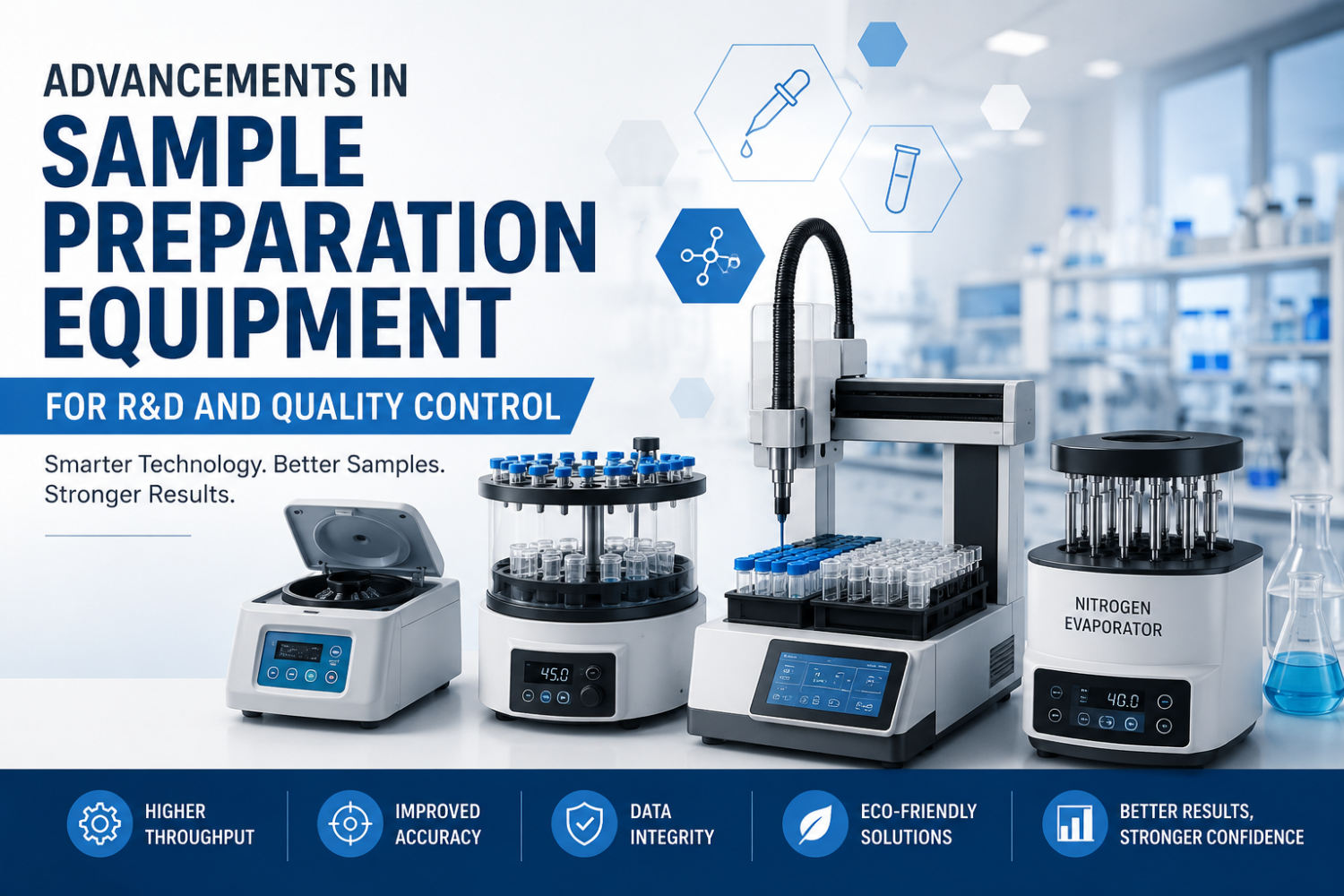
Advancements in Sample Preparation Equipment for R&D and Quality Control
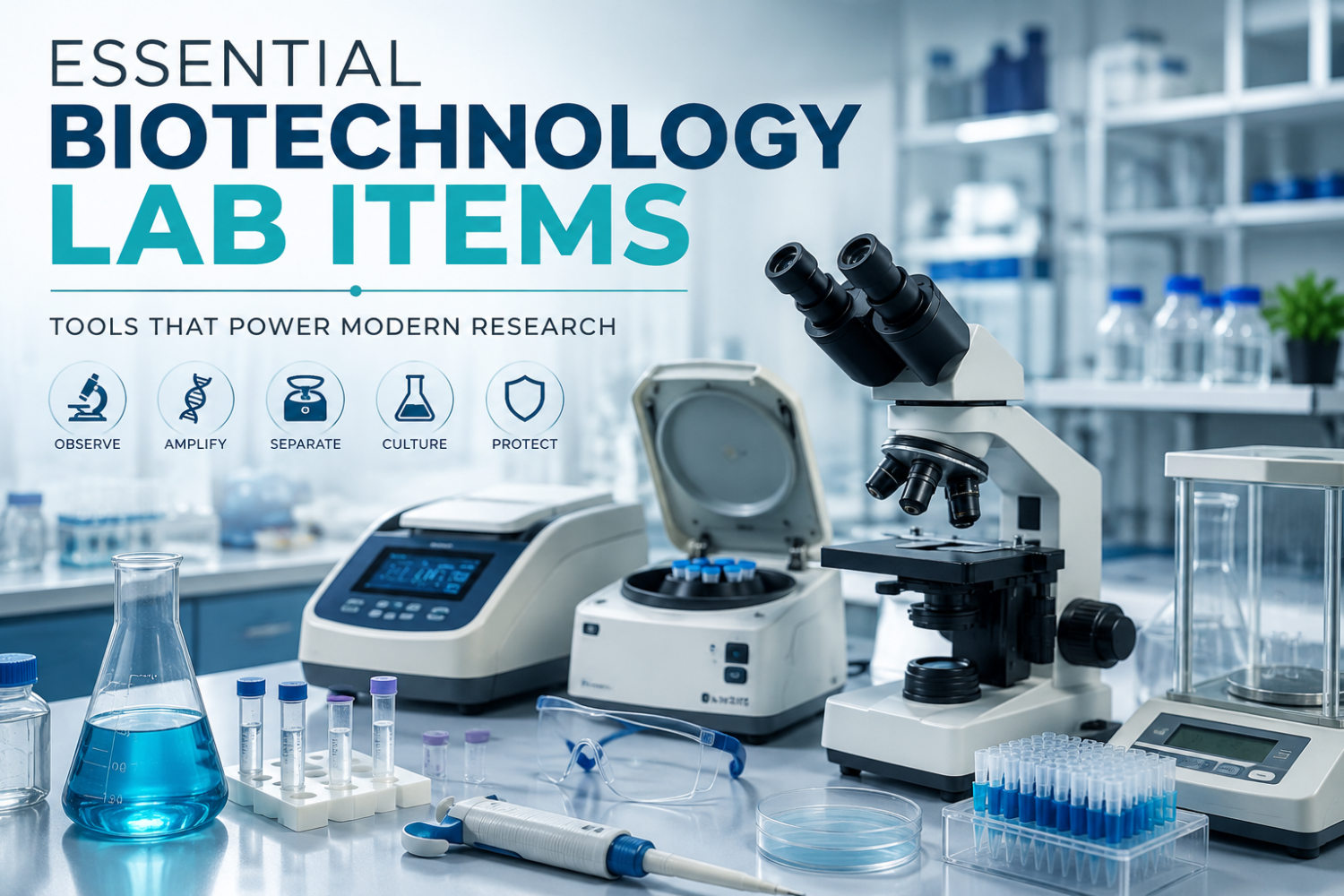
Essential Biotechnology Lab Items and Their Applications in Modern Research


Understanding ETP – Effluent Treatment Plant and Its Importance in Industry
Optimum Solution– Laboratory & Analytical Instruments Supplier in Bangladesh
Optimum Solution is a leading supplier of laboratory equipment, analytical instruments, and process control solutions in Bangladesh. Since our inception, we have built a strong presence in the industry, serving research labs, universities, pharmaceutical companies, and quality control laboratories nationwide. Through continuous dedication to improving our products and services, Optimum Solution has earned the trust and loyalty of our valued clients.


