
-
 Analytical & Elemental Instruments
-
Biotechnology Lab Items
-
Cardboard and Box Factory Lab Equipment Solution
-
Cleanroom Solution
-
Consumables & Accessories
-
Dosing Pump for Chemicals
-
Electrochemistry & Titration
-
ETP -Effluent Treatment Plant
-
Feed Quality Laboratory
-
Food & Kitchen Lab Items
-
Hygiene Testing Equipment
-
Lab Furniture



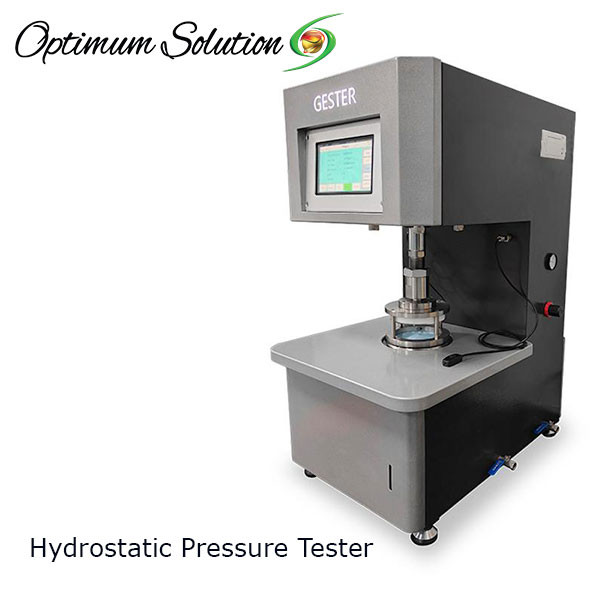

Pharmaceutical Laboratories in Bangladesh: Analytical Parameters, Testing Methods, and Laboratory Instrumentation

Pharmaceutical laboratories form the scientific backbone of drug development, manufacturing, and quality assurance. In Bangladesh, these facilities play a pivotal role in a sector that meets approximately 98% of domestic pharmaceutical demand while exporting to over 140 countries. They ensure that every batch of medicine meets stringent standards for identity, strength, purity, and safety before reaching patients.
1. Introduction to Pharmaceutical Laboratories
A pharmaceutical laboratory is a controlled environment equipped for the chemical, physical, and microbiological evaluation of raw materials, intermediates, finished products, and packaging components. Its primary purpose is to generate reliable data that confirm product quality throughout the lifecycle—from research and development to post-market surveillance.
In drug development, laboratories support formulation optimization, stability profiling, and bioequivalence studies. In quality assurance, they provide the objective evidence required for batch release, regulatory submissions, and pharmacovigilance. Without robust laboratory systems, even the most advanced manufacturing processes cannot guarantee therapeutic efficacy or patient safety.
2. Structure of a Pharmaceutical Laboratory
Pharmaceutical laboratories in Bangladesh are organized into specialized sections that operate under a unified quality management system compliant with Good Manufacturing Practice (GMP).
Quality Control (QC) Laboratory: Performs routine testing of raw materials, in-process samples, and finished products using chemical, instrumental, and microbiological methods.
Quality Assurance (QA): Oversees documentation, method validation, calibration, and compliance auditing; it does not perform testing but ensures the integrity of all laboratory data.
Research & Development (R&D): Focuses on new product development, analytical method development, and process validation.
Microbiology Laboratory: Conducts sterility testing, microbial limit tests, bacterial endotoxin testing, and environmental monitoring.
Stability Laboratory: Manages long-term, accelerated, and intermediate stability studies under ICH climatic zones (Bangladesh falls under Zone IVb).
Other specialized areas: Include analytical development, reference standards management, and, increasingly, bioanalytical laboratories for biologics.
Laboratory workflow follows a logical sequence: sample receipt and logging → sample preparation → analysis → data review and approval → certificate of analysis issuance. Laboratory design must incorporate unidirectional personnel and material flow, HEPA-filtered air supply, validated environmental controls, and segregated areas to prevent cross-contamination. In Bangladesh, GMP-compliant facilities increasingly adopt Laboratory Information Management Systems (LIMS) to ensure data integrity and traceability.
3. Analytical Methods in Pharmaceutical Laboratories
Analytical methods in pharmaceutical laboratories fall into two broad categories: chemical and instrumental.
Chemical analysis techniques include classical titration (acid-base, redox, complexometric) for assay determination and gravimetric methods for purity assessment. These remain foundational because they require minimal instrumentation and provide direct stoichiometric data.
Instrumental methods dominate modern pharmaceutical testing due to speed, sensitivity, and specificity:
Spectroscopy (UV-Vis, FTIR, atomic absorption)
Chromatography (HPLC, GC, TLC)
Electrochemical methods (potentiometry, conductometry)
Thermal analysis (DSC, TGA)
Sample preparation is critical and typically involves dissolution, extraction, filtration, or derivatization to ensure the analyte is in a suitable form for analysis. All methods undergo rigorous validation per ICH Q2(R1) guidelines, evaluating specificity, linearity, accuracy, precision, detection limit, quantitation limit, robustness, and system suitability.
In a QC laboratory, every analytical procedure is documented in a validated standard operating procedure (SOP), with results recorded in real time and subjected to second-person review.
4. Laboratory Instrumentation
Modern pharmaceutical laboratories rely on sophisticated instrumentation calibrated and qualified according to GMP (Installation Qualification, Operational Qualification, Performance Qualification). Key instruments include the following.
UV-Vis Spectrophotometer
Principle of operation: Based on the Beer-Lambert law (A = εcl), the instrument measures the absorption of ultraviolet or visible light by chromophores in solution. A deuterium or tungsten lamp provides the light source; a monochromator selects the wavelength; the detector (photodiode or photomultiplier) quantifies transmitted light.
Importance in pharmaceutical testing: Quantitative assay of active pharmaceutical ingredients (APIs) with aromatic or conjugated systems, dissolution testing, and impurity profiling. It offers high throughput and cost-effectiveness for routine release testing.
HPLC / GC Systems
HPLC (High-Performance Liquid Chromatography): Employs high-pressure pumps (up to 6000 psi) to force a liquid mobile phase through a packed column containing a stationary phase (silica or polymer-based). Separation occurs via differential partitioning based on polarity, size, or charge. Detection is usually by UV, fluorescence, or mass spectrometry.
GC (Gas Chromatography): Uses an inert carrier gas (helium or nitrogen) to volatilize and separate compounds in a capillary column coated with a stationary phase; detection by flame ionization or mass spectrometry.
Importance: HPLC is the workhorse for assay, content uniformity, related substances, and dissolution profiling. GC is essential for residual solvents and volatile impurities. Both ensure impurity levels remain within ICH Q3A/B limits.
pH Meter
Principle of operation: Potentiometric measurement using a glass electrode (sensitive to H⁺ ions) paired with a reference electrode (usually Ag/AgCl). The potential difference follows the Nernst equation.
Importance: Critical for solutions, buffers, and oral liquids; also used in stability studies to monitor pH shifts that could affect drug degradation.
Analytical Balance
Principle of operation: Electromagnetic force compensation or strain-gauge technology maintains the pan at a constant position while measuring minute mass changes to 0.01 mg or better.
Importance: Accurate weighing is the first step in all quantitative analyses; any error propagates through the entire analytical chain. Balances are calibrated daily with certified weights and maintained in draft-free enclosures.
Particle Size Analyzer
Principle of operation: Laser diffraction (Mie scattering theory) or dynamic light scattering measures the angular distribution of scattered light to calculate equivalent spherical diameter distribution.
Importance: Particle size directly influences dissolution rate, bioavailability, and content uniformity (per Noyes-Whitney equation). Critical for solid oral dosage forms and suspensions.
These instruments are maintained under a comprehensive calibration and preventive maintenance program, with performance verified using certified reference standards.
5. Regulatory Framework in Bangladesh
The Directorate General of Drug Administration (DGDA), under the Ministry of Health and Family Welfare, is the apex regulatory authority. It enforces the Drug Act 1940 and Drug Policy 2016, with operational guidelines harmonized to WHO GMP standards.
Pharmaceutical laboratories must operate under a quality management system that includes:
Qualified personnel with documented training
Validated methods and equipment
Comprehensive documentation and data integrity (ALCOA+ principles)
Regular internal audits and management reviews
The National Control Laboratory (NCL) in Dhaka is WHO-prequalified for Good Practices for Pharmaceutical Quality Control Laboratories. Laboratories align with international pharmacopeial standards (USP, BP, IP) and ISO 17025 for testing competence where applicable. DGDA conducts routine GMP inspections; non-compliance can result in product recalls or license suspension.
6. Importance of Pharmaceutical Laboratories in Bangladesh
Reliable laboratory data directly underpin drug safety and efficacy, protecting public health in a country where medicines treat prevalent conditions ranging from infectious diseases to non-communicable illnesses. The sector’s ability to meet 98% of domestic needs while exporting generics has made Bangladesh a global supplier of affordable medicines to Least Developed Countries.
Laboratory systems enable export growth by demonstrating compliance with stringent international requirements, supporting economic development through foreign exchange earnings (recent monthly highs exceeding USD 22 million). They also drive industrial growth by facilitating technology transfer, API development, and innovation in formulation science.
7. Challenges and Future Outlook
Current challenges include the high capital cost of advanced analytical instruments, heavy reliance on imported APIs and reference standards, skilled manpower shortages, and the need for continuous upgradation to meet evolving global regulatory expectations. LDC graduation will end certain TRIPS flexibilities, necessitating greater investment in novel product development and regulatory science.
Technological advancements—Laboratory Information Management Systems (LIMS), automated sample preparation, AI-driven data analytics, and Industry 4.0 integration—offer transformative opportunities. The government-supported API Industrial Park and increasing adoption of WHO prequalification by leading manufacturers signal a positive trajectory.
Future pharmaceutical laboratories in Bangladesh will likely feature higher automation, real-time release testing, and enhanced capabilities in biologics and complex generics analysis, positioning the sector as a regional leader in quality-assured pharmaceuticals.
Recent Posts

How Viscosity, Rheometer & Texture Analyzer Shape Product Quality in R&D Laboratories?

How Laboratory Heating & Cooling Equipment Improves Accuracy and Efficiency in Testing?

The Role of Laboratory Safety & Environmental Monitoring in Risk Prevention

Health and Hygiene Ware Material Testing: Ensuring Quality, Safety, and Compliance
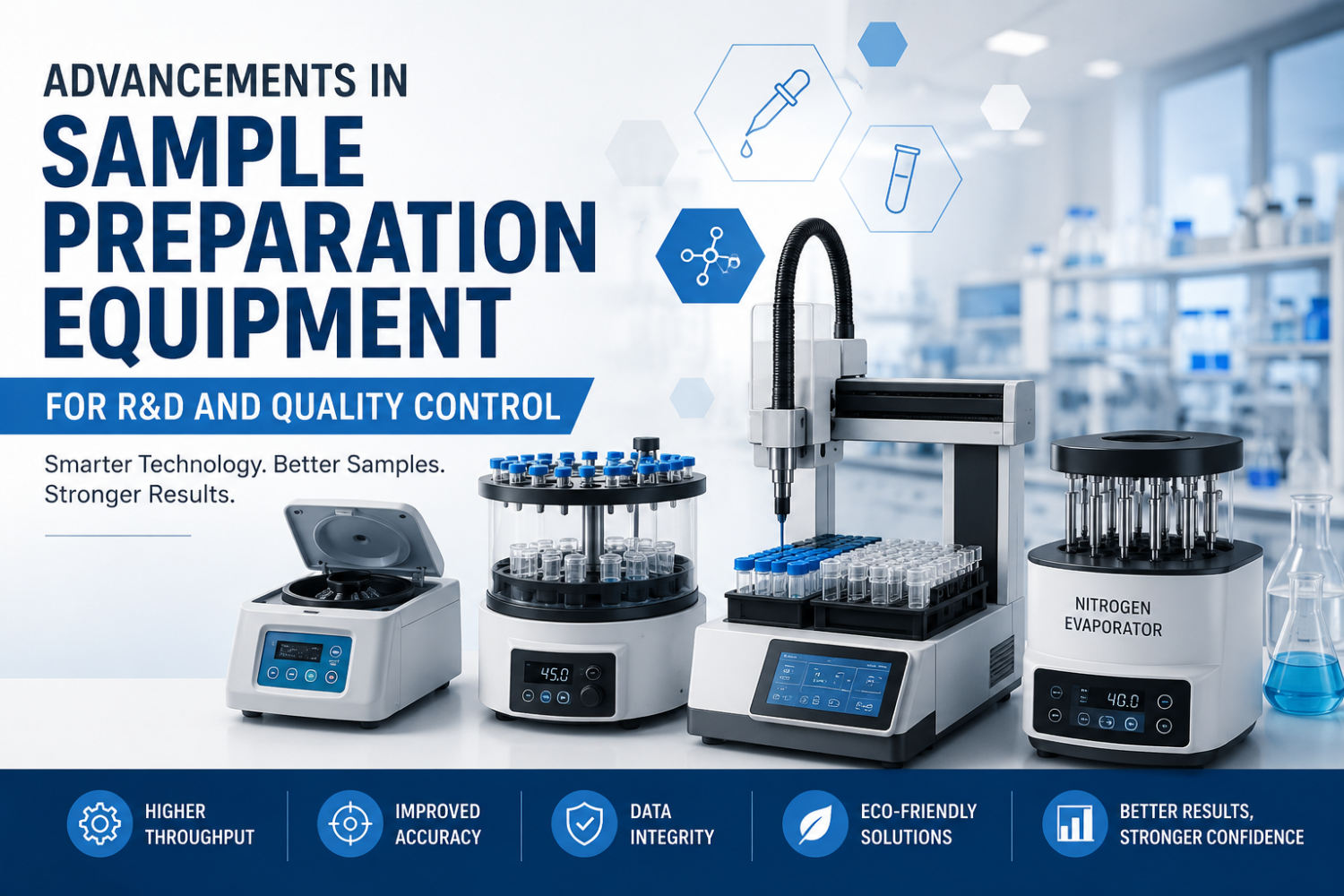
Advancements in Sample Preparation Equipment for R&D and Quality Control
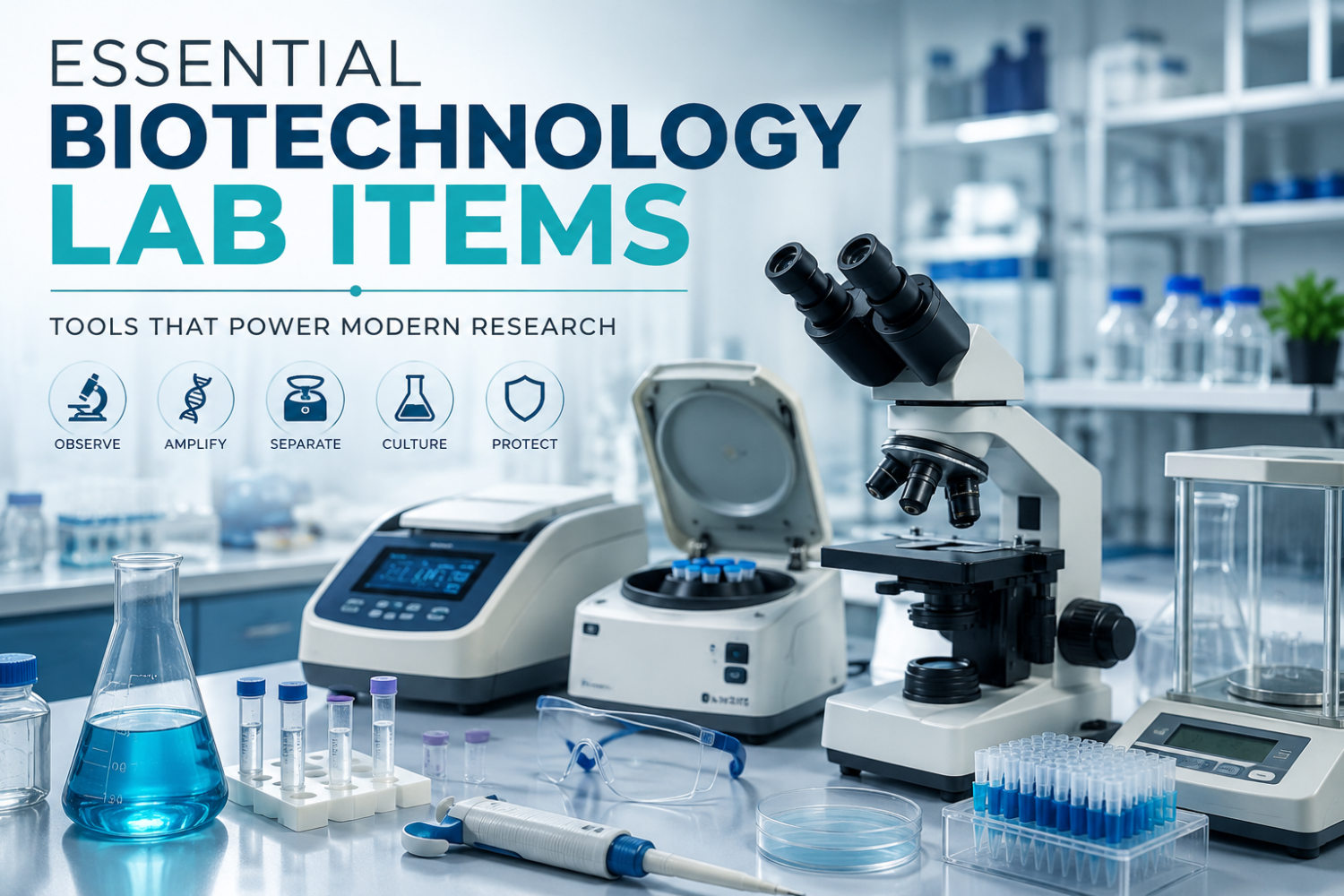
Essential Biotechnology Lab Items and Their Applications in Modern Research


Understanding ETP – Effluent Treatment Plant and Its Importance in Industry
Optimum Solution– Laboratory & Analytical Instruments Supplier in Bangladesh
Optimum Solution is a leading supplier of laboratory equipment, analytical instruments, and process control solutions in Bangladesh. Since our inception, we have built a strong presence in the industry, serving research labs, universities, pharmaceutical companies, and quality control laboratories nationwide. Through continuous dedication to improving our products and services, Optimum Solution has earned the trust and loyalty of our valued clients.


