
-
 Analytical & Elemental Instruments
-
Biotechnology Lab Items
-
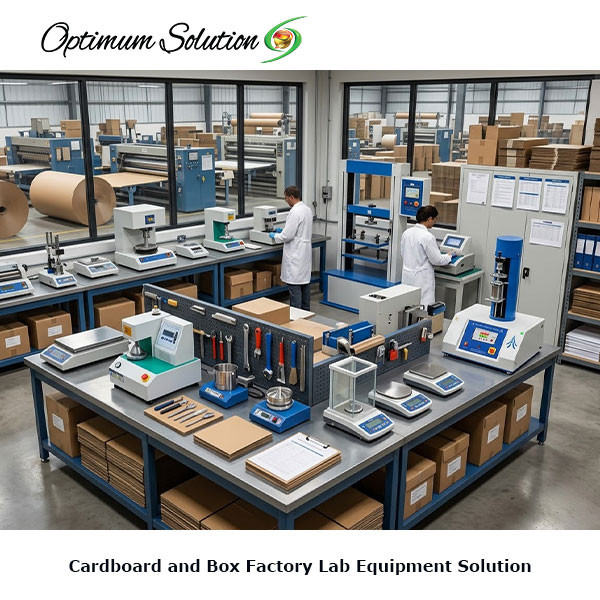
Cardboard and Box Factory Lab Equipment Solution
-
Cleanroom Solution
-
Consumables & Accessories
-
Dosing Pump for Chemicals
-
Electrochemistry & Titration
-
ETP -Effluent Treatment Plant
-
Feed Quality Laboratory
-
Food & Kitchen Lab Items
-
Hygiene Testing Equipment
-
Lab Furniture



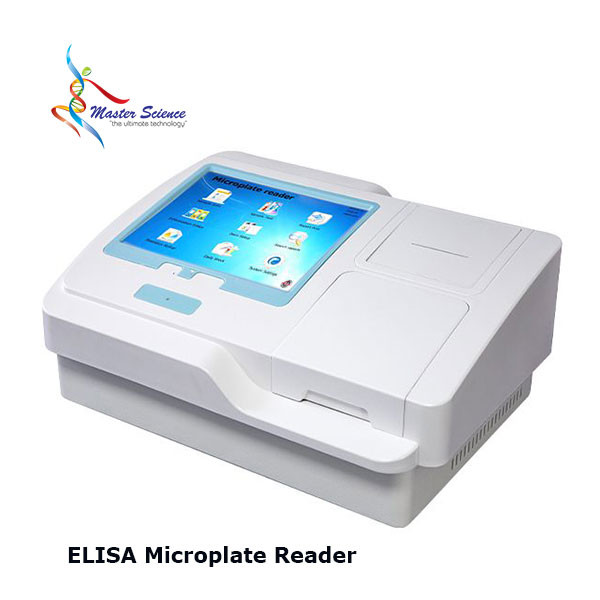
ELISA Microplate Reader – Absorbance Range: 0.000–4.000A – Wavelength: 400–725nm
Inhouse product
-
৳19,995.00
৳20,000.00 -
৳979,995.00
৳980,000.00 -
৳12,995.00
৳13,000.00 -
৳649,995.00
৳650,000.00 -
৳19,495.00
৳19,500.00 -
৳2,999,995.00
৳3,000,000.00



Reviews & Ratings
The following section lists measured performance values for this absorbance reader. Each line presents a verified specification. Model number MSMPR-H200BSWISS appears throughout.
Technical Specifications
Model number: MSMPR-H200BSWISS
Microplate compatibility: 96‑well and 48‑well plates
Photodetector: silicon photodiode
Light source: LED 8V/50W (rated lifespan up to 10,000 hours)
Wavelength range: 400 nm to 725 nm
Standard optical filters: 405 nm, 450 nm, 492 nm, 630 nm plus four optional filter positions
Absorbance reading range: 0.000 to 4.000 A
Optical resolution: 0.001 A
Accuracy: ±0.008 A
Reproducibility (well‑to‑well): ≤0.2%
Stability (drift): ±0.003 A
Reading speed, single wavelength: ≤3 seconds per full plate
Reading speed, dual wavelength: ≤6 seconds per full plate
Shaking function: linear shaking with three selectable speeds
Display: 10.4‑inch colour LCD touch screen, resolution 1024 × 600 pixels
Printer: built‑in thermal printer
Data storage: internal memory holds up to 20 million test records and 500 test project definitions
Interface ports: DVI, VGA, network (Ethernet), USB (supports external keyboard and mouse), audio, RS‑232
PC software: included without extra charge; professional computer‑based enzyme‑linked immunosorbent assay software
Power supply: 100–240 V AC, 50/60 Hz (universal input)
External dimensions (L × W × H): 460 mm × 350 mm × 197 mm
Net weight: 8 kg
Five ways this reader improves daily laboratory work
The features listed above translate directly into measurable gains for researchers and lab managers. Each point below connects a specification to a practical outcome. No bold or italic formatting appears in this section.
Better result consistency – The silicon photodiode detector combined with an 8‑channel optical fibre scanning system gives well‑to‑well reproducibility of ≤0.2%. This eliminates the “edge effect” and variable readings that often come from single‑channel detectors moving across a plate. Researchers see the same low variation whether they measure the first well or the last.
Faster workflow completion – Single‑wavelength reading takes three seconds per full 96‑well plate. Dual‑wavelength reading takes six seconds. A full day of ELISA plate reading (for example, 100 plates) finishes in under ten minutes rather than an hour. The linear shaking function with three speeds also removes the need for a separate orbital shaker.
Less time spent on data processing – More than 20 report formats are built into the instrument. Qualitative and quantitative evaluation functions are included, with cut‑off calculations, curve fits, and transformation formulas already programmed. The instrument stores twenty million test results and remembers five hundred test projects. Operators do not need to rebuild analysis templates each week.
Fewer instrument‑related errors – Auto lamp adjustment runs automatically. Auto calibration also runs without operator input. These two features keep the optical path stable over months of use. The instrument also includes a stable power supply design that tolerates fluctuations between 100 and 240 volts without recalibration.
Lower total operating cost – The LED light source has a manufacturer‑rated lifespan of 10,000 hours. No routine bulb changes are needed during normal use. The included PC software has no separate licence fee. The built‑in thermal printer uses standard paper rolls. The RS‑232 and USB ports mean the reader can connect to existing laboratory information systems without expensive adapters.
Common frustrations and how this reader eliminates them
Pain point: Inconsistent optical density readings between the centre and edge wells of the same plate.
Many absorbance readers show lower readings at the edges due to uneven illumination. The MPR‑H200B ELISA microplate reader (a full‑size 96‑well absorbance reader) uses an 8‑channel optical fibre scanning system with auto plate centering. This positions the centre of each well accurately under the light path every time. The result is consistent absorbance from well A1 to well H12. QC failure rates drop because the reader no longer introduces edge‑related variation.
Pain point: Time wasted transferring data manually from the reader screen to a computer for analysis.
Some laboratories still copy handwritten numbers from a small LCD screen. The same MPR‑H200B ELISA microplate reader (a touch‑screen absorbance reader with PC software) includes a 10.4‑inch colour touch screen that shows the entire plate layout with blanks, standards, samples, reference wells, and QC wells all on one display. From there, data goes directly to the included PC software via USB, network, or RS‑232. No manual transcription, no transcription errors.
Pain point: Equipment downtime caused by complex calibration procedures or lamp failure.
A tungsten halogen lamp that fails mid‑run forces a lab to stop all assays until a replacement arrives. The MPR‑H200B ELISA microplate reader (an LED‑based absorbance reader for ELISA labs) uses an LED light source rated for 10,000 hours of operation. Calibration runs automatically. Auto lamp adjustment compensates for minor drift without operator involvement. This keeps the reader running for longer intervals between service events.
Pain point: Unfriendly software that requires separate purchase or licensing.
Many plate readers ship with basic control software but charge separately for advanced data analysis. The fully equipped MPR‑H200B ELISA microplate reader (a benchtop absorbance reader with free PC software) includes professional computer‑based enzyme‑linked immunosorbent assay software at no extra cost. This software covers curve fitting, cut‑off calculations, transformation formulas, and more than twenty report formats. No additional licence fees. No annual renewals.
Which laboratories benefit most from this reader
Clinical diagnostic labs processing patient serum samples will use the built‑in qualitative evaluation functions with cut‑off calculations. Food safety labs measuring allergen levels will use the quantitative curve‑fit functions. Pharmaceutical QC labs running lot‑release assays will use the dual‑wavelength reading to correct for plate imperfections. Academic research labs with multiple users will use the 500 stored test projects, each retaining its own filter set, analysis method, and report format. The reader also works for veterinary diagnostics, environmental testing, and basic immunology research.
Physical layout and daily operation
The instrument measures 460 mm wide, 350 mm deep, and 197 mm high. It weighs 8 kg, which allows one person to move it between benches if needed. The 10.4‑inch touch screen is large enough to show a full plate layout. The interface supports an external keyboard and mouse if users prefer physical keys. The built‑in thermal printer produces hard copies of results immediately after reading. The front panel gives access to the plate drawer. The rear panel carries all connection ports: DVI, VGA, network, USB, audio, and RS‑232.
Ordering and delivery information
Model MPR‑H200B ships with the following items in the box:
Main instrument (ELISA microplate reader, absorbance detection)
Power cord (suitable for 100–240 V AC, 50/60 Hz)
Built‑in thermal printer (already installed)
PC software CD or download link (no additional charge)
USB cable (for direct connection to a computer)
User manual (printed or digital)
Four standard optical filters (405, 450, 492, 630 nm) pre‑installed
Four positions left empty for user‑selected optional filters
Optional filters can be ordered separately. The supplier can provide filter wavelengths for specialised assays upon request.
Contact and quotation
To request pricing, lead time, or a live online demonstration of the MPR‑H200B ELISA microplate reader, use the contact methods shown on OUR website. Telephone and email support are available during Beijing working hours. A quotation can typically be issued within one working day. Bulk orders for laboratory networks or educational institutions may qualify for volume pricing.
Frequently Bought Products
-
৳19,995.00
৳20,000.00 -
৳979,995.00
৳980,000.00 -
৳12,995.00
৳13,000.00 -
৳649,995.00
৳650,000.00 -
৳19,495.00
৳19,500.00 -
৳2,999,995.00
৳3,000,000.00
Optimum Solution– Laboratory & Analytical Instruments Supplier in Bangladesh
Optimum Solution is a leading supplier of laboratory equipment, analytical instruments, and process control solutions in Bangladesh. Since our inception, we have built a strong presence in the industry, serving research labs, universities, pharmaceutical companies, and quality control laboratories nationwide. Through continuous dedication to improving our products and services, Optimum Solution has earned the trust and loyalty of our valued clients.


